
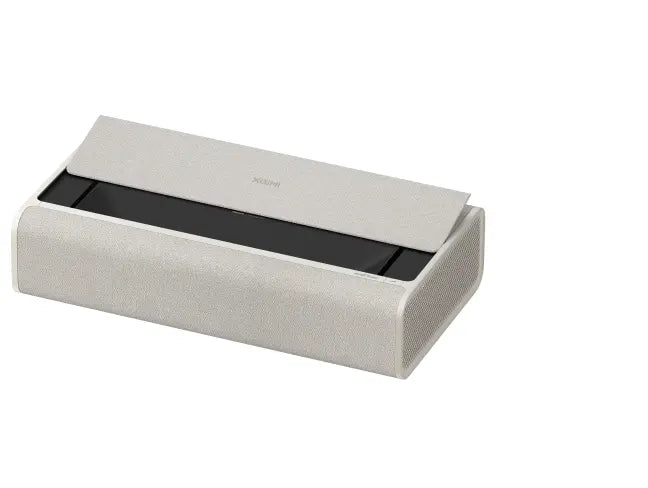
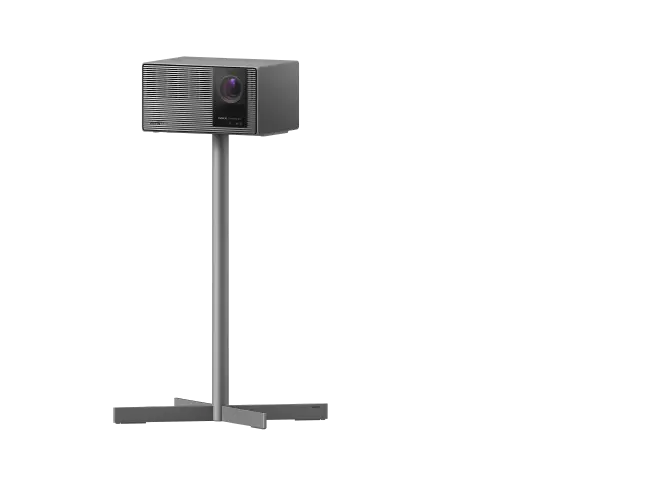
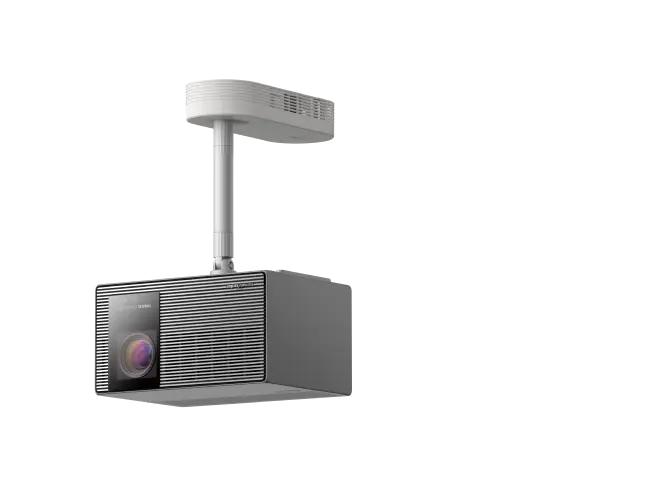



The right projector placement can transform your viewing experience. Each installation method offers unique advantages and challenges. Whether you're setting up a home theater or a casual viewing space, the placement you select affects image quality, room aesthetics, and daily convenience.

Quick Comparison: Three Ways to Position Your Projector
Before we explore each method in detail, here's a snapshot of what each installation type offers to help you identify the best fit for your needs.
| Consideration | Tabletop Setup | Ceiling Mount | Rear Projection System |
|---|---|---|---|
| Setup Complexity | Simple (plug and play) | Moderate (drilling, wiring) | Complex (dedicated space needed) |
| Installation Time | Minutes | 2-4 hours | 4+ hours + custom build |
| Can You Move It? | Yes, anytime | No (permanent) | No (integrated with screen) |
| Equipment Visibility During Viewing | Visible on furniture | Visible overhead | Completely hidden |
| Space Requirements | Furniture surface needed | Ceiling space | 4-8 feet behind screen |
| Who Sees the Projector? | Everyone | Everyone (above) | No one |
| Light Path Interruption Risk | High (people can walk through) | Low (overhead) | None (behind screen) |
| Daily Convenience | Need to power on and adjust | Power on (stays aligned) | Power on (always perfectly aligned) |
| Ideal User | Renters, multi-room use | Homeowners with dedicated space | Home theater enthusiasts |
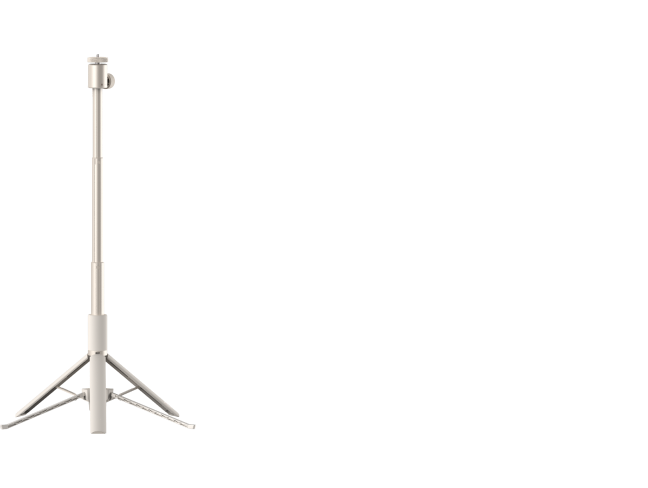
Tabletop Setup delivers maximum flexibility with minimal commitment. You can set up in minutes, move the projector between rooms, and avoid any permanent modifications to your space. This method works best for renters, casual viewers, or anyone who values adaptability. The trade-off comes in floor space usage and the risk of accidental bumps or light path interruptions.
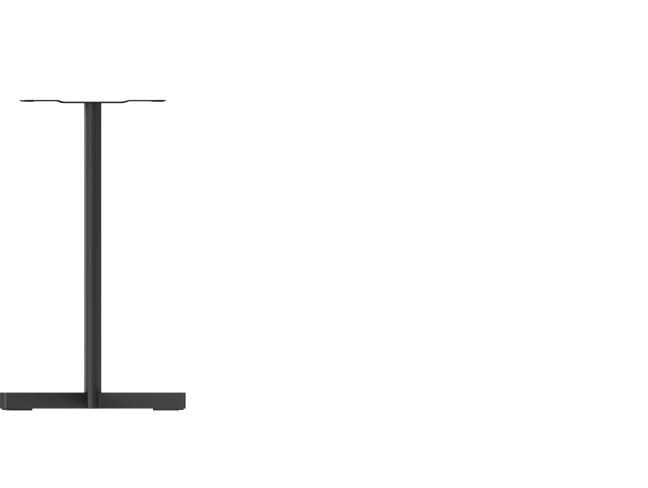
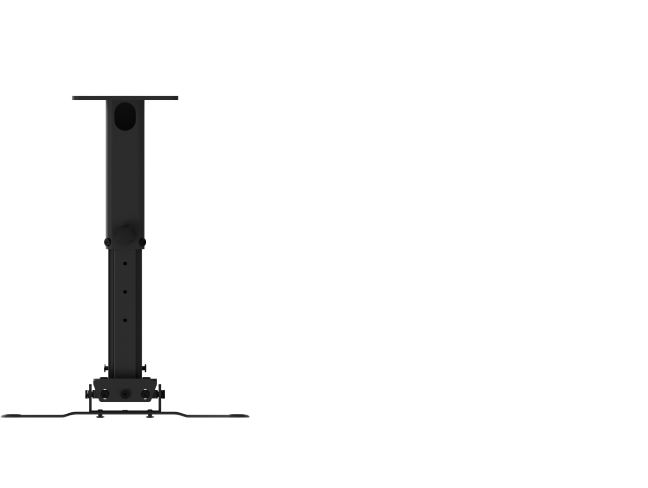
Ceiling Mount provides the most polished, professional appearance. The projector stays permanently fixed overhead, freeing up your furniture and floor space entirely. Once installed, you'll enjoy consistent image alignment without repeated adjustments. However, this option requires drilling into your ceiling, careful planning for cable management, and potentially professional installation help. For related guidance, see The Benefits of Using a Dedicated Projector Floor Stand Over a Coff....
Rear Projection creates the ultimate theater experience by hiding all equipment behind the screen. Viewers see only the image, never the projector itself. This premium approach eliminates shadows and equipment visibility completely. The significant requirements include substantial depth behind your screen, specialized translucent screens, and a higher budget for both equipment and installation.
Your room size, budget, and how you plan to use your projector will guide your decision. Temporary setups favor tabletop placement, dedicated home theaters justify ceiling or rear projection, and most situations fall somewhere in between.
Getting Started With Your Projector Setup
Before you dive into installation, it helps to know what makes placement so critical to your viewing experience.
Why Placement Is Everything for a Great Picture
The position of your projector directly impacts image clarity and viewing comfort. Poor placement creates keystoning, where the image appears distorted or trapezoidal. It can also lead to shadows from people walking by or blocked light paths.
Distance from the screen matters significantly. Too close and the image won't fill your screen properly. Too far and you lose brightness and detail. The angle also plays a role in maintaining proper geometry.
An Overview of Your Main Installation Options
Three primary methods dominate projector installation. Tabletop setups offer simplicity and flexibility. Ceiling mounts provide a permanent, professional solution. Rear projection creates an immersive experience by hiding the equipment.
Each approach serves different needs. Your room layout, budget, and how often you'll use the projector all influence which method works best. For related guidance, see How Room Shape and Furniture Layout Should Influence Your Projector....
The Simple and Flexible Tabletop Projector Setup
Tabletop placement remains the most accessible option for most users, requiring little more than a flat surface and a power outlet.

The Benefits of a Quick and Easy Placement
A tabletop projector setup requires minimal installation. Place your device on a shelf, table, or dedicated stand. You can start watching within minutes. This approach works well for renters who can't modify walls or ceilings.
The ability to move the projector between rooms becomes effortless. Take it from the living room to the backyard for movie nights. Adjust the position whenever needed without tools or hardware. This flexibility appeals to those who value adaptability.
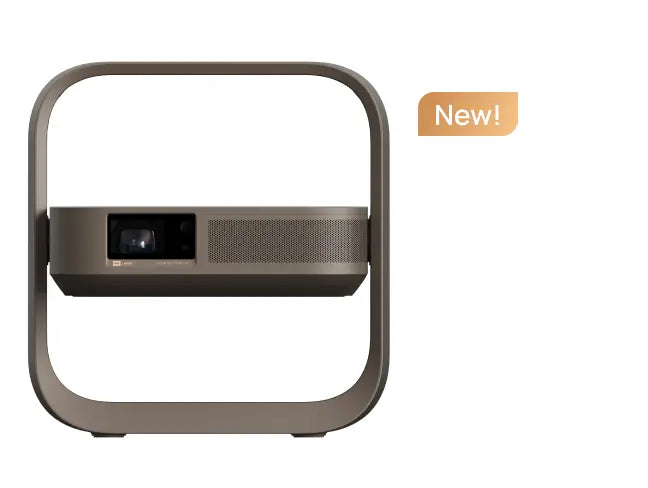
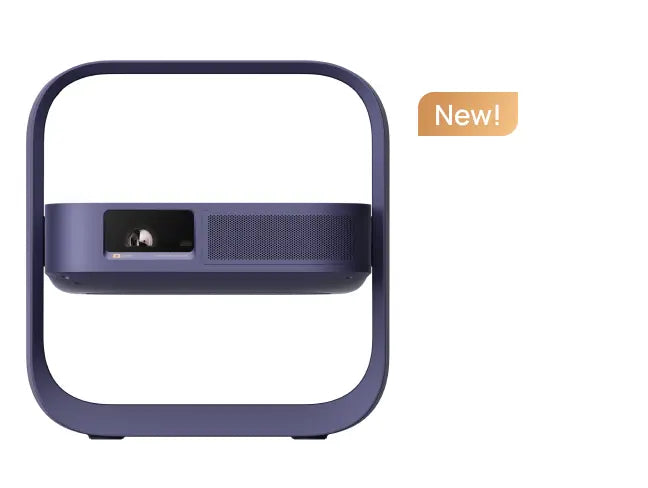
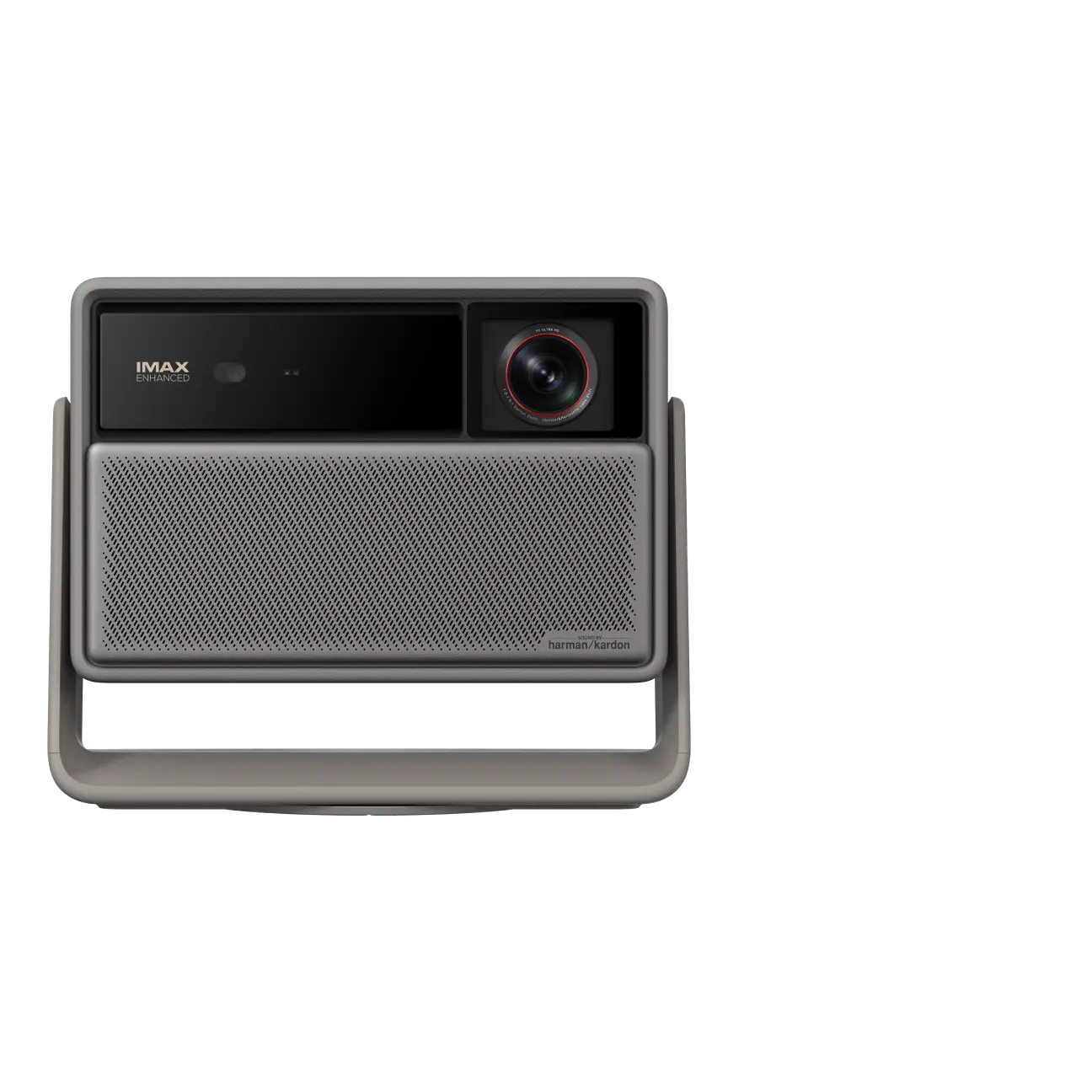
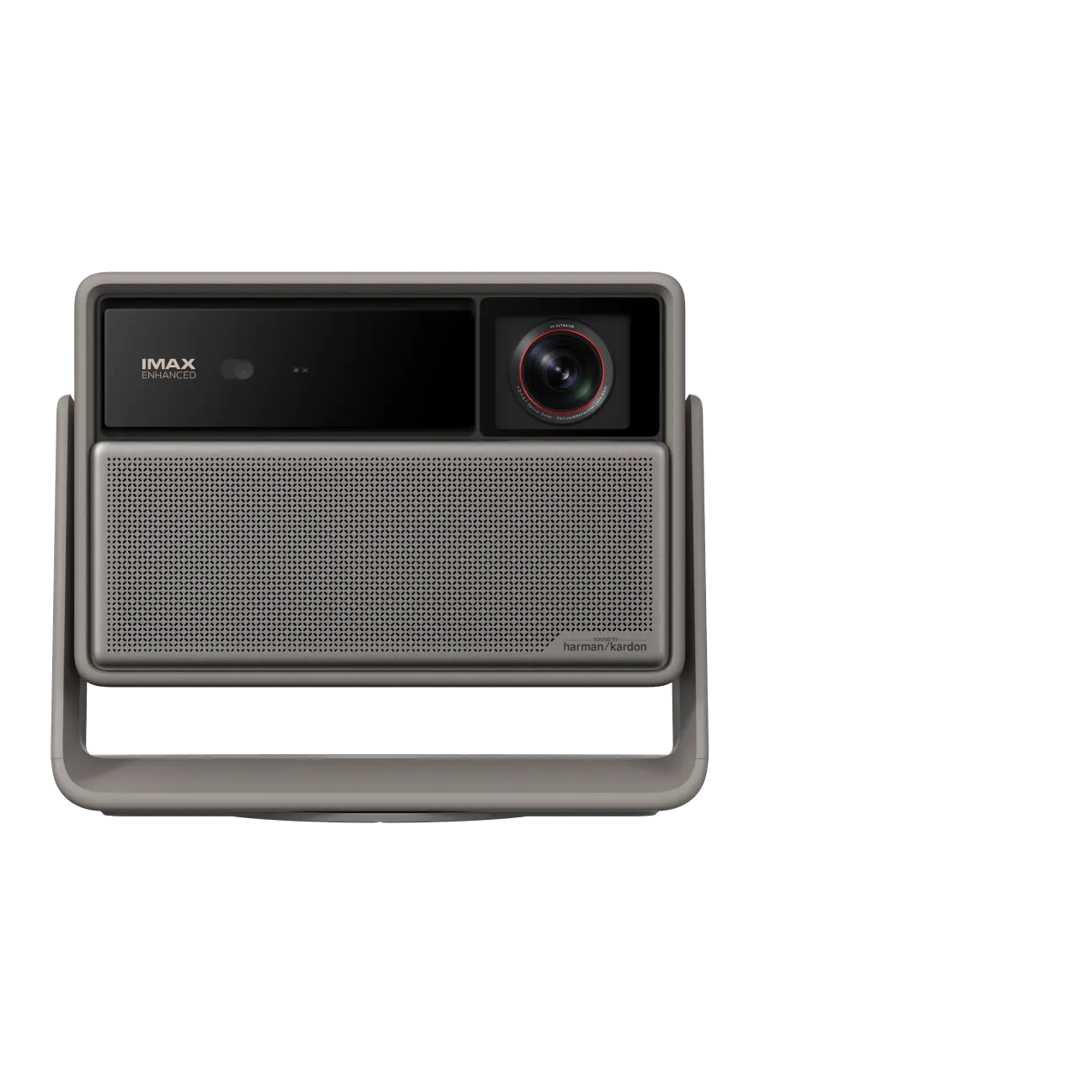
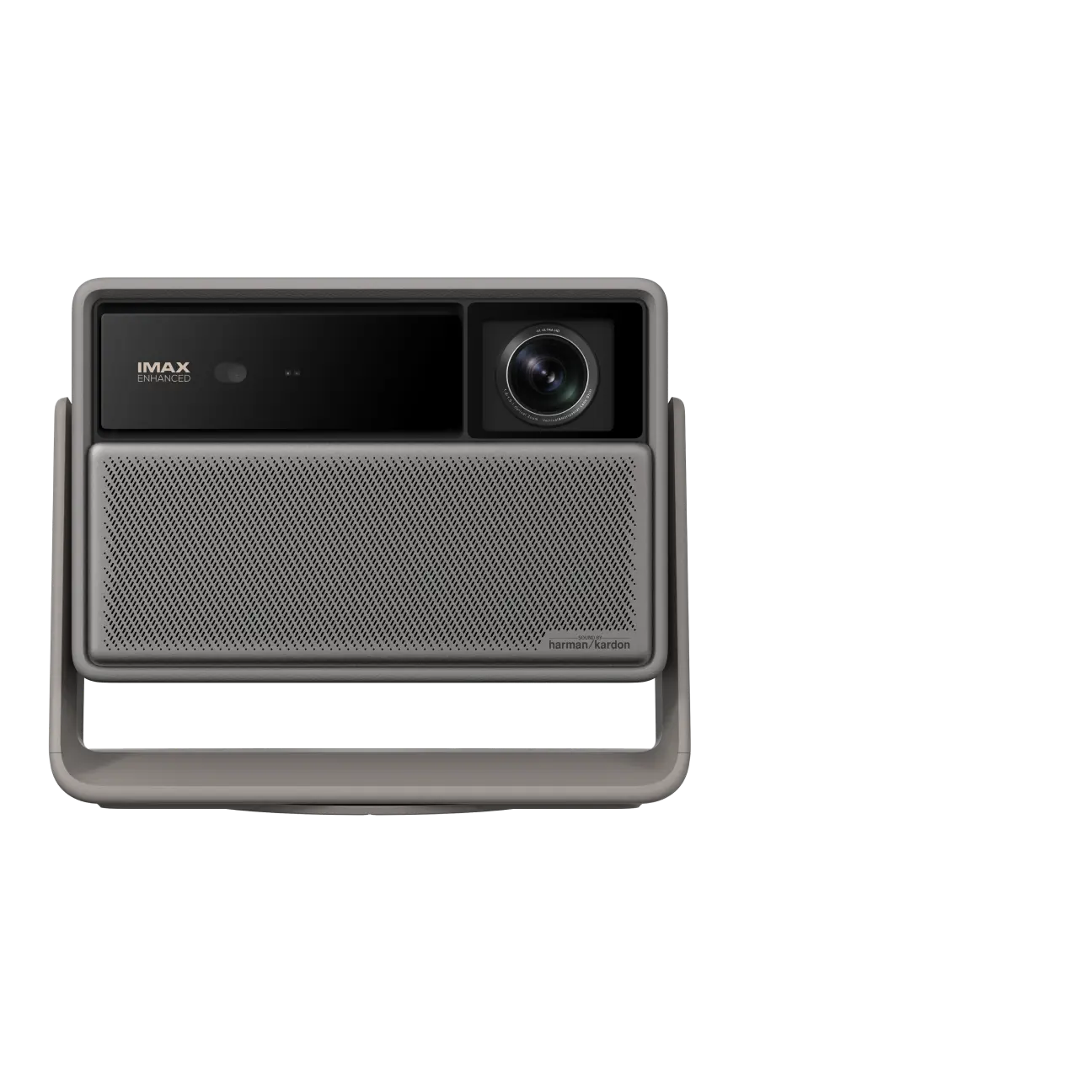
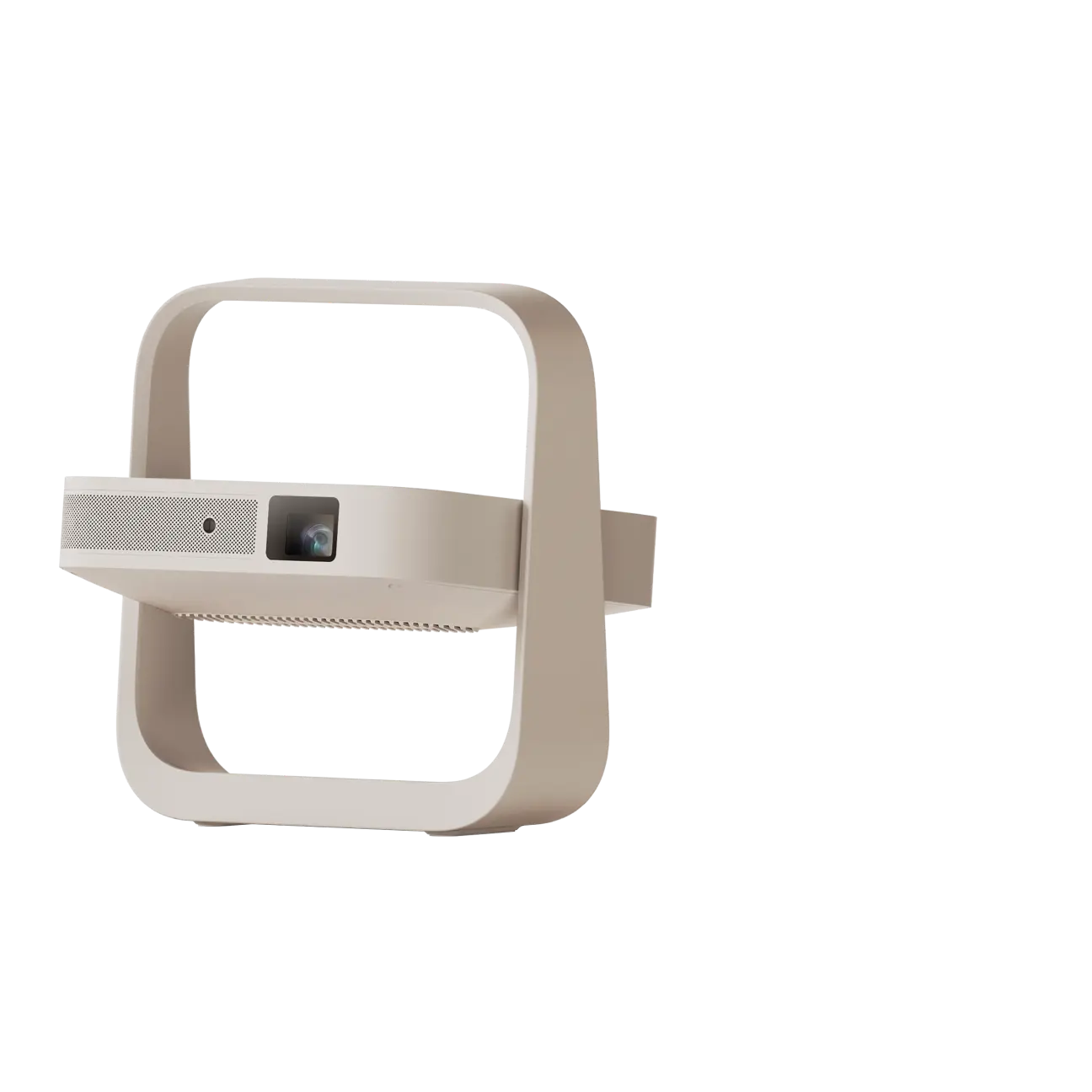
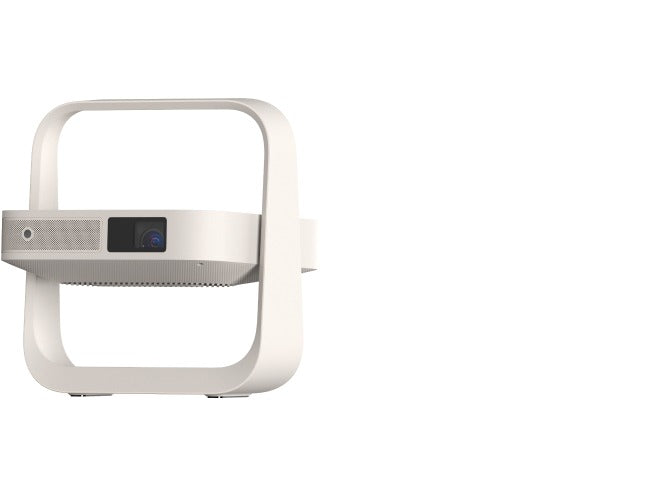
The low initial cost makes tabletop placement attractive. You won't need mounting brackets, drilling equipment, or professional installation. A stable surface is often all you need to begin. Some modern projectors like the XGIMI HORIZON S Pro even come with built-in flexible stands that rotate for wall or ceiling projection, eliminating the need for separate mounting hardware while maintaining tabletop convenience.
Common Challenges of a Tabletop Arrangement
Tables and shelves occupy valuable floor space. The projector remains visible, which some find distracting during viewing. Cables running across surfaces can create tripping hazards or visual clutter.
People walking between the projector and the screen interrupt the image. Children or pets might accidentally bump the device, requiring realignment. The projector sits at eye level or below, which sometimes creates suboptimal viewing angles.
Vibrations from the furniture can affect image stability. A wobbly table leads to a shaky picture. Heat from the projector may also affect items stored nearby.
A Guide to Ceiling Mount Projector Installation
For those ready to commit to a permanent setup, ceiling mounting offers the most professional and space-efficient solution.

Why a Ceiling Mount Creates a Clean, Professional Look
Ceiling-mount projector setup elevates your viewing space literally and figuratively. The projector hangs overhead, freeing up floor and furniture space. Cables route through walls or conduits for a tidy appearance.
No one blocks the light path when the projector sits above head height. The fixed position ensures consistent image alignment. You won't need to adjust settings before each viewing session.
A ceiling-mounted unit stays out of reach from children and pets. The permanent installation feels more like a dedicated theater than a temporary arrangement. Many find this setup enhances the overall room aesthetic.
What to Know Before You Mount Your Projector
How to mount a projector properly requires planning. Locate ceiling joists to ensure secure attachment. Standard drywall alone won't support the weight safely. Use a stud finder to identify solid mounting points. For related guidance, see Why Custom Mounting Points Matter for High-End Projector Stability.
Consider the projector placement guide specifications from your device manual. The throw ratio determines how far from the screen the projector should hang. Measure carefully before drilling.
Cable management needs advanced thought. Power and HDMI cables through ceilings can be complex to run. Some installations require an electrician to add outlets in the ceiling space. Budget for mounting hardware and potentially professional installation help.
Exploring the Advanced Rear Projection Setup
Rear projection represents the premium option, favored by those who want equipment completely hidden from view.
How a Hidden Projector Creates a Seamless Experience
The rear projection setup places the projector behind a translucent screen. Viewers only see the image, never the equipment. This creates a clean, theater-like atmosphere without visible technology.
The projector can sit in a separate room or an enclosed cabinet. Noise from cooling fans becomes barely noticeable. The hidden placement protects expensive equipment from accidental damage.
Nothing interrupts the viewing experience. No shadows appear on the screen when people move around. The setup works particularly well for dedicated home theaters where aesthetics matter.
The Special Requirements for Rear Projection
This installation demands significant space behind the screen. The projector needs adequate throw distance, often requiring several feet of depth. Smaller rooms may lack sufficient space for rear projection.
Specialized screens are necessary for this setup. Standard projection screens don't work when light comes from behind. Translucent screens cost more than regular options and require proper tensioning.
Mirror systems can reduce depth requirements by folding the light path. However, mirrors add complexity and potential alignment challenges. The entire rear area must stay dark to prevent light contamination affecting image quality.
Your Projector Placement Guide for Any Room
Regardless of which installation method you choose, proper positioning ensures optimal image quality and viewing comfort.
Throw Distance and Screen Size
Every projector has a specific throw ratio that determines positioning. Short-throw models sit closer to screens, typically 4-6 feet away. Standard throw projectors need 8-12 feet for common screen sizes.
Calculate the required distance before choosing your setup method. Multiply your desired screen width by the throw ratio from your projector's specifications. This calculation reveals whether your room accommodates the projector. For related guidance, see How to Calculate the Exact Ceiling Mount Distance for Your Throw Ra....
Screen size affects brightness perception. Larger images appear dimmer since the same light spreads across more areas. Balance screen size with your projector's lumen output for optimal viewing.

Finding the Sweet Spot for Optimal Viewing
The projector lens should align with the screen's vertical center when possible. This minimizes keystone correction needs and maintains image quality. Some variation is acceptable with modern correction features.
Room lighting conditions matter. Darker rooms allow smaller, less expensive projectors to perform well. Bright spaces need high-lumen models or ambient light-rejecting screens.
Seating distance follows the screen size. Viewers typically sit 1.5 to 2.5 times the screen width away for comfortable viewing. Adjust projector placement to accommodate your seating arrangement.
How to Set Up a Projector in a Bedroom
Bedrooms require special consideration due to their dual purpose as both sleeping and entertainment spaces.
Tips for Creating a Cozy Bedroom Cinema
Bedrooms present unique challenges and opportunities. Limited space often makes tabletop placement practical. A nightstand or dresser can serve as a projector platform.
Wall or ceiling projection both work in bedrooms. Paint one wall white to create an acceptable projection surface without buying a screen. Some prefer ceiling projection for viewing while lying down. Projectors with flexible stands, such as the XGIMI HORIZON S Pro, offer particularly good versatility for bedroom setups where you might want to switch between wall and ceiling projection.
Light control becomes easier in bedrooms since they typically have blackout curtains or blinds. This helps any projector perform better. Even modest models deliver satisfying results in dark conditions.
Why Portability Matters in a Smaller Space
Bedrooms serve multiple functions. You might want the projector for weekend movies only. Compact, lightweight models store easily in closets or under beds.
Quick setup and breakdown suit bedroom use. You won't want permanent installations interfering with daily routines. Choose a projector setup that takes minimal time to deploy and stow.
Wireless connectivity reduces cable clutter in tight spaces. Stream content from phones or laptops without running wires across the room. Battery-powered models offer complete portability.

Essential Features for a Painless Setup
Modern projectors come with intelligent features that dramatically simplify the installation process, regardless of which placement method you choose.
Simplified Installation With Modern Technology
Automatic keystone correction saves considerable setup time. The projector detects and fixes trapezoidal distortion electronically. You can place the device at various angles without manual adjustment.
Auto-focus eliminates the need for manual lens adjustment. The projector sharpens the image automatically when you turn it on or move it. This feature proves especially valuable for tabletop setups that move frequently.
Intelligent Screen Adaptation technology represents a significant advancement in how to set up a projector. XGIMI's ISA technology, particularly the ISA 5.0 system featured in models like the HORIZON S Pro, combines multiple smart features into one seamless system. The projector automatically detects your screen boundaries and fits the image perfectly. It avoids obstacles like wall decorations or light switches by intelligently adjusting the projection area. ISA-equipped models even adapt color temperature based on wall color to maintain accurate image reproduction. This technology transforms what used to take several minutes of manual adjustment into an automatic process that completes in seconds, making any placement method significantly more convenient.
Features That Enhance Any Placement Method
Built-in speakers eliminate external audio equipment for casual viewing. While serious theater enthusiasts prefer separate sound systems, integrated speakers work fine for everyday use.
Lens shift allows physical adjustment of image position without moving the projector. This proves helpful when mounting positions don't perfectly align with screen placement. The feature provides flexibility in ceiling mount installations.
Short-throw capabilities reduce the distance needed between the projector and the screen. This makes ceiling mounting possible in rooms with lower ceilings or limited depth.
Conclusion: Start Creating Your Home Theater Today
The right projector setup enhances your entertainment experience significantly. Tabletop placement offers flexibility and simplicity for casual users. Ceiling mounts deliver professional results in dedicated spaces. Rear projection creates premium theater environments. Consider your room dimensions, budget, and how often you'll use the projector. Each installation method has strengths that suit different situations and preferences.
Frequently Asked Questions
Q1: How Far Should a Ceiling Mount Projector Be From the Screen?
The distance depends on your projector's throw ratio and desired screen size. Most standard throw projectors need 10-12 feet for a 100-inch screen. Check your model's specifications for the exact throw ratio, then multiply it by your screen width. Short-throw models may work from just 4-6 feet away.
Q2: Can You Use Any Projector for the rear projection setup?
Most projectors can technically work for rear projection, but you'll need a translucent screen designed for this purpose. The projector should have image flip settings to correct the reversed picture. Consider that rear projection requires significant space behind the screen, which limits its practicality in many homes.
Q3: What Is the Easiest Projector Setup for Beginners?
Tabletop placement offers the simplest starting point. Place the projector on a stable surface facing your wall or screen, plug it in, and adjust the angle. Modern projectors with auto-focus and keystone correction make this process nearly effortless. You can begin watching within minutes without any installation.
Q4: Does Ceiling Mounting Improve Picture Quality?
Ceiling mounting doesn't inherently improve picture quality, but it provides more consistent alignment. The fixed position means you won't need to readjust settings before each use. The elevated angle also prevents people from blocking the light path, which maintains uninterrupted viewing.
Q5: How Do You Set Up a Projector in a Small Bedroom?
Choose a compact, portable projector for bedroom use. Place it on a nightstand or shelf facing a blank wall or portable screen. Keep the device close to power outlets to minimize cable runs. Consider a short-throw model if your bedroom has limited depth from the furniture to the wall. For related guidance, see How to Choose the Right Furniture Height for Your Ultra-Short Throw....


