

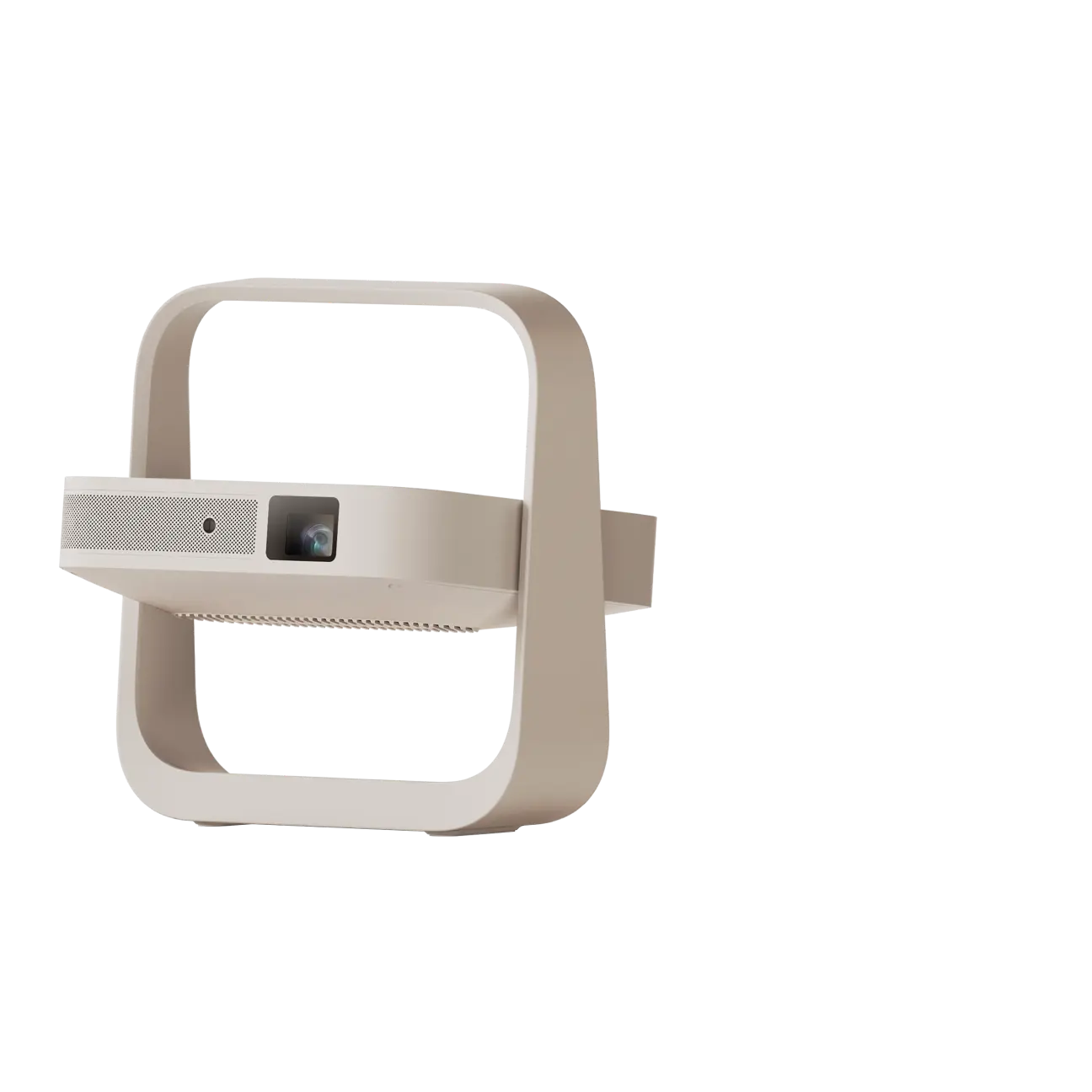
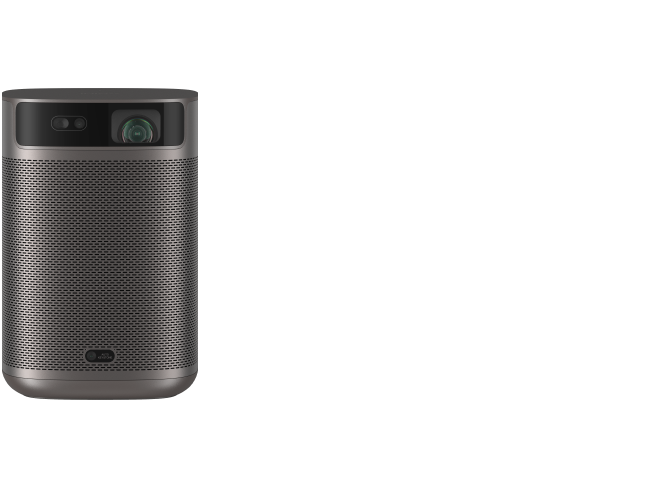
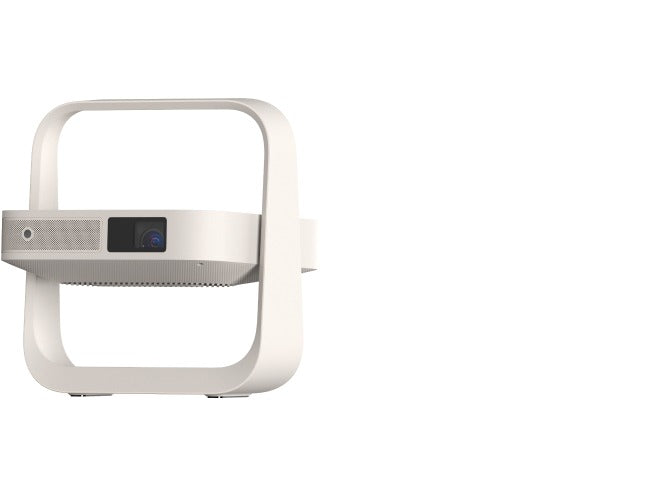
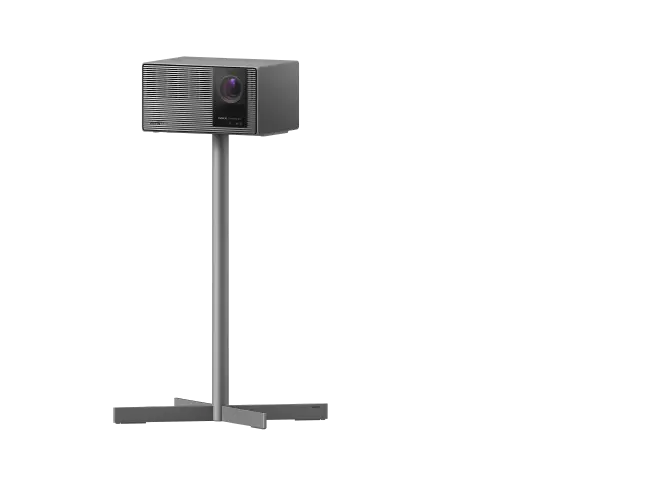

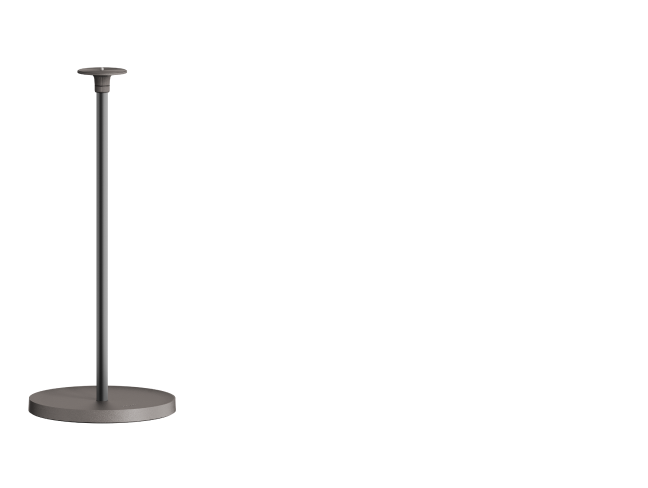
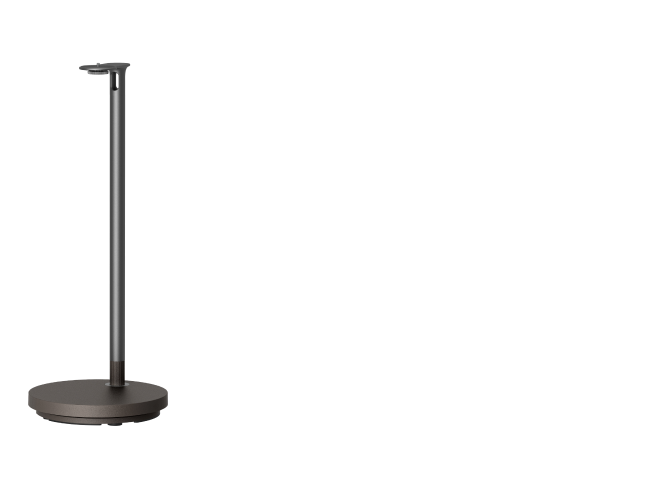
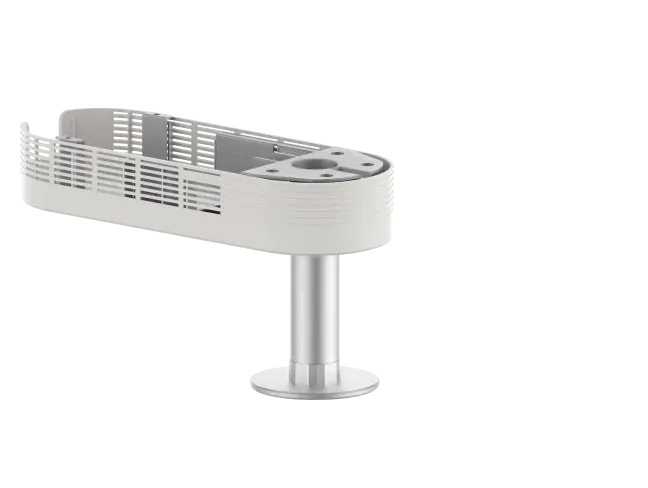
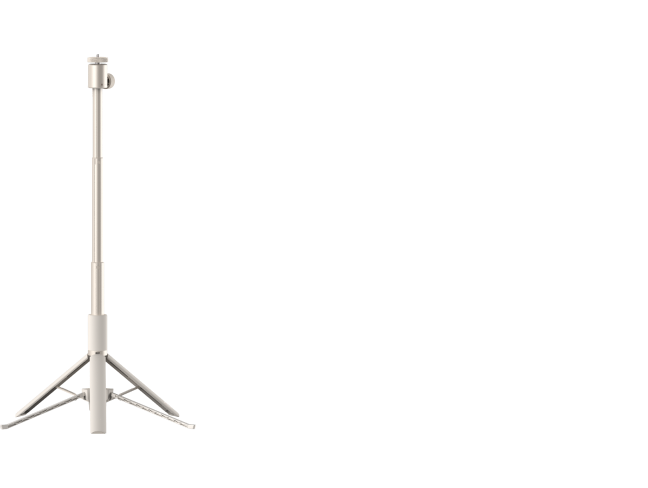
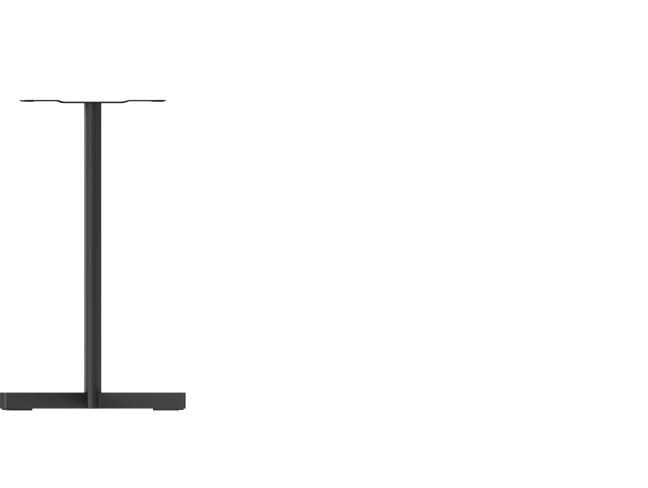
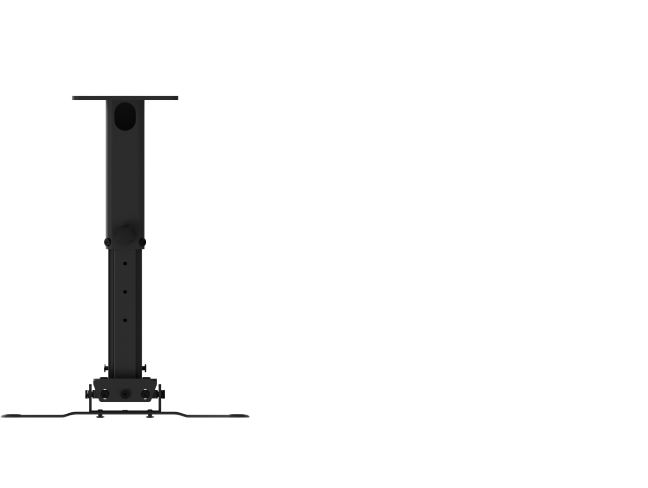



Placing your projector on a coffee table might feel like the simplest option for a living room setup, but it often leads to accidental bumps, inconsistent image alignment, and a cluttered viewing experience that distracts from movie night. A dedicated projector floor stand offers greater stability, precise height and angle control, and a cleaner aesthetic that keeps your projector safely out of the way while improving overall room flow.

Many beginners start with whatever furniture is handy, yet repeated small knocks or daily table use can shift the projector just enough to require constant readjustment. In contrast, a purpose-built stand locks the device at the ideal projection height and reduces the chance of misalignment or damage, especially in shared family spaces.
Why Coffee Table Placement Often Falls Short
Coffee tables are convenient for occasional use, but they introduce several practical drawbacks in a home theater context. The low height of most tables forces the projector lens closer to the floor, which can create keystoning issues or require books and risers for proper alignment. This improvised approach rarely delivers repeatable results from one viewing session to the next. For more on this topic, see Projector vs TV: An Honest Comparison for Your Home.
Foot traffic around the table increases the risk of bumps, particularly during family gatherings or when children and pets are present. Even a gentle nudge can shift the image or, worse, risk damaging sensitive projector components. Cables draped across the table also add visual clutter and create trip hazards, undermining the clean look many homeowners desire.
As explained in this projector placement guide, stable and level surfaces matter for consistent performance, yet everyday coffee tables rarely meet the ideal criteria once real-world use begins. The result is a setup that feels temporary rather than intentional, often leading to frustration over time.
Key Benefits of a Dedicated Projector Floor Stand
A well-designed floor stand addresses the core limitations of table placement by providing adjustable height, a stable base, and dedicated cable management. Most stands allow you to set the projector at the optimal lens height—typically 24 to 36 inches or higher—without relying on makeshift supports. This helps achieve a level image with minimal digital correction, preserving picture quality.

Stability is another major advantage. A weighted or wide-base stand resists accidental movement far better than a low table that gets used for drinks, snacks, and remote controls. For frequent movie nights, this means your carefully calibrated setup stays aligned session after session.
Aesthetically, a slim floor stand blends into minimalist living rooms more gracefully than a projector occupying valuable table surface. It keeps the coffee table free for its intended purpose while hiding cables within the stand itself. Design-conscious users often find that the stand contributes to a more polished, intentional home theater look rather than an afterthought.
Scenario Comparison: When a Floor Stand Makes Sense
The right choice depends heavily on your room layout, viewing frequency, and household dynamics. A coffee table can still work for very occasional use in a low-traffic space where the projector is stored afterward. However, once viewing becomes regular or the room sees consistent foot traffic, the benefits of a dedicated stand become more pronounced.
Consider these common situations:
- In family homes with children or pets, the stand keeps the projector elevated and out of reach, reducing both bump risk and accidental access.
- Small apartments benefit from the stand's compact footprint and vertical design, which frees up horizontal surface area.
- For shared living rooms used for both entertainment and daily life, the stand provides a fixed, repeatable position that avoids daily re-aiming.
This comprehensive projector setup guide explores tabletop versus more permanent options and highlights how dedicated placement solutions improve consistency. For more on this topic, see Projector Brightness Standards and Measurement: A Comprehensive Ref....
Here is an illustrative comparison of how well each option fits different living scenarios:
Coffee Table vs. Floor Stand Fit by Room Scenario
Illustrative fit score (1-5) based on internal setup guidance and buyer-scenario judgment; higher means better fit for the scenario.
View chart data
| Category | Coffee table fit | Floor stand fit |
|---|---|---|
| Living room movie nights | 4.0 | 2.0 |
| Small apartment | 3.0 | 4.0 |
| Family home | 2.0 | 5.0 |
| Shared space | 2.0 | 4.0 |
| Frequent viewing | 1.0 | 5.0 |
Heuristic/illustrative synthesis from internal setup guidance and minimalist living room constraints, mapped to buyer scenarios. Not measured data; scores reflect practical fit across use frequency, foot traffic, alignment consistency, and clutter sensitivity.
The chart shows that floor stands tend to provide stronger practical fit in higher-traffic or frequent-use situations, while coffee tables remain reasonable for casual, low-commitment setups. These scores are heuristic and should be weighed against your specific room constraints.
Common Myths About Projector Stands and Coffee Tables
Several misconceptions can prevent buyers from choosing the right placement solution.
Myth: A coffee table is always free and sufficient. Reality: While it costs nothing upfront, the hidden costs include frequent realignment, potential damage from bumps, and reduced enjoyment due to clutter or blocked sightlines.
Myth: Floor stands are inherently unstable or wobbly. Reality: Quality stands with wide bases and locking mechanisms are significantly more stable than a table edge, especially when the projector weight is properly distributed.
Myth: A stand will ruin the room's aesthetics. Reality: In many minimalist designs, a slim stand actually improves the look by freeing the coffee table and hiding cables. This guide to designing a minimalist living room with a hidden projector setup demonstrates how thoughtful placement enhances rather than detracts from interior style.
Myth: Any stand works the same as a table. Reality: Dedicated stands offer precise height adjustment and 360-degree rotation options that tables simply cannot match, leading to better image geometry and viewing comfort.
How to Choose and Set Up a Projector Floor Stand
When evaluating stands, prioritize adjustable height (ideally 19–35 inches or more), a sturdy aluminum or weighted base, and universal 1/4-inch mounting compatibility. Cable management channels are also valuable for maintaining a tidy appearance.
Setup is straightforward: position the stand in the calculated throw distance from your screen or wall, attach the projector, and fine-tune the height and angle for a level image. Most stands allow quick adjustments without tools, making them suitable even for beginners.
Before purchasing, measure your room to confirm the stand will fit comfortably without obstructing walkways. Test the placement with your specific projector model to ensure the lens height produces the desired screen size at your preferred seating distance.
For XGIMI projector owners, models like the XGIMI Floor Stand Ultra are engineered for precise compatibility and clean integration. Browse the full range of projector stands to find the right match for your setup.
When You Might Skip the Dedicated Stand
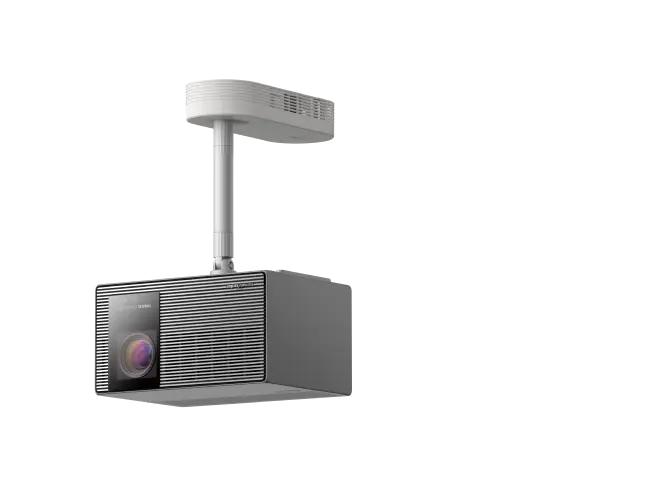
A floor stand is not always the best next purchase. Skip it if you already plan a permanent ceiling mount, as the stand would add unnecessary cost and footprint. It may also be overkill in extremely low-ceiling rooms or with ultra-short-throw projectors that require precise near-wall placement better served by a low console or custom shelf. For more on this topic, see Proprietary vs. Universal Mounts: Which is Better for Your Projector?.
If your budget is very tight and the room has minimal foot traffic with a suitably stable low surface already in the ideal spot, a coffee table setup can suffice for infrequent use. The key is honest assessment of how often you watch and how much daily interference the table receives.
Making the Switch for a Better Viewing Experience
Moving from a coffee table to a dedicated projector floor stand typically delivers noticeable improvements in stability, image consistency, and room aesthetics. The investment pays off through reduced frustration, fewer alignment tweaks, and a more polished entertainment space that invites regular use.
Take time to evaluate your specific living room conditions against the thresholds and scenarios outlined here. For most regular home theater users, especially in family or shared environments, the dedicated stand represents a meaningful upgrade over improvised solutions.
Ready to explore options? Check the accessories collection or read our complete projector setup guide for more placement ideas tailored to different room types.
Comfort and Setup Disclaimer: This article discusses placement options and comfort considerations for projector use. It does not constitute medical advice, diagnosis, or treatment. Projector setup choices may affect perceived eye strain or viewing comfort depending on room lighting, distance, and individual sensitivity. If you experience persistent eye discomfort or have existing vision conditions, consult a qualified eye care professional. Results vary based on specific equipment, room conditions, and personal preferences.


