
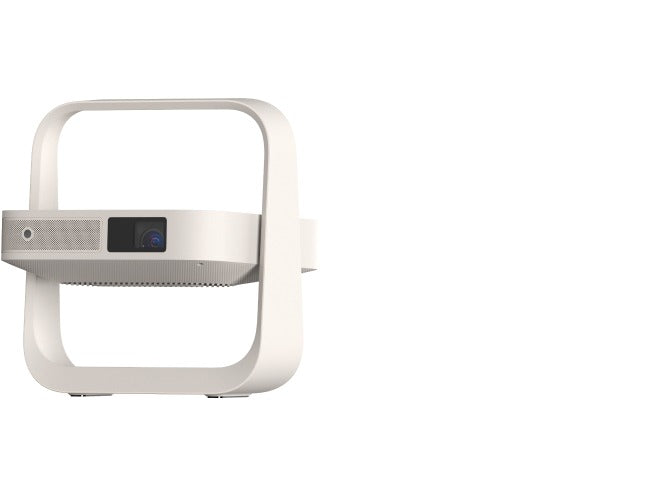
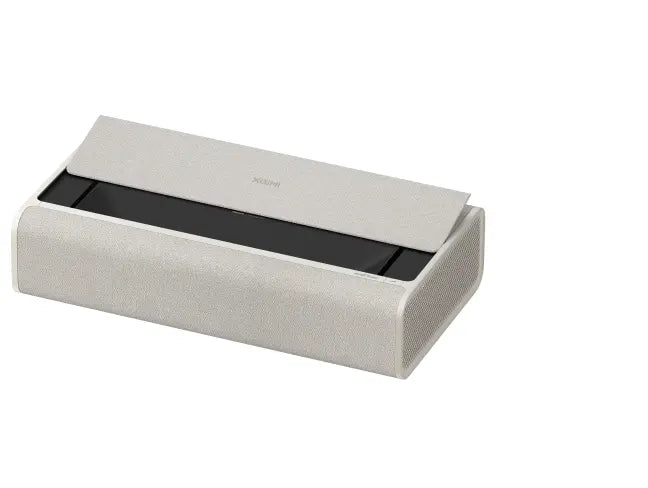




Transforming your living space into a home theater shouldn't require a major renovation. The ideal projector placement method depends heavily on your room's unique shape, dimensions, and existing furniture layout. By evaluating these factors first, you can choose an installation approach that delivers optimal image quality, viewing comfort, and seamless integration without forcing awkward compromises.

Room geometry and furniture directly dictate whether a ceiling mount, floor stand, or desktop placement will work best. A long rectangular living room with a clear back wall often supports traditional rear placement, while an L-shaped apartment or off-center seating area may require flexible positioning or smart correction features to avoid distortion and blocked sightlines. Planning around these constraints early prevents common regrets like frequent readjustments, cable clutter, or suboptimal viewing angles.
Why Room Shape Matters More Than You Think
Projector placement should start with throw distance and screen size, not just where furniture happens to be. The projector must fit the throw range needed for the intended image size, as explained in official user guides for precise setup. In narrow rooms or those with limited depth, a long-throw model placed too close produces a tiny image, while positioning too far exceeds the projector's capabilities and creates focus issues. For more on this topic, see The Ultimate Projector Setup Guide: Mounts, Stands, and Room Layouts. For more on this topic, see Projector Throw Ratio Explained: Standard vs. Short Throw vs. Ultra....
Irregular room shapes, such as L-shaped layouts or rooms with alcoves, introduce additional challenges. These spaces often force the projector off the centerline, increasing geometric distortion unless corrected. For the cleanest image, keep the projector as perpendicular to the screen as possible. When that's impossible due to architecture, smart alignment tools become essential rather than optional.
Room lighting and reflective surfaces in the room can affect the projected image, so furniture and wall/floor finishes are part of placement planning. A glossy coffee table in the beam path or light-colored walls opposite the screen can introduce stray light and reduce contrast. Measure your space thoroughly, including ceiling height, available clearance, and potential obstacles, before selecting hardware or mounts.
Common Room Scenarios and Placement Strategies
Different room configurations call for tailored approaches. Here's how typical home setups influence the decision:

Rectangular Living Rooms with Standard Furniture
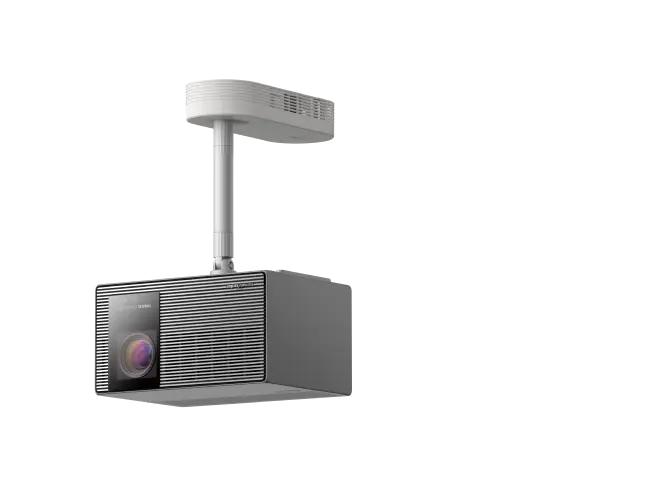
In a classic rectangular living room with the sofa facing a blank wall and clear space behind, rear placement is often straightforward. A ceiling mount provides a permanent, out-of-the-way solution with excellent stability and clean cable routing. This works well when the room depth matches the projector's throw ratio for your desired screen size.
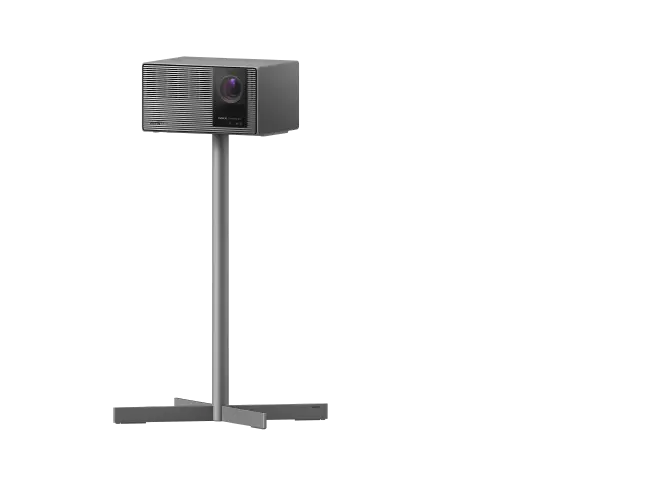
If you prefer flexibility for occasional rearrangement, a floor stand positioned behind the seating area offers similar performance without permanent installation. Avoid placing the projector on a low coffee table here, as it typically creates excessive vertical offset requiring more correction.
Small or Narrow Rooms and Apartments
Small rooms with limited wall space or obstructing furniture demand creative solutions. Projector placement for small rooms often favors short-throw or ultra-short-throw models that can sit closer to the screen, reducing the footprint needed. In these cases, a desktop mount or adjustable floor stand placed on a side table or low cabinet frequently outperforms a ceiling mount. For more on this topic, see Ceiling Mount vs Floor Stand: Best Projector Setup.
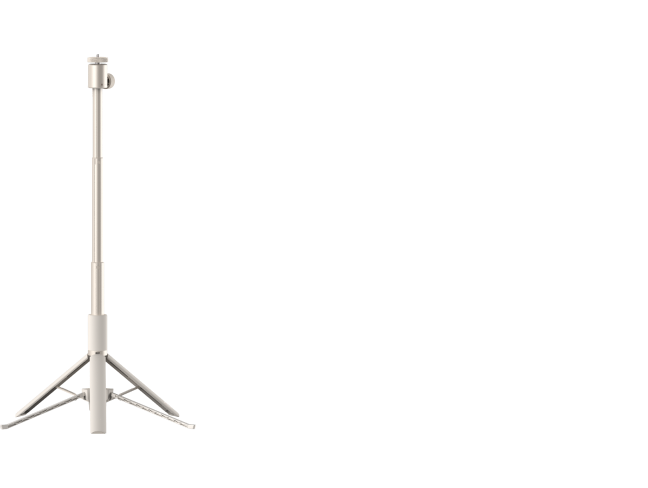
For apartments where drilling into ceilings isn't feasible, portable stands shine. They allow you to position the projector around furniture obstacles while maintaining proper throw distance. Always verify that the chosen spot keeps the beam path clear of walking areas to prevent shadows during use.
Off-Center or Asymmetrical Layouts
Many living rooms have off-center screens due to fireplaces, windows, or furniture arrangements. Off center projector placement increases the need for horizontal keystone correction, which can reduce effective resolution. Vertical and horizontal keystone adjustments address different kinds of image distortion caused by off-axis placement, but they work best as supplements to thoughtful positioning rather than primary fixes.
In these scenarios, a floor stand or desktop mount provides the adjustability to fine-tune the projector's angle and position. Ceiling mounts can work if the bracket allows lateral adjustment, but they require more precise planning during installation. Smart features like auto-keystone correction and obstacle avoidance significantly ease these constraints, letting you achieve a rectangular image even from imperfect angles. For more on this topic, see Why You Shouldn't Skimp on a Projector Stand: Stability and Alignment.
Irregular or Multipurpose Spaces
Rooms with sloped ceilings, multiple seating zones, or frequent layout changes benefit from highly adaptable placement. Here, movable options like floor stands minimize commitment while allowing experimentation. For more permanent setups in dedicated spaces, ceiling or wall brackets deliver stability and a clutter-free appearance.
Furniture and room surfaces can affect the light path and perceived image quality, so they should be treated as part of the placement problem. Consider how a tall bookshelf or media console might cast shadows or reflect light, and adjust accordingly.
Choosing the Right Installation Method: Ceiling, Floor Stand, or Desktop
The practical choice between ceiling mount, floor stand, and tabletop placement depends on whether the setup is temporary, semi-permanent, or permanent. Each method has distinct strengths based on room geometry and usage patterns.
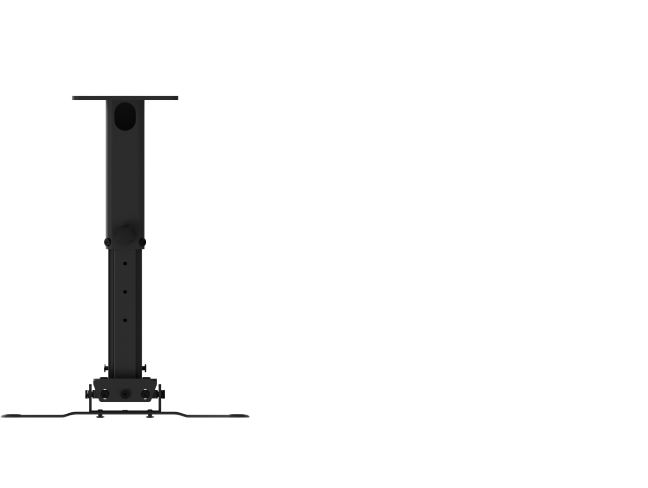
Ceiling mounts excel in stability and cable management for fixed installations. They keep the projector safely overhead, away from curious hands or accidental bumps, and create a streamlined look. However, they offer the least flexibility if your furniture layout changes. They're ideal for dedicated home theaters but less practical in multipurpose rooms.
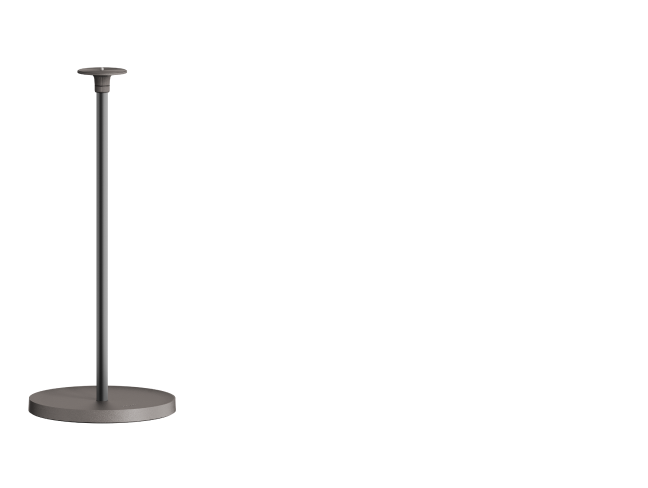
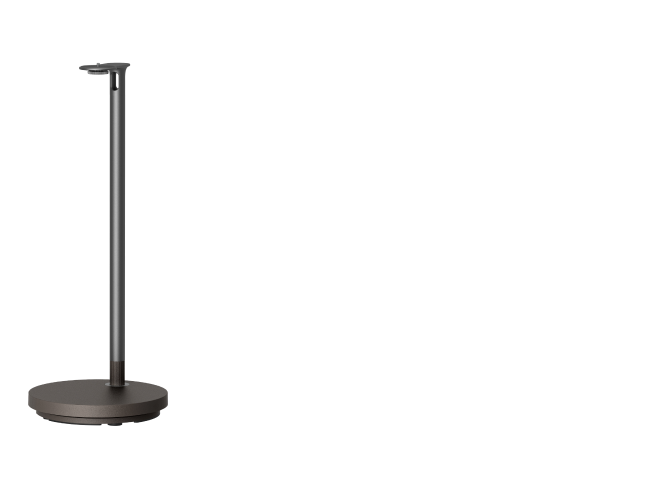
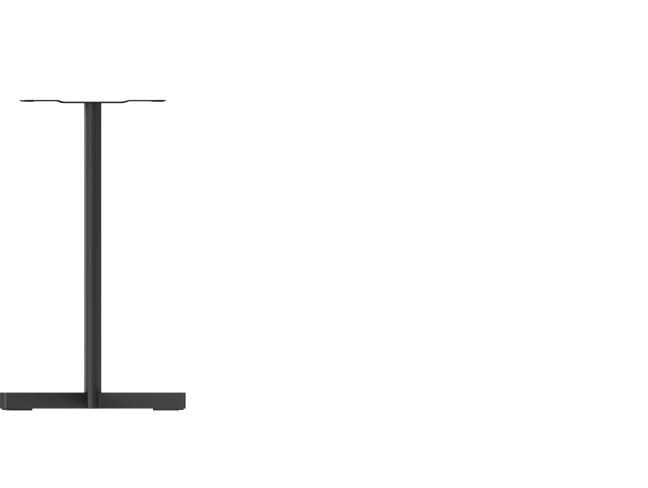
Floor stands provide excellent flexibility for most living rooms. Adjustable models let you tweak height, angle, and position easily, making them suitable for off-center setups or rooms where the projector must occasionally move. Cable management features on premium stands help maintain a tidy appearance. They work particularly well with smart projectors that handle imperfect alignment gracefully.
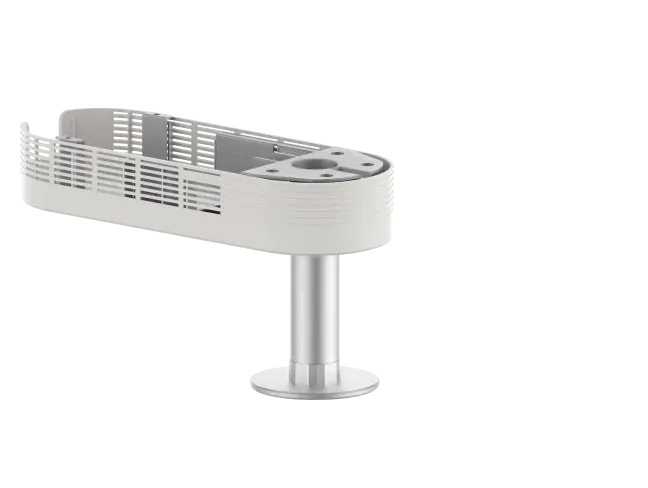
Desktop or tabletop mounts suit small spaces and temporary use. They're quick to set up and highly portable, but they often require more vertical keystone correction and can be vulnerable to bumps. Use them when ceiling or floor options aren't viable due to rental restrictions or very constrained layouts.
AV design guidance often relies on a projection calculator to determine the best projector position relative to the screen. Take advantage of manufacturer tools or online calculators to model your specific room dimensions before purchasing mounts.
Illustrative Radar Chart: Placement Method Tradeoffs
Projector Placement Fit by Room Scenario
Relative fit of placement methods across practical tradeoffs.
View chart data
| Series | Flexibility | Stability | Cable Management |
|---|---|---|---|
| Ceiling Mount | 2.0 | 5.0 | 5.0 |
| Floor Stand | 5.0 | 3.0 | 2.0 |
| Desktop | 3.0 | 2.0 | 3.0 |
Illustrative relative scoring derived from the brief: rectangular rooms with clear paths favor permanent ceiling mounting; small, irregular, or off-center rooms favor flexible stands or ceiling with ISA; limited depth favors short-throw setups with a stand. Scores are heuristic and comparative only, not measured performance.
This chart presents relative tradeoffs only. Ceiling mounts score high on stability and cable management but low on flexibility, while floor stands reverse that pattern. Use it as a starting point, then verify against your actual room measurements.
How Smart Features Reduce Placement Limitations
Modern projectors with Intelligent Screen Adaption (ISA) technology can simplify setup in challenging spaces. These systems automatically handle focus, keystone correction, and obstacle avoidance, making off-center projector placement more practical than ever. While smart alignment features can reduce placement constraints, they do not remove the need to plan for room geometry and throw distance.
Keystone correction can help square up an image when placement is constrained, but it should be treated as a correction tool rather than the first-choice placement method. Combining these features with the right mount maximizes their benefit.
For detailed guidance on this technology, explore All You Need To Know About XGIMI's ISA Technology.
Practical Checklist: Evaluate Your Room Before Choosing a Method
Use this step-by-step process to match placement to your space:
-
Measure key dimensions: Record room depth, width, ceiling height, and intended screen size. Use a throw distance calculator to identify viable projector positions.
-
Map furniture and traffic: Note sofa location, coffee tables, walking paths, and potential beam obstructions. Ensure the projector beam avoids crossing high-traffic areas.
-
Assess symmetry: Determine if the projector can be centered perpendicular to the screen. If not, prioritize adjustable mounts or models with strong auto-correction.
-
Evaluate permanence: Decide if the setup will be fixed or moved regularly. Permanent rooms favor ceiling mounts; flexible spaces suit stands.
-
Check power and cabling: Identify nearby outlets and plan cable routes. Good cable management prevents both safety hazards and visual clutter.
-
Test sightlines: Sit in your normal viewing positions and confirm the projector won't create shadows or require uncomfortable neck angles.
This checklist translates abstract room factors into concrete decisions, helping you avoid installations that don't fit long-term.
Recommended Accessories for Different Layouts
Matching the right accessory to your room enhances both performance and convenience. For ceiling installations, the XGIMI Ceiling Mount offers durable support with hidden cable storage for a clean look. Those needing flexibility should consider the XGIMI Floor Stand Ultra, which provides adjustable height and stability for various room shapes.
Desktop users can benefit from the X-Desktop Stand Pro for precise angle adjustments. Browse the full Stands collection to find compatible options for your projector model.
Additional setup advice is available in our Projector Setup Guide: Ceiling Mount vs. Tabletop vs. Rear Projection.
When to Reconsider Your Approach
Not every room supports every projector type. If your space has very low ceilings, extreme asymmetry, or constant layout changes, a portable short-throw projector with a flexible stand may be wiser than a traditional long-throw model with fixed mounting. In rental properties, avoid methods requiring permanent alterations.
Smart projectors with advanced alignment can expand your options significantly, but they work best when paired with mounts that allow basic positioning within their correction range. Always prioritize throw distance compatibility over forcing a particular mount style.
This article discusses comfort and setup advice only. It does not constitute technical installation services or professional design consultation. For complex installations or if you experience persistent setup difficulties, consult qualified professionals.
Choosing projector placement based on your specific room shape and furniture layout ensures better results and greater satisfaction. Start with careful measurement, consider how your space is actually used, and select the method that balances image quality, convenience, and aesthetics. With the right approach and features like ISA technology, even challenging rooms can deliver an impressive home theater experience.
For more on living room integration, see How to Choose and Set Up a Projector for Living Room?.


