
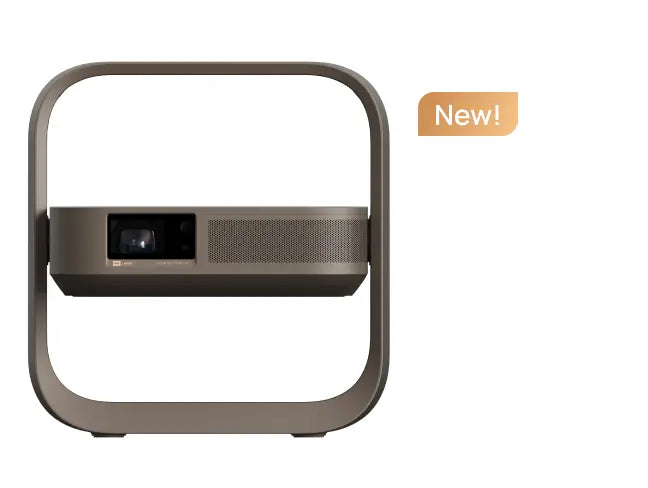
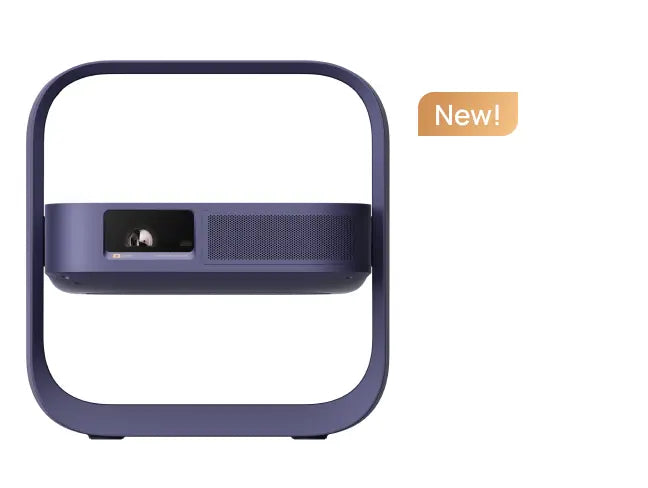
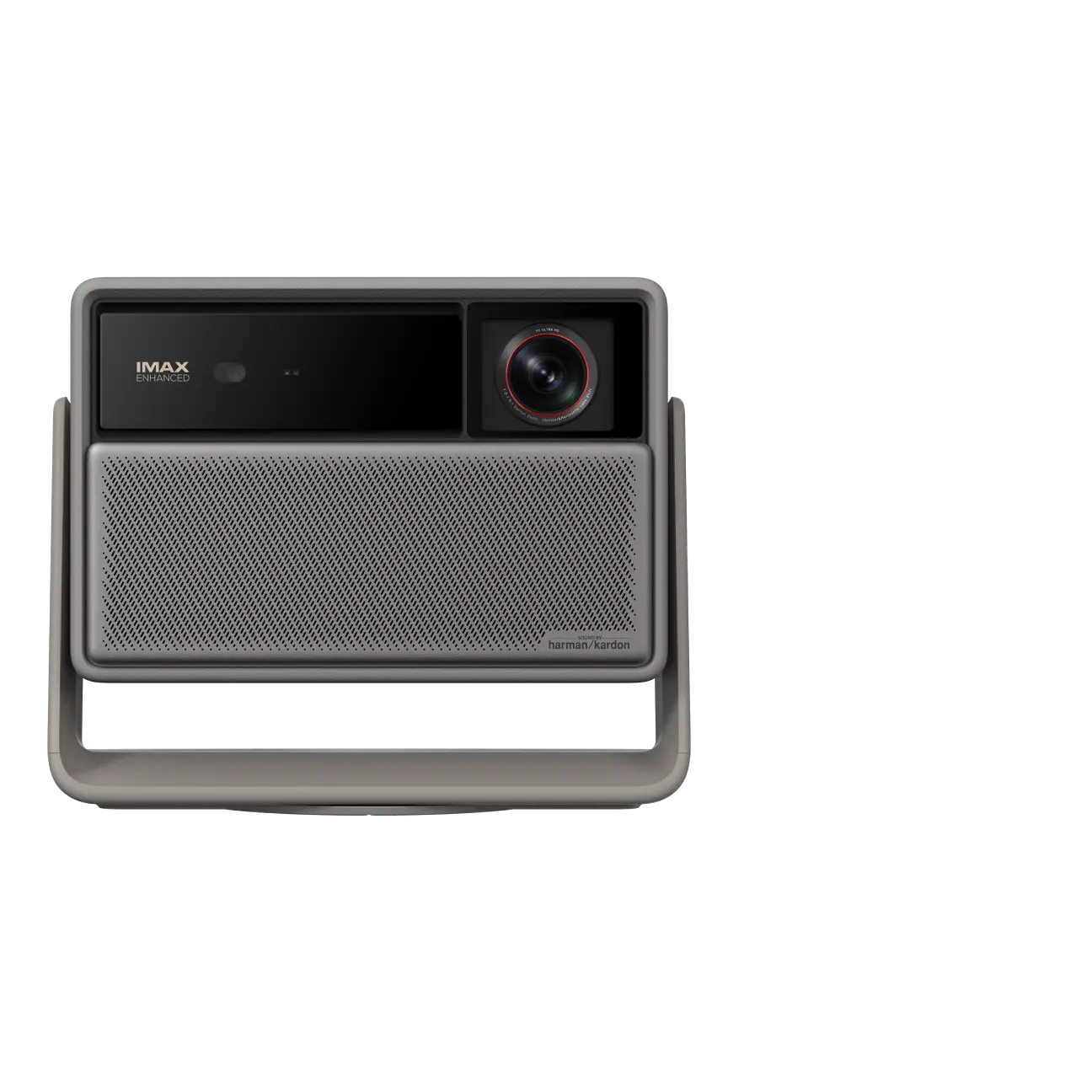
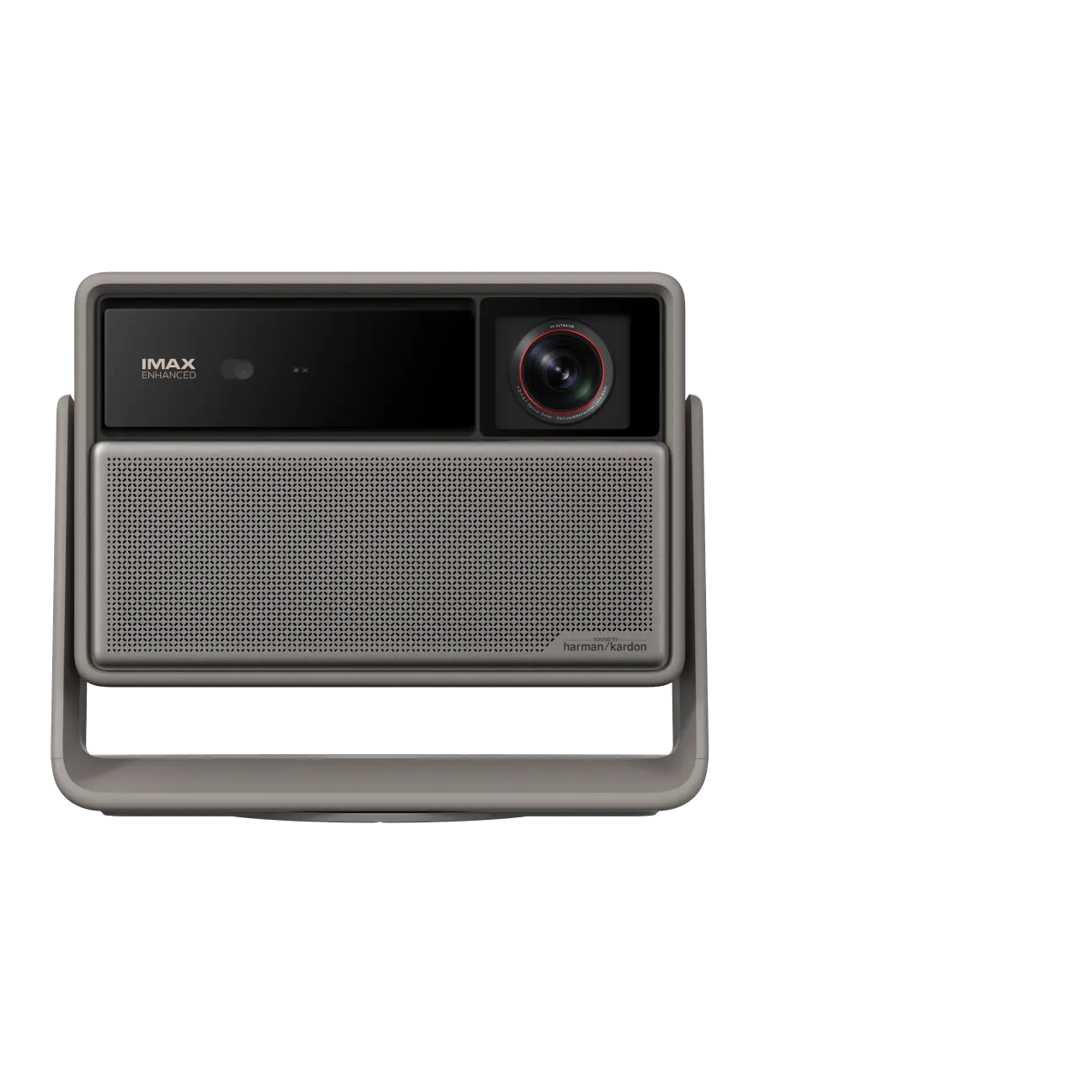
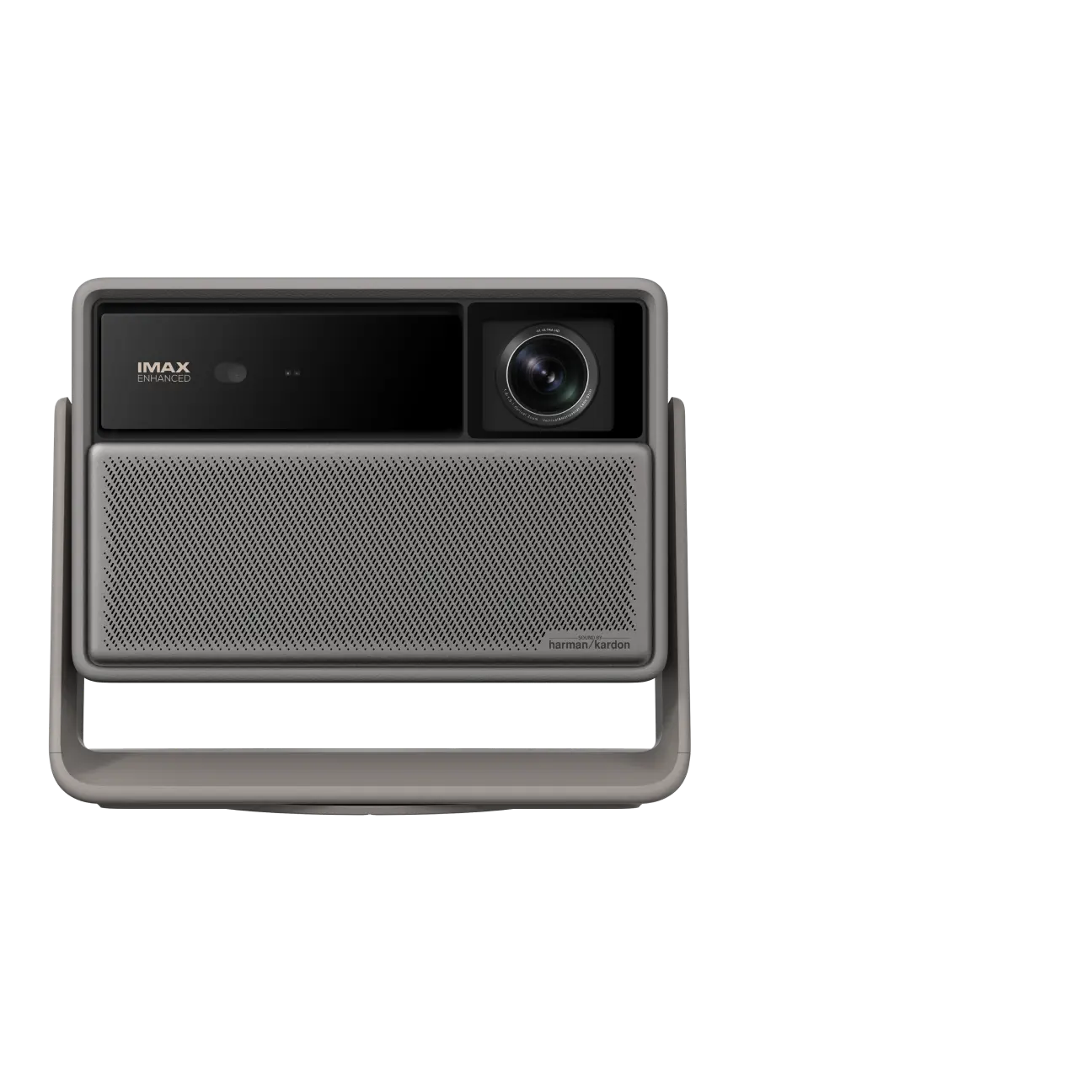
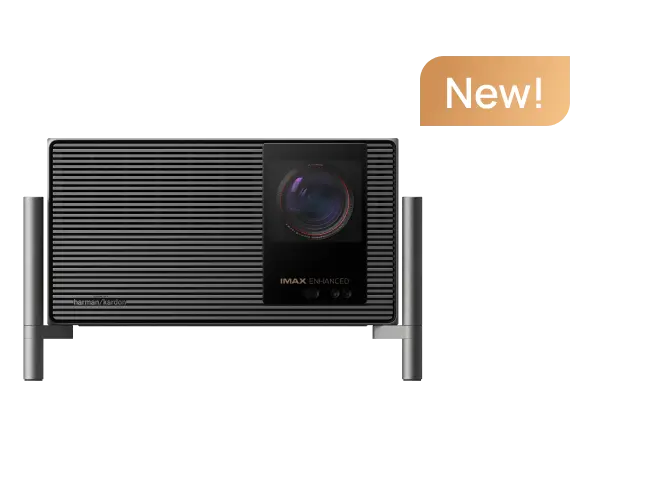
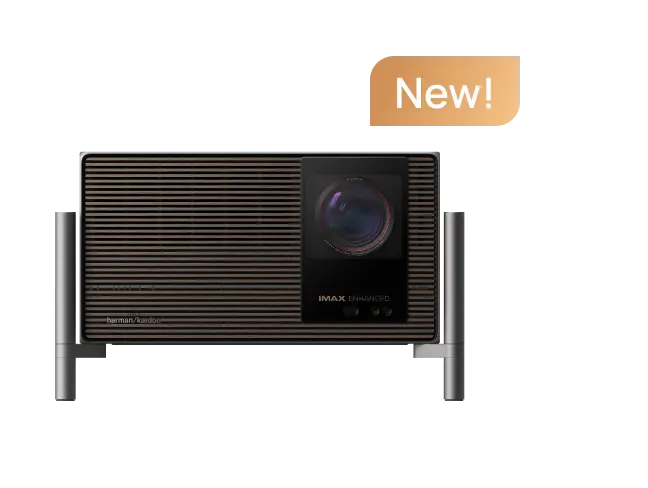
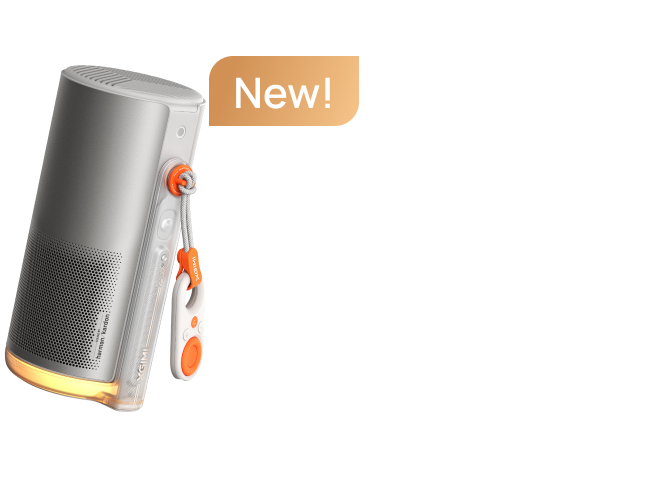
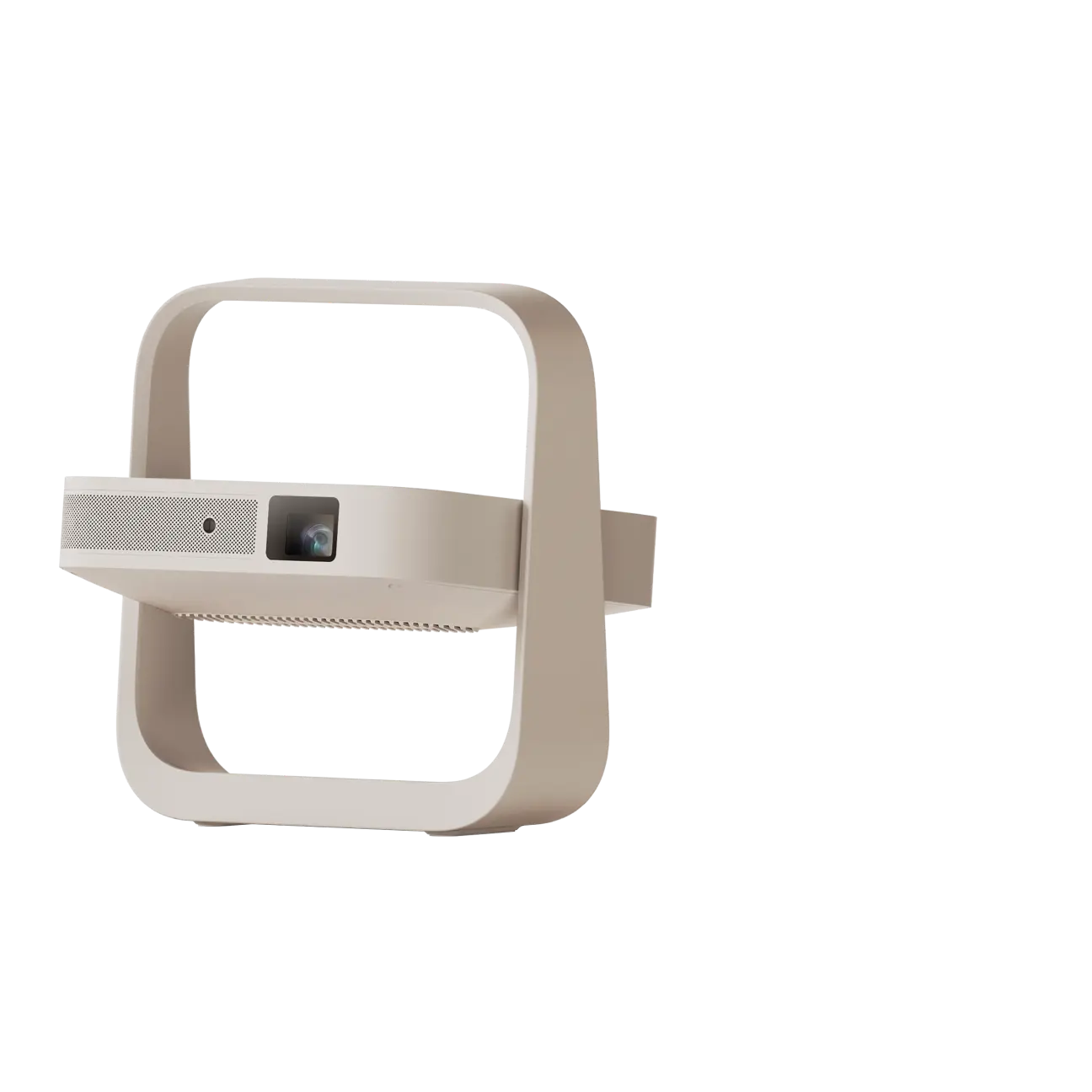
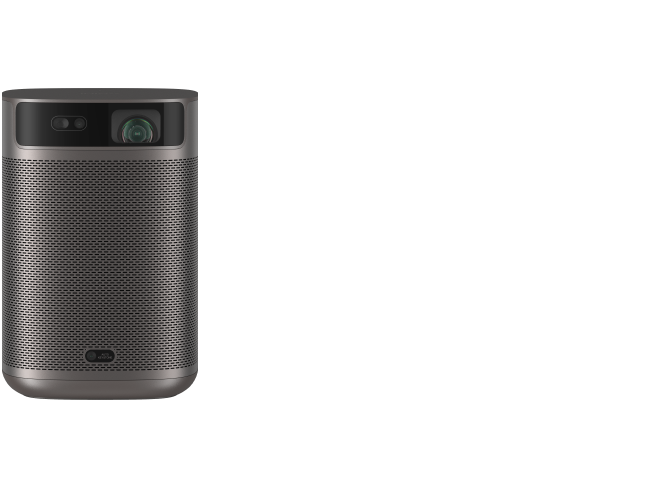
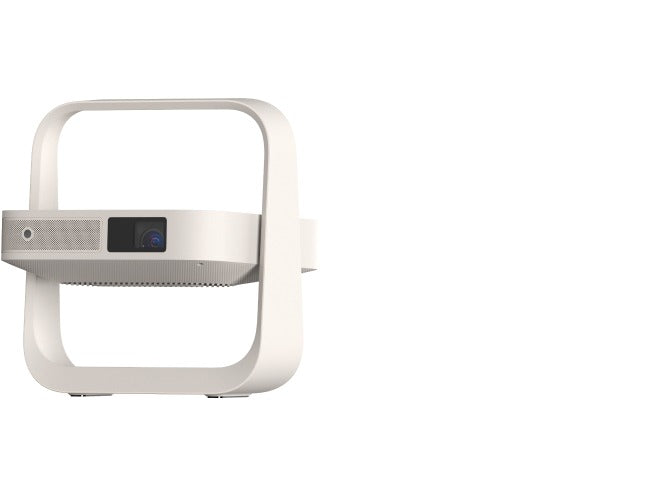
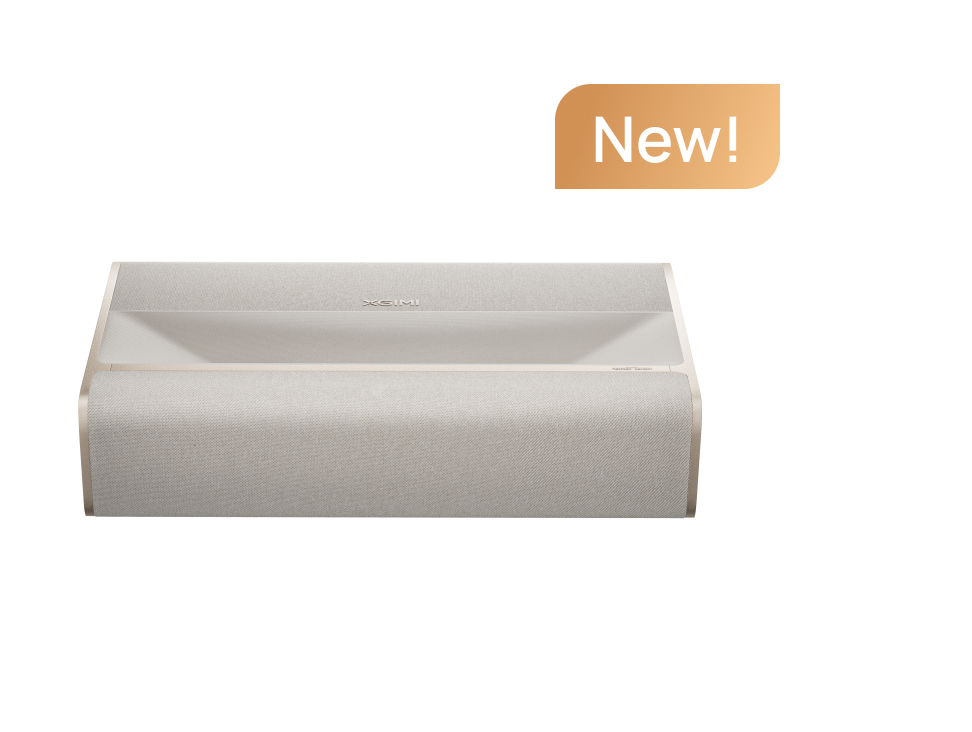
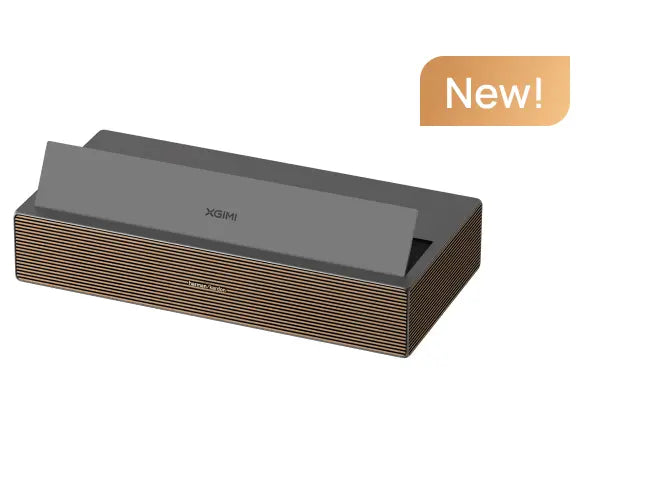
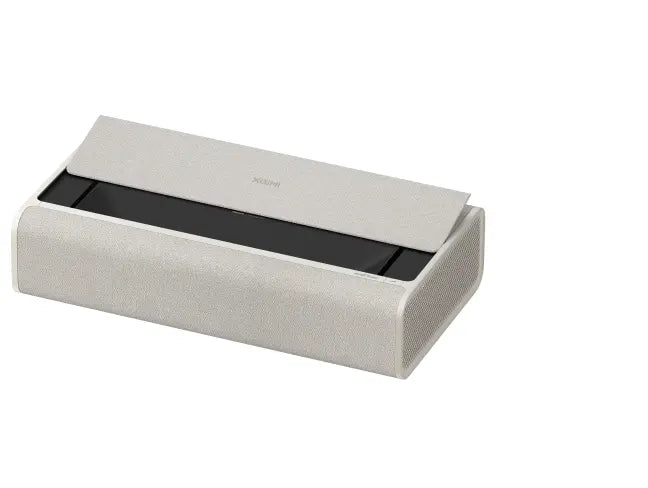
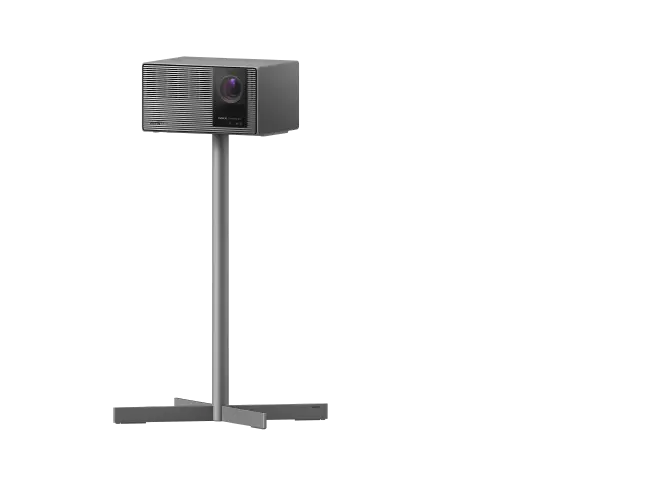
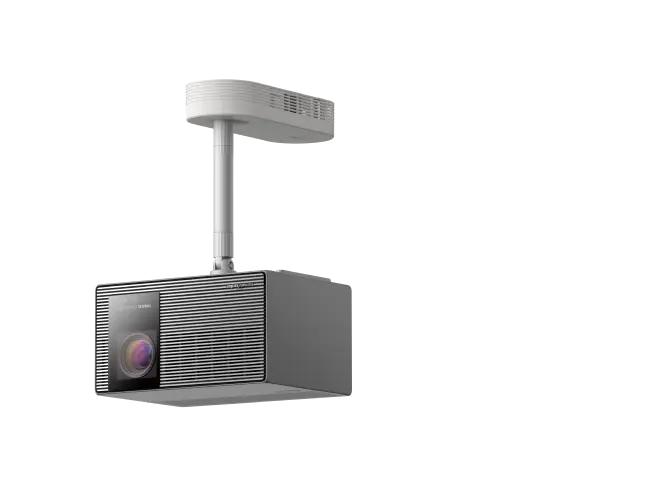

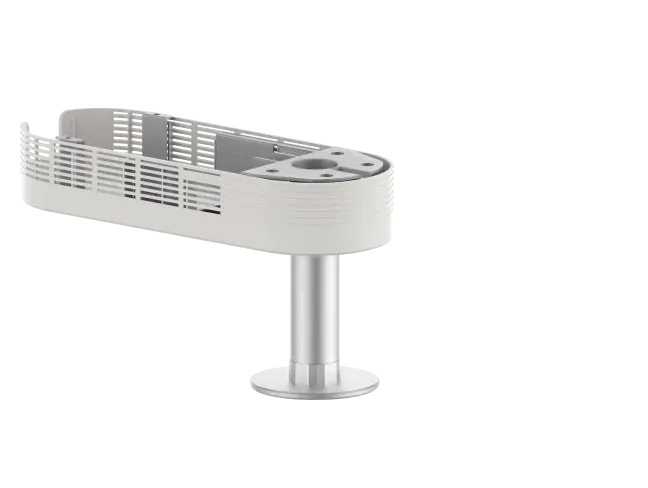
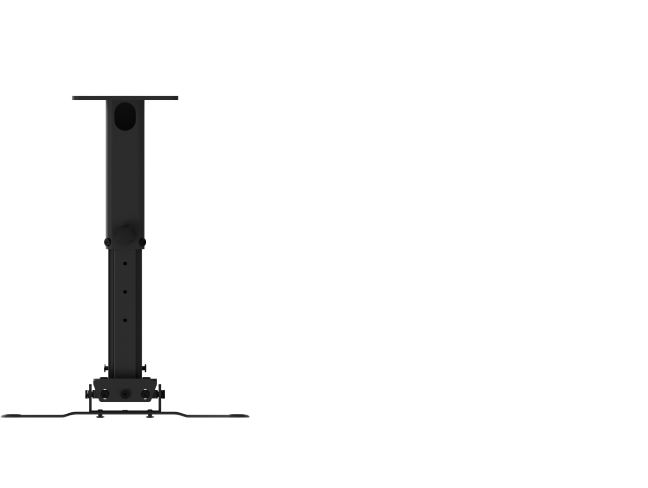



When ceiling-mounting a premium projector, the mounting points on the unit itself play a critical role in long-term image stability and vibration reduction. Custom reinforced mounting points distribute weight more effectively than generic hole patterns, helping prevent alignment drift and loosening over years of use in a dedicated home theater.

Premium projectors are often heavier and designed for fixed installations where even minor movement can degrade the viewing experience. Official guidance on overhead-mounted equipment consistently stresses the need for proper load handling, vibration control, and precise alignment rather than relying on improvised or one-size-fits-all hardware.
Why Mounting Points Are More Than Simple Screw Holes
Ceiling-mounted projectors require careful attention to vibration control because any movement can affect alignment and image stability. This becomes especially important in rooms where the projector remains installed for long periods. Custom mounting points on high-end models are engineered as reinforced interfaces that better match the projector's weight distribution and balance. For more on this topic, see How to Choose a Projector for Your Space: Room-by-Room Guide.
In contrast, many standard projectors use universal hole patterns that work with a wide range of mounts but may not provide the same level of structural support for heavier units. Facility design documents often treat projector mounting as a coordinated part of the ceiling plan, indicating that the mounting interface should be selected as an integrated system rather than an afterthought.
This planned approach helps ensure the projector stays precisely where intended. For home theater enthusiasts investing in premium equipment, understanding these differences helps avoid common installation regrets down the line.
How Custom Reinforced Mounting Points Improve Load Distribution
Custom reinforced mounting points spread the projector's weight across stronger, strategically placed anchors. This design reduces stress on any single point and minimizes the chance of gradual loosening that can occur with repeated thermal cycling or minor vibrations in the building structure.
Official building standards for overhead equipment note that vibration isolation methods may be required to maintain alignment. Reinforced points work together with compatible brackets to absorb and dampen vibrations more effectively than simpler hole patterns.
For heavier premium projectors, this translates to better performance in real-world conditions. Load distribution becomes particularly relevant when the ceiling has slight imperfections or when the room experiences occasional low-frequency vibrations from HVAC systems or footsteps.
As this Office of Information and Technology Design Guide explains, mounting assemblies for such equipment should be treated as fixed hardware systems selected as part of the overall installation rather than generic attachments.

Custom vs Universal Mounting Holes: A Practical Comparison
Not all projector mounting-hole patterns are interchangeable, so bracket compatibility should be confirmed before installation. Universal mounts can work in many setups, but compatibility still depends on the projector's mounting geometry, weight, and balance.
Custom points typically feature larger, reinforced holes with optimized spacing that matches manufacturer-approved brackets. This creates a more rigid connection that resists twisting and shifting. Standard universal holes, while versatile, often require additional adapters or plates that can introduce extra points of potential movement.
Custom Reinforced Mount Points vs Standard Universal Mounts
Higher is better. This is a conservative relative comparison for heavy premium projector mounting choices, based on official design and vibration-control guidance.
View chart data
| Category | Custom reinforced points | Standard universal mounts |
|---|---|---|
| Load distribution | 5.0 | 3.0 |
| Vibration control | 5.0 | 2.0 |
| Alignment precision | 4.0 | 2.0 |
| Long-term stability | 5.0 | 2.0 |
Derived from official facility design and vibration control guidance (VA, Ohio, UFC, NOAA). Illustrative heuristic comparison only; values express relative strength, not measured data.
This illustrative comparison draws from official facility design and vibration control guidance. The relative differences highlight why many premium installations favor matched mounting systems for demanding home theater environments.
Design guidance for mounted equipment stresses matching the bracket and hardware to the installed load and configuration. When the mounting interface is properly matched, the system performs more reliably over time.
The Impact of Mounting Hole Size, Spacing, and Bracket Compatibility
Mounting hole size and spacing directly influence how securely the projector attaches to the bracket. Larger reinforced holes in custom designs allow for stronger fasteners and better torque distribution, reducing the likelihood of threads stripping or connections working loose.
Proper spacing also ensures the projector remains balanced. When holes are too close together or poorly aligned with the unit's center of gravity, even a high-quality mount can experience unwanted tilt or rotation over months of use.
Bracket compatibility goes beyond simply matching screw threads. The geometry of the mounting plate, the depth of the holes, and the material thickness around them all contribute to overall rigidity. Premium projectors often incorporate these considerations into their chassis design specifically for ceiling mounting.
Some official standards for mounted assemblies emphasize locating brackets so the installed equipment can remain properly aligned. This level of precision is easier to achieve when the projector's mounting points were designed together with the intended bracket system. For more on this topic, see Projector Brightness Standards and Measurement: A Comprehensive Ref....
Reducing Projector Vibration, Image Drift, and Long-Term Looseness
Vibration from the ceiling structure or external sources can gradually affect a mounted projector. If the mounting system is not matched correctly, vibration can be transmitted into the installed equipment instead of being absorbed.
Custom mounting points, when paired with compatible hardware, create a more stable platform that helps isolate the projector from these disturbances. This leads to fewer instances of image drift where the projected picture slowly shifts position on the screen.
Over time, standard connections may develop slight play that becomes noticeable during critical viewing. Reinforced points help maintain the original factory alignment, preserving sharpness and geometry without frequent readjustments.
Where roof or overhead mounting is used, vibration isolation methods may be required to prevent movement and maintain alignment. For home theater owners, choosing components designed to work together is one of the most practical ways to implement this principle.
Choosing the Right Heavy Projector Ceiling Mount and Avoiding Compatibility Issues
Selecting a mount requires more than checking the weight rating. The bracket must physically interface correctly with the projector's mounting points, provide adequate adjustment range, and support the unit without introducing flex.
Using an incompatible or under-rated mount can cause misalignment, excess vibration, image drift, loosening over time, installation failure, or potential equipment damage and safety hazards. This risk increases with heavier premium projectors that place more demand on the entire mounting assembly.
Facility design guidance often specifies a dedicated ceiling projector mount and related accessories as part of the installation package. Following similar logic for home use means prioritizing manufacturer-recommended or fully compatible options whenever possible.
Before purchasing, verify that the mount's hole pattern and adjustment mechanism align with your specific projector model. Check the load capacity with a safety margin, ensure the ceiling structure can support the combined weight, and confirm that all hardware is rated for the intended orientation.
Practical Checklist for Stable Ceiling Installation
Home theater enthusiasts and professional installers can use this checklist to evaluate mounting options and reduce common problems:
- Confirm the projector model’s exact mounting hole pattern and recommended hardware before selecting a bracket
- Choose a mount with load capacity at least 50% higher than the projector weight for long-term safety
- Verify that custom reinforced points on premium models are used with compatible brackets designed for those interfaces
- Inspect the ceiling structure and use appropriate anchors or reinforcement if needed
- Test for vibration transmission after initial installation by gently tapping the mount and observing image stability
- Schedule a follow-up check after the first month to ensure no loosening has occurred
- Avoid mixing third-party adapters unless they are explicitly rated for your projector’s weight and hole configuration
These steps help translate abstract stability concerns into concrete actions that improve real-world results.
When Universal Mounts May Still Be Appropriate
Universal mounts remain a practical choice for many lighter or portable projectors where extreme precision and multi-year fixed installation are not primary concerns. In these cases, careful selection of a high-quality universal bracket with proper weight rating can deliver satisfactory performance.
The key is matching the specific projector’s requirements rather than assuming any mount will suffice. For lighter models or temporary setups, the added cost and specificity of custom points may not provide meaningful benefits.
However, when investing in a heavy premium projector intended for permanent ceiling mounting in a dedicated theater room, the advantages of custom reinforced mounting points become more significant. The improved load distribution, vibration damping, and alignment retention help protect the investment and maintain consistent picture quality.
Final Considerations for Premium Projector Stability
Custom mounting points represent a deliberate design choice that prioritizes long-term performance in demanding installations. By providing better structural support and compatibility with dedicated brackets, they help reduce the risks associated with ceiling mounting heavier projectors.
This article only discusses comfort and setup advice for projector installations. It does not constitute professional engineering, structural, or safety advice. Ceiling installations involve significant weight and potential safety risks. Always consult qualified professionals for structural assessment, proper installation, and compliance with local building codes. If you experience any concerns about your mounting setup or equipment stability, seek guidance from licensed installers or structural engineers.
The evidence drawn from official facility and vibration control standards supports treating projector mounting as a coordinated system. For those building high-end home theaters, selecting components designed to work together—including custom mounting points and matched brackets—offers one of the most reliable paths to a stable, long-lasting installation.
This approach aligns with broader principles found in UFC 3-450-01 Noise and Vibration Control and similar engineering references that emphasize proper interface design for mounted equipment.
When planning your next premium projector setup, consider how the often-overlooked mounting points contribute to the overall quality of your viewing experience. The right choice today can prevent frustrating adjustments and potential issues for years to come.


