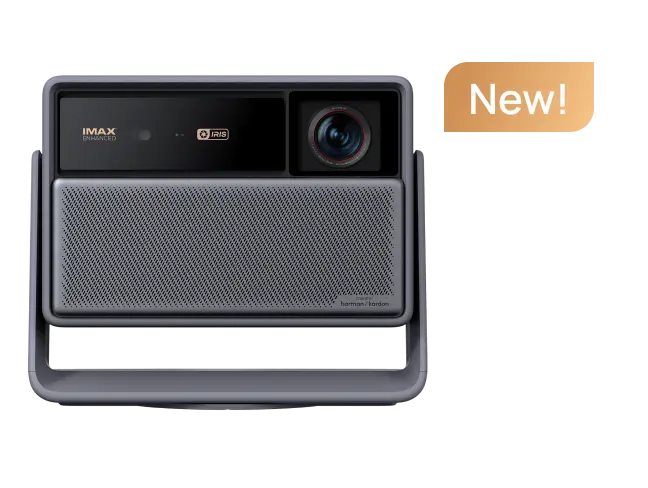
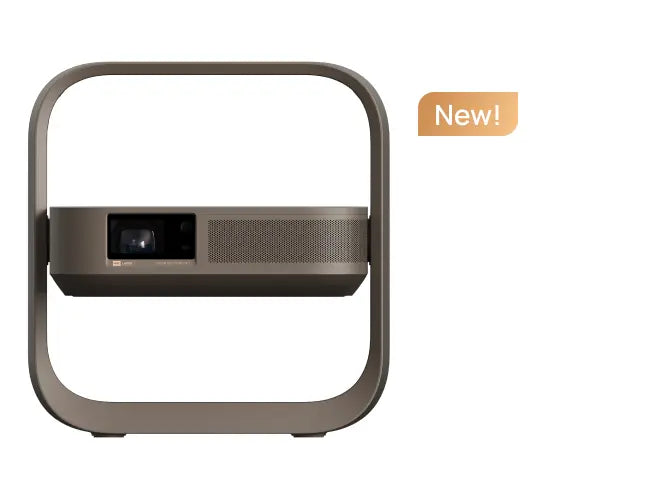
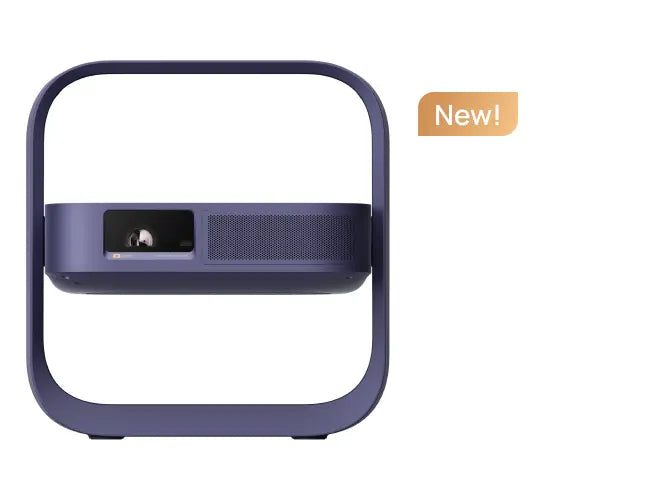
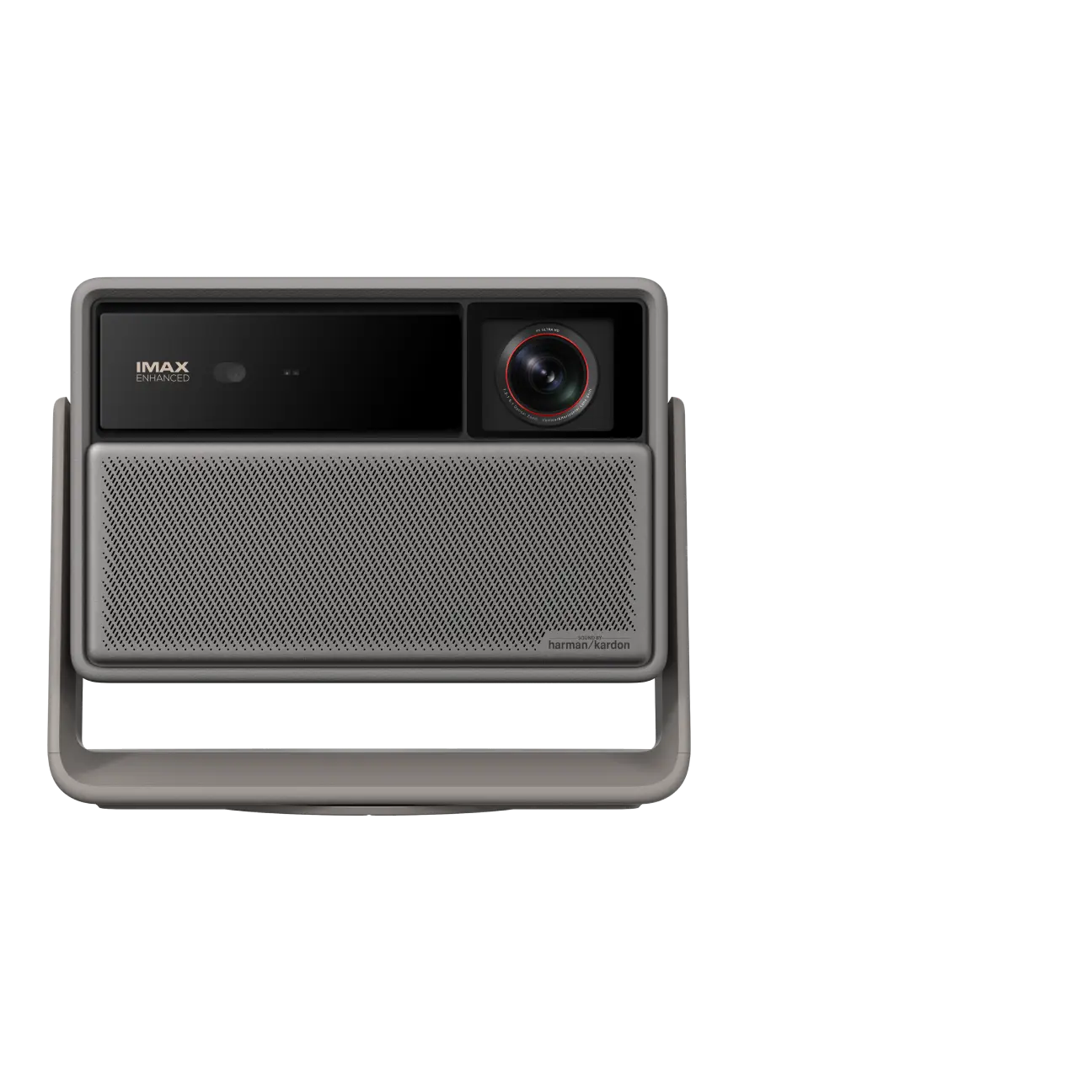
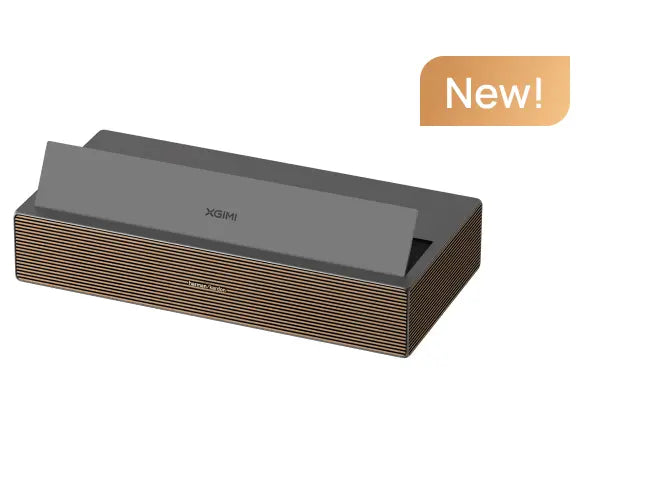


4K
4K Clarity


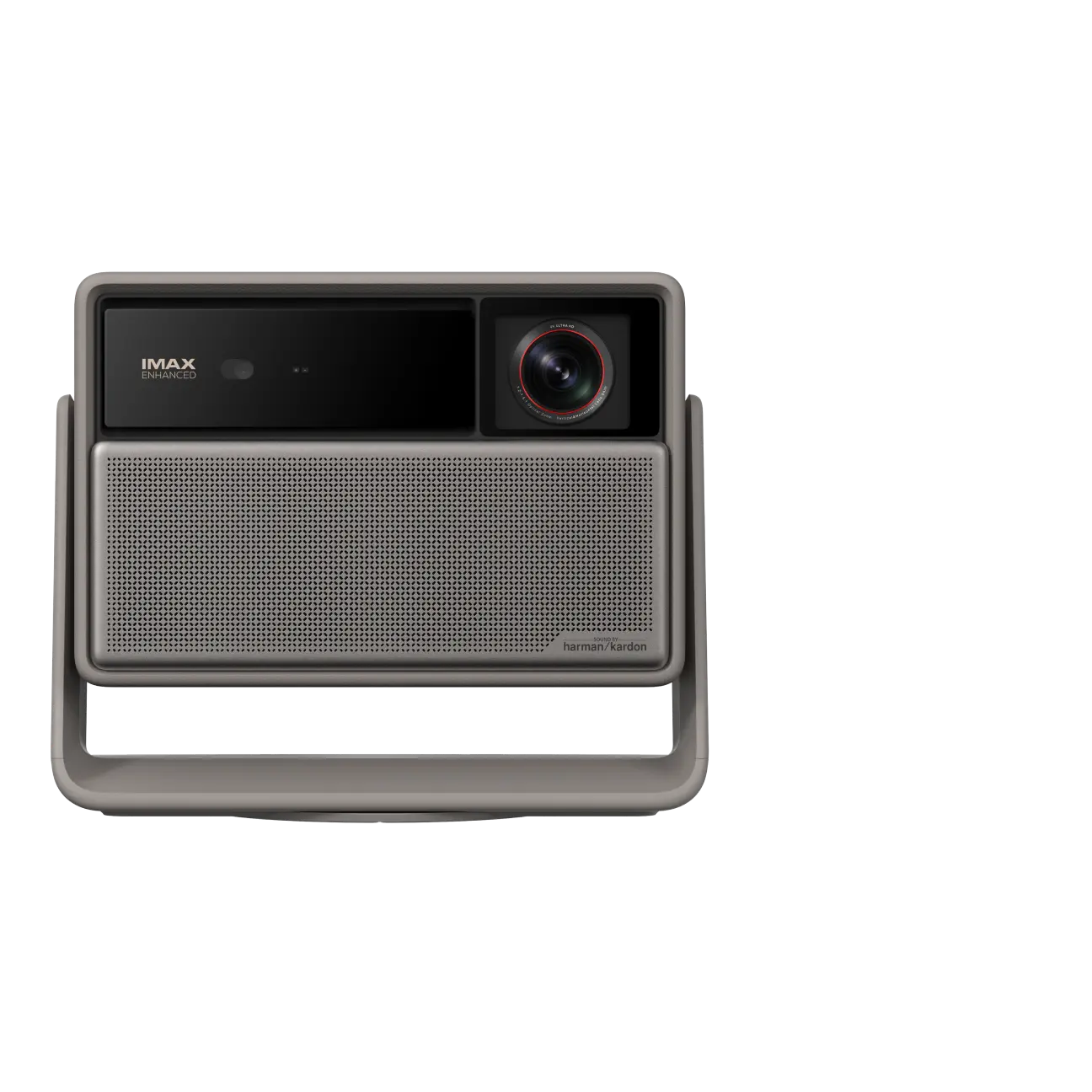
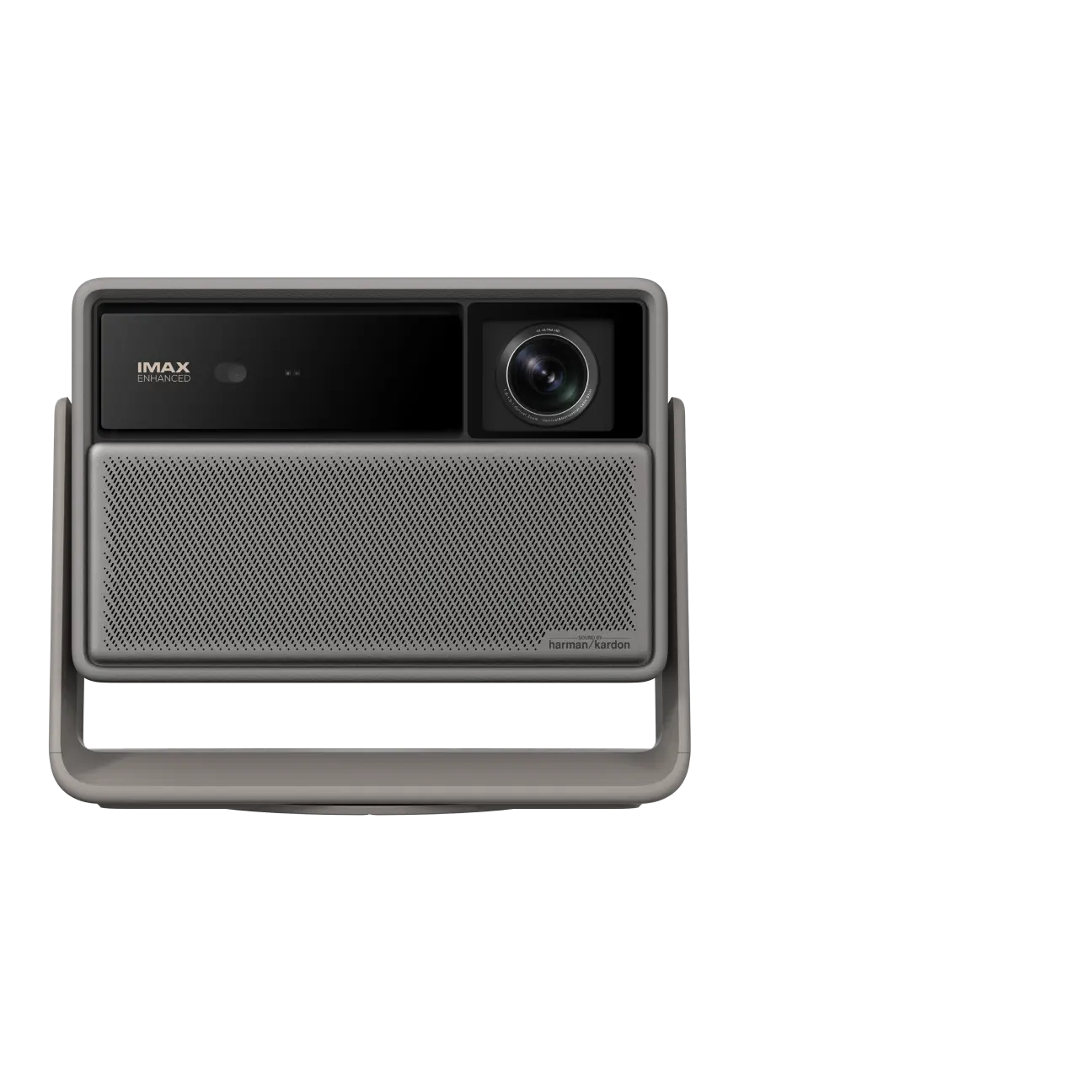
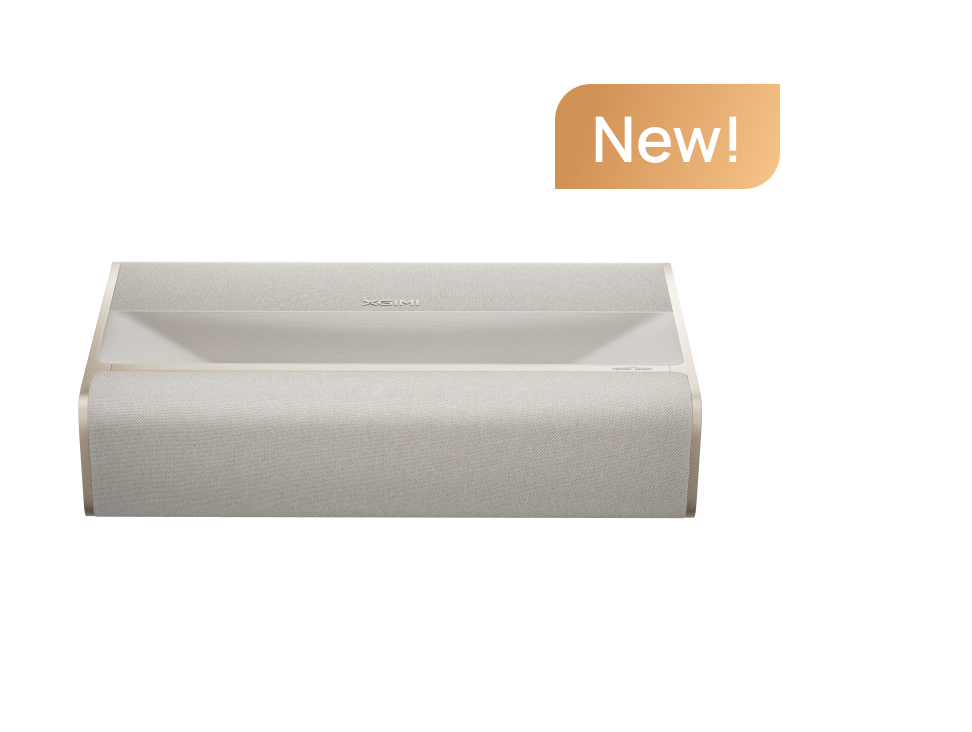
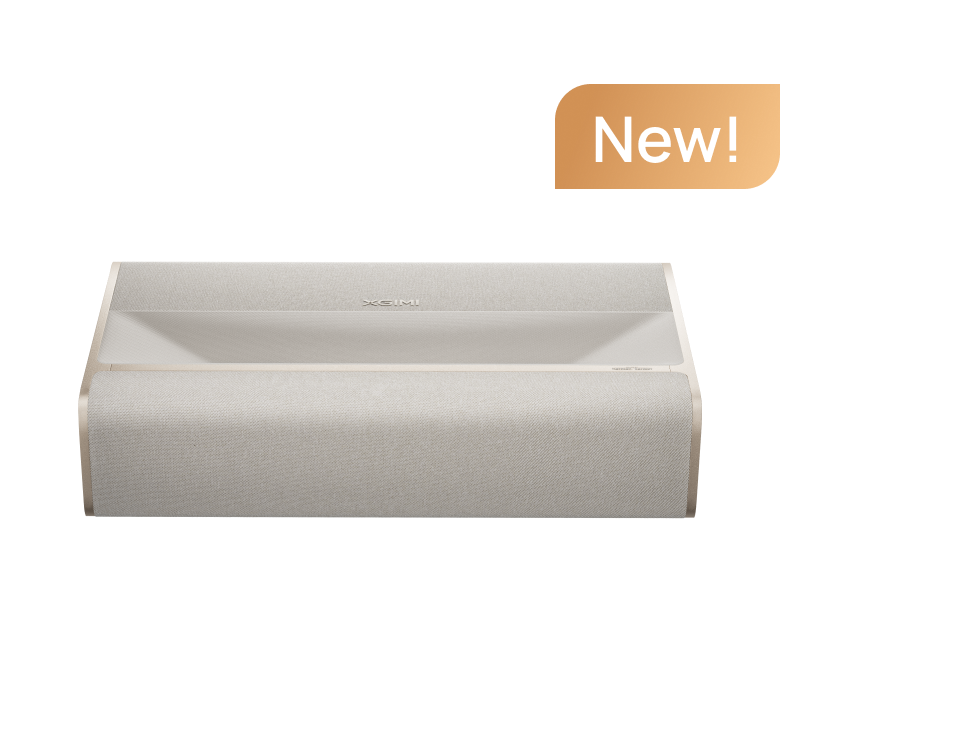
Where 4K Triple-Laser UST Meets Design
4K
4K Clarity


With 4K Ultra HD on a 120" screen, every frame comes to life.
MIRA delivers more than just a higher resolution. It offers consistent, edge-to-edge sharpness that remains perfectly defined in every scene.
Powered by RGB Triple Laser technology and a higher-density light engine, MIRA's optical system enables UST projection with improved brightness retention and superior image purity.

With MIRA, light and color flow across the screen, drawing you into the story and turning TV time into a fully immersive sensory experience.
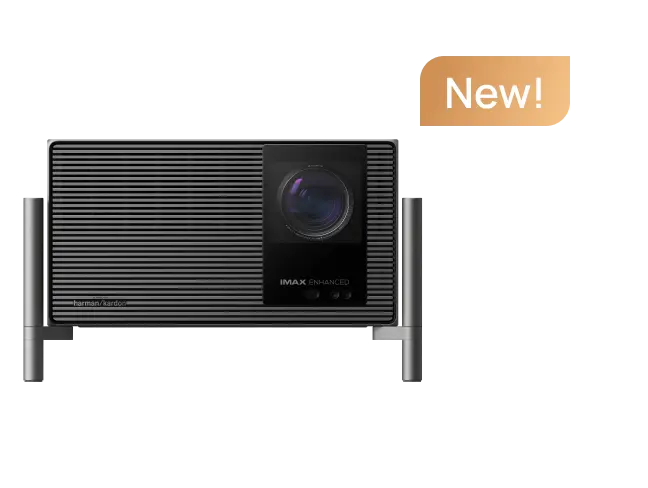
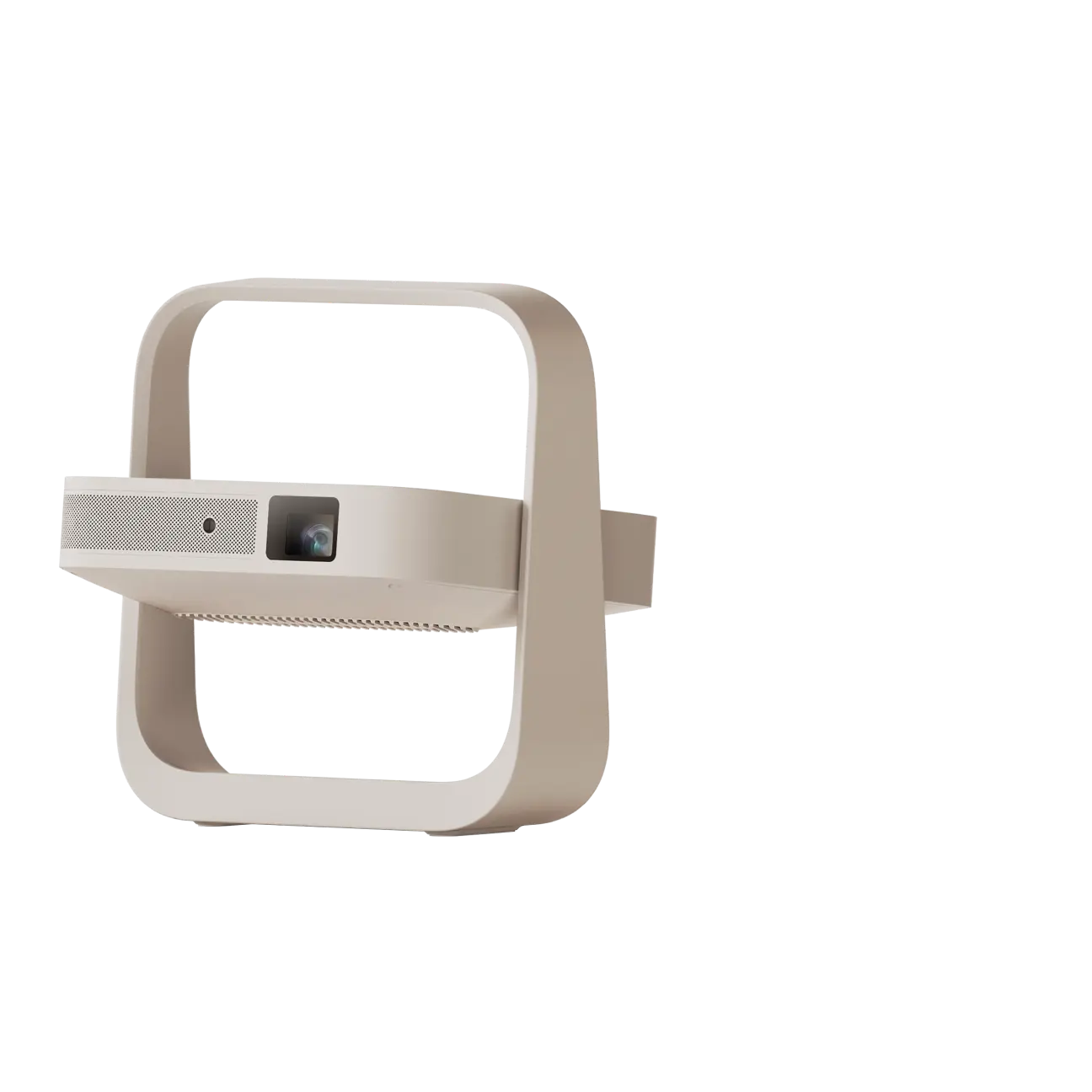
Designed for modern living spaces, MIRA projects a 100" display from just 7.6 inches away - offering a big-screen viewing experience without the complexity of a ceiling installation or the bulk of a large TV.


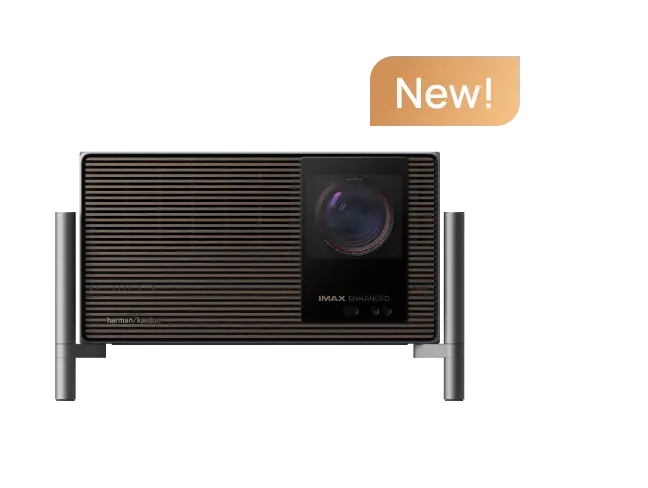
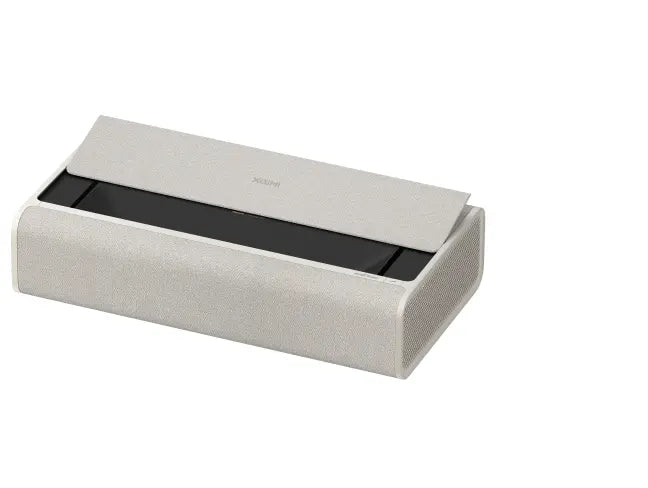
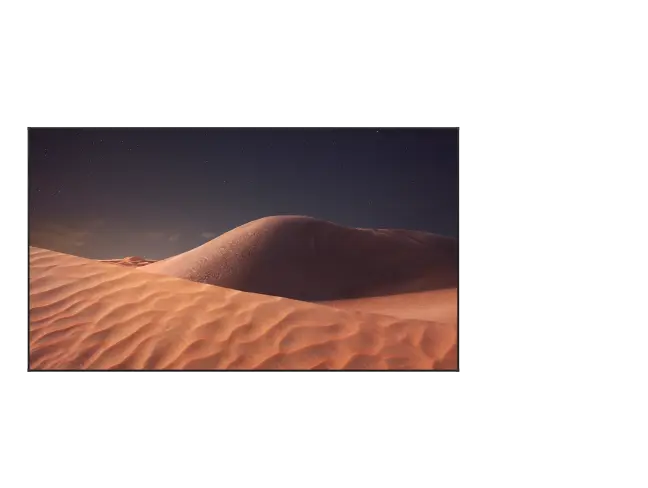
The Moonlight Sand color complements the soft fabric, elevating the overall sense of sophistication and creating an interesting textural balance between softness and structure, warmth and coolness.

Inspired by the lotus leaf, MIRA's nanotech coating makes water bead up and roll off instantly, keeping the fabric dry while maintaining a refined, tactile feel.

Turn your wall into a creative canvas for sketching, exploring ideas, and bringing inspiration to life.


Bring fitness classes and workouts into your living space and stay active with a big-screen display.


Sink into comfort with a cinematic home experience and enjoy effortless, relaxed viewing in your space.

With a 36W Harman Kardon speaker system and the natural sound chamber of UST projectors, MIRA delivers an engrossing audio experience with rich bass and crisp high notes.
Tuned to the Harman Target Curve, MIRA's sound is optimized for natural human hearing - delivering clearer dialogue, smoother music, and lasting listening comfort.

Powered by Google TV, MIRA has all your favorite streaming content built in. No setup required - just turn it on and enjoy an effortless, eye-friendly viewing experience from the very first moment.


Dive into your favorite games with smooth controls, stunning visuals, and immersive sound that make every match thrilling and every adventure come alive.
With XGIMI ISA (Intelligent Screen Adaptation) 5.0, the projector adjusts itself automatically for the best image, making setup effortless and viewing more enjoyable.
A collection of new, MIRA Series-exclusive artistic wallpapers in the XGIMI WALL app transform your room into a private art gallery, creating an environment that changes with your mood. 8


A 4K ultra short throw projector creates a large, detailed image from a short distance, making it possible to enjoy home theater entertainment without placing a projector across the room.
Unlike standard-throw projectors, ultra short throw (UST) models use specialized optics and a short throw lens system to project upward onto a nearby wall or screen. This makes them particularly useful in smaller rooms where space is limited.
XGIMI MIRA combines a 0.175:1 throw ratio with 4K UHD display resolution (3840 × 2160) and supports image sizes from 80 to 120 inches. Its RGB triple-laser light source and DLP display technology are designed to deliver detailed images and a wide color gamut.
Because the projector sits close to the screen, it also reduces the likelihood of people walking through the projection path and casting shadows, although accidental obstruction remains possible.
Explore XGIMI's ultra short throw projector collection for more information.
Yes, 4K ultra short throw projectors can be worth the investment if you want a big image, convenient placement, and cinematic entertainment without installing equipment across the room.
XGIMI MIRA is an excellent choice for households prioritizing movies, sports, and everyday streaming. Its feature set includes RGB triple-laser projection, 2,000 ISO lumens, Google TV, and a built-in 36W Harman Kardon audio system.
For watching movies, MIRA supports Dolby Vision, HDR10, and HLG content. XGIMI also reports a 110% BT.2020 color-gamut area ratio based on laboratory testing, offering wide color capabilities for compatible content.
All this makes MIRA appealing for big-screen entertainment in smaller rooms, particularly when ambient light is controlled.
However, a UST projector is not automatically better for everyone. Most people should consider their lighting conditions, desired screen size, and complete installation costs before choosing projection over a traditional TV.
The best 4K ultra short throw projector depends on your budget, room lighting, screen-size requirements, and preferred smart features.
XGIMI MIRA is a strong option for buyers seeking a relatively affordable 4K UST laser projector with an integrated entertainment system. At a listed US price of $1,699, it offers RGB triple-laser projection, an 80–120-inch image range, Google TV, and 36W Harman Kardon audio.
Other UST models serve different priorities. The LG CineBeam S is a compact, budget-conscious option with pixel-shifted 4K projection and images up to 100 inches. The Formovie THEATER supports larger image sizes, while Epson's Lifestudio Grand Plus can project up to 150 inches. Epson's earlier EpiqVision Ultra LS800 has been discontinued.
There is no universal "best budget" ranking without considering current prices and performance.
For a balanced combination of screen size, integrated audio, gaming features, and living-room placement, MIRA is worth considering alongside these alternatives.
Yes, a 4K ultra short throw projector can replace a traditional television if your room and viewing habits suit projection.
XGIMI MIRA provides an 80–120-inch display with built-in streaming through Google TV, a 36W Harman Kardon audio system, and Wi-Fi 6 connectivity. You can enjoy movies, shows, sports, and games without setting up a projector across the room.
Its ultra short throw design also reduces the chance of someone passing between the lens and the screen, although it does not completely eliminate shadows.
MIRA's smart features make everyday entertainment more convenient, but a conventional TV still has advantages in rooms with strong daylight or when maximum contrast under ambient light is important.
For broadcast or cable television, you may need a compatible external receiver or streaming service.
Read our 4K projector vs. TV comparison to decide which display best fits your home.
Choose a 98-inch TV if you prioritize consistent daytime picture quality, simplicity, and minimal installation planning. Choose a 4K ultra short throw projector if you value flexible screen sizing and immersive entertainment without a large permanent TV panel.
XGIMI MIRA supports projection from 80 to 120 inches, giving you the option of an image larger than a 98-inch television.
Its compact UST optical system allows the projector to sit close to the screen, making it a great option for living rooms where ceiling installation or long cable runs would be inconvenient.
However, a 98-inch TV generally performs better in strong ambient light and does not require a separate projection surface.
For most people, the deciding factors are room brightness, screen size, viewing habits, and overall cost. Compare the price of a complete MIRA setup—including any screen and furniture—with the price of the television you're considering.
Yes, you can use XGIMI MIRA during the day, especially when you can reduce the amount of sunlight reaching the projection surface.
MIRA's RGB triple-laser light source delivers a published brightness of 2,000 ISO lumens. XGIMI measures this white light output according to ISO 21118 under ideal laboratory conditions in Performance/High Power Mode. Actual brightness and image appearance vary with operating mode and environment.
For better daytime viewing:
• Close blinds or curtains to reduce direct sunlight.
• Keep the screen away from brightly illuminated windows.
• Consider a UST-compatible ALR screen.
• Use a smaller image when additional perceived brightness is needed.
• Select an appropriate picture mode for the lighting conditions.
Maximum-brightness operation may alter color reproduction and increase fan noise.
A dark room remains preferable for the strongest perceived contrast and shadow detail.
Learn more in our daylight projector viewing guide.
Yes, 4K ultra short throw projectors can work in moderately bright living rooms, but strong ambient light can reduce perceived contrast and image quality.
XGIMI MIRA is rated at 2,000 ISO lumens and uses RGB triple-laser technology. This provides flexibility for everyday entertainment when daylight can be managed, particularly with an appropriate UST-compatible screen.
However, laser projection does not prevent a picture from looking washed out when sunlight falls directly onto the screen.
For a persistently bright living room with large uncovered windows, a television may offer better daytime visibility. MIRA is better suited to spaces where blinds, curtains, and screen placement can help control light.
A compatible ALR screen can improve perceived contrast by rejecting some unwanted ambient light, but it will not eliminate all reflections or restore dark-room black levels.
Screen material, room layout, and projection size all affect the final viewing experience.
No, an ALR screen is not mandatory for XGIMI MIRA, but a compatible screen can improve viewing quality, especially when your room has ambient light.
An ambient light rejecting screen is designed to reflect projector light toward viewers while reducing the impact of light from other directions.
For ultra short throw projectors, compatibility is particularly important. MIRA's steep projection angle requires a screen designed for UST light geometry. A standard-throw ALR screen may reject part of the projected image instead of reflecting it correctly.
In a dark room, a suitable flat white projection screen can also deliver good results.
MIRA includes Screen Alignment Assist, and XGIMI recommends using its UST-compatible ALR screen for improved alignment recognition.
The standard listed box contents do not include a screen, although selected promotional offers may bundle one. Always confirm the offer details.
Read our ALR vs. CLR screen comparison before choosing a projection surface.
Yes, XGIMI MIRA can project onto a regular white wall, provided the surface is smooth, flat, and suitable for displaying a large image.
Because UST projectors send light toward the wall at a steep angle, small surface imperfections can become more noticeable than they would with many other projectors. Rough texture, uneven plaster, and inconsistent paint may affect image sharpness and geometry.
MIRA's ISA 5.0 for UST technology includes Wall Flatness Adaptation and Wall Color Adaptation.
Wall Flatness Adaptation is intended for regular painted surfaces and does not support wallpaper, dirt, or decorative wall coverings. Wall Color Adaptation can adjust the picture for certain wall colors, although effectiveness varies.
These features cannot completely correct a physically uneven surface.
For casual viewing in a darkened room, a smooth white wall may be a practical starting point. For more reliable alignment and picture quality, a properly installed screen is recommended.
A 4K ultra short throw projector typically sits just inches from the wall or screen, but the required placement varies by model and desired image size.
XGIMI MIRA has a 0.175:1 throw ratio, enabling large-screen projection from a short distance.
Its high-light-transmission coated lens and UST optical system are designed to create images between 80 and 120 inches without placing the projector across the room.
For installation, distinguish between two measurements:
• Optical throw distance: The optical distance used to calculate image width from the projector's throw ratio.
• Housing-to-wall gap: The physical space between the projector cabinet and the screen or wall.
These measurements are not interchangeable.
XGIMI publishes a MIRA projection-distance diagram showing placement examples for 100-inch and 120-inch images, but the illustration does not fully identify the measurement reference points.
Confirm the required housing position using the latest installation guidance, allowing additional room for cables and ventilation.
Yes, XGIMI MIRA can sit on a regular TV stand if the furniture offers sufficient depth, stability, and the correct height for the projected image.
MIRA measures approximately 18.3 inches wide, 10.6 inches deep, and 4.8 inches high, and weighs approximately 10.6 pounds.
However, the projector's physical dimensions are only part of the installation requirements.
Your stand must also accommodate the correct projector-to-screen positioning, power connections, HDMI cables, and unobstructed ventilation.
Because MIRA projects upward, the stand's height affects where the image appears on the wall. A cabinet that is too tall may place the screen uncomfortably high.
A deep, stable media console is generally more suitable than a narrow shelf.
MIRA's ISA 5.0 for UST alignment features can assist with image positioning, but they do not replace correct physical installation. Measure your furniture and screen position before purchase rather than assuming every TV stand will work.
For a 100-inch, 16:9 projection, you need approximately 87.2 inches of image width and 49 inches of image height, plus enough space for the screen frame and projector installation.
XGIMI MIRA supports a 100-inch image within its published 80–120-inch projection range.
For planning purposes, consider four areas:
• Screen space: Reserve at least 87.2 × 49 inches for the visible image, excluding the frame.
• Projector placement: Allow room for MIRA's 10.6-inch-deep housing and its required distance from the wall.
• Vertical clearance: Account for the space between the projector and the bottom of the projected image.
• Furniture and ventilation: Use a stable, level cabinet with adequate cable access and unobstructed airflow.
The 0.175:1 throw ratio describes optical geometry, not the complete furniture depth or vertical offset.
Check the manufacturer's installation diagram before positioning a fixed screen or selecting cabinetry.
Our projector screen-size guide explains how image dimensions relate to room layout.
A complete 4K ultra short throw projector setup costs more than the projector alone when additional equipment, furniture, or installation is required.
XGIMI MIRA is currently listed at $1,699 USD on the official XGIMI US store, making it a more affordable entry point than several higher-priced UST models.
Your complete budget may include:
• The MIRA projector.
• An optional UST-compatible ALR screen.
• A suitable low media cabinet or projector console.
• Professional screen installation, if needed.
• Optional external audio equipment or additional cables.
MIRA includes built-in Google TV and a 36W Harman Kardon audio system, which may reduce the need for separate streaming hardware or speakers.
Some short-throw and standard-throw projectors have lower entry prices than UST models, but prices vary considerably by technology and features.
Selected XGIMI promotions may also offer screen bundles. Check the current cart contents and accessory prices before calculating your total.
See our home theater accessory budgeting guide for more information.
A 4K UST projector is a projector with 4K display resolution and ultra short throw optics. A laser TV is a market term commonly used for a laser-powered UST entertainment system, sometimes sold with a dedicated screen.
The terms overlap, but they are not identical.
XGIMI MIRA is a 4K UST laser projector using an RGB triple-laser light source. Its solid-state laser technology, Google TV platform, and 36W Harman Kardon audio system make it suitable for TV-style home entertainment.
Unlike a conventional television, a laser TV does not necessarily contain a broadcast tuner. A projection screen also may not be included.
Audio capabilities differ between models. Some laser TV systems support Dolby Atmos, but MIRA's listed audio technologies include Dolby Audio, Dolby Digital Plus, and DTS Virtual; Dolby Atmos support is not separately confirmed in its specifications.
Not all laser projectors use UST optics, either.
Explore XGIMI's laser projector collection to compare projection formats.
Native 4K and pixel-shifting 4K both describe ways of creating a detailed 4K picture, but they differ in the physical resolution of the imaging hardware.
A native 4K projector uses an imaging chip with a physical 4K pixel array. Pixel-shifting technology uses rapid, precisely controlled image shifts to produce higher on-screen resolution from a lower-native-resolution chip.
Many DLP projectors use pixel-shifting technology, including the LG CineBeam S and AWOL Vision Aetherion Pro. The latter uses a 0.47-inch DLP DMD and XPR pixel-shifting technology to create its 4K UHD image.
XGIMI MIRA specifies a 3840 × 2160 display resolution and a 0.39-inch DMD chip. However, its published specifications do not explicitly identify the native imaging-array resolution or the precise pixel-shifting mechanism.
Resolution is only one aspect of picture quality.
MIRA also supports Dolby Vision, HDR10, and HLG HDR content. XGIMI reports a typical factory-production color accuracy value of ΔE below 1 for the MIRA Series, based on its laboratory measurements; actual color accuracy depends on operating conditions and settings.
Yes, Netflix can play in 4K on a compatible ultra short throw projector when the streaming app, device, subscription, internet connection, and selected title all support 4K playback.
XGIMI MIRA comes with Google TV, providing access to built-in streaming apps and smart entertainment features.
Google TV uses the Android TV operating-system foundation, but Google TV is the specific interface listed for MIRA. It should not be described simply as an Android TV product.
MIRA also supports dual-band Wi-Fi 6 and wired Ethernet connectivity.
Although Netflix appears in MIRA's official streaming presentation, the published specifications do not separately confirm Netflix 4K certification. The projector's 4K display resolution alone does not guarantee Ultra HD playback through every app.
A compatible Netflix-certified 4K HDMI streaming device can provide an alternative where necessary.
Direct app streaming is different from Google Cast or screen mirroring, and Bluetooth is not a video-casting connection.
Read how to watch Netflix on a projector for setup guidance.
17. Are 4K ultra short throw projectors good for PS5 and Xbox gaming?
Yes, a 4K ultra short throw projector can be a good gaming projector for PS5, Xbox, and PC gaming when it supports responsive input modes and the connections you need.
XGIMI MIRA includes Variable Refresh Rate (VRR), Auto Low Latency Mode (ALLM), and multiple game picture modes. These smart gaming features help make large-screen play more responsive.
MIRA's published minimum input lag is 1 ms at 1080p/240Hz, with Game Mode enabled, VRR turned on, and automatic keystone correction disabled.
This is a specific test condition—not a claim of 1 ms at 4K or 4K/240Hz gaming.
Its gaming prowess also depends on the connected device. PS5 and Xbox consoles do not output 240Hz video, and the projector's 4K/120Hz console compatibility is not established by the listed specifications.
For immersive adventures, racing, and sports games, MIRA's 80–120-inch display offers an engaging alternative to a conventional television.
For competitive gaming, evaluate the supported resolution, refresh rate, and actual input lag together.
See our projector vs. TV gaming comparison.
A 4K ultra short throw projector is better for certain room layouts, but standard-throw and short-throw projectors have advantages of their own.
XGIMI MIRA uses a 0.175:1 throw ratio, allowing a large image from a short distance. This makes it a practical choice for smaller rooms where placing equipment several feet from the screen would be inconvenient.
A conventional short-throw projector might need 1–2 meters for some image sizes, but there is no universal distance requirement. Placement depends on the specific lens, throw ratio, and desired screen width.
Standard-throw models can offer greater installation flexibility. For example, the Valerion VisionMaster Max uses a 0.9–1.5:1 optical zoom range rather than UST optics, so it occupies a different placement category.
MIRA avoids the need for an across-the-room projector position, but its ceiling-mounting compatibility is not confirmed and should not be assumed.
Compared with other projectors, the main reasons to choose MIRA are its compact installation layout, large screen, built-in streaming, and integrated audio.
Laser projectors are designed to provide long-term illumination without the traditional replaceable lamps used in many older projection systems.
XGIMI MIRA uses an RGB triple-laser light source built around solid-state laser technology. Compared with conventional lamp projectors, laser light sources generally require fewer routine lamp-related replacements.
Laser systems can also support a wide color gamut, although actual brightness, color accuracy, and longevity vary between products.
Some laser projectors have published light-source ratings of 20,000 hours or more. However, XGIMI has not provided a verified numerical light-source lifespan for MIRA in its current published specifications, so those ratings should not be applied automatically.
The light source may gradually lose output over time, and the projector's other components have separate service-life considerations.
For maintenance, keep the ventilation openings clear, avoid moisture, and remove dust from the housing fabric using an appropriate soft brush or small vacuum.
MIRA is covered by XGIMI's two-year US limited hardware warranty, subject to the applicable terms.
The main disadvantages of 4K ultra short throw projectors are sensitivity to ambient light, precise placement requirements, and potential additional costs for screens and suitable furniture.
For XGIMI MIRA, important considerations include:
• Ambient-light performance: Its 2,000 ISO-lumen specification does not guarantee strong contrast in rooms exposed to direct sunlight.
• Screen compatibility: UST optics require a flat projection surface, and a compatible ALR screen may improve daytime viewing.
• Placement precision: Cabinet depth, screen height, and image alignment must be planned carefully.
• Screen-size limits: MIRA supports 80–120-inch images, while some other UST models, such as Epson's Lifestudio Grand Plus, support images up to 150 inches.
• Gaming trade-offs: Its lowest published input lag requires specific settings, including disabling automatic keystone correction.
• Maintenance: Dust, ventilation, and operating conditions still require attention.
MIRA's ISA 5.0 for UST technology, Google TV, and integrated Harman Kardon audio help make everyday use more convenient, but they do not remove every installation or environmental limitation.
For households seeking an immersive 4K home theater experience with close-to-wall placement, MIRA offers a compelling balance of screen size, integrated entertainment, and practical living-room design.

$20
OFF
$15
OFF


