
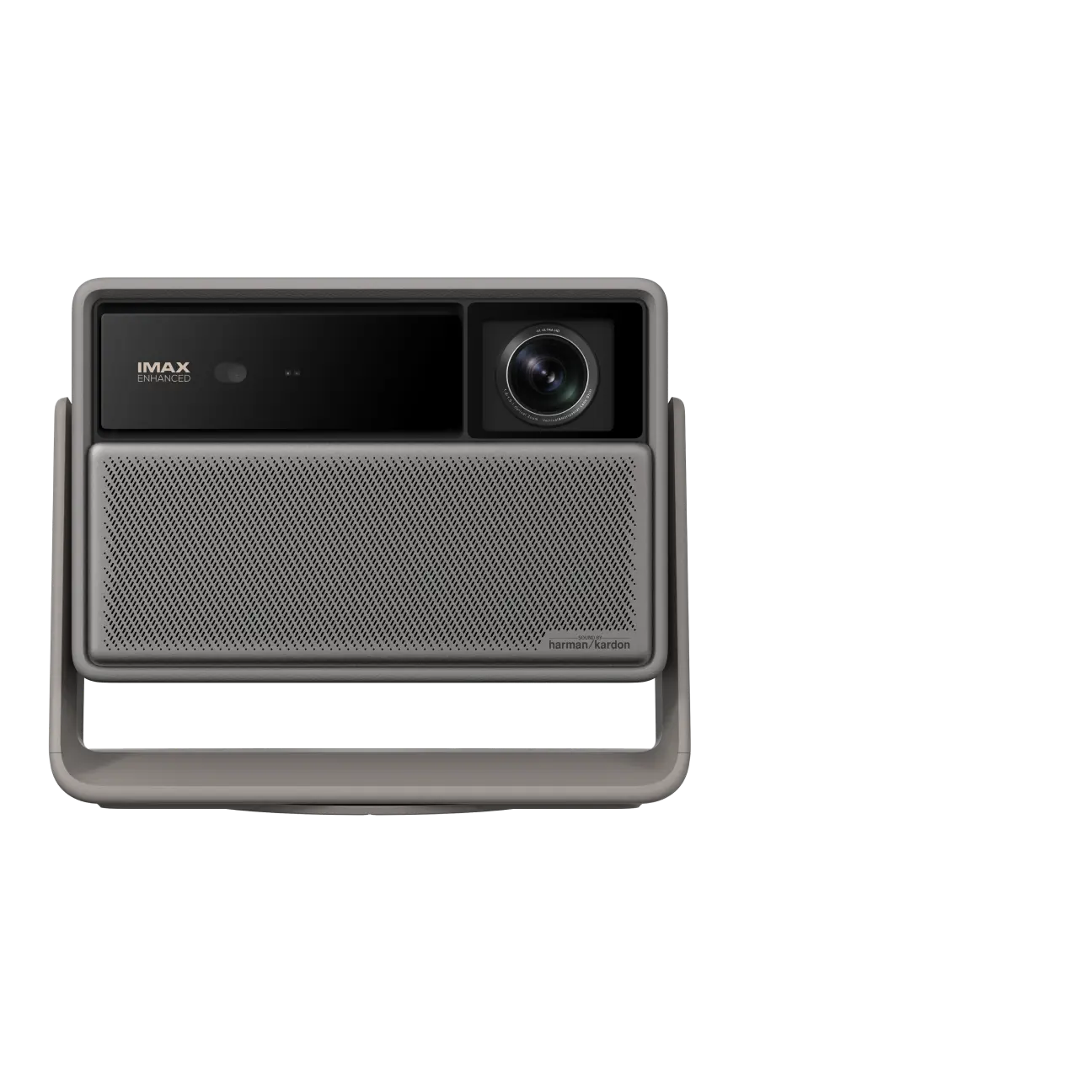
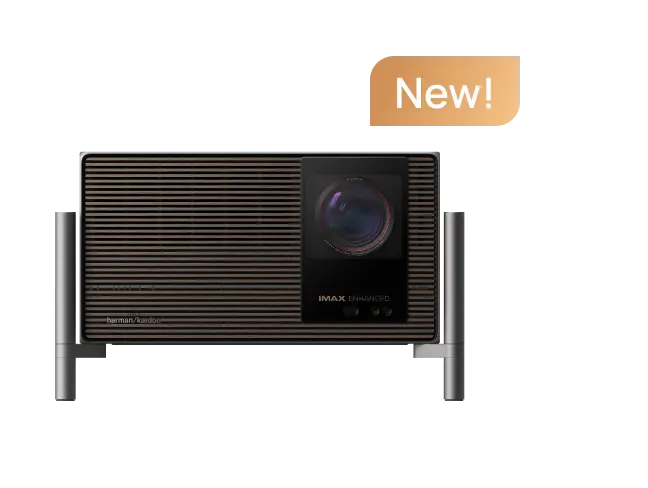
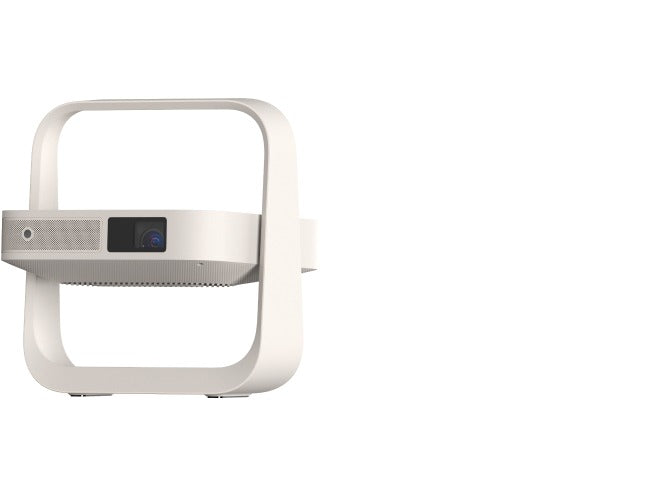
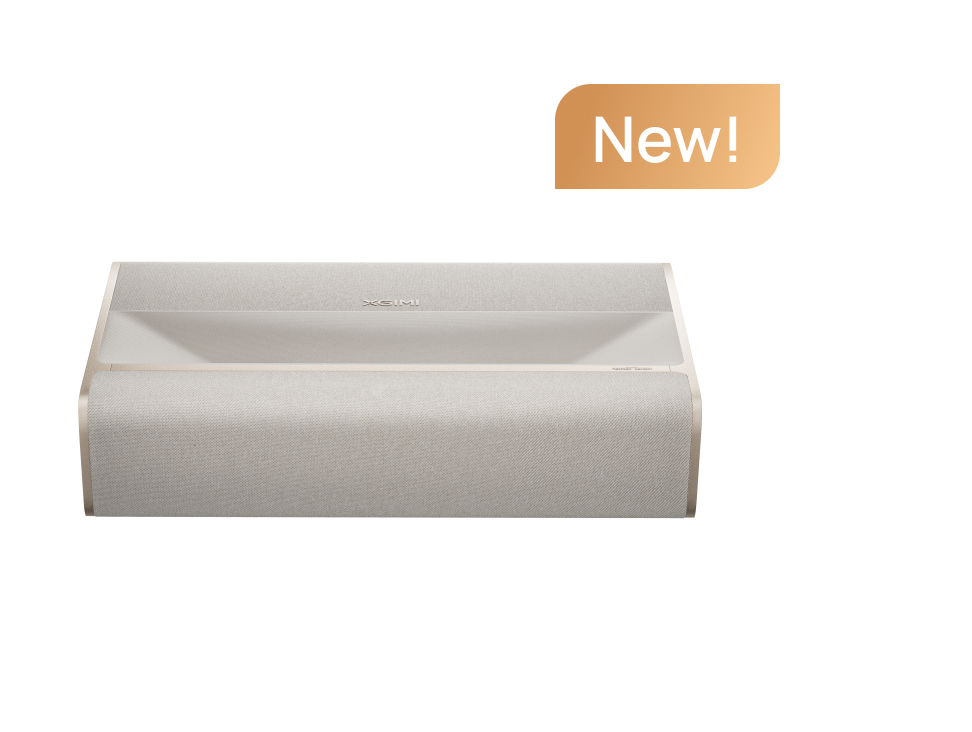
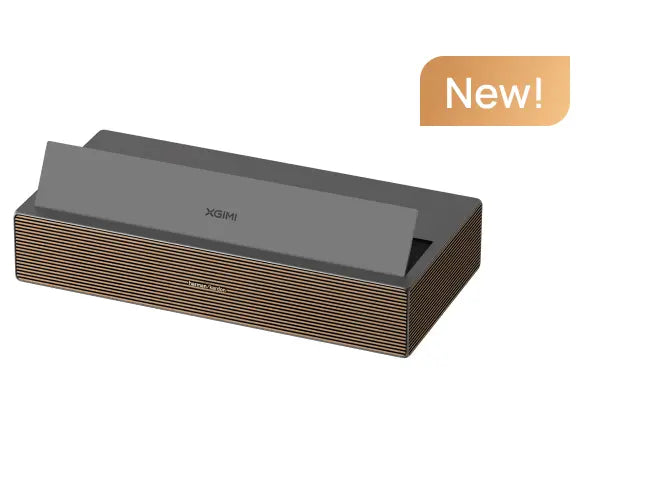
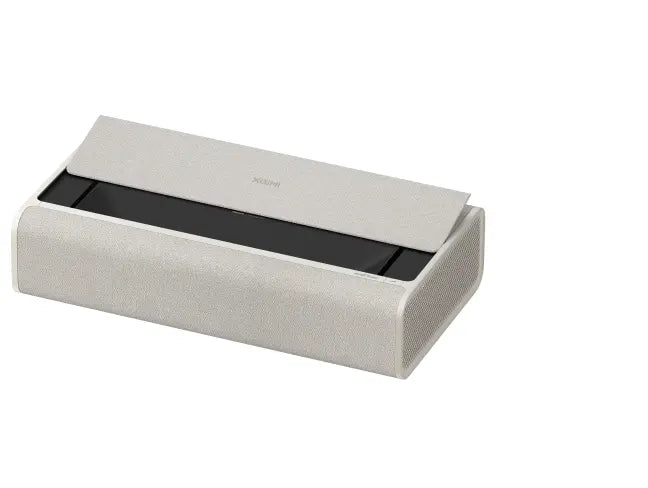
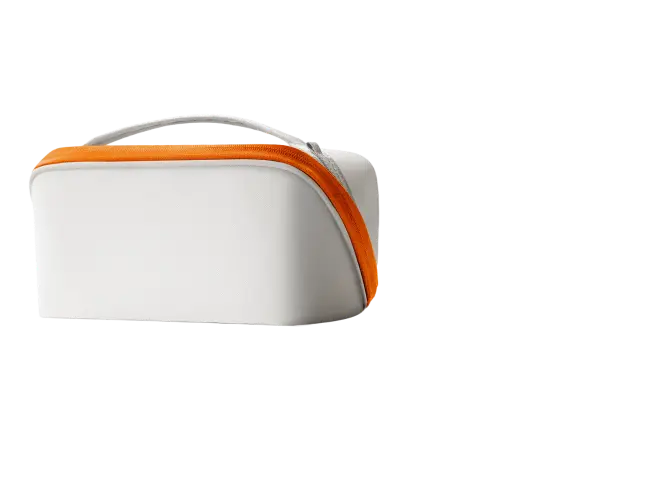
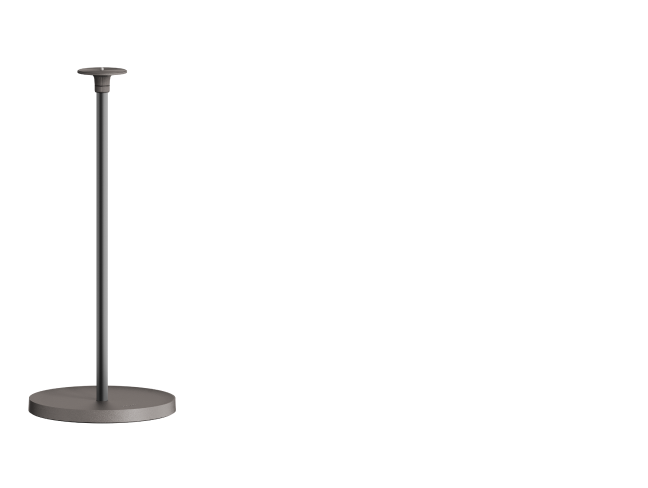
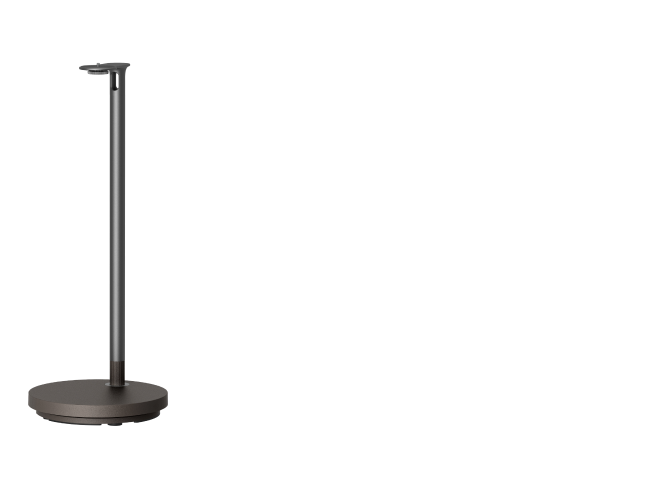
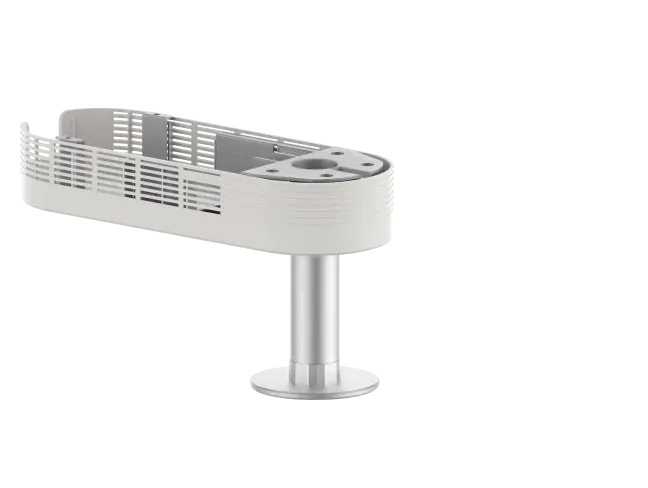



Choosing the right furniture height for your ultra-short throw projector is one of the most important decisions when creating a clean living room laser TV setup. The correct cabinet or media console height ensures the projected image aligns perfectly with your screen without relying on keystone correction, which can reduce picture quality. By calculating the ideal height and depth based on your specific projector model and screen size, you can avoid common frustrations like image clipping, misalignment, or overheating from poor ventilation. For more on this topic, see The Importance of Ventilation: How to Position Your Projector to Pr.... For more on this topic, see How to Hide Your UST Projector Cables for a Clean Living Room Aesth....

Why Furniture Height and Depth Matter More for UST Projectors
Ultra-short throw projectors sit very close to the screen, often just inches away, which makes their placement geometry far more sensitive than traditional long-throw models. Standard TV console heights that work perfectly for a 65-inch television can push your UST projector too high or too low, causing the image to miss the bottom or top of the screen. This forces digital keystone adjustments that soften resolution and introduce distortion. For more on this topic, see Why Custom Mounting Points Matter for High-End Projector Stability.
The key is to treat your furniture as an integral part of the optical system rather than just a decorative stand. As this official throw-ratio guide explains, short-throw and ultra-short-throw projectors require precise distances to maintain sharp, undistorted images. Furniture that is too tall may require you to tilt the projector upward, while a cabinet that is too shallow can prevent the lens from reaching its optimal throw distance. For more on this topic, see Projector Throw Ratio Explained: Standard vs. Short Throw vs. Ultra....
Understanding UST Projector Geometry and Placement
Most ultra-short throw projectors have a lens positioned near the front or center of the unit. The lens height above the surface it sits on, combined with the throw ratio (typically around 0.25:1), determines exactly where the image will appear on the wall or screen. For example, if your projector lens sits 15 cm above the cabinet top, the furniture height directly affects how high the bottom of the projected image starts.

To calculate the right height:
- Decide on your desired screen size and position the screen's bottom edge at eye level or slightly below for comfortable viewing.
- Check your projector's manual for the recommended lens-to-screen distance and vertical offset.
- Measure from the floor to the desired lens position, then subtract the projector's lens height above its base.
This process ensures the image fills the screen naturally without excessive correction. Different models vary significantly, so always verify with your specific unit rather than assuming a one-size-fits-all cabinet height.
Choosing the Right Cabinet Height for Your Screen Size
Cabinet height should scale with your intended screen size while leaving room for the projector's physical dimensions and adjustment feet. For common 100-120 inch setups, the ideal furniture height often falls between 50-65 cm from the floor to the top surface, but this depends heavily on your screen mounting height and projector lens offset.
Here is an illustrative chart showing a typical cabinet height range and lens offset band for different screen sizes. These values are heuristic modeling based on common UST geometry and should be used only as a starting point for comparison.
Illustrative Cabinet Height Range for Typical UST Projectors
Use this as a buying-checklist guide, not a product spec chart.
View chart data
| Category | Ideal cabinet height range (cm) | Typical lens offset band (cm) |
|---|---|---|
| 100 in | 52.0 | 10.0 |
| 110 in | 57.0 | 15.0 |
| 120 in | 62.0 | 20.0 |
Illustrative/heuristic modeling based on typical UST projector geometry: throw ratio around 0.25:1 and lens height about 10-20 cm above table. Values are not measured product data; they show a relative cabinet-height band to help avoid screen-bottom misalignment for common 100-120 inch screens.
Remember these numbers represent relative guidance only. Your actual required height may vary based on screen mounting, room layout, and projector model specifics. Always measure your space and consult the manufacturer's installation guide before purchasing furniture.
How Deep Should Your Projector Cabinet Be?
Depth is equally critical because ultra-short throw projectors need to sit at a precise distance from the screen. A cabinet that is too shallow may force the projector too close, resulting in an oversized or clipped image. One that is too deep might position the lens beyond the optimal throw range.
Aim for at least 40-60 cm of depth depending on your model, while leaving 10-15 cm of clearance behind the projector for cables and ventilation. This extra space also allows minor forward or backward adjustments during setup. Many UST owners regret choosing stylish but shallow media consoles that leave no room for proper airflow or cable management.
When evaluating depth, consider:
- The projector's exact recommended throw distance for your screen size.
- Space needed for power cords, HDMI cables, and potential soundbar placement.
- Room for the projector's rear vents to prevent overheating during long viewing sessions.
Common Mistakes to Avoid When Selecting UST Furniture
Many new owners select furniture based on aesthetics or standard TV dimensions rather than projector requirements. Using a cabinet that is too tall often results in the image starting above the screen, requiring downward tilt and keystone correction that degrades sharpness. Conversely, a very low console might cause the bottom of the image to project onto the cabinet itself.
Other frequent errors include:
- Choosing non-level surfaces that make stable placement impossible.
- Ignoring ventilation requirements, leading to thermal throttling or reduced lifespan.
- Selecting furniture with high lips or edges that block the projector's lens path.
- Failing to account for the projector's adjustment feet or leveling mechanisms.
If your planned cabinet requires shims, books, or constant readjustment to achieve alignment, it is likely the wrong choice. As noted in general projector placement advice, improper setup can turn an otherwise excellent ultra-short throw system into a frustrating experience.
Practical Checklist for Buying Projector Furniture
Use this step-by-step checklist before purchasing any media console, cabinet, or custom stand for your ultra-short throw projector:
- Measure your screen's bottom edge height from the floor and note your desired viewing distance.
- Review your projector's official specifications for lens height, throw ratio, and recommended placement.
- Calculate the required cabinet top height by subtracting the lens offset from the needed projection starting point.
- Verify the cabinet depth allows the projector to sit at the correct throw distance with 10-15 cm of rear clearance.
- Check for a completely flat, stable top surface and adequate ventilation openings.
- Ensure there is space for cable routing and that the furniture will not block airflow vents.
- Test for fine adjustment capability – you should be able to make small movements without lifting the projector.
This checklist translates abstract geometry into executable steps you can perform in your own room. Prioritize function over form when dimensions are tight.
Furniture Options and Alternatives for Different Rooms
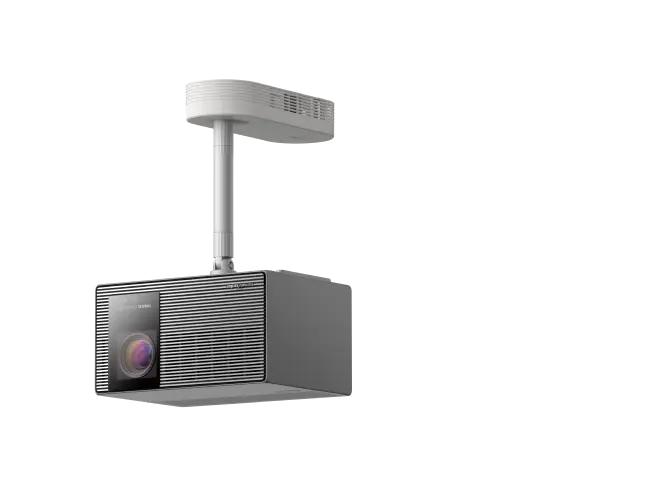
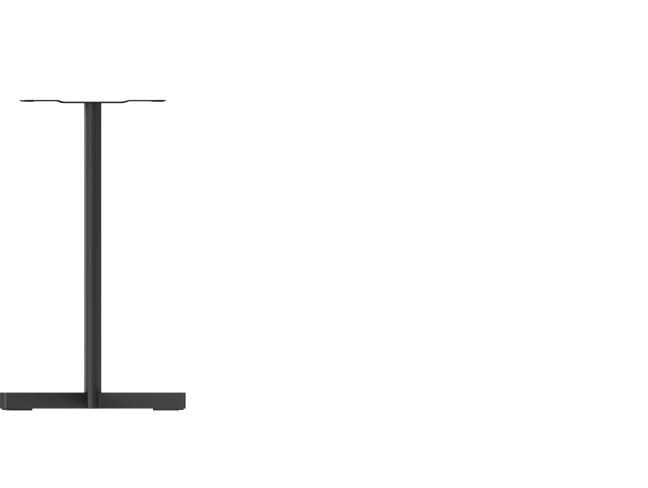
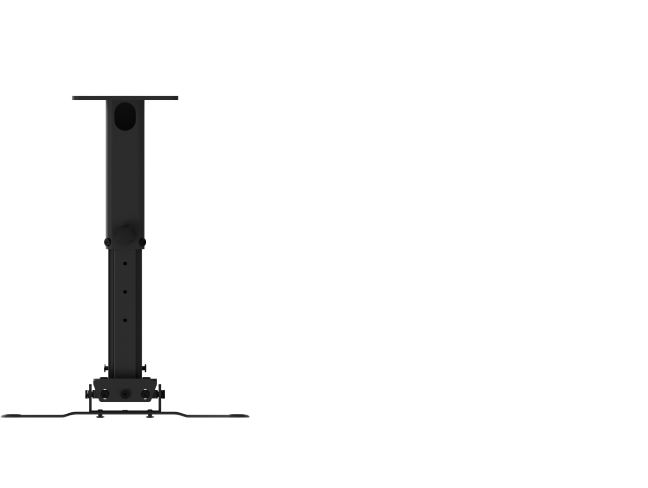
For living rooms where a traditional cabinet feels too bulky, consider low-profile media consoles specifically marketed for laser TV setups or adjustable stands that let you fine-tune height. In apartments with space constraints, wall-mounted floating shelves or custom-built enclosures may offer better control over exact dimensions.
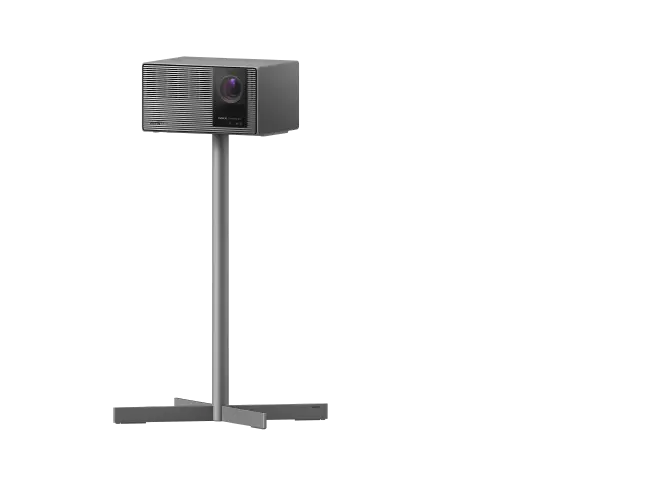
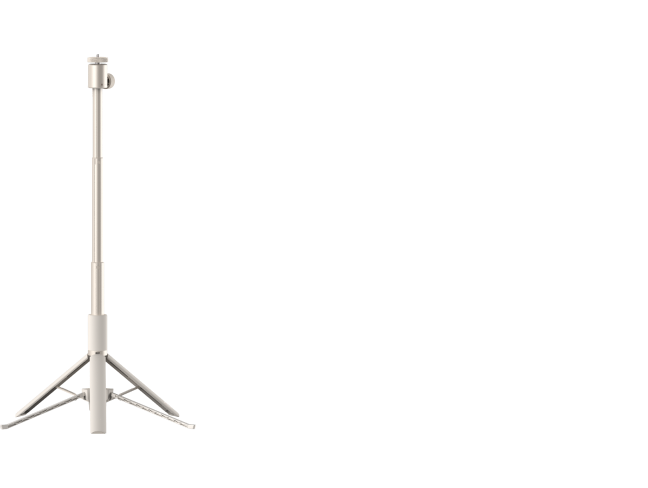
If your room layout does not allow a perfect furniture match, explore flexible solutions like the XGIMI Floor Stand Ultra, which provides adjustable height and stable placement without committing to fixed cabinetry. For dedicated home theater rooms, a custom cabinet built to your calculated dimensions often delivers the cleanest results.
Our projector setup guide offers additional tips on comparing different installation methods, including tabletop and stand options that may complement or replace traditional furniture.
Health and Comfort Considerations for Your Setup
This article discusses comfort and setup advice for projector-based home entertainment systems. It does not constitute medical advice, diagnosis, or treatment. Improper viewing angles or excessive screen glare may contribute to eye strain in some users. If you experience persistent discomfort, headaches, or have existing eye conditions, consult qualified eye care professionals for personalized guidance. Optimal viewing distance, room lighting, and screen height all play important roles in long-term comfort.
Final Recommendations and Next Steps
The best furniture for your ultra-short throw projector is the one that makes correct geometric placement easy and sustainable. Focus on precise height and depth calculations rather than style alone, and always verify against your specific model’s requirements. A properly chosen cabinet delivers years of hassle-free viewing with sharp, undistorted images that fill your screen naturally.
Before making a purchase, take accurate measurements of your space and screen position. Test potential furniture dimensions with temporary stands or boxes if possible. This extra planning step prevents costly returns and setup frustration.
For more guidance on ultra-short throw systems, explore our collection of ultra short throw projectors and related laser projectors. Proper furniture selection completes the foundation for an exceptional home cinema experience that blends seamlessly into your living space.


