
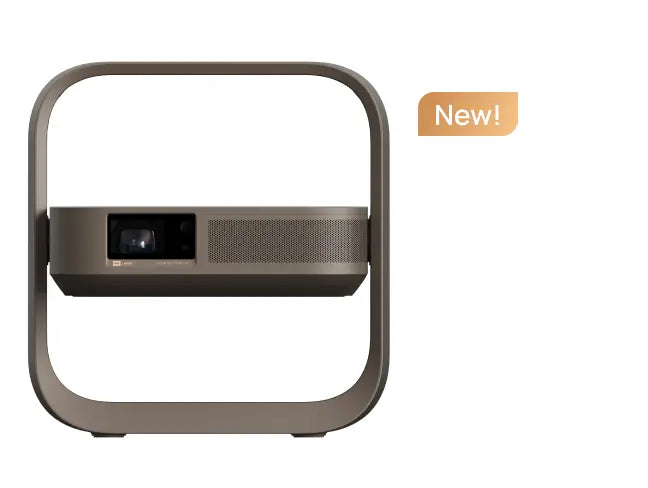
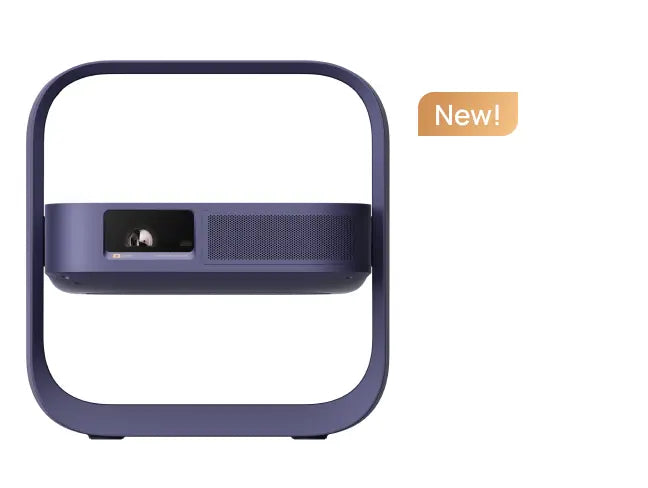
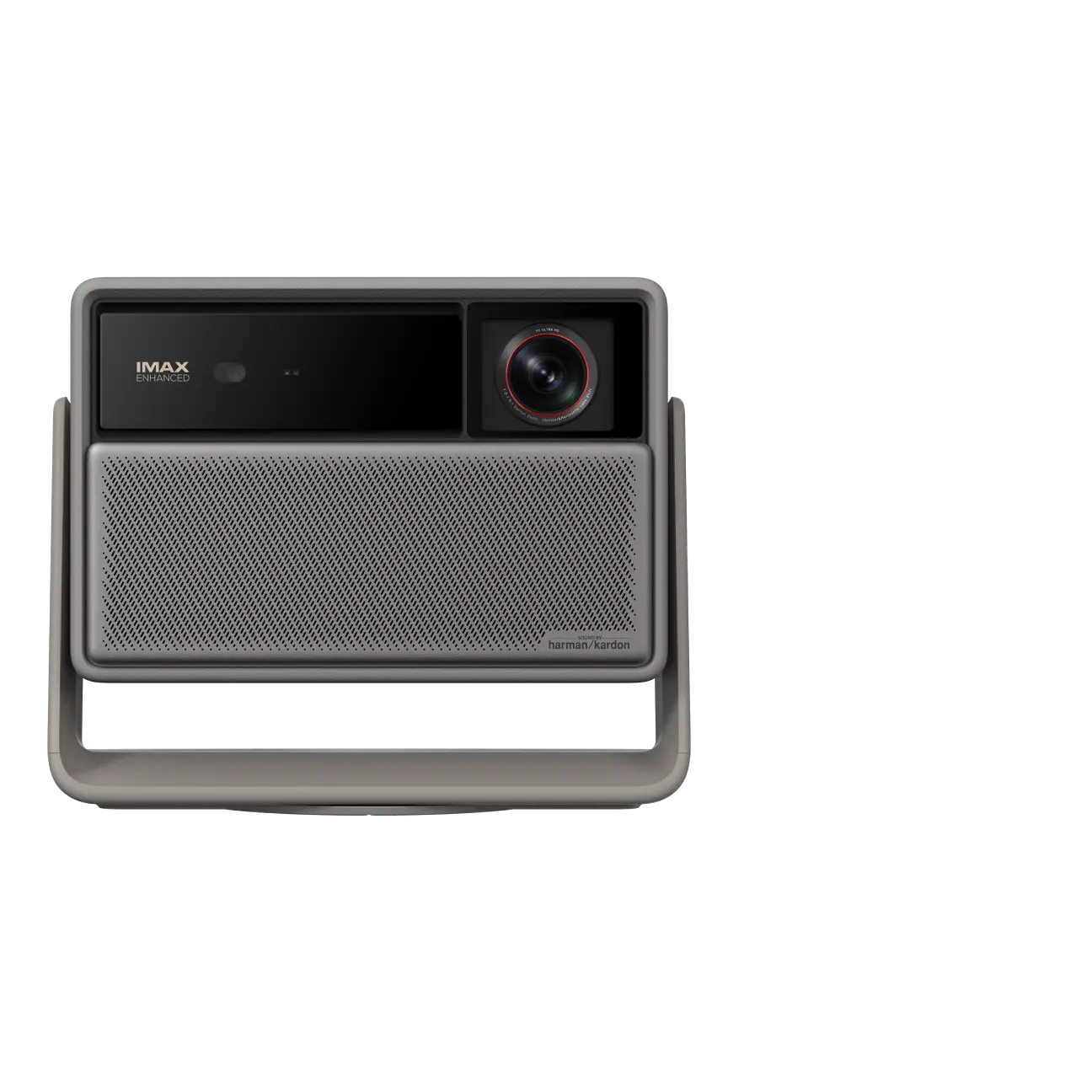
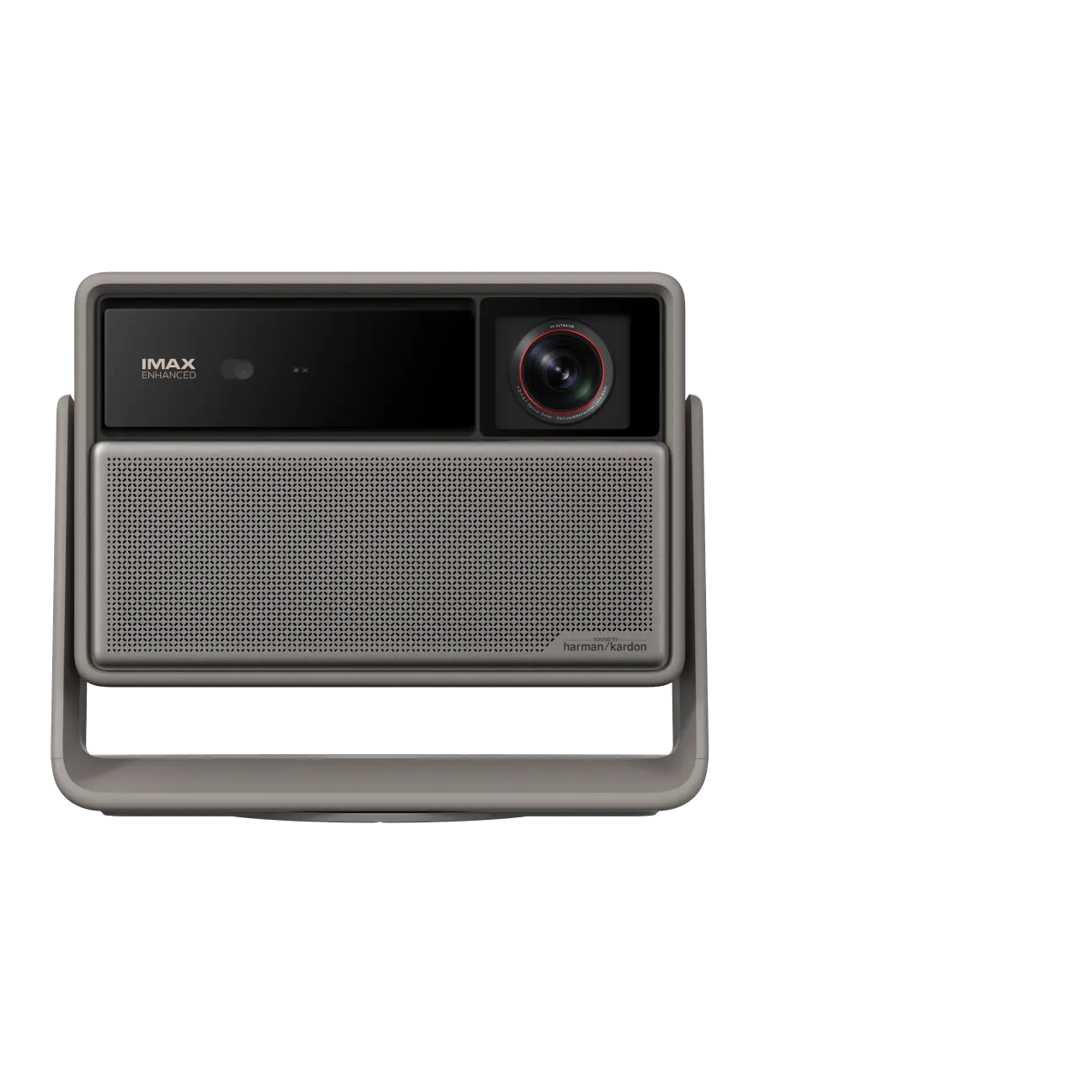



Setting up a traditional projector often feels like solving a puzzle in the dark. You adjust the angle, refocus the lens, and somehow the image still looks crooked. Smart projector setup features change this completely. Automated technologies handle technical adjustments for you. Within seconds, you get a perfectly aligned, sharp picture without manual intervention.

How Smart Setup Features Outperform Traditional Methods
What Traditional Setup Gets Wrong
Anyone who has wrestled with a conventional projector knows the struggle. You move the device slightly to the left, and suddenly the entire image becomes a trapezoid. The focus ring requires endless twiddling to achieve clarity. Manual adjustments eat up valuable time and require technical knowledge that many people simply don't have.
Repositioning a traditional projector means redoing everything from scratch. Fix the keystone, and suddenly the focus is off. Adjust the focus, and the image size changes. This interdependence makes the traditional setup frustratingly inefficient.
Why Smart Setup Features Win Every Time
Modern smart projector setup features eliminate these problems through sensor-based automation. Built-in cameras and infrared sensors detect the projection surface and room conditions simultaneously. The device coordinates multiple corrections at once, preventing the cascade of adjustments traditional methods require. For related guidance, see How Room Shape and Furniture Layout Should Influence Your Projector....
Speed represents another major advantage. The traditional setup might take 5-10 minutes. Smart setup features complete the entire calibration process in under 10 seconds. Consistency matters too. Manual adjustments depend on human judgment. Smart setup features use objective measurements, achieving optimal results regardless of user skill level.
Core Setup Features That Define Smart Projectors
Automatic Keystone Correction as a Foundation

Projector keystone correction represents one of the most essential setup features. This technology automatically detects when your projector sits at an angle to the screen or wall. Instead of producing a trapezoid shape, the system digitally adjusts the image to create a perfect rectangle.
Traditional keystone correction requires manual adjustment of wheels or on-screen menus. You make small changes, step back to check the results, and repeat. This process can take several minutes and rarely achieves perfect results.
Smart setup features handle keystone correction in under five seconds. Sensors measure the projection angle and surface distance at multiple points. The internal processor then compensates for vertical and horizontal distortion simultaneously. Some advanced systems can even correct for curved or slightly angled surfaces. For related guidance, see How Much Does Viewing Distance Actually Matter for Perceiving 4K De.... For related guidance, see Why Custom Mounting Points Matter for High-End Projector Stability.
Projector Autofocus Technology Explained

Projector autofocus stands as another critical setup feature. This system uses infrared sensors or camera technology to measure the exact distance to your projection surface. The lens elements then adjust automatically to achieve optimal sharpness for that specific distance.
Manual focus adjustment requires patience and a good eye. Lighting conditions during setup can fool your perception. What appeared focused in bright ambient light looks soft in darker viewing conditions.
Smart autofocus continuously monitors image clarity. If something changes, like someone bumping the device, the system re-engages automatically. This matters especially for smart projector 4k models, where even minor focus errors become glaringly obvious.
| Setup Feature | Traditional Method | Smart Feature | Time Saved |
|---|---|---|---|
| Keystone Correction | Manual wheels, 3-5 min | Automatic, 3-5 sec | ~4 minutes |
| Focus Adjustment | Manual ring, 2-3 min | Autofocus, 2-4 sec | ~2 minutes |
| Screen Fitting | Manual zoom, 2-4 min | Auto detection, 2-3 sec | ~3 minutes |
Advanced Setup Features for Perfect Image Alignment
Automatic Screen Detection and Fitting
Screen fitting technology detects the boundaries of your projection surface. Maybe you have a dedicated projection screen with a black border. The system identifies these edges and sizes the image to fit perfectly within them.
Manual screen fitting requires careful measurements and multiple test adjustments. Automated setup features accomplish the same task in seconds. Cameras scan the projection area and identify contrast boundaries. The system then adjusts image size and position to match.
The technology works with various surface types. White walls, gray screens, and even textured surfaces can be detected and accommodated. Some systems store multiple screen profiles, allowing quick switching between different projection areas in your home.
Intelligent Obstacle Avoidance Features

Some rooms have challenging layouts. A window trim might overlap with part of your projected image. Traditional projectors simply project over these obstacles, creating distracting shadows or partial image blockage.
Intelligent obstacle avoidance represents one of the most innovative setup features available today. Cameras detect these obstructions, and the system reshapes the projected image to work around them. This setup feature proves particularly valuable in small apartments or multipurpose rooms where projection space is limited.
ISA Technology: Integrated Smart Adaptation
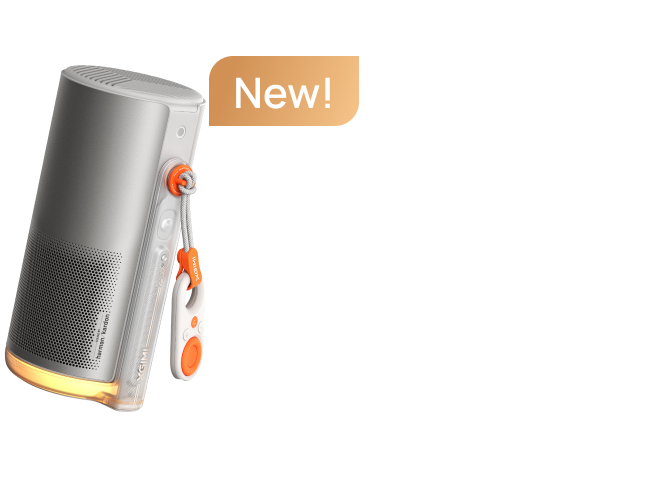
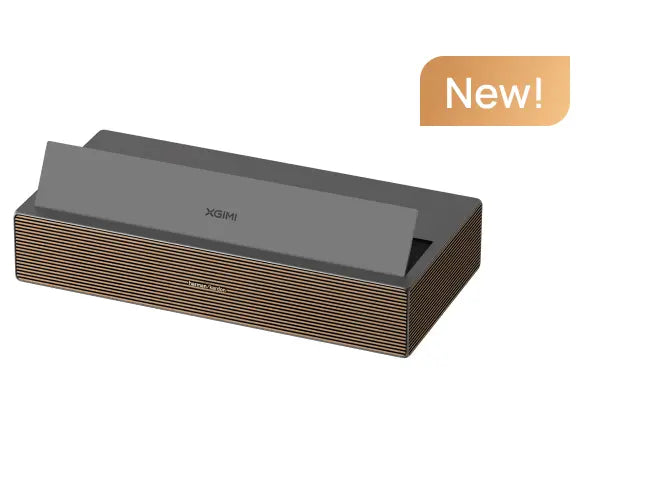
ISA (Intelligent Screen Adaptation) technology brings together all these automated setup features into a comprehensive system. Modern projectors like the XGIMI HORIZON S Pro utilize ISA 5.0 to combine keystone correction, auto focus, obstacle avoidance, and screen alignment in one unified calibration process.
Rather than running each adjustment separately, ISA-equipped projectors analyze your entire projection environment simultaneously. The system detects your screen boundaries, identifies obstacles, measures the projection angle, and adjusts focus—all within seconds of powering on.
Advanced ISA implementations also include wall color adaptation, automatically compensating for beige, gray, or colored projection surfaces. This eliminates the manual color calibration traditionally required for non-white walls. For households that frequently reposition their projector, ISA technology transforms setup from a tedious multi-step process into an effortless experience.
How to Set Up a Projector With Smart Features
Initial Placement Considerations
Answering "how to set up a projector" becomes simpler with smart features, but initial placement still matters. Distance from the wall affects image size. Check your model's specifications to find the optimal throw distance for your desired screen size. For related guidance, see How to Calculate the Exact Ceiling Mount Distance for Your Throw Ra....
Height positioning influences how setup features perform. Placing the projector at roughly the same height as the center of your projection area works well. Smart correction features can handle moderate height differences, but extreme angles may reduce image quality.

Activating and Calibrating Setup Features
Most smart projectors activate their setup features automatically upon powering on. First, the projector scans the environment to detect the projection surface. Next, keystone correction engages to square the image. Then, autofocus activates to achieve optimal clarity. Finally, screen fitting adjusts the image boundaries.
The entire process completes in under 10 seconds. Some models allow you to trigger setup features manually through a dedicated button on the remote. This proves useful if you move the projector during a viewing session.
Set up Features for Different Projector Types
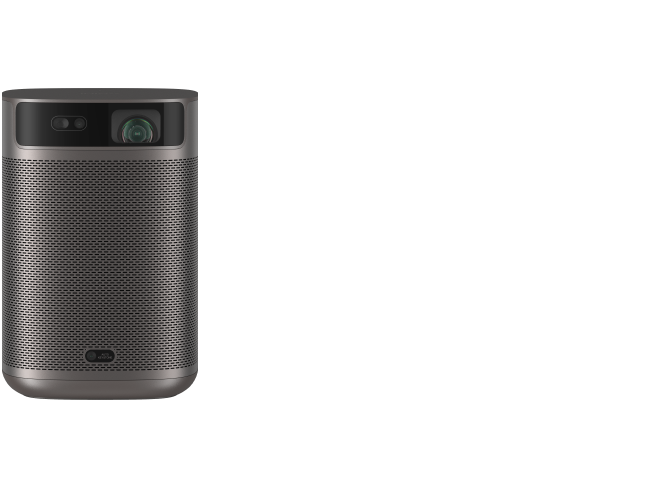
Portable Smart Projector Considerations
Portable projectors move between locations frequently. Each location presents different challenges in terms of throw distance, ambient light, and projection surfaces.
Setup features become essential for portable models. You don't need to remember different settings for different rooms. Auto keystone correction adapts to various placement angles. Autofocus handles different throw distances. Screen fitting works with walls of different colors and textures.
Traditional portable projectors create a dilemma. Their portability becomes pointless if setup takes 10 minutes everywhere you go. Smart setup features make portability actually practical.
4K Smart Projector Setup Optimization
A 4k smart projector represents a significant investment in image quality. Manual setup leaves room for human error. You might not notice that your focus is slightly soft or your keystone correction is imperfect.
Automated setup features optimize every aspect of the 4K image. They ensure you're actually seeing true 4K resolution, not a slightly blurred approximation. Autofocus precision becomes even more critical at higher resolutions. A focus error that might go unnoticed at 1080p becomes glaringly obvious at 4K.
Who Benefits Most From Smart Setup Features
First-Time Projector Owners
People new to projectors often feel overwhelmed by traditional models. Smart setup features eliminate this learning curve entirely. You don't need to understand optical principles or projection geometry. Technology handles the technical aspects while you focus on enjoying content. For related guidance, see The Benefits of Using a Dedicated Projector Floor Stand Over a Coff....
Families and Casual Users
Families benefit enormously from smart setup features. Kids can operate these devices without adult supervision, making movie nights more spontaneous and fun. Casual users want entertainment, not a technical project. Smart setup features respect this priority.
Renters and Temporary Installations
Renters face unique challenges. You can't install permanent mounting solutions or dedicated screens. Obstacle avoidance and automatic screen fitting become invaluable in these situations. Traditional projectors assume ideal conditions. Renters rarely have ideal conditions.
The Real Value of Smart Setup Features
The traditional setup takes roughly 10 minutes. If you use your projector three times per week, that's 30 minutes weekly spent on setup. Over a year, that's 26 hours of adjustment time. Smart setup features reduce this to essentially zero.
Manual setup quality varies. Sometimes you nail it, sometimes you accept "good enough" because you're tired of adjusting. Smart setup features deliver optimal results every single time. This consistency means you always see content as intended.
Start Enjoying Hassle-Free Projection Today
Smart projector setup features transform home entertainment from a technical challenge into an effortless experience. Automatic keystone correction, projector autofocus, screen fitting, and obstacle avoidance work together to deliver perfect images instantly. Whether you choose a portable smart projector for flexibility or a 4k smart projector for stunning detail, these automated setup features ensure optimal picture quality every time.
Frequently Asked Questions
Do Smart Setup Features Work in Brightly Lit Rooms?
The setup features work well in varied lighting. They work well in moderately lit rooms. Many projectors contain sensors that help adjust the setup according to the lighting.
How Often Do Setup Features Need Recalibration?
Most projectors recalibrate themselves as soon as you turn them on or sense a change in position. Portable projectors recalibrate themselves each time you relocate to a new spot. There are also projectors with motion sensors that will recalibrate when moved or bumped.
Can Setup Features Compensate for All Projection Angles?
The automatic keystone correction will handle a maximum of 40 degrees in the vertical direction and 30 degrees in the horizontal direction. If you go beyond this, it will be necessary to relocate your projector. Factors of setup come into play when you keep your projector at an angle to your screen.
Do Setup Features Reduce Image Quality or Brightness?
Digital correction might cause a slight loss of sharpness in extreme cases due to the interpolation of pixels. Modern algorithms minimize that. It is essential that the projector be placed well from the beginning and that corrections should be minimal and image quality maintained.
Can I Disable Automatic Features and Adjust Manually?
Most smart projectors will allow you to switch off the automated setting options and customize manually, according to what you desire. Options are usually available in settings, where you can choose between manual and automated modes.


