



The Short Answer: Laser and LED Projectors Are Safe to Power Cycle Freely
If you own a modern laser or LED projector — including any model in the XGIMI lineup — you are safe to power cycle freely without compromising the integrity of the laser classification. This is the bottom line, and the rest of this article explains exactly why.
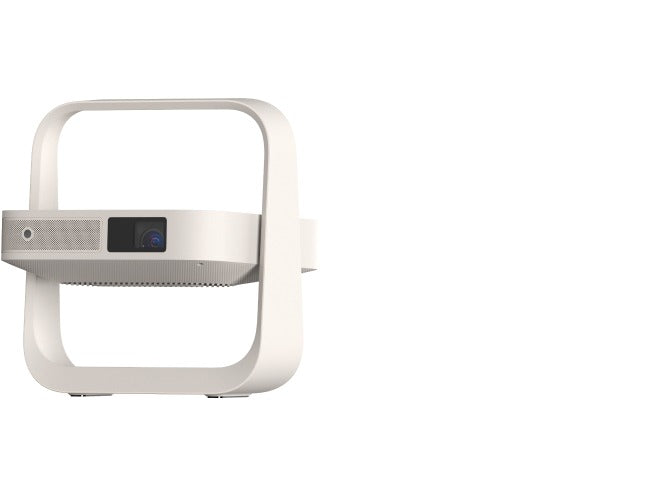
The "don't turn it off between sessions" rule is real, but it applies specifically to traditional UHP (Ultra High Pressure) mercury arc lamp projectors. It does not apply to solid-state laser or LED technology. If you've been leaving your XGIMI HORIZON 20 or MoGo 4 Laser running unnecessarily to "protect the lamp," you've been following advice written for a different era of hardware. For more on this topic, see The Environmental Impact of Laser Projectors vs. Traditional Lamp M....

Why the Old Rule Existed — and Why It No Longer Applies
The UHP Lamp Problem: Thermal Shock Is Real
Traditional projector lamps use a mercury vapor arc discharge to generate light. Striking that arc requires a high-voltage ignition event, and the lamp envelope heats to extreme temperatures — often above 900°C — during operation. When you power off, the lamp cools rapidly. Repeat this heating-and-cooling cycle frequently enough, and the quartz glass envelope and electrode tips experience cumulative thermal fatigue.
This is why older lamp projectors came with mandatory cool-down fans: the fan had to run for 2–5 minutes after shutdown to bring the lamp temperature down gradually before the unit could be safely moved or stored. Skipping this step — or cutting power abruptly — could crack the envelope or cause premature electrode erosion. Manufacturers rated most UHP lamps at 2,000–5,000 hours, and heavy power cycling could push a lamp toward the lower end of that range.
Evidence: Industry lamp data consistently places standard UHP projector lamp life at 2,000–5,000 hours in normal mode, with eco modes sometimes extending this to 6,000+ hours. Replacement lamps for popular models typically cost $80–$200+, making premature failure a real financial concern for lamp projector owners. Source: LampInsider, OptiviewLabs
Solid-State Light Sources: A Fundamentally Different Physics
Laser diodes and LEDs do not use arc discharge. There is no mercury vapor, no high-voltage ignition strike, and no quartz envelope to crack. When you press power on a laser or LED projector, the light source reaches full output almost instantly — typically within a few seconds — because there is no arc to stabilize and no thermal mass to bring up to operating temperature.
The degradation mechanism for solid-state sources is gradual lumen depreciation over total operating hours, not thermal shock from power cycling. A laser diode's rated lifespan (e.g., 30,000 hours) represents the point at which output has declined to roughly 50% of original brightness — not sudden failure. This depreciation clock runs only while the projector is actually on and emitting light. Turning the projector off stops the clock.
This is the core reason why the lamp-era rule is a myth when applied to laser and LED projectors: the failure mechanism that the rule was designed to prevent simply does not exist in solid-state hardware.

Real-World Lifespan Numbers: The Gap Is Not Small
The lifespan difference between lamp and solid-state projectors is not marginal — it's an order of magnitude.
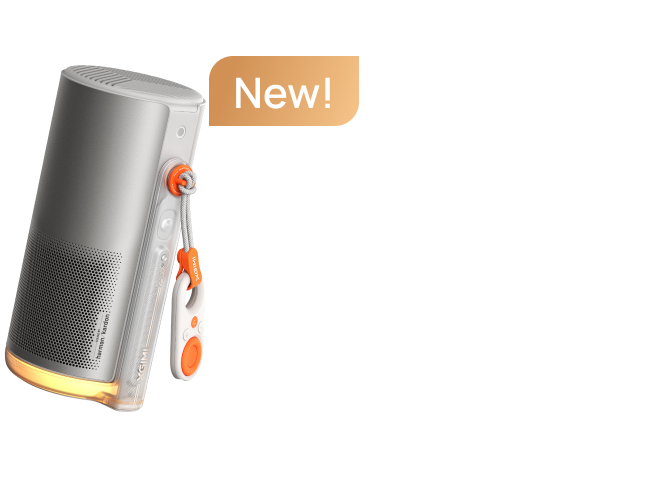
XGIMI's LED-based models, including the HORIZON Pro and Halo+, carry an official LED light source rating of 30,000 hours. The entire current XGIMI lineup uses solid-state light sources:
- RGB Triple Laser — HORIZON 20, HORIZON 20 Pro, HORIZON 20 Max
- Dual Light 2.0 (laser + LED hybrid array) — HORIZON S Max, HORIZON S Pro, AURA 2
- Laser/LED Hybrid — HORIZON Ultra
- Single Blue Laser + Phosphor — AURA (original)
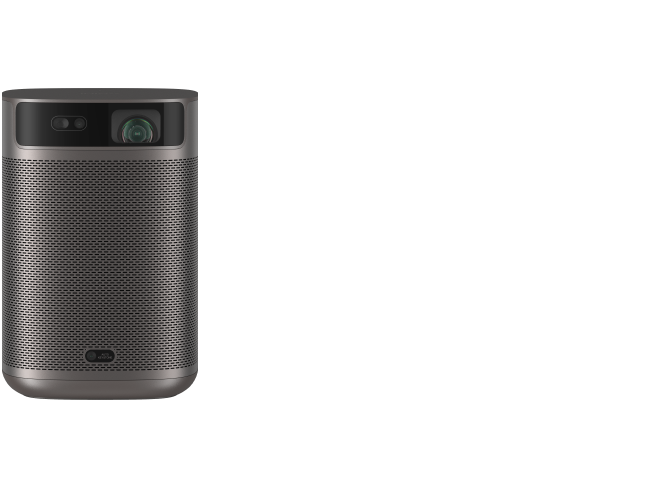
- LED — HORIZON Pro, Halo+, MoGo 3 Pro, MoGo 2 series, Elfin series
Every single product in this lineup uses a solid-state source. There is no UHP lamp in the current XGIMI catalog. The "lamp damage" concern is architecturally irrelevant to any XGIMI projector sold today.
At a typical viewing pattern of 3–4 hours per day, a 30,000-hour rated LED source would take roughly 20–27 years to reach its half-brightness threshold. Even at 6 hours of daily use, that's over a decade. Power cycling a dozen times a day would not meaningfully accelerate this timeline under normal home use conditions.
The Standby vs. Full Power-Off Question
This is where many users get tripped up. Some projectors offer a "quick-start" or standby mode that keeps the electronics partially active so the unit boots faster. For lamp projectors, standby was sometimes recommended to avoid repeated thermal cycling of the lamp. For laser and LED projectors, this reasoning no longer holds.
The practical considerations for laser/LED owners are:
- Full power-off draws zero watts. Standby mode typically draws 0.5–2W continuously. Over a year of overnight standby, this adds up to a small but non-zero energy cost.
- Boot time is fast either way. Most modern XGIMI projectors with instant-on solid-state sources reach a usable image within seconds from a cold start — there's no warm-up arc to stabilize.
- Full power-off is the energy-efficient default. Unlike lamp projectors where standby could theoretically reduce thermal stress on the lamp, there is no equivalent benefit for solid-state sources.
Logic Summary: This recommendation applies to normal home use patterns (1–6 sessions per day). In edge cases where a projector is power-cycled dozens of times per hour — such as automated commercial display installations — driver electronics could theoretically experience elevated stress. This is not a realistic scenario for home theater, streaming, or gaming use cases. For more on this topic, see Projector vs TV: An Honest Comparison for Your Home.
Myths the Projector Community Is Still Getting Wrong
The confusion is widespread and well-documented in enthusiast communities. Users transitioning from older lamp-based setups frequently carry their old habits into new hardware decisions. Common patterns include:
- Leaving a laser projector running for hours between short viewing sessions "to avoid thermal stress"
- Refusing to use standby shutoff timers because "the lamp needs to cool down"
- Worrying that a projector that "clicks off quickly" is damaging itself
These behaviors made sense in 2008 with a 2,500-hour UHP lamp. They are unnecessary in 2024 with a 30,000-hour laser source. The community consensus among experienced users in forums like r/projectors and r/hometheater is clear: modern laser and LED projectors do not need the same thermal management rituals as lamp projectors. The top objections — thermal cycling damage, startup surge wear, and standby confusion — all stem from applying lamp-era mental models to solid-state hardware.
What Actually Affects Laser and LED Projector Longevity
Since power cycling is not the concern, what should owners actually pay attention to?
Brightness mode selection is the most impactful variable. Running a laser projector at maximum brightness continuously will accumulate operating hours faster and drive the light source harder than using a calibrated or eco mode. For most home viewing environments — especially at night — a mid-brightness mode delivers excellent image quality while extending the time before any perceptible lumen depreciation.
Ambient temperature and ventilation matter more for solid-state sources than power cycling does. Laser diodes are sensitive to heat buildup; a projector running in a poorly ventilated cabinet or in a hot room will experience faster lumen depreciation than one with adequate airflow. XGIMI projectors include thermal management systems, but blocking vents or placing the unit in an enclosed space will work against those systems.
Total operating hours is the only clock that matters. Every hour the projector is on and emitting light counts toward the rated lifespan. Turning it off when you're not watching is the single most effective way to preserve long-term brightness — not because of thermal shock, but simply because the clock stops.
Who This Guidance Applies To — and Who It Doesn't
This article is written for home users who own or are considering a laser or LED projector: casual streamers, family entertainment setups, home theater upgraders moving away from lamp-based units, and anyone who has inherited habits from older projector experiences.
If you are still using a traditional UHP lamp projector — an older unit without a laser or LED designation — the original thermal management advice still applies. Check your projector's specifications: if it lists a lamp replacement part number, uses a lamp hour counter, and has a mandatory cool-down fan cycle, you have a lamp projector and should follow the manufacturer's warm-up and cool-down guidance.
For commercial AV installers managing lamp projectors at scale in venues, classrooms, or rental fleets, the economics of lamp cycling are a legitimate operational concern that falls outside the scope of this article.
Making the Switch: XGIMI's Solid-State Lineup
If you're still using a lamp-based projector and the maintenance overhead — replacement lamps, cool-down rituals, lifespan anxiety — is part of why you're reading this article, the move to a solid-state projector eliminates those concerns by design.
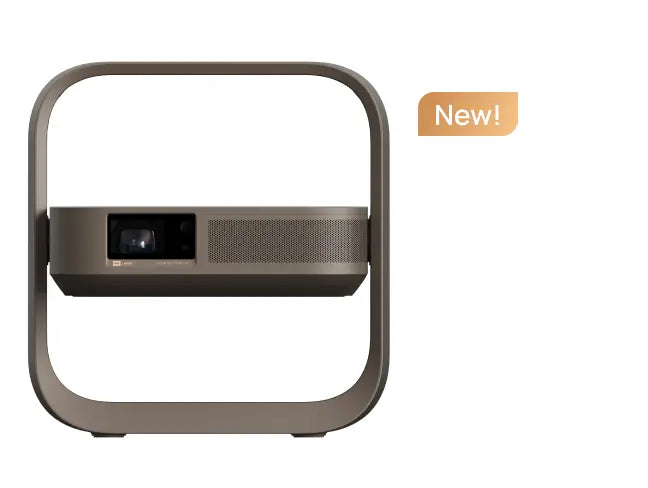
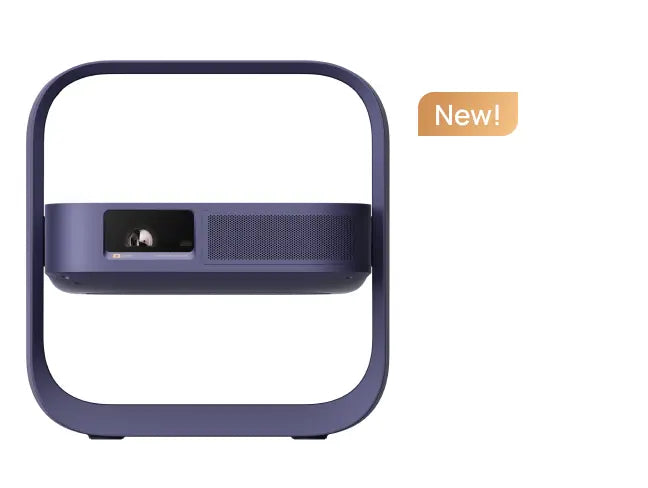
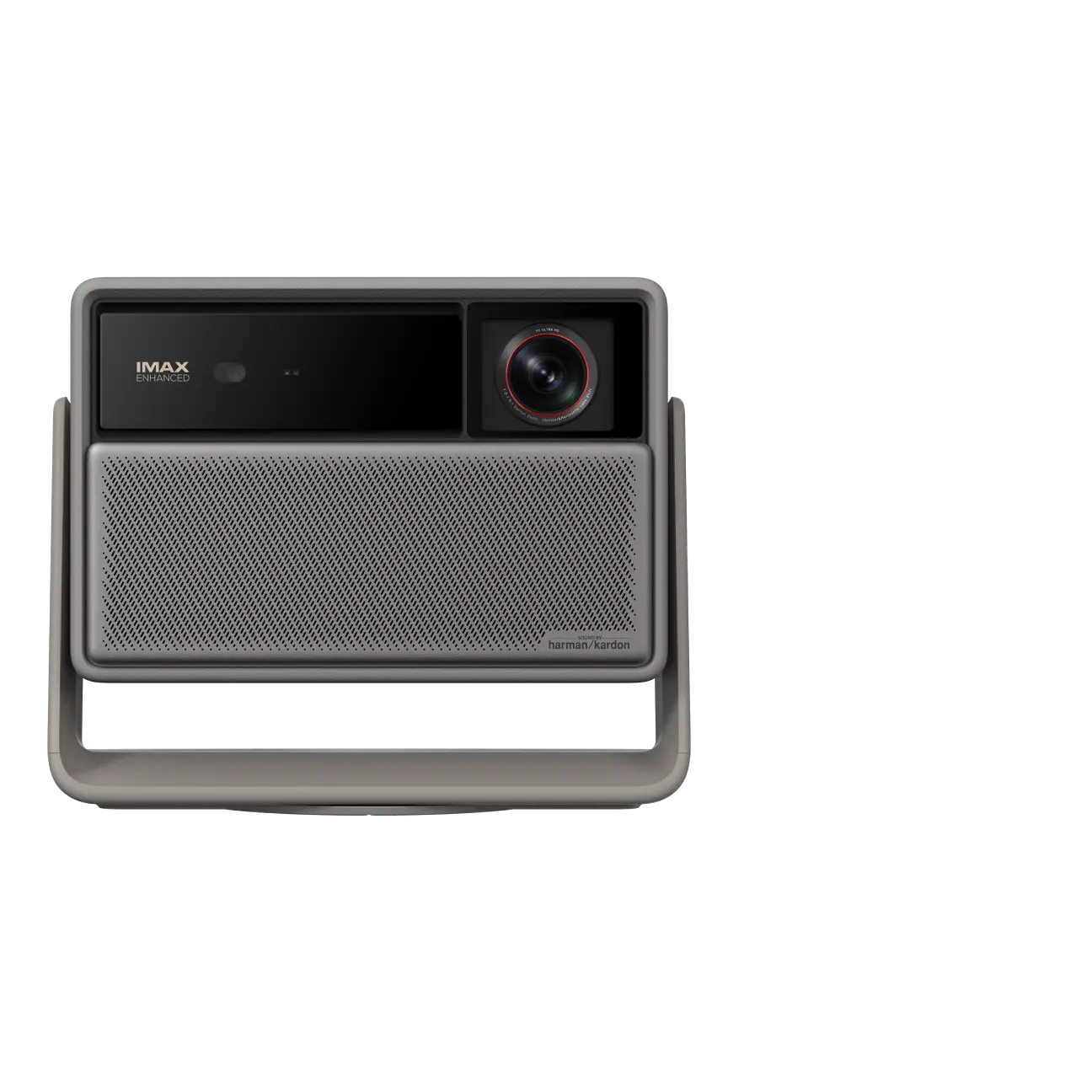
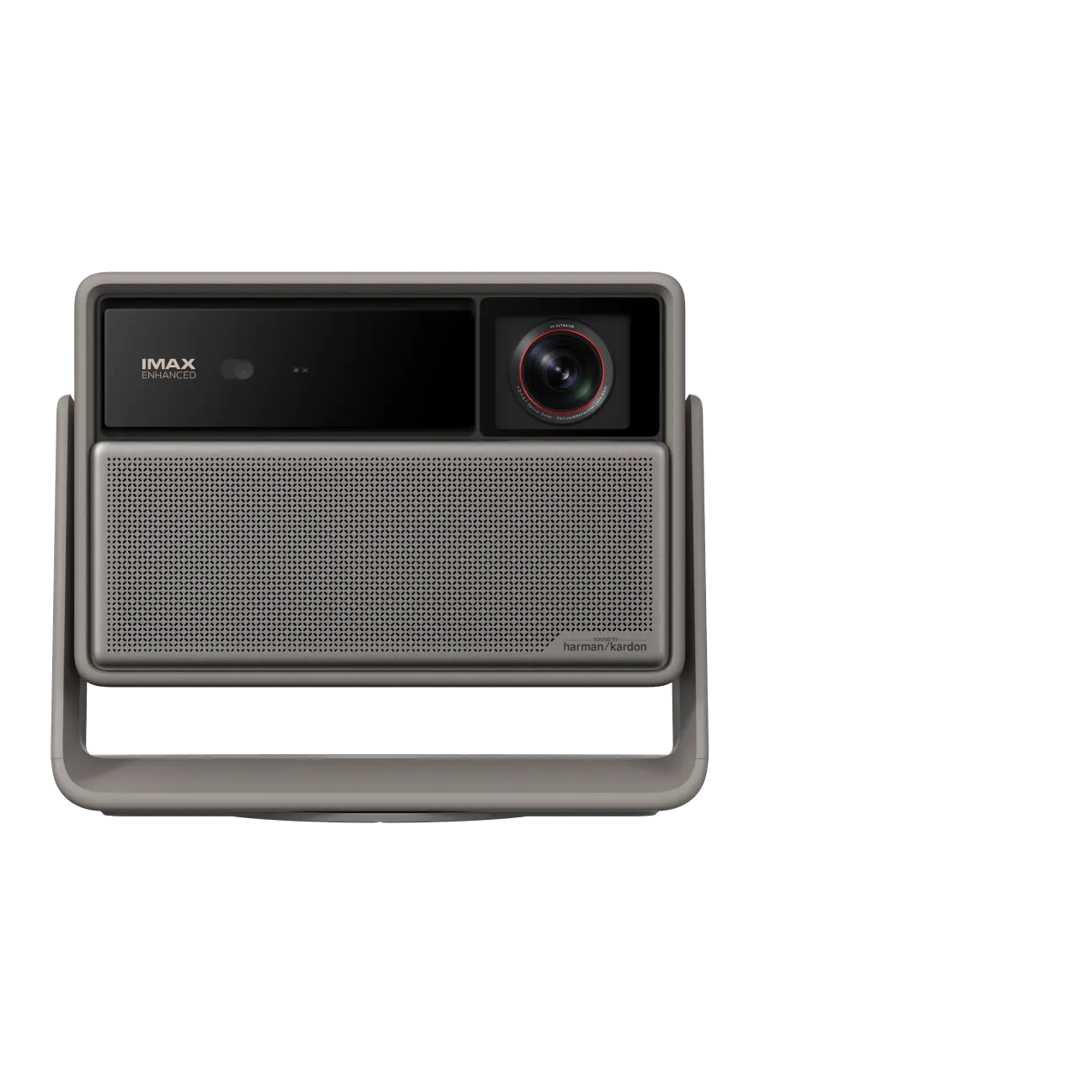
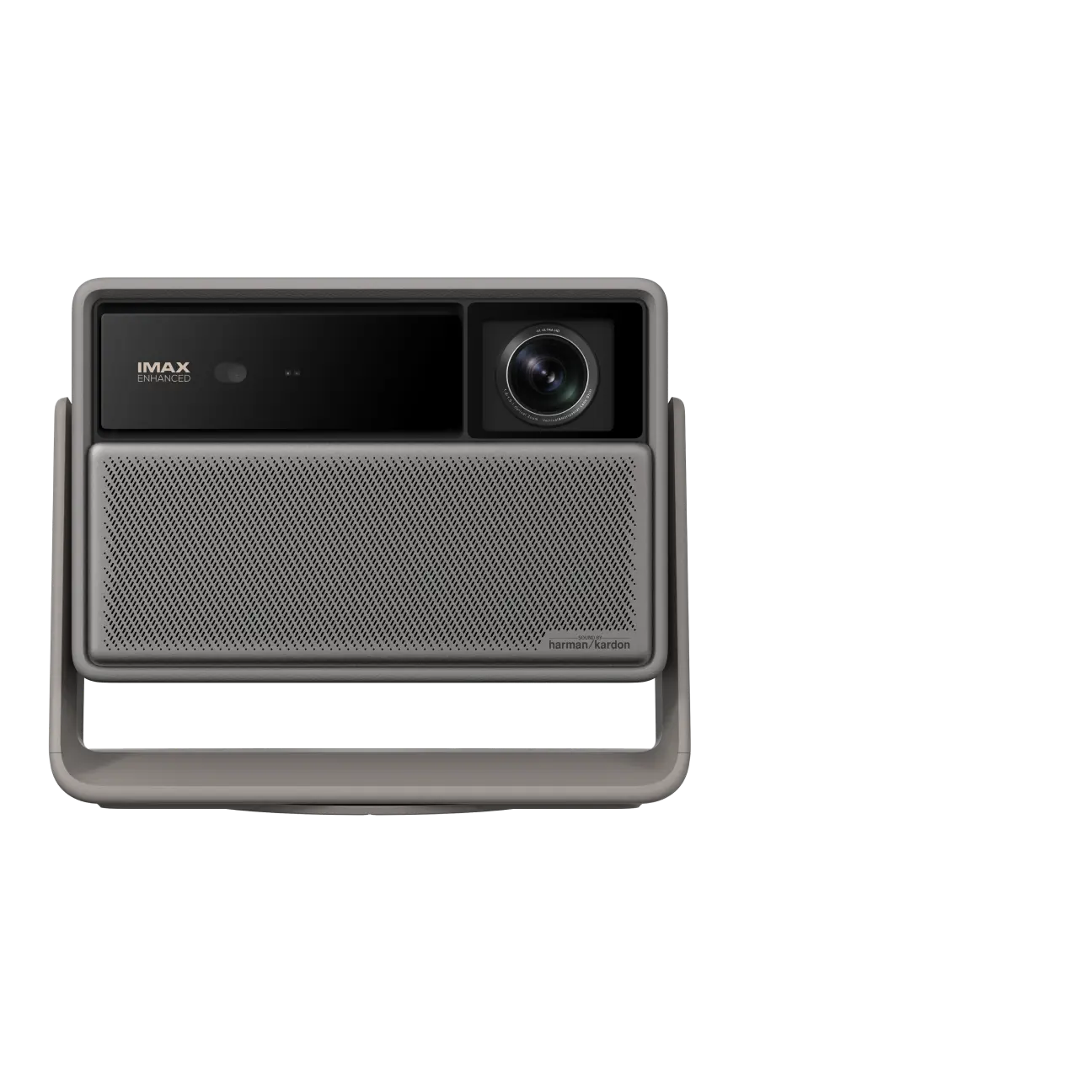
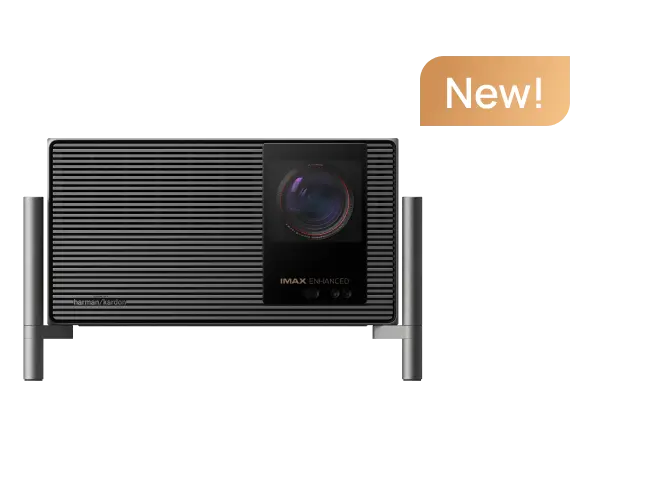
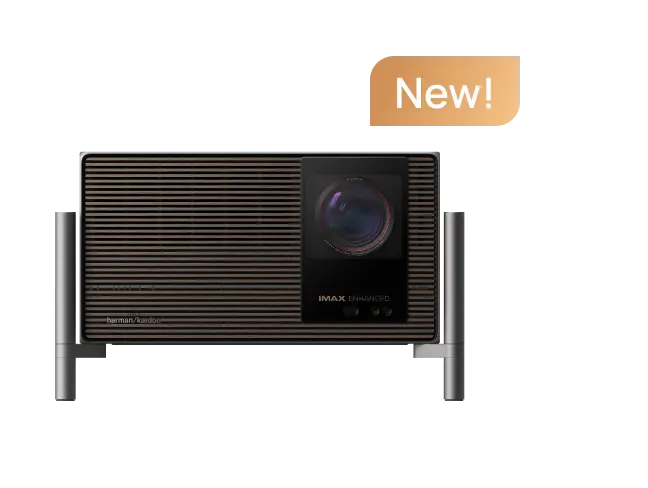
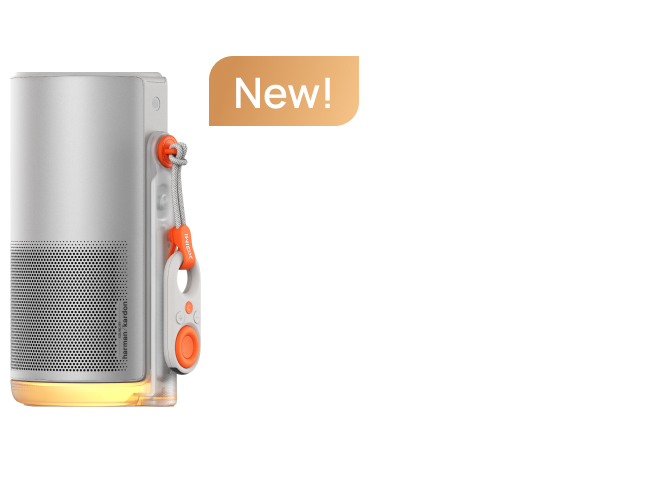
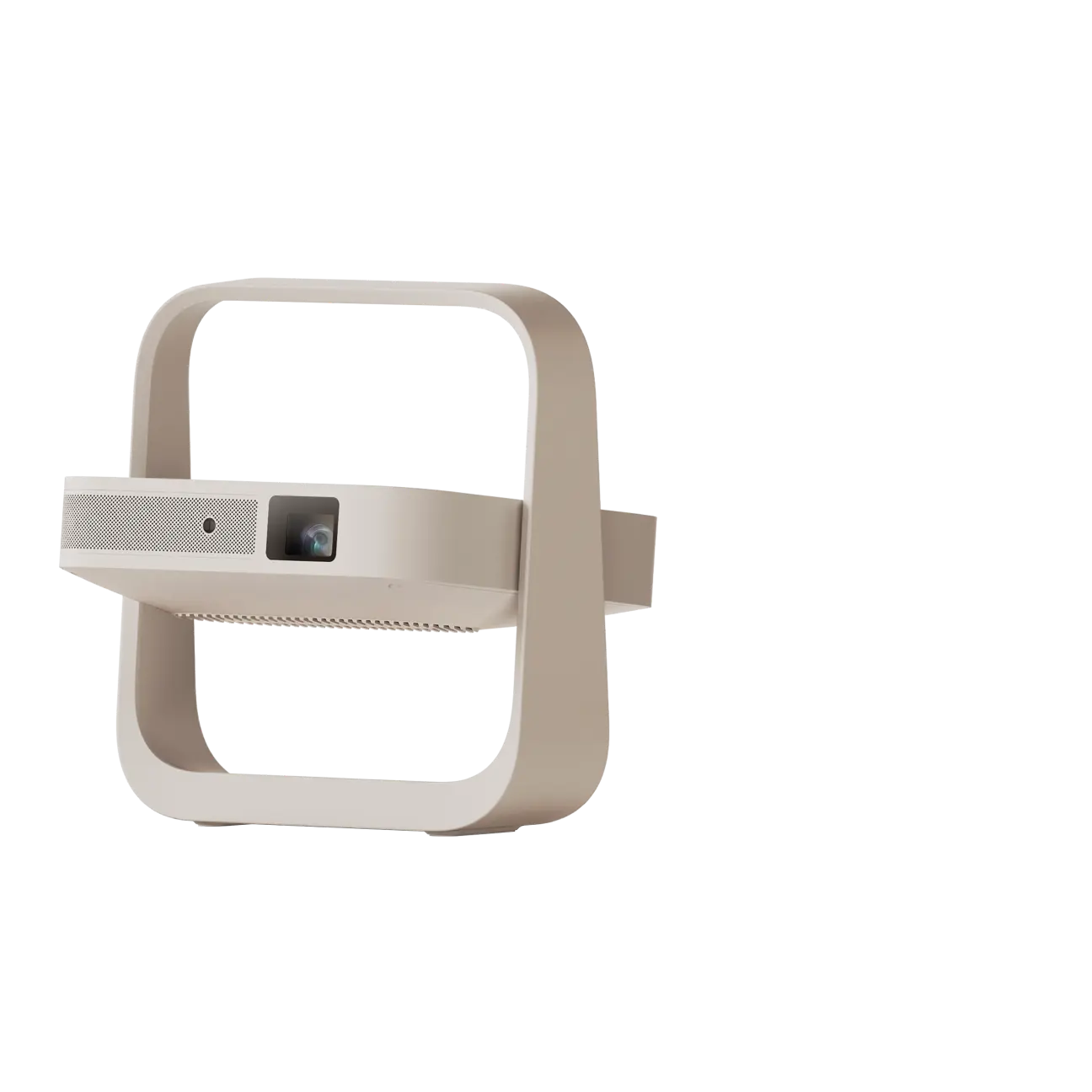
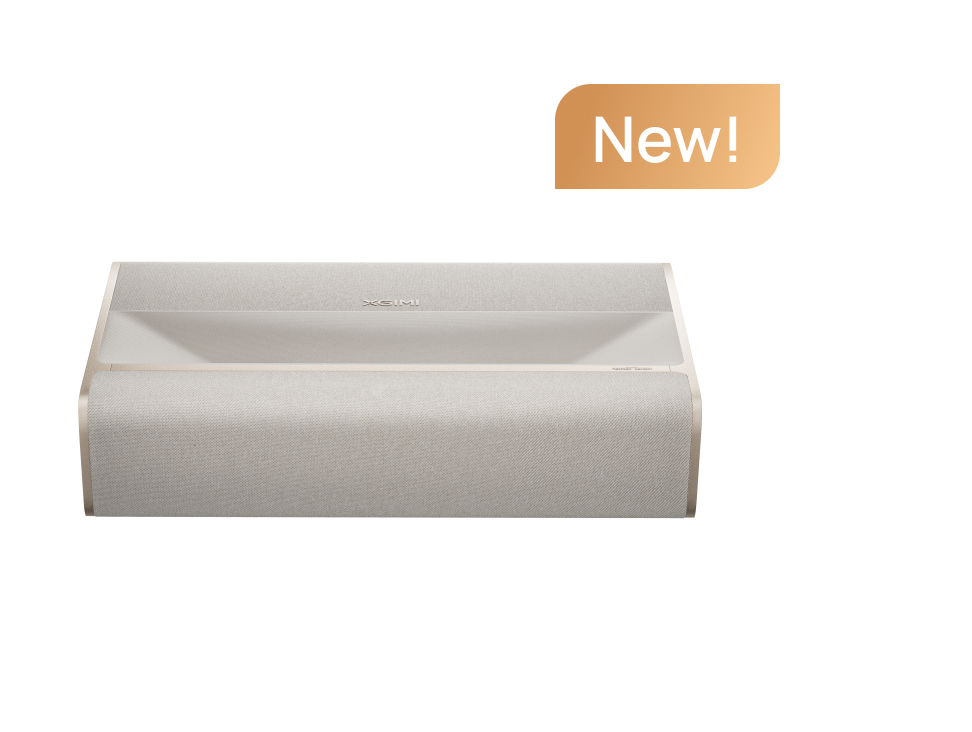
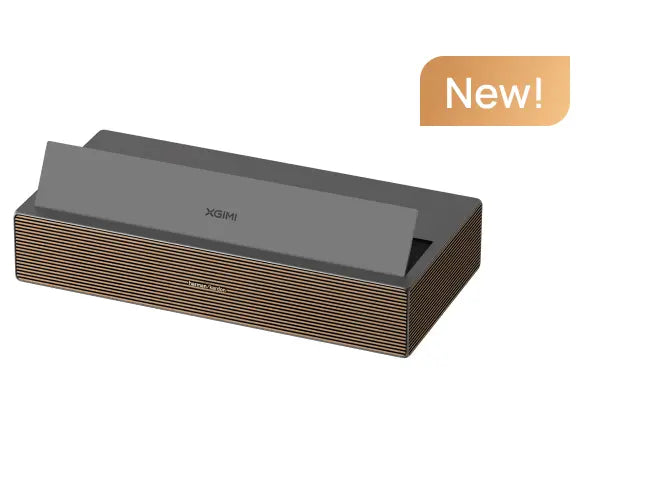
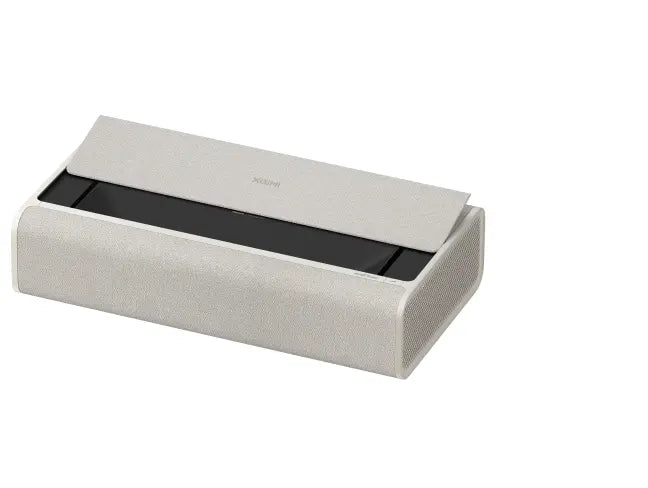
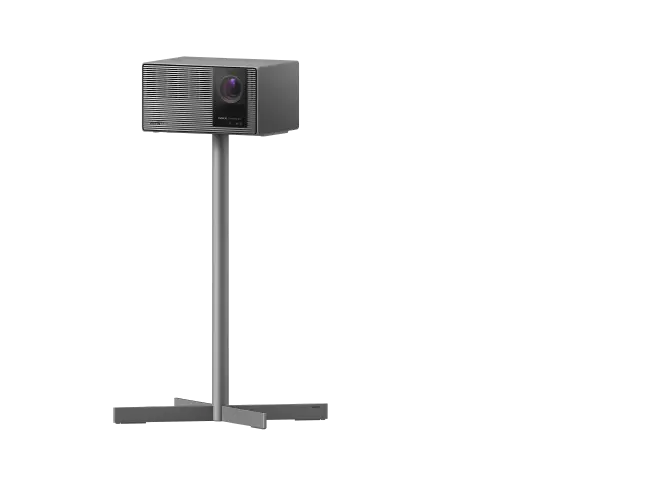
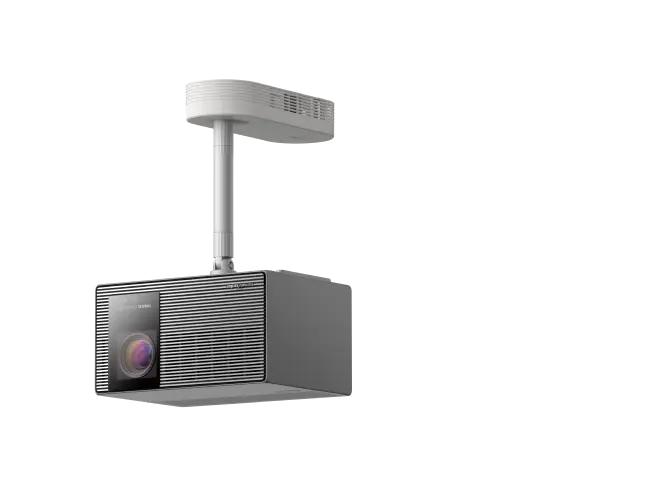
The HORIZON 20 brings RGB Triple Laser at 3,200 ISO Lumens with a 4K image and ISA 5.0 auto-alignment, in a form factor that's easy to move between rooms. The HORIZON 20 Max steps up to 5,700 ISO Lumens for daylight-capable performance. For portable use, the MoGo 4 Laser packs a laser light source into a 1.3 kg body with a built-in battery. The AURA 2 brings Dual Light 2.0 technology to an ultra-short-throw form factor for living room laser TV setups. For more on this topic, see Projector Throw Ratio Explained: Standard vs. Short Throw vs. Ultra....
None of these require lamp replacement. None require a cool-down ritual. All of them can be turned off the moment you're done watching — and back on the moment you want to watch again — with no penalty to the light source.
For a broader look at how to evaluate your options, the XGIMI projector buying guide covers light source types, brightness requirements, and setup considerations in detail.


