



Three Variables Decide Whether Your Daytime Setup Works
The short answer most guides skip: daytime projector viewing is a physics problem, not a brightness-spec arms race. A projector cannot create black — it can only add light to whatever surface it hits. This is a fundamental limitation of projection systems, since projectors cannot create true black levels and rely on reflected light from the projection surface. If ambient light already illuminates that surface, your "dark" scenes become gray. The fix isn't always a brighter projector; it's controlling which light reaches the screen and how the screen handles what gets through.
For more on this topic, see How Many Lumens Do You Actually Need for Daylight Projector Viewing?.
For more on this topic, see How to Achieve Visible Projection Quality in Bright Daylight and Tw....
Three compounding factors determine success:
- Projector brightness — 2,000+ ISO lumens is the practical entry point for indirect-daylight rooms; below that, even diffused window light overwhelms the image.
- Screen surface — An ALR (Ambient Light Rejecting) screen is the single highest-leverage upgrade in a lit room. A bare white wall or standard white screen amplifies the problem.
- Light source geometry — Where the light comes from matters more than total room brightness. Overhead ceiling lights aimed at the screen cause the most damage; side-window light that doesn't hit the screen directly is far more manageable.
Get all three right and you can watch comfortably with sheer curtains or partially open blinds. Get one wrong and no amount of money fixes it.

Why "Just Buy a Brighter Projector" Isn't the Whole Answer
The community has learned this the hard way. One AVS Forum member put it bluntly after spending $2,500 on a high-lumen projector for daytime sports: "Bright scenes look pretty good but dark scenes are just a gray mess unless the room is pitch black." That experience is technically predictable.
Here's why: ambient light hitting the screen raises the floor luminance — the minimum brightness of what should be "black." A projector with a 2,000:1 contrast ratio in a dark room can drop to roughly 30:1 in a room with moderate ambient light (around 20 foot-candles), according to technical analysis from Stewart Filmscreen. That's a 15× collapse in perceived contrast — and no lumen increase can reverse it, because you're fighting reflected ambient light, not just adding more projected light.
This is also why the XGIMI screen buying guide states plainly: "Ambient light washes out projected images quickly." The mechanism is the raised black floor, not the peak white level.
Evidence: ANSI/INFOCOMM 3M-2011 defines projected image system contrast ratio and establishes that minimum contrast for passive viewing is 7:1 — a threshold that a mid-brightness projector on a white wall in a sunlit room can fail to meet.

The Brightness Floor: Where 2,000 ISO Lumens Comes From
Brightness specs carry a hidden complexity worth understanding before you shop. ISO lumens (defined under ISO 21118) apply stricter testing conditions than older ANSI measurements — including color accuracy and uniformity requirements — which typically makes ISO ratings run 20–30% lower than ANSI ratings for the same projector. When a manufacturer quotes ISO lumens, it's a more conservative, real-world-aligned number. For more on this topic, see Why Does My Projector Look Dim Even with High Lumens? Understanding....
With that context, here's how the XGIMI lineup maps to daytime viability:
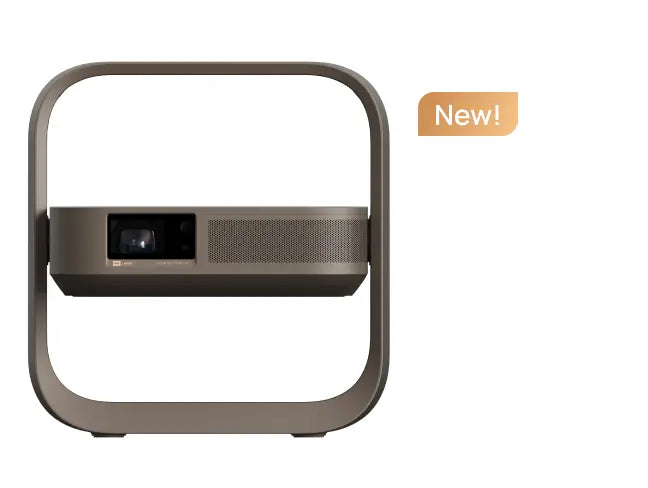
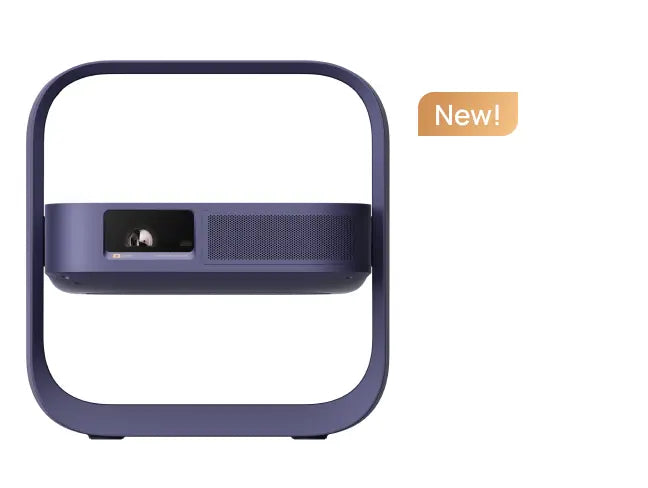
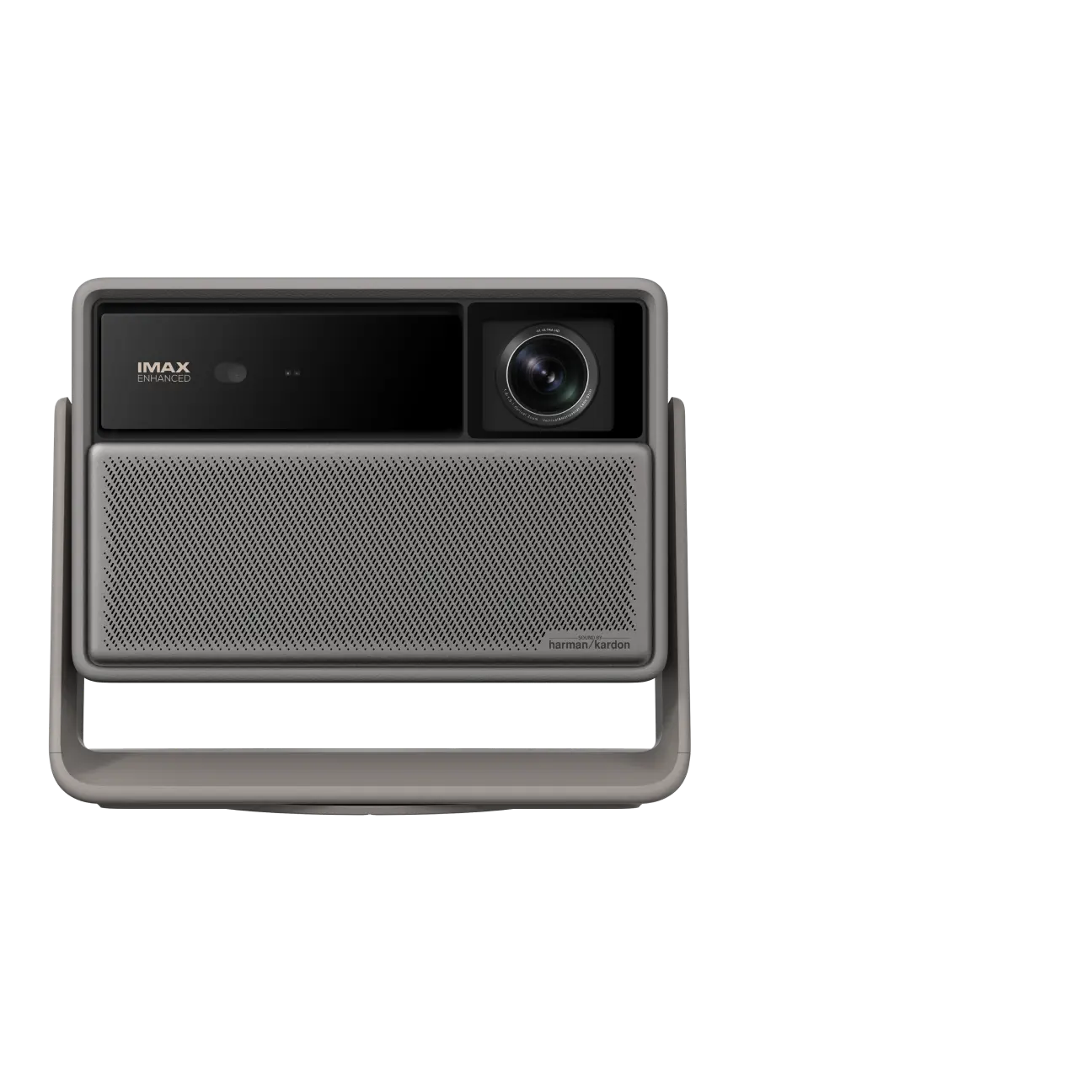
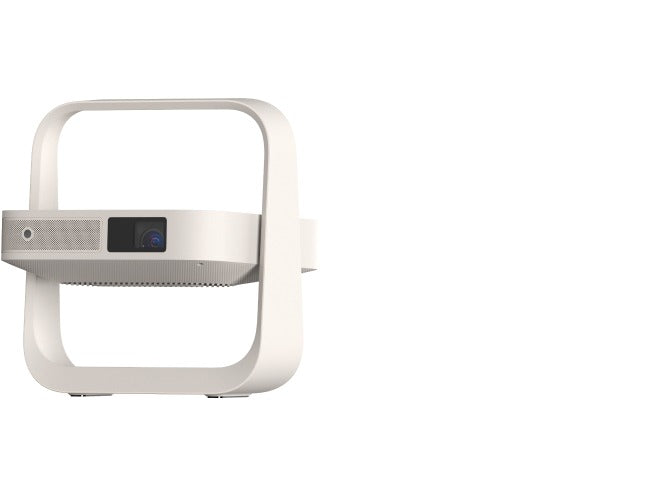
- XGIMI HORIZON Pro — 1,500 ISO lumens (LED): Struggles noticeably in ambient light. Indirect daylight from a partially shaded window is enough to wash out dark scenes. Best used in rooms where you can at least draw sheer curtains.
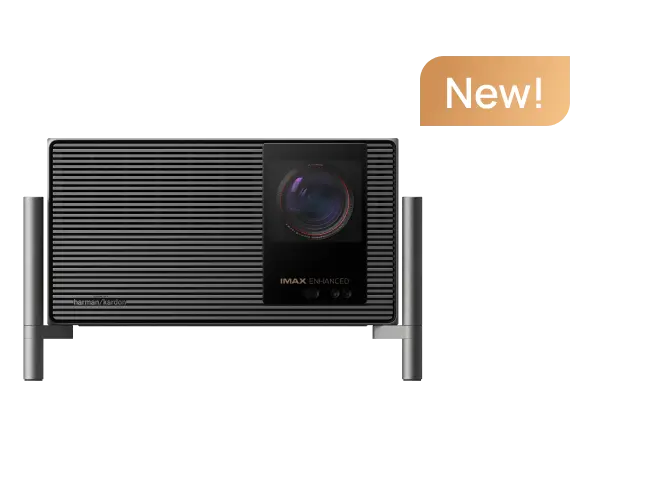
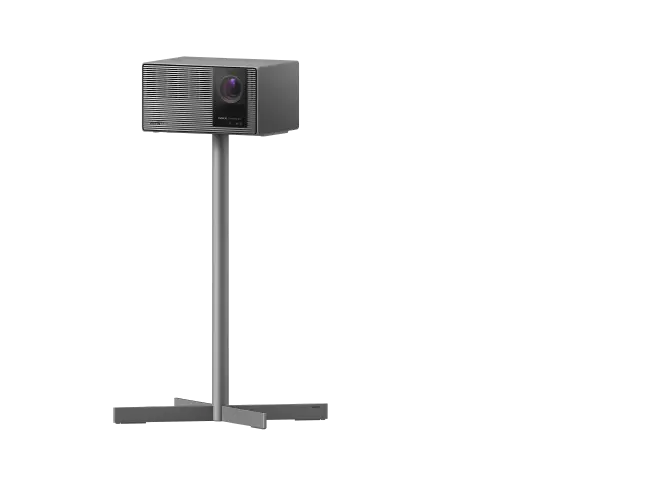
- XGIMI HORIZON Ultra — 2,300 ISO lumens (Laser/LED Hybrid): The practical entry point for daytime use in rooms with indirect or diffused natural light. The Laser/LED hybrid light source also delivers better color volume than LED-only units at the same lumen rating, which helps perceived contrast.
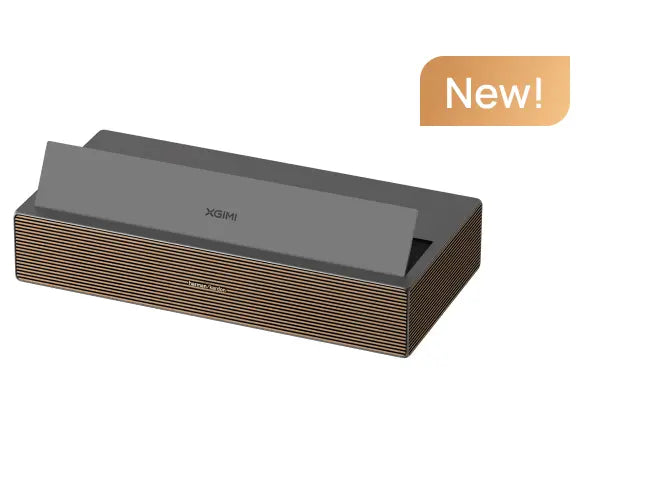
- XGIMI HORIZON 20 series — 3,200–5,700 ISO lumens (RGB Triple Laser): Meaningful headroom for brighter rooms. At 3,200+ ISO lumens, you gain tolerance for more ambient light before image quality degrades to unacceptable levels.
Rule of thumb: Treat 2,000 ISO lumens as the floor for indirect daylight, and 3,000+ ISO lumens as the floor for rooms with significant diffused light from multiple windows. These are heuristics, not guarantees — screen size, screen surface, and light geometry all shift the threshold.

What ALR Screens Actually Do (and What They Don't)
ALR screens work through directional optics. According to Draper's technical white paper on ALR technology, these screens use multi-layer optical materials that reflect on-axis projected light toward the viewer while absorbing or redirecting off-axis ambient light. The key variable is the angle of the light source: light coming from the projector's direction is preserved; light coming from ceiling fixtures or side windows is rejected.
The XGIMI 100" UST ALR Screen specifies 80% ambient light rejection and a 1.4× brightness gain — meaning it both blocks most ambient light and amplifies the projected image relative to a standard 1.0-gain white screen. That combination is why the XGIMI screen guide notes that "living rooms… benefit most from ALR technology" and that "the investment makes sense if you cannot dedicate a room to complete light control."
But ALR screens have real limitations the community has documented:
- Viewing angle narrows. High-gain ALR surfaces concentrate reflected light toward the center. Viewers sitting far off-axis may notice brightness falloff and color shift — a trade-off that matters in wide living rooms.
- Light direction matters. One Reddit r/projectors user described buying a $1,200 ALR screen and finding it "only helps a little with overhead lights" while "side light from windows still washes everything out." This is physically accurate: ALR screens are optimized for specific rejection angles. Side window light that hits the screen directly can still degrade the image.
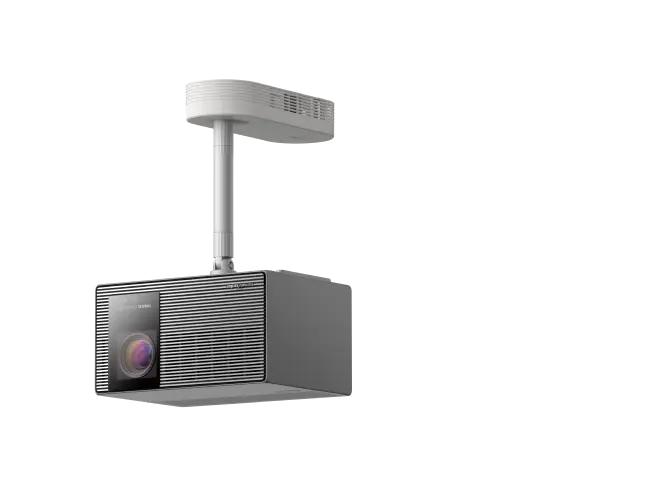
- Ceiling mounting defeats ALR. If a projector is mounted on the ceiling, the projected light arrives from an angle the ALR surface treats as ambient — XGIMI's own ceiling projector guide confirms: "The objective of the ALR screen is defeated if the model is mounted on the ceiling."
Reading Your Room: A Setup Decision Checklist
Before buying anything, walk through your room with these questions. Your answers determine which combination of projector, screen, and light management you actually need.
Step 1 — Identify your dominant light source.
Stand at the screen position and look toward the projector. Is the main light source behind you (ceiling lights, rear windows)? Or is it coming from the sides (lateral windows)? Ceiling lights directly above the screen are the worst case — XGIMI's UST vs. standard throw comparison states explicitly: "Lights directly above the screen cause the biggest problems."
Step 2 — Check for direct sunlight.
Does sunlight fall directly on the screen surface at any point during your typical viewing hours? If yes, no standard projector setup handles this well. The same XGIMI source notes: "Direct sunlight on the screen washes out both types unless you add an expensive ALR screen." Even then, partial shading of the window is strongly recommended. This is the one scenario where some curtain use remains necessary.
Step 3 — Assess your wall surface.
Is your wall smooth, flat, and painted matte white or light gray? A textured wall creates micro-shadow patterns visible at 4K resolution and amplifies ambient light scatter. If your wall has texture, a standalone screen — even a basic matte white one — will outperform it. For lit rooms, an ALR screen is the upgrade that actually moves the needle.
Step 4 — Determine your throw distance.
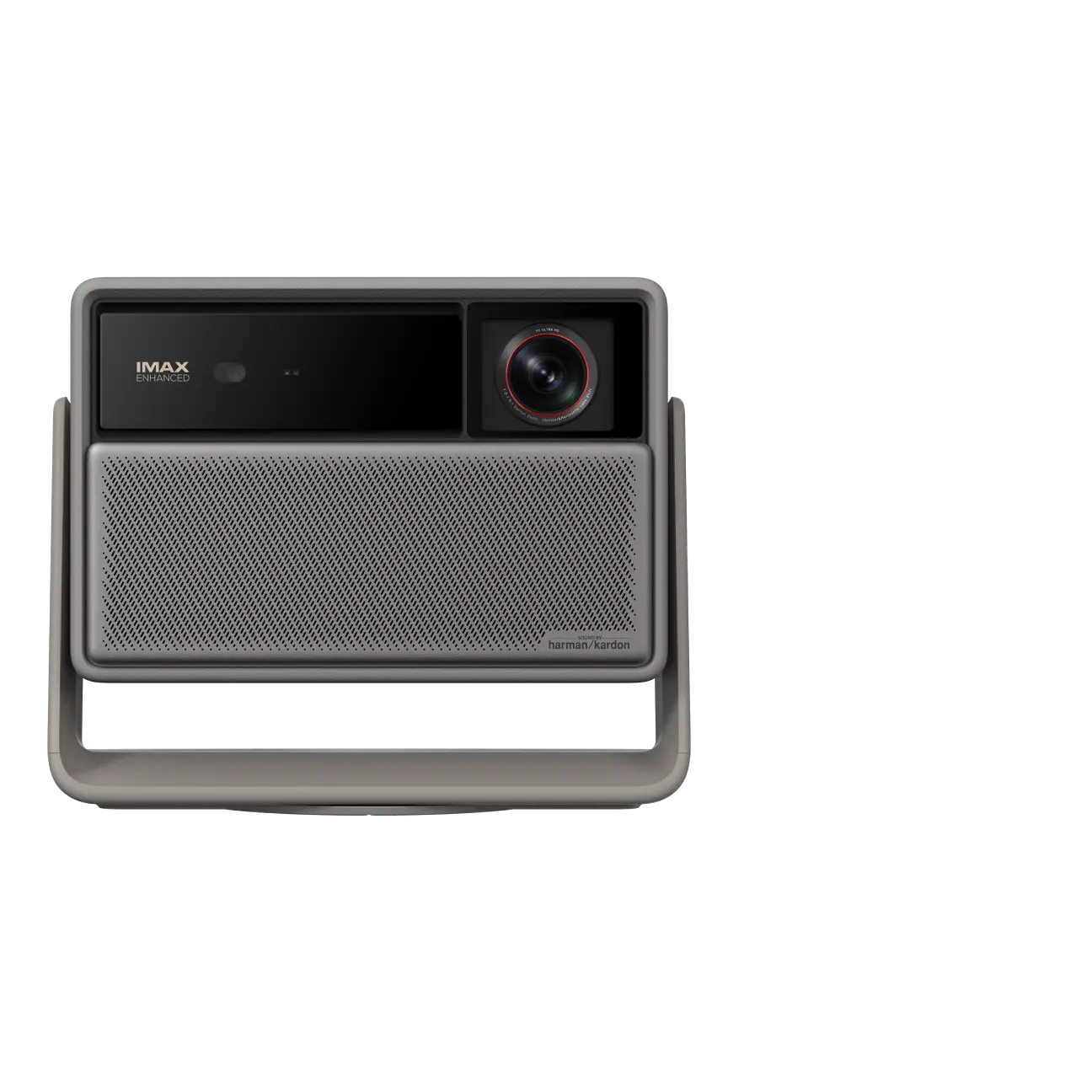
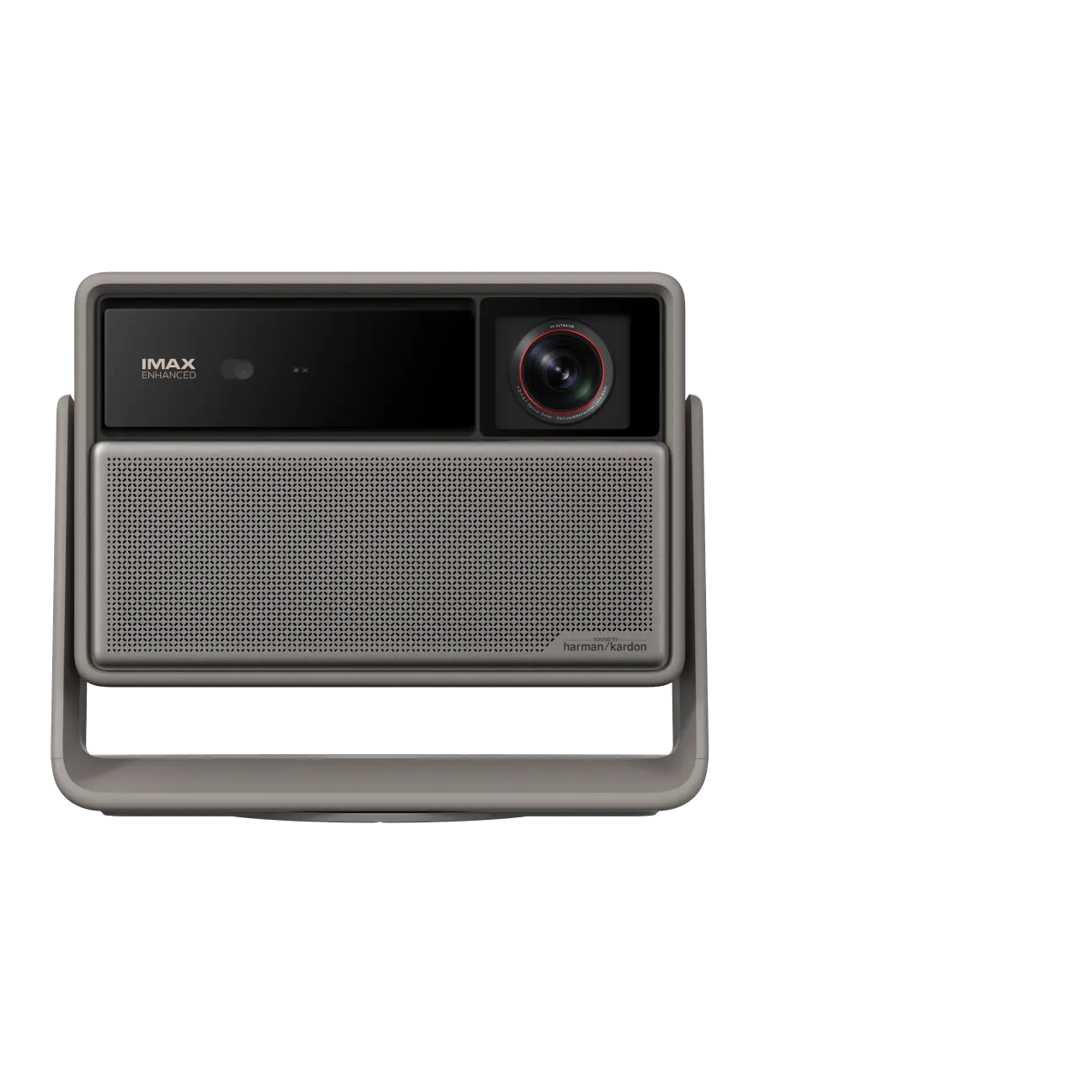
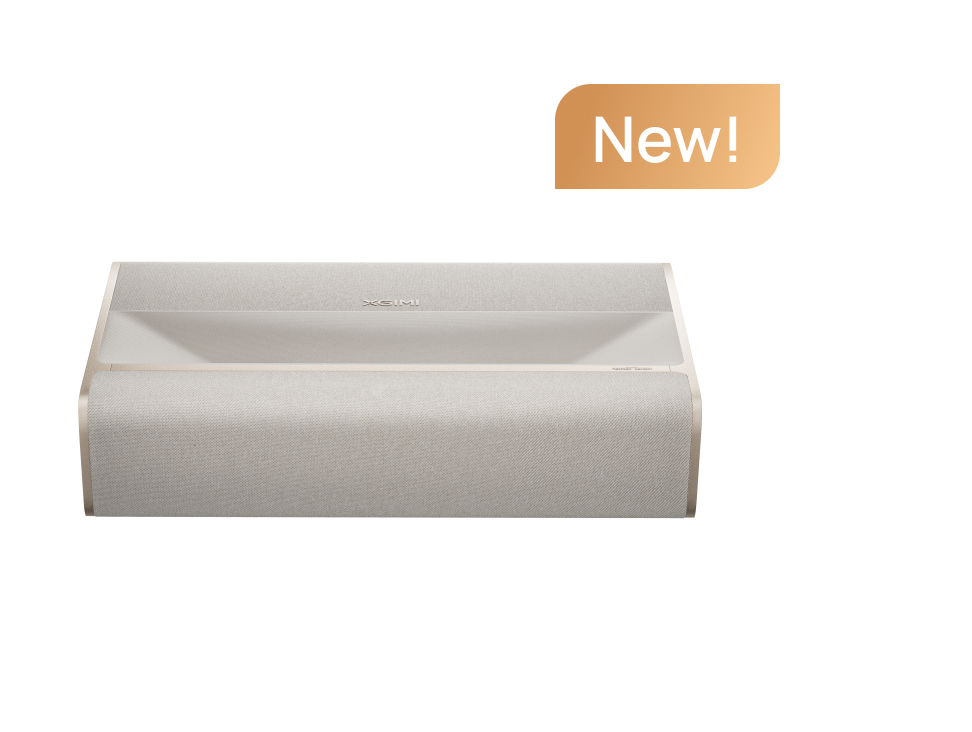
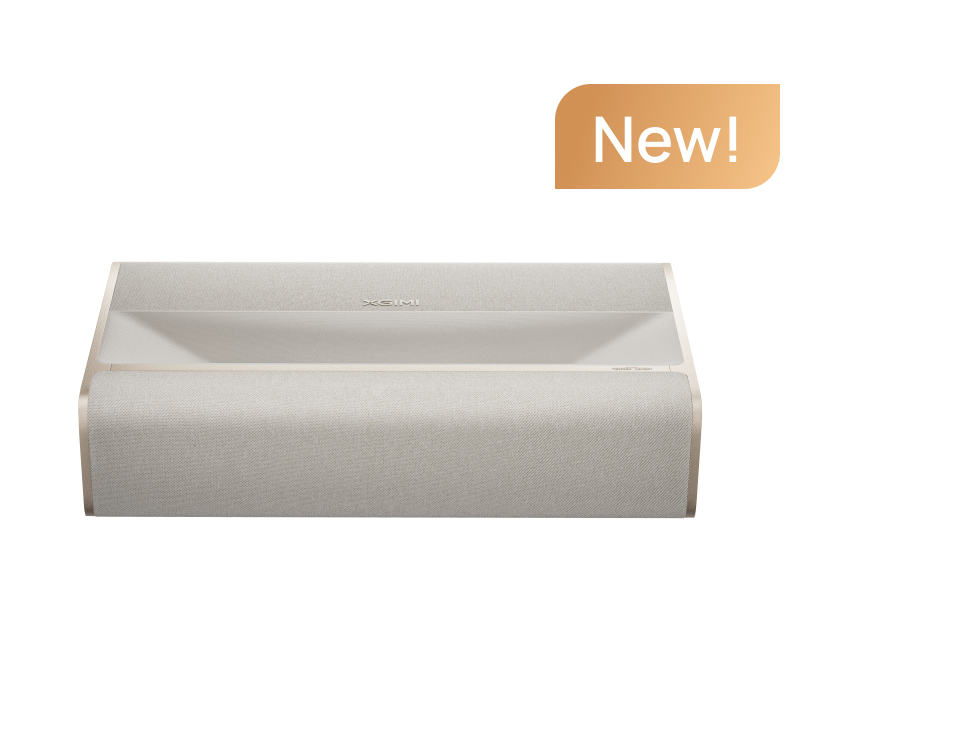
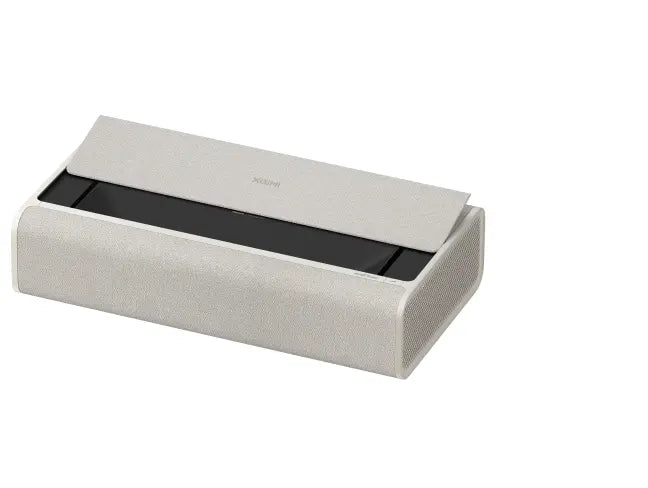
Standard throw projectors (like the HORIZON Ultra at 1.2:1–1.5:1) need 1.5–4 meters of throw distance for typical screen sizes. UST projectors (like the AURA 2 at 0.177:1) sit inches from the screen — useful when your room layout doesn't allow a projector across the room. Note that UST projectors require a flat, rigid screen surface; projecting onto a wall produces wavy geometric distortion that no software correction fully fixes.
Step 5 — Match projector brightness to your room.
Use the brightness floor guidance above. If your room has indirect daylight only (shaded windows, north-facing), 2,300 ISO lumens is workable with an ALR screen. If you have multiple windows with diffused light, aim for 3,000+ ISO lumens. If you have direct sunlight, add partial shading regardless of projector brightness.
Performance Reality: What the Numbers Look Like in Practice
The pre-generated benchmark data below reflects how different setup combinations actually perform — not in a dark room, but under real ambient light conditions. Rather than a table, here's what the data tells you in plain terms:
A 1,500 ISO lumen projector on a white wall with direct sunlight is essentially unwatchable — contrast collapses by roughly 95% and color saturation drops to a fraction of its dark-room value. This isn't a projector failure; it's physics.
A high-brightness projector (3,200–5,700 ISO lumens) on a white wall with indirect daylight is watchable but compromised — effective brightness retention sits around 45%, and wall surface quality becomes the new limiting factor. Glossy paint creates hotspots; textured walls create shadow patterns across the image.
Key takeaway: Pairing a UST projector with a proper UST ALR screen (80% rejection, 1.4× gain) in a bright living room achieves near-darkroom performance — effective contrast ratios around 1,200:1 versus roughly 150:1 on a plain white wall. That's an 8× contrast improvement from the screen choice alone, not the projector.
One scenario that surprises many buyers: a ceiling-mounted projector paired with an ALR screen performs worse than a standard white screen in the same room. The ALR's directional rejection properties require the projector light to arrive from the correct angle. Ceiling mounting destroys that geometry, and ALR effectiveness drops by roughly 90%.
Who This Setup Approach Is — and Isn't — For
This guide is written for homeowners and apartment renters who use their living room or open-plan space for daytime streaming, sports, or casual movie watching, and who find the standard advice ("just close all the curtains") impractical for how they actually live.
It is not for dedicated home theater enthusiasts who already have a light-controlled room with blackout curtains — in that environment, a standard matte white screen and any projector above 1,500 ISO lumens will perform excellently, and ALR is an unnecessary expense. It is also not for outdoor setups or battery-powered portable use, where different constraints apply entirely.
If you're in the target group — living room, natural light, no desire to redecorate around a projector — the XGIMI HORIZON Ultra at 2,300 ISO lumens (Laser/LED Hybrid) is the practical starting point for daytime home cinema. For users who want to maximize ambient light rejection without any curtain use, pairing it with the XGIMI 100" UST ALR Screen provides the 80% rejection and 1.4× brightness gain that makes the setup genuinely curtain-optional in rooms with indirect or diffused natural light.
For deeper guidance on screen selection, the XGIMI projector screen buying guide covers white vs. gray vs. ALR trade-offs in detail. For room setup and positioning, the XGIMI home projector setup guide walks through placement and light management step by step.


