
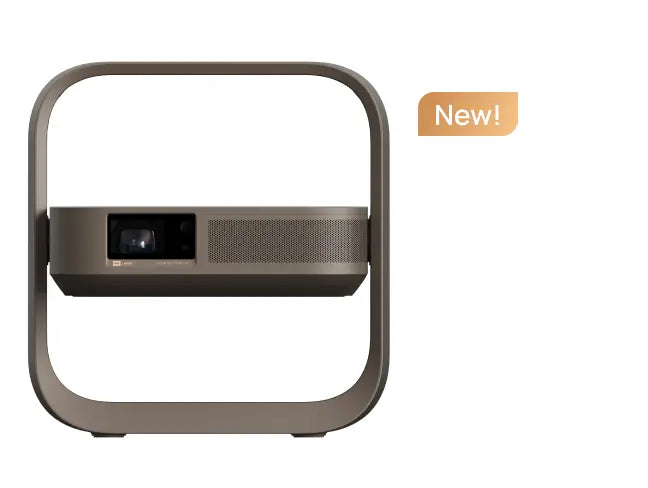
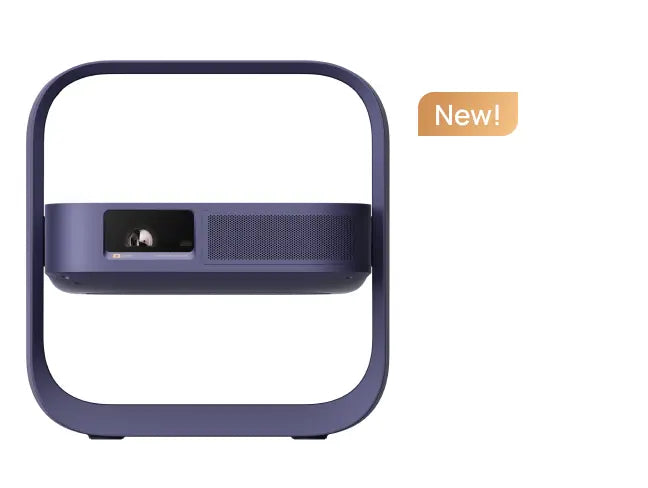
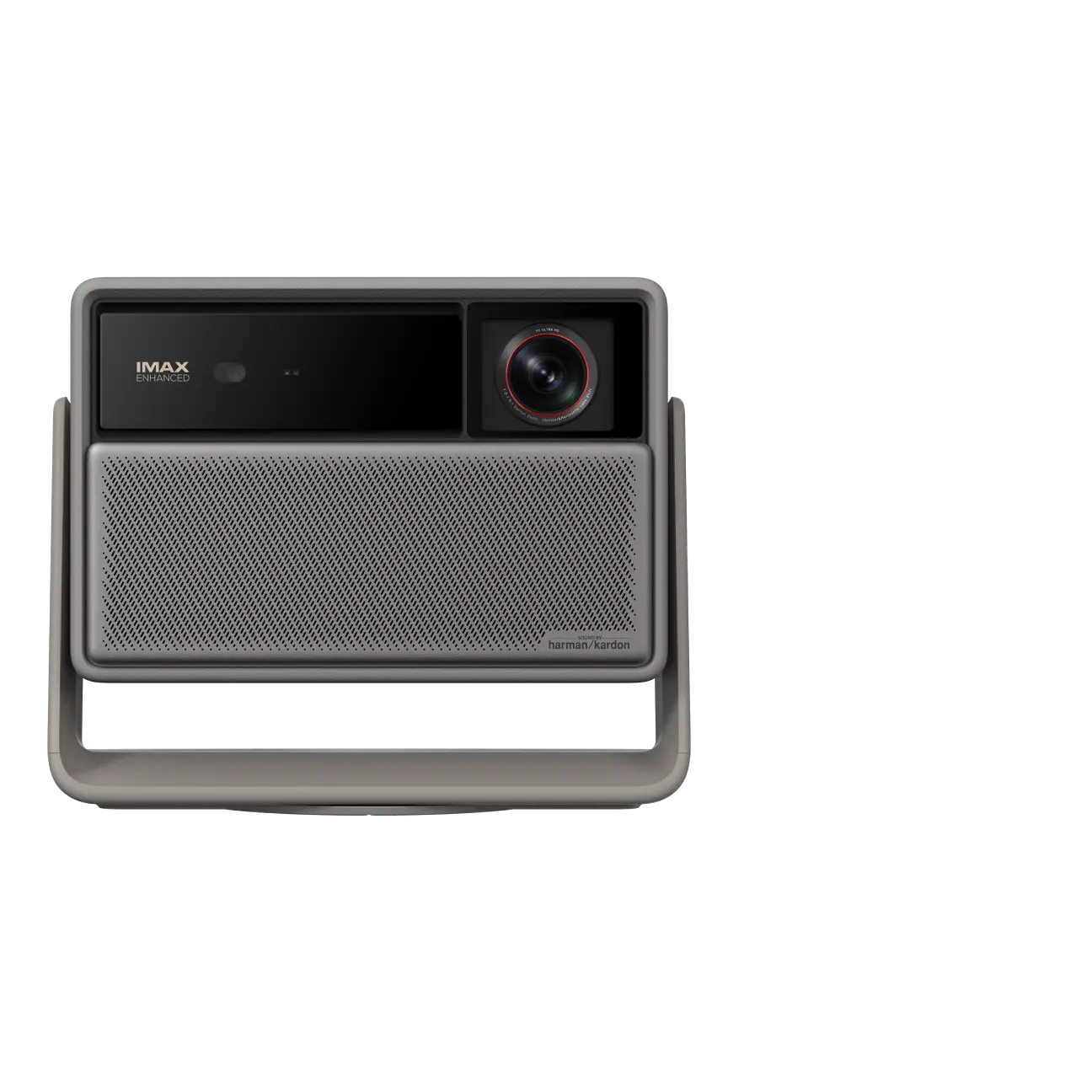
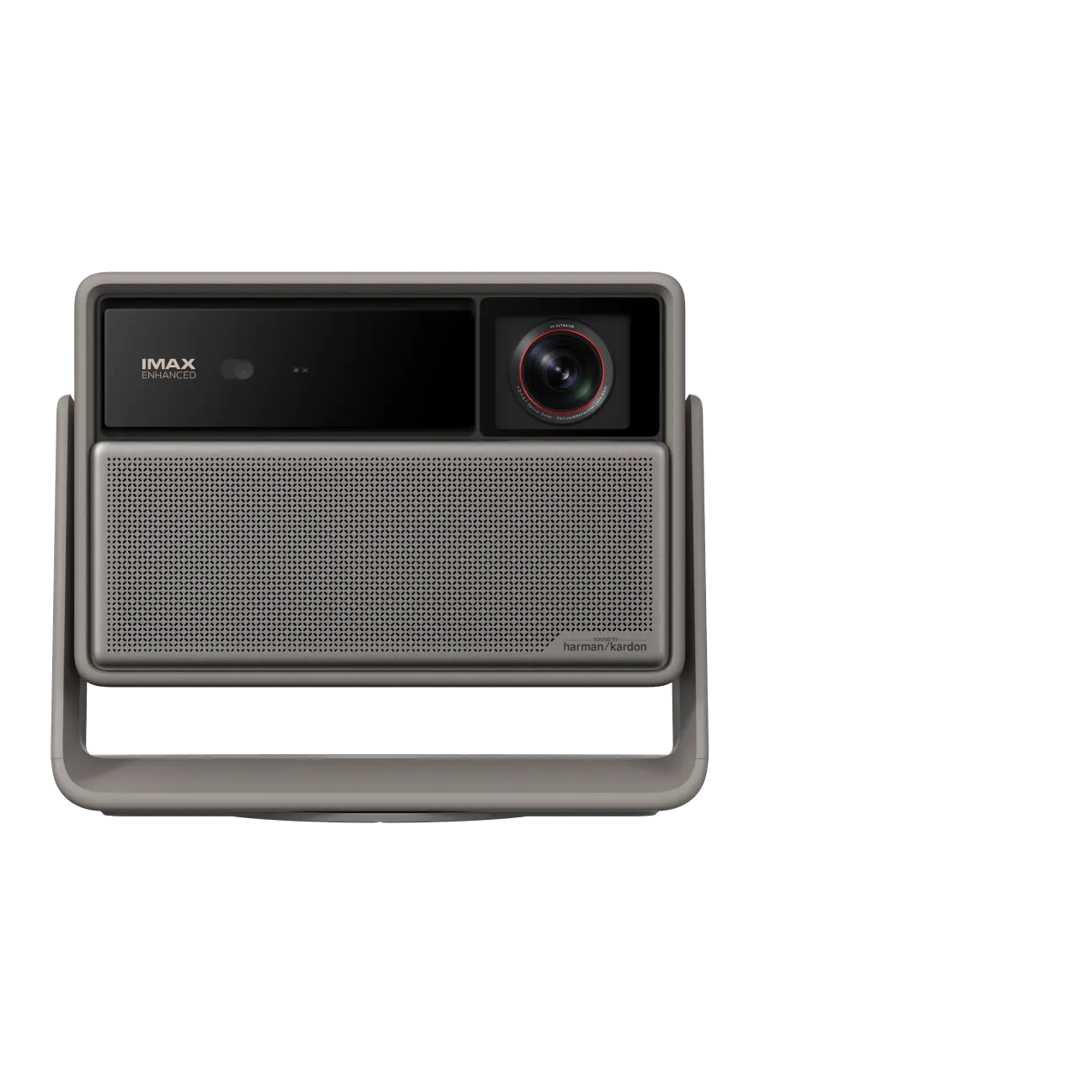
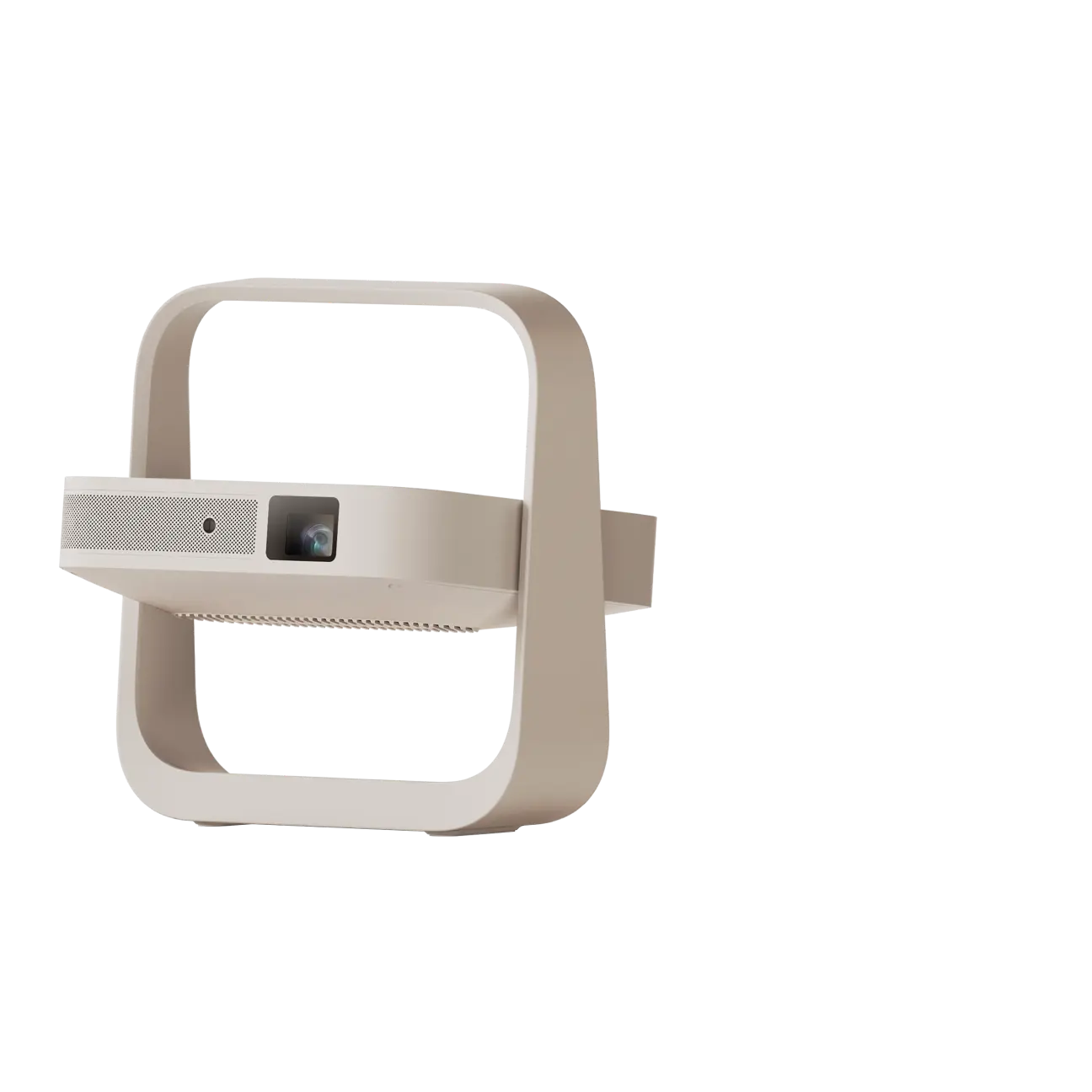
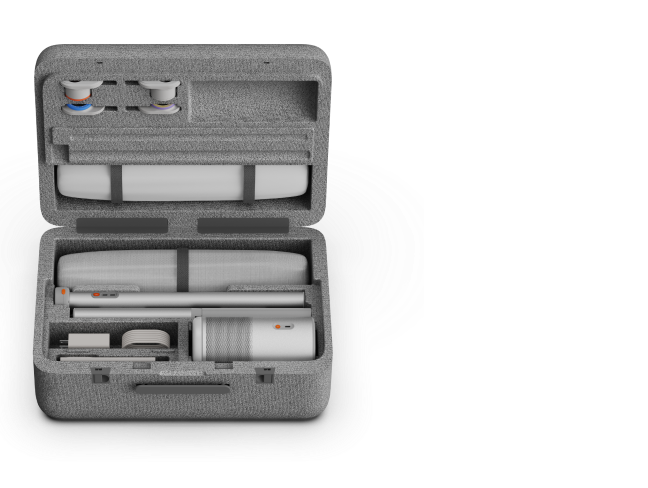
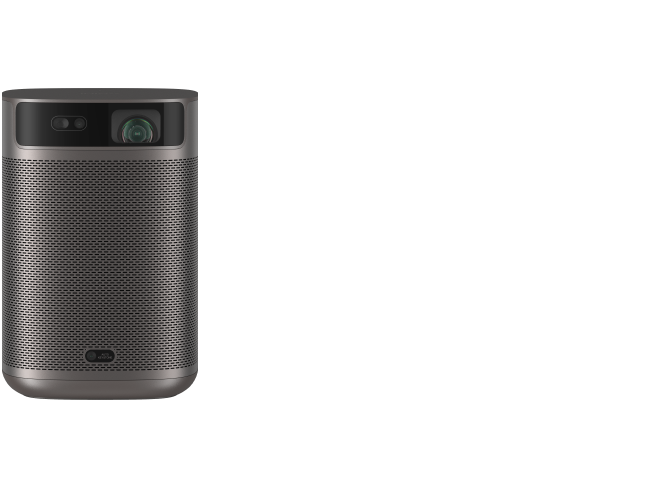
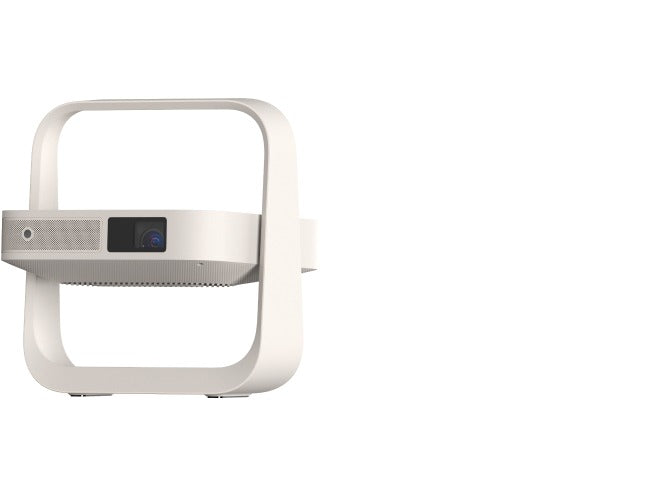
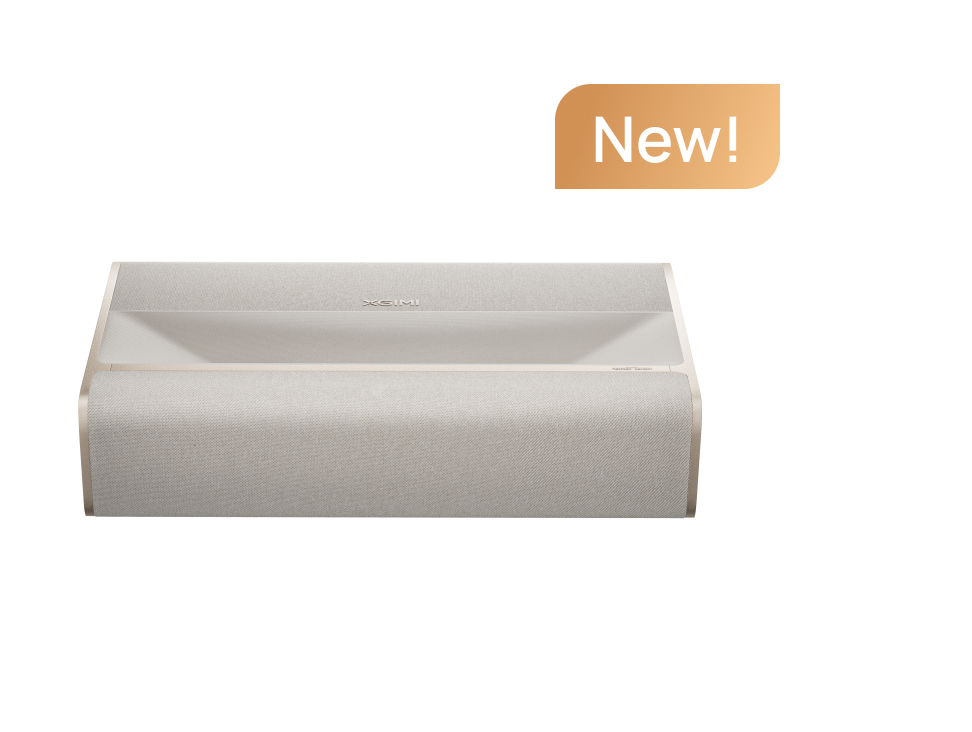
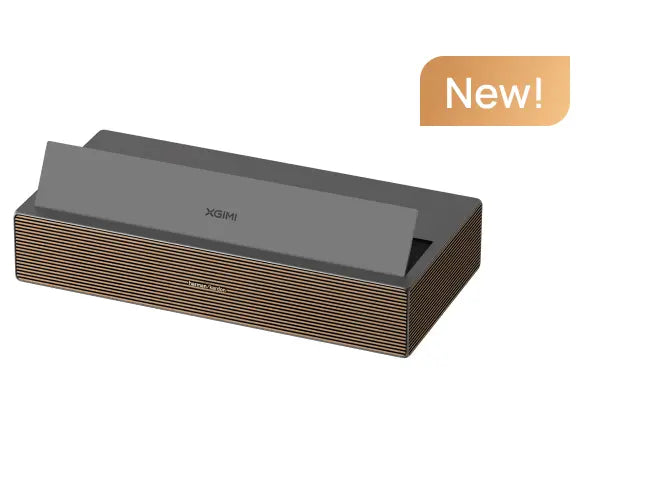
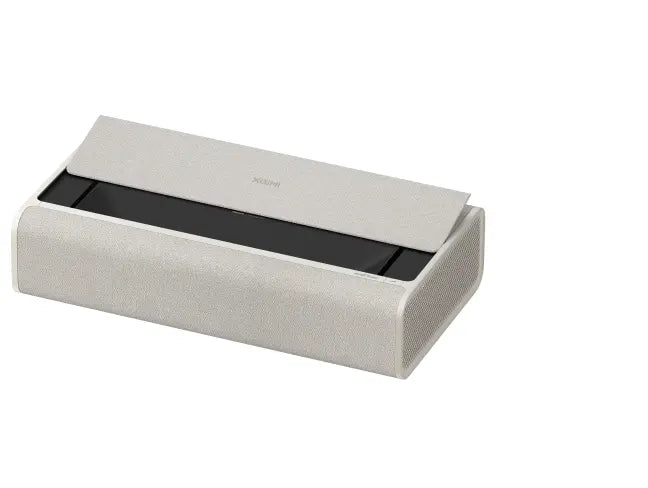
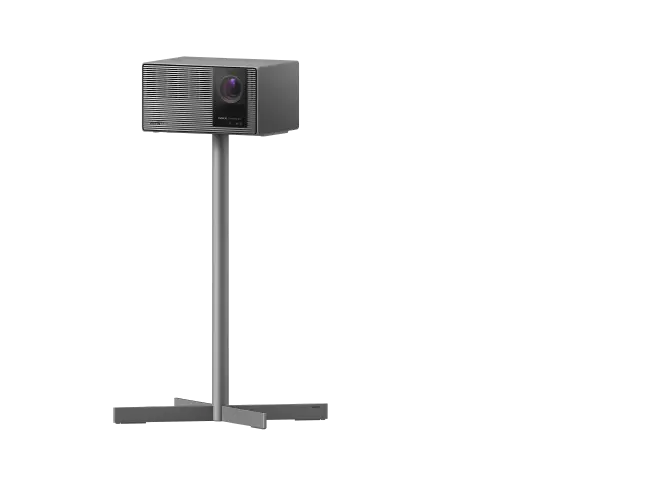
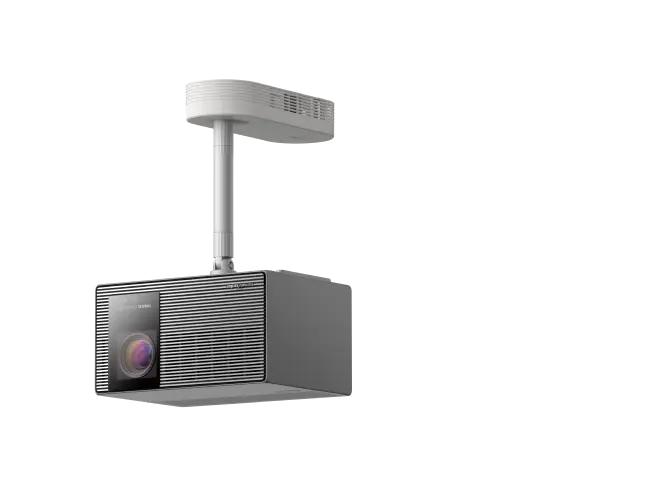




Transforming your living room into a fun karaoke venue is easier than many people realize, especially when you use a smart projector to display lyrics on a large, easy-to-read screen. This setup delivers better group visibility than a TV for family parties or weekend gatherings, provided you focus on clear placement, low-latency audio, and minimal connection steps. The right choices in apps, microphones, and projector features can deliver an engaging experience with little friction for guests. For more on this topic, see Why Do Some People Experience Headaches or Dizziness When Watching ....

Projectors excel at karaoke because they create a much larger display area than most TVs or tablets, making lyrics visible from across the room without crowding. As this guide to using visual aids explains, a properly sized and positioned image helps everyone see details comfortably, which is exactly what you need when multiple people are singing along. For more on this topic, see Creating a Virtual Window: Using Projection for Immersive Room Tran.... For more on this topic, see How to Level a Projector on an Uneven Surface Without Using Books.
Why a Projector Beats a TV for Home Karaoke
A projector turns any suitable wall or screen into a big, immersive lyrics display that multiple singers and spectators can read simultaneously. This is particularly valuable in living rooms or basements where people spread out rather than huddle around a small screen. Brightness and contrast matter, but the real advantage comes from scale: a projected image of 100 inches or more keeps text legible even for those sitting farther back. For more on this topic, see The True Cost of Replacing Your 85-Inch TV with a Laser Projector.
For family gatherings or house parties, this large display reduces neck strain and encourages participation. Many modern smart projectors also include built-in speakers with strong audio output, simplifying the initial setup. However, success depends on controlling ambient light and selecting the right throw distance so the lyrics remain sharp.
Common myths can set unrealistic expectations. Many assume any projector works flawlessly for karaoke, but audio lag often appears when sound routes through multiple devices, and brightness alone does not guarantee readability in lit rooms. Setup is not always instant with wireless features, and microphone pairing frequently depends on the full signal chain rather than the projector alone. Understanding these realities helps you build a reliable system instead of chasing perfect-but-impractical gear. For more on this topic, see Troubleshooting Common Projector Issues: A Comprehensive 2026 Guide.

Choosing the Right Projector and Accessories for Karaoke
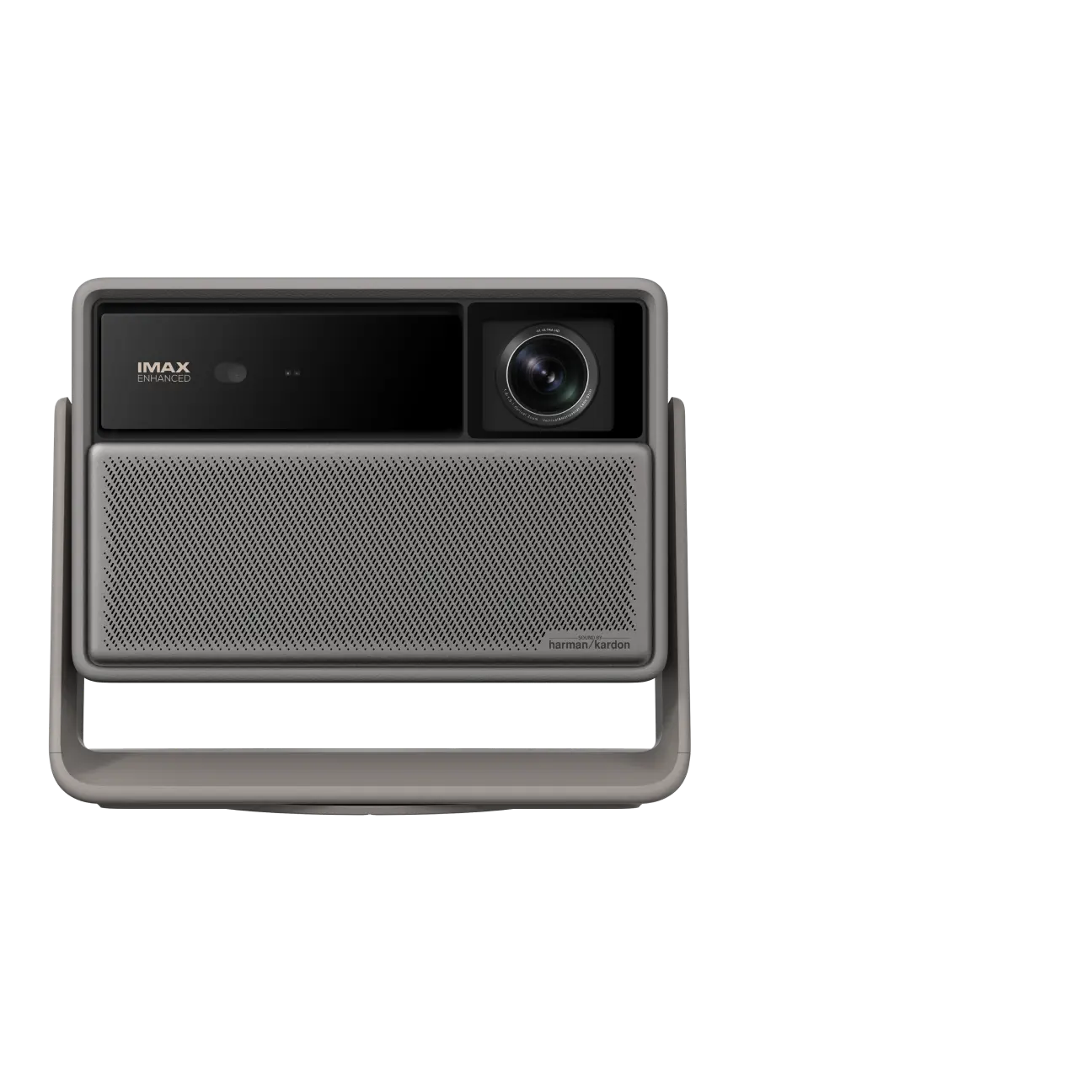
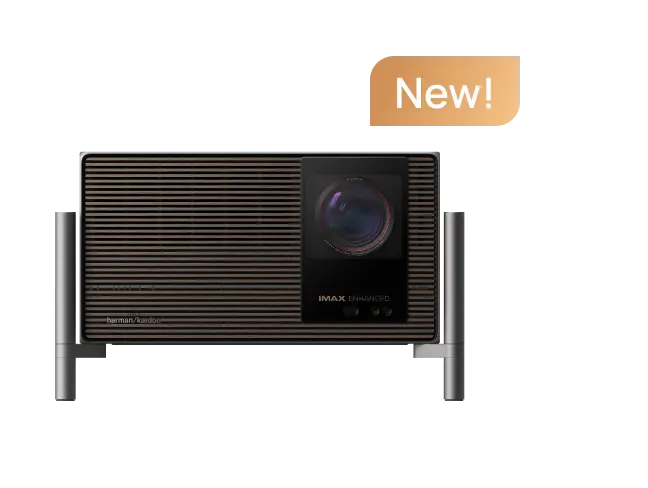
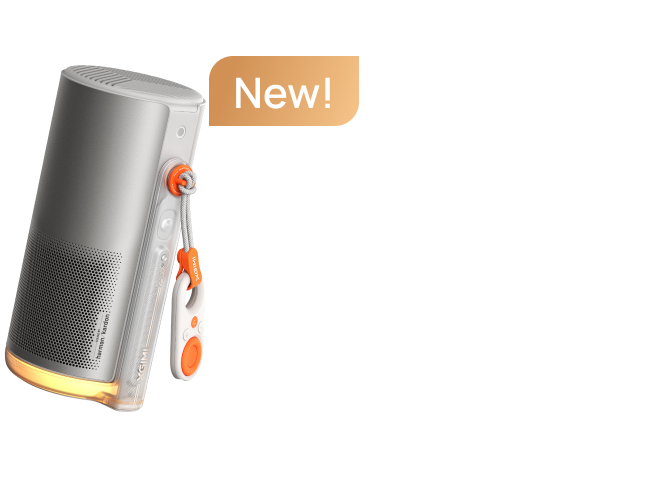
Look for models with at least 1500 ISO lumens for decent performance in typical living rooms, along with smart platforms that support popular streaming apps. Features like auto-focus, keystone correction, and low-latency modes reduce setup time. Built-in premium audio, such as Harman Kardon speakers, helps deliver clear vocals without extra equipment for smaller groups.
Wireless microphones are essential for freedom of movement. Opt for models with 2.4GHz or UHF transmission for lower latency than basic Bluetooth. Some systems include receiver dongles that connect directly to the projector or a soundbar. Test compatibility in advance, as not every USB or Bluetooth port supports real-time mic input without delay.
For apps and content in 2026, popular karaoke platforms include YouTube karaoke channels, dedicated apps like Smule or StarMaker (cast via screen mirroring), or subscription services with lyric libraries. Avoid setups requiring constant phone handling; choose apps that run natively on the projector when possible.
Step-by-Step Guide to Setting Up Your Home Karaoke System
Start by selecting your projection surface. A light-colored wall or portable screen works best. Position the projector at the recommended throw distance for your desired image size, typically 8-12 feet for a 100-inch display on many models. Center it so the image fills the space without excessive distortion.
Connect your lyric source. For smart projectors, install or cast from a karaoke app directly. Use HDMI for a dedicated media player or laptop if needed. Screen mirroring from a smartphone is convenient but can introduce slight delay; test this before guests arrive.
Next, integrate audio. Connect the projector’s audio output to external speakers or a soundbar for louder, clearer sound that fills the room. For the best sync, use a wired connection or low-latency wireless protocol when possible. As noted in analyses of wireless audio paths, fewer hops between devices generally reduce noticeable lag during live singing.
Pair your wireless microphones. Follow the manufacturer’s pairing process, often involving a simple button press or app. Route mic audio back through the main sound system rather than the projector’s built-in speakers alone for balanced output. Check for lip-sync issues immediately by playing a test track and singing along.
Adjust settings for optimal viewing. Enable any “game” or low-latency mode on the projector to minimize processing delay. Fine-tune brightness, contrast, and color so lyrics stand out clearly against the background. Dim room lights to improve visibility without making the space too dark for a party atmosphere.
Audio Setup and Troubleshooting Lip-Sync Issues
Audio delay is one of the most common karaoke frustrations. Noticeable lag between the projected lyrics, background music, and your voice can ruin the experience. The evidence shows that even small delays affect timing and performance feel, so prioritize direct connections.
If you notice sync problems, first simplify the signal path. Reduce the number of devices or wireless links between the music source, projector, and speakers. Wired audio outputs often perform better than Bluetooth for real-time singing. Restart all devices and disable any unnecessary audio processing effects.
For persistent issues, consider an external mixer or dedicated karaoke amplifier that handles microphone inputs separately. Many users find that routing everything through a soundbar with mic passthrough delivers reliable results. Always test the full setup with a song before the event.
Here is an illustrative comparison of common karaoke setup approaches based on key party priorities:
Home Karaoke Setup Trade-offs for Lyrics Projection
Illustrative comparison of three common home karaoke setup approaches for family parties. Higher is better for positive criteria; latency and setup time are scored so that higher means easier/better in practice after normalization.
View chart data
| Series | Lower latency | Lyrics readability | Setup time ease | Guest-friendliness | Cost efficiency |
|---|---|---|---|---|---|
| Simple wired setup | 9.0 | 8.0 | 7.0 | 6.0 | 9.0 |
| Wireless casting + Bluetooth mic | 6.0 | 7.0 | 6.0 | 8.0 | 6.0 |
| All-in-one smart projector | 8.0 | 9.0 | 9.0 | 9.0 | 5.0 |
Heuristic 1-10 relative scoring based on general AV setup principles and common karaoke UX trade-offs. Values are illustrative, not measured; they reflect lower perceived latency and easier family-party operation for simpler or more integrated setups.
This radar chart shows relative strengths using illustrative scores. An all-in-one smart projector often scores high on convenience and readability but may involve higher upfront cost. Simple wired setups excel at low latency and value but require more initial effort. Choose based on your room and how often you host.
Creating a Family-Friendly Karaoke Space
Arrange seating so everyone has a clear view of the lyrics without blocking the projection beam. Place microphones in a dedicated singing area slightly off to the side. Keep the space well-lit enough for safety and socializing but dim enough for the projected image to pop.
For backyard or patio use, choose a portable projector with good battery life or easy power access. Weatherproofing or a covered area helps protect equipment. Indoor setups in basements or living rooms benefit from consistent power and controlled lighting.
Make the experience accessible for all ages. Select kid-friendly song lists and adjust volume levels appropriately. Have a simple playlist ready so guests do not spend time searching for songs. Consider a second remote or phone app for easy song selection.
Quick Checklist for a Smooth Karaoke Night
Use this practical checklist before inviting guests:
- Confirm lyrics are readable from every singing and viewing position without squinting.
- Verify the projector placement is stable and requires no frequent adjustments.
- Test the full audio chain for any noticeable delay between music, lyrics, and microphone.
- Ensure microphones pair quickly and remain connected throughout a song.
- Prepare the song selection so new users can start singing with minimal guidance.
- Arrange the room layout so no one blocks the projected lyrics for the group.
These steps, drawn from common AV best practices, help translate good intentions into a setup that actually feels effortless.
Common Problems and How to Fix Them
If lyrics appear washed out, reduce ambient light or increase projector brightness settings. For weak volume, connect an external speaker or soundbar using the methods outlined in this guide on connecting speakers to projectors.
Audio lag often improves by switching to a wired connection or enabling low-latency modes. Unstable casting can be fixed by using a strong Wi-Fi network or switching to a direct HDMI source. Microphone dropouts usually trace back to battery levels or interference; keep spares handy.
Many issues stem from overly complex signal paths rather than the projector itself. Simplifying the setup often resolves more problems than upgrading individual components.
This article provides general comfort and setup guidance for home entertainment. It does not constitute medical advice, diagnosis, or treatment. If you experience persistent discomfort, eye strain, or have existing vision conditions during use, consult a qualified professional.
A well-planned projector karaoke night creates lasting memories with minimal technical headaches. By focusing on readable lyrics, reliable audio sync, and guest-friendly operation, you can host engaging parties that feel polished rather than improvised. Start simple, test thoroughly, and adjust based on your specific room and group. The result is an entertaining centerpiece that brings family and friends together around music and fun.
For more ideas on connecting devices and enhancing your home entertainment, explore our guide on connecting your smartphone to a projector. If you are looking for the right hardware, consider versatile options like the HORIZON Ultra or browse the full range of home projectors.


