
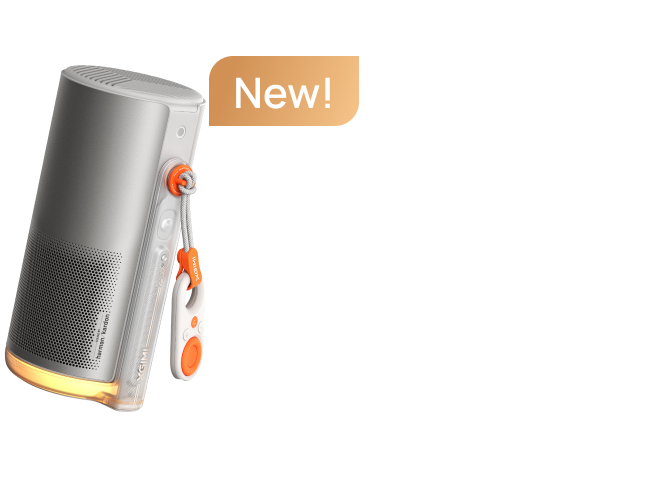
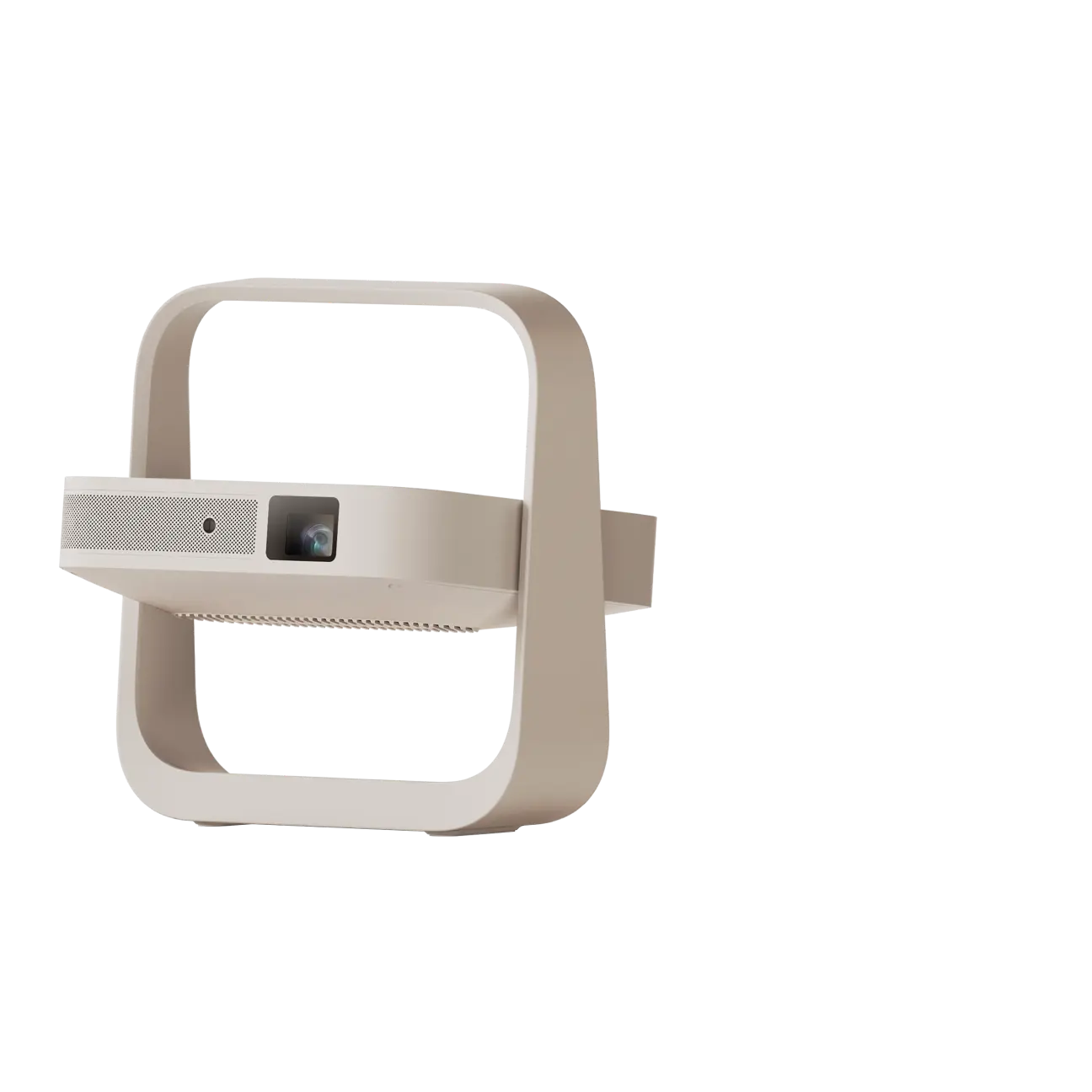
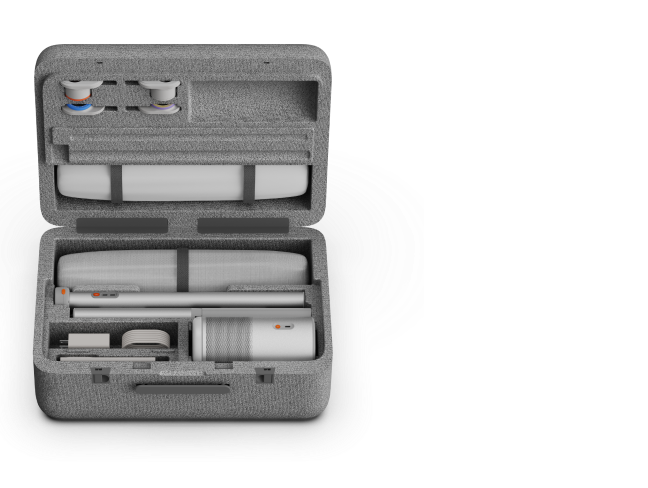
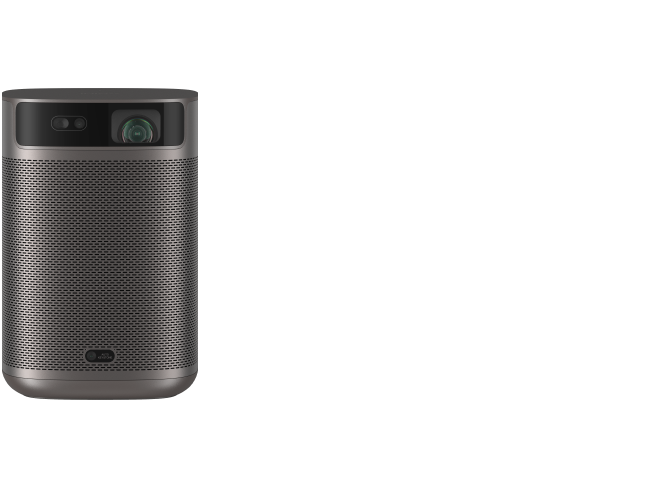
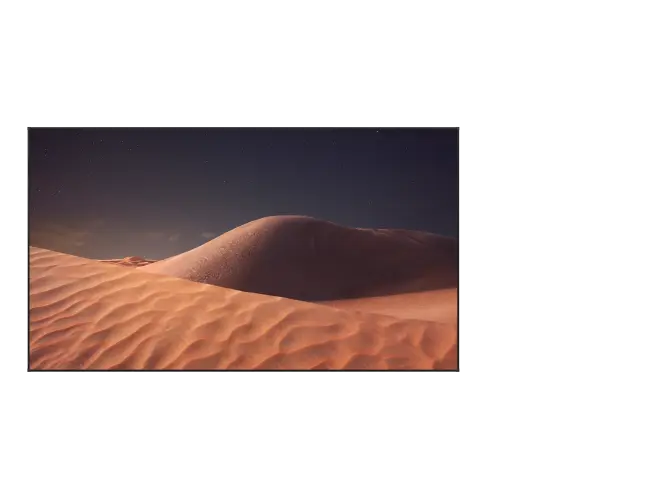
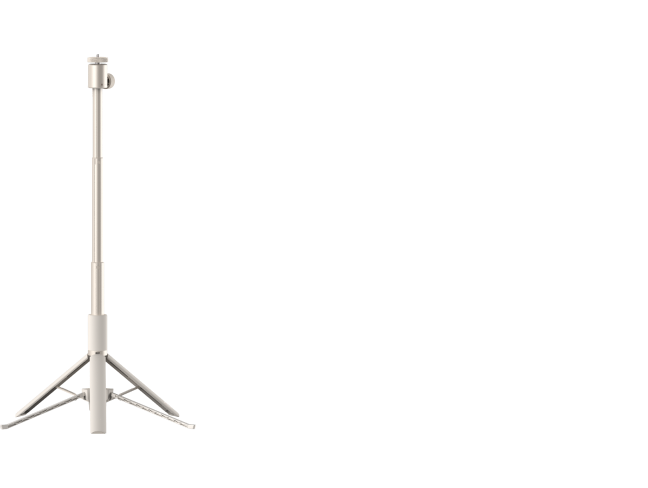
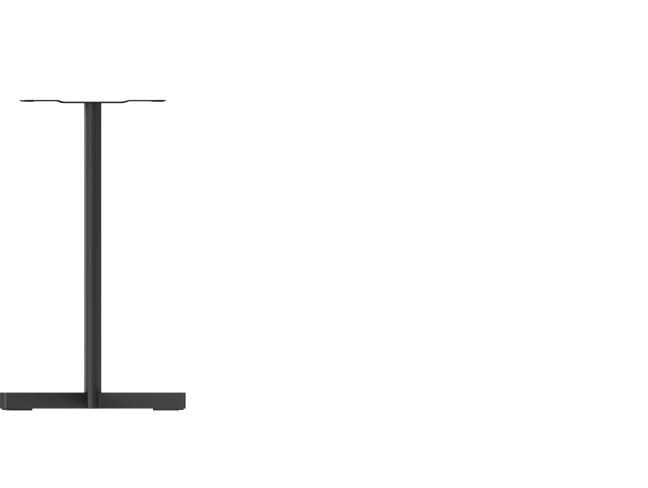
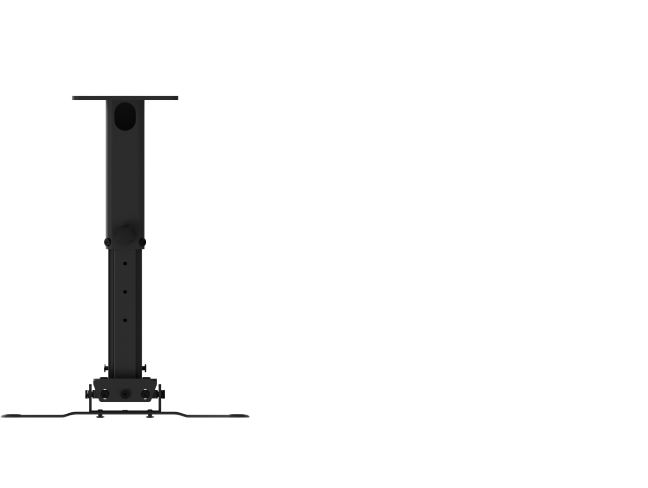



Imagine turning a blank wall in your windowless home office into a serene view of rolling hills or a starry night sky that gently shifts throughout the day. Using a projector as a virtual window or ambient display is an emerging way to transform rooms without major renovations. This approach works best in controlled lighting with fixed placement and selective content loops, where the setup enhances mood rather than competing with bright daylight or everyday TV use. For more on this topic, see How to Project Ambient Visuals on Your Walls for Relaxation and Moo.... For more on this topic, see The Hidden Costs of a Home Theater: Budgeting for Projector Accesso....

While the idea sounds magical, success depends heavily on choosing the right equipment, managing practical tradeoffs like heat and noise, and setting realistic expectations. A convincing digital window effect rarely replaces actual windows but can create immersive, calming atmospheres in bedrooms, offices, and studios when conditions align.
Why Projectors Are Gaining Popularity as Ambient Displays
Projectors have evolved beyond occasional movie nights. Many modern models support smart features, long runtime capabilities, and flexible placement that make them suitable for always-on decor. Instead of static art or a glowing TV, a projector can loop landscapes, cityscapes, ocean scenes, or abstract visuals to make a room feel more open and alive.
This trend appeals especially to apartment dwellers, remote workers, and interior enthusiasts seeking dynamic environments. A bedroom wall might display a peaceful forest at dusk, while a creative studio could feature rotating space imagery for inspiration. The key advantage is scale: even in small spaces, you can create large, immersive visuals without permanent fixtures.
However, not every projector or room setup delivers a believable effect. The illusion holds when the image blends into the environment rather than screaming "projection." Factors like wall color, ambient light control, and content selection determine whether it feels like a window or just a big screen.
Choosing the Right Projector for Virtual Window Use
For ambient display purposes, prioritize models designed for extended use with good color accuracy, sufficient brightness for your room's lighting, and quiet operation. Laser or LED light sources generally offer better longevity and consistent performance compared to traditional lamps, which can dim over time with heavy use.
Look for features like auto-keystone correction and screen alignment to simplify setup on imperfect walls. Smart operating systems with app support make it easier to stream or loop content from services offering nature footage or ambient videos. Portability can be useful if you want to move the unit between rooms, but fixed installations often yield more convincing results.
This guide to projector setup for living rooms offers additional insights on balancing picture quality with everyday practicality, which translates well to ambient applications. For more on this topic, see How to Choose a Projector for Your Space: Room-by-Room Guide.
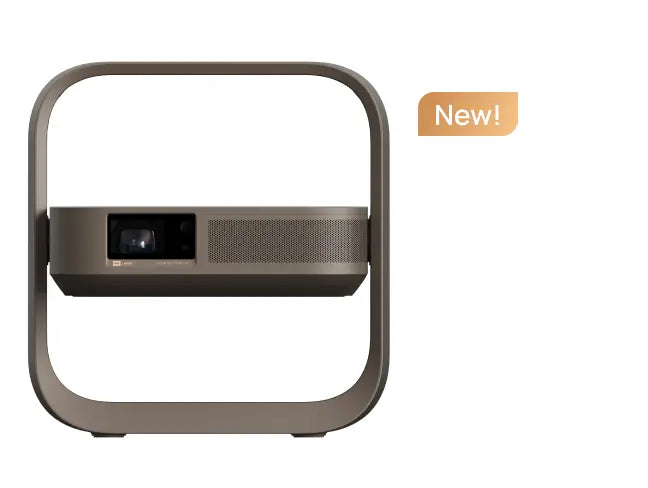
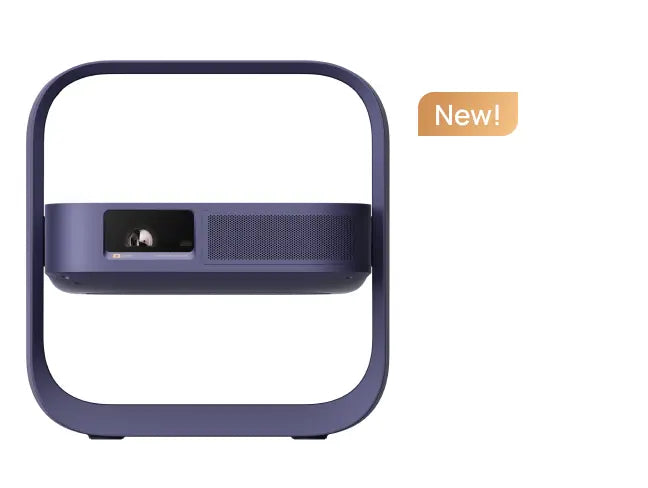
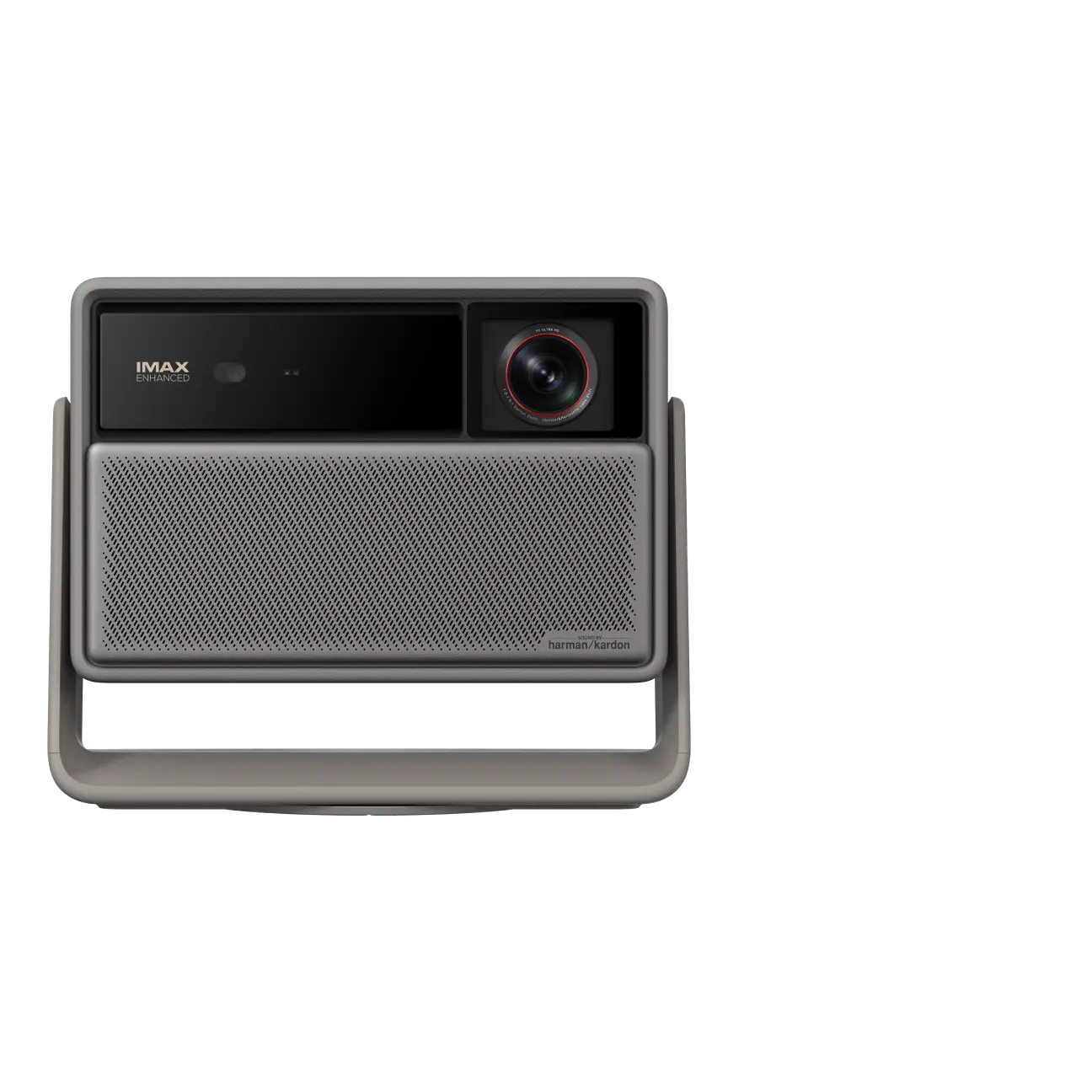
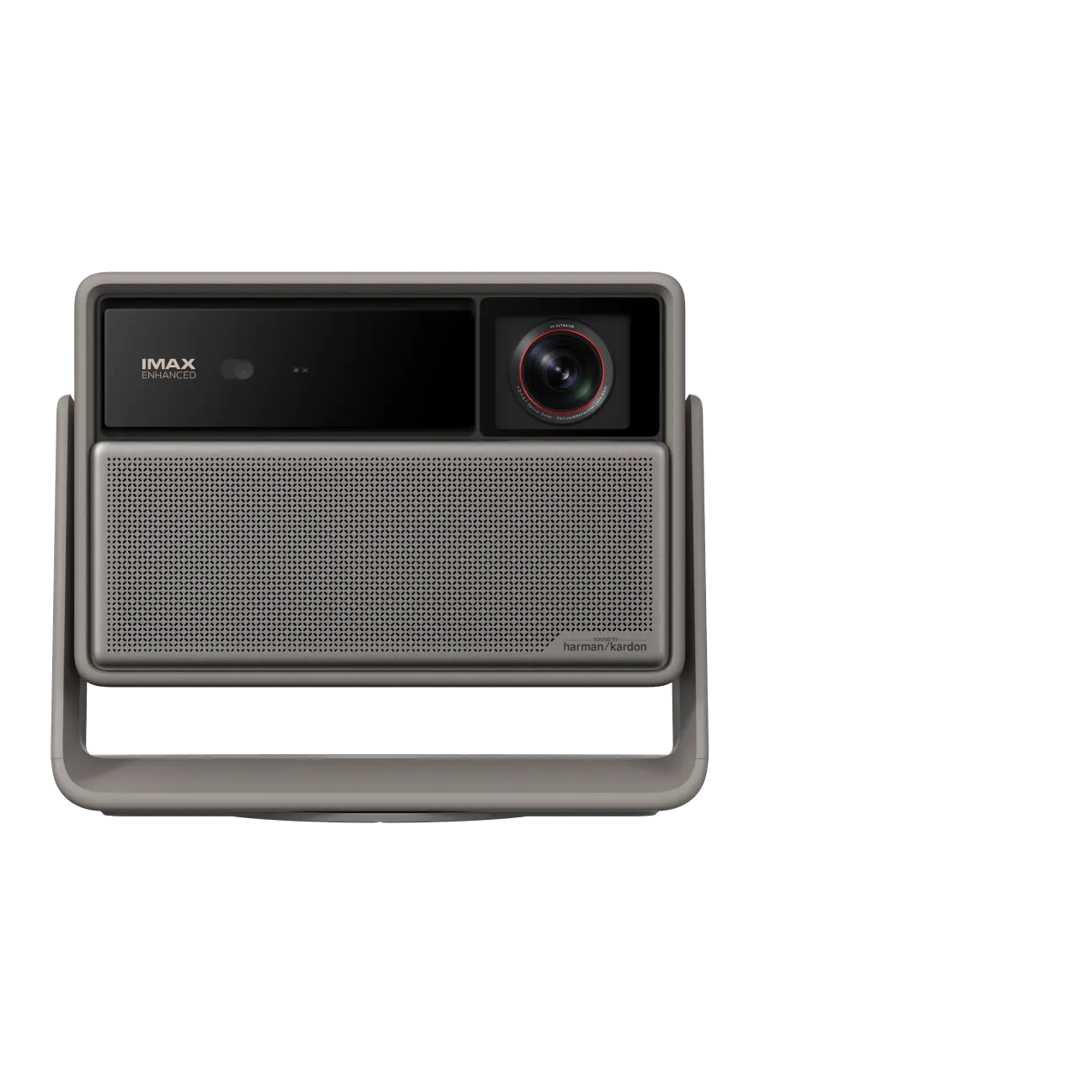
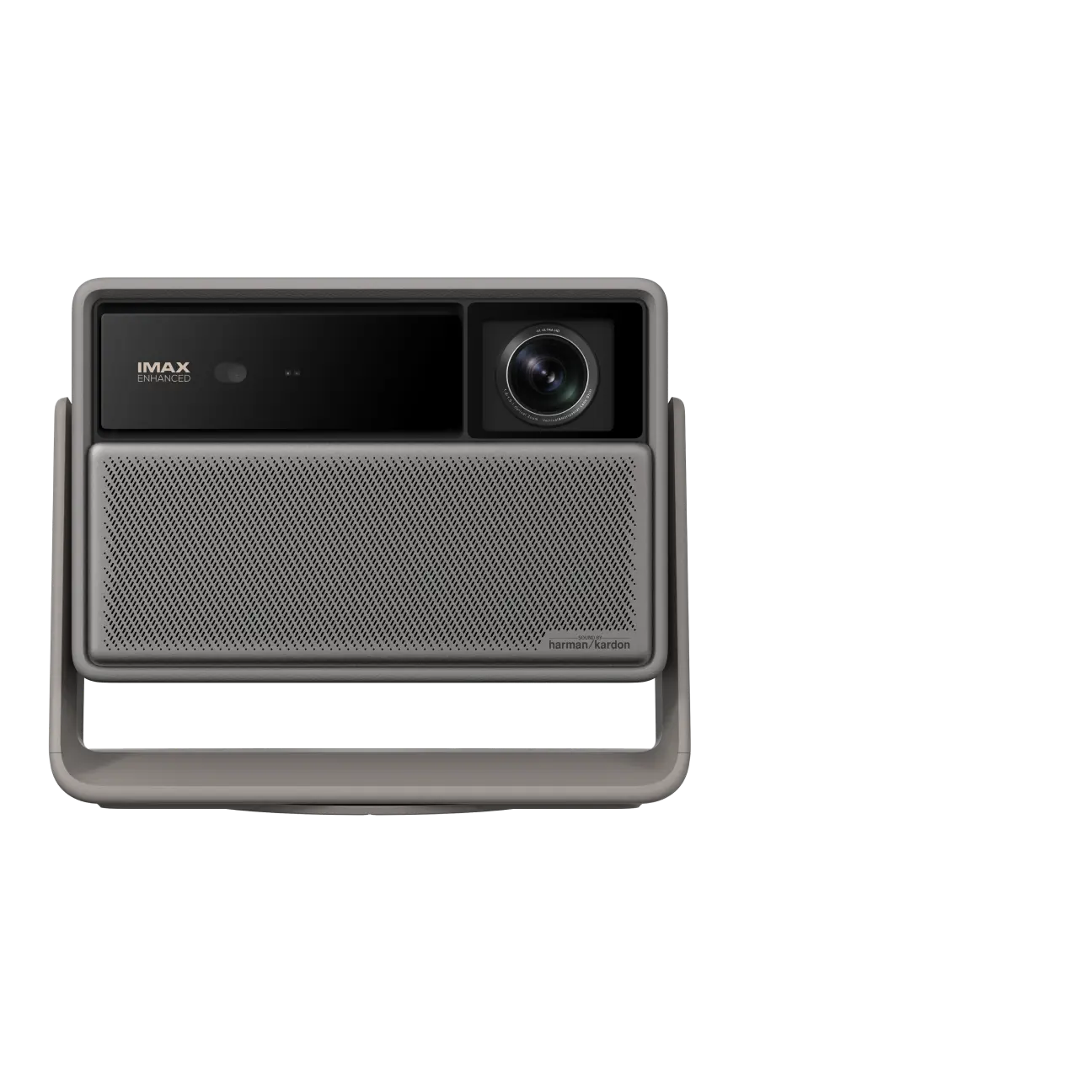
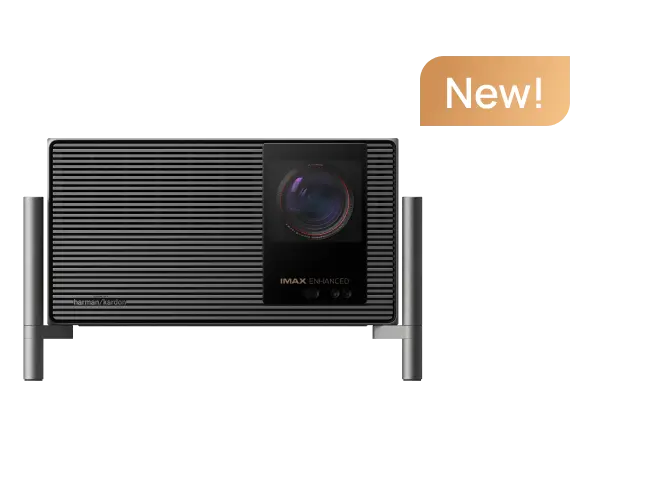
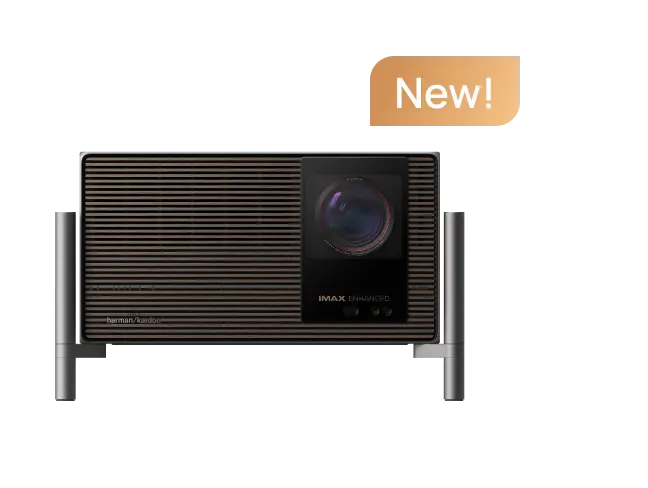
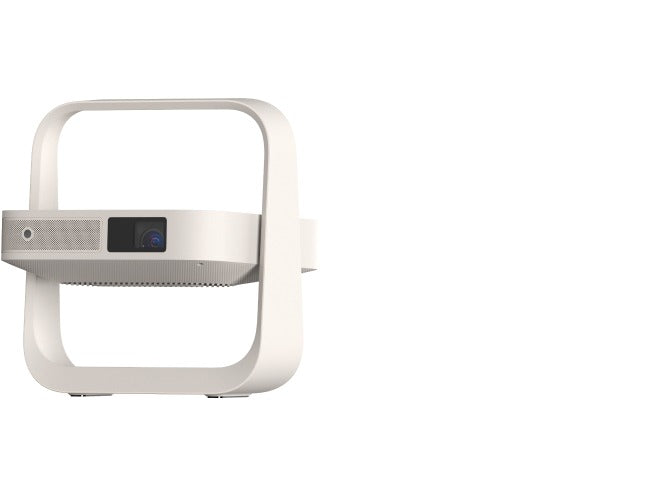
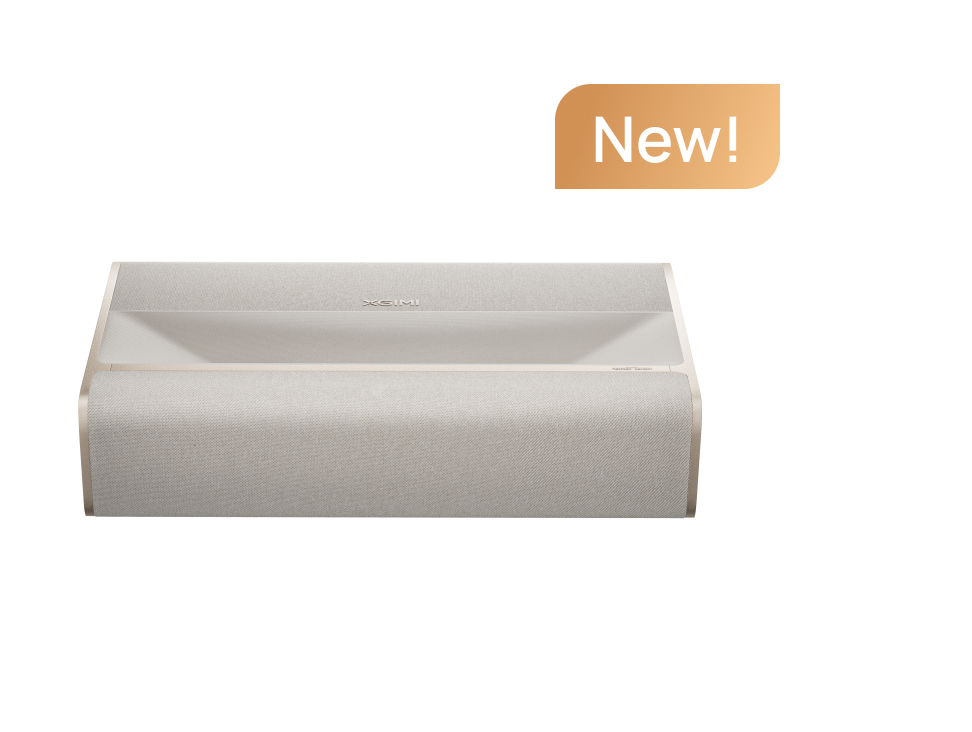
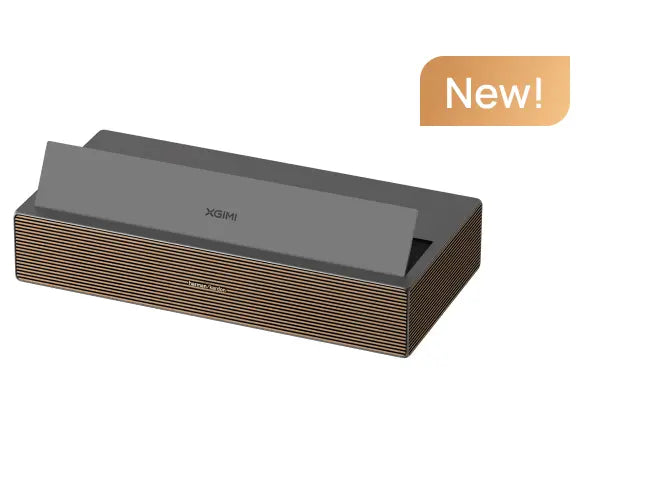
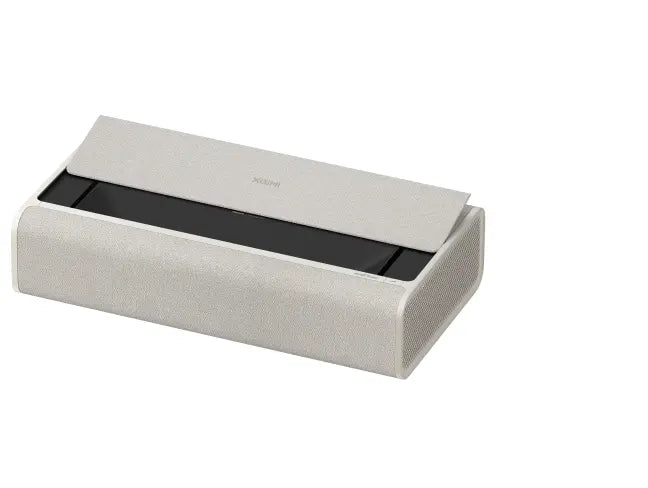
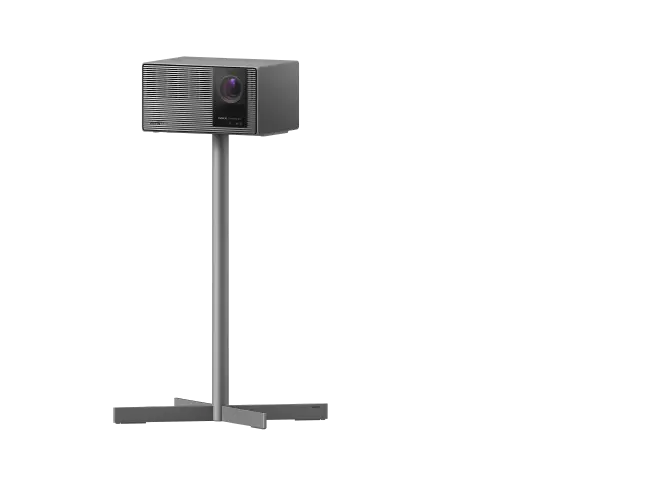
Popular options include compact portable units for flexible use or higher-end home models with enhanced brightness. For example, the HORIZON Ultra or similar 4K smart projectors provide vibrant colors and Harman Kardon audio that can enhance the immersive feel without dominating the space.
Avoid overly bright cinema-focused units if your goal is subtle ambiance, as excessive luminance in dim rooms can make the display feel harsh rather than natural.
Achieving a Realistic Digital Window Effect
Brightness, contrast, color accuracy, and placement are critical for the virtual window illusion. In controlled lighting, aim for setups where the projected image maintains depth without obvious hotspots or washed-out areas. Darker walls or dedicated projection surfaces help colors pop and reduce glare.
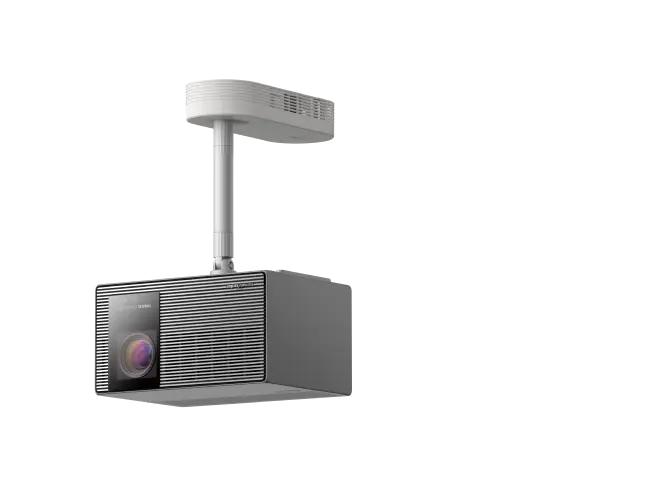
Position the projector at an appropriate throw distance to minimize distortion. Ultra-short-throw models can work well in tight spaces, while standard throw units offer flexibility in larger rooms. Fixed mounting keeps alignment consistent, which is essential for all-day viewing.
Content matters enormously. Choose slow-moving or static loops of natural scenes rather than fast-paced videos. High-quality 4K landscapes, slow pan ocean views, or gentle space timelapses create the most convincing effects. Avoid bright, high-contrast content that draws attention to the projection technology itself.

For best results, test different times of day. In low-light conditions, even modest brightness can deliver impact, but brighter rooms may require higher-output models or light-blocking solutions.
Setting Up Content Loops and Ambient Visuals
Creating seamless loops prevents the display from feeling repetitive. Many streaming platforms and dedicated ambient video apps offer royalty-free nature footage, city timelapses, and abstract art designed for background use. Consider building a playlist that transitions smoothly between complementary scenes.
Smart projectors with Google TV or similar interfaces simplify this process. You can schedule content changes to match the time of day—brighter morning views transitioning to calmer evening tones. Some users integrate automation via smart home systems to turn the display on and off or adjust based on occupancy. For more on this topic, see Are Projectors Better for Your Eyes? Science-Based Answer.
For creative touches, accessories like XGIMI Magnetic Creative Filters can add artistic effects such as ripple or dreamscape overlays, enhancing the artistic rather than literal window feel.
Practical Room Transformations by Scenario
Different spaces benefit from tailored approaches. In a windowless home office, a calming landscape projection can reduce the closed-in feeling during long work hours. Bedrooms might use soft night-sky or ocean visuals for relaxation before sleep. Lounges and creative studios gain atmosphere from dynamic but non-distracting displays.
Small apartments and studios particularly benefit since projectors take minimal physical space compared to large TVs. Renter-friendly setups using no-drill mounts or shelves align with temporary living situations.
Explore more creative ways to use projectors at home for inspiration beyond basic ambient displays.
Always consider the room's primary function. In high-activity areas, the projector should not interfere with conversations or tasks. In meditation corners or reading nooks, softer visuals and lower brightness often work better.
Addressing Common Challenges: Noise, Heat, Glare, and Distortion
Fan noise and heat become noticeable during extended runtime. Models marketed for quiet operation help, but test in your actual environment. Heat buildup can affect room comfort, especially in smaller spaces without good ventilation.
Glare occurs on glossy walls or in rooms with competing light sources. Matte paint or a dedicated screen surface mitigates this. Image distortion from angled placement can break the immersion—auto-correction features reduce but may not eliminate the issue completely.
Power consumption rises with prolonged use. Laser projectors generally offer better efficiency and longer lifespan, but electricity costs and component wear remain factors for near-constant operation.
For small living spaces, these tips for using projectors in apartments highlight additional considerations like WiFi stability and light control.
Runtime Thresholds and Hidden Tradeoffs
Daily usage duration significantly impacts the experience. Shorter sessions tend to feel novel and low-maintenance, while longer runtimes introduce noticeable operational costs.
Projector Fit vs Daily Runtime Burden
Illustrative threshold chart; not measured data.
View chart data
| Category | Fit for ambient display | Operational friction |
|---|---|---|
| <2 hrs/day | 5 | 1 |
| 2–4 hrs/day | 4 | 2 |
| 4–8 hrs/day | 2 | 4 |
| 8+ hrs/day | 1 | 5 |
Heuristic/illustrative mapping based on the provided scenario matrix and threshold table: controlled lighting + fixed placement support success; longer daily runtime increases heat, noise, and power costs, raising friction and reducing fit.
This heuristic chart illustrates how fit for ambient use generally decreases as daily hours increase, while friction from heat, noise, and power rises. These are modeling boundaries based on typical user experiences rather than lab measurements.
Longer sessions may require more frequent maintenance and content rotation to prevent visual fatigue. Consider your tolerance for these factors before committing to heavy daily use.
When This Approach Might Not Be the Best Choice
Skip the virtual window concept if your room receives significant daylight that cannot be controlled, or if you need completely silent, zero-maintenance decor. Frequent repositioning of the projector also reduces realism and adds hassle.
Those highly sensitive to fan noise, added room heat, or higher electricity bills may find the tradeoffs outweigh the benefits. If you primarily want TV-like reliability for active viewing, a traditional display might serve better than an ambient projector setup.
In bright or highly variable environments, the effect often reads more like wallpaper than a window, diminishing the immersive appeal.
Getting Started with Your Own Immersive Setup
Begin by assessing your room's lighting and wall suitability. Experiment with temporary placements before permanent mounting. Source high-quality loopable content and test different scenes at various times.
Start conservatively with shorter daily runtimes to gauge comfort, noise, and heat levels. Adjust brightness and color settings for natural blending rather than maximum vibrancy.
For renters or those avoiding permanent changes, drill-free home theater setups provide practical mounting alternatives that work equally well for ambient displays.
Consider exploring portable projectors if flexibility matters, or laser projectors for potentially quieter and longer-lasting performance. For more on this topic, see Projector Fan Noise: How Quiet is 'Quiet Enough' for a Bedroom?.
Final Thoughts on Projector-Based Room Transformations
Creating a virtual window with projection can add depth and personality to otherwise static spaces, particularly in modern homes with limited natural light. When paired with thoughtful placement, appropriate content, and awareness of practical limits, the result can be a genuinely engaging ambient feature.
Success comes from treating the projector as part of an intentional design system rather than a simple plug-and-play device. Test thoroughly in your specific environment, prioritize comfort and realism over specifications alone, and remain mindful of ongoing costs and maintenance.
This setup is not a universal solution but offers exciting possibilities for those willing to curate both the technology and the environment around it. With the right approach, your walls can become dynamic portals that enhance daily living without claiming to replicate nature perfectly.
Important Note on Comfort and Use: This article discusses setup ideas for visual ambiance and room transformation only. It does not provide medical advice regarding eye health, light exposure, or visual comfort. Projectors emit light that may cause fatigue in some users during prolonged viewing. If you experience discomfort, headaches, or have existing eye conditions, consult a qualified eye care professional. Results depend heavily on individual room conditions, content choices, and personal sensitivity. Always prioritize safety and comfort in your setup.


