



A portable video projector makes it easier to enjoy a large screen without installing a permanent home theater. You can move it between rooms, watch movies in a small apartment, or set up a backyard screening after sunset. But compact size doesn't always mean battery power, and not every projector delivers a bright image in every environment. Choosing the right model means balancing picture quality, streaming, sound, battery life, and setup with how you actually watch videos.
What Makes a Portable Projector Worth Choosing?
A portable projector is designed for flexible placement and easy transport. Some mini projectors fit into a backpack, while larger portable models offer more substantial speakers, additional connections, or higher brightness.
A portable mini projector can work well for casual viewing in a bedroom or small apartment. However, compact size doesn't guarantee an internal battery. Some smaller projectors still require an external power source, just like a full-size projector.
Portability matters differently depending on where you watch. Moving between rooms favors lightweight designs and quick setup. Backyard movie nights add considerations such as battery life, outdoor lighting, and a stable projection surface.
Many portable projectors also include smart features, making it possible to watch movies without carrying a laptop or separate streaming device. Some models can handle occasional business presentations through HDMI, although video entertainment usually places greater importance on streaming convenience and sound quality.
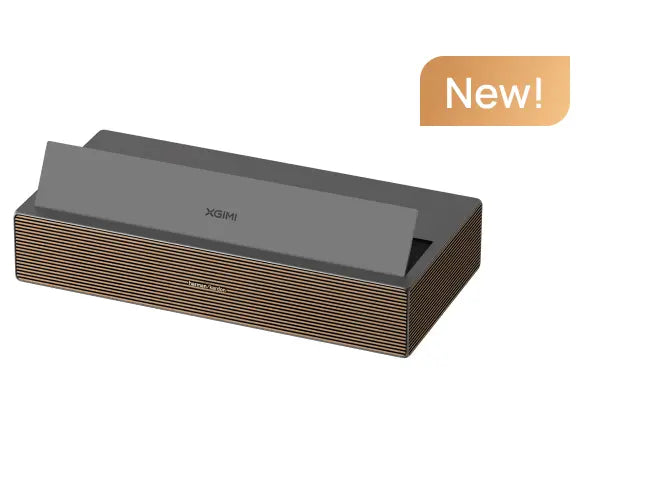
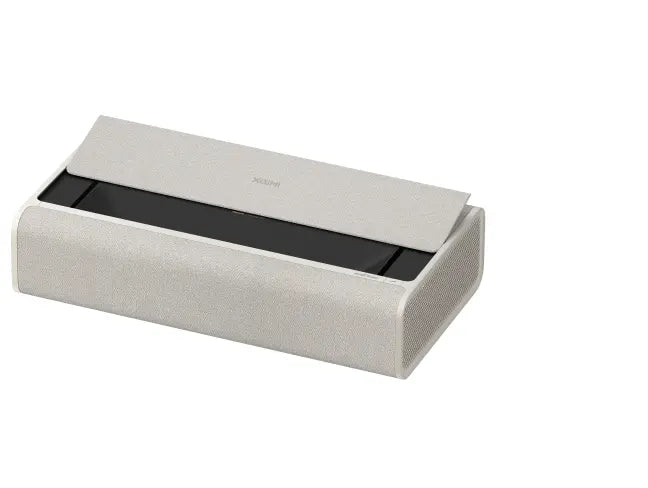
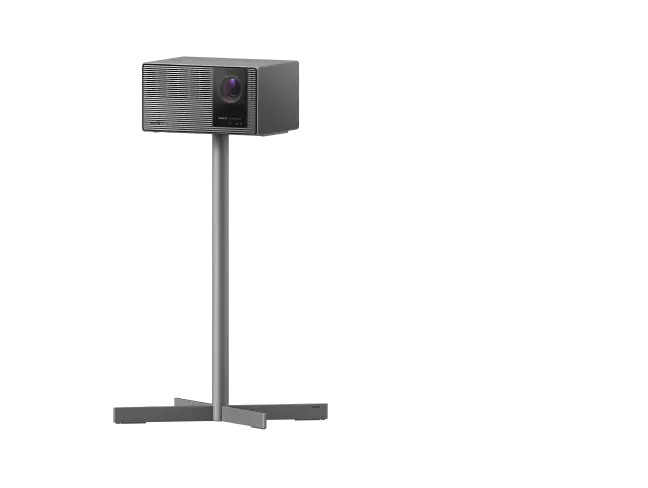
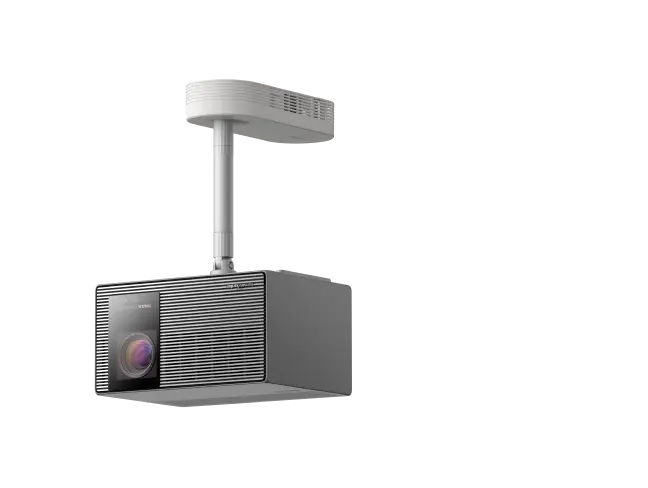
The best portable projector isn't necessarily the smallest or brightest. It's the model that fits your viewing space, power options, and preferred screen size. XGIMI's portable projector collection offers examples of different designs.
Brightness, Resolution, and Picture Quality
How much brightness do you need?
A projector's light output determines how much light it produces, but the brightness you perceive also depends on ambient light, screen size, and the projection surface.
Some portable projectors are rated around 300–500 ANSI lumens. For example, the Nebula Mars 3 Air lists 400 ANSI lumens, while the BenQ GS50 lists 500 ANSI lumens. This range can work for modest screen sizes in a dark room, but it isn't a universal requirement or a verified range covering most portable projectors.
If you want to watch with some room lights on, higher brightness becomes more useful. A model rated at 1,000 ANSI lumens or more may provide additional flexibility, although no single number guarantees good results in every space.
The Nebula Mars 3, for instance, is rated at 1,000 ANSI lumens. The TCL PlayCube lists 750 ISO lumens. These figures use different measurement standards and should not be directly compared as though they came from identical tests.
A larger transportable projector may offer substantially more light output. Epson lists its EpiqVision Flex CO-W01 at 3,000 ISO-rated white lumens, alongside a WXGA resolution of 1280 × 800. It illustrates why portability and maximum brightness aren't mutually exclusive, although it requires outlet power.
For outdoor projectors, even higher brightness doesn't guarantee a clear picture in daylight. Watching after sunset and controlling nearby lighting will usually improve the image more than simply increasing the projected size.
Before comparing models, check whether brightness is stated in ANSI, ISO, or CVIA lumens. XGIMI's projector brightness guide explains these measurements and why lighting conditions matter.
Resolution, contrast, and light-source life
Resolution affects how much detail a projector displays. A 720p image can be suitable for casual viewing on a smaller screen. Full HD 1080p offers more detail for movies and subtitles, while displayed 4K resolution can be beneficial on larger screens.
The Nebula Mars 3 Air, for example, has a 1920 × 1080 standard resolution. Always distinguish displayed resolution from the ability to accept a higher-resolution video signal.
Contrast ratio describes the difference between the brightest and darkest parts of an image. Higher contrast can improve shadow detail, but published native and dynamic contrast figures aren't directly interchangeable. Ambient light can also reduce perceived contrast.
Light-source longevity matters for maintenance. LED light sources are generally energy-efficient, and some manufacturers rate them for more than 20,000 hours. For example, Nebula lists a 30,000-hour expected light-source life for the Mars 3 Air. These are rated figures, not guarantees of identical performance throughout the projector's life.
The best picture quality comes from a suitable balance of light output, resolution, contrast, focus, and room conditions—not any single specification.
Streaming Movies and Connecting Your Devices
Built-in streaming and smart operating systems
Built-in smart operating systems let you open supported streaming apps directly on the projector, reducing the need for external playback devices.
XGIMI's MoGo 4, MoGo 4 Laser, and Elfin Flip 4K feature Google TV with Netflix support. XGIMI also lists Prime Video for the MoGo 4 Laser and Elfin Flip 4K, providing convenient streaming through their integrated platforms.
Google TV is a viewing interface built on Android TV OS. However, projectors running Android TV and those with Google TV built in may have different interfaces and app availability.
You still need Wi-Fi, an internet connection, and the appropriate streaming accounts. Some services require subscriptions, and supported video resolution can vary by app and model.
HDMI, screen mirroring, and Bluetooth
An HDMI input provides a straightforward way to connect a laptop, streaming stick, or gaming console. It's also useful when you want to play a downloaded video from a connected computer.
Supported wireless casting allows compatible mobile devices to send content to the projector. The three XGIMI models discussed here list Google Cast, although screen mirroring may be restricted by individual streaming apps.
Bluetooth connectivity is primarily useful for audio devices and accessories. It doesn't independently deliver video or an internet connection.
If gaming is part of your entertainment setup, check the projector's input lag under the exact resolution, refresh rate, and gaming mode you plan to use. Accepting a 4K signal alone doesn't establish gaming responsiveness.
Battery Life, Sound, and Easy Setup
How long should a portable projector battery last?
Battery life is one of the biggest differences between portable models. Around two hours may be enough for some viewing sessions, but you shouldn't assume most projectors offer that runtime.
Manufacturer estimates depend heavily on brightness and operating mode.
The Nebula Capsule Air, for example, is rated for up to two hours of video playback in Eco Mode. Its compact design favors portability, but the available viewing time may not cover a longer movie.
The Nebula Mars 3 Air advertises up to 2.5 hours of video playback in Eco Mode, making it useful for many movie-length sessions.
The larger Nebula Mars 3 offers a different tradeoff. Its manufacturer advertises up to five hours in Eco Mode, while a separate official battery guide lists approximately 1.5 hours in Standard Mode. Eco Mode also reduces its brightness, so the five-hour figure shouldn't be interpreted as playback at maximum light output.
The XGIMI MoGo 4 and MoGo 4 Laser both offer up to 2.5 hours of video playback in Eco Mode. They also support compatible USB-C Power Delivery supplies, but a power bank needs to meet the projector's specific output requirements.
Choose battery capacity around your typical movie length, including setup and pauses. For longer sessions, plan a reliable external power source.
Sound quality and built-in speakers
Integrated speakers make portable projectors easier to use without carrying a separate sound system.
Audio quality varies considerably between models. The Nebula Mars 3 Air includes two 8W Dolby Audio speakers, while the larger Mars 3 has a 40W speaker system with Dolby Digital Plus. Published power ratings describe the hardware, not independently tested sound quality.
The BenQ GS50 offers a 2.1-channel Bluetooth speaker system with Extra Bass, showing how some portable projectors place extra emphasis on audio. Epson's EpiqVision Mini EF12 uses a Yamaha-designed stereo system, which Epson positions as an alternative to a separate soundbar.
For a quiet bedroom, built-in speakers may be sufficient. For a backyard gathering, an external Bluetooth speaker or other supported audio system may make dialogue easier to hear over surrounding noise.
Check whether Bluetooth supports audio output to another speaker or only allows the projector itself to function as a Bluetooth speaker. These aren't the same feature.
Automatic setup and outdoor protection
Automatic focus and auto keystone correction can reduce setup time when moving a projector between rooms.
Automatic focus helps maintain a sharp image. Keystone correction adjusts the geometry of an image projected from an angle, although it cannot fix an uneven wall or wrinkled screen.
Some projectors also include screen alignment, obstacle avoidance, optical zoom, or lens shift. These features vary by model rather than being standard across all portable projectors.
For outdoor use, consider weather protection separately from portability. The Nebula Mars 3 carries an IPX3 water-resistance rating, indicating protection against water spray under specified test conditions—not waterproofing or suitability for leaving the projector in the rain.
Most indoor-oriented projectors should be kept dry. Use a secure stand, protect power connections, and consult this backyard movie setup guide before planning an outdoor screening.
Which XGIMI Projector Fits Your Space?
Different viewing environments call for different priorities. These three XGIMI models offer practical choices depending on whether battery power, portability, or a brighter home setup matters most.
1. MoGo 4: For everyday portable entertainment
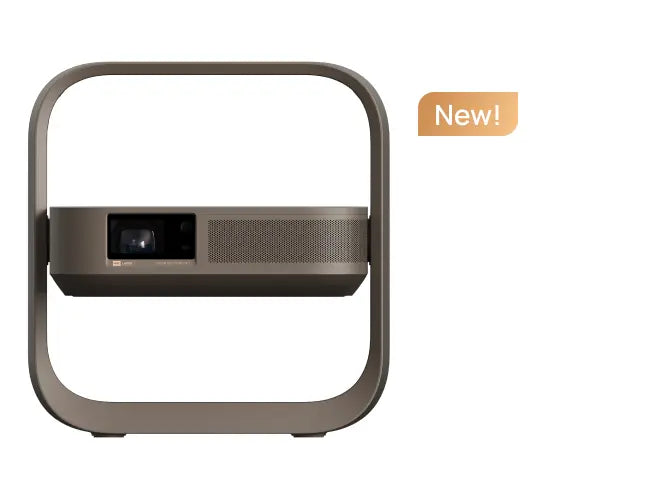
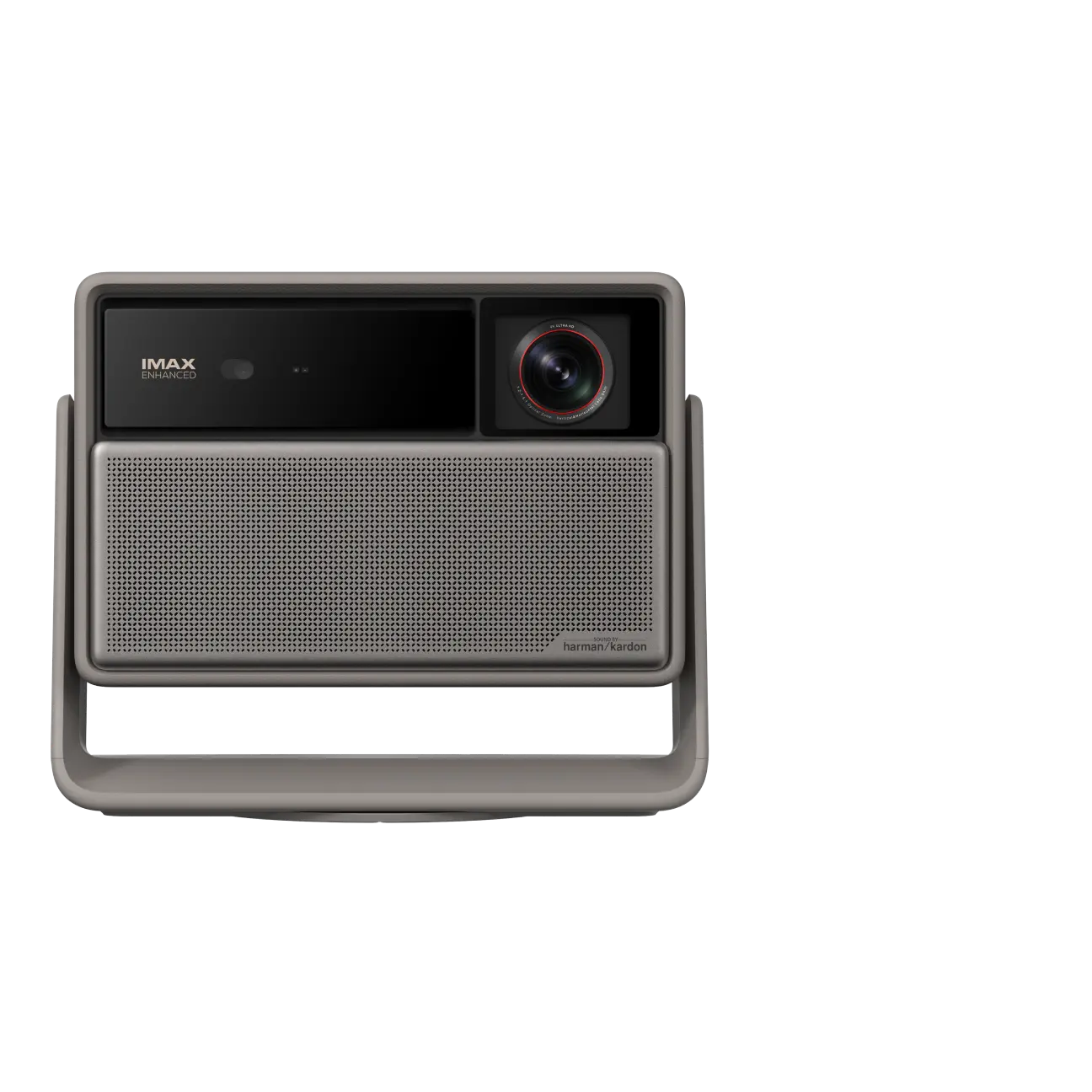
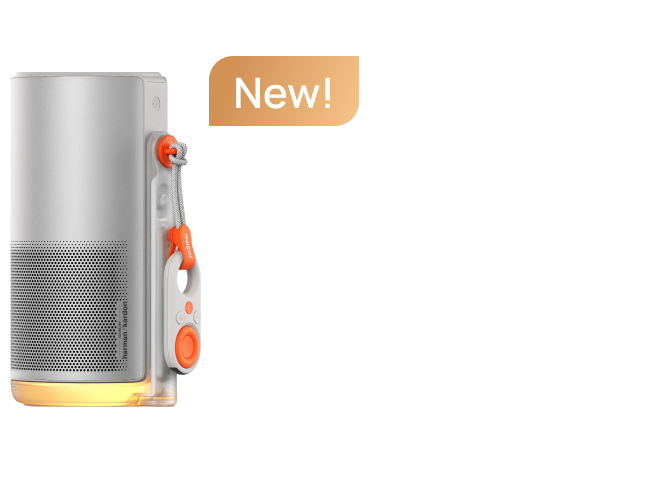
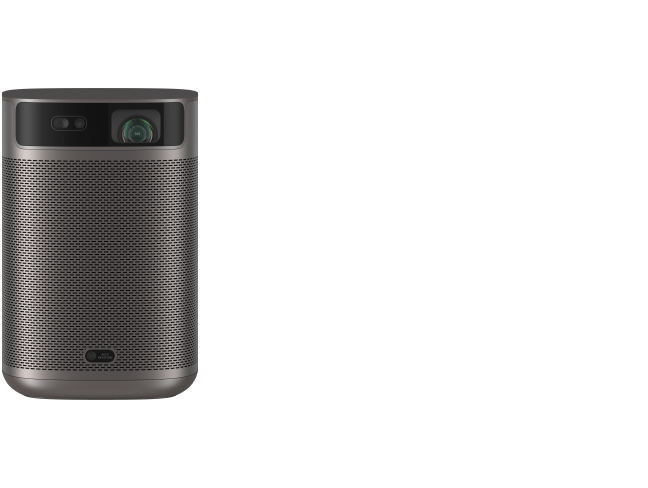
The XGIMI MoGo 4 offers 1080p resolution, 450 ISO lumens, Google TV, and dual 6W Harman Kardon speakers.
Its built-in battery, 360-degree adjustable stand, automatic focus, and keystone correction make it convenient for bedroom viewing, apartment living, and movie nights after sunset.
- Best suited to: Viewers who want compact, battery-powered entertainment with built-in streaming and simple setup.
- Keep in mind: Its light output is better suited to darker environments, particularly when using a larger screen.
article_product1
2. MoGo 4 Laser: For portable viewing with higher brightness
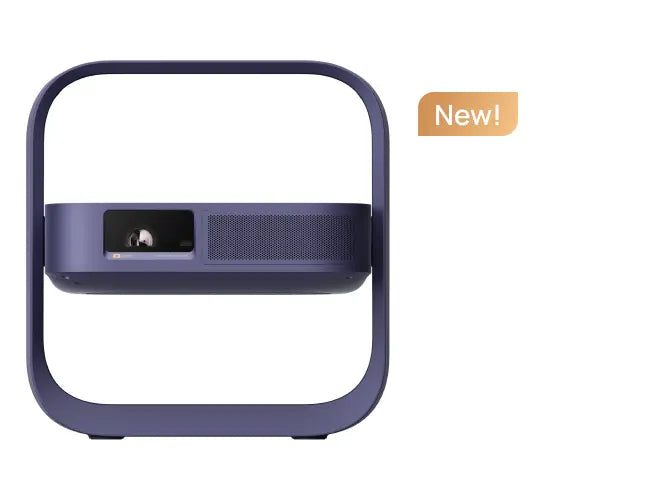
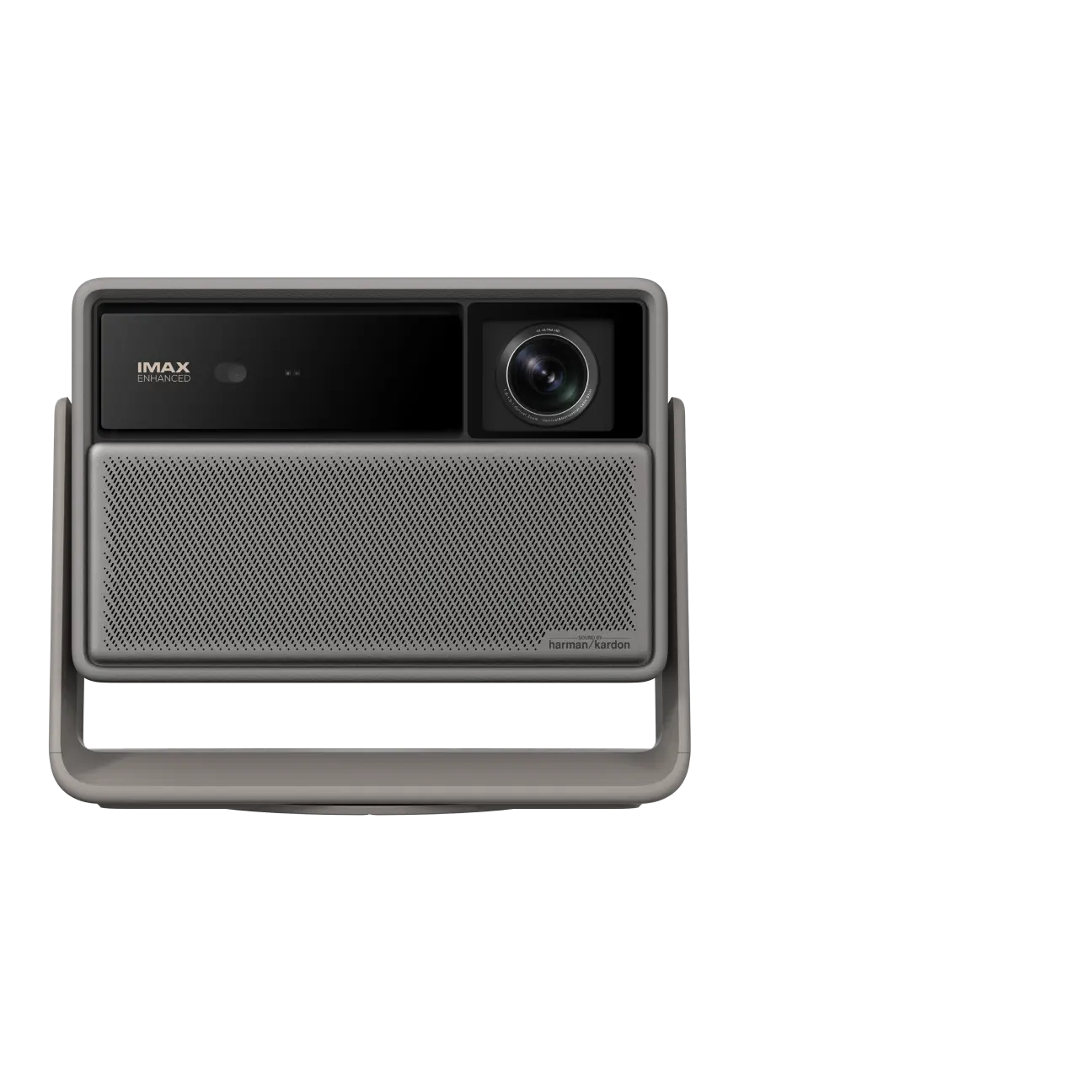
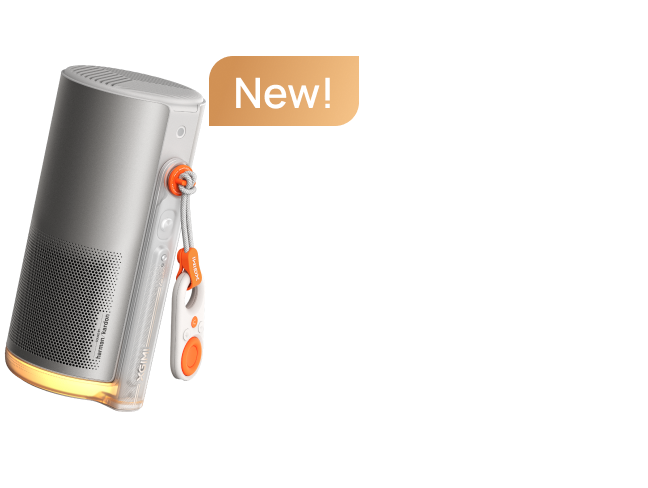
The XGIMI MoGo 4 Laser features a triple laser light source rated at 550 ISO lumens, 1080p resolution, Google TV, and dual 6W Harman Kardon speakers.
Compared with the standard MoGo 4, it offers higher published brightness under the same ISO measurement standard while retaining a built-in battery and adjustable stand.
- Best suited to: Viewers who frequently move their projector and want a compact laser model for movie nights indoors or after sunset.
- Keep in mind: The higher light output doesn't eliminate the need for light control outdoors.
article_product2
3. Elfin Flip 4K: For compact home viewing with more light output
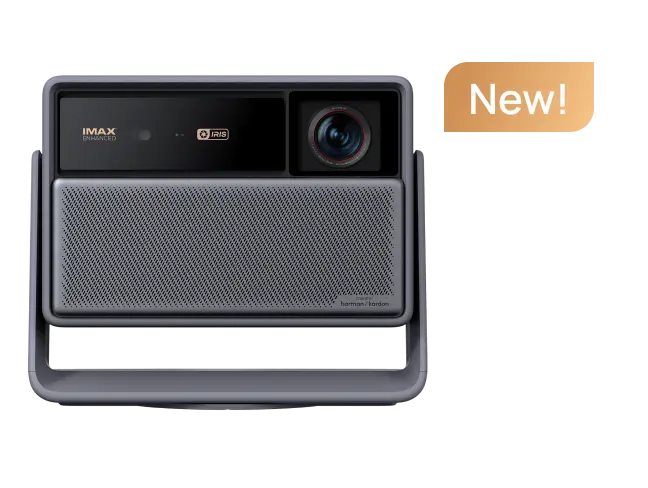
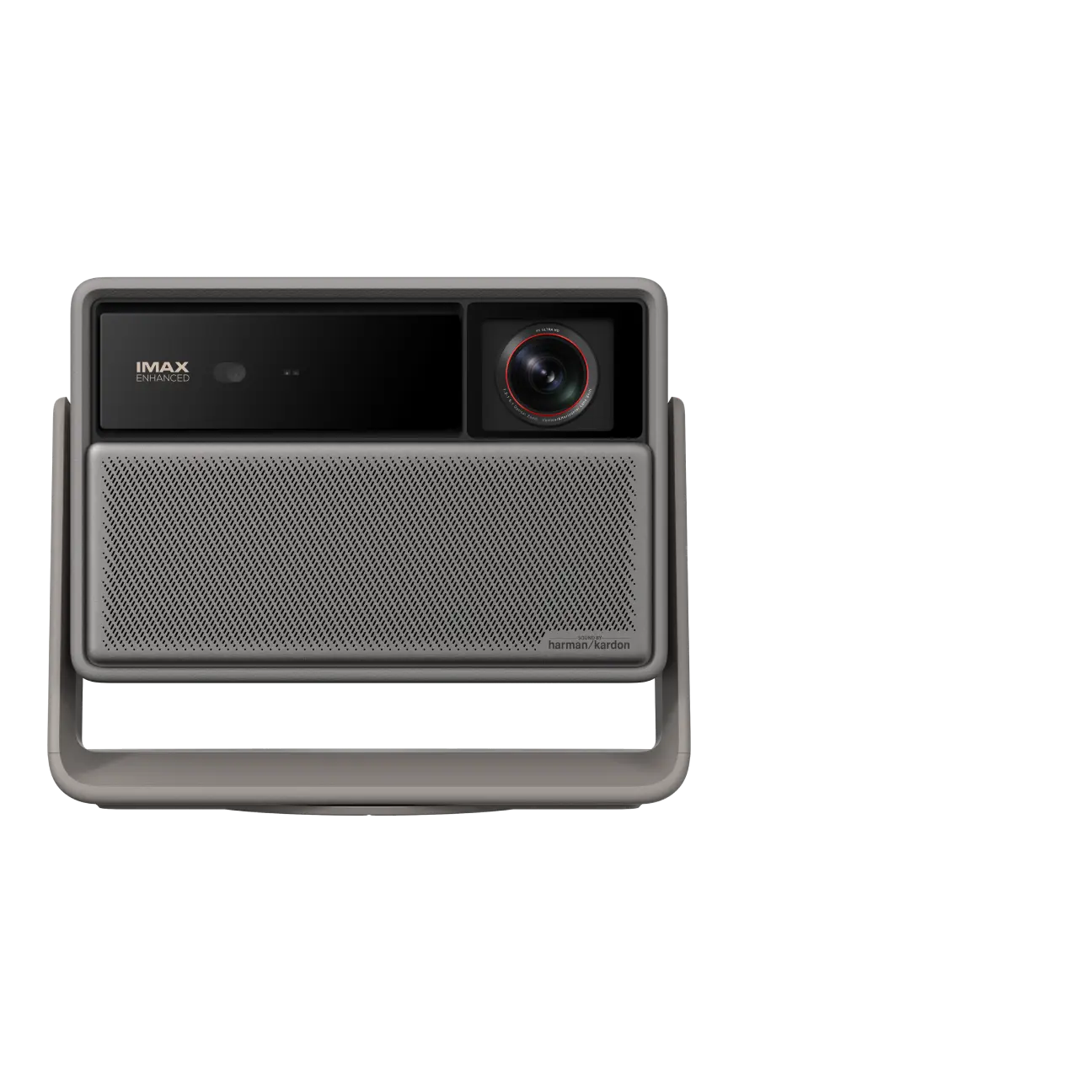
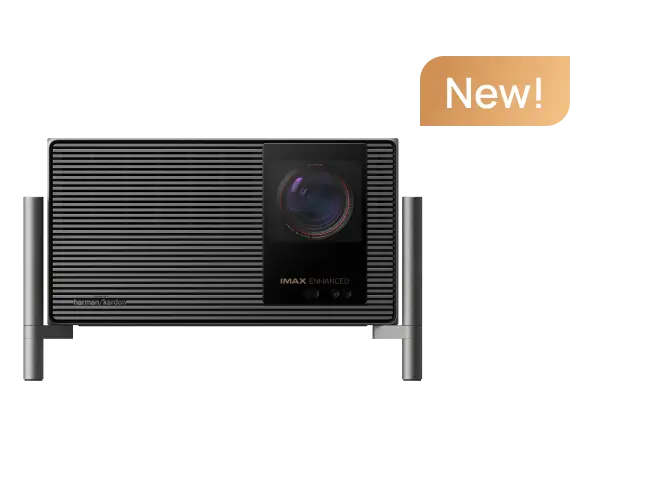
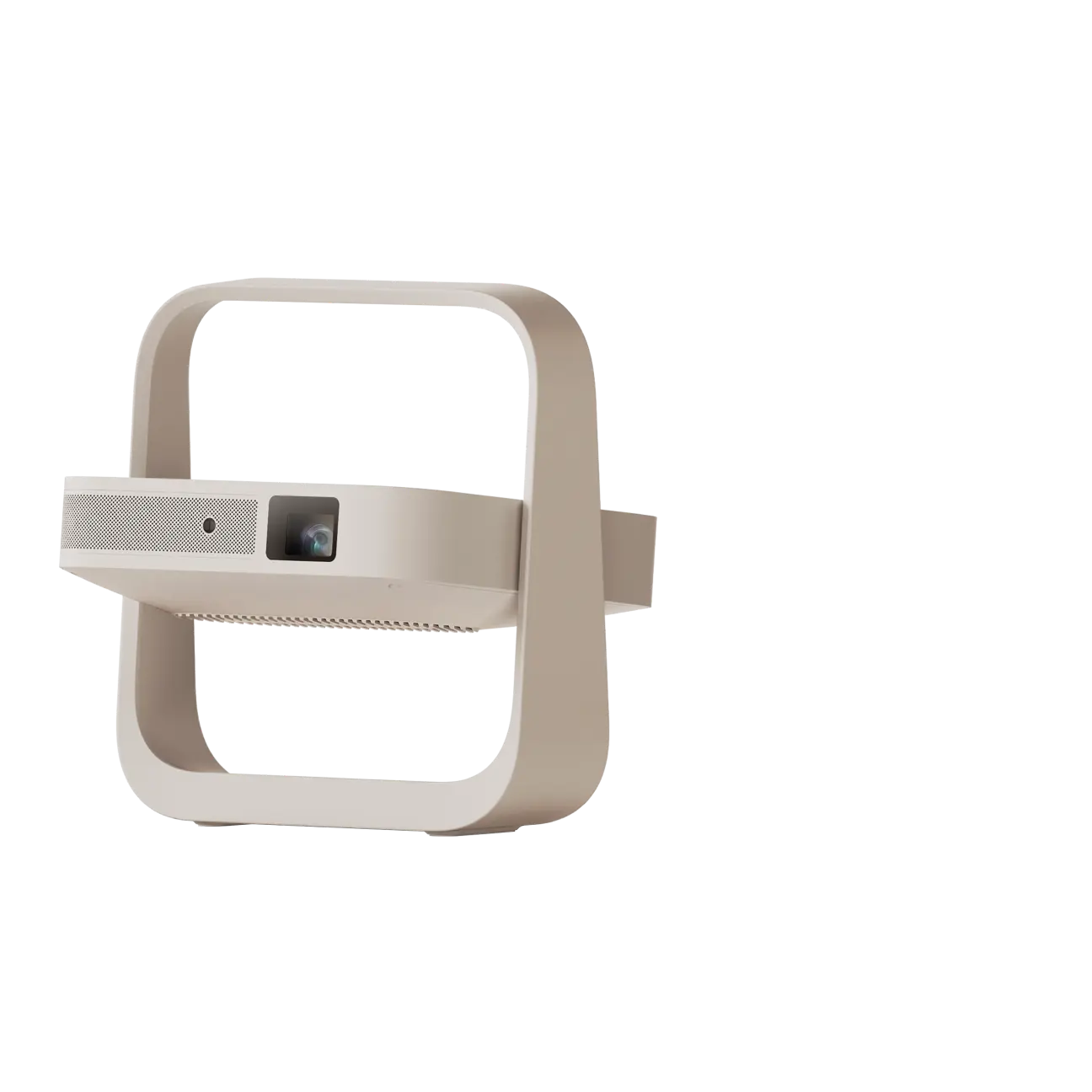
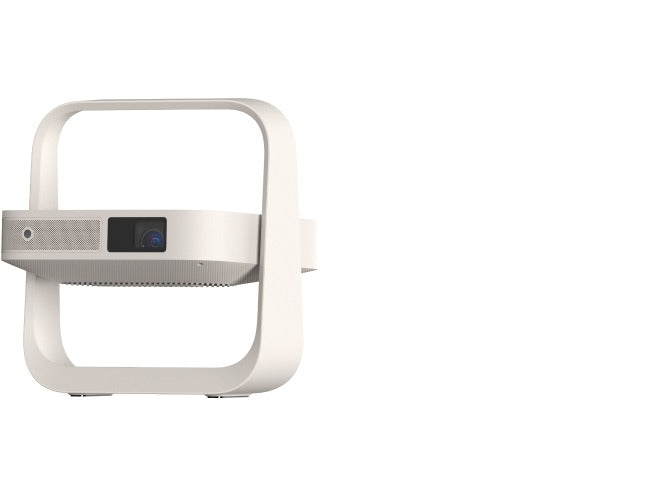
The XGIMI Elfin Flip 4K offers a 3840 × 2160 displayed resolution, 1,600 ISO lumens, Google TV, optical zoom, and an integrated adjustable stand.
It is a compact home projector rather than a battery-powered model. Its higher published ISO brightness and optical zoom make it worth considering for rooms where an outlet is available.
For gaming, XGIMI specifies input lag as low as 1ms at 1080p/120Hz with Game Mode and VRR enabled and automatic keystone correction disabled. That specification shouldn't be treated as a measured 4K/60Hz latency result.
- Best suited to: Apartment and living-room users who want a compact 4K home projector with flexible placement.
- Keep in mind: It requires AC power, so it isn't intended for cable-free outdoor viewing.
article_product3
Ultimately, the right portable video projector depends on where you'll use it most. For frequent travel or movie nights away from outlets, prioritize battery life and manageable size. For indoor viewing, resolution, brightness, contrast, and placement flexibility may matter more. Matching the projector to your actual space is the most reliable way to enjoy a large screen without unnecessary complexity.


