
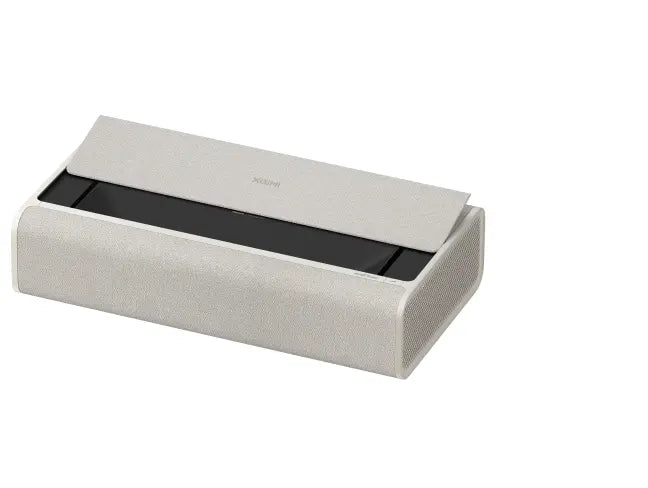
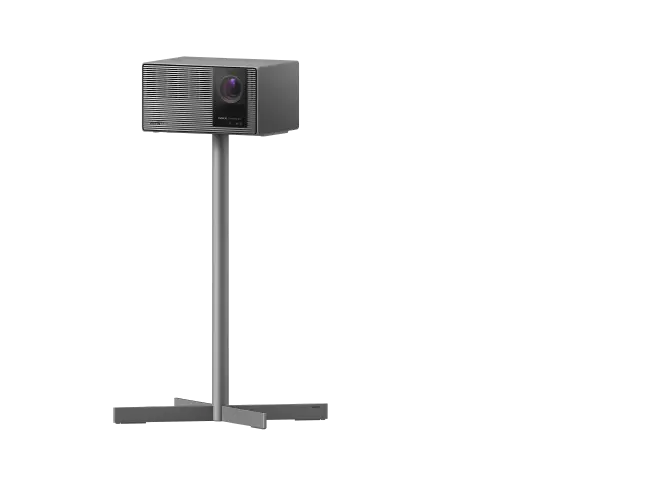
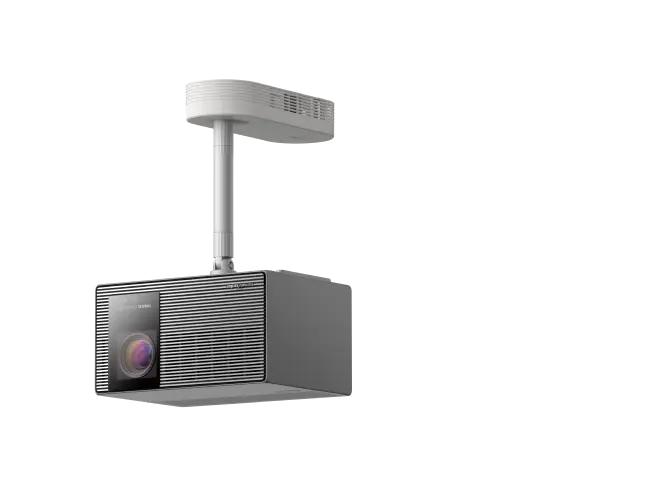





Seamlessly streaming movies, photos, or presentations from your iPhone, iPad, or Mac to a projector is possible in most setups, but the best method depends heavily on whether your projector supports AirPlay natively, the stability of your Wi-Fi network, and your specific use case. For many Apple users, connecting via an Apple TV or using compatible apps offers reliable results without cables, while native support on select smart projectors can simplify the process further. For more on this topic, see How to Cast Your iPhone to a Google TV Projector Without Apple TV.
What Is AirPlay and How Does It Work with Projectors?
AirPlay lets you mirror or stream from an iPhone or iPad to an AirPlay-compatible display or Apple TV, according to Apple's official guide. This wireless protocol streams video, audio, or your entire device screen over Wi-Fi, eliminating the need for HDMI cables in compatible environments.
When paired with a projector, AirPlay typically requires either a projector with built-in support or an external receiver like Apple TV connected to the projector's HDMI port. For Mac users, the process is similar but accessed through the Control Center and Screen Mirroring menu, as detailed in Apple's Mac streaming guide.
A reliable AirPlay setup requires the sending device to be on the same Wi‑Fi network as the receiving display or receiver. This same-network requirement is the most common source of connection failures.
Requirements for Using AirPlay with a Projector
Before attempting to cast iPhone to projector or mirror from a Mac, verify these basics:
- All devices must be on the same Wi-Fi network (5 GHz preferred for lower latency).
- Your projector must either support AirPlay natively, have an Apple TV or compatible adapter connected via HDMI, or work with third-party casting apps.
- Update iOS, iPadOS, macOS, and your projector's firmware to the latest versions.
- Ensure strong Wi-Fi signal strength, as weak networks can cause lag, drops, or audio sync issues.
Projector compatibility should be checked at the model level before purchase, because AirPlay support is not universal across projectors.
Method 1: Using a Projector with Built-in AirPlay Support
Some smart projectors include native AirPlay compatibility, allowing direct wireless casting from Apple devices without extra hardware. For more on this topic, see Casting vs HDMI for Projectors: Quality, Lag, and Reliability.
Steps to connect:
- Power on your projector and ensure it is connected to your Wi-Fi network.
- On your iPhone or iPad, swipe down to open Control Center.
- Tap the Screen Mirroring icon and select your projector from the list.
- Enter the AirPlay code displayed on the projector screen if prompted.
- Your content should now appear on the large screen.
For Mac users, open Control Center, click Screen Mirroring, and select the projector. This method works best in stable home environments where the projector stays in one place.
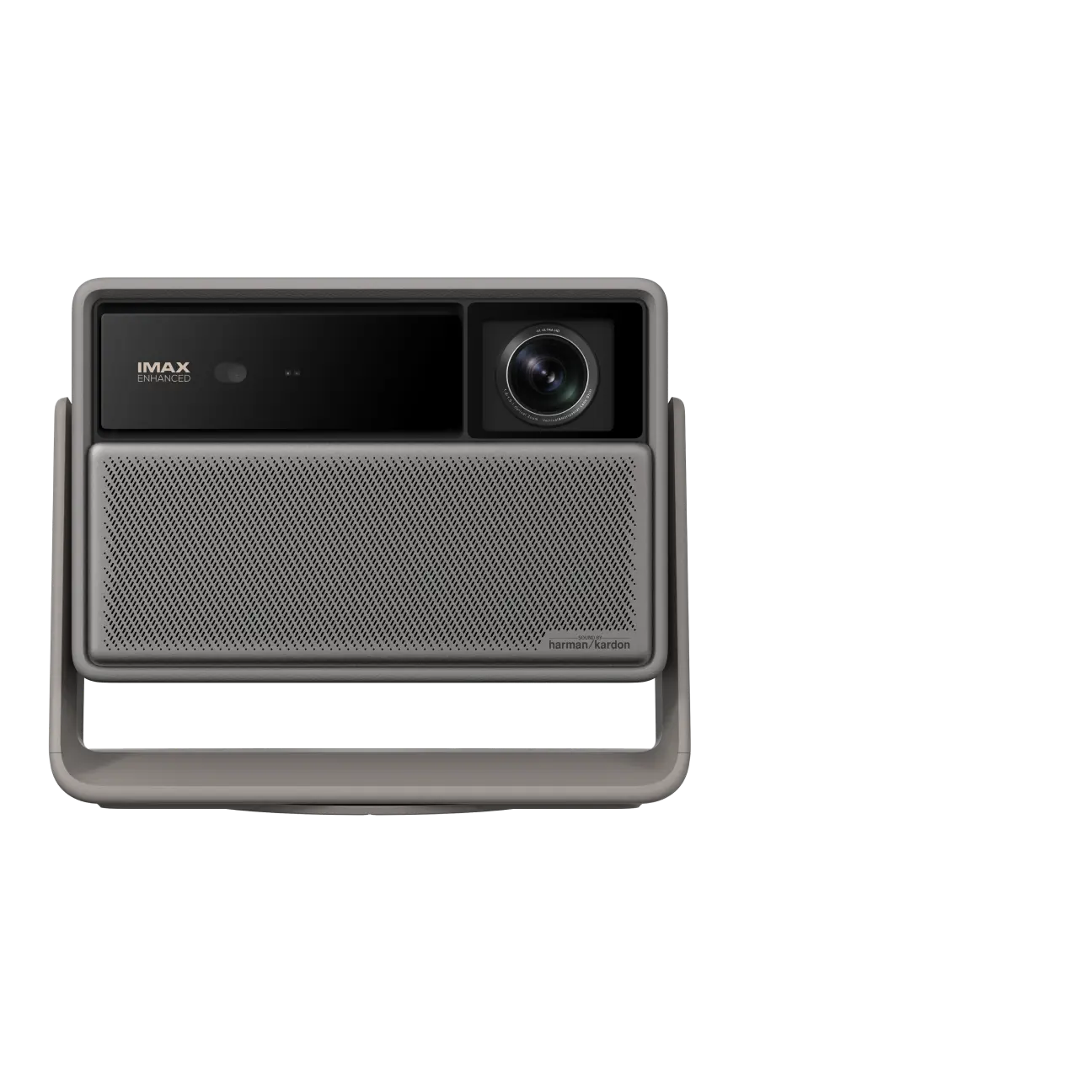
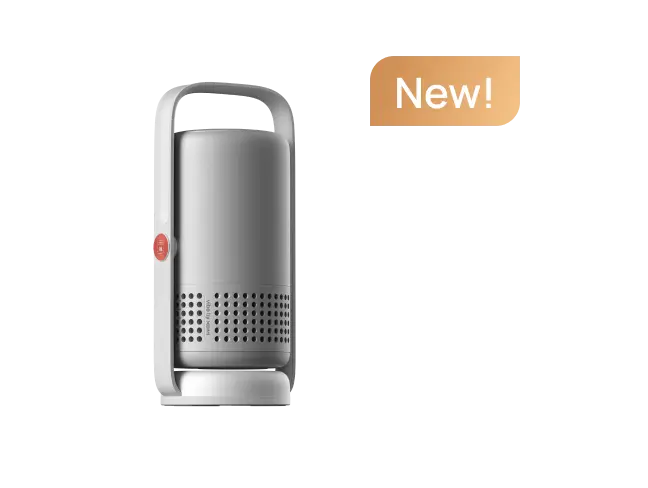
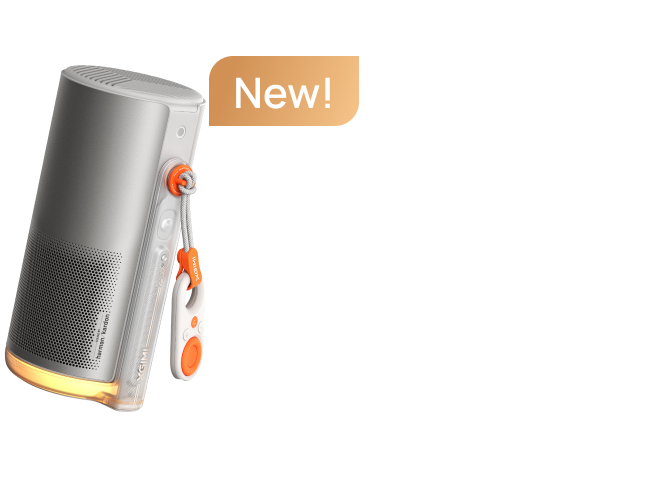
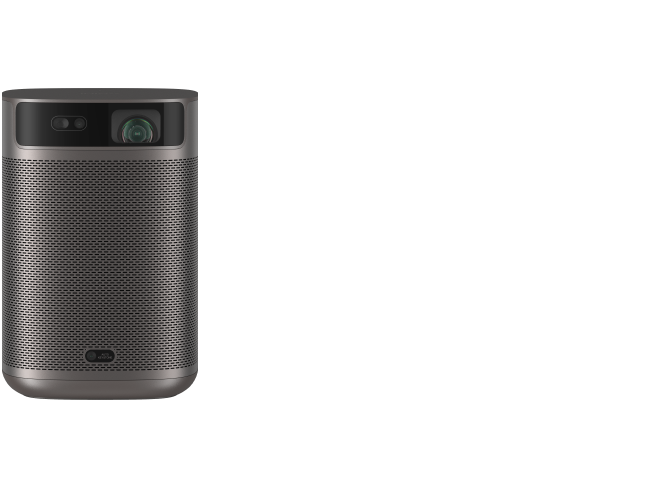
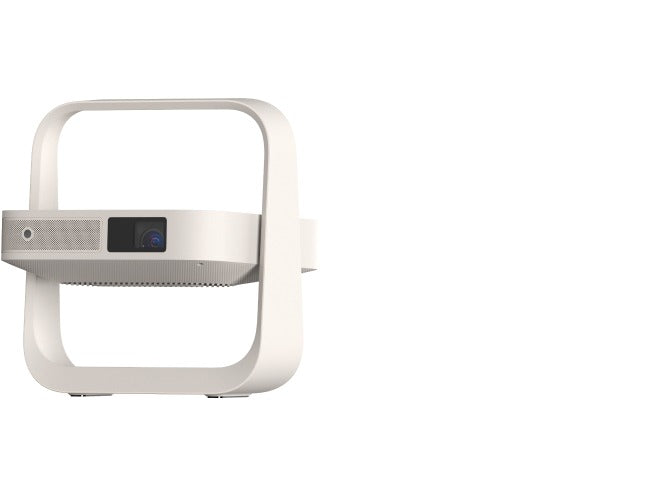
If your current projector lacks this feature, consider models from brands focused on smart connectivity. For portable options that integrate well with Apple devices, explore the XGIMI MoGo Series or Halo+ collection.
Method 2: Connecting via Apple TV
The most reliable way for many non-native projectors is to use an Apple TV connected to the projector's HDMI input.
Setup steps:
- Connect your Apple TV to the projector using an HDMI cable.
- Power on both devices and ensure Apple TV is on the same Wi-Fi network as your Apple device.
- On iPhone/iPad, open Control Center > Screen Mirroring > select Apple TV.
- For Mac, use the Screen Mirroring option in Control Center.
This approach leverages Apple's ecosystem fully and often provides better stability for streaming high-quality content. For detailed guidance on integrating Apple TV, see our guide on how to connect Apple TV to a projector.
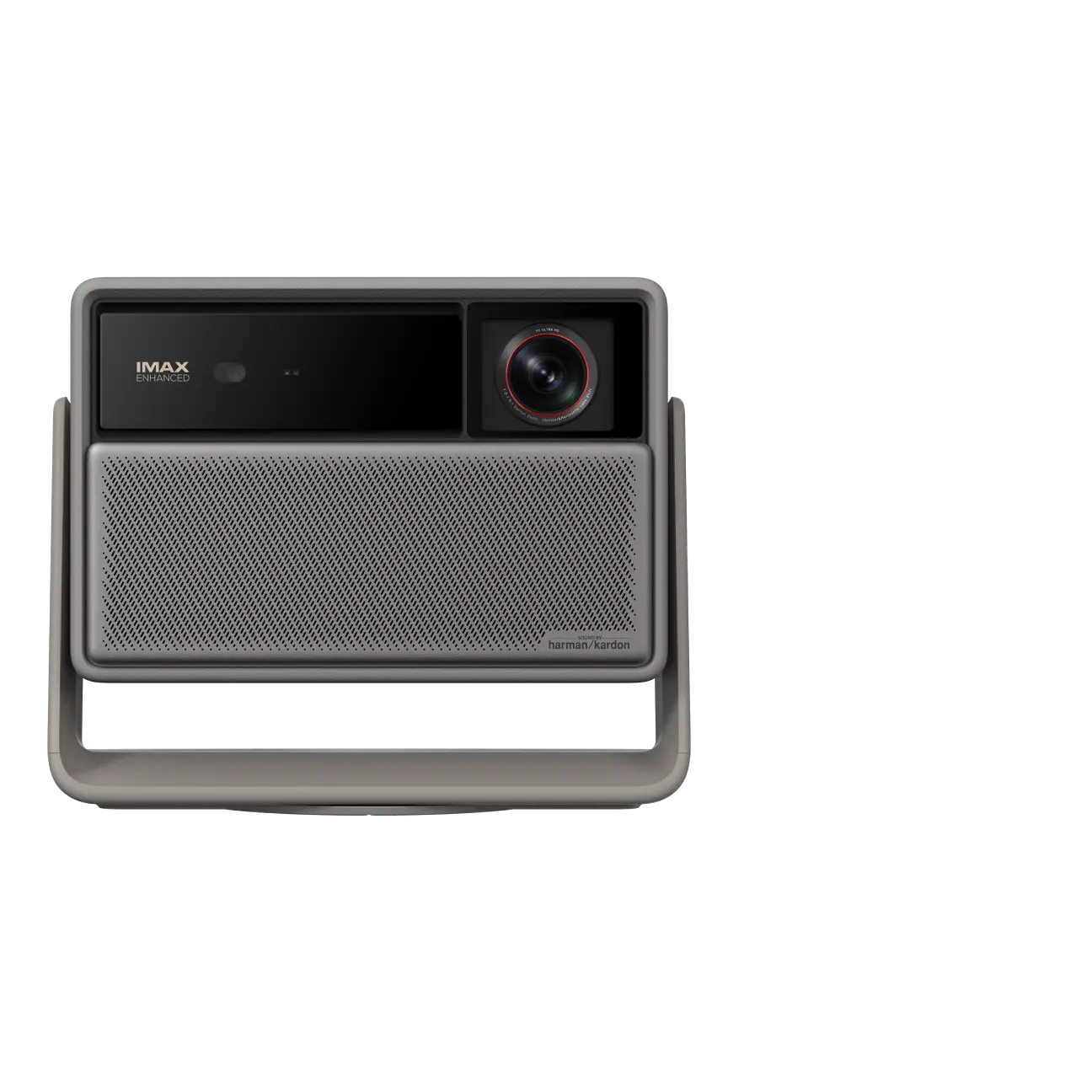
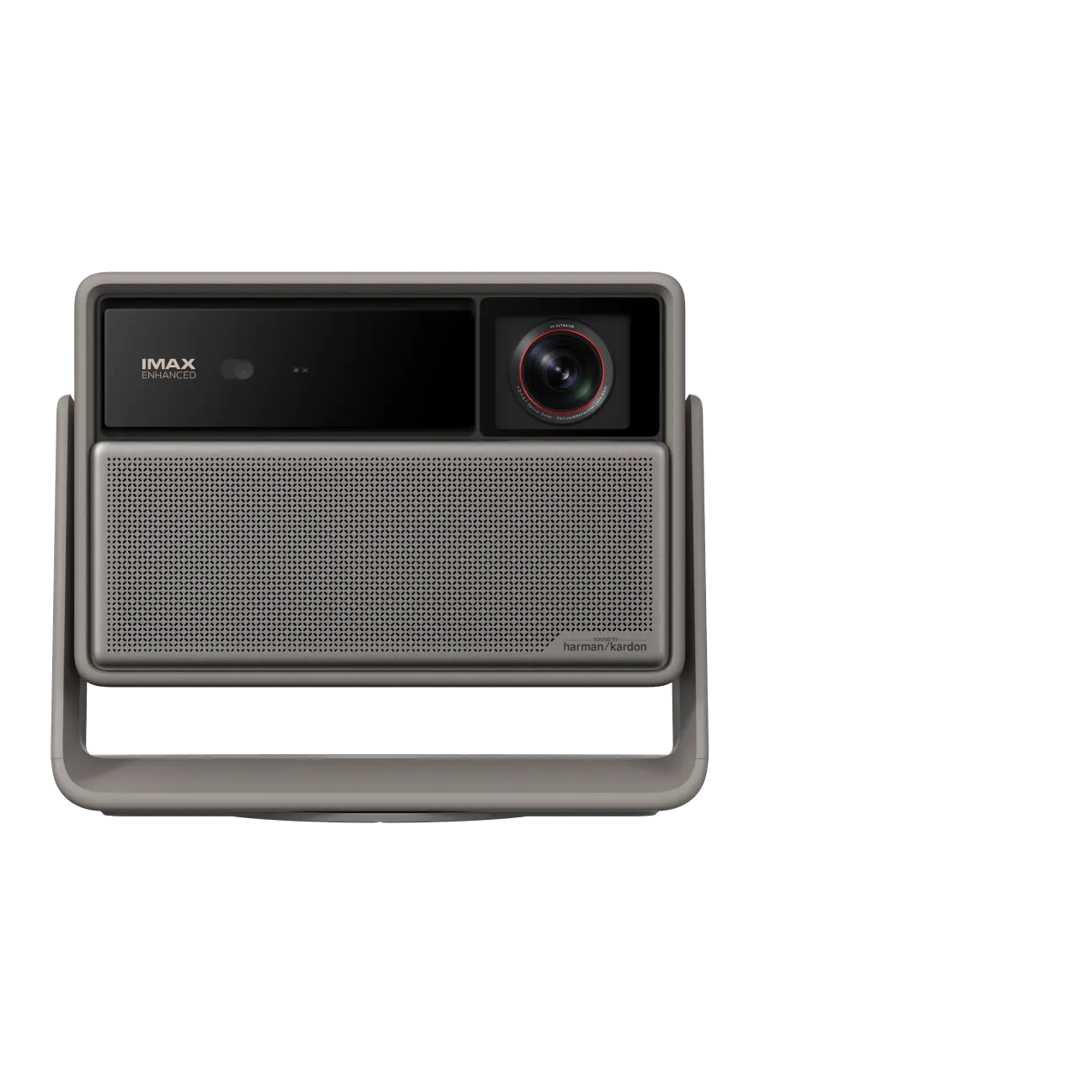
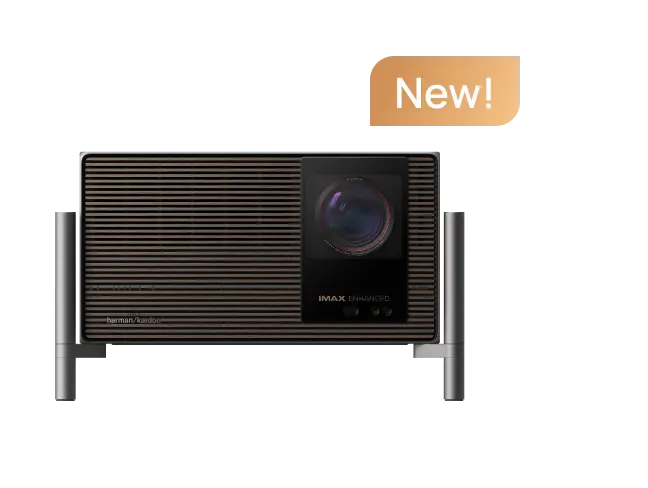
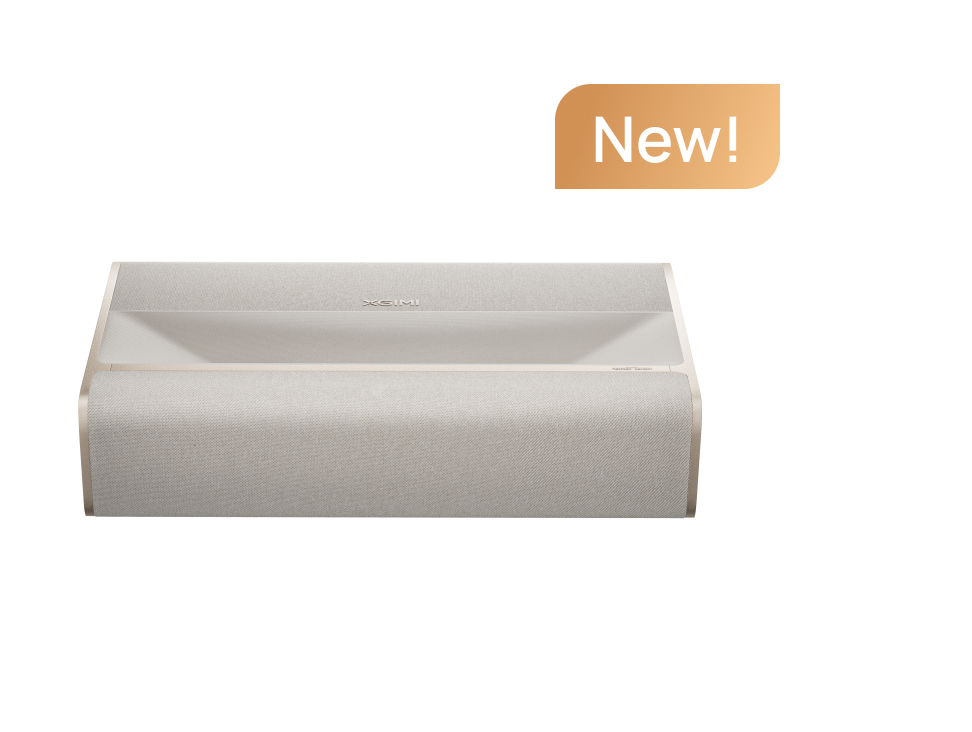
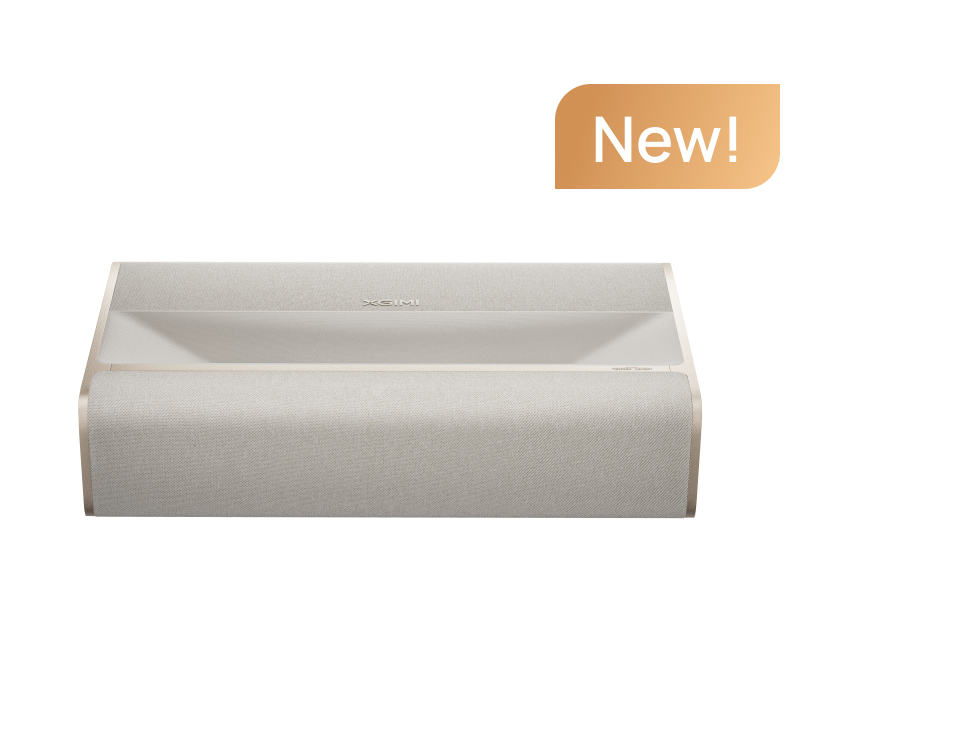
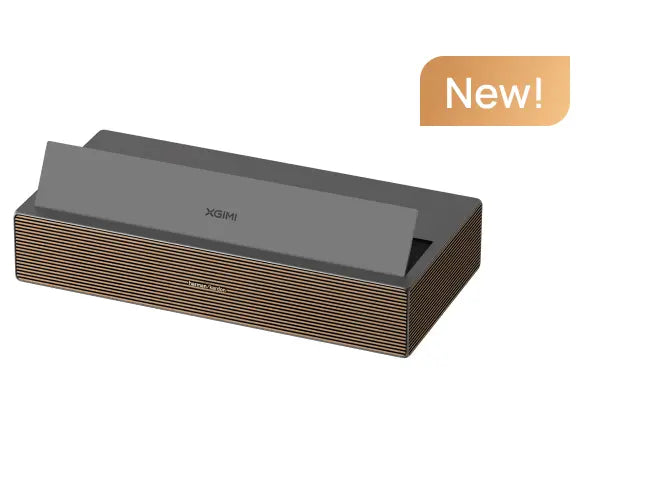
Many XGIMI home projectors, such as the HORIZON Ultra, pair excellently with Apple TV for premium cinematic experiences.
Method 3: Third-Party Apps and Alternative Wireless Solutions
If native support or Apple TV isn't available, apps like AirScreen, Reflector, or similar casting tools can enable screen mirroring on many Android-based smart projectors.
General process:
- Install a compatible casting app on the projector (if it runs a smart OS like Google TV).
- Launch the app and ensure it is discoverable.
- From your iPhone or iPad, use Screen Mirroring to connect to the app's AirPlay receiver.
This method may introduce slight lag compared to native solutions and is best for casual use rather than professional presentations. For broader wireless connection insights, review our article on wireless and wired connections for projectors. For more on this topic, see Why Your Projector's Wi-Fi Connection Keeps Dropping and How to Fix It.
Choosing the Right Setup for Your Scenario
The best AirPlay setup choice flips depending on your environment and needs.
Home movie night: Native AirPlay projector or Apple TV + projector usually offers the lowest friction for easy iPhone streaming in a fixed, controlled space.
Outdoor or portable use: Prioritize the simplest setup with fewest dependencies. Portable projectors with good battery life and quick pairing shine here, but weak outdoor Wi-Fi may push you toward local playback alternatives.
Business presentations or classroom use: Reliability matters most. Wired HDMI connections or managed systems often outperform ad-hoc AirPlay in shared environments with multiple users or stricter network policies.

To visualize these trade-offs, consider the following illustrative comparison of setup fit across common scenarios (higher scores indicate better relative suitability based on typical stability and convenience factors):
AirPlay Setup Choice by Scenario
Higher scores indicate a better relative fit for the scenario, not a proven ranking across all projectors.
View chart data
| Category | Native projector | Apple TV + projector | Third-party app or wired |
|---|---|---|---|
| Home movie | 5 | 4 | 2 |
| Outdoor use | 3 | 1 | 2 |
| Business presentation | 2 | 2 | 5 |
| Classroom use | 2 | 2 | 5 |
Illustrative relative-fit scores derived from the provided scenario matrix and Apple support notes: same-WiFi requirement and troubleshooting favor simpler or wired setups in unstable/shared environments. Scores are bounded and relative, not measured performance data.
This chart highlights that no single method is universally superior—choose based on your primary scene.
Common Problems and Troubleshooting
If AirPlay does not connect, follow Apple’s troubleshooting steps for screen mirroring and streaming issues, as outlined in Apple's support article.
Frequent issues include:
- Device not appearing: Confirm same Wi-Fi network and restart all devices. Disable VPNs or firewall settings that might block discovery.
- Lag or audio sync problems: Switch to 5 GHz Wi-Fi, reduce distance between devices, or lower video quality.
- Poor resolution: Ensure the projector is set to the correct input and that mirroring is configured for optimal output.
- Connection drops: Update software and check for network interference from other devices.
For HDMI-related signal problems that sometimes arise in hybrid setups, consult our projector HDMI no signal fix guide.
Quick checklist before casting:
- Same Wi-Fi network?
- Devices updated?
- Projector on correct input?
- Strong signal strength?
- No interfering VPN or firewall?
Tips for the Best Experience with XGIMI Projectors
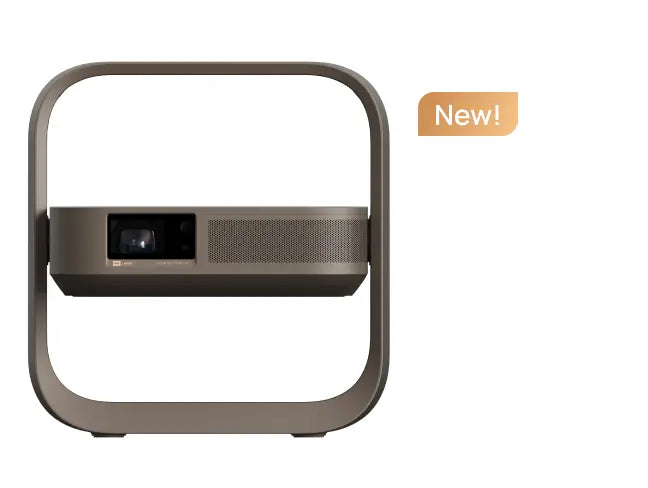
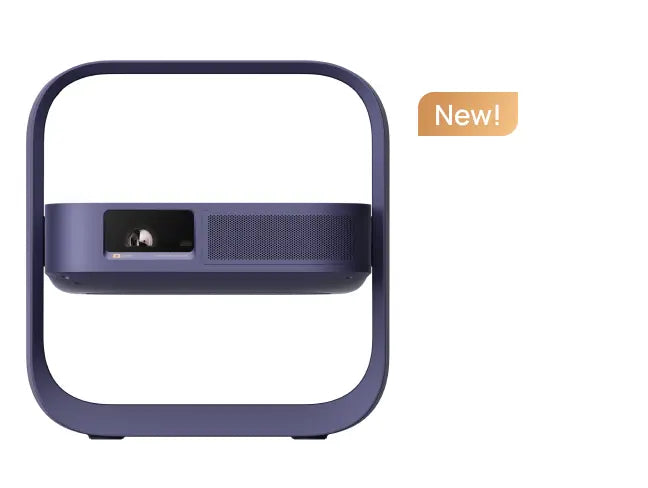
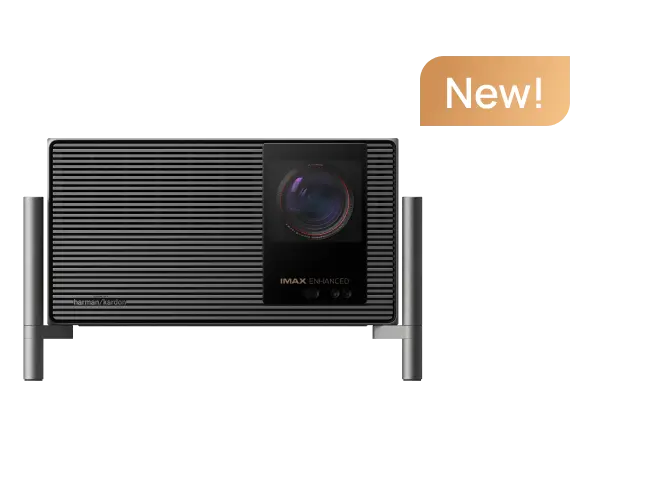
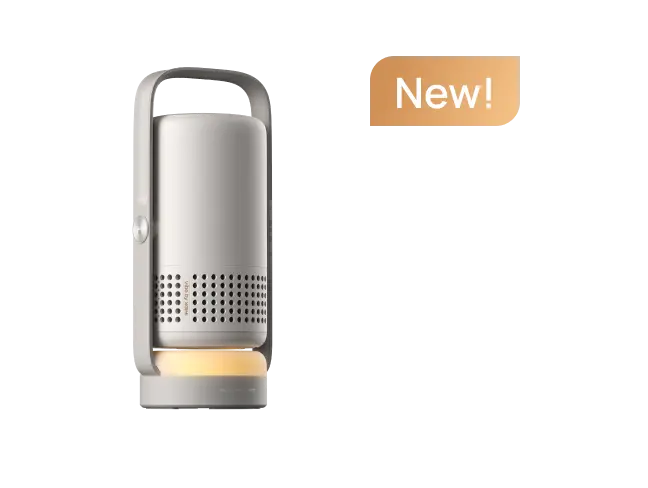
XGIMI smart projectors are designed for seamless home entertainment and work well in Apple-centric setups when paired with Apple TV or compatible apps. Models like the Halo+ (New) offer portability ideal for outdoor movie nights, while the HORIZON Ultra delivers premium 4K visuals perfect for living room streaming.
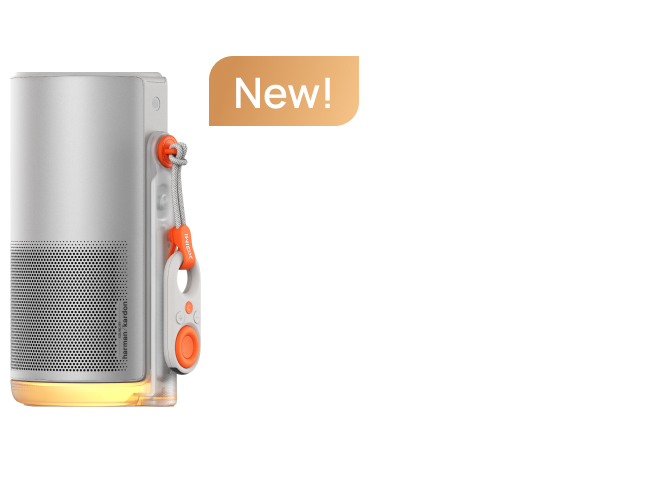
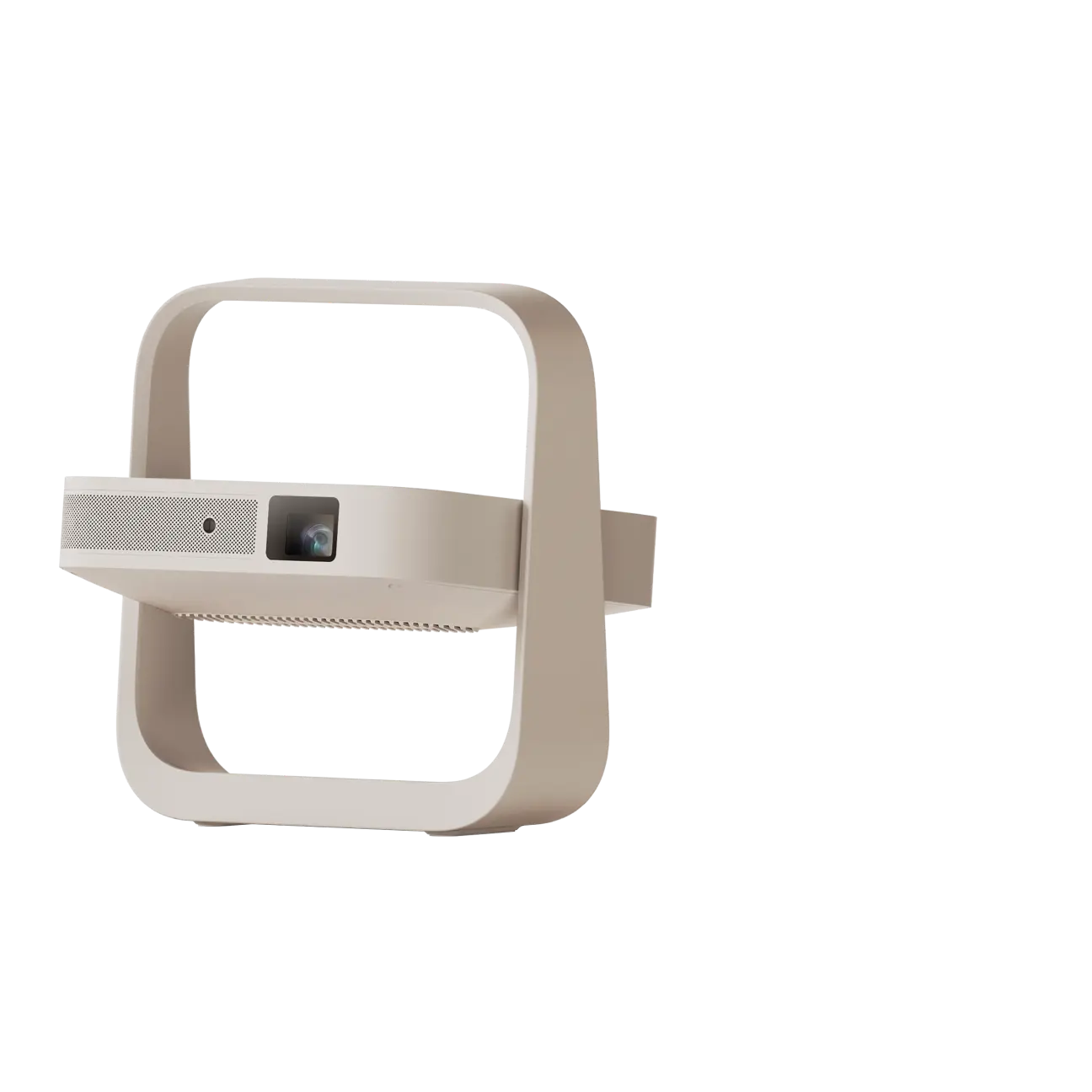
For iPhone-focused users, the MoGo 4 or Elfin Flip provide convenient portable options that pair nicely with wireless casting workflows. Check our top portable projector for iPhone guide for more details.
Final Thoughts
Using AirPlay with a projector can deliver a cable-free, immersive experience for Apple users, but success depends on matching the method to your scenario, network conditions, and projector capabilities. Start with Apple's official troubleshooting resources if issues arise, and consider your primary use case—home entertainment often favors integrated smart features, while professional settings may benefit from simpler or wired backups.
This guide provides setup-dependent advice only and does not replace manufacturer instructions. Test in your specific environment before relying on it for important presentations. For persistent connection problems or existing device issues, consult qualified technical support or Apple's resources.

Whether you're planning a backyard screening or a wireless boardroom demo, the right combination of projector and method can make wireless casting from iPhone or Mac straightforward and enjoyable.


