
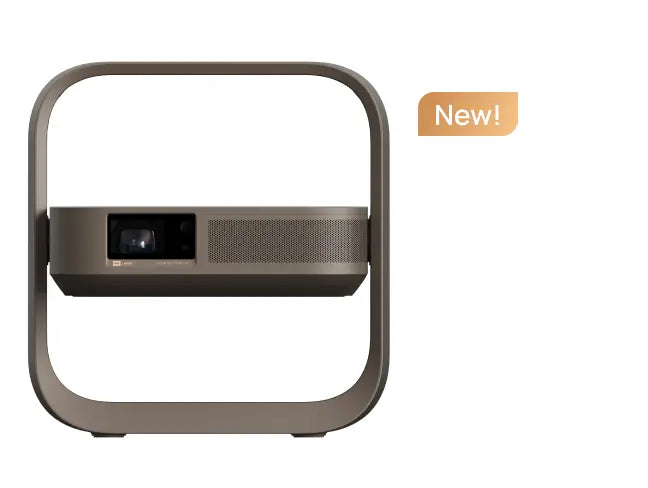
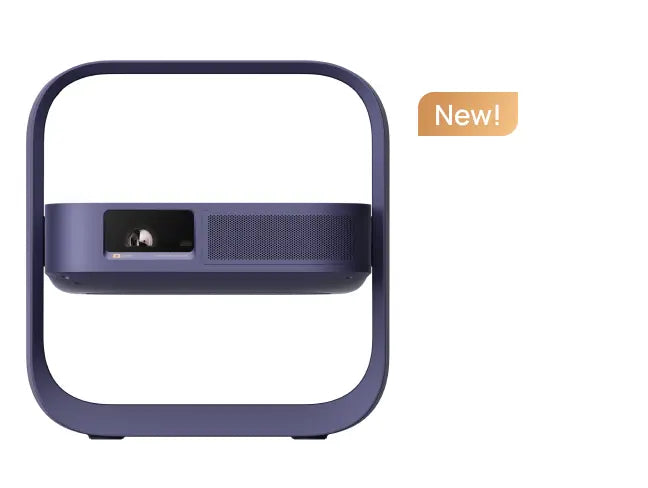
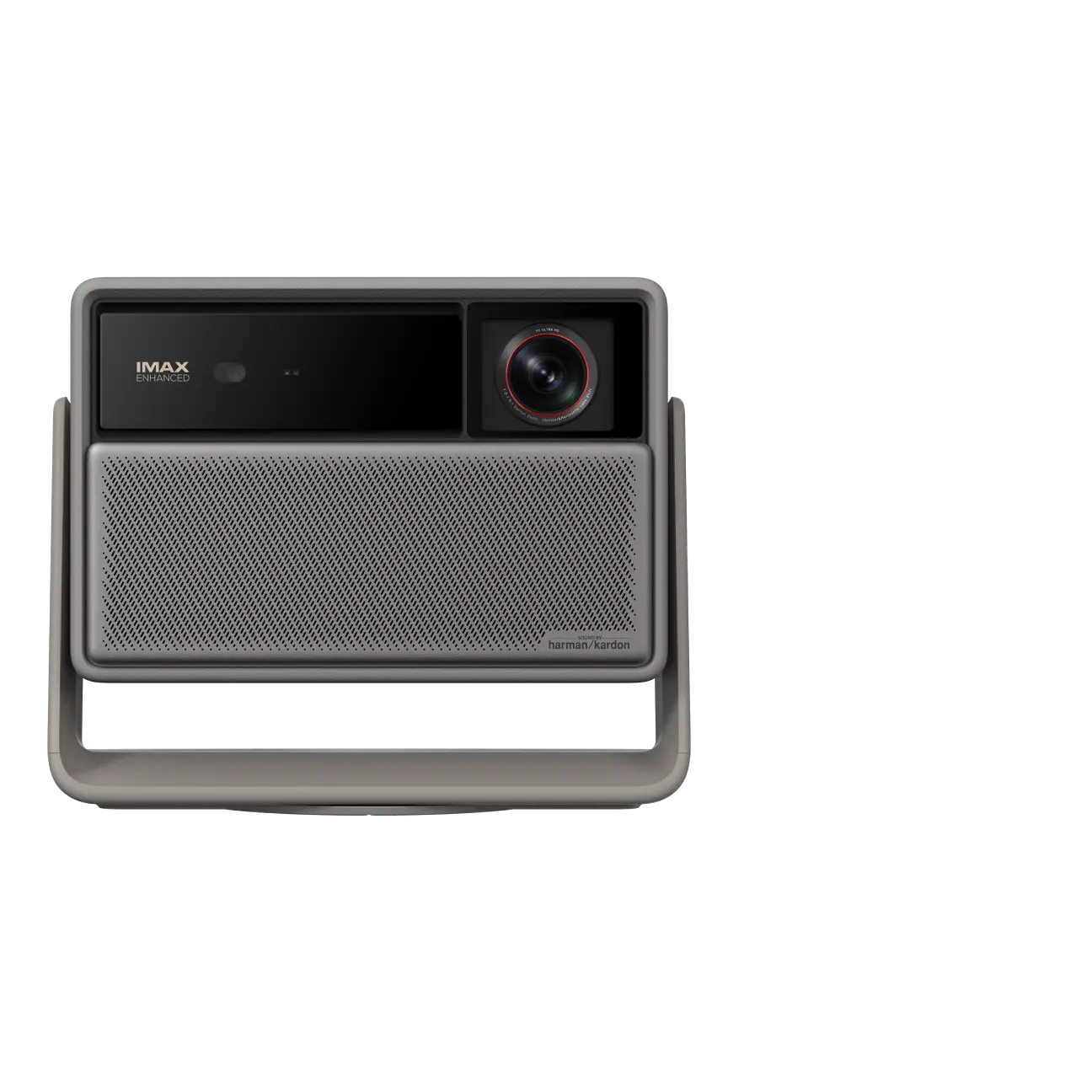
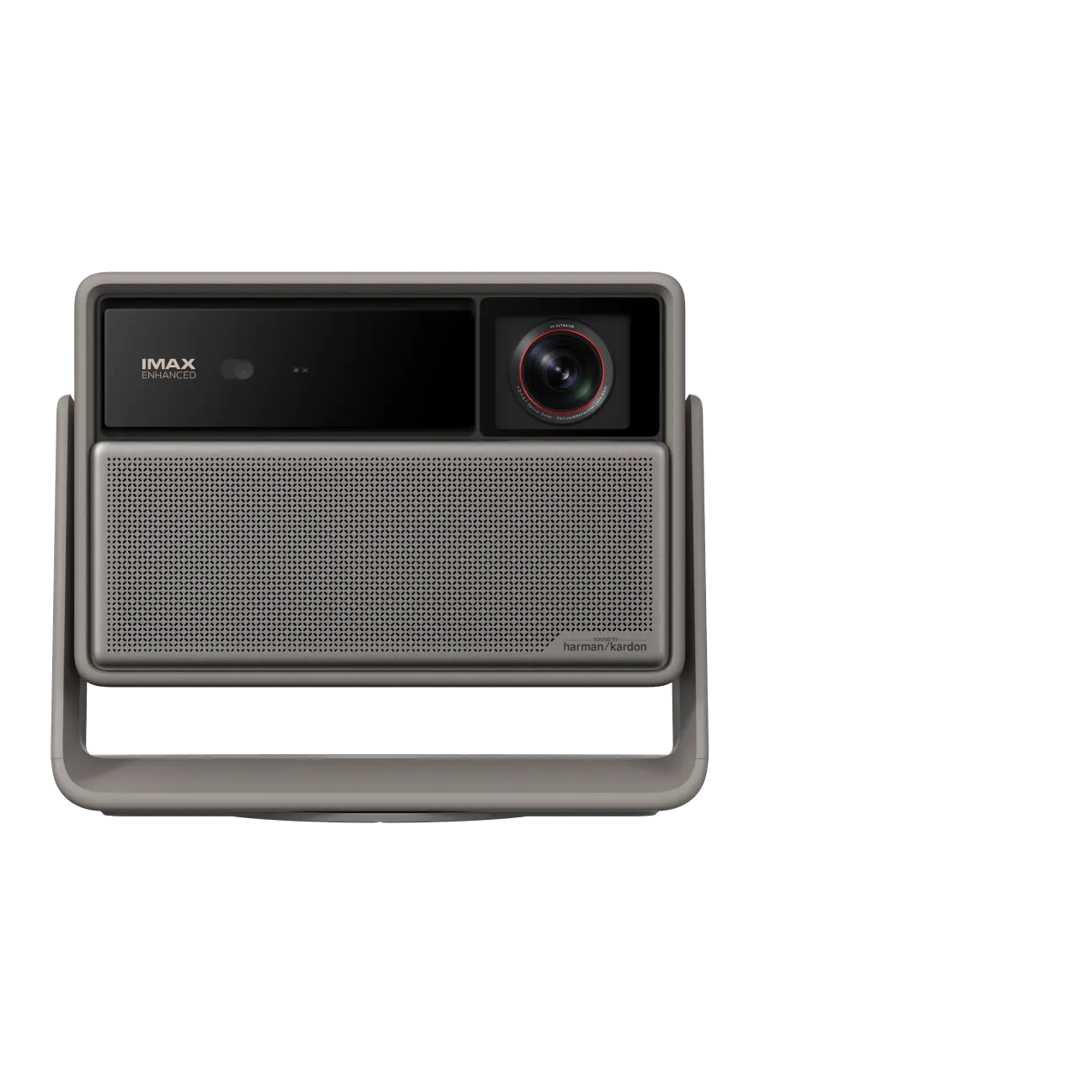



Calculating the right projection distance before buying a projector prevents one of the most common setup frustrations when switching from a TV. By understanding your room's available depth and the projector's throw ratio, you can confidently choose a model that delivers the desired screen size without distortion, misalignment, or the need for frequent adjustments. For more on this topic, see Understanding Projector Throw Distance: A Beginner's Calculation Guide.

The key is matching the projector's throw characteristics to your actual space. Ultra-short throw models work well in tight apartments, while standard throw projectors suit larger rooms with more flexibility. This guide provides the formulas, practical examples, and decision framework to help you plan accurately and reduce the risk of returns.
What Is Throw Ratio and Why Does It Matter?
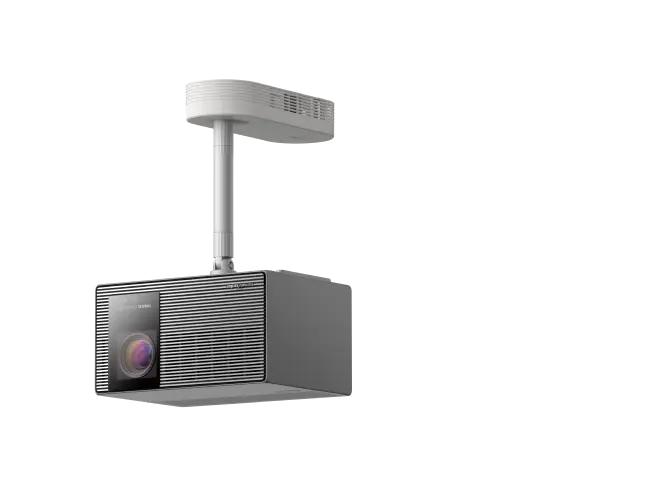
Throw ratio defines the relationship between the distance from the projector lens to the screen and the resulting image width. It is typically calculated as the projector-to-screen distance divided by the image width. This simple metric lets you solve for the required placement distance by multiplying your desired screen width by the projector's throw ratio. For more on this topic, see How to Calculate the Exact Ceiling Mount Distance for Your Throw Ra....
For example, a projector with a 1.2:1 throw ratio needs about 1.2 times the screen width in distance to produce a sharp image. Understanding this prevents buying a device that either cannot fit in your room or forces an uncomfortably small (or oversized) screen.
Many projector manuals and online calculators use this principle to estimate throw distance from a target screen size before installation. As this official audio/visual design guide explains, room depth must be checked against the projector's throw range before purchase or installation to ensure compatibility.

How to Calculate Optimal Projection Distance
Start by measuring two things: your desired screen size and the available distance from the intended projector position to the screen wall. Most home setups target a 100-inch diagonal screen, which has a width of approximately 87 inches (or 7.25 feet) in a 16:9 aspect ratio.
The basic formula is straightforward:
Projection Distance = Throw Ratio × Screen Width
If your projector has a throw ratio of 0.25:1 (common for ultra-short throw models), the distance needed for that 100-inch screen is roughly 1.8 feet. For a standard throw ratio of 1.5:1, you would need about 10.9 feet.
To work backward from your room, rearrange the formula:
Maximum Screen Width = Available Distance ÷ Throw Ratio
This approach helps you avoid image quality issues caused by incorrect placement. Correct projector orientation and setup matter because nonstandard installation can affect performance. Always verify both the desired image size and the projector throw distance before final placement, as noted in practical projection installation guidelines.
Throw Ratio Ranges: Ultra-Short, Short, and Standard Throw
Projectors fall into three main categories based on how much distance they require for the same image size. These differences make certain types better suited to specific room constraints.
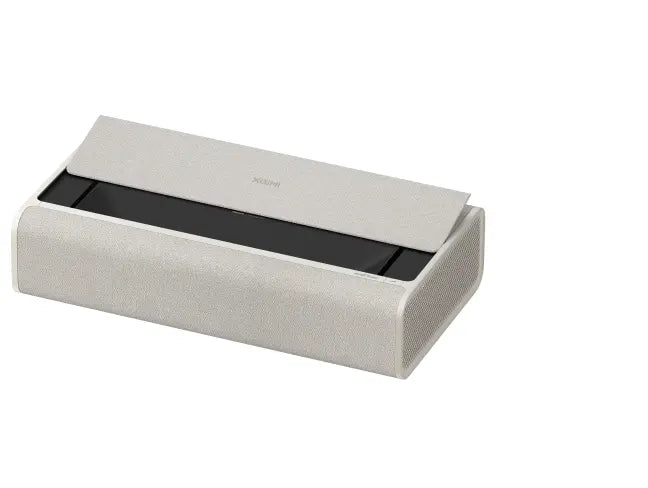
Ultra-short-throw projectors are designed to create a large image from a very short distance to the screen. Short-throw and standard-throw projectors mainly differ in how much distance they need to produce the same image size.
Here is an illustrative comparison for a 100-inch screen:
Illustrative Throw Distance for a 100-inch Screen by Projector Type and Room Fit
Heuristic comparison only; not a manufacturer calculator.
View chart data
| Category | Approx. distance (ft) |
|---|---|
| Ultra Short Throw | 0.5 |
| Short Throw | 3.5 |
| Standard Throw | 10 |
| Small apartment | 0 |
| Medium living room | 0 |
| Large theater | 0 |
Heuristic/illustrative values based on common industry conventions and the provided threshold-style room-fit framing: UST roughly near-wall placement, short throw a few feet, standard throw around 10 feet for a 100-inch image. Room-fit labels are qualitative rather than measured clearances.
These values are heuristic and illustrative. Exact distances vary by model, zoom capabilities, and whether the ratio refers to the center of the image. Always consult the specific projector's specifications.
Matching Projector Types to Room Sizes
Your room layout largely determines which throw type delivers the most practical experience. The main flip occurs based on available depth rather than image quality alone.
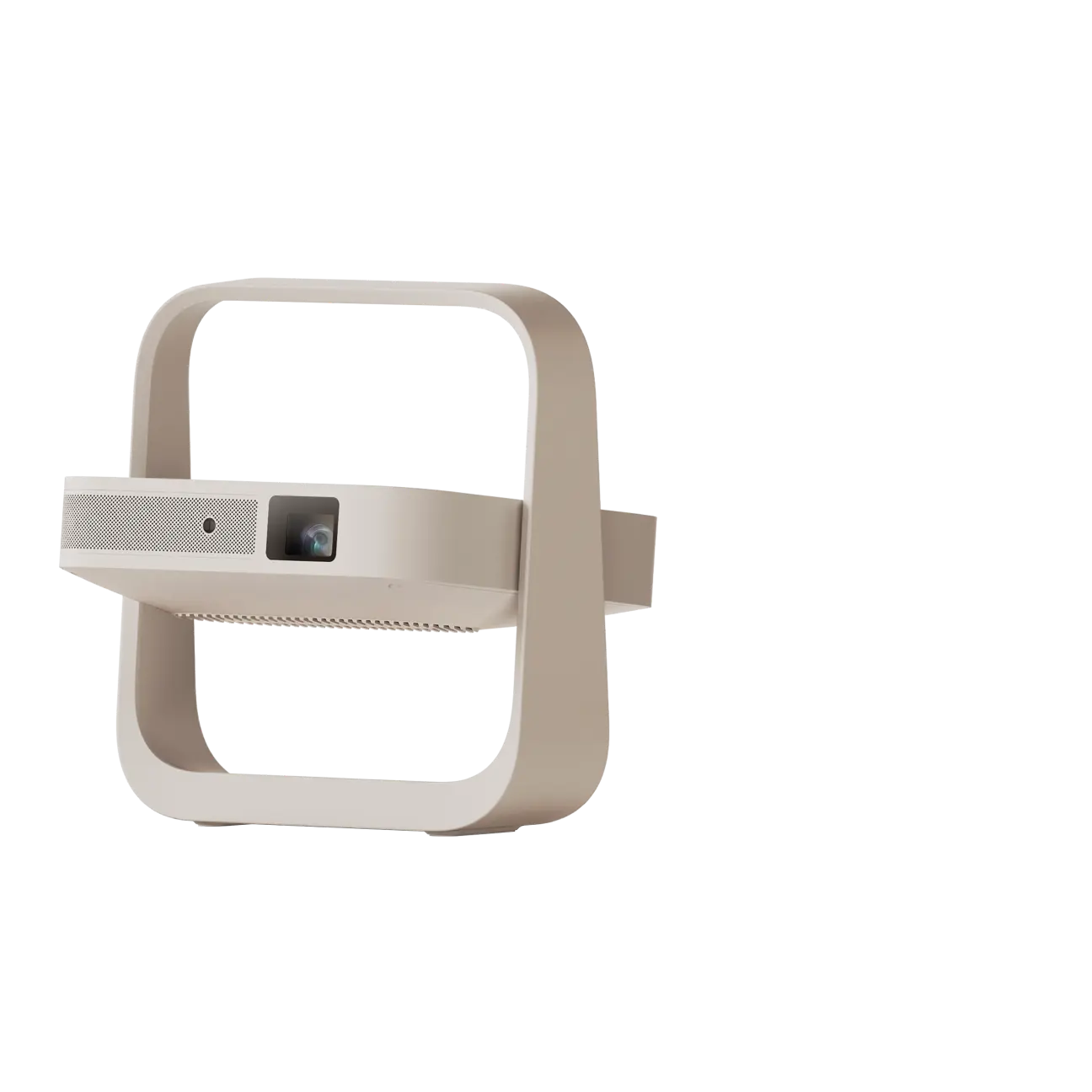
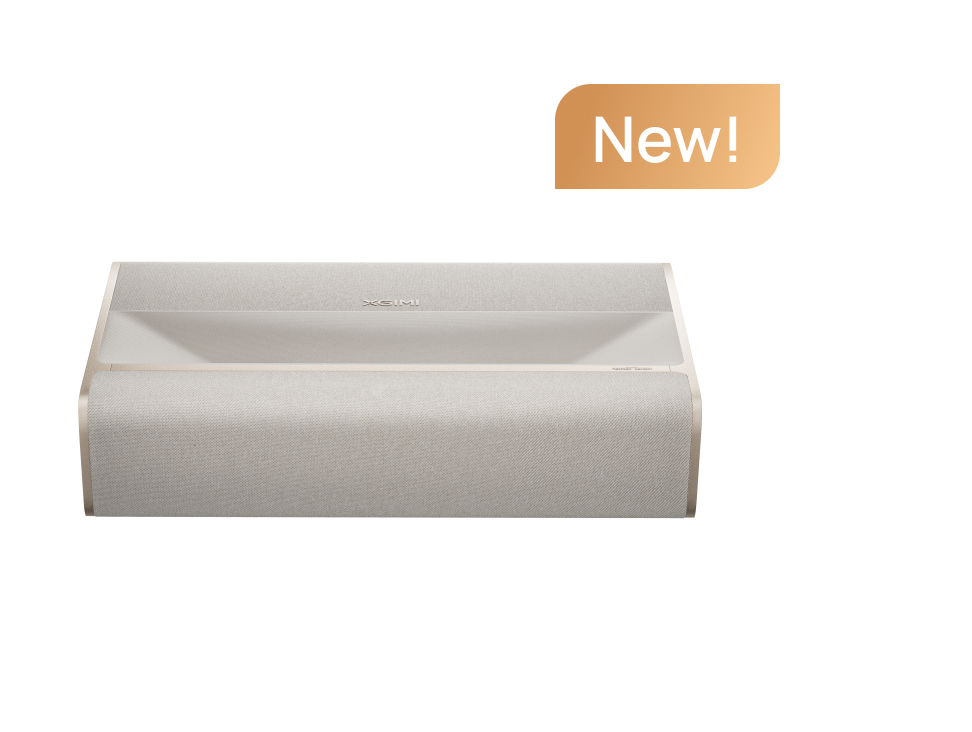
Small apartments (limited depth, often under 6-8 feet to the wall): Ultra-short throw or short throw projectors minimize setup friction. Placing a standard throw model may require positioning it too far back, interfering with furniture or seating. Consider XGIMI's Ultra Short Throw Projectors collection for these spaces, such as the AURA 2 which can deliver a 100-inch image from just inches away from the wall.
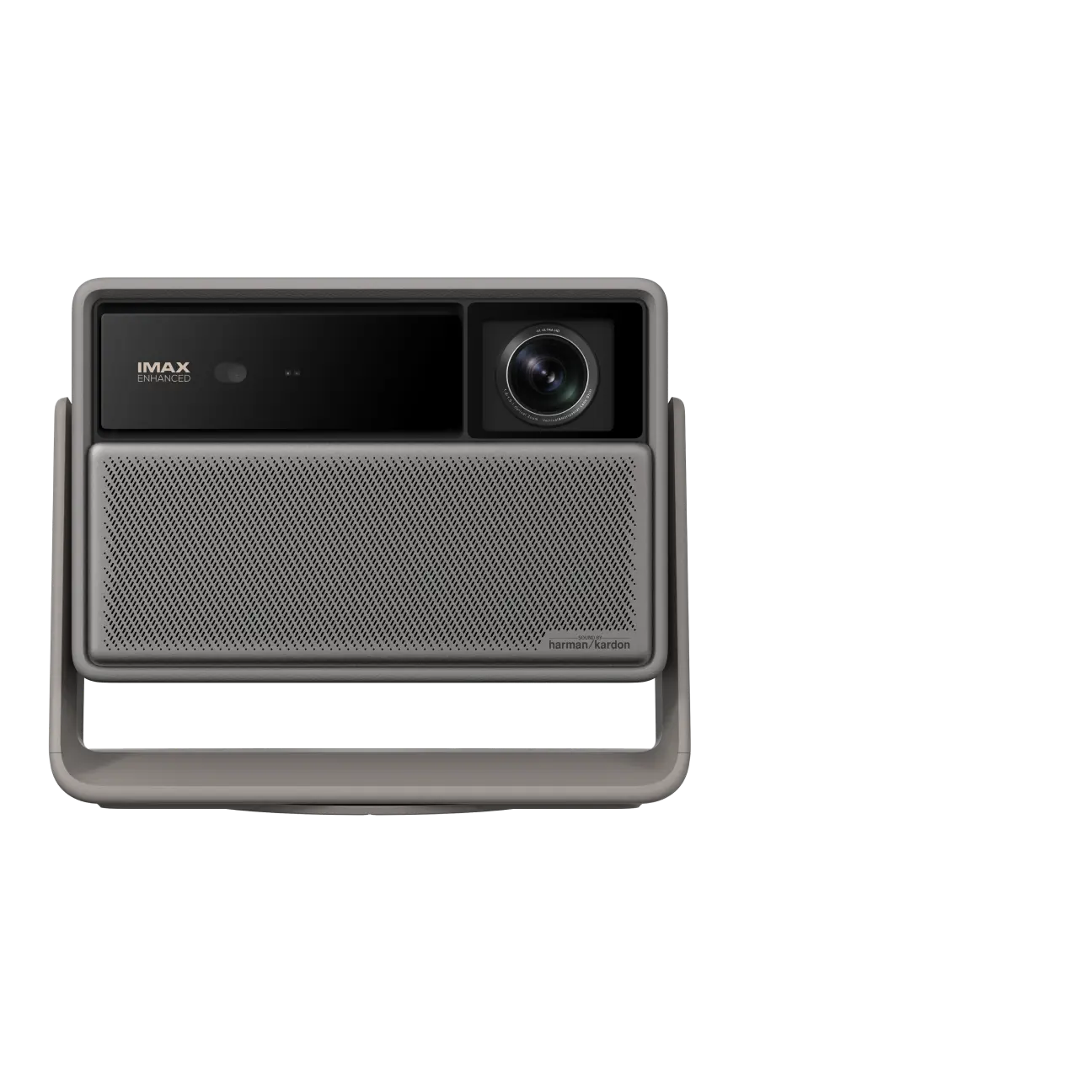
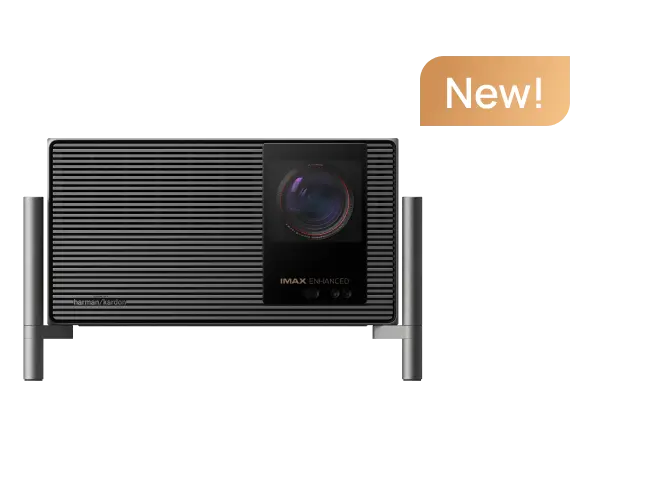
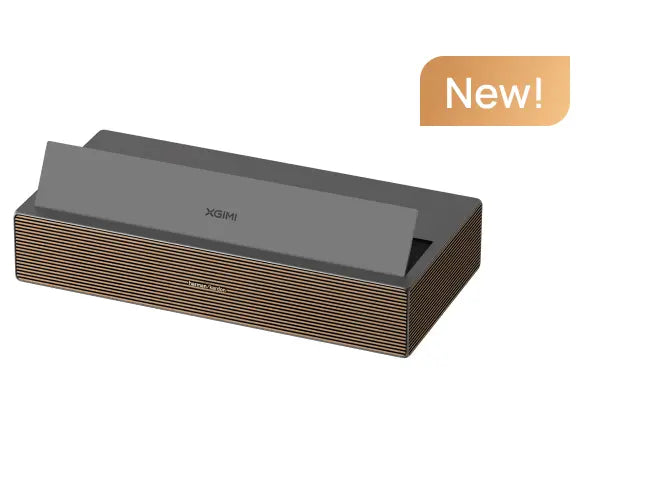
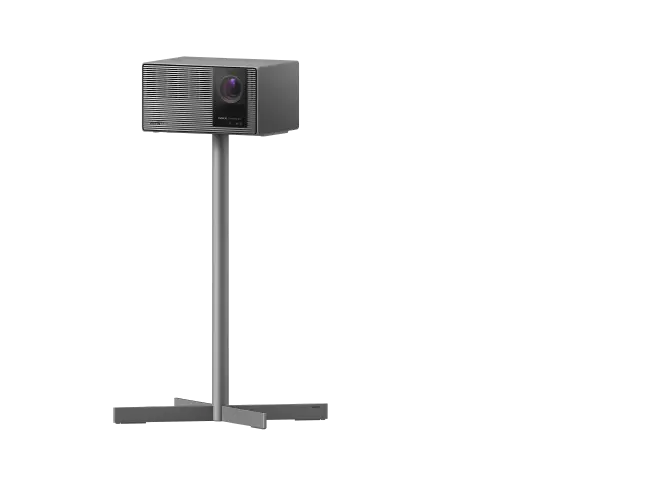
Medium living rooms (moderate depth with furniture): Short throw models often provide the best balance. They allow larger screens without demanding excessive distance or ceiling mounts. XGIMI HORIZON Series projectors, like the HORIZON Ultra, work well here with their flexible placement and Intelligent Screen Adaption technology that automatically corrects alignment.
Dedicated home theaters or large rooms: Standard throw projectors become easier to use when depth is plentiful. You can achieve excellent results without the precise positioning requirements of ultra-short throw models. Check the Home Projectors collection for options suited to spacious setups.
Projection screen size should be sized appropriately to the room and checked against the projector’s throw range. Institutional AV guidance often uses room-based rules of thumb to estimate screen size, but the exact result still depends on the projector’s lens and the room layout.
Practical Checklist: How to Choose and Verify Before Buying
Use this step-by-step process to reduce uncertainty:
- Measure the distance from your preferred projector position (table, shelf, or mount) to the screen wall.
- Decide on your target screen size (100 inches is popular for most living rooms).
- Look up the projector's throw ratio in its specifications.
- Calculate the required distance using the formula above and compare it to your measurement.
- Test for obstructions, seating distance, and ambient light that might affect the final experience.
Before buying, measure the room depth from the planned lens position to the screen wall and confirm it falls within the projector’s throw range. The right projector is the one whose lens throw range matches both the available room depth and the screen size you want.
For small apartment setups, additional considerations like renter-friendly mounting and light control become important. Our guide on things to know when using a projector for small apartment provides practical tips.
Common Mistakes to Avoid
Do not choose a screen size in isolation from your room's actual throw distance and seating position. A screen that is too large for the available distance often forces the projector into awkward placement, leading to keystone distortion or reduced sharpness.
Avoid assuming all projectors in a category perform identically—zoom lenses and Intelligent Screen Adaption features can expand usable ranges. Frequent room rearrangement or movable furniture increases risk with ultra-short throw models that require fixed positioning.
Do not buy a UST projector if the screen wall and cabinet relationship cannot stay fixed, or a standard throw model if your room depth is marginal for the desired image size. These mismatches often lead to repeated adjustments and potential returns.
For comprehensive setup advice, review our all things about home projector setup resource.
XGIMI Solutions for Different Spaces
XGIMI designs projectors with ease of setup in mind across throw types. The AURA 2 ultra-short throw laser projector excels in compact spaces, projecting up to 150 inches from close range while incorporating advanced features like Dolby Vision and automatic keystone correction.
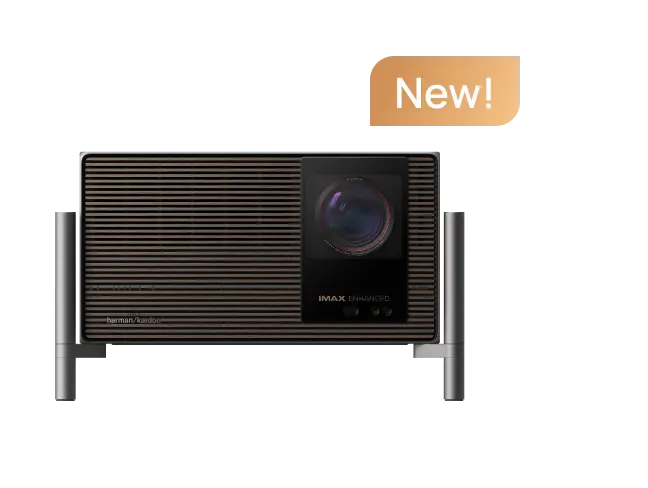
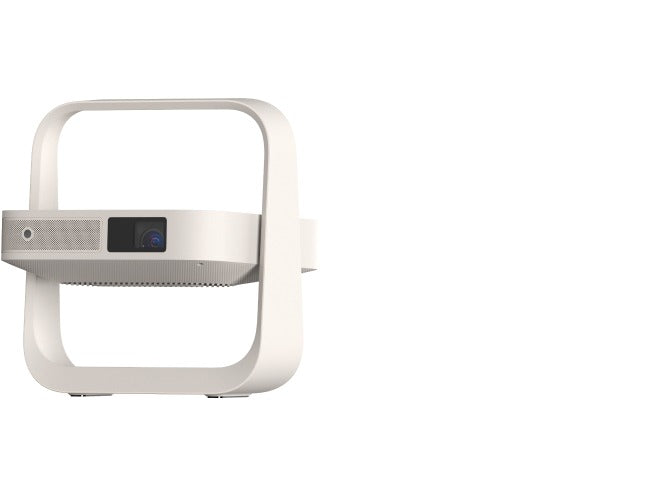
The HORIZON series offers versatile standard and short throw performance for living rooms and home theaters. Models like HORIZON Ultra deliver bright, sharp images with Harman Kardon audio and smart features that simplify placement in medium to large rooms.
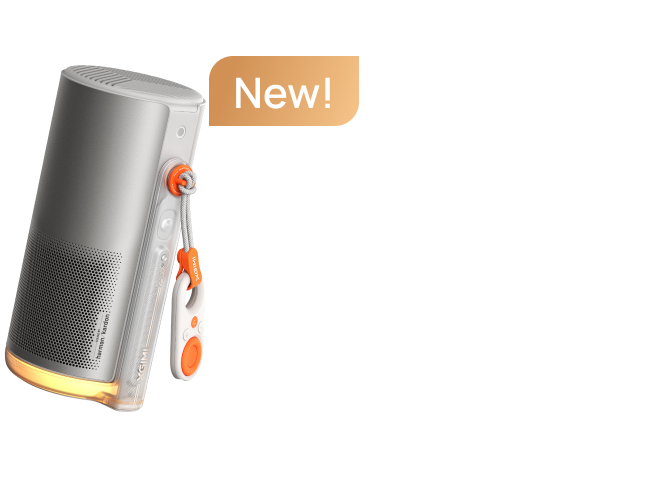
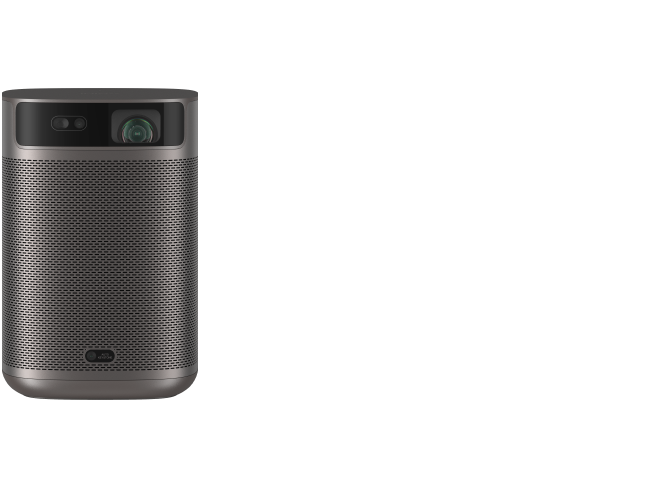
Portable options in the MoGo series provide flexibility for temporary setups where exact distance calculations may vary. Explore the full 4K Projectors lineup to find the model matching your calculated requirements.
Final Tips for a Friction-Free Setup
Take accurate measurements of your room before purchasing. Factor in not just distance but also height, viewing angle, and how the projector integrates with existing furniture. Many buyers regret oversized screens that dominate small rooms or undersized images in large spaces.
Consider testing with temporary setups or manufacturer throw calculators. Combining proper calculation with features like automatic screen adaptation greatly reduces installation headaches.
This article discusses setup and comfort considerations for home projectors. It does not constitute technical installation advice or guarantee specific performance in every environment. For persistent setup challenges or existing equipment issues, consult a professional installer or the manufacturer’s support resources.
By applying these calculation methods and scenario checks, you can select a projector that fits your space perfectly and enjoy a cinematic experience without the common pitfalls of incorrect projection distance.


