
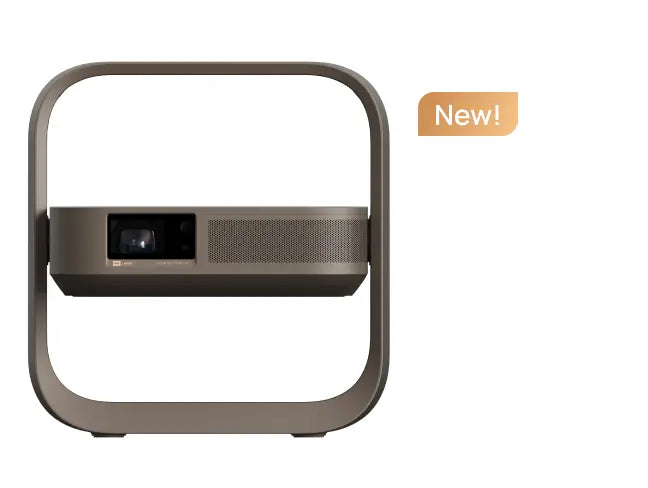
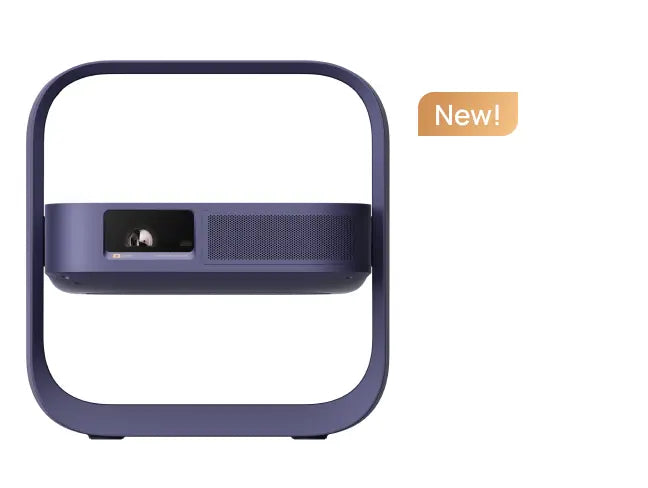
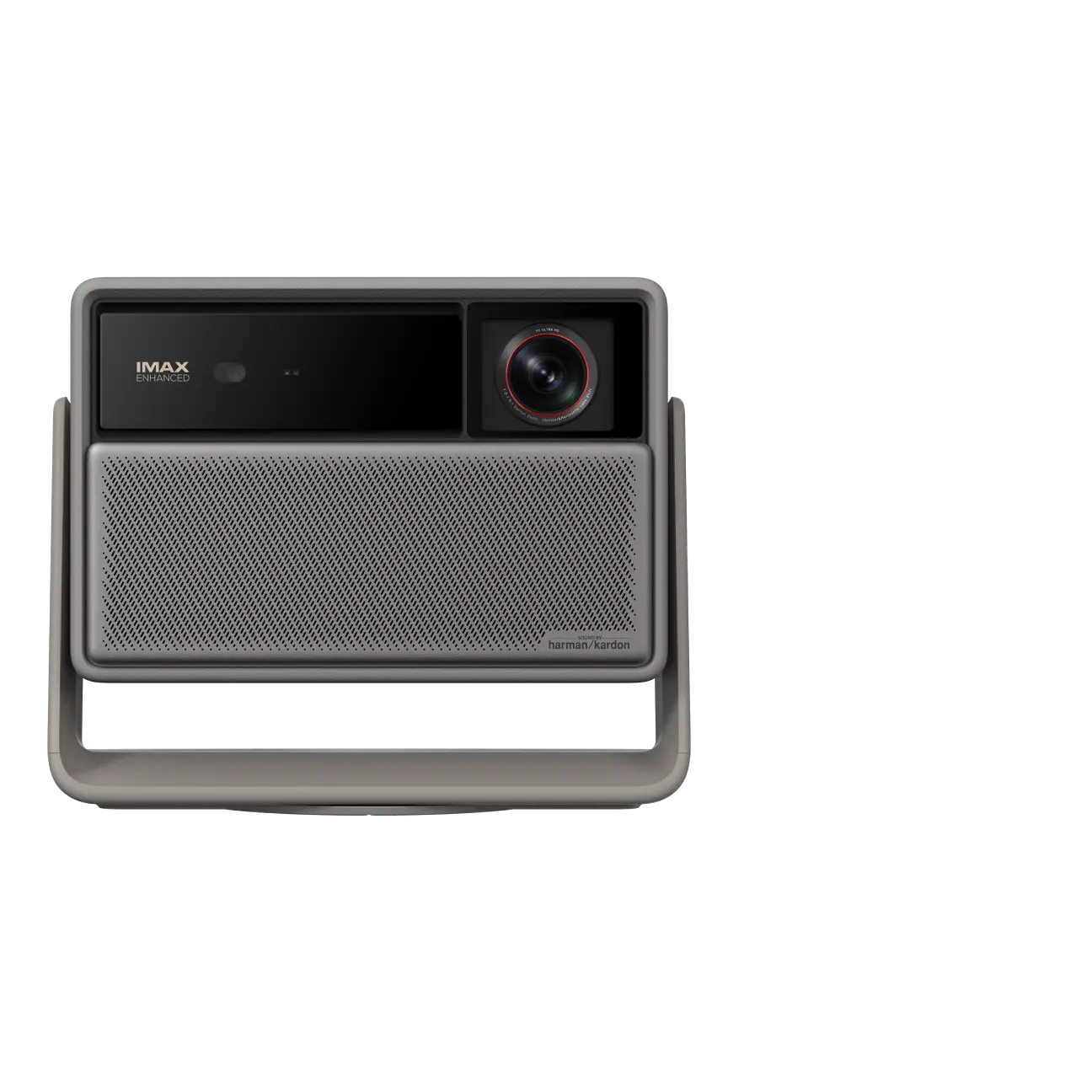
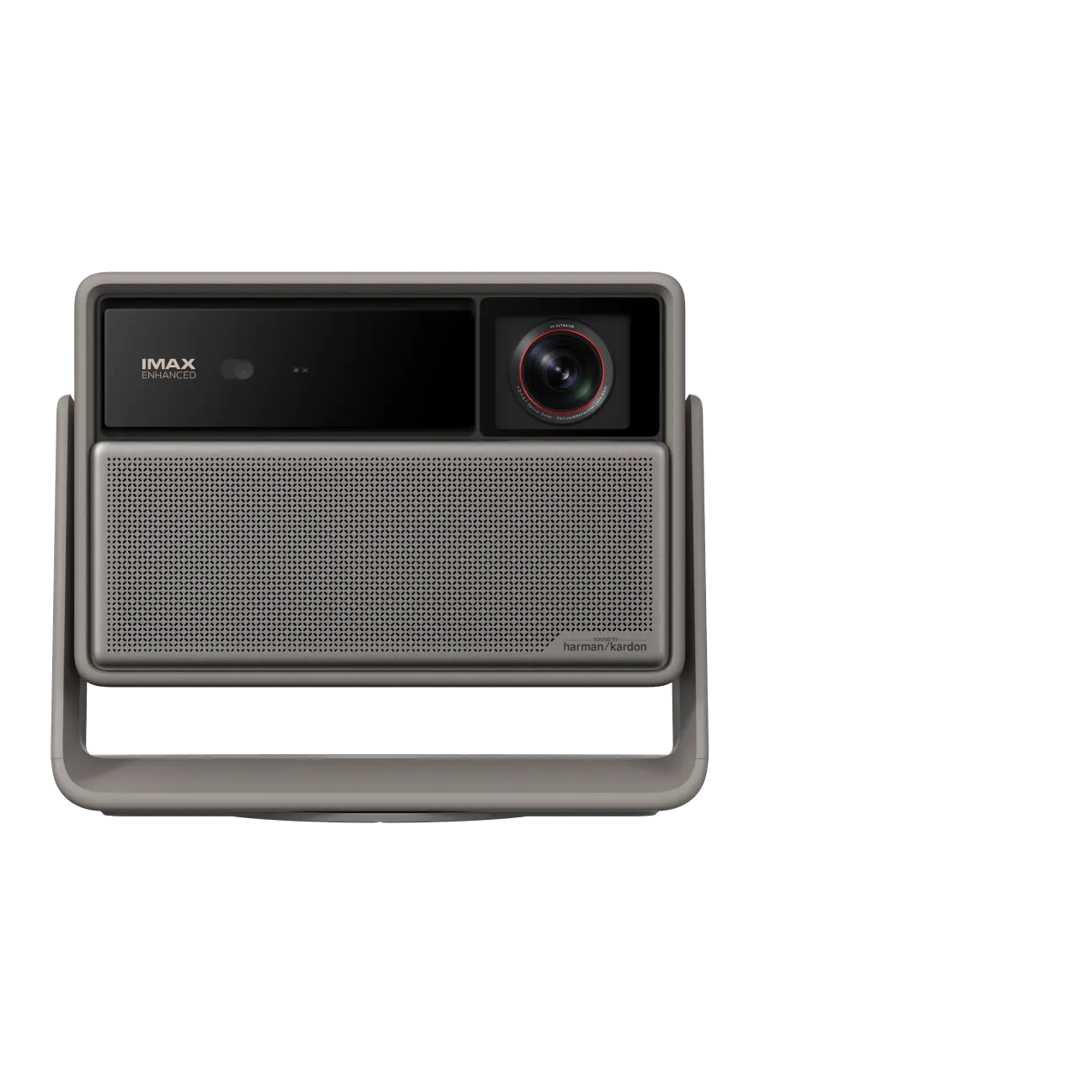
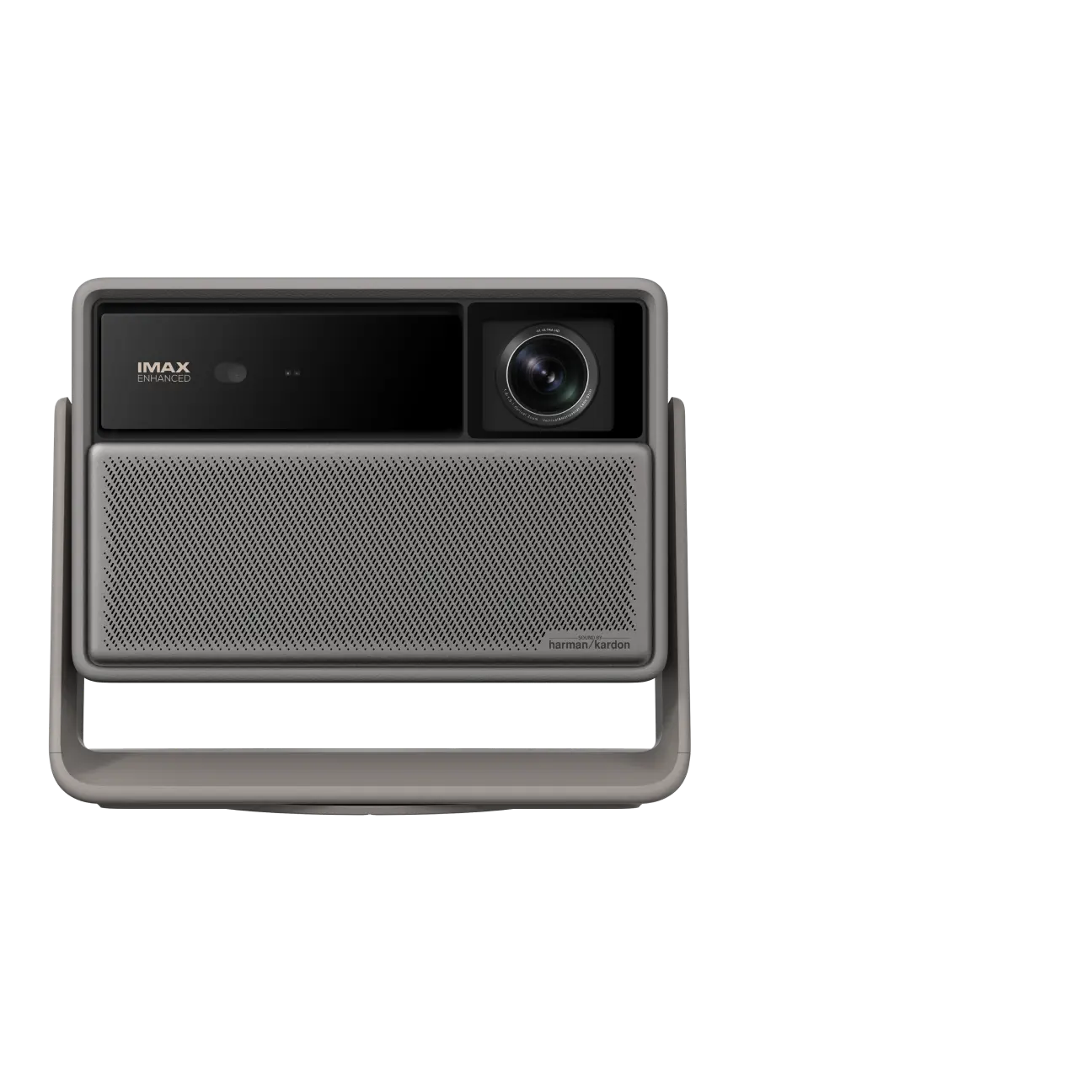
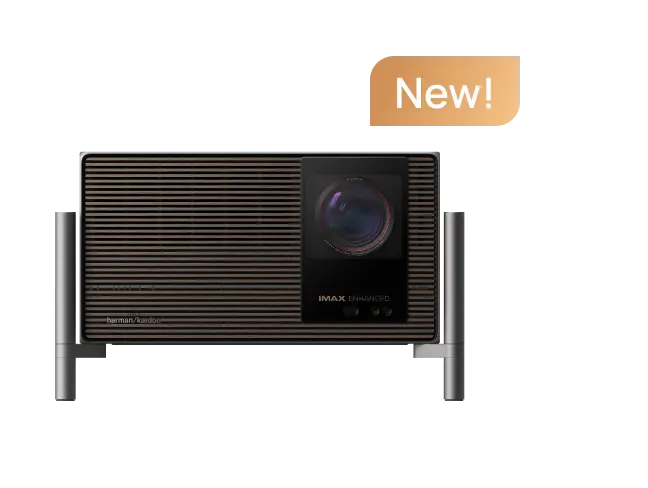
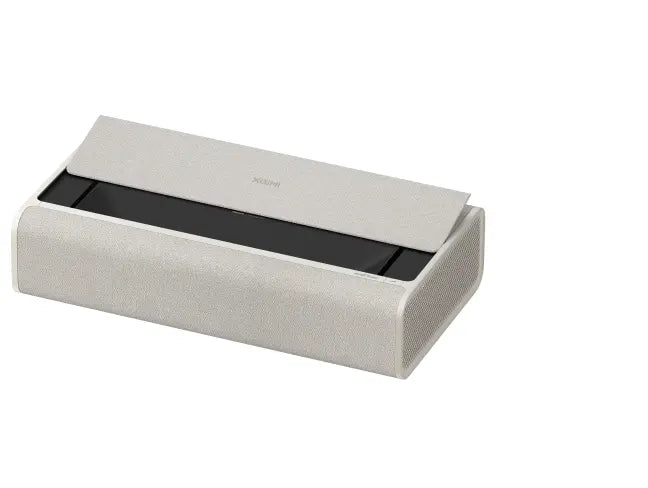
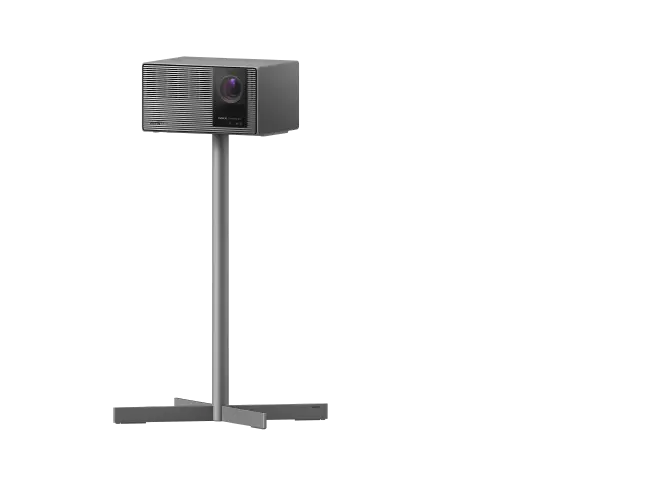
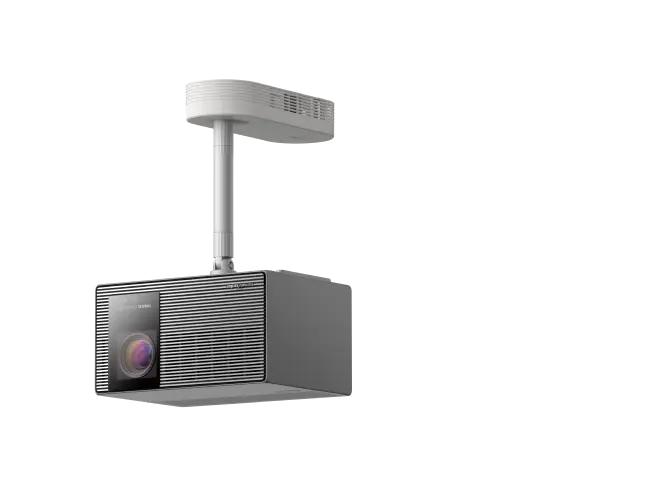




Using books or random household items to prop up a tilted projector might seem like a quick fix, but it often leads to an unstable setup that can shift during use, block airflow, or even risk damaging your device. The better approach is to start with physical leveling using your projector's built-in adjustable feet or a purpose-designed stand, then apply digital keystone correction only for minor cleanup. This delivers a sharper, distortion-free image while keeping your projector safe and steady on uneven surfaces like desks, coffee tables, or shelves.
Why Physical Leveling Beats Improvised Fixes
Placing a projector on an uneven surface typically causes the projected image to appear trapezoidal or tilted. Many users reach for books or shims out of convenience, yet this creates hidden problems. As installation best practices recommend, projectors should rest on a stable, level surface whenever possible rather than improvised supports that can slip or vibrate.
Improvised stacks may seem harmless at first, but they frequently transmit room vibrations, slowly shift as the projector warms up, or block essential ventilation underneath. Over time, this can lead to overheating, unexpected shutdowns, or the need to readjust the image constantly. Physical leveling with the projector's own hardware addresses the root cause instead of masking it. For more on this topic, see How to Stabilize a Floor-Placed Projector to Prevent Vibration and .... For more on this topic, see How to Choose a Projector for Your Space: Room-by-Room Guide.
Understanding Physical Leveling vs. Keystone Correction
Before adjusting anything, determine whether the issue stems from the projector's physical position or can be fixed digitally. Physical leveling means making the projector chassis itself sit evenly so the lens points straight at the screen or wall. Keystone correction, on the other hand, reshapes the image digitally after the fact.
As explained in keystone correction guides, digital keystone can square up a slightly distorted image, but it does not physically stabilize the projector or eliminate the risks of an unsteady base. Relying on keystone alone often reduces effective resolution and brightness in the corrected areas. The recommended sequence is clear: correct the projector's physical position first, then use keystone only for minor cleanup, according to manufacturer setup instructions.
Common Myths About Leveling Projectors
Several misconceptions lead users to suboptimal setups. One widespread myth is that "keystone can fix any bad placement." In reality, while keystone can compensate optically, it cannot replace proper physical leveling and may leave you with softer image quality or an unstable device.
Another myth claims "any flat stack works if the picture looks straight." The truth is that improvised supports like books can introduce movement, misalignment over time, and ventilation problems. A straight-looking image does not guarantee the setup is reliable, especially during longer viewing sessions or when the projector vibrates from sound systems.
Finally, some believe "if the surface is uneven, only the picture matters." Yet physical stability still affects long-term performance, heat management, and how often you need to readjust. Checking the surface for level is a key part of proper placement.
When to Use Adjustable Feet vs. a Dedicated Stand
Your choice depends on the surface and how you use the projector. Built-in adjustable feet work well for small corrections on mostly stable surfaces. Dedicated stands become preferable when the surface has significant unevenness, you reposition the projector often, or feet alone leave wobble or clearance issues.
Here is a practical guidance chart comparing fit levels across common scenarios. These are illustrative scores based on setup best practices: higher values indicate better suitability for that situation. For more on this topic, see Are Projectors Better for Your Eyes? Science-Based Answer.
Practical Guidance: Adjustable Feet vs. Dedicated Projector Stand
Practical guidance, not a measured comparison. Higher scores mean a better fit for leveling on that scenario.
View chart data
| Category | Built-in adjustable feet | Dedicated projector stand |
|---|---|---|
| Stable desk or shelf, minor tilt | 5 | 1 |
| Stable desk or shelf, noticeable tilt | 4 | 2 |
| Uneven or wobbly surface | 1 | 5 |
| Frequent repositioning or travel | 2 | 5 |
| Height/clearance issue or vent blockage risk | 1 | 5 |
Synthesized practical guidance from setup best practices: use built-in adjustable feet for minor leveling on a stable surface when all feet remain supported and ventilation stays clear; use a dedicated projector stand when the surface is uneven or wobbly, the projector moves often, height needs change, or feet-leveling would cause wobble or block vents. Heuristic/illustrative fit levels only; not measured performance.
This chart helps visualize that built-in feet excel on stable surfaces with minor tilt, while stands provide superior stability on challenging surfaces or for mobile use.

Step-by-Step: How to Level Your Projector Using Adjustable Feet
Follow these steps for a stable setup on most desks, tables, or shelves.
-
Place the projector on the surface and check stability. Ensure all feet make solid contact. If one side lifts noticeably, note the tilt direction. Check the surface itself for level using a simple app or bubble level on your phone.
-
Adjust the feet. Most projectors, including XGIMI models, have one or more adjustable rear or front feet. Turn the knobs or levers to raise or lower each corner until the chassis sits evenly. The HORIZON Pro User Manual provides model-specific guidance on these controls.
-
Verify the image. Power on the projector and display a test pattern or grid. The image should appear rectangular without obvious trapezoidal distortion. Make small foot adjustments as needed while the projector is on, but avoid touching hot surfaces.
-
Fine-tune with keystone if necessary. If a slight tilt remains, engage auto or manual keystone through the projector's menu. Remember to use this sparingly after physical leveling.
-
Confirm ventilation and stability. Ensure at least the manufacturer's recommended clearance around air intakes and exhausts. Gently shake the table or walk nearby to test for wobble. The setup should remain steady.

When to Choose a Projector Stand Instead
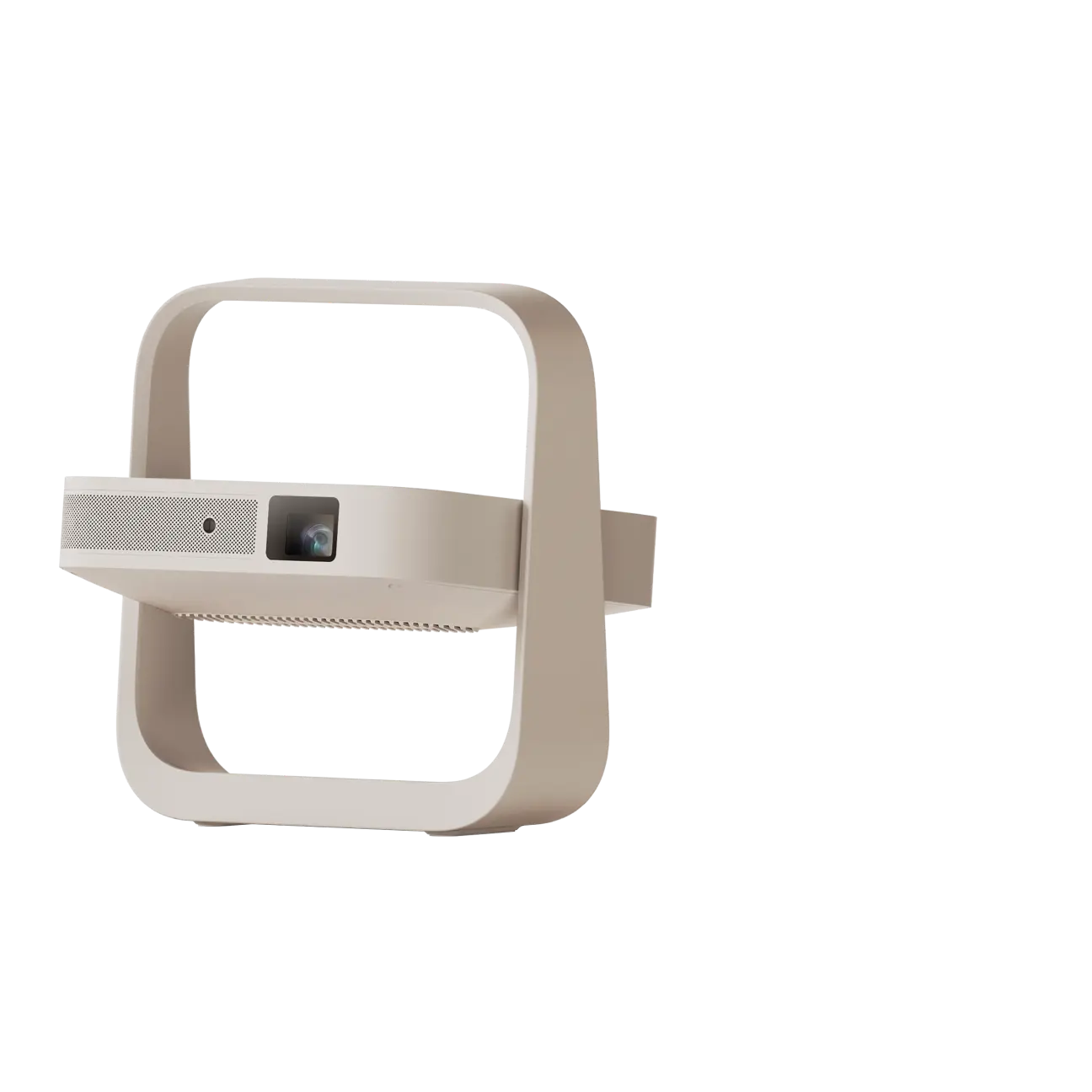
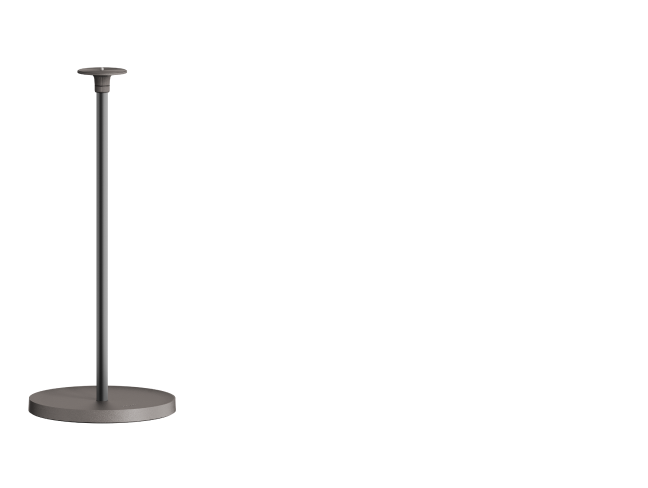
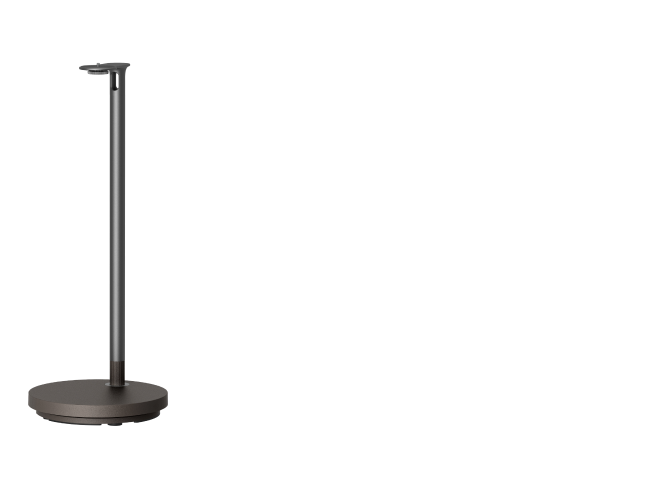
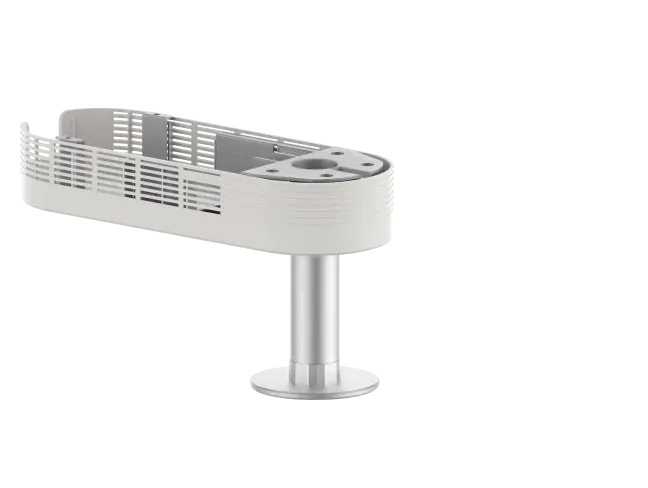
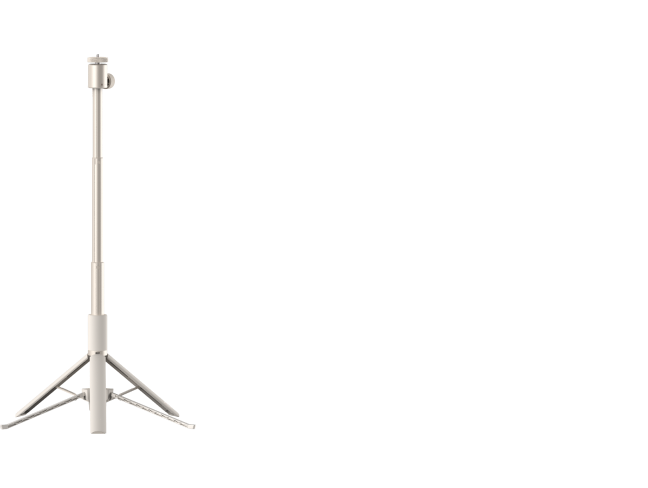
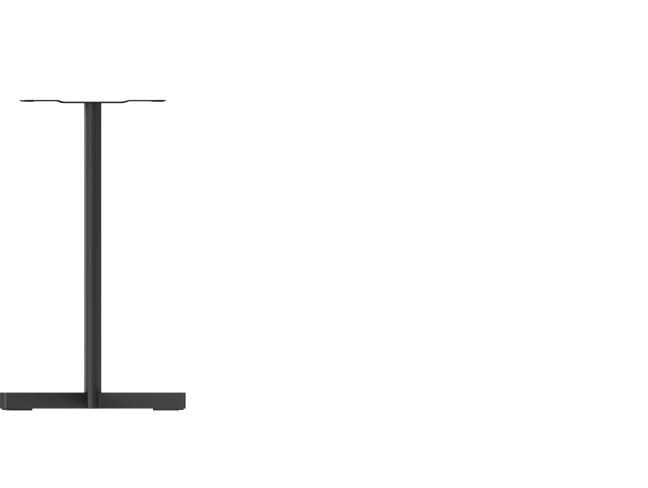
If adjustable feet cannot fully resolve the tilt without wobble or if the surface is too irregular, consider a dedicated stand. Stands raise the projector, provide a stable base, and often allow precise angle adjustments without relying on the surface.
For example, the X-Desktop Stand Pro offers tilt and rotation for fine control on desks, while the Multi-Angle Stand suits varied angles. For more permanent or floor-based setups, explore XGIMI Floor Stand Ultra options. Browse the full Stands collection to match your needs.
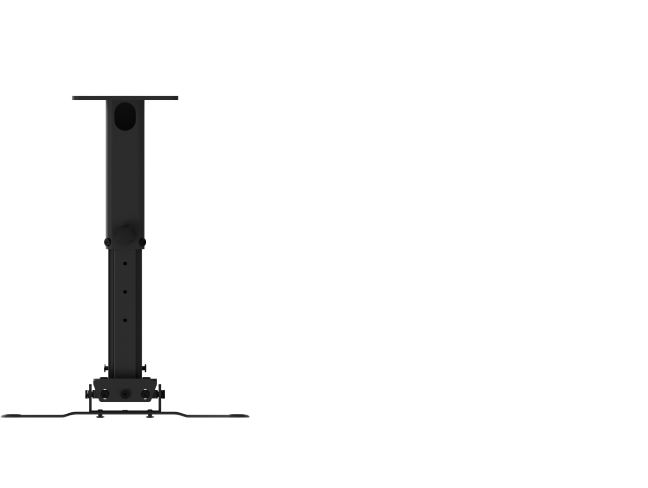
This aligns with guidance comparing placement methods, such as in our article on Ceiling Mount vs. Shelf Placement which discusses stability factors.
Additional Tips for Stable, Long-Term Setups
- Check surface level first. Use a phone level app before assuming the projector is the problem.
- Maintain clearance. Never block vents, even after raising with feet or stands. Poor ventilation can cause overheating, as noted in AV equipment performance guides.
- Test for vibration. Play audio at normal volume and observe if the image stays steady.
- Re-check after warm-up. Projectors expand slightly when hot; make final adjustments after 10-15 minutes of use.
- Consider room conditions. In apartments or dorms, temporary surfaces may benefit from non-slip pads under the feet or stand for extra grip.
For broader setup advice, review our guide on Setting Up Your XGIMI Projector or Smart Projector Setup Features.
Safety and Setup Disclaimer
This article provides comfort and setup guidance for achieving a stable, level projector placement. It does not constitute technical, electrical, or installation advice. Improper placement can still lead to overheating or instability. If you experience persistent alignment issues, overheating, or have specific eye or viewing concerns, consult the user manual for your model or a qualified professional. Always prioritize manufacturer-recommended clearances and stable surfaces.
By focusing on physical leveling first and avoiding unstable improvised solutions, you can enjoy a crisp, rectangular image without the hassle or risks of stacking books. Whether using built-in feet for quick desk setups or adding a stand for challenging surfaces, the key is stability, ventilation, and minimal reliance on digital correction.


