



The Short Answer for RV Nomads: What Actually Works
A portable projector can be a reliable entertainment hub in an RV or campervan — but only if you solve three problems in the right order: power first, then mounting, then surface. Skip any step and you'll end up with a flickering image, a tripped inverter, or a blurry mess on a textured fiberglass wall.
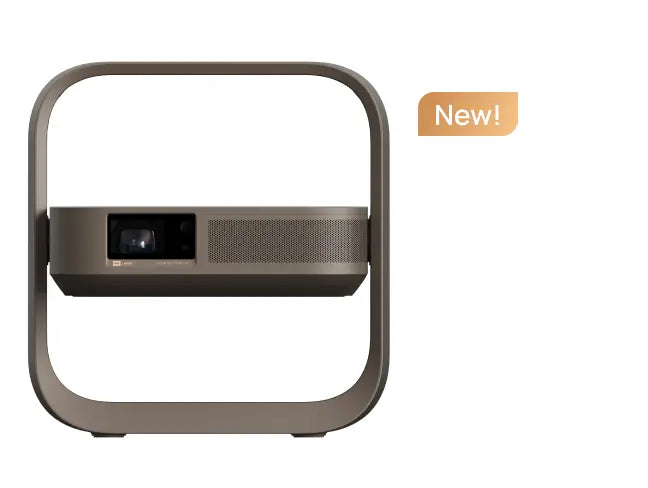
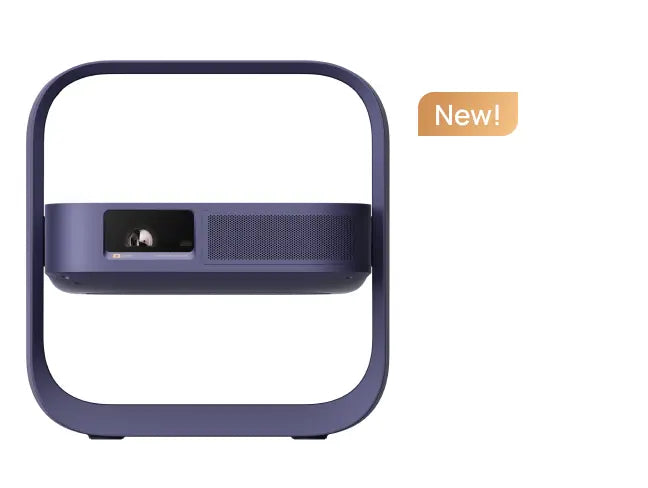
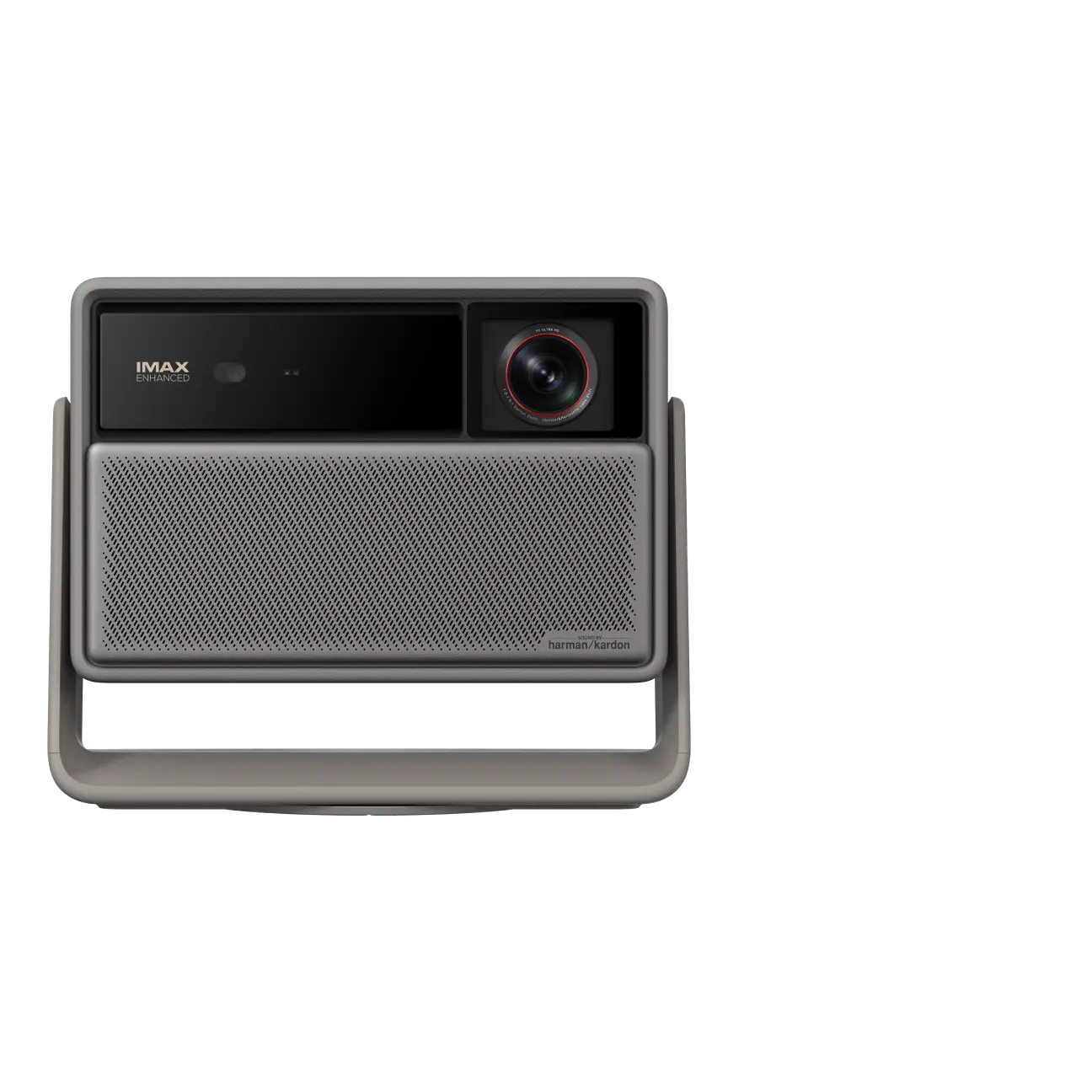
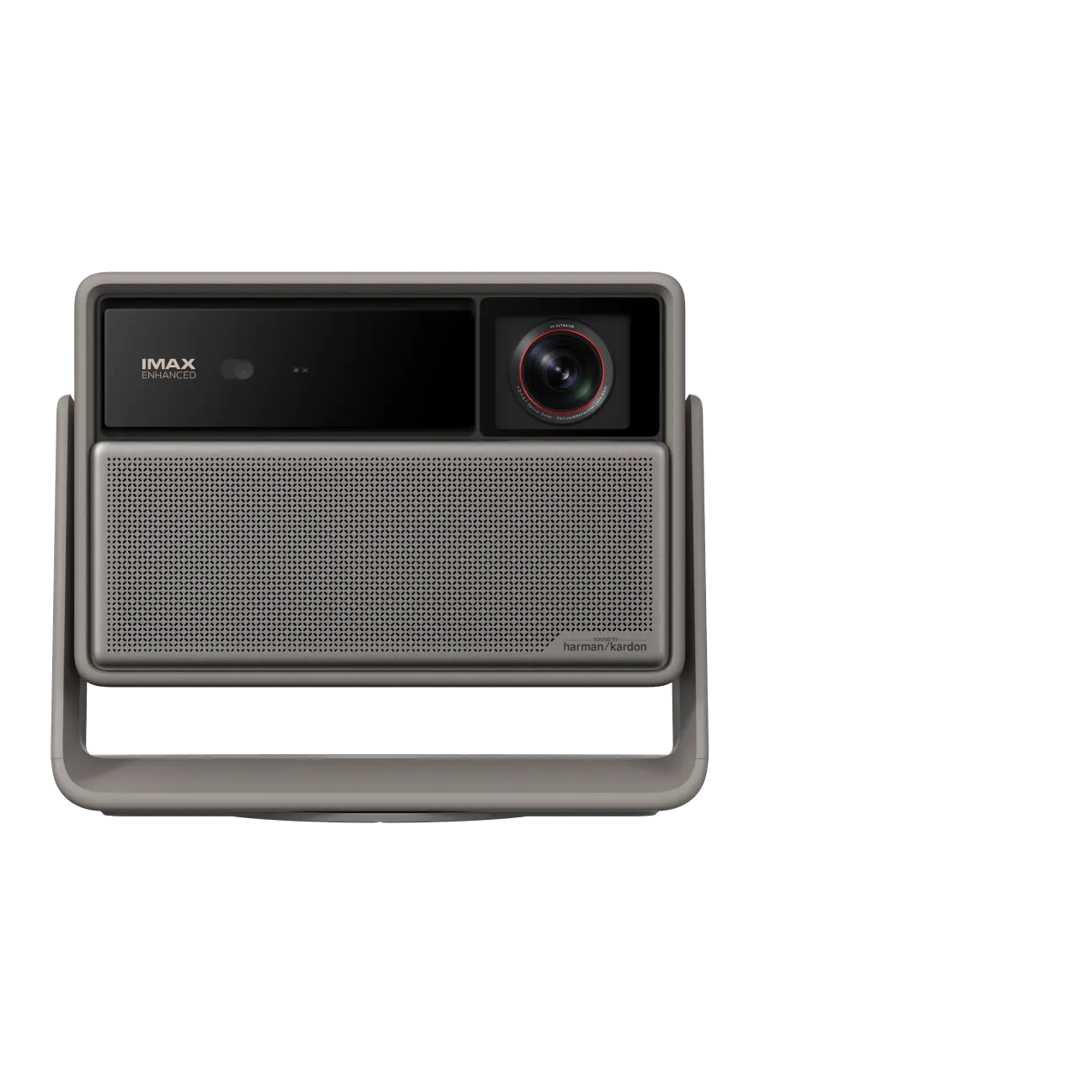
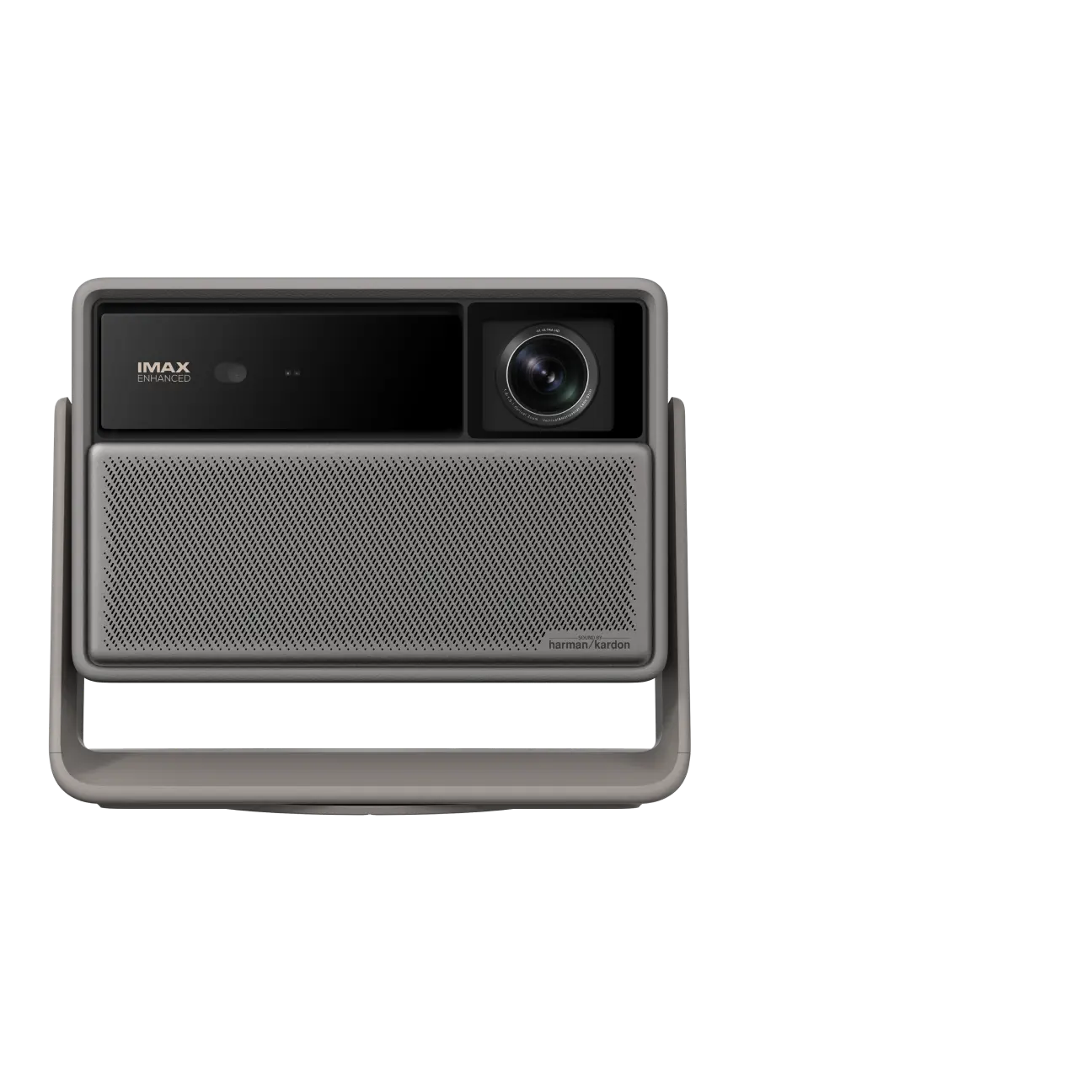
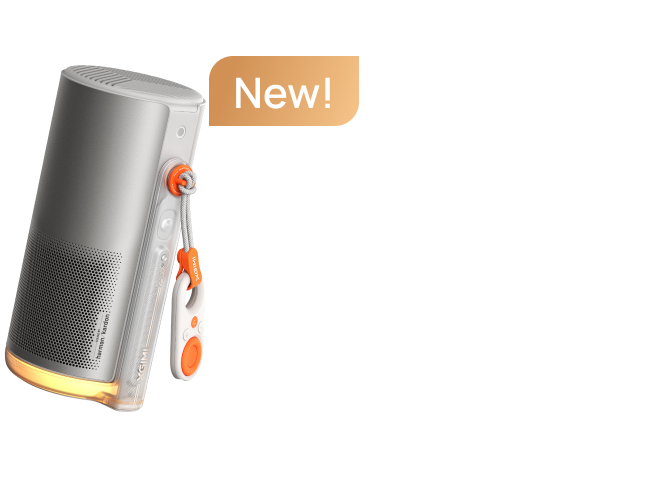
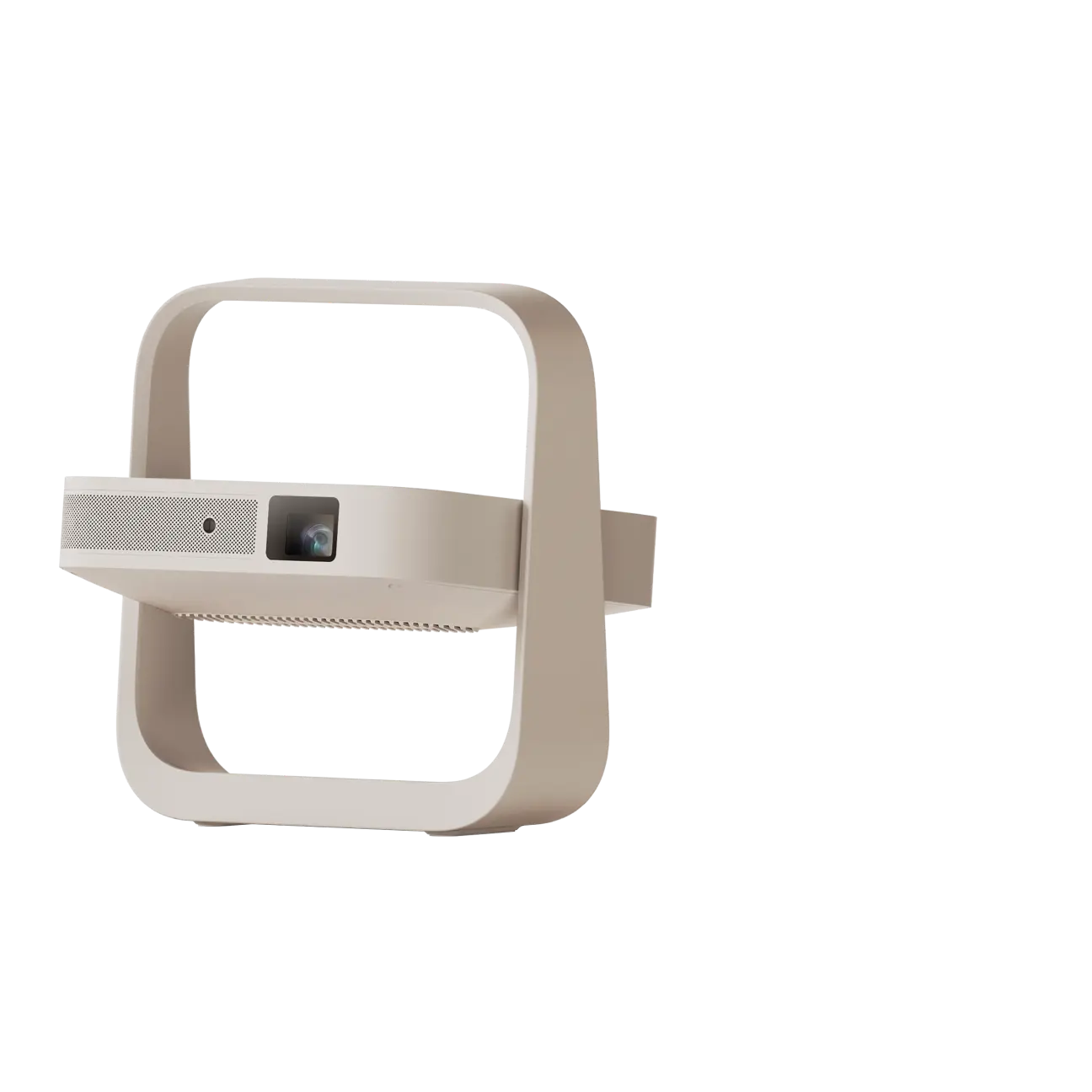
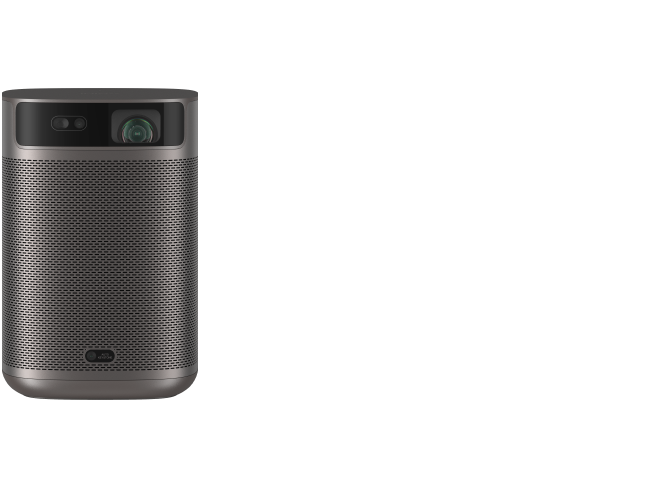
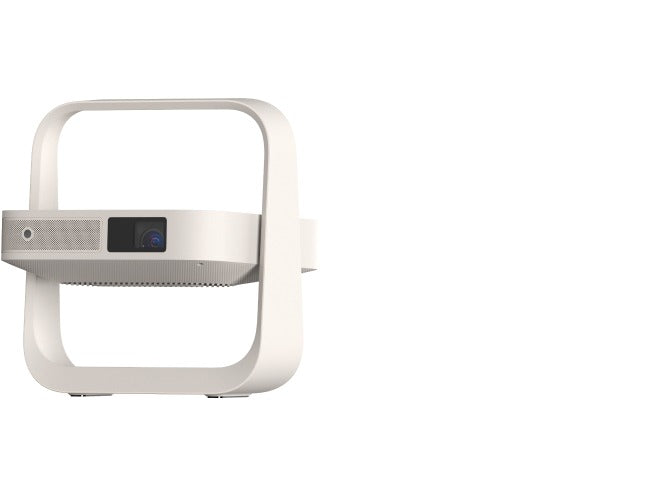
For most nomads, the XGIMI Halo+ (700 lumens, 59.45Wh built-in battery, 2.5-hour playtime on Google TV) and the XGIMI MoGo 4 Laser (550 lumens, RGB triple laser, 2.5-hour Eco mode) are the two purpose-built options for mobile living. Both run on built-in batteries, both support ISA auto-correction up to 40° vertical and 30° horizontal, and both weigh under 1.5 kg. The rest of this guide explains exactly how to deploy them — and when each one is the better call.
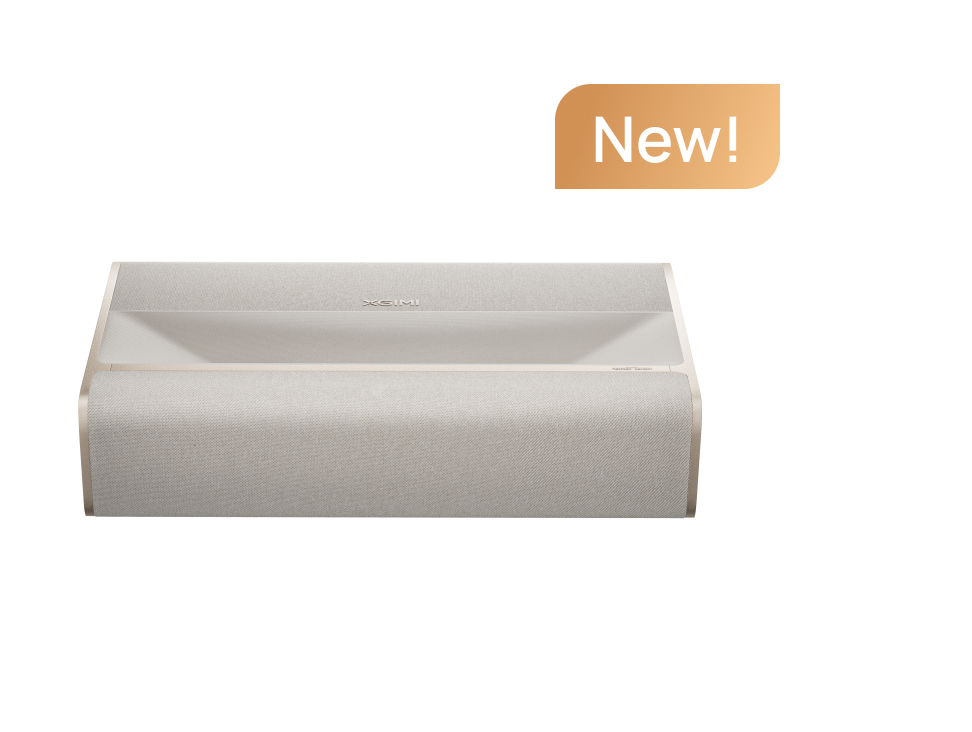
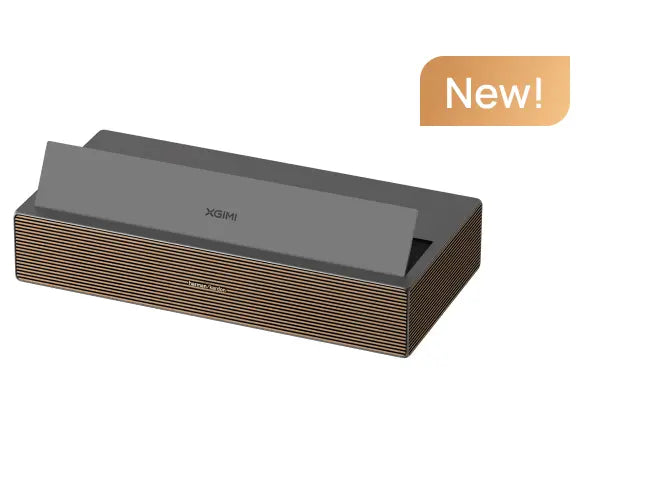
Who this is NOT for: If you have a fixed 120V AC shore power hookup at all times, a dedicated home theater room, or need 4K cinema quality, the HORIZON 20 series or AURA 2 are more appropriate. This guide is specifically for nomads dealing with off-grid power, tight spaces, and moving vehicles.

Solving the Power Problem Before You Buy an Inverter
Power is the most common point of failure in RV projector setups — and the most misunderstood. The core issue is that most nomads undersize their inverter or choose the wrong type.
Pure sine wave vs. modified sine wave is not a marketing distinction — it's a functional one. According to IEEE power quality standards, pure sine wave inverters typically operate at 85–95% efficiency and produce clean AC output with low harmonic distortion. Modified sine wave inverters run at 75–85% efficiency and introduce 20–40% total harmonic distortion (THD). Projectors with switching power supplies — including the Halo+ and MoGo 4 — can show visible horizontal banding artifacts on modified sine wave power, and may experience color temperature drift when input voltage drops below 11.5V. Always use a pure sine wave inverter.
Sizing the inverter correctly requires accounting for peak draw, not just sustained draw. A practical rule of thumb aligned with standards from the RV Industry Association (RVIA): size your inverter at 2× the projector's rated wattage to avoid clipping during startup and brightness spikes. The MoGo 4 Laser draws approximately 65W sustained; the Halo+ peaks near 89W when simultaneously charging its internal battery. That means a 150W pure sine wave inverter is the realistic minimum for the MoGo 4, and a 200W unit for the Halo+ when running from 12V. For more on this topic, see How to Re-pair Projector Remote Control After Battery Replacement o....
Logic Summary: The 2× inverter sizing rule is a conservative heuristic for electronics with switching power supplies. It may not apply to projectors with DC-direct input (like the MoGo 3 Pro via USB-C PD3.0, which bypasses the inverter entirely). If your RV has a 12V socket and a USB-C PD3.0 port, the MoGo 3 Pro's 45W direct draw is the most power-efficient path — no inverter losses at all.
For boondocking on solar with a strict energy budget, the math matters. The Halo+'s 59.45Wh battery provides roughly 2.5 hours of runtime without drawing from your house bank at all — useful for one movie per charge cycle. If you need longer sessions, a 100Wh USB-C power bank can extend MoGo 3 Pro runtime to approximately 4–5 hours total (using the optional PowerBase accessory). For solar-only setups harvesting under 200Wh/day, keep the projector's total daily draw under 45W and avoid running it during peak solar hours when the battery needs replenishment. For more on this topic, see The Ultimate Backyard Movie Night Setup: Power, Screens, and Portab.... For more on this topic, see How to Calculate Real Battery Runtime for Outdoor Projection Sessions.

Mounting Without Drilling: Practical Solutions for Moving Vehicles
The second failure point is mounting — specifically, the assumption that any flat surface or tripod will stay stable in a moving vehicle. It won't. For more on this topic, see How to Safely Mount and Stabilize a Projector Inside a Moving Vehicle.
During travel, projectors must be stored, not mounted. No auto-correction system compensates for road vibration above roughly 0.5g, and vibration causes autofocus to "breathe" — cycling in and out of focus continuously. The practical rule: set up only when parked, and use the projector's built-in stand or a non-permanent surface mount.
For interior RV use, the most reliable no-drill options are:
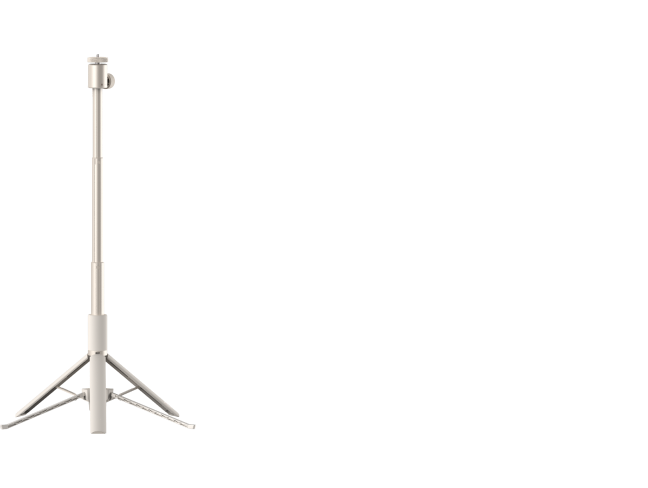
- Adjustable arm clamps that grip overhead cabinet rails or bed frame edges — common in van conversions where the frame is exposed
- Non-slip silicone pads on flat surfaces (countertops, fold-out tables) combined with the projector's built-in tilt stand
- Suction-cup mounts rated for smooth surfaces — effective on RV interior walls with a smooth vinyl finish, but unreliable on textured fiberglass
The Halo+ and MoGo 4 both feature 360° adjustable bases that allow angled projection without external hardware. This matters in low-ceiling RVs (common 2.1m interior height): you can tilt the projector upward from a tabletop position and let ISA auto-correction handle the geometry, rather than trying to mount it at ceiling height.
Evidence: According to XGIMI's smart projector setup features guide, ISA auto-correction handles a maximum of 40° vertical and 30° horizontal. Beyond those angles, the system cannot compensate and the projector must be physically repositioned. Digital correction also carries a cost: effective resolution drops 15–22% at 30° tilt due to pixel interpolation — a real trade-off worth minimizing by placing the projector as close to perpendicular as possible.
For ceiling projection (a popular van life trick for watching movies lying down), the Halo+'s adjustable stand can tilt to project upward. Keep the tilt within the ISA limits and ensure the projector has at least 15cm of clearance on all sides for ventilation — confined RV spaces trap heat, and LED lumen output drops measurably above 25°C ambient. For more on this topic, see How to Use a Tripod as a Temporary Projector Stand for Backyard Movies.

Why Factory RV Walls Will Disappoint You (and What to Use Instead)
This is the gap that most RV projector guides skip entirely: factory RV interior walls are almost universally poor projection surfaces.
Fiberglass walls have a characteristic "orange-peel" texture that scatters light and creates a sparkle effect visible in dark scenes. Wood-paneled van conversions introduce grain patterns that appear as macro-blocking artifacts. Even vinyl-wrapped walls have seams that cause 5–10 pixel misalignment bands across the image. XGIMI's own bedroom setup guide notes: "Wall texture, even when painted smooth, creates subtle patterns in the image."
The contrast ratio on a textured fiberglass surface drops from a claimed 1500:1 to roughly 450:1 in practice. Color accuracy shifts to a ΔE above 8 on non-white surfaces — a threshold that's visually unacceptable for most viewers. XGIMI's Wall Color Adaption feature (color temperature range 3000K–15000K) can compensate for color-cast walls, but it cannot fix physical texture. No software feature can.
The solution is a portable screen. Even an entry-level 100-inch portable pull-up screen delivers approximately 2× the contrast ratio of the best-case smooth RV wall, reduces hotspot artifacts by roughly 95%, and brings color accuracy ΔE down to under 2. As XGIMI's portable screen guide states, a portable screen "will be superior to a wall in most situations." For RV use specifically, a lightweight pull-up screen (under 3 kg) that folds into a carry bag is the practical choice — it sets up in under two minutes and stores in an overhead compartment.
For campsite outdoor projection, follow the sequence from XGIMI's outdoor movie night checklist: set up the screen first to establish your layout, then position the projector as close to the screen's center height as possible to minimize the keystone correction angle and preserve effective resolution.
Halo+ vs. MoGo 4 Laser: Choosing for Your Specific RV Life
These two projectors solve slightly different problems. Here's how to think through the decision based on your actual use pattern:
Choose the Halo+ if:
- You prioritize brightness — 700 lumens handles RV interior ambient light (10–50 lux at night), as aligned with low-ambient residential lighting levels described in the IES Lighting Handbook, with comfortable headroom, and is the minimum viable option for semi-lit conditions
- You want Google TV with licensed Netflix built in — no streaming stick required, which matters when van space is limited
- You run longer sessions: the 59.45Wh battery provides consistent voltage output with 0% brightness fluctuation, unlike external power banks that show 8–12% brightness drop as charge depletes
- Your RV has a 12V inverter already sized at 200W+
Choose the MoGo 4 Laser if:
- You camp in cold-weather conditions: RGB triple laser light sources maintain more stable output across temperature extremes compared to LED, making the MoGo 4 the better four-season choice
- You prioritize color accuracy around firelight or warm ambient sources — the laser's wider color gamut holds saturation better in mixed lighting
- Your setup is primarily outdoor campsite projection at 80–120 inches, where 550 lumens is sufficient after dark
- Weight and compactness are critical: at 1.3 kg and a cylindrical form factor, it stores in smaller spaces
Neither projector is appropriate for:
- Daytime viewing through RV windows without blackout curtains — 700 lumens loses roughly 87% contrast in 500+ lux daylight conditions
- Projection while the vehicle is moving — vibration above 0.5g defeats autofocus
- Replacing a TV for a family of four in a large Class A RV — the 5W Harman Kardon speakers in both models roll off below 120Hz in small enclosed spaces, and dialogue clarity drops noticeably beyond two viewers without an external Bluetooth speaker
Real Conditions, Real Trade-offs: A Scenario-Based Decision Guide
The following scenarios represent the most common RV projection situations, with honest assessments of what works and what doesn't.
Scenario: Boondocking on solar, 100Wh/day entertainment budget
The MoGo 3 Pro at 45W via USB-C PD3.0 is the most power-efficient path — it bypasses inverter losses entirely. At 450 lumens it's sufficient for nighttime viewing on a portable screen. Upgrade to Halo+ only when your solar harvest reliably exceeds 200Wh/day.
Scenario: RV interior with 12V inverter, 2.1m ceiling height
The Halo+ on a 200W pure sine wave inverter, positioned on a countertop with the built-in stand tilted toward the wall or a pull-up screen. Keep the tilt under 30° to preserve effective resolution. This is the most common successful setup reported in RV communities.
Scenario: Outdoor campsite, uneven ground, firelight ambient
The MoGo 4 Laser on a portable screen at 100–120 inches. Place the projector on a leveled surface (use RV leveling blocks under the stand if needed) before triggering auto-correction. Ground slope beyond 9° requires manual repositioning — auto-correction cannot compensate for extreme tilt without visible resolution loss.
Scenario: Four-season van life, temperature range -10°C to 40°C
The MoGo 4 Laser's RGB triple laser handles cold starts better than LED. In summer heat above 35°C, ensure 15cm clearance on all sides and expect the fan to ramp up audibly. LED lumen output drops approximately 1.8% per °C above 25°C — a 10°C overage means roughly 18% brightness reduction before thermal throttling kicks in.
Scenario: Family RV with children
The Halo+'s ISA intelligent obstacle avoidance automatically dims when it detects someone entering the projection path — a meaningful safety feature for kids. Pair with an external Bluetooth speaker for audio that fills a larger RV cabin. The built-in 5W speakers are adequate for two adults in a van; they're insufficient for a family in a 30-foot Class C.
Logic Summary: These scenario recommendations assume nighttime or low-ambient-light viewing as the primary use case. Daytime projection in any RV without blackout curtains is not reliably achievable with projectors under 2300 lumens — a limitation explained by basic luminance and contrast principles used in display engineering — not a product limitation but an optical reality. If daytime viewing is a hard requirement, blackout curtains are a prerequisite, not an optional upgrade.
The Ventilation and Heat Problem Nobody Mentions
One gap in most RV projector guides: heat management in confined spaces. A van interior can reach 45°C+ in summer. At that temperature, LED projectors silently throttle brightness — you may not notice the image getting dimmer, but the projector's internal sensors are reducing output to protect the light source.
The practical rules: maintain 15cm clearance on all sides of the projector, never place it in an enclosed cabinet or storage bin while running, and allow 5–10 minutes of cool-down before storing after a session. If you notice the fan audibly increasing during a movie (from ~28dB to noticeably louder), the projector is managing heat — consider opening a vent or window to improve airflow.


