







Calculating real battery runtime for your portable projector can prevent a disappointing end to your outdoor movie night. Advertised battery life is only a starting point—actual runtime depends on brightness, speaker volume, content type, and even outdoor temperature. Using a simple watt-hour formula and adjusting for real-world conditions lets you estimate usable viewing time and decide when to add a power bank. For more on this topic, see How to Store and Transport a Portable Projector. For more on this topic, see The Ultimate Backyard Movie Night Setup: Power, Screens, and Portab....

Most portable projectors list battery life based on ideal low-power settings. In practice, video playback at comfortable brightness and volume usually delivers noticeably shorter runtimes, especially in variable outdoor environments. This guide shows you how to turn battery specs into practical estimates, highlights the biggest runtime killers, and offers actionable ways to stretch your charge without ruining picture quality.
Understanding the Basic Battery Runtime Formula
The most reliable way to estimate runtime is to divide the battery's usable energy (in watt-hours) by the projector's average power draw (in watts). This gives you hours of operation under that load.
Real runtime ≈ Battery Wh × efficiency factor ÷ projector power draw (W)
Battery capacity is often marketed in mAh or as a headline runtime, but watt-hours provide the fair comparison across devices. A typical efficiency factor of 0.85–0.90 accounts for conversion losses and system overhead. For example, a 50 Wh battery at a 30 W draw might deliver roughly 1.4 hours under normal conditions before adjustments.
This power bank selection guide explains why converting capacity into watt-hours is essential for accurate planning rather than relying on mAh labels alone.
Many users overlook that video projection draws significantly more power than audio-only mode. As a result, real-world runtime for movies is often shorter than the headline claim, particularly when the device is used primarily for projection rather than as a speaker.
Key Factors That Reduce Outdoor Runtime
Several variables cause actual battery life to fall short of advertised figures. Brightness is usually the largest lever: higher brightness modes increase power draw and shorten runtime, while eco or low modes extend it. Official user guides confirm that brightness settings directly influence projector behavior and energy use.

Speaker volume also matters. The built-in audio system adds to the power load, so louder playback reduces available runtime. Manufacturer documentation notes that volume controls directly affect the speaker system's power consumption.
Ambient temperature introduces another variable. Cold conditions can reduce effective battery capacity, sometimes by 10–20% or more depending on how low the temperature drops. Outdoor camping in cooler evenings therefore requires extra buffer in your calculations.
Other real-world drains include fan operation during extended use, content brightness (dark scenes may save power compared to bright ones), and battery health over time. Treating advertised runtime as an upper bound helps set realistic expectations.
This Consumer Reports overview of mini projectors highlights how portable models perform in varied conditions and why real-world testing often shows shorter runtimes than lab claims.
How to Calculate Runtime: Step-by-Step Example
- Identify your battery capacity in watt-hours (check the manual or product specs).
- Estimate power draw for your intended brightness and volume (eco ~15–20 W, standard ~25–40 W, high ~45–60 W).
- Apply an efficiency factor of ~0.85–0.90.
- Divide and adjust downward for cold temperatures or high audio.
- Compare the result to your planned movie length.
For a projector with a 50 Wh battery:
- At 15 W (eco/low brightness): approximately 2.5–3 hours in mild conditions.
- At 30 W (standard): around 1.3–1.5 hours.
- At 50 W (high brightness + volume): closer to 0.7–0.9 hours.
These are illustrative estimates based on typical portable projector behavior. Always test your specific model in similar conditions when possible.
Estimated Runtime of a 50Wh Portable Projector Battery by Power Mode and Temperature
Heuristic estimated runtime (hours) for camping use; not measured data.
View chart data
| Category | Normal Temp (heuristic) | Cold Temp (heuristic) |
|---|---|---|
| Eco / Low | 2.9 | 2.4 |
| Standard | 1.4 | 1.1 |
| High | 0.9 | 0.7 |
| Very High | 0.7 | 0.6 |
Illustrative model only. Runtime estimated from a 50Wh battery using typical draw assumptions (15W, 30W, 45W, 60W), 0.85-0.90 efficiency, and a 0.8-0.9 cold-weather reduction. Values are rounded and should be read as directional ranges rather than measured battery life.
The chart above shows how estimated runtime drops as brightness and volume increase, with an additional penalty in colder conditions. These are directional heuristics to help you plan, not lab-certified measurements.
Scenario-Based Planning for Camping and Outdoor Use
Runtime needs change depending on your setting. In a backyard with easy access to power, battery life is less critical and you can prioritize brighter images. During remote camping or boondocking in an RV, the built-in battery often serves only as a buffer, making a compatible power bank essential for full-length movies.
Low-drain scenarios (dimmer mode, moderate volume, mild temperatures, shorter sessions) make advertised runtimes more trustworthy. High-drain setups (brighter picture for larger groups, louder audio to overcome outdoor noise, cold nights, long films) quickly reduce usable time and often require backup power.
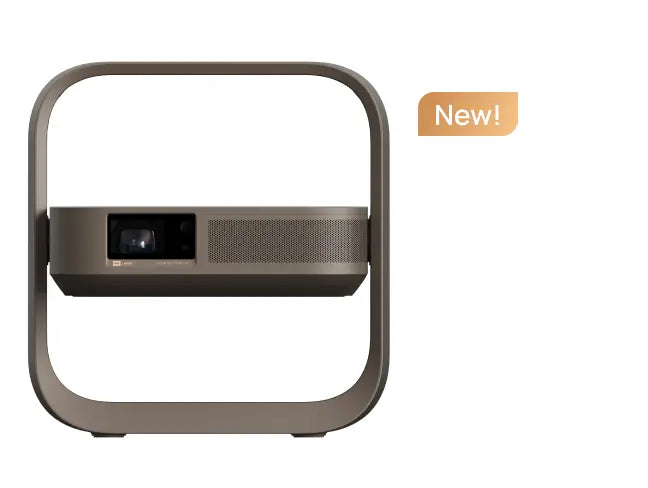
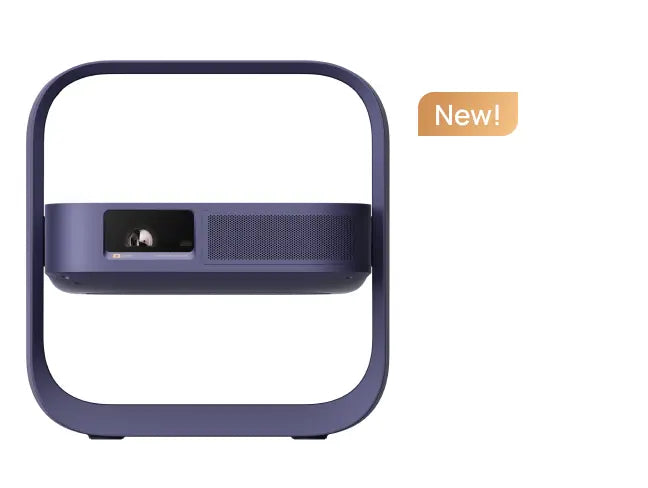
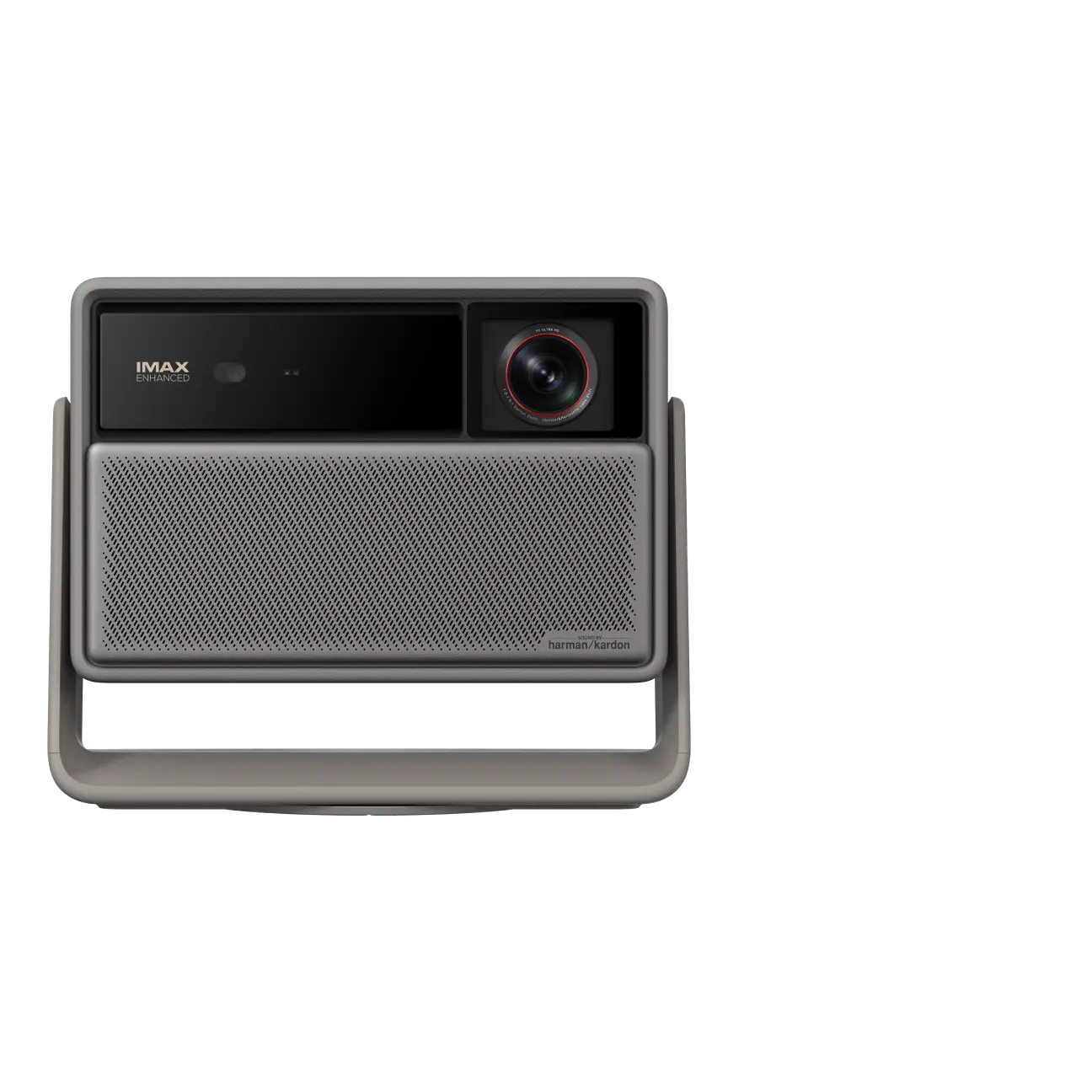
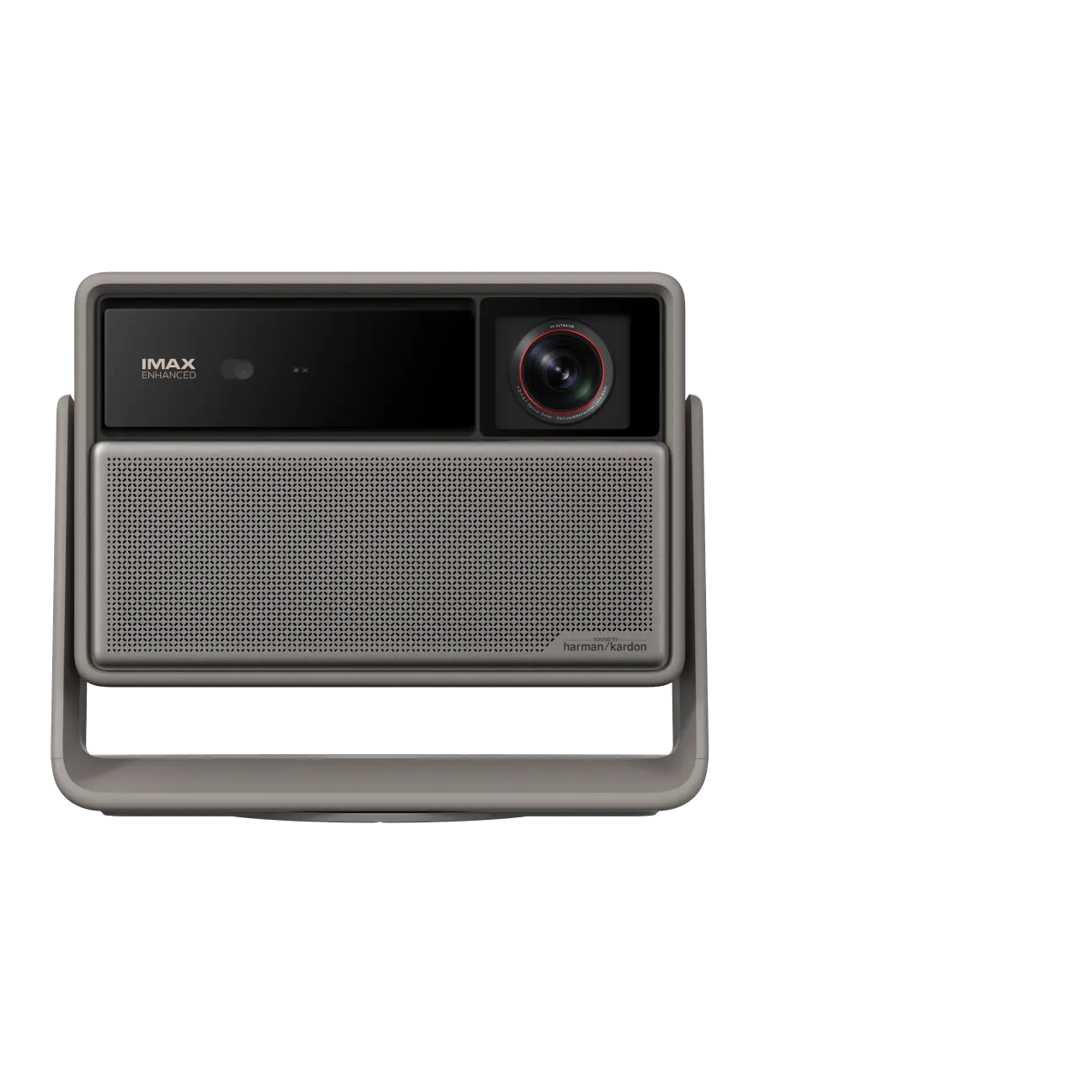
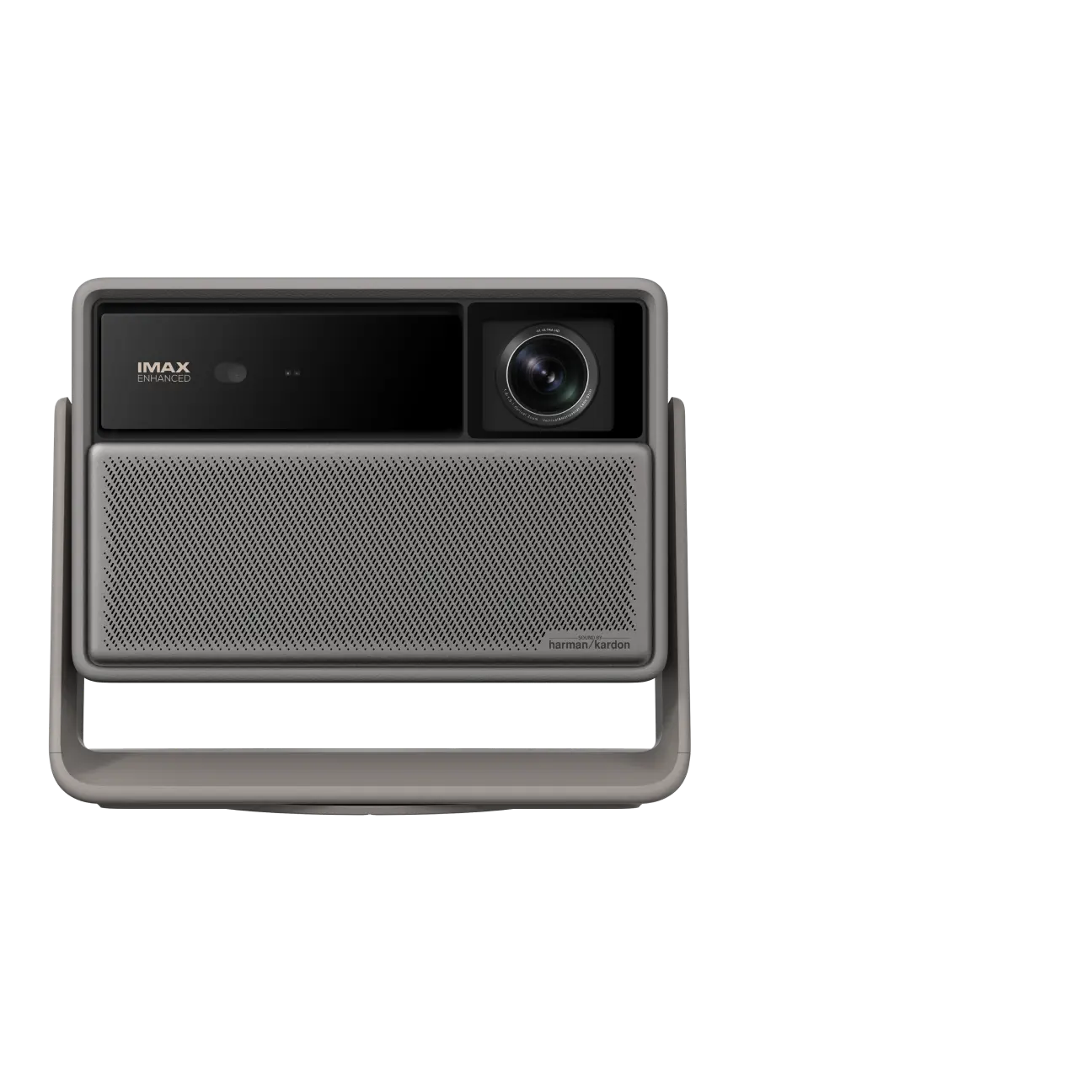
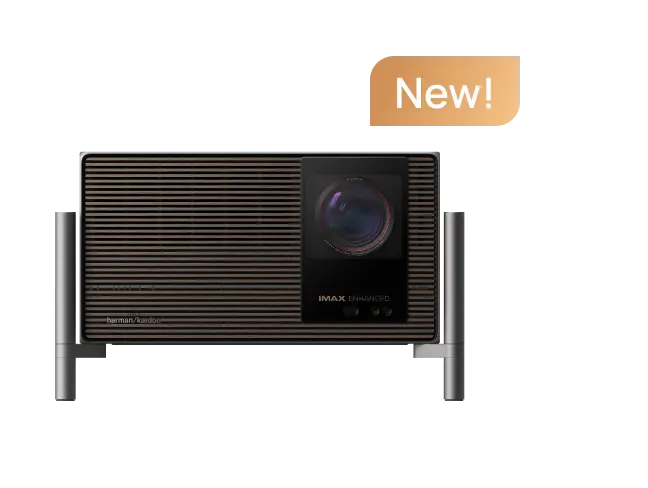
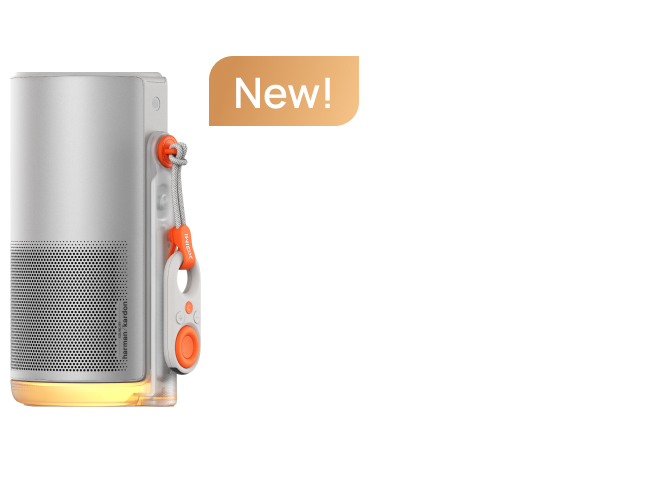
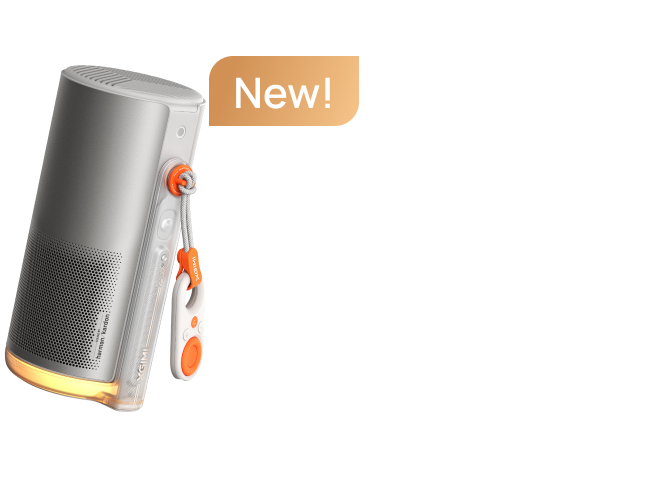
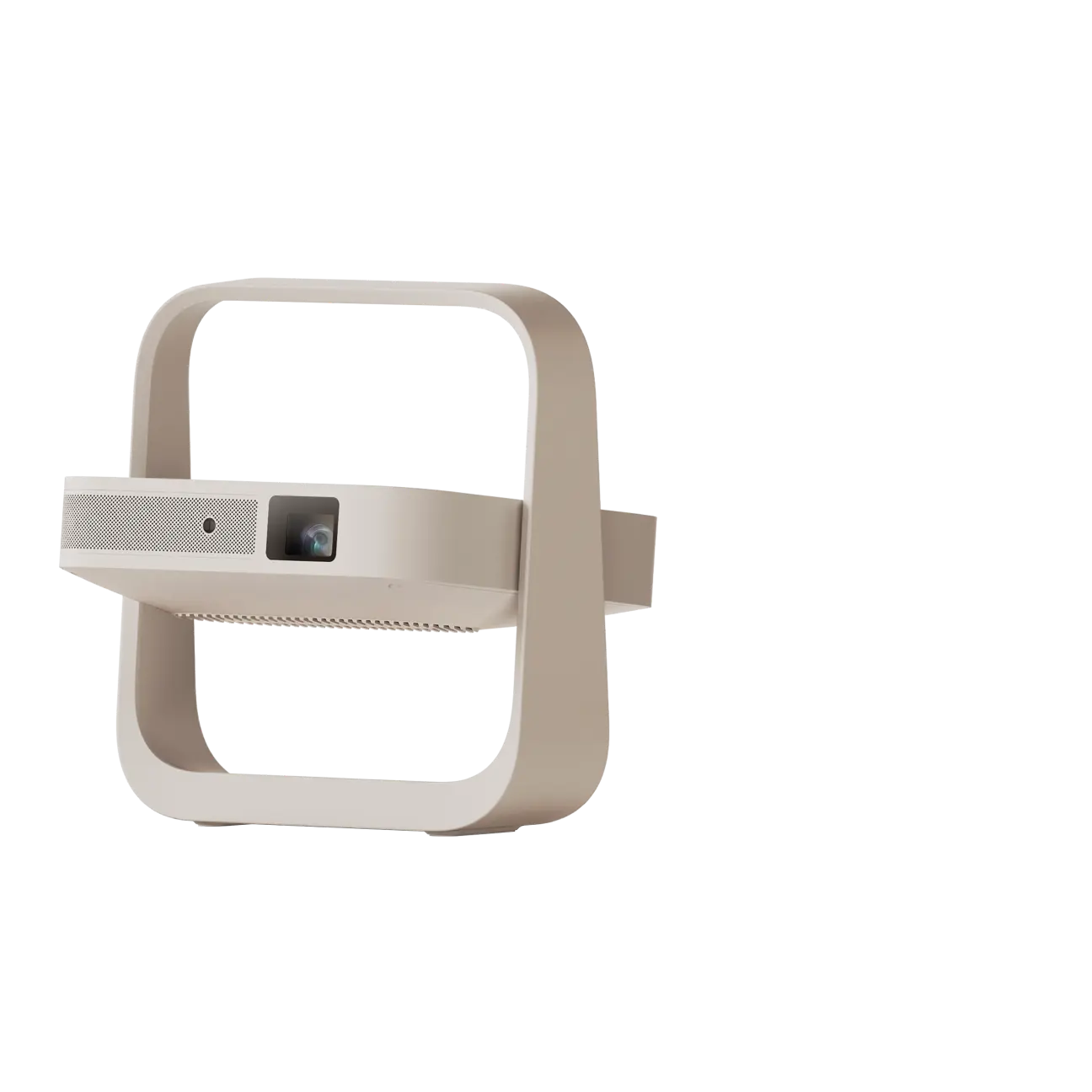
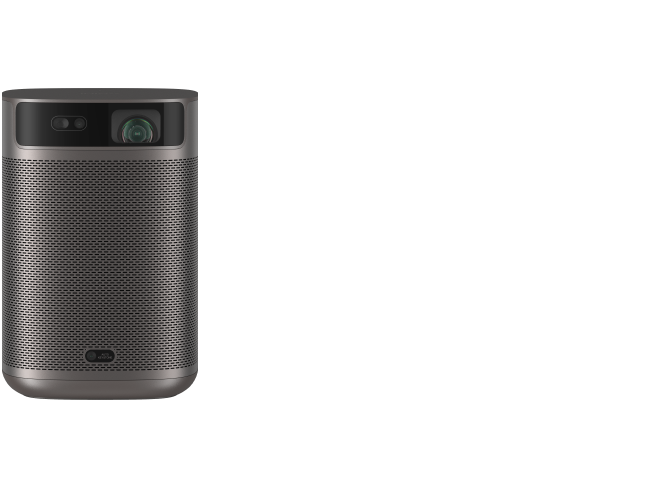
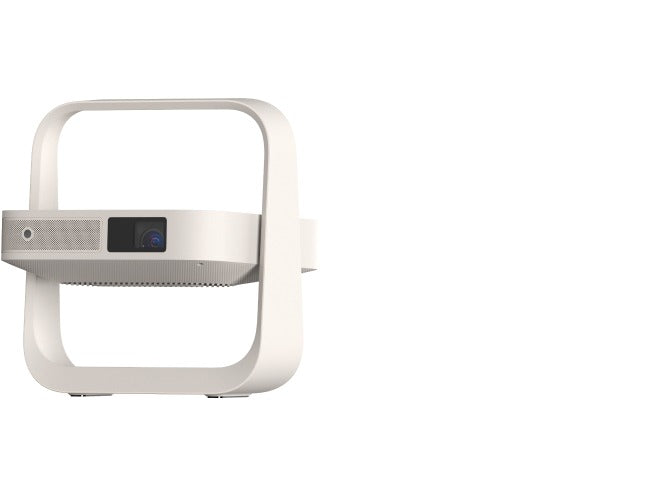
For XGIMI portable models like the MoGo series, the compact battery works well for shorter or lower-brightness sessions. The Halo series generally offers more capacity and flexibility for outdoor nights, but calculations still shift downward when pushing brightness and volume simultaneously.
If your planned session is close to or exceeds the estimated runtime, treat a power bank as mandatory rather than optional. Matching the power bank's output to the projector's charging requirements prevents unexpected shutdowns.
Practical Tips to Maximize Battery Life Outdoors
- Start in eco or low-brightness mode and increase only as needed for ambient light.
- Keep volume moderate or connect external speakers that can run independently to reduce projector load.
- Avoid very cold conditions when possible, or insulate the battery slightly (without blocking vents).
- Use dark-mode content or lower overall image settings for night viewing.
- Carry a compatible power bank rated for pass-through charging if your model supports it.
- Check remaining battery via the projector's menu periodically during longer sessions.
Before heading out, run a short test playback at your intended settings to gather your own data. This personal calibration is more valuable than generic claims.
When the Built-in Battery Alone Is Not Enough
Do not rely solely on the internal battery if you need high brightness for a full-length movie, louder audio for groups, extended viewing in cooler weather, or if the calculated estimate barely meets your needs. In these cases the battery functions best as a convenience feature rather than the primary power source.
Portable projectors shine for camping and outdoor entertainment when expectations are managed. Pairing the right model with a power bank and smart settings delivers reliable performance without cutting off before the credits.
This article discusses setup and comfort factors for portable projectors. It does not constitute technical specifications, performance guarantees, or advice on medical or safety issues. Battery performance varies by model, usage, and conditions. For persistent issues or specific device troubleshooting, consult the manufacturer manual or a qualified technician.
Related Resources
For more on choosing gear, see our guide to the best outdoor portable projector or tips on setting up a projector when camping. If you're comparing models, the MoGo 2 Pro vs MoGo Pro breakdown covers battery and portability differences.
Explore the full portable projector collection or specific lines like the MoGo Series and Halo+ to find options with the battery capacity that matches your outdoor plans.


