





Setting up an outdoor movie night doesn't require a permanent installation or complicated equipment. A portable setup lets you host movie nights anywhere in your yard, pack everything away when finished, and adjust your setup based on weather or seating arrangements. This checklist covers everything you need for a successful portable backyard screening.

Essential Equipment Checklist
Before planning your first outdoor screening, gather the core components that make a backyard movie night projector system work. Each item serves a specific purpose in creating a complete viewing experience.
Display Equipment
☐ Portable projector suitable for outdoor use
☐ Projection screen (80 to 120 inches diagonal)
☐ Screen stand or hanging hardware
☐ Inflation pump (if using an inflatable projector screen)
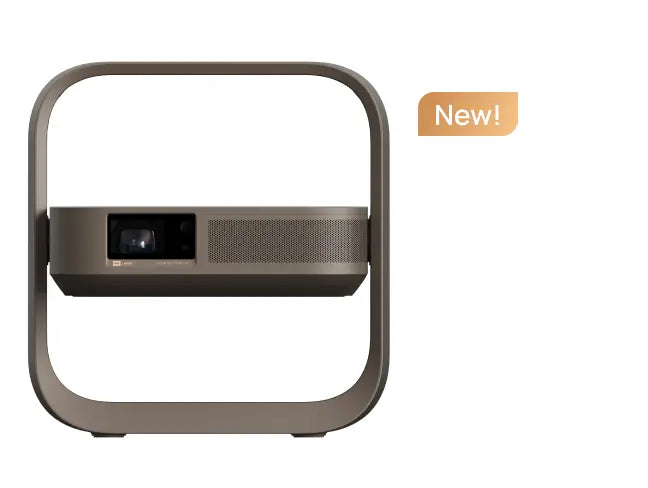
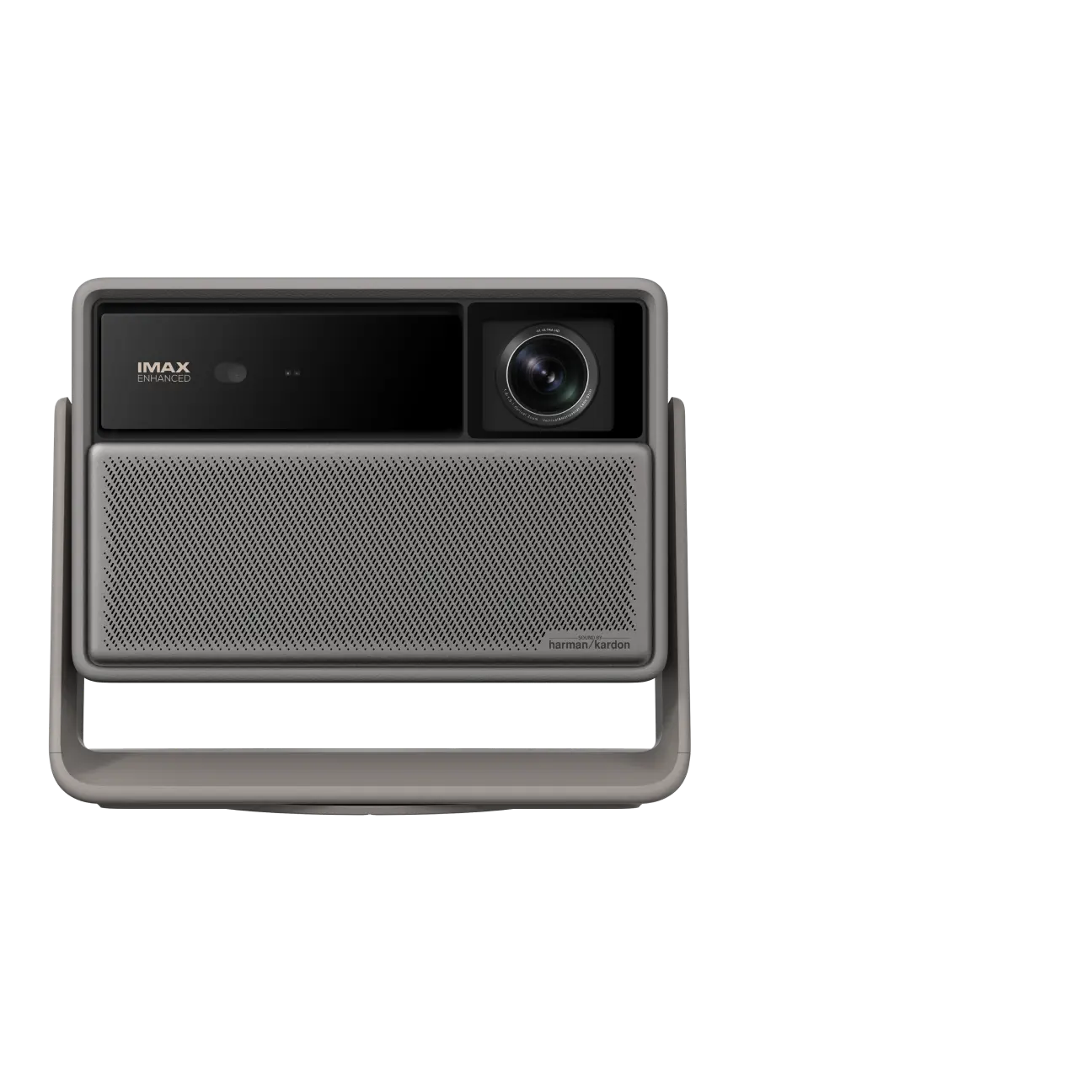
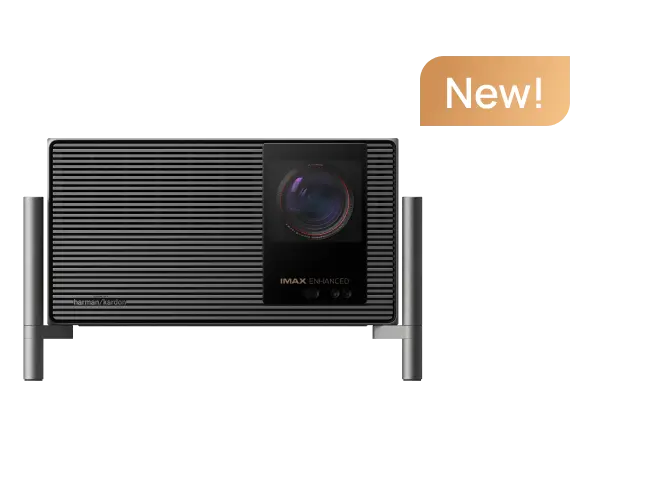
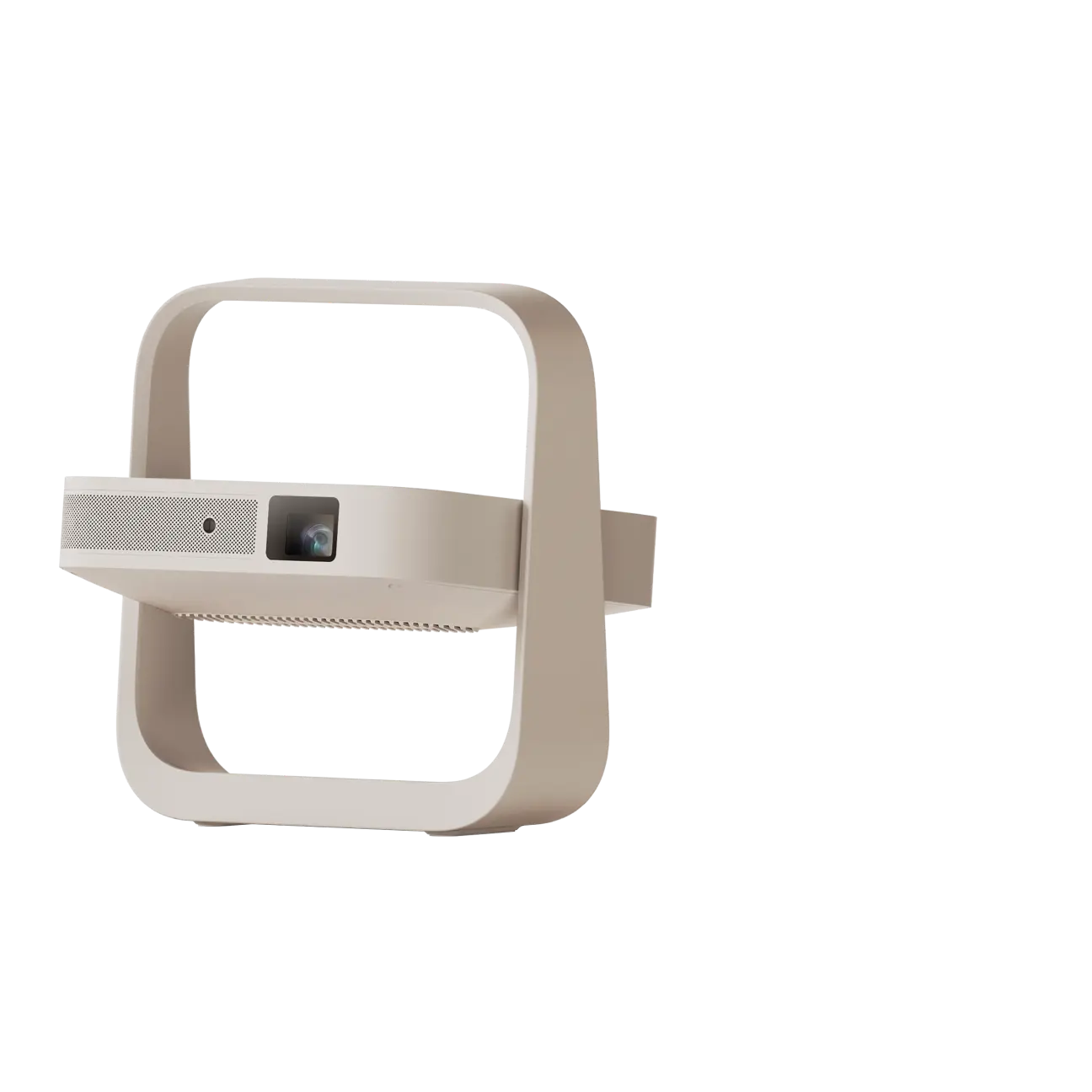
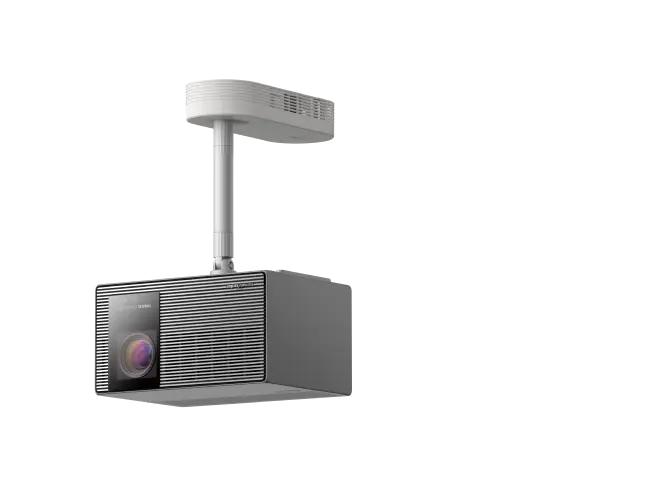
Your projector forms the heart of any outdoor movie night setup. Brighter projectors handle ambient light better, while compact portable models work best when you start viewing after sunset in darker conditions.
Screens come in several portable formats. Tripod screens offer quick setup and stability. Inflatable screens pack smaller but need continuous power. Framed projection screens provide the flattest surface but take longer to assemble.

Audio Components
☐ Portable speakers (20 watts minimum)
☐ Audio cables or Bluetooth audio connection
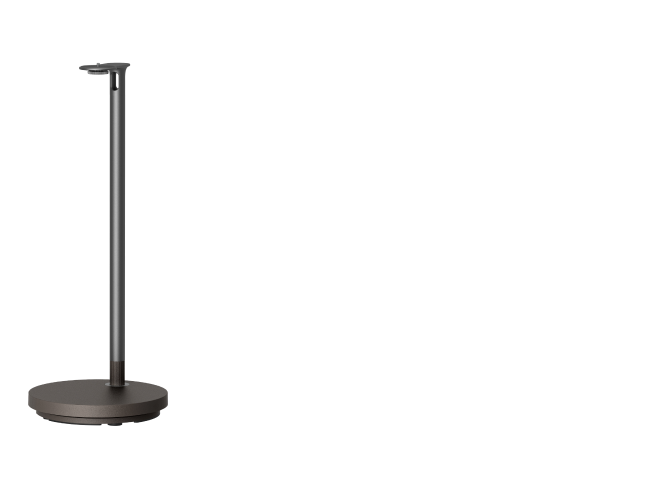
☐ Speaker stands or placement blocks
☐ Backup audio device
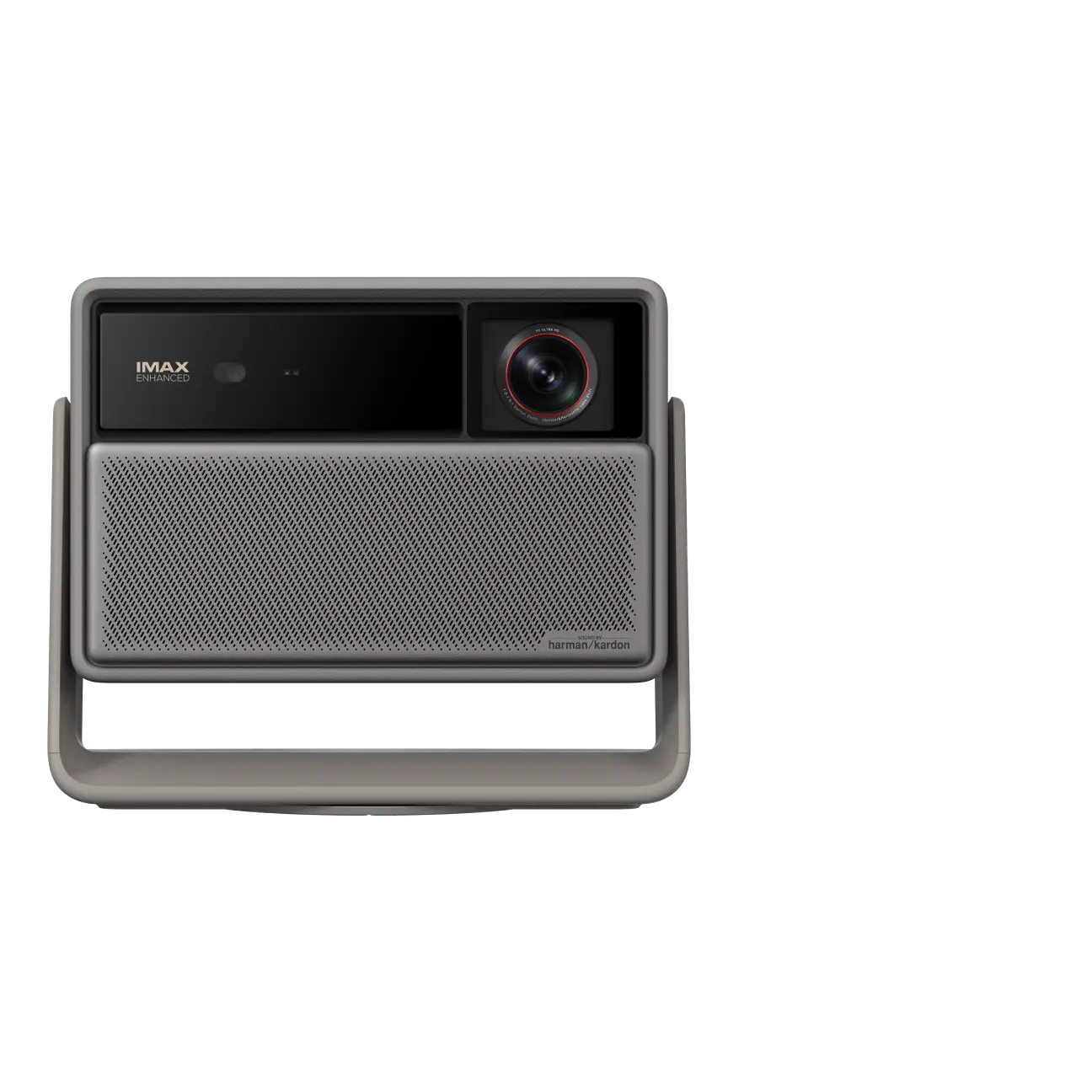
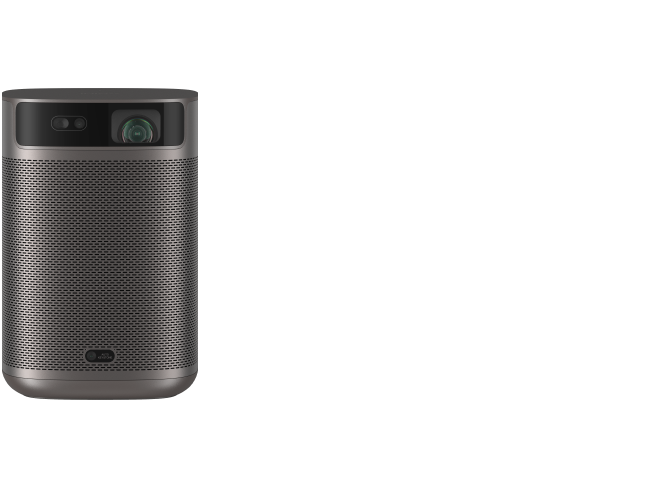
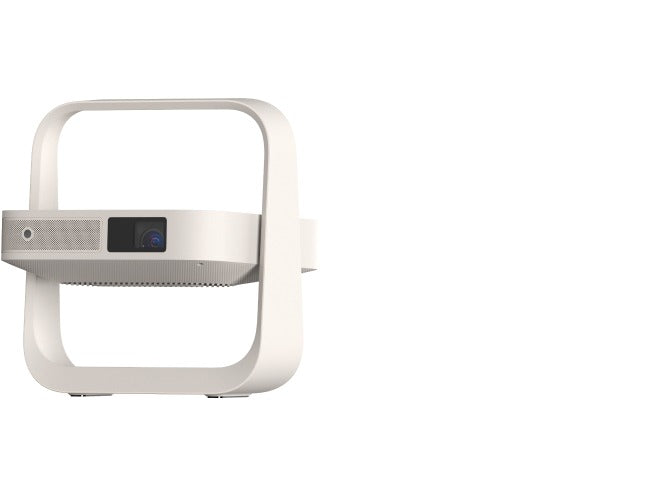
Indoor speakers don't project sound well in open air. Dedicated outdoor speakers or high-quality Bluetooth models handle groups of up to 15 people. However, if your projector has powerful built-in speakers, you may not need external audio equipment at all. For example, the XGIMI MoGo 4 Laser features Dolby Audio-supported integrated speakers that provide sufficient volume and sound quality for small to medium outdoor gatherings.
Power and Connectivity
☐ Outdoor-rated extension cords (12-gauge for long runs)
☐ Power strip with surge protection
☐ Cord covers or bright tape
☐ Backup power bank (20,000mAh or higher)
☐ All necessary HDMI and audio cables
☐ Adapter cables for different devices
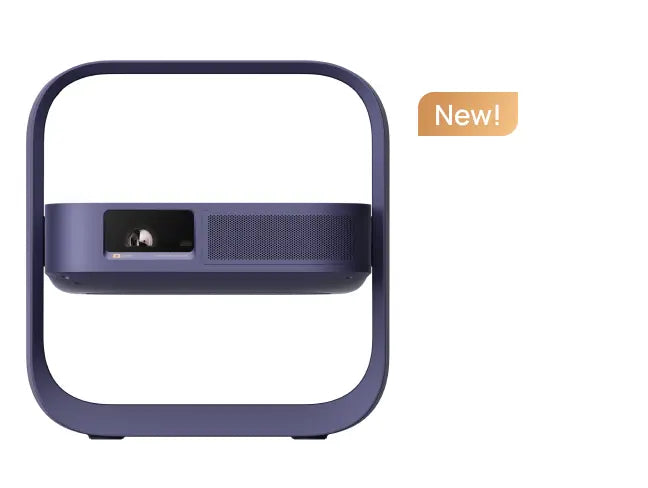
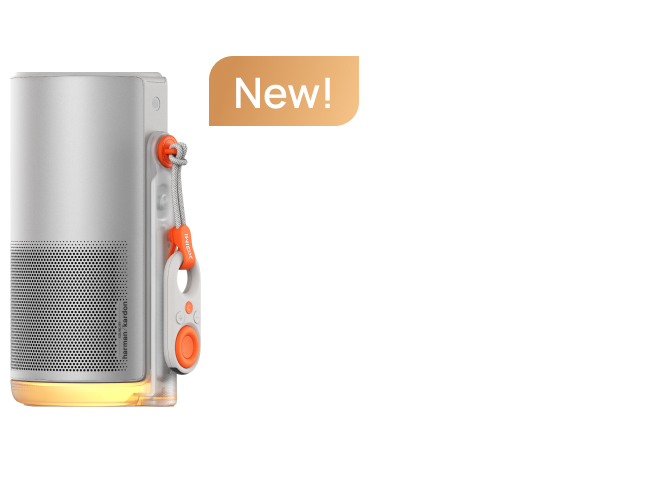
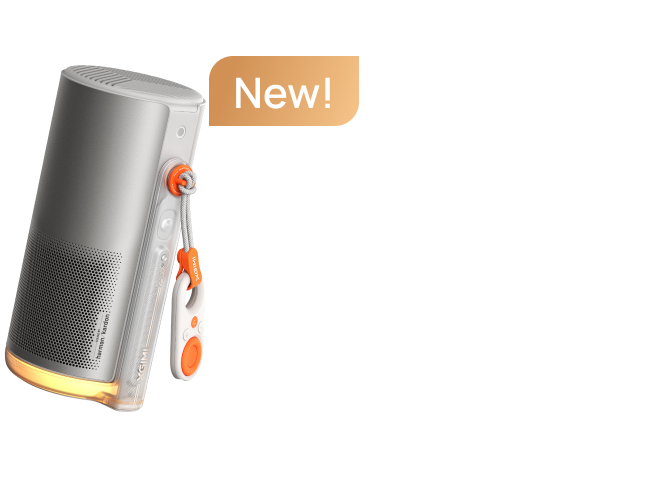
Map your power needs before setup day. Modern projectors draw 65 to 150 watts. Add another 50 to 100 watts for speakers. Use 12-gauge extension cords for runs over 50 feet to prevent voltage drops. For ultimate portability, consider battery-powered projectors like the XGIMI Vibe One (Battery Powered), which features a built-in battery that eliminates the need for extension cords and allows you to set up anywhere in your yard without worrying about power outlet locations.
Media Playback Devices
☐ Streaming device (Roku, Fire TV, Chromecast)
☐ Laptop or tablet with downloaded content
☐ HDMI cables for all devices
☐ Remote controls with fresh batteries
Internet connectivity can be unreliable outdoors. Download content beforehand as backup. Test all connections the day before your event.
Site Preparation Checklist
Your backyard projector setup requires careful planning of the physical space. Take measurements and scout locations at least a day before your movie night.
Location Selection
☐ Measure viewing distance (11 to 18 feet for a 100-inch screen)
☐ Identify flat, level ground for projector placement
☐ Check for overhead obstacles (branches, wires, roof edges)
☐ Verify a clear line of sight from all seating areas
☐ Note locations of power outlets
The relationship between screen size and viewing distance determines comfort. Viewers should sit 1.5 to 2.5 times the screen width away. A 100-inch screen measures roughly 87 inches wide, requiring seating from 11 to 18 feet back.
Light Source Management
☐ Identify all nearby light sources (porch lights, street lamps, windows)
☐ Plan which lights can be turned off
☐ Check sunset time and plan start accordingly
☐ Position screen away from direct light sources
☐ Arrange dark backdrop if needed
Start movies 30 to 45 minutes after sunset for darkest conditions. Position your setup so major light sources sit behind viewers rather than behind the screen. Dark fences or walls behind the screen reduce reflected light.
Weather Considerations
☐ Check the forecast for rain, wind, and temperature
☐ Note moon phase (full moons create more ambient light)
☐ Plan for temperature drops (15°F decrease typical)
☐ Identify an indoor backup location
☐ Prepare moisture protection for equipment
Postpone events when sustained winds exceed 15 mph or when rain threatens. Cloud cover actually helps by blocking moonlight. Clear nights with full moons create contrasting challenges.
Backyard Movie Night Setup Sequence Checklist
Follow this order to complete your portable backyard movie night efficiently. First-time setup takes 45 to 60 minutes. Experienced hosts finish in 20 to 30 minutes.

Phase 1: Structure (0-10 Minutes)
☐ Assemble or inflate the screen first
☐ Position screen at appropriate height
☐ Secure the screen against wind
☐ Run extension cords to equipment locations
☐ Tape cords flat with bright colored tape
☐ Position seating area markers
Set up the screen before anything else. This establishes your layout and helps position other equipment correctly.
Phase 2: Equipment Placement (10-20 Minutes)
☐ Place the projector at the measured distance
☐ Level projector using adjustable feet
☐ Position speakers beside or behind the screen
☐ Connect all power cables
☐ Link audio cables or pair Bluetooth
☐ Connect media playback device
Place your projector at roughly the same height as the screen center. This minimizes keystone distortion. Use a sturdy table or weighted stand that resists wind.
Phase 3: System Testing (20-30 Minutes)
☐ Power on the projector and allow warm-up
☐ Adjust zoom and focus
☐ Test audio levels
☐ Verify image centering and size
☐ Play test content with small text
☐ Check color and brightness
☐ Confirm all remotes work
Power up your system at least 30 minutes before guests arrive. Play test video to verify colors, brightness, and audio sync properly. Movie credits work well for focus testing since small text reveals problems clearly.
Phase 4: Comfort Setup (30-45 Minutes)
☐ Arrange chairs and seating
☐ Distribute blankets and cushions
☐ Set up snack and drink stations
☐ Position trash receptacles
☐ Test walkway lighting if needed
☐ Do final audio level check
Provide extra blankets even on warm evenings. Temperatures drop 10 to 15 degrees as night progresses.
Troubleshooting Checklist
Problems arise even with careful planning. Keep this list handy during your event.
Image Quality Issues
☐ Image too dim: Close curtains on nearby windows, turn off porch lights
☐ Image blurry: Adjust focus ring, clean projector lens
☐ Image tilted: Check projector level, adjust keystone correction settings
☐ Colors look wrong: Switch picture mode, check cable connections
☐ Image too small/large: Adjust zoom or move the projector distance
Dirty lenses reduce brightness noticeably. Keep a microfiber lens cloth accessible for quick cleaning.
Audio Problems
☐ No sound: Verify speaker power, check Bluetooth pairing
☐ Sound too quiet: Move speakers closer, increase volume
☐ Audio delay: Adjust sync settings, switch to wired connection
☐ One speaker not working: Check balance settings, verify connections
☐ Crackling sound: Test different audio cables, check speaker placement
Place speakers centrally, slightly behind or beside the screen. This creates better sound localization than distant positioning.
Power and Connection Issues
☐ Projector won't turn on: Check the outlet, test a different cord
☐ Frequent shutdowns: Verify voltage, check for overheating
☐ Streaming won't load: Switch to downloaded content
☐ Remote not responding: Replace batteries, check line of sight
☐ HDMI not detected: Reseat cable, try a different port
Battery-powered projectors eliminate cord concerns but typically offer less brightness than plug-in models.
Packing and Storage Checklist
Proper storage extends equipment life and simplifies future setups. Complete these steps after each movie night.

Immediate Teardown
☐ Power down all equipment properly
☐ Allow the projector to cool completely (5-10 minutes)
☐ Wipe dew from all surfaces with towels
☐ Coil cables without sharp bends
☐ Deflate or disassemble the screen
☐ Collect all remotes and small items
Dew forms on equipment as temperatures drop. Let everything air dry completely before storage to prevent mold growth.
Organized Storage
☐ Group projector with its cables and remote in one container
☐ Store screen components separately from electronics
☐ Keep audio equipment together
☐ Label all containers clearly
☐ Store in climate-controlled space
☐ Keep equipment elevated off basement/garage floors
Dedicated storage containers keep everything organized between events. This prevents mixing items and speeds up future setups.
Maintenance Tasks
☐ Check the projector air filter
☐ Note projector lamp hours remaining
☐ Inspect all cables for damage
☐ Test batteries in remotes
☐ Clean screen surface if needed
☐ Update equipment checklist based on experience
Add maintenance reminders to your calendar. Projector filters need cleaning every 3 to 6 months, depending on usage.
Pre-Event Final Checklist
Use this list the day before your movie night to catch forgotten items.
☐ All equipment tested and working
☐ Backup content downloaded
☐ Weather forecast checked
☐ Neighbors notified if needed
☐ Seating for expected guests
☐ Blankets and cushions ready
☐ Snacks and drinks prepared
☐ Trash bags available
☐ Flashlights or pathway lighting
☐ Insect repellent on hand
☐ Emergency indoor plan ready
Test everything the day before your event. Dead projector bulbs or forgotten charging cables ruin movie nights.
Start Planning Tonight
A checklist approach removes guesswork from portable outdoor movie nights. Print this guide and check off items as you acquire equipment and prepare your space. Your first setup teaches valuable lessons about your specific yard conditions. Most hosts refine their process over 2 to 3 events before finding their ideal routine.
Frequently Asked Questions
Q1: What's the Minimum Budget for a Complete Portable Backyard Movie Night Setup?
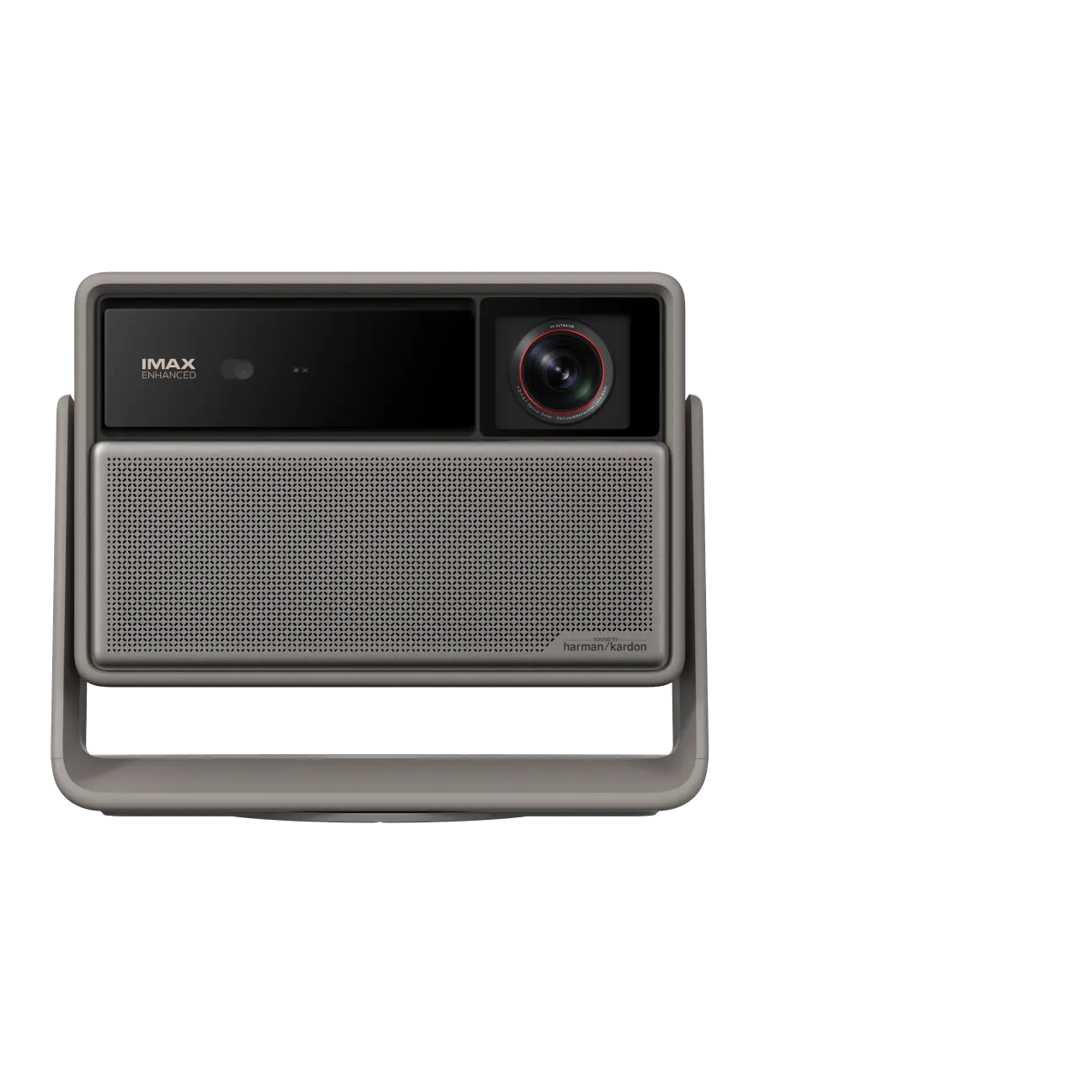
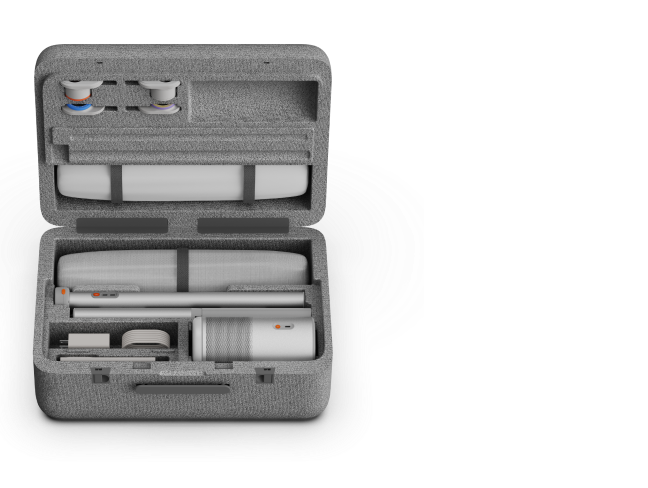
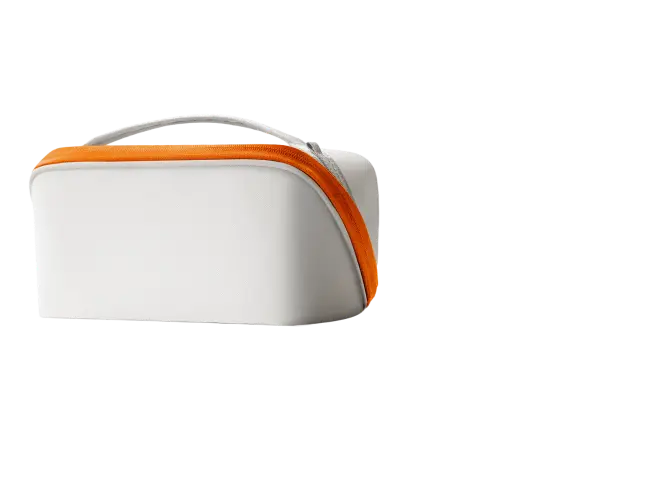
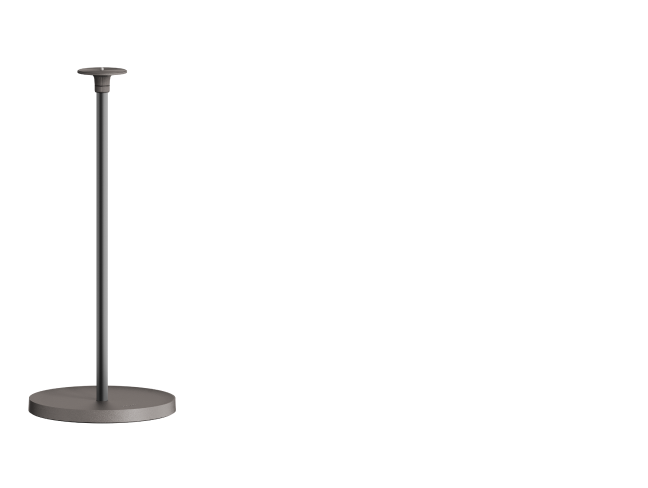
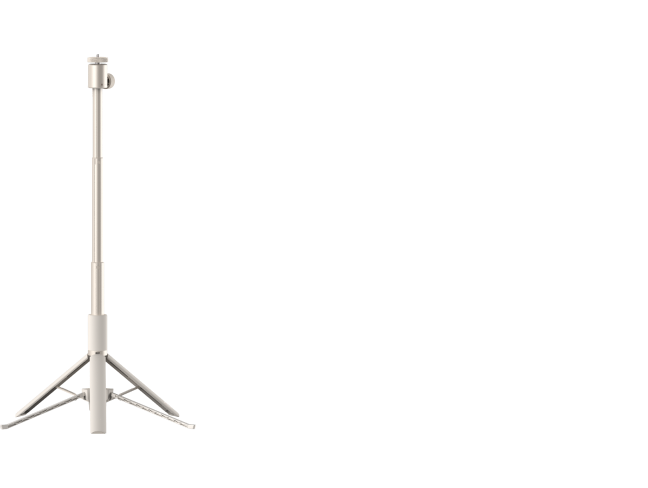
Budget $300 to $600 for basic equipment, including a projector, screen, and audio. Entry-level projectors start at $150, portable screens cost $50 to $200, and Bluetooth speakers range from $60 to $150. This provides everything needed for small gatherings. If you prefer a ready-to-go solution, the XGIMI MoGo 4 Laser Outdoor Collection (around $900) bundles a projector with Dolby Audio, carrying a case, tripod stand, and screen in one package.
Q2: How Long Does Setup Actually Take With Practice?
Expect 45 to 60 minutes for your first setup. Most people complete the setup in 20 to 30 minutes after 3 to 4 practice runs. Create a physical checklist and time yourself to identify bottlenecks in your process.
Q3: Can I Use Regular Indoor Extension Cords Outside?
No, indoor cords can't handle moisture or temperature changes safely. Always use outdoor-rated extension cords. Choose 12-gauge cords for runs over 50 feet to prevent voltage drops that affect projector brightness.
Q4: What Screen Size Works Best for Groups of 10 to 15 People?
A 100 to 120-inch diagonal screen handles groups this size comfortably. Position seating from 11 feet to 18 feet back from a 100-inch screen. Larger screens require proportionally greater viewing distances.
Q5: How Do I Protect Equipment From Overnight Dew?
Never leave equipment outside overnight. Dew forms as temperatures drop and damages electronics. Wipe all surfaces dry immediately after your event. Store equipment indoors in climate-controlled spaces elevated off concrete floors.


