
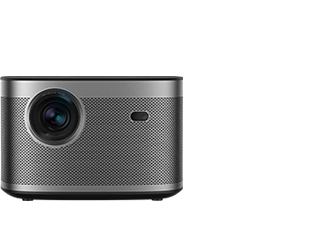
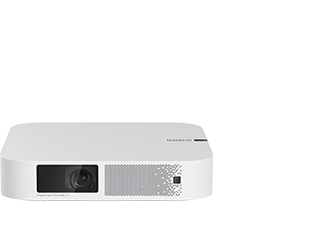
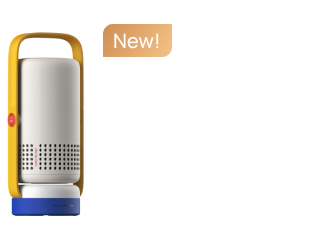
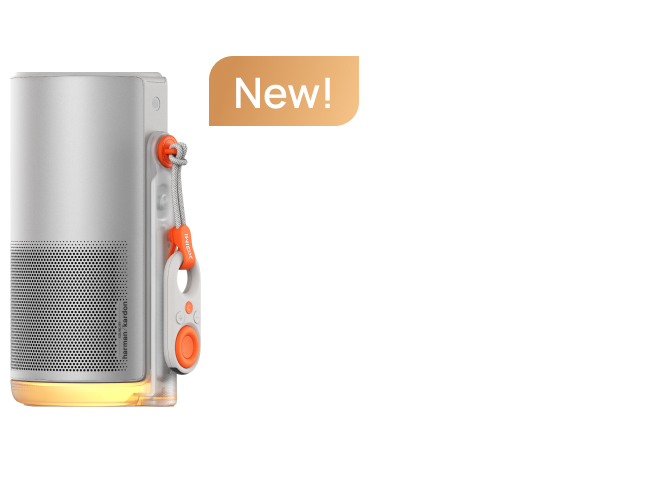
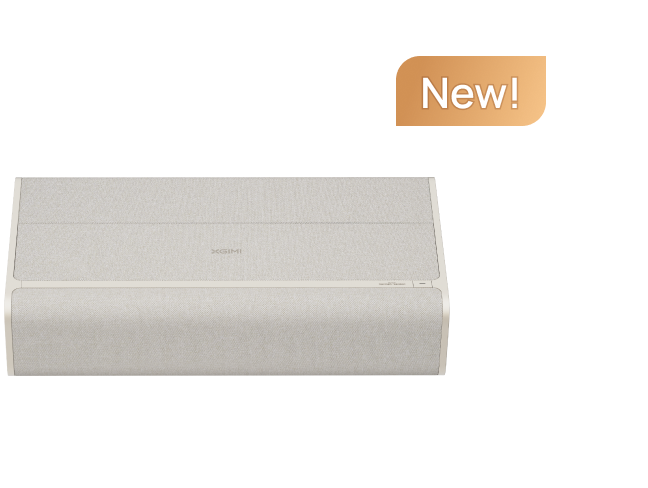
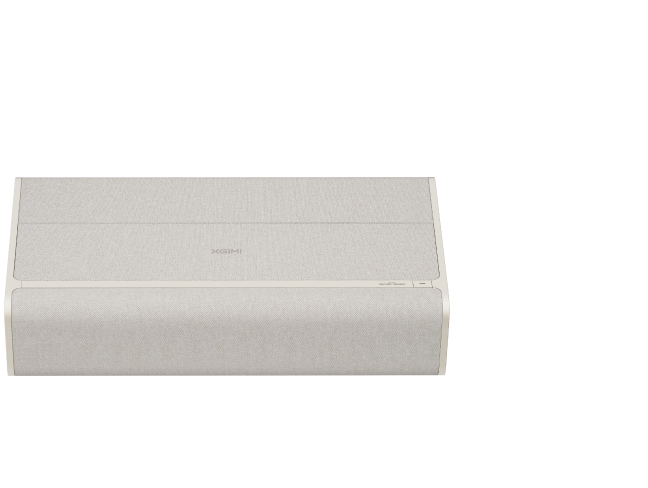



Choosing the right projector for your space comes down to matching throw type, brightness, and mounting style to your room's actual constraints rather than chasing the highest specs. Start by assessing daylight control, available throw distance, and whether you can commit to a fixed installation—those three factors eliminate more mismatched purchases than resolution or brand alone.
Why Room Constraints Matter More Than Headline Specs
Most first-time buyers focus on resolution or lumens without first checking whether the room can physically support the projector type. Throw ratio determines how far the projector must sit from the screen for a given image size, while ambient light quickly washes out contrast if brightness and light control are insufficient. Ceiling mounting frees floor space in a bedroom but adds alignment complexity, and small rooms often rule out standard-throw models entirely.
This room-by-room guide translates those constraints into practical decisions so you avoid buying a projector that ends up too dim during the day, too big for the space, or too annoying to use regularly.

The First Decision Filter: Check Your Room Constraints
Before comparing models, run this quick filter to avoid common regrets:
- Can you reliably control daylight during viewing hours?
- Is there enough (or little enough) distance between your intended projector position and the wall for the desired screen size?
- Are you open to permanent mounting, or do you need something easy to move or store?
If the answer to any of these is "no" for your intended use, certain projector categories will likely disappoint. For example, do not treat a low-brightness portable as a daytime TV replacement in a bright living room, and skip standard-throw models in tight apartments where throw distance is too short.
As this official throw-ratio guide explains, throw ratio determines how much distance you need between the projector and the screen for a given image size.
Projector Types and When They Fit Best
Projectors generally fall into three practical categories for home use:
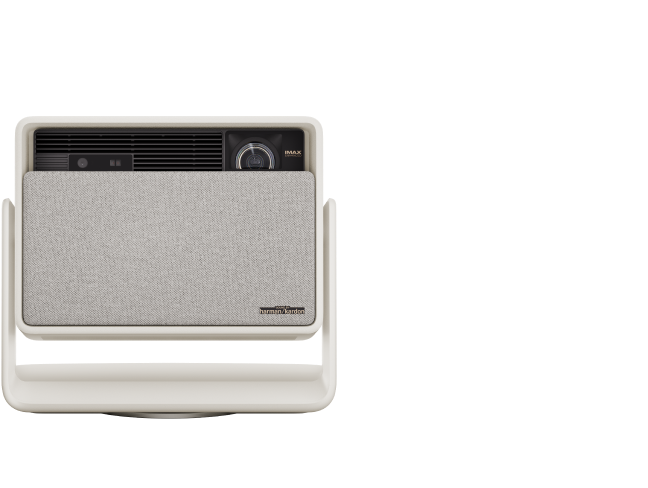
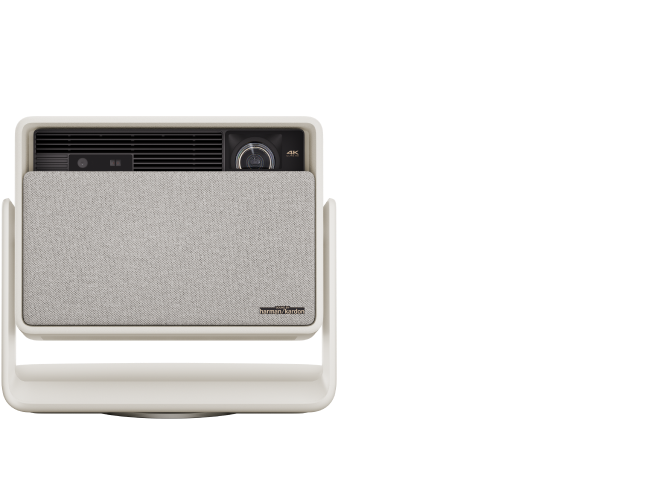
- Ultra-short-throw (UST) and bright short-throw: Sit just inches from the wall, ideal for TV-replacement setups in living rooms where furniture placement is fixed.
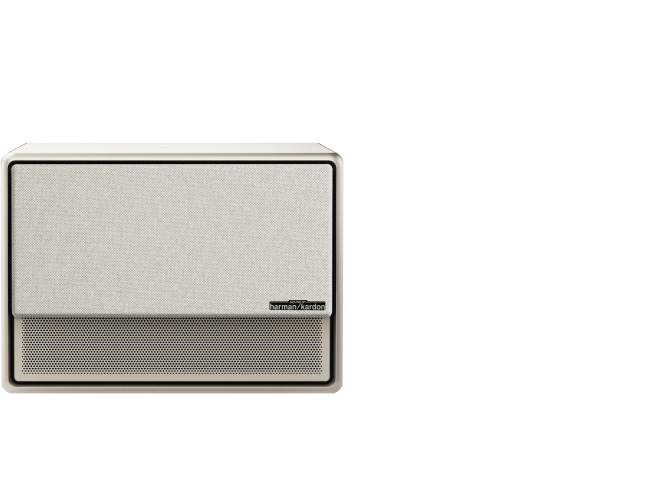
- Short-throw: Offer a balance, producing large images from closer distances than standard models, suitable for many small-to-medium rooms.
- Standard throw: Require more distance but often work well with ceiling mounts in larger or dedicated spaces.
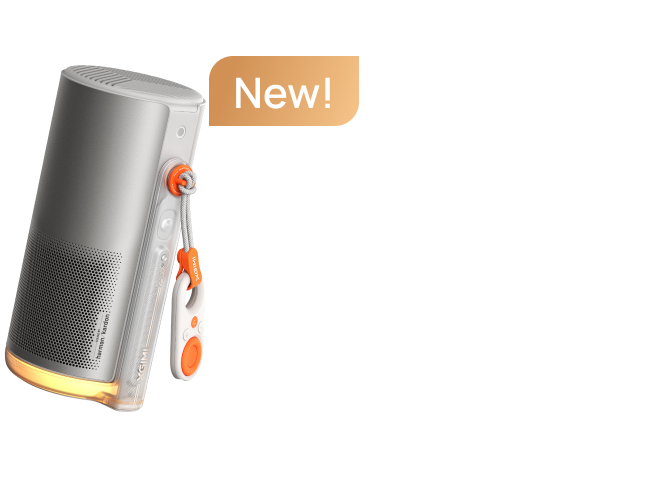
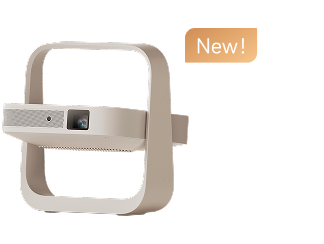
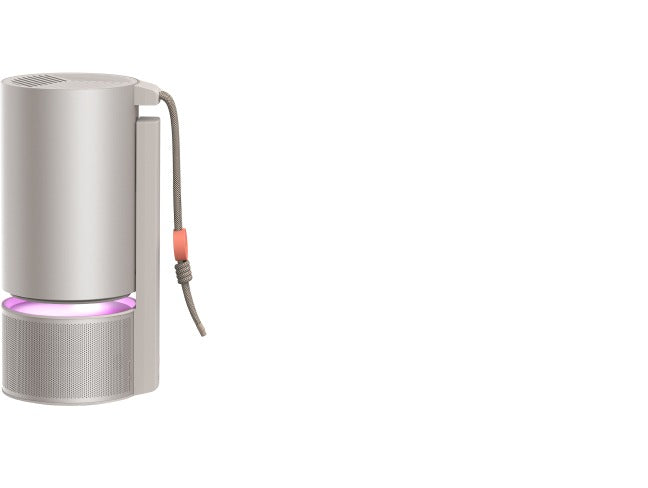
Portable models add flexibility when you want to move the projector between rooms or outdoors.
In brighter rooms, you generally need more brightness and better light control to keep the image readable. Daylight viewing is harder because ambient light lowers perceived contrast.
Room-by-Room Recommendations
Living Room TV Replacement (Often Bright or Mixed Light)
Living rooms frequently have windows and daytime use, making brightness and placement convenience critical. Ultra-short-throw models shine here because they can sit on a media console just inches from the wall, replacing a TV without requiring long throw distances or ceiling work.
Look for at least 1500–2000+ ANSI lumens (or equivalent ISO) and strong ambient light rejection if possible. Resolution of 4K helps with larger screens viewed from 8–12 feet away. Consider models with good built-in audio to simplify setup.
If your living room has significant daylight, prioritize brightness over maximum image size. Our internal research and community feedback show that many regret choosing a portable or lower-lumen model expecting TV-like daytime performance.
See the pros and cons of buying a living room projector instead of a TV for a deeper comparison.
Small Apartments and Compact Spaces
Limited depth makes standard-throw projectors difficult to use. Short-throw or UST models are often easier to fit than standard-throw models in small rooms.
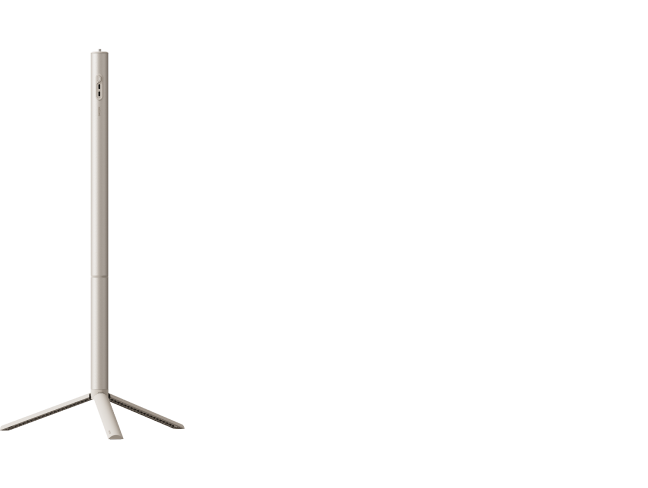
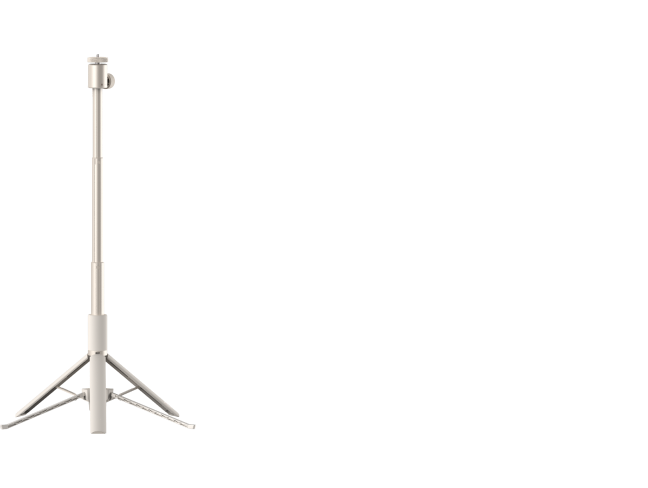
A portable short-throw projector that can sit on a shelf or table works well when you cannot mount anything permanently. Renters especially benefit from drill-free setups that use auto-keystone correction and wall-color adaptation.
Read our guide on whether you should get a projector for an apartment and renter-friendly home theater setups without drilling.
Bedroom Ceiling or Nighttime Setups
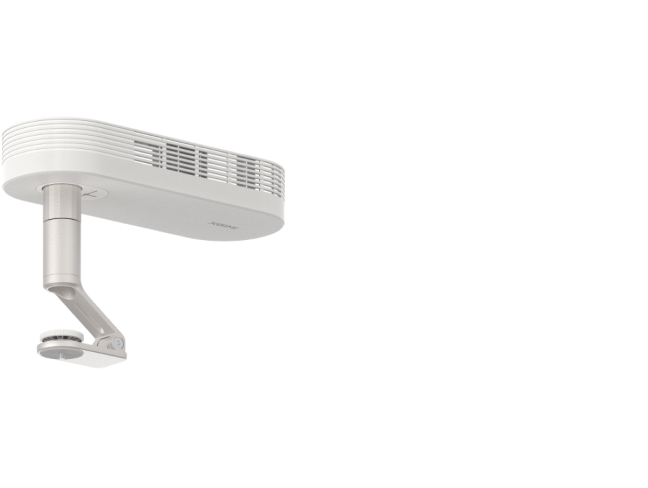
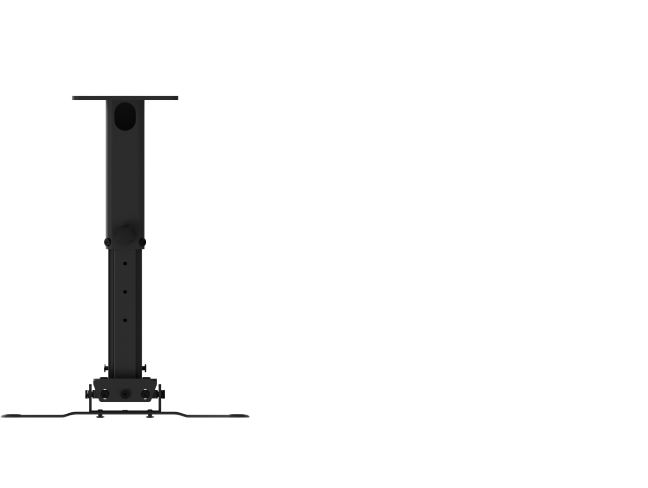
Bedrooms often favor tidy, out-of-the-way installations. Ceiling mounting can free up floor and bedside space, but it also adds installation and alignment considerations.
Standard or short-throw models mounted on the ceiling work well for consistent nighttime viewing. Look for quiet operation, good color accuracy, and easy smartphone casting or smart TV features. If mounting is not an option, a compact portable on a nightstand or shelf suffices for casual streaming.
Consult the projector setup guide on ceiling mount vs tabletop for detailed positioning tips.
Kids Rooms and Family Spaces
For kids rooms, ease of use and flexible placement can matter more than chasing cinema-only specs. Durable, portable projectors that are easy to reposition reduce frustration when layouts change or the projector needs to move for playtime.
Prioritize simple auto-focus and keystone correction, parental controls if available, and sufficient brightness for mixed lighting. Avoid fragile or heavy setups that could pose safety concerns. A battery-powered portable allows moving between indoor and outdoor use.
Bright Rooms with Daylight Challenges
In rooms with uncontrolled daylight, brightness and screen/wall choice become first-order factors. Higher-lumen models (1800+ ISO/ANSI) maintain better visibility, though no projector matches a TV in direct sun.
Consider light-colored walls only if the projector has strong color accuracy and contrast; otherwise, a dedicated screen or blackout curtains help significantly. UST laser models often perform better in these conditions due to higher sustained brightness.
Our full guide to lumens and ANSI lumens explains how much brightness you typically need.
Visualizing Fit by Room Scenario
The chart below illustrates relative suitability of throw types across common room scenarios. These are heuristic scores based on throw distance, ambient light tolerance, and mounting flexibility—read them as a decision aid, not lab measurements.
Projector Throw Type Fit by Room Scenario
Illustrative fit scores by room scenario; not measured results.
View chart data
| Category | UST / Bright Short-Throw | Short-Throw | Standard Throw |
|---|---|---|---|
| Bright living room (TV replacement) | 5.0 | 3.0 | 2.0 |
| Small apartment (limited depth) | 5.0 | 4.0 | 2.0 |
| Bedroom with ceiling mount | 3.0 | 4.0 | 5.0 |
| Renter bedroom (no mount) | 4.0 | 3.0 | 1.0 |
| Kids room (changing layout) | 4.0 | 4.0 | 2.0 |
Heuristic/illustrative fit scores derived from the provided scenario matrix and threshold table. Scores reflect relative suitability only, based on depth, ambient light, and mounting preference; they are not empirical measurements or official rankings.

How to Choose: Practical Checklist
Use this checklist to evaluate any projector against your room:
- Measure the realistic throw distance available from your preferred placement position.
- Estimate typical ambient light during viewing hours and match to the projector's brightness rating.
- Decide on mounting tolerance—permanent ceiling install versus fully portable.
- Consider screen size goals and viewing distance for resolution needs (1080p sufficient for most bedrooms; 4K better for living room 100-inch+ screens).
- Check smart features, audio quality, and setup automation (auto-focus, keystone) for daily convenience.
- For families or kids, verify ease of use and safety aspects like heat output and stability.
Resolution matters, but it should be considered alongside room size, viewing distance, and ambient light.
Don't Buy If...
Skip a projector setup if:
- You need reliable daytime viewing in a bright room but cannot reduce daylight or choose a sufficiently bright model.
- The room cannot physically support the required throw distance for your desired image size.
- You are unwilling to handle ceiling installation complexity or frequent repositioning hassles.
- You expect TV-like performance in all conditions without accepting any compromises on light control or placement.
A projector can still work in challenging rooms with realistic expectations, but mismatched expectations are the top source of regret.
Final Thoughts
The best projector for your space is the one that works reliably in your actual room conditions rather than the one with the highest advertised numbers. By prioritizing throw distance compatibility, brightness needs for your lighting, and realistic mounting options first, you dramatically increase the chance of long-term satisfaction.
Whether you choose an ultra-short-throw laser for the living room, a portable for the kids' space, or a ceiling-mounted model for the bedroom, the key is aligning the technology to the room instead of forcing the room to fit the technology. Take measurements, test lighting at different times of day, and use the decision filter above before purchasing.
For more specific product recommendations, explore our home projectors collection or 4K projectors to find models that match the scenarios described here.
Comfort and Setup Disclaimer: This article discusses projector comfort, setup advice, and room-specific considerations only. It does not constitute medical advice, diagnosis, or treatment for any eye conditions. Projected images may feel more comfortable in controlled lighting for some users, but results depend heavily on room conditions, device quality, and individual sensitivity. If you experience persistent eye discomfort, headaches, or have existing vision issues, consult a qualified eye care professional.


