



You bought a projector with impressive lumen specs, yet the picture still looks disappointingly dim or washed out in your living room. The reason is simple: advertised lumens measure light output under ideal lab conditions, but real-world perceived brightness depends heavily on ambient light, screen surface, throw distance, image size, and your chosen picture mode. Understanding these factors helps you diagnose whether your projector is underperforming or your setup is working against it, and reveals practical ways to achieve a brighter, more satisfying image without unnecessary returns. For more on this topic, see How to Achieve Visible Projection Quality in Bright Daylight and Tw....
Why High Lumens Don't Always Deliver Bright Images
ANSI lumens provide a standardized way to measure projector brightness, but they do not guarantee how vivid the image will appear in your specific room. As this official projector brightness guide explains, perceived brightness results from the interaction between the projector's output, room conditions, and how light reaches your eyes. In many cases, the image looks dim not because the projector lacks power, but because ambient light or setup choices reduce contrast and visible punch.
A common misconception is that higher lumen ratings should make any room feel like a cinema. In reality, ambient light from windows, lamps, or daylight often washes out the projected image first, lowering contrast before raw brightness becomes the limiting factor. This mismatch explains why many first-time buyers feel disappointed even with models rated above 2000 or 3000 lumens.

How Ambient Light Reduces Perceived Brightness
Ambient light is the single biggest culprit behind dim-looking projectors. Even moderate room lighting scatters across the screen, lifting black levels and making colors appear faded. In living rooms with curtains open or lamps on, this washout effect can make a high-lumen projector look surprisingly dull.
The brighter the environment, the more lumens you need to maintain visibility. However, simply buying a brighter model has limits. Without controlling stray light, additional lumens often deliver diminishing returns. For apartment dwellers or multi-use family rooms, managing ambient light through curtains, dimmable lamps, or strategic placement usually yields bigger improvements than chasing higher specs alone.
The Role of Screen Surface and Gain in Brightness Perception
What you project onto matters as much as the projector itself. Plain painted walls typically have low gain (around 1.0), reflecting light evenly but weakly in all directions. This can make images appear dimmer, especially in larger rooms or with moderate ambient light.
Higher-gain screens reflect more light toward the viewer, increasing apparent brightness. As noted in this glossary of projection design terms, screen gain affects how much light reaches your seating positions. However, high-gain surfaces often introduce trade-offs such as narrower viewing angles or hotspotting, where the center looks brighter than the edges.
Ambient Light Rejection (ALR) screens take a different approach. They are designed to reflect projector light while rejecting off-angle ambient light, helping images hold contrast better in mixed-light rooms. While ALR cannot turn a bright living room into a completely dark theater, it frequently provides the most noticeable practical upgrade for everyday viewing.

How Throw Distance and Image Size Dilute Brightness
Throw distance—the space between projector and screen—directly impacts perceived brightness. As distance increases, the same amount of light spreads over a larger area, reducing intensity on screen. A projector that looks vibrant at 100 inches may appear noticeably dimmer when pushed to 150 inches or more.
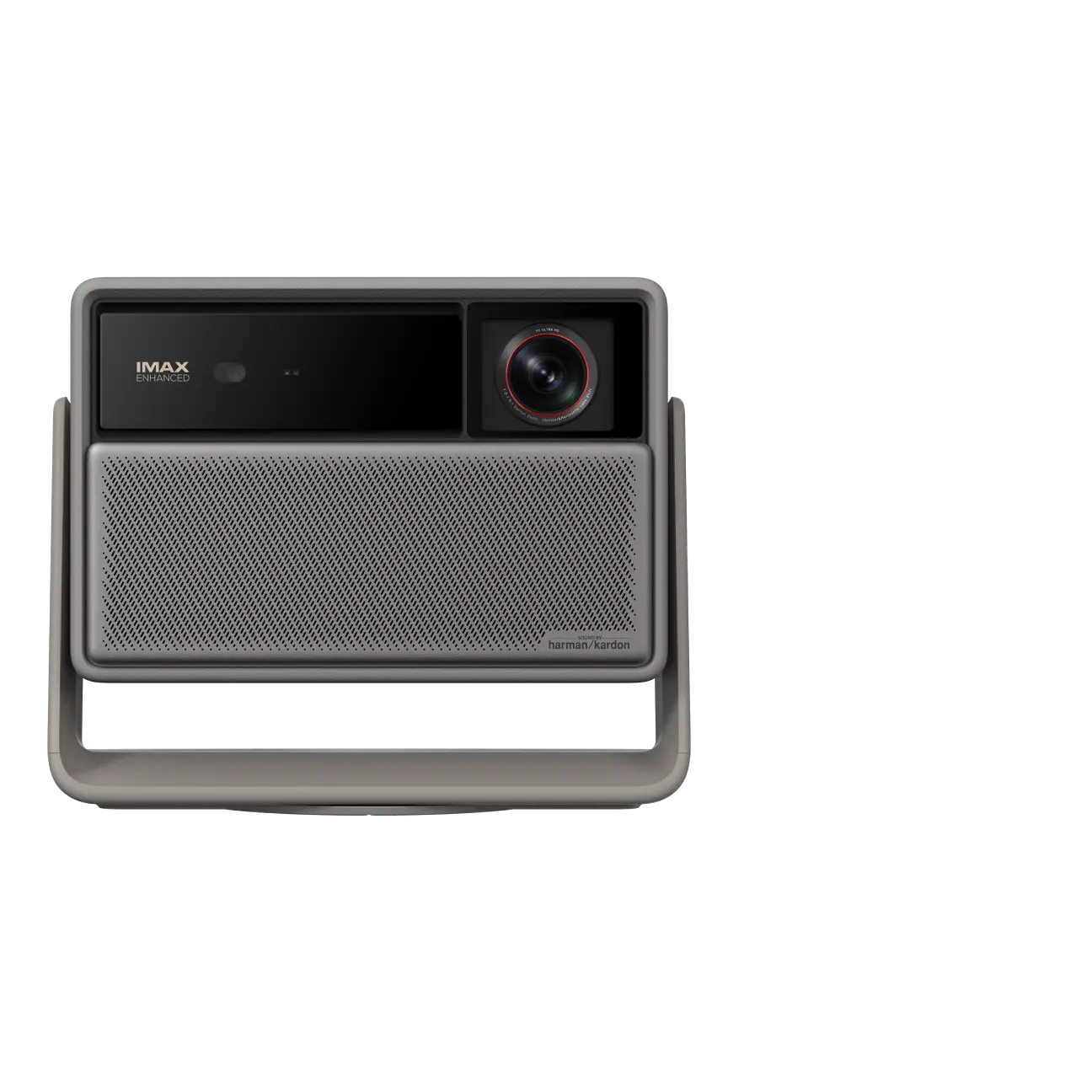
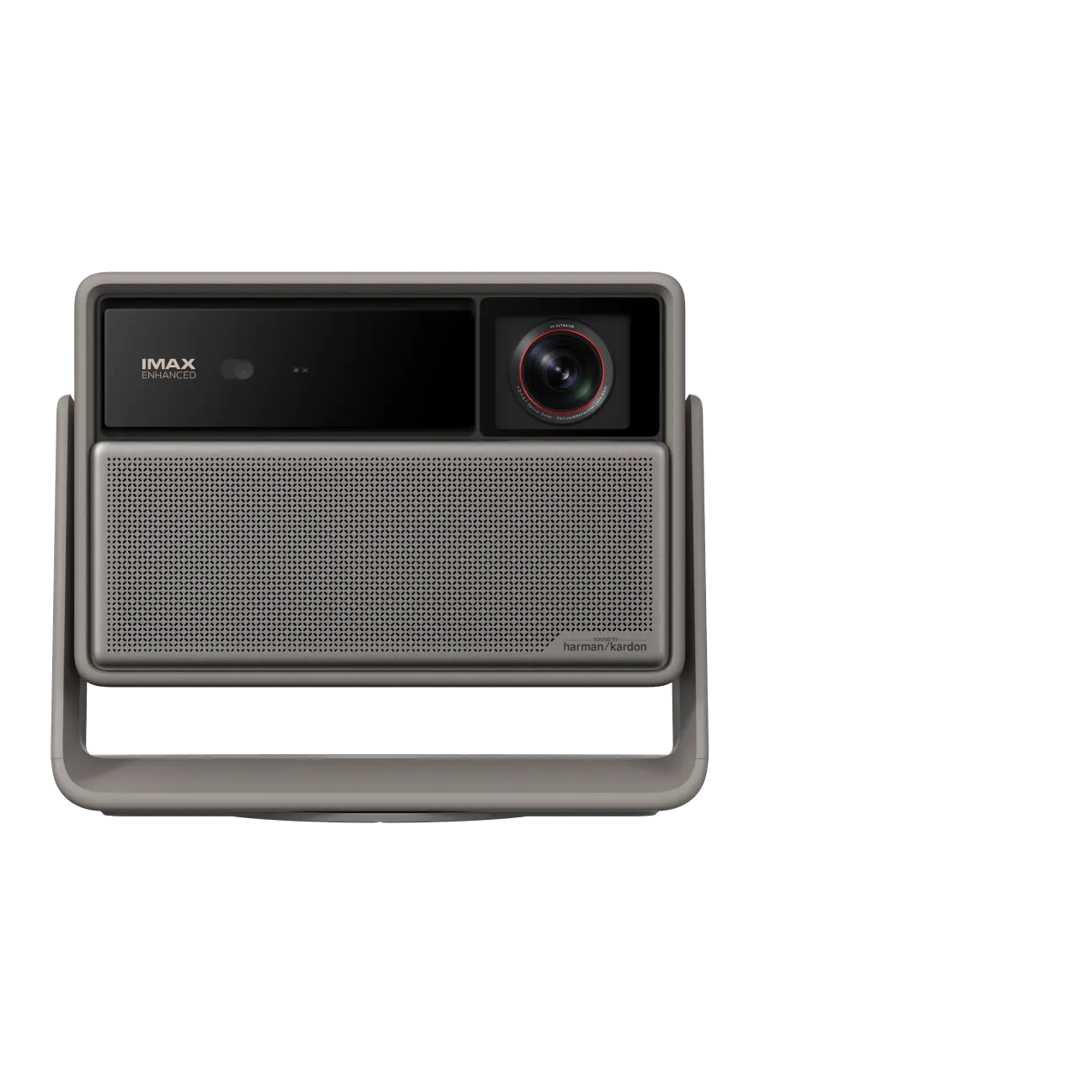
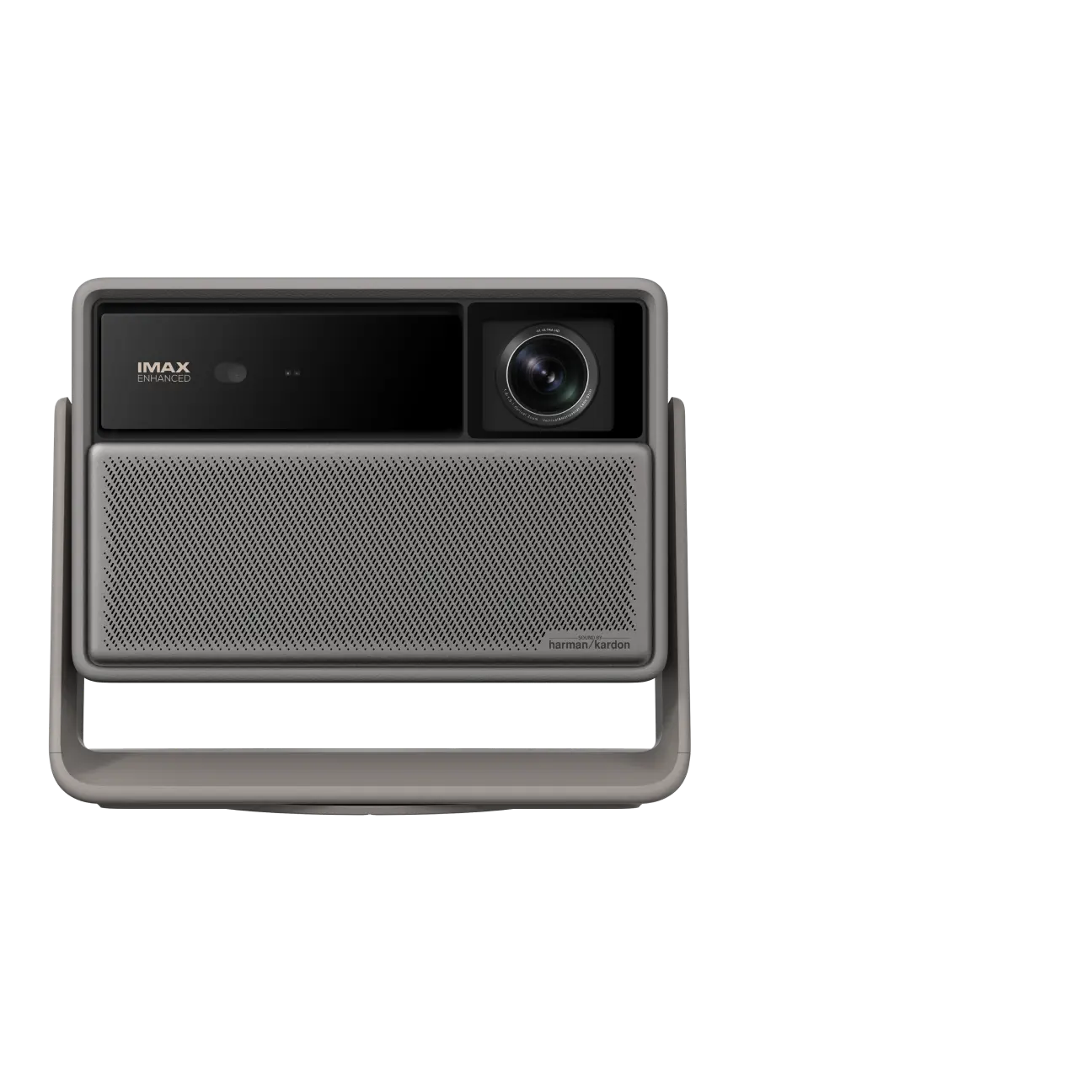
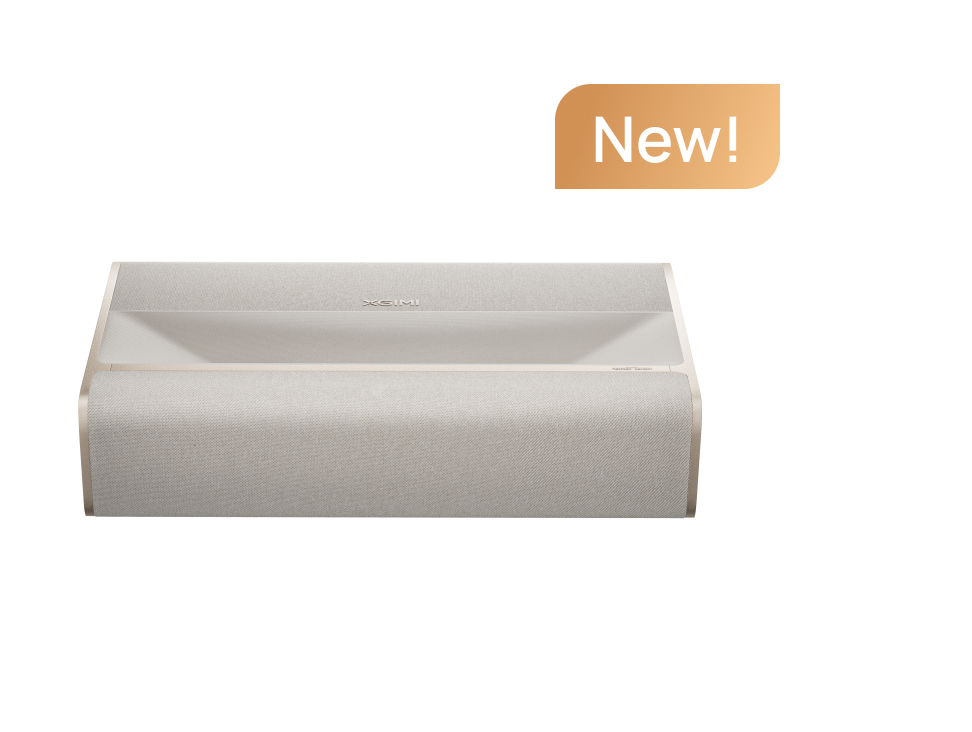
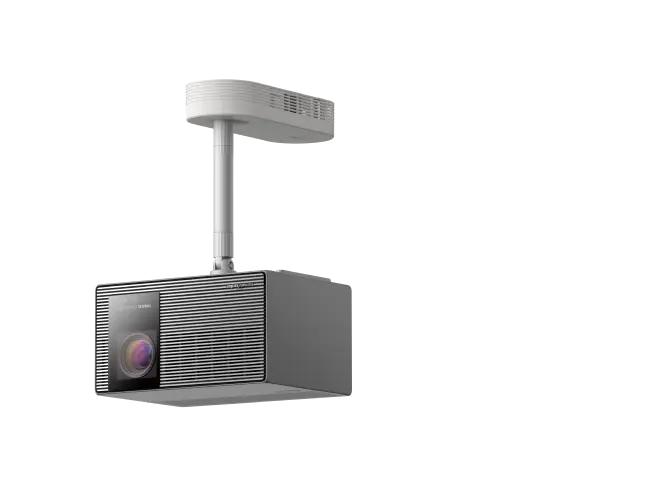
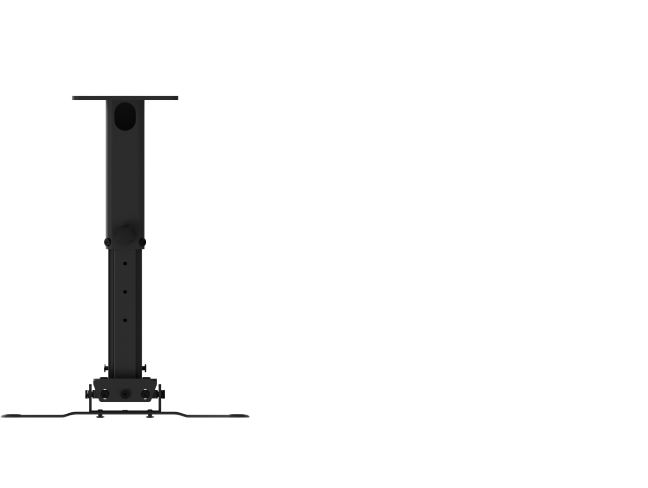
This dilution effect explains why ceiling-mounted setups or rooms requiring long throws often disappoint. Keeping image size moderate or positioning the projector closer (when possible) helps preserve brightness. For ultra-short-throw models like the XGIMI AURA 2, placement flexibility can minimize this issue while delivering large images from minimal distance. For more on this topic, see Projector Throw Ratio Explained: Standard vs. Short Throw vs. Ultra....
Picture Modes, Calibration, and Hidden Brightness Trade-offs
Many projectors offer multiple picture modes that trade brightness for color accuracy or lower power use. Eco or quiet modes often reduce output significantly, making the image feel dim even in controlled lighting. Conversely, the brightest “vivid” or “dynamic” mode may sacrifice natural colors and increase fan noise.
Calibration settings also play a role. Lowering contrast or enabling energy-saving features can unintentionally dull the picture. Before concluding your projector is faulty, test different modes and ensure it runs in a high-brightness setting suitable for your room. As academic work on projection systems shows, brightness, black levels, and color uniformity interact in complex ways—optimizing one factor can affect others.
Practical Troubleshooting: Is It the Projector or the Setup?
Before considering a return or replacement, run this quick diagnostic:
- Measure ambient light: Can you darken the room meaningfully during viewing times?
- Check screen: Are you using a wall with low reflectivity, or a proper screen?
- Evaluate placement: Is the throw distance appropriate for your desired image size?
- Review settings: Is the projector in eco mode or a low-brightness picture preset?
- Test contrast: Does the image improve dramatically when lights are off?
If the image improves substantially in a dark room but struggles with any light present, the issue is usually environmental rather than a defect. This guide to projector lumens reinforces that room conditions, screen size, and setup drive real-world performance more than headline numbers alone.
Scenario-Based Decision Guide
| Scenario | Likely Looks Dim Because | Best First Fix | Expected Outcome Flip |
|---|---|---|---|
| Bright living room, daytime | Uncontrolled ambient light | Light control or ALR screen | Significant contrast improvement |
| Evening with lamps on | Moderate washout + low-gain surface | Dim lights + higher-gain screen | Marginal to acceptable |
| Bedroom wall projection | Low reflectivity + large image | Smaller image or dedicated screen | Noticeable brightness gain |
| Long-throw ceiling mount | Light spread over large area | Closer placement or shorter-throw model | Restores intensity |
| Mixed use, multiple viewers | Viewing angle sensitivity | Balanced gain screen, avoid extreme high-gain | More consistent across seats |
This heuristic helps classify your room and prioritize fixes. Results remain setup-dependent and should be treated as practical guidance rather than strict rules.
When to Consider an ALR Screen or Brighter Projector
For living rooms where complete light control is impractical, an ALR screen often delivers the largest single upgrade. XGIMI’s 100" UST ALR Screen pairs particularly well with ultra-short-throw models, rejecting ambient light while maintaining sharp 4K visuals.
If your current projector struggles even in moderate conditions, models with higher real-world output such as the HORIZON 20 Max (5700 ISO lumens) or HORIZON 20 Pro (4100 lumens) can provide more headroom. Laser projectors in the XGIMI lineup generally maintain consistent brightness better than traditional lamps over time.
However, avoid buying purely for higher lumens if your room has heavy uncontrolled daylight or you expect TV-like performance without any adjustments. In those cases, a projector may not be the ideal solution regardless of specs.
Illustrative Scenario Brightness Comparison
When a High-Lumen Projector Looks Dim vs Acceptable
A decision-support view of scenario flips from dim to acceptable
View chart data
| Category | Relative perceived brightness | Outcome score |
|---|---|---|
| Low ambient / Short throw / High-gain screen | 85.0 | 3.0 |
| Medium ambient / Moderate throw / Low-gain screen | 62.0 | 2.0 |
| High ambient / Long throw / Wall | 28.0 | 1.0 |
| High ambient / Moderate throw / ALR screen | 52.0 | 2.0 |
| Low ambient / Long throw / Wall | 40.0 | 1.0 |
Illustrative, heuristic mapping based on the scenario matrix and threshold table: ambient light, throw distance/image size, and screen type affect perceived brightness; higher gain and ALR improve visibility but with tradeoffs. Values are relative scores, not measured lumens or exact thresholds.
The chart above uses relative heuristic scores to illustrate how different room and setup combinations affect perceived brightness. These are illustrative comparisons meant to highlight scenario boundaries, not laboratory measurements or model-specific performance.
Key Takeaways for Better Projector Brightness
Achieving satisfying brightness usually requires balancing multiple elements rather than relying on lumen numbers alone. Start by optimizing your current setup: control ambient light where possible, choose an appropriate screen, and verify picture settings. For persistent issues in brighter rooms, an ALR screen or a higher-output model from the XGIMI home projector collection often provides the most effective upgrade. For more on this topic, see Projector vs TV: An Honest Comparison for Your Home.
Remember that projectors perform best when expectations align with room realities. In truly bright, uncontrolled environments, even high-lumen units may not deliver TV-like results. By understanding these real-world factors, you can make informed decisions that reduce frustration and maximize your viewing experience.
Important Note on Comfort and Use: This article discusses setup and comfort factors related to projector brightness and image quality. It is not medical advice. If you experience persistent eye strain, headaches, or vision issues during use, consult a qualified eye care professional. Individual sensitivity to light and screens varies, and optimal viewing depends on personal factors and room conditions.
For more guidance on optimizing your setup, explore our guide to getting the best projection image or learn about home projector setup best practices.


