








When investing in a premium home theater projector, the operating temperature of its light source plays a decisive role in both immediate color accuracy and long-term reliability. Higher temperatures accelerate component aging, which can lead to gradual color drift and reduced brightness retention over time. Effective thermal management helps maintain consistent cinematic performance across thousands of viewing hours, making it a key factor for technical buyers evaluating high-end models.

Advanced cooling designs, such as those found in modern LED, laser, and hybrid light engines, work to keep internal temperatures in check. This prevents excessive heat from degrading the light source's output characteristics. Understanding these thermal dynamics allows buyers to better assess total value rather than focusing solely on initial specifications.
Why Light Source Temperature Matters for Color Accuracy
Projector light sources generate significant heat during operation. As temperatures rise, the materials and semiconductors within the light engine experience stress that affects how accurately they reproduce colors. For solid-state sources like LEDs and lasers, this manifests as shifts in wavelength output and reduced color gamut consistency.
According to research on LED thermal management, higher operating temperatures accelerate light-source degradation, directly impacting brightness retention, color stability, and overall service life. This relationship is especially relevant for premium home theater setups where viewers expect accurate, film-like colors over extended periods.
Color drift occurs gradually as the light source ages under thermal stress. Early in a projector's life, colors may appear vibrant and true-to-source. Over time, without proper cooling, subtle shifts in white balance or saturation can appear, particularly in HDR content that demands precise color reproduction.
How Heat Influences Color Drift and Image Consistency
Heat affects different parts of the light engine in specific ways. In LED systems, junction temperature—the temperature at the semiconductor junction—is a primary driver of performance changes. Elevated junction temperatures can alter the phosphor conversion process, leading to variations in color temperature and reduced color fidelity.
Laser systems, while often more efficient, still require careful thermal control. The precise wavelengths produced by laser diodes can shift slightly with temperature fluctuations, potentially affecting the overall color balance in the projected image. Hybrid designs that combine LED and laser elements inherit thermal considerations from both technologies.
This official LED thermal management reference highlights how junction temperature influences both lumen maintenance and color quality in LED-based systems. Similar principles apply across projector light sources, where uncontrolled heat leads to faster performance degradation.
Real-world image consistency depends on more than just the light source type. Ambient room temperature, ventilation around the projector, and usage patterns all interact with the device's internal cooling to determine how quickly drift may occur.
Thermal Profiles of LED, Laser, and Hybrid Light Sources
Different light source technologies exhibit distinct heat generation and management characteristics:
- LED light sources typically run with moderate heat output but are highly sensitive to junction temperature. Poor thermal design can cause noticeable impacts on both brightness and color within fewer operating hours.
- Laser light sources often achieve higher brightness with potentially better efficiency, yet they still generate heat that must be dissipated effectively to prevent wavelength shifts and maintain long-term stability.
- Hybrid (Dual Light) systems combine elements of both, offering a balance that can optimize for both brightness and color performance when paired with advanced cooling.
This review of laser-based display systems confirms that while laser technology is mature for projection, thermal design remains critical for sustained performance. Similarly, research on color-conversion displays notes varying thermal and optical tradeoffs among LED, laser, and hybrid approaches, emphasizing that system-level engineering determines real-world results.

These differences mean that simply choosing "laser" over "LED" does not automatically guarantee superior longevity or color stability. The full implementation—including heat sinks, fans, and airflow design—determines how well the system handles thermal loads.
The Role of Thermal Management in Preserving Performance
Effective thermal management systems actively regulate internal temperatures to protect the light source and other components. This includes heat sinks, variable-speed fans, and intelligent temperature sensors that adjust cooling based on operating conditions.
By keeping the light source within its optimal temperature range, these systems help preserve:
- Consistent color reproduction
- Stable brightness levels
- Extended component lifespan
- Quieter operation during extended viewing sessions
Premium projectors often incorporate sophisticated cooling to minimize the effects of heat on color accuracy. For instance, designs that maintain lower junction temperatures in LEDs can significantly slow the rate of color shift and lumen depreciation.
Published lifespan figures for projectors are estimates based on specific test conditions. As noted in guidance from lighting safety standards, actual results depend heavily on real-world operating temperatures and usage patterns.
Signs That a Projector May Be Overheating or Losing Color Accuracy
Watch for these practical indicators that thermal issues may be affecting performance:
- Gradual color shifts, especially in skin tones or white balance
- Noticeable drop in brightness compared to initial use
- Increased fan noise during normal operation
- Occasional thermal shutdowns or warnings
- Uneven illumination across the screen
These signs suggest the system may be struggling with heat dissipation. Addressing them early—through better ventilation, lower brightness settings in warm rooms, or professional servicing—can help extend usable life.
Independent reviews of home theater projectors emphasize evaluating real-world behavior rather than relying solely on rated specifications. Factors like your specific room environment play a major role in long-term outcomes.
Comparing Light Source Technologies for Long-Term Reliability
When evaluating projectors, consider thermal design alongside light source type. LED systems may offer excellent color accuracy initially but require robust cooling to maintain performance. Laser projectors can deliver high brightness with potentially better efficiency, yet still benefit from advanced thermal solutions.
Hybrid approaches, such as Dual Light technology, aim to combine strengths while managing heat more effectively. The goal is a system that delivers stable colors and reliable brightness without excessive noise or rapid degradation.
Here is an illustrative comparison of how temperature ranges may influence relative performance across light source types (values are normalized for explanatory purposes and not based on specific product measurements):
Illustrative Thermal Sensitivity of Projector Light Sources
Relative, illustrative comparison only; not real measurements.
View chart data
| Category | LED color stability risk | LED lifespan retention % | Laser color stability risk | Laser lifespan retention % | Hybrid color stability risk | Hybrid lifespan retention % |
|---|---|---|---|---|---|---|
| Low temp | 15.0 | 95.0 | 10.0 | 98.0 | 12.0 | 96.0 |
| Moderate temp | 35.0 | 80.0 | 20.0 | 92.0 | 28.0 | 88.0 |
| High temp | 70.0 | 55.0 | 45.0 | 80.0 | 55.0 | 70.0 |
Illustrative relative model built from viewpoint-insighter notes and thermal-management literature: LED is more sensitive to junction temperature, heat accelerates degradation, and laser/hybrid are comparatively more stable. Values are normalized, not measured; lower risk is better, higher lifespan retention is better.
This visualization demonstrates directional trends: LED systems show greater sensitivity in higher temperature ranges, while laser and hybrid designs may maintain more stable performance under comparable conditions. Remember these are illustrative only—actual results vary by specific engineering.
Myth vs Reality
Several common misconceptions exist around projector light sources:
- Myth: Laser or LED projectors are completely maintenance-free with unlimited lifespan. Reality: While they often require less maintenance than traditional lamps, thermal management, usage patterns, and environmental factors still influence longevity and color stability.
- Myth: One light source type is universally superior for color accuracy. Reality: Performance depends on the complete system design, calibration, and how well heat is managed in your specific setup.
- Myth: Rated lifespan numbers guarantee identical real-world results. Reality: These are estimates under controlled conditions. Real performance varies based on operating temperature and duty cycle.
How to Evaluate Thermal Design When Buying a Premium Projector
Use this practical checklist to assess a projector's ability to maintain color accuracy and lifespan:
- Review available details on cooling technology and heat dissipation methods.
- Consider your intended usage—long daily movie sessions in a warm room increase thermal demands.
- Check for features like variable fan speeds or intelligent temperature control.
- Look at real-world reviews mentioning long-term color consistency and noise levels.
- Evaluate the overall chassis design for ventilation adequacy in your installation location.
- Prioritize models that provide transparent information about operating conditions for their lifespan ratings.
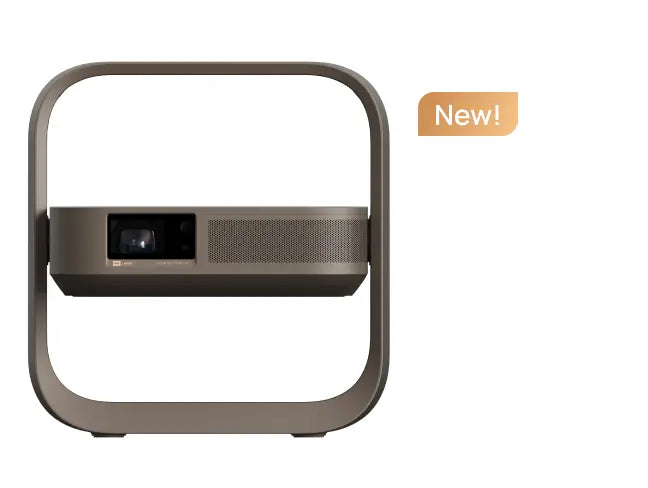
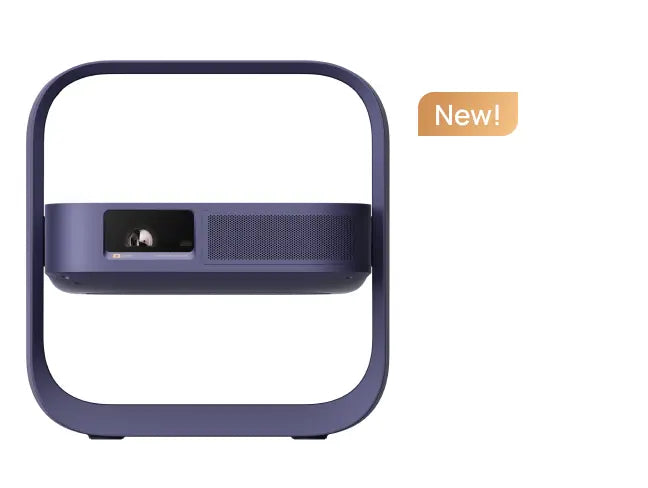
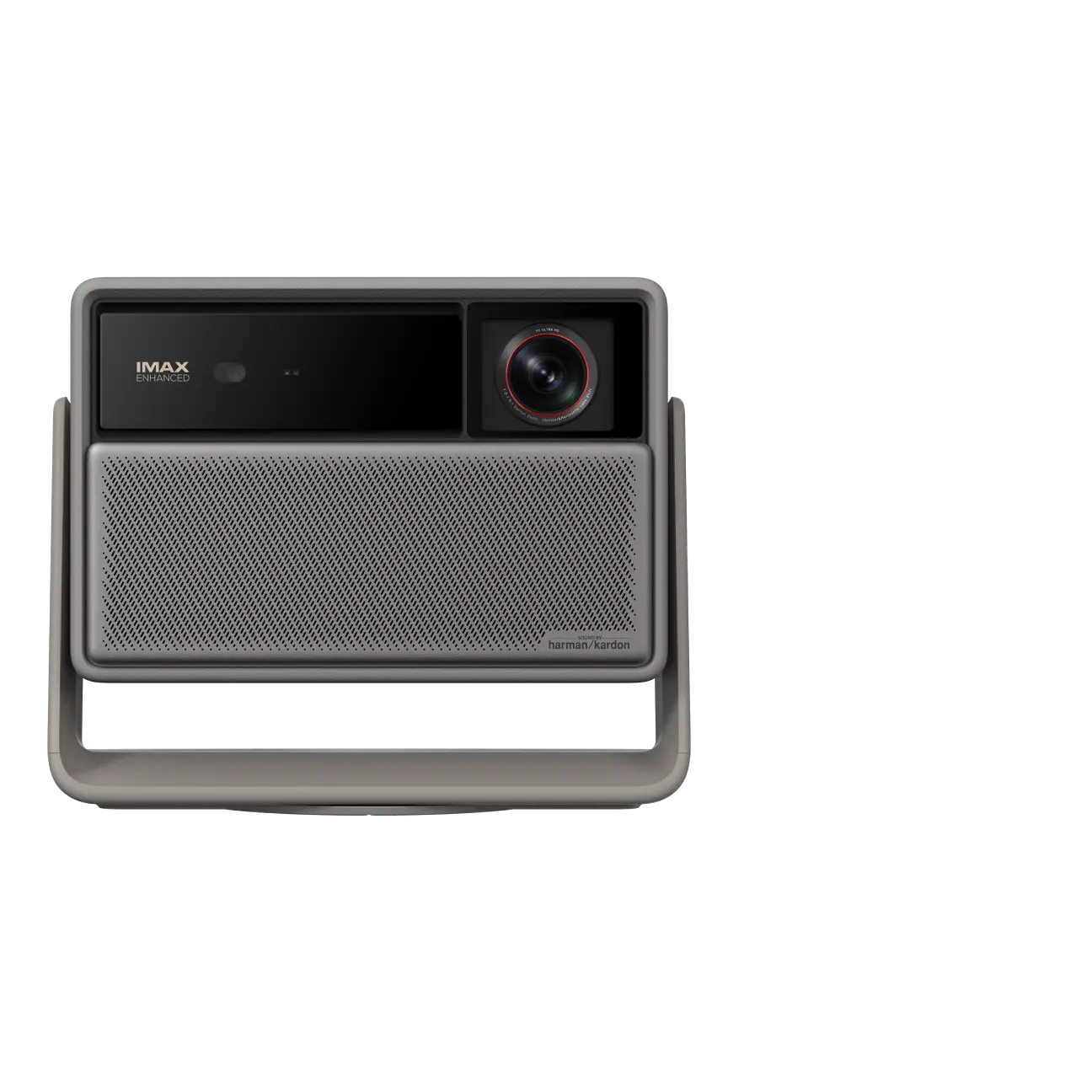
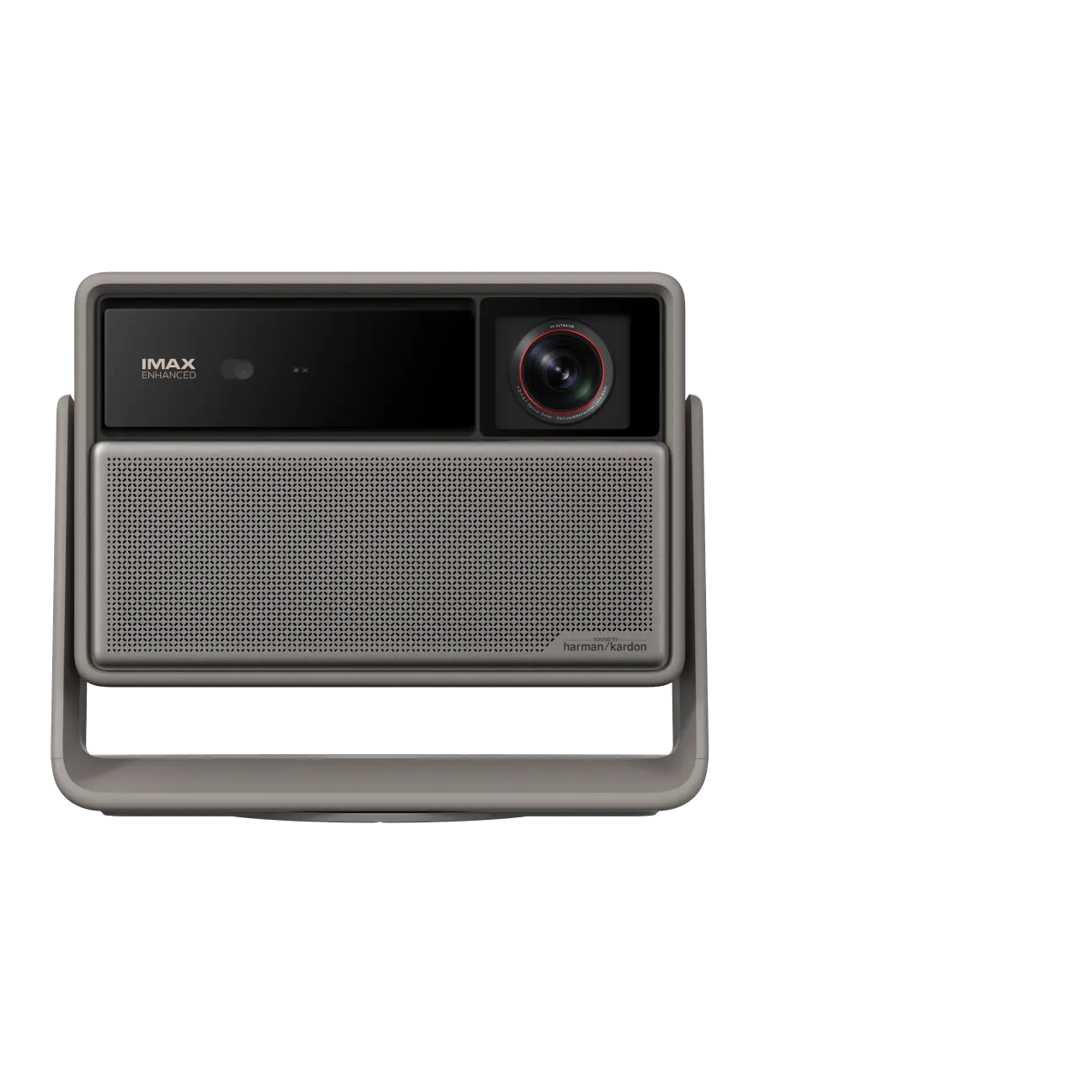
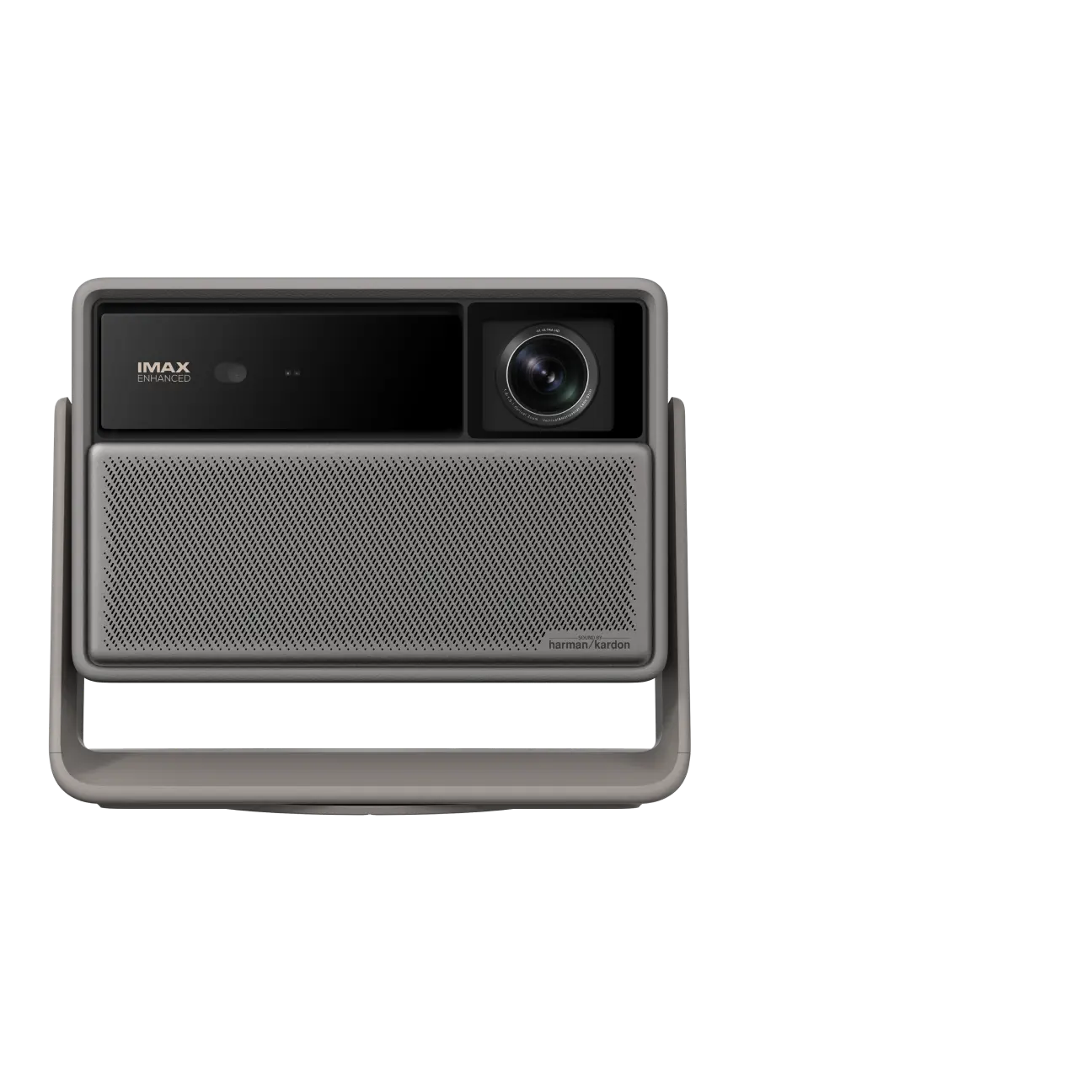
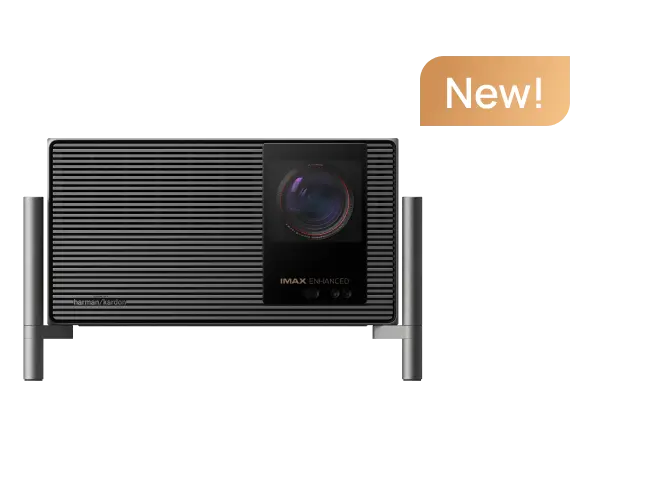
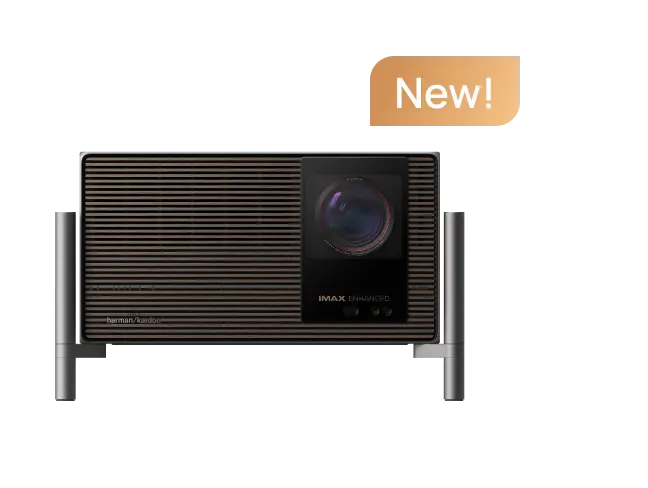
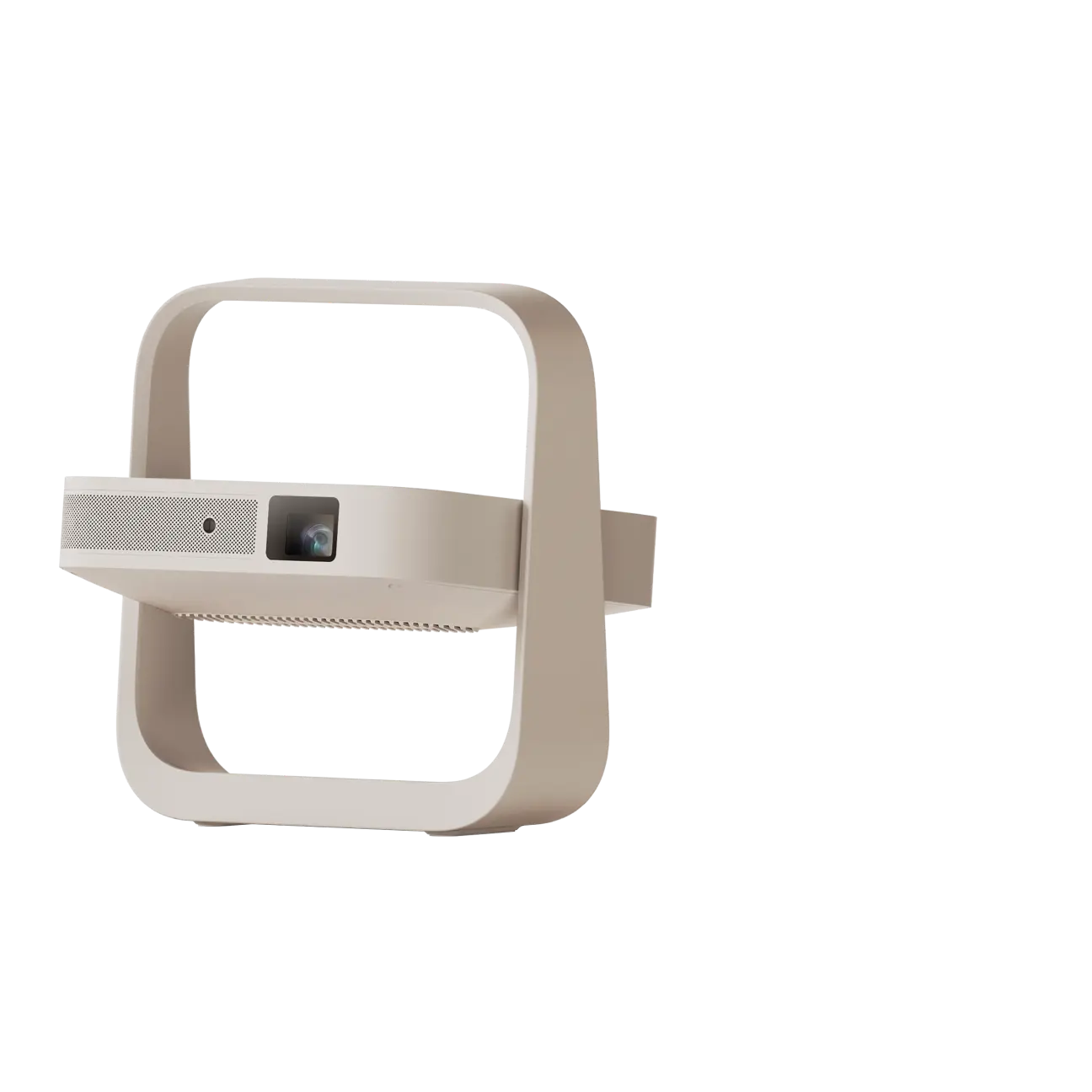
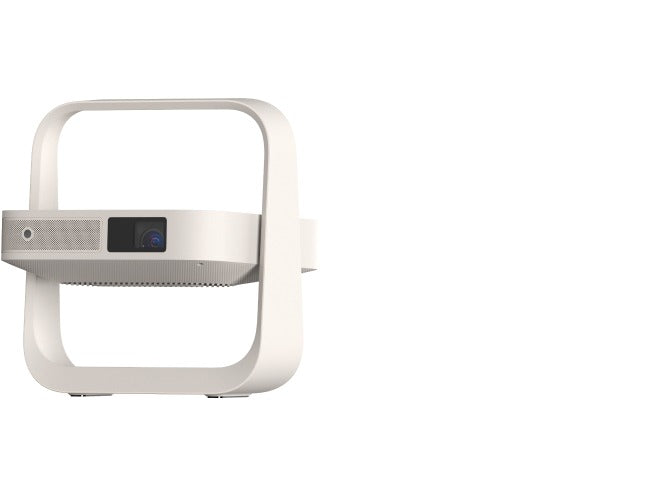
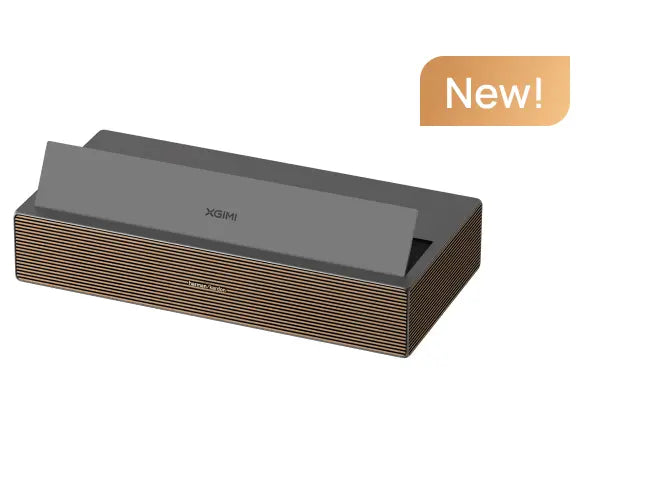
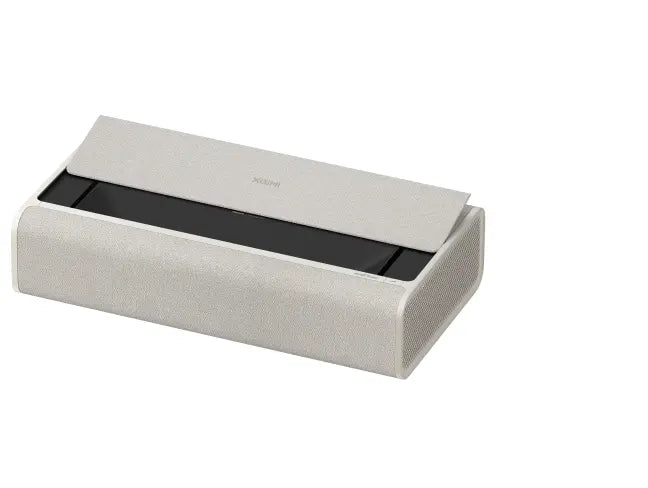
For home theater enthusiasts, models like the HORIZON Ultra demonstrate how integrated thermal solutions support both vivid colors and reliable performance. Similarly, exploring laser projectors can reveal options optimized for brightness and stability.
Additional resources on related topics include our guide to understanding projector lamp life and the comparison of LED vs laser vs dual light source technology.
Conclusion
Light source temperature is a fundamental but often overlooked factor in projector color accuracy and lifespan. By prioritizing thermal management in your buying decision, you can better ensure that your investment delivers consistent, high-quality performance for years to come. The best premium projectors balance bright, accurate images with intelligent cooling that protects the light engine from excessive heat.
Ultimately, no single technology eliminates all thermal considerations. Focus on the complete system design, your specific viewing environment, and practical usage patterns. This approach helps select a projector that maintains cinematic color fidelity without unexpected performance degradation over time.
This article discusses general principles of projector thermal management and comfort in setup. It does not constitute technical specifications, performance guarantees, or professional engineering advice. Individual results depend on specific models, installation conditions, and usage. For persistent performance concerns with any projector, consult the manufacturer or a qualified AV professional.
References


