
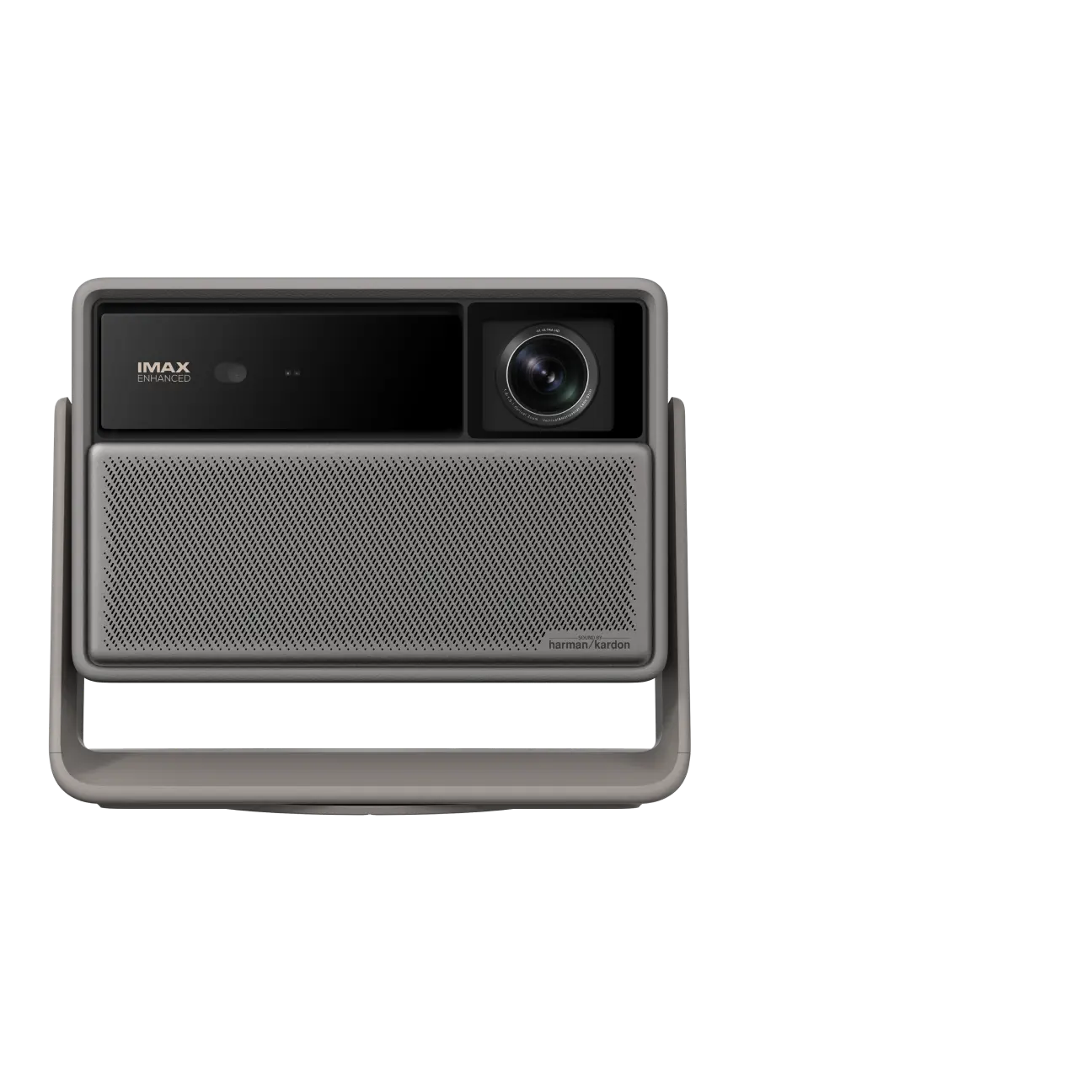
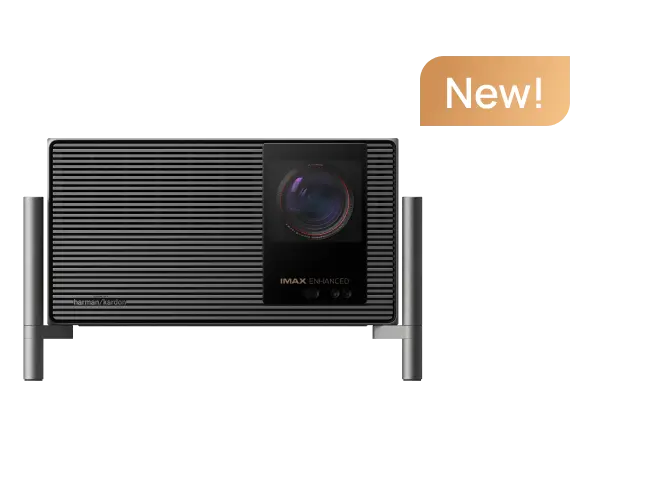





Modern projectors have become viable big-screen gaming displays for many players, especially when they deliver low input lag in gaming mode and support features like 120 Hz refresh rates. The key is understanding that input lag matters more than headline refresh rates for responsive gameplay, and that real-world performance depends heavily on your room conditions, source device, and proper setup.

Input lag is the delay between your controller or mouse input and the on-screen response. Lower numbers feel more immediate, making them critical for competitive play. As this official HDMI feature overview explains, technologies like VRR and ALLM further improve smoothness by reducing tearing and automatically switching to low-latency modes.
Higher refresh rates can make motion look smoother and can improve the sense of responsiveness, but they do not automatically eliminate input lag. Projectors that claim 120 Hz support must also maintain low lag in that mode to deliver a competitive advantage. For most console gamers replacing a TV, a projector with under 30 ms lag at 60 Hz or 120 Hz can feel responsive enough for single-player and casual multiplayer titles.
What Input Lag and Refresh Rate Really Mean for Gamers
Input lag should be read as a mode-specific figure because it changes with resolution, refresh rate, and picture mode. Many projectors list their lowest lag only in a dedicated gaming preset at 1080p or 60 Hz. Testing at 4K and 120 Hz often reveals higher numbers, so always check reviews that measure the settings you will actually use.
Refresh rate describes how many times per second the display updates the image. A 120 Hz gaming projector setup can reduce perceived motion blur and make fast-paced games feel more fluid, especially on PS5 or Xbox Series X when outputting at 120 frames per second. However, achieving true 4K at 120 Hz requires an end-to-end capable chain, and HDMI 2.1 is the relevant transport context for that capability. For more on this topic, see What Refresh Rate and Response Time Should You Look for in a Gaming....
Input Lag Thresholds: Casual vs Competitive Gaming
Practical thresholds help separate projectors that work well from those that disappoint during gameplay. Input lag below 20 ms feels excellent for competitive titles, while 20-30 ms remains acceptable for most story-driven or couch co-op games. Above 40 ms, latency often becomes noticeable and frustrating in timing-sensitive play.
Here is an illustrative guide to these practical thresholds:
Gaming Projector Gaming-Fit Thresholds
Use this as a practical threshold guide, not laboratory measurement data.
View chart data
| Category | Illustrative latency threshold (ms) | Refresh step-up cue (Hz) |
|---|---|---|
| Competitive gaming | 20.0 | 60.0 |
| Casual console gaming | 30.0 | 60.0 |
| Poor fit zone | 40.0 | 120.0 |
Illustrative/practical thresholds synthesized from provided threshold table and scenario matrix: input lag under 20 ms for competitive play, 20-30 ms acceptable for casual console gaming, above 40 ms poor fit; 60 Hz as baseline and 120 Hz as a step-up cue for smoother gaming. Not lab data. HDMI 2.1 is a compatibility note for 4K/120Hz scenarios, not plotted as a numeric claim.
These numbers are practical buyer heuristics rather than universal lab measurements. Perception varies by game genre and individual sensitivity. For PC gamers using mouse and keyboard, staying under 20 ms at your target refresh rate is usually more important than raw resolution.

Common Myths About Gaming Projectors
Several widely circulated claims can mislead buyers. One myth is that any projector advertising 120 Hz support will automatically feel responsive. In reality, higher refresh rates can make motion look smoother and can improve the sense of responsiveness, but they do not automatically eliminate input lag. The actual gaming experience depends on whether the projector disables image processing in gaming mode.
Another misconception is that all “gaming projectors” behave like gaming monitors or TVs. Projectors trade maximum screen size and flexibility for stricter room-light control and, depending on model, less consistent gaming performance than premium TVs or monitors. Many models still require careful placement to avoid keystone correction, which can add latency.
Projector vs Monitor or TV for Gaming
Projectors excel at delivering massive screen sizes that monitors and even large TVs cannot match, creating an immersive experience ideal for racing games, open-world titles, and cinematic storytelling. However, they generally require a darker room for best contrast and brightness, while TVs and monitors perform better with ambient light.
For competitive first-person shooters or fighting games, a high-refresh gaming monitor often provides lower and more consistent input lag. Casual console gamers and home theater enthusiasts who want one display for movies and games frequently find modern low input lag 4K projectors satisfying, especially models that support VRR and ALLM.
The best choice flips based on your primary scenario. Living room console gaming on PS5 or Xbox favors projectors with easy setup and strong brightness. PC gaming desk setups may prefer monitors unless you have space for a dedicated projection area. Shared entertainment spaces benefit from projectors that handle multiple viewers at once.
Best Projector Setup for 120 Hz Gaming
Optimizing a 120Hz gaming projector setup starts with using the correct HDMI cable and port. HDMI 2.1 cables are necessary for full 4K at 120 Hz with VRR support. Enable game mode on both the console or PC and the projector, then disable unnecessary image processing features like motion smoothing or excessive keystone correction.
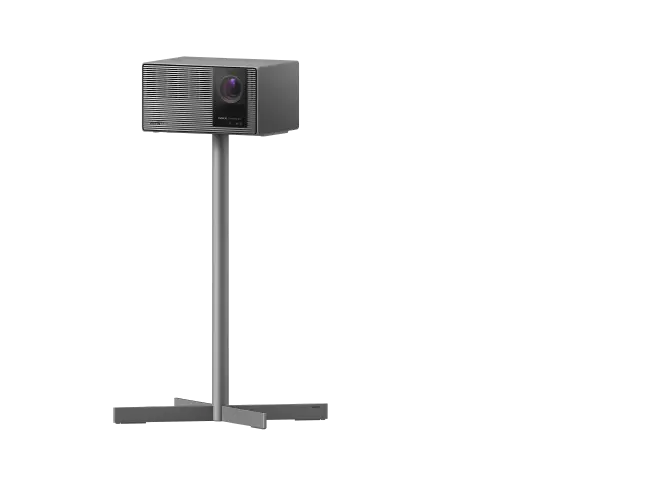
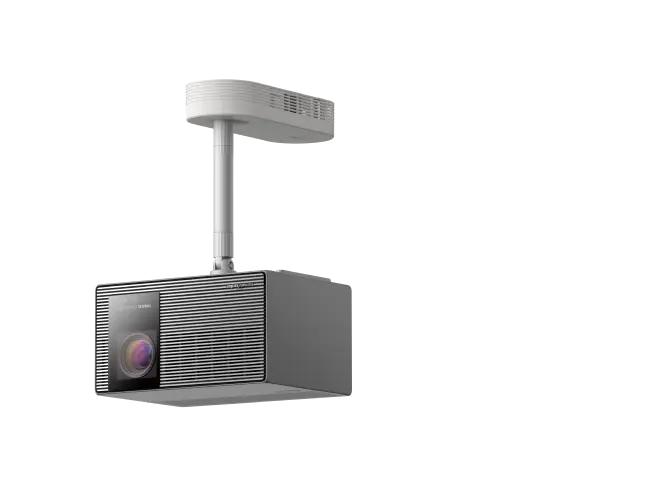
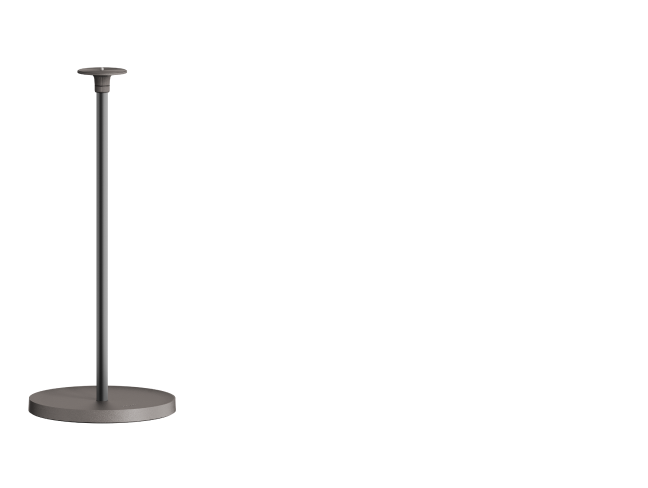
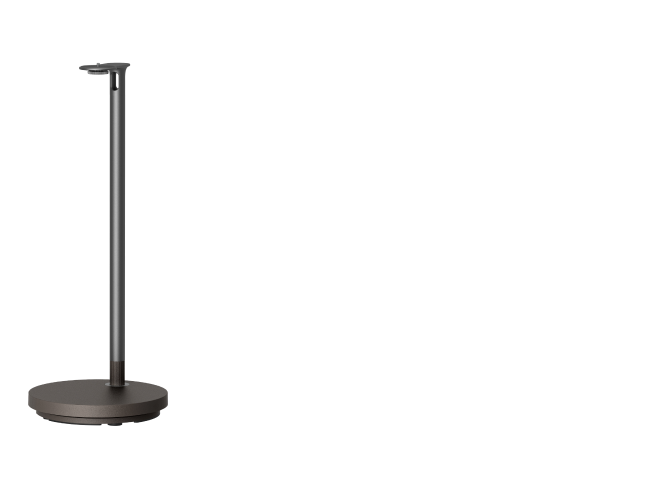
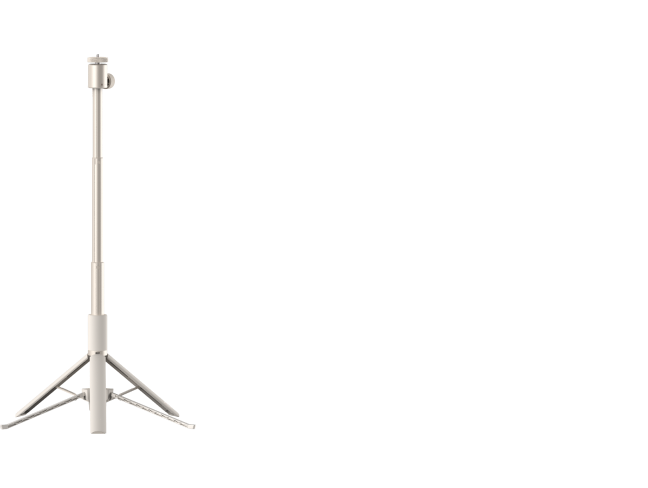
Position the projector at the recommended throw distance for your desired screen size to minimize digital correction. In living rooms, ceiling mounts or adjustable stands help maintain consistent alignment. For portable use, choose models with quick auto-setup features that preserve low latency.
Brightness around 2000 lumens or higher helps in rooms with some ambient light, though dedicated dark rooms allow lower-output models to shine. Test your setup with fast-paced games to verify the actual feel rather than relying solely on advertised specifications.
How to Choose the Best Projector for PS5, Xbox, or PC in 2026
When evaluating options, prioritize measured input lag in the modes you will use most. Look for native or high-quality 4K resolution, HDMI 2.1 ports for future-proofing, and support for ALLM and VRR. Consider your room: brighter environments need higher lumens, while dark rooms allow focus on contrast and color accuracy.
For console gamers, check compatibility with PS5 and Xbox features like 120 Hz output and variable refresh. PC gamers should verify low-latency performance at their graphics card’s preferred resolution and refresh rate. Avoid models that only achieve high refresh rates through heavy interpolation, as this often increases lag.
Do not buy if you primarily play competitive mouse-driven PC games and cannot tolerate any added delay, or if your room has uncontrolled bright light that would wash out the image. Frequent movers may also regret setups that require repeated calibration.
Common Setup Mistakes to Avoid
Many users enable all image enhancement features, unknowingly adding latency. Others place the projector too far off-axis, forcing aggressive keystone or lens shift that softens the image. Using standard HDMI cables instead of Ultra High Speed versions can limit bandwidth and disable 4K/120 Hz modes.
Failing to update firmware on both the projector and console often leaves performance on the table. Finally, neglecting room lighting control turns even capable projectors into dim or washed-out displays during daytime play.
Gaming Projector Checklist Before You Buy
Use this practical checklist to evaluate fit:
- Measure your room lighting and decide if you can control it for movie-like contrast.
- Confirm the projector’s input lag at your target resolution and refresh rate from independent tests.
- Verify HDMI version and support for ALLM, VRR, and 120 Hz output from your console or PC.
- Check throw distance and placement options against your available space.
- Test or read reviews about real-world gaming feel rather than only marketing specs.
- Consider whether the projector doubles effectively for movies and streaming in your household.
This approach helps ensure the projector enhances rather than compromises your gaming experience.
Disclaimer on comfort and setup advice: This article discusses display setup and comfort factors for gaming. It does not constitute medical advice, diagnosis, or treatment. Projector use may feel more comfortable in controlled lighting, but results depend heavily on room conditions and device quality. If you experience persistent eye strain, headaches, or other discomfort, consult a qualified eye care professional.
Projectors continue to improve as big-screen gaming options, offering flexibility that traditional displays cannot match when setup is done correctly. By focusing on verified low input lag, proper connectivity, and room-appropriate brightness, many gamers successfully build responsive, immersive setups that rival or exceed their old TVs.


