





If you've ever spotted fleeting red, green, and blue flashes while watching a movie on a projector, you've encountered the rainbow effect. This optical artifact appears primarily in certain single-chip DLP systems that display colors sequentially. Modern display technologies, including advanced LED, laser, and hybrid light sources, significantly reduce its visibility, helping many viewers enjoy smoother, more comfortable projection without distraction.

The rainbow effect, often abbreviated as RBE, remains one of the most discussed drawbacks in home theater research. Understanding its root cause helps buyers make better decisions when comparing projectors in 2026. While not every user notices it, those who do frequently seek models designed to minimize or avoid the issue altogether. For more on this topic, see Are Projectors Better for Your Eyes? Science-Based Answer.
What Causes the Rainbow Effect in Projectors?
Single-chip DLP projectors can produce rainbow artifacts because they display colors sequentially, often using a spinning color wheel. The digital micromirror device (DMD) chip reflects light rapidly, but the color wheel filters the light into red, green, and blue components one at a time. When your eyes move quickly across the image—known as saccadic movements—the brain can briefly perceive these separate colors as colored flashes or rainbows, especially along high-contrast edges like white text on a dark background.
This mechanism was particularly noticeable in first-generation DLP projectors that relied heavily on the color wheel. As explained in technical literature from the National Institutes of Health, the sequential color presentation ties directly to how the human visual system processes rapid changes. MIT's computational photography resources further detail how a DLP projector can use a rotating color wheel and project one color component at a time in sequence, setting the stage for this artifact under certain conditions.

Not all sequential systems produce equally strong effects. Factors like wheel speed, the number of color segments, and overall refresh rate influence severity. Early designs with slower wheels created more pronounced issues, while later improvements have narrowed the gap.
Who Notices Rainbow Artifacts Most?
The rainbow effect is more noticeable to some viewers, especially during fast eye movements or saccades. Sensitivity varies widely—some people never perceive it, while others find it distracting enough to affect their enjoyment. Research highlights that the artifact depends on the human visual system and viewing conditions, making it highly individual.
People who are more sensitive often report seeing flashes during dark-room movie watching, fast-action scenes, or when viewing credits and subtitles. Families or shared households may experience mixed reactions, with one member bothered while others remain unaffected. This variability explains why online discussions about the effect can seem contradictory.
If you have previously noticed the rainbow effect on a projector, you belong to the more sensitive group. In that case, prioritizing technologies that avoid sequential color presentation becomes a practical step. However, many users adapt or simply never see the issue, particularly in brighter rooms or with casual content. For more on this topic, see How to Choose a Projector for Your Space: Room-by-Room Guide.
DLP vs. 3LCD: How Do They Compare on Rainbow Artifacts?
DLP and 3LCD represent two major projection approaches with different strengths regarding artifacts. Single-chip DLP systems rely on sequential color, which introduces the potential for rainbow effects. In contrast, 3LCD projectors use three separate panels to display red, green, and blue simultaneously, eliminating the sequential mechanism that causes rainbows.
That said, the comparison isn't absolute. Many modern DLP implementations have improved substantially through faster color wheels or alternative light delivery. The decision often comes down to whether your personal sensitivity makes the remaining risk a concern.
Here is a helpful way to weigh the options:
- Single-chip DLP with color wheel: Higher potential for visible rainbows, especially for sensitive viewers in dark rooms.
- Modern LED, laser, or hybrid DLP: Reduced artifact visibility thanks to faster switching or non-wheel designs.
- 3LCD: No rainbow effect from sequential color, though other trade-offs like contrast or portability may apply.
A common myth is that "all DLP projectors show rainbows." In reality, the effect is not equally noticeable in every DLP setup. Another myth claims modern fixes completely eliminate rainbows, but newer implementations tend to mitigate rather than guarantee disappearance. Viewer sensitivity remains the biggest variable.
Illustrative Rainbow Artifact Visibility by Projector Type, Viewer Sensitivity, and Scenario
Relative rainbow artifact visibility (higher = more noticeable/severe)
View chart data
| Category | Low sensitivity | Medium sensitivity | High sensitivity |
|---|---|---|---|
| Single-chip DLP with color wheel | 2 | 4 | 7 |
| Modern LED/laser/Dual Light DLP | 1 | 2 | 4 |
| 3LCD | 1 | 2 | 3 |
Illustrative, bounded scores based on reported sequential-color rainbow visibility in wheel-based DLP, greater noticeability with saccades, and reduced visibility with faster or non-wheel light engines. Scores are relative visibility/severity levels for comparison only, not measured rates. Scenario and room-light effects are reflected qualitatively in the framing, not as separate numeric data.
This chart offers relative, illustrative visibility levels drawn from technical descriptions of sequential color systems and mitigation approaches. It helps frame the trade-offs without claiming laboratory precision.
How Modern Display Technologies Minimize Rainbow Artifacts
Advanced light engines that do not rely on a classic sequential color wheel can minimize or avoid the rainbow artifact in practice. LED and laser light sources often operate at much higher frequencies or deliver colors more simultaneously, reducing the temporal separation that triggers the effect.
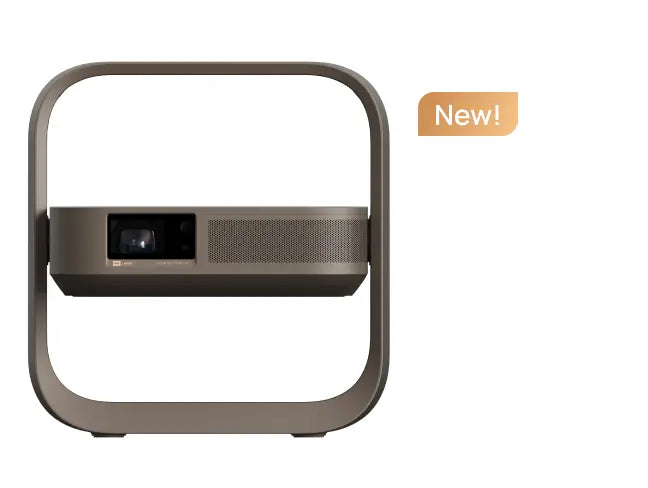
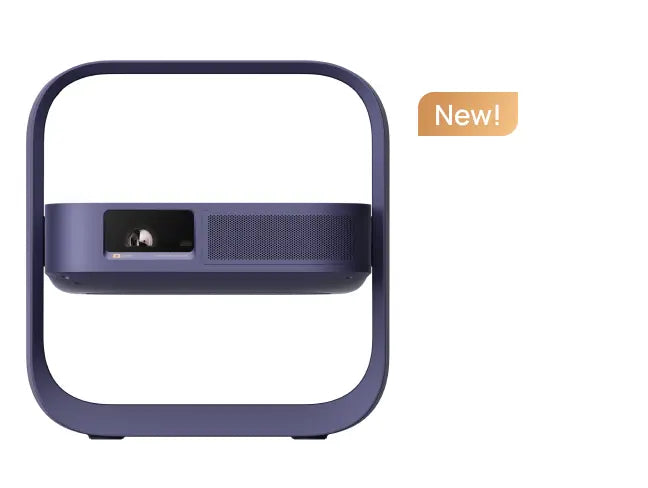
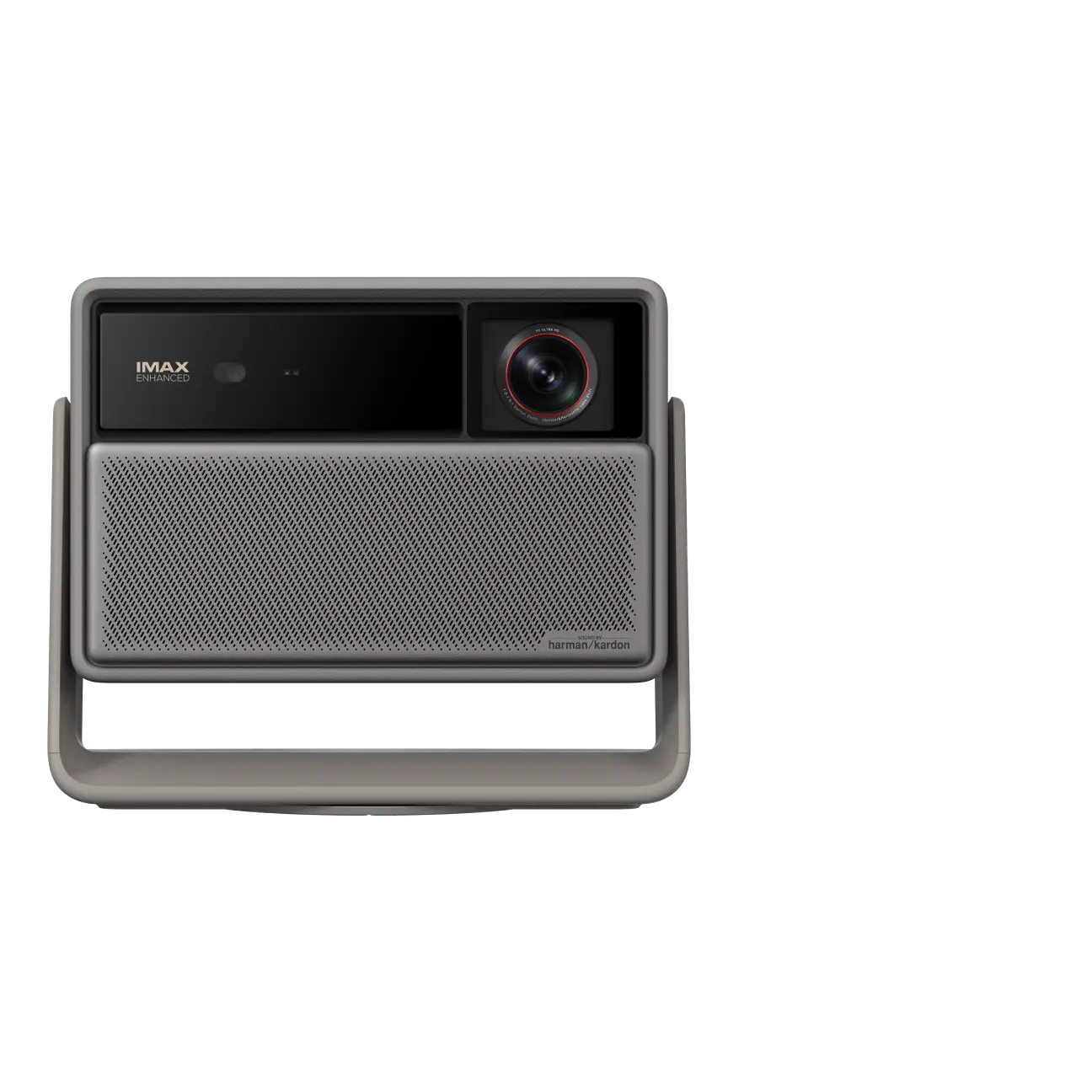
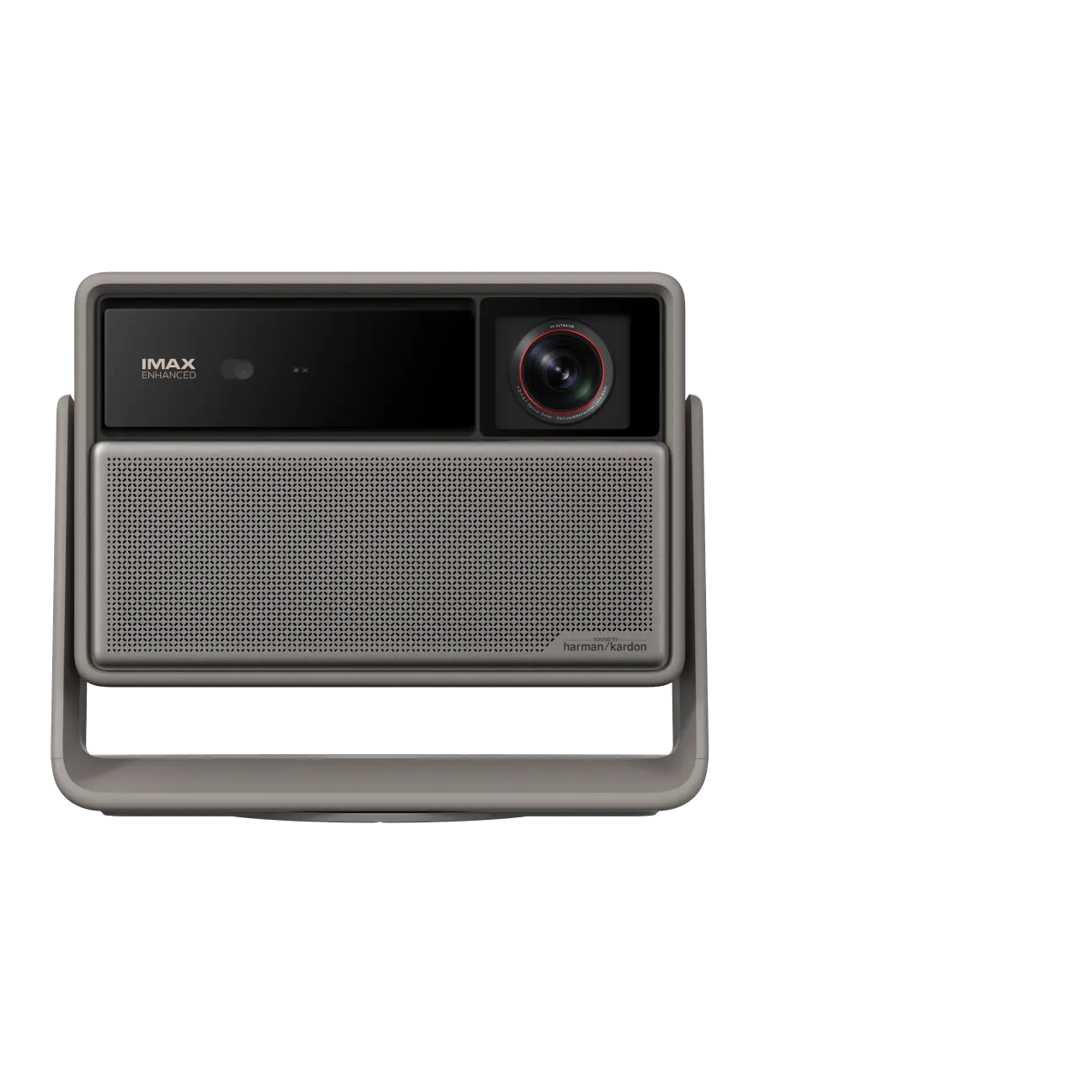
Hybrid designs take this further. XGIMI's Dual Light technology combines laser and LED elements to achieve excellent color accuracy while addressing legacy optical issues. Such systems avoid many of the drawbacks of traditional lamp-based color wheels, delivering brighter, more consistent performance with less visible artifact risk.
Changing the color-wheel design or removing certain filters has been shown in research to reduce rainbow artifacts substantially. Display engineers continue refining these approaches, making today's projectors far more comfortable for sensitive viewers than early models.
For those comparing options, projectors marketed with multi-segment wheels, high-speed color processing, or non-wheel light sources generally offer the best mitigation. Look for specifications highlighting LED, laser, or hybrid engines when rainbow concerns are high on your list.
Practical Buying Guidance: How to Choose a Rainbow-Minimized Projector
When evaluating projectors, start by assessing your own sensitivity and typical viewing setup. Test in person if possible—watch high-contrast content in a dark room to see whether flashes appear. If you or family members have noticed the effect before, lean toward 3LCD or modern DLP models with advanced light sources.
Key checkpoints include:
- Light source type: Prefer LED, laser, or hybrid systems over traditional lamps with color wheels.
- Room conditions: In brighter living rooms, the effect tends to be less noticeable regardless of technology.
- Content style: Movie enthusiasts in dedicated dark theaters may benefit more from rainbow-minimized designs.
- Viewer profile: If one household member is particularly sensitive, prioritize technologies proven to reduce sequential color issues.
Do not buy primarily on DLP if you already know you're sensitive and plan heavy dark-room use, as mitigation helps but may not fully resolve the issue for everyone. Conversely, many users enjoy excellent DLP performance without ever perceiving rainbows.
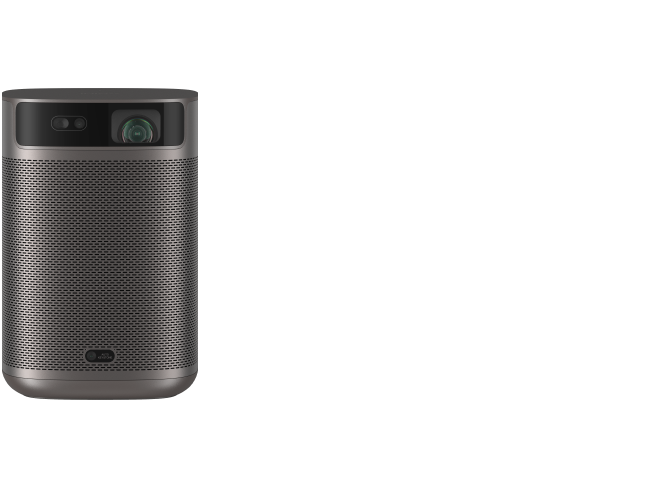
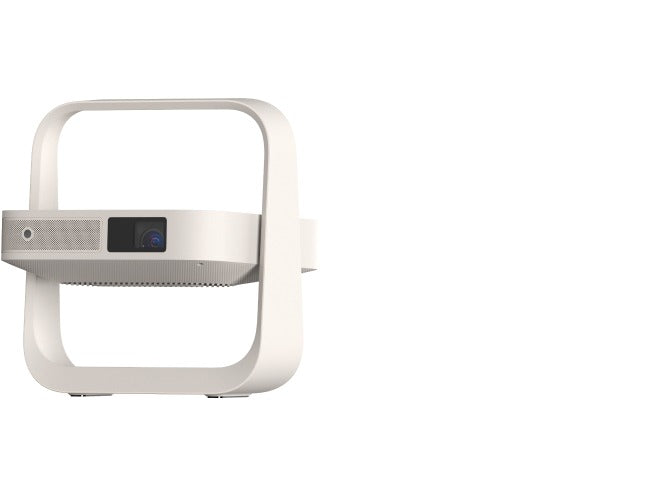
XGIMI models featuring Dual Light or advanced laser engines provide strong examples of engineering focused on clean, artifact-minimized viewing. Their LED vs. Laser vs. Dual Light guide offers deeper insight into choosing the right light source for your needs.
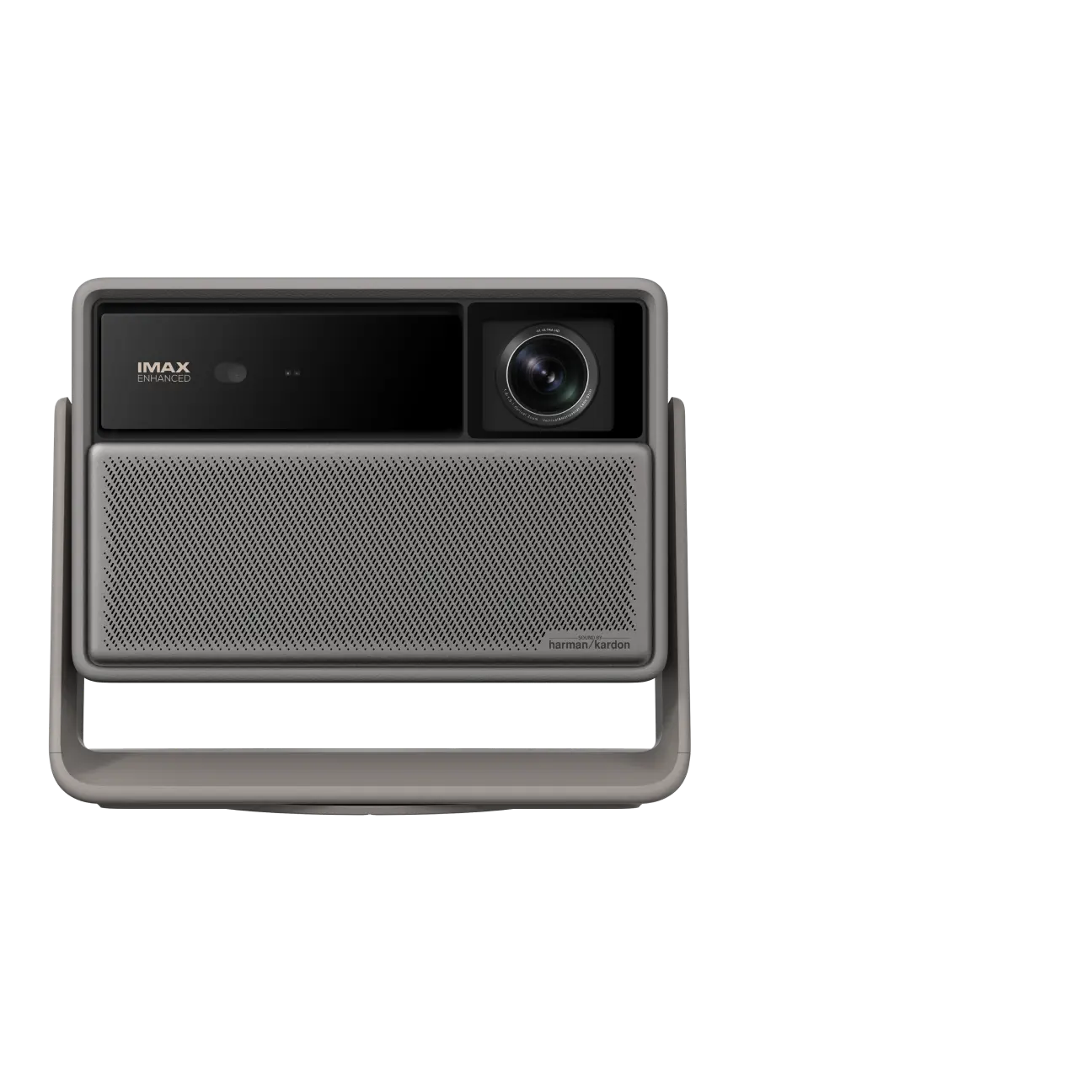
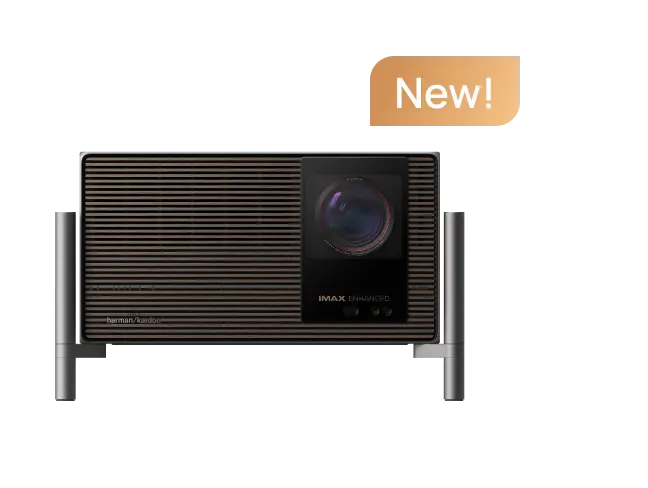
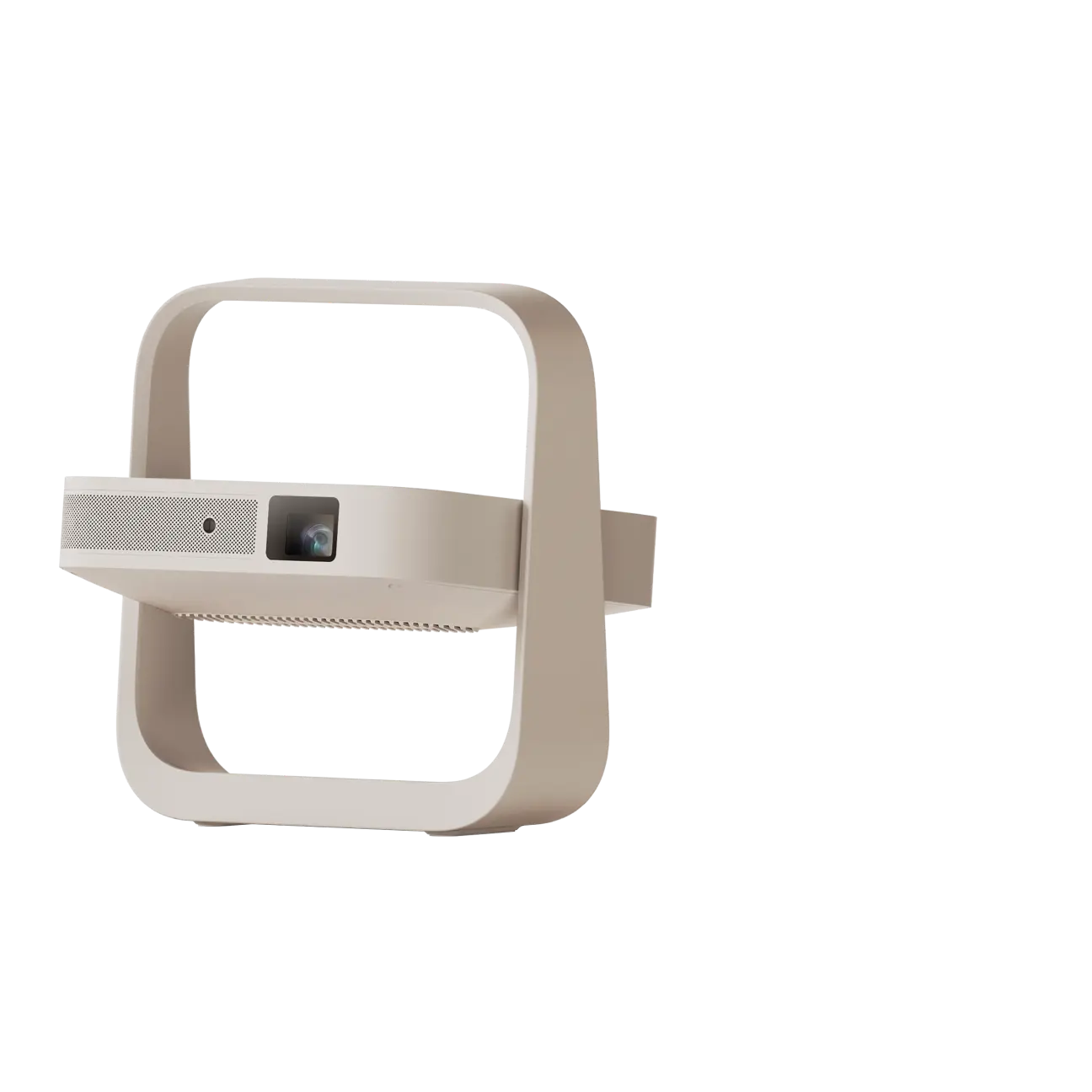
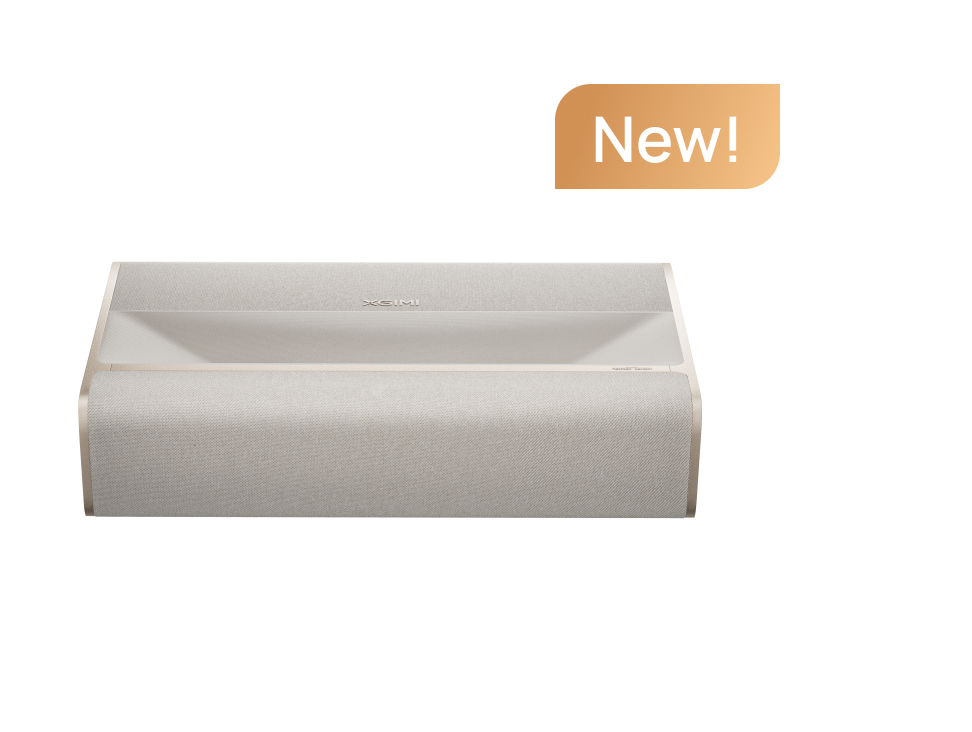
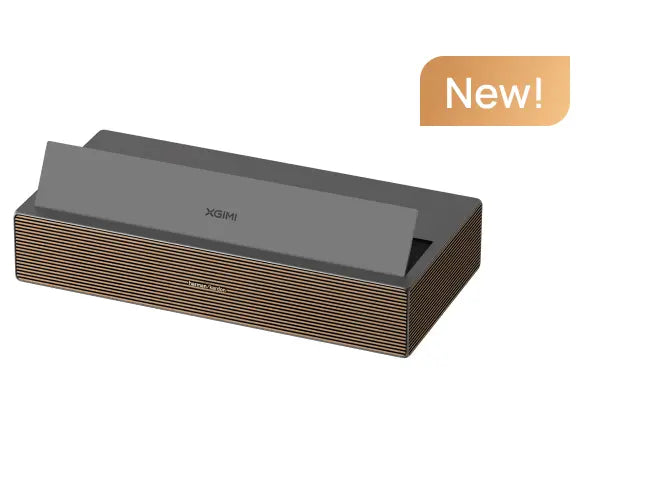
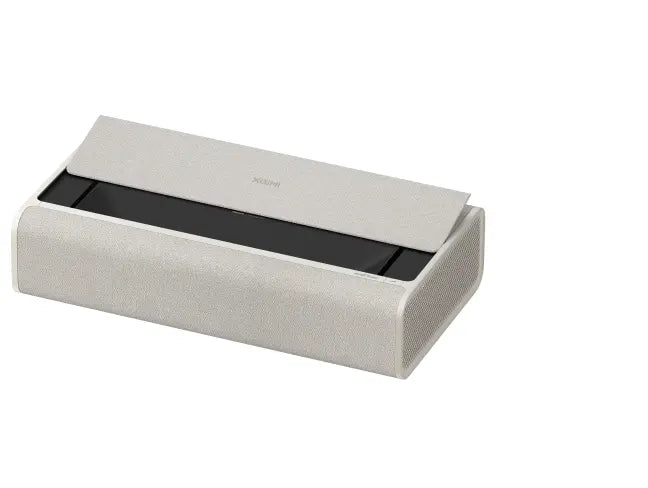
For premium home cinema, consider options like the HORIZON Ultra or laser-based systems in the Laser Projectors collection. These incorporate technologies aimed at delivering high-quality images with improved comfort.
Health and Comfort Considerations
This article discusses visual comfort and projector setup factors only. It does not constitute medical advice, diagnosis, or treatment for eye conditions. Rainbow artifacts represent a perceptual phenomenon rather than a health risk, but persistent visual discomfort or existing eye issues warrant consultation with a qualified eye care professional.
Viewing in well-managed lighting, taking regular breaks, and selecting equipment suited to your sensitivity can all contribute to a more enjoyable experience. The goal remains minimizing distractions so the content stays the focus.
Final Thoughts on Rainbow-Free Projection
The rainbow effect stems from specific engineering choices in traditional single-chip DLP projectors, yet modern advancements have made it far less prevalent. By understanding the causes—sequential color presentation and individual visual sensitivity—buyers can select projectors that align with their needs and viewing habits.
Whether you choose 3LCD for its simultaneous color approach or a contemporary DLP with LED, laser, or Dual Light technology, the emphasis should stay on real-world performance in your space. Many high-quality models now deliver impressive images with minimal or no noticeable artifacts, letting you focus on the entertainment rather than the technology behind it.
As projector technology continues evolving, the emphasis on comfortable, artifact-minimized viewing benefits everyone. Evaluate your setup, consider your sensitivity, and explore options designed to overcome legacy limitations for the best home theater results.


