




Protecting Your Portable Projector on the Go
Portable projectors deliver big-screen entertainment almost anywhere, but their compact optics and electronics need thoughtful protection during storage and travel to avoid scratches, dust intrusion, or internal damage. The best approach combines a quality padded carrying case, careful accessory organization, and simple environmental precautions like avoiding rapid temperature changes that can cause condensation. Following these steps helps keep your device reliable for camping nights, hotel movie sessions, or weekend getaways while potentially reducing the risk of warranty issues. For more on this topic, see The Best Carrying Cases for Protecting Your Portable Projector Duri....

Why Proper Storage and Transport Matters for Portable Projectors
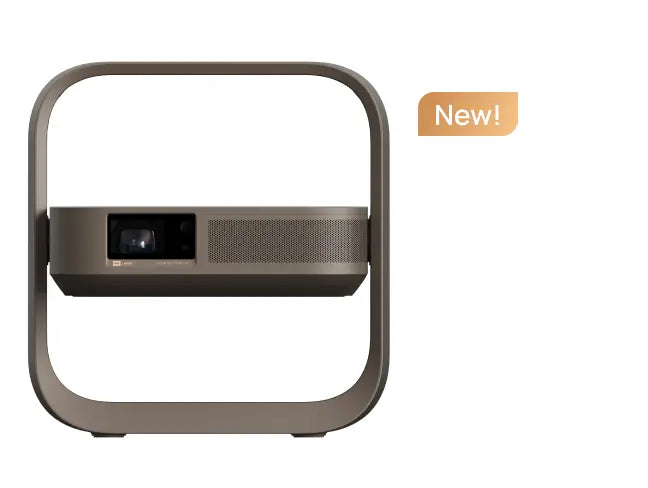
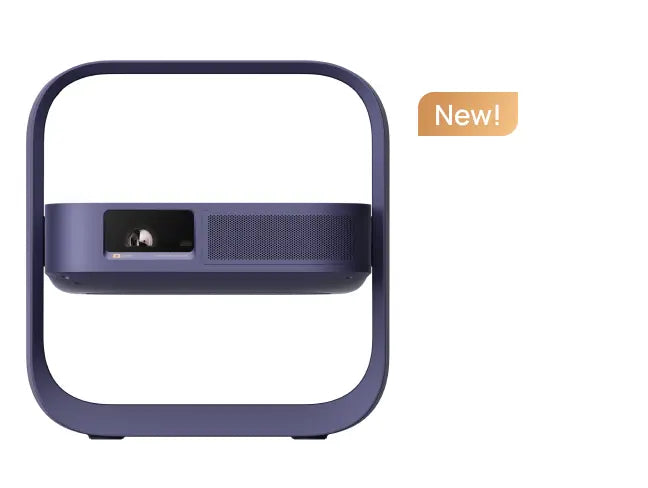
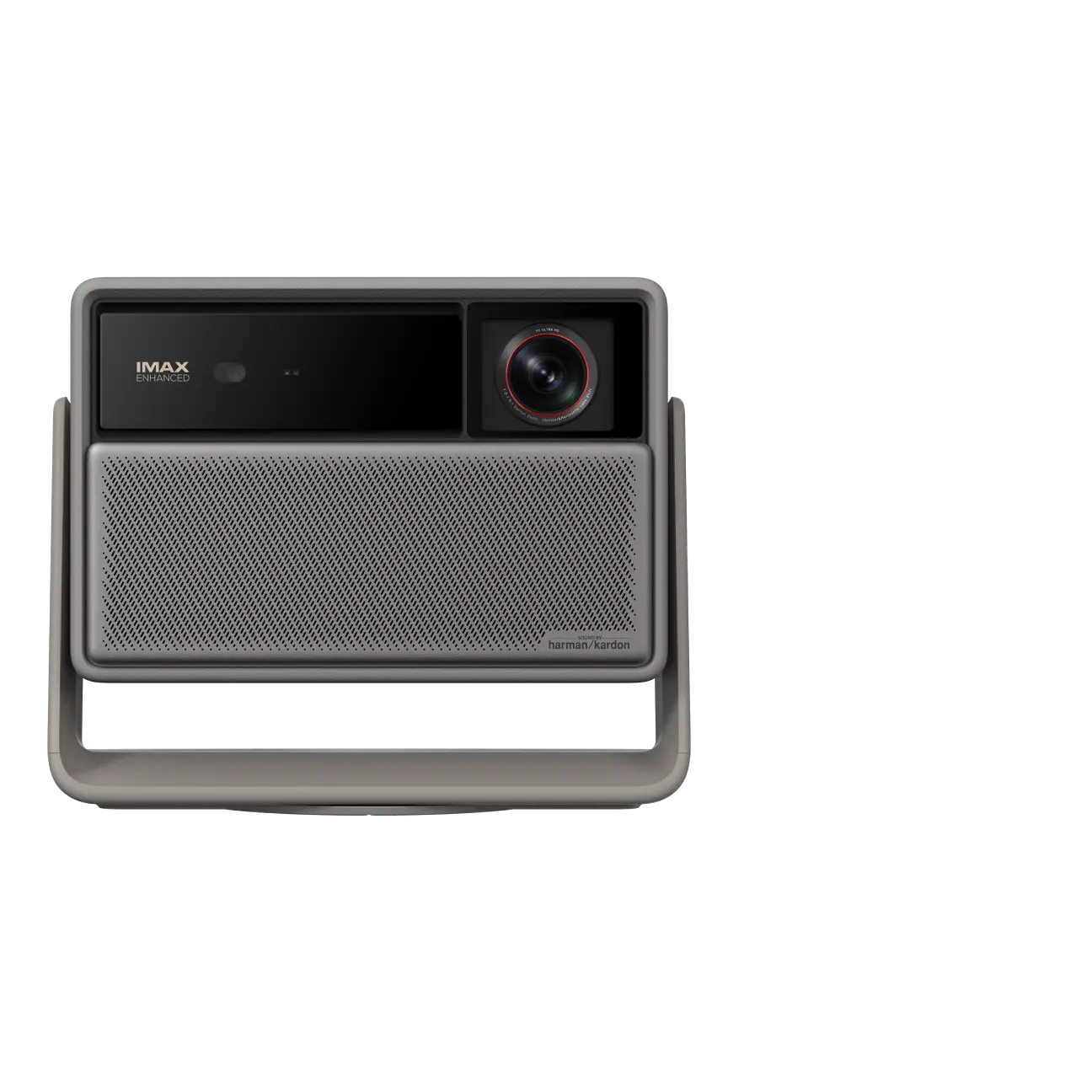
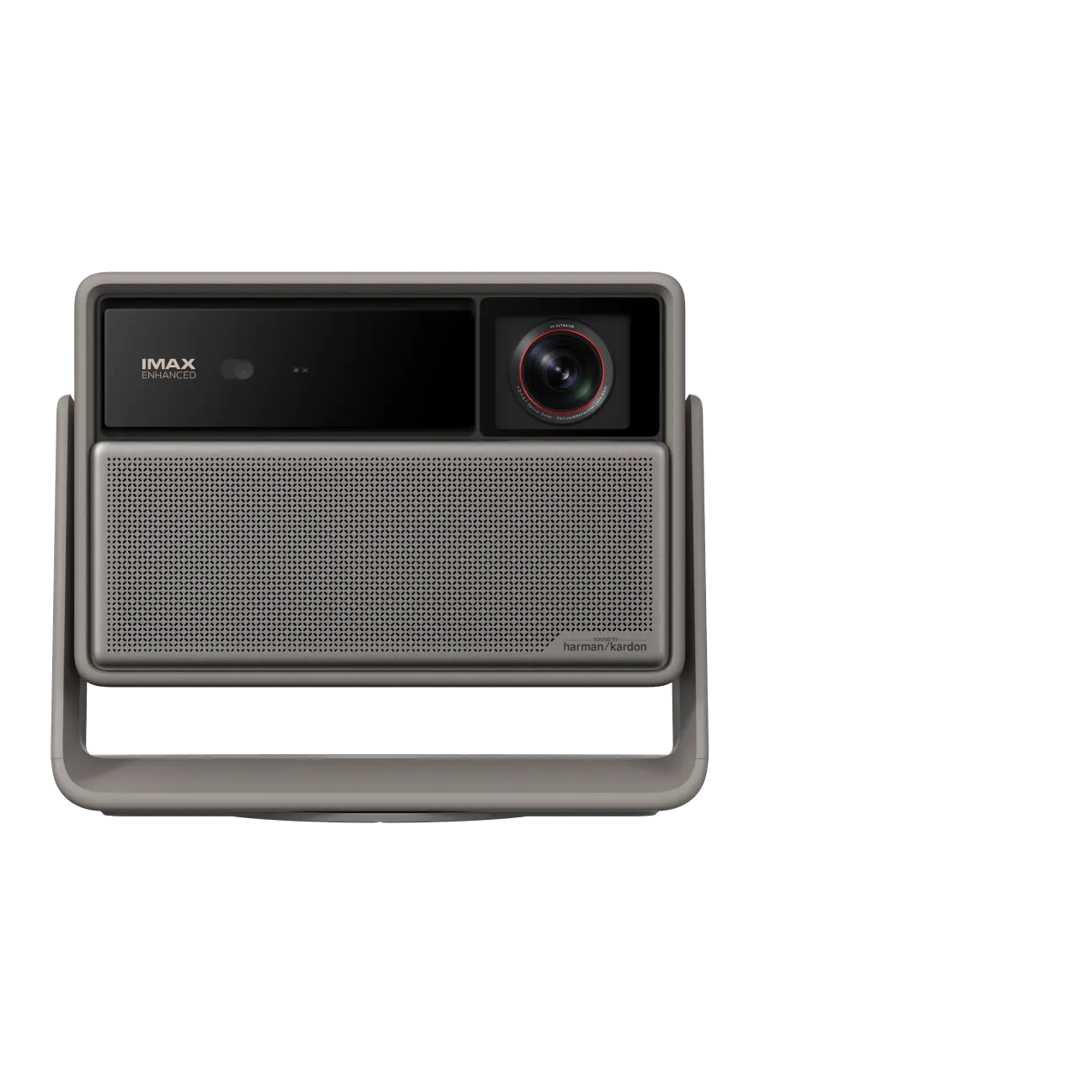
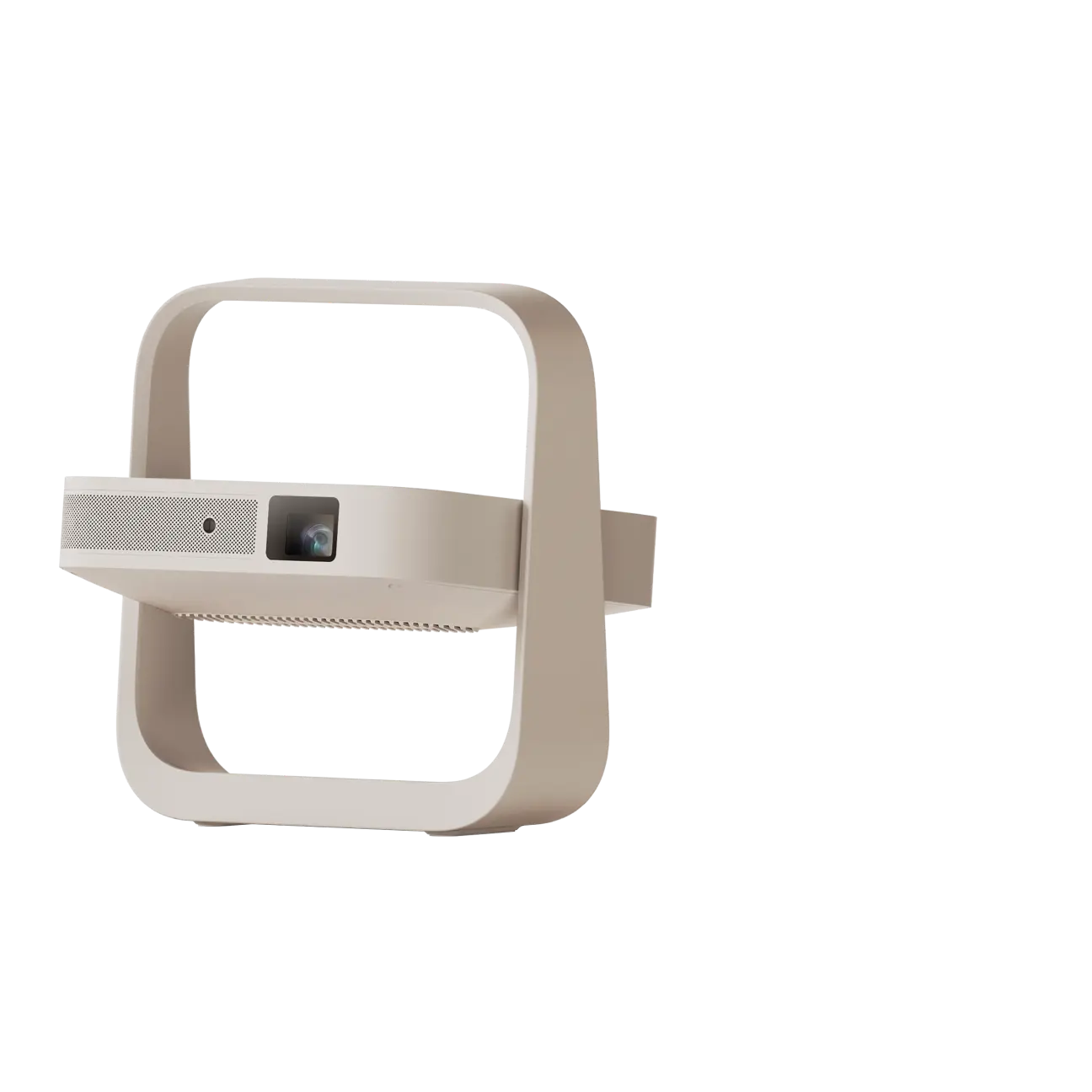
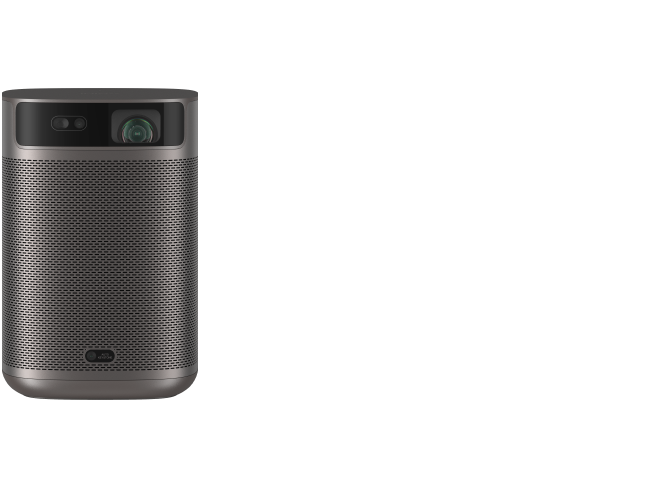
Delicate components inside models like the XGIMI MoGo and Halo series can be affected by bumps, pressure, dust, moisture, or extreme temperatures. As guidance from electronics preservation resources explains, sensitive equipment benefits from protection against impact and environmental swings. Improper handling during transit or storage may lead to lens scratches, overheating risks, or condensation inside the unit, especially when moving between outdoor sites and indoor spaces.
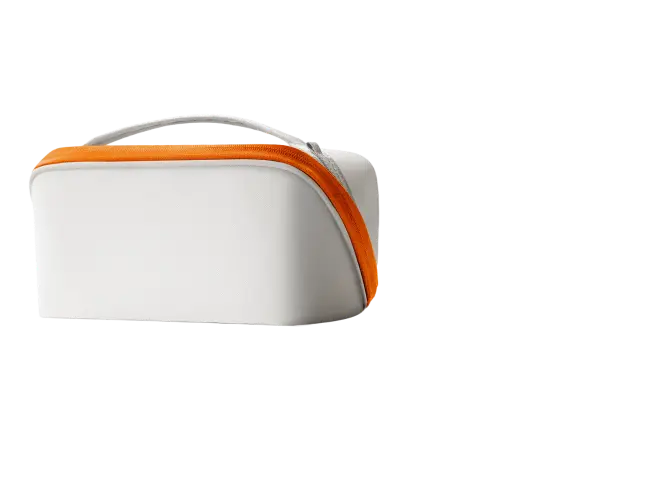
This is particularly relevant for outdoor and camping users. Leaving a projector loose in a backpack or car trunk increases the chance of shifting or compression damage. A dedicated XGIMI Carrying Case or similar padded option helps mitigate these risks by providing shock absorption and dust resistance.
Choosing the Right Portable Projector Case
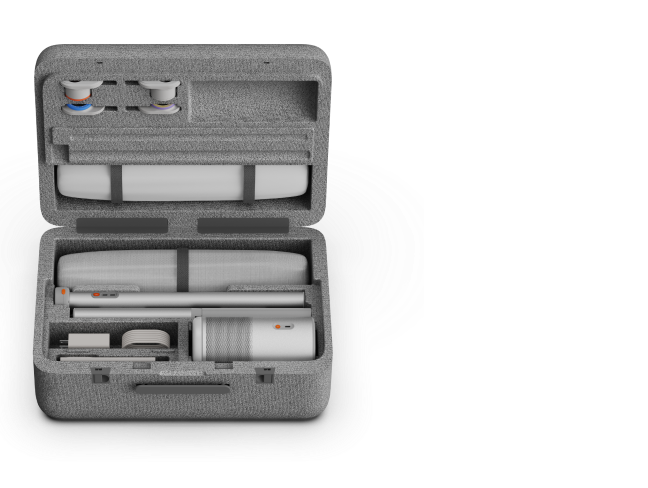
Selecting a suitable case is the foundation of safe transport. Look for options with thick padding, a rigid outer shell, and dedicated compartments rather than soft bags that offer minimal protection. Official manufacturer cases are designed to fit specific models precisely, holding the projector, remote, charger, and accessories securely.
For XGIMI owners, consider these official solutions:
- The MoGo Series Carrying Case for dust-proof and shock-proof protection.
- The Halo/ HORIZON Series Carrying Case for larger portable units.
- Model-specific options like the XGIMI Carrying Case for Elfin.
Third-party cases can work if they match dimensions, but verify compatibility with your manual to avoid pressure on ports or the lens. Browse the full Cases collection for options suited to your projector.
When comparing cases, prioritize waterproof or water-resistant materials for camping trips and ensure the interior prevents the projector from rubbing against hard items. A good case should allow quick access without compromising protection.
Protecting the Lens During Travel and Storage
The lens is one of the most vulnerable parts. Always use a lens cover when the projector is not in use, and store the device lens-down or upright in its case to minimize dust settling. During transport, position the projector so nothing presses directly against the lens surface.
Avoid placing the projector at the bottom of a suitcase or backpack where heavy items could crush it. Instead, pack it in the middle of soft clothing layers if using a generic bag, though a dedicated case remains far superior. Clean the lens only with approved microfiber materials before storage to prevent scratches from accumulated dust.
Best Practices for Packing Accessories and Cables
Loose cables and remotes can scratch the projector body or lens during movement. As preservation guidance for sensitive electronics notes, dedicated storage for associated accessories reduces surface damage risk. Use internal compartments or small organizers within the case to keep everything separated.
Pack the remote, charging cable, power adapter, and any HDMI cables in mesh pockets or separate dividers. This organization also prevents loss and makes setup faster at your destination. For frequent travelers, choose a case with clearly designated accessory zones to maintain this separation consistently.

Temperature, Humidity, and Environmental Precautions
Rapid temperature changes and humidity pose significant risks to portable electronics. Store and transport your projector away from extremes of heat, cold, and high humidity to prevent condensation. If moving the device from a cold car or campsite into a warm room, let it acclimate gradually before powering on, as official device manuals commonly recommend checking storage limits.
Avoid leaving the projector in a hot vehicle trunk, damp storage areas, or unventilated closets for extended periods. For seasonal storage, select a cool, dry location with stable conditions. These steps align with broader institutional guidance on managing collection environments for delicate equipment.
Scenario-Based Storage and Transport Guide
The ideal method depends on your usage. Here's how priorities shift across common situations:
- Camping or outdoor movie nights: Prioritize high impact protection and temperature control. Use a rugged padded case and avoid overnight exposure in tents where moisture can build up.
- Hotel stays or travel rentals: Medium protection suffices with a compact carrying case. Focus on accessory separation since luggage handling is the main concern.
- Car trunk transport: Watch for temperature cycling. A well-insulated case helps, but never leave the projector in extreme heat or cold for long.
- Backpack commuting: Compression is the primary risk. Choose a rigid case with strong padding and keep accessories isolated.
- Seasonal or long-term storage: Emphasize environmental stability over quick access. Store in original packaging or a protective case in a controlled indoor space.
A practical checklist includes verifying your manual's limits, using manufacturer-recommended accessories where possible, and always allowing acclimation time after travel.
Illustrative Protection Priority by Scenario
Illustrative relative priorities only; higher values mean stronger need for that protection feature in the given scenario.
View chart data
| Series | Impact Protection | Temp/Humidity Control | Accessory Separation | Acclimation Need |
|---|---|---|---|---|
| Camping | 5.0 | 5.0 | 4.0 | 4.0 |
| Hotel | 3.0 | 3.0 | 3.0 | 2.0 |
| Car Trunk | 3.0 | 4.0 | 2.0 | 4.0 |
| Backpack | 2.0 | 2.0 | 5.0 | 3.0 |
| Seasonal Storage | 1.0 | 5.0 | 3.0 | 1.0 |
Illustrative heuristic scores (1-5) synthesized from scenario cues: camping = high impact and temperature risk; hotel = medium risk; car trunk = temperature cycling; backpack = compression; seasonal storage = stability-focused. Based on qualitative evidence such as using padded cases, avoiding extremes/condensation, checking the manual, and separating accessories. Not measured data, not manufacturer specifications.
This radar chart offers an illustrative view of relative protection priorities. Scores are heuristic only and derived from general preservation principles, not lab tests.
How to Store a Portable Projector Between Uses
For short-term storage between weekend outings, keep the projector in its carrying case on a stable shelf away from direct sunlight or heat sources. For longer periods, remove batteries if possible (for models with removable ones) and store in a climate-controlled environment. Dust the unit gently and cover the lens before placing it back in the case.
Check the user manual for your specific XGIMI model, as official documentation often specifies temperature and humidity ranges. Resources on sustainable preservation practices reinforce avoiding extremes for sensitive electronics.
Before You Travel: Quick Pre-Trip Checklist
- Inspect the projector and lens for existing dust or marks.
- Charge the battery fully and test basic functions.
- Pack in a padded case with accessories separated.
- Review your model's manual for any storage warnings.
- Plan for acclimation time at your destination.
- Consider adding a lens cover or protective film if not included.
Following this routine can help minimize risks during road trips or flights.
When to Consider Upgrading Your Protection Setup
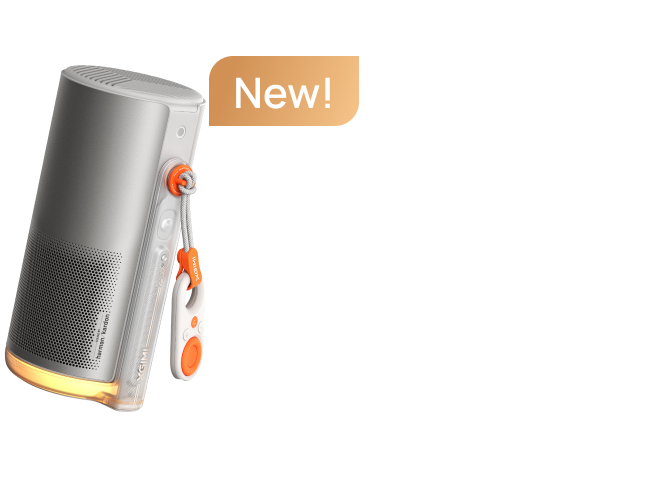
If you frequently travel with your projector, investing in an official carrying case from the Accessories collection or MoGo Series Accessories provides tailored fit and peace of mind. These upgrades are especially valuable for owners of the MoGo 4 or Halo+ (New), enhancing durability for outdoor lifestyle use.
However, no accessory fully replaces careful handling. If your trips involve rough conditions without control over temperature or moisture, reconsider frequent transport or opt for more robust protection strategies.
Key Takeaways for Safe Portable Projector Ownership
Storing and transporting a portable projector successfully comes down to consistent habits: use a quality padded case, organize accessories separately, protect against environmental extremes, and allow time for temperature equalization. These practices support the outdoor and travel-friendly design of projectors like those in the XGIMI lineup while helping maintain performance over time.
Remember that this article discusses general comfort and setup practices for protecting your device. It does not constitute technical service advice or warranty interpretation. For persistent issues or specific model concerns, consult the official user manual or contact qualified support. Always follow manufacturer guidelines to preserve your warranty coverage.
Explore more tips in our guide to Watch Anywhere, Anytime: 5 Smart Uses for a Portable Battery Operated Projector or learn about Embracing the Magic of a Portable Outdoor Projector. For more on this topic, see Portable Projector vs. Home Theater Projector: Which Fits Your Life....


