



A good portable projector screen should match your projector’s throw distance, screen size, viewing environment, portability needs, and setup style. For camping or backyard movies, weight and stability often matter more than choosing the largest possible screen.
The Short Answer: What Should You Look for in a Portable Projector Screen?
A good portable projector screen is not simply the biggest screen you can fit in your budget.
Choose one based on packed size and weight, screen size, aspect ratio, projector throw distance, screen material and gain, stability, setup time, viewing environment, and compatibility with your projector.
For camping and backyard movies, easy transportation and reliable anchoring usually matter more than chasing the largest possible image. For apartments, storage footprint can matter more than maximum screen size. And if you use an ultra-short-throw projector, do not assume that a screen designed for a conventional long-throw projector will work correctly.
That last check can save you an expensive mistake.
The Problem With Shopping for a Portable Screen
A 120-inch projector screen sounds wonderful when you're scrolling through specifications.
It sounds a little less wonderful when you're carrying the frame from an apartment elevator to a car, finding room for it between camping gear, assembling it in fading daylight and trying to stop the whole thing moving when the evening breeze arrives.
That is the real portable-screen buying decision.
A screen has to improve the picture without making the projector less portable.
Dedicated projection surfaces can provide a more consistent image than an improvised wall or sheet because walls may have texture, unevenness or unpredictable color.
Independent projector-screen guidance also emphasizes that screen material, mounting style, gain and size all affect the final viewing experience.
So instead of asking, “What is the biggest portable projector screen I can buy?” ask:
Where am I actually going to use it, who will carry it, and how much setup am I willing to tolerate every time we watch something?
Which Portable Projector Screen Type Fits Your Life?
There is no universal best design. Each solves a different kind of inconvenience.
|
Your situation |
Screen style to consider |
What matters most |
Main trade-off |
|
Camping or road trips |
Foldable screen with lightweight frame |
Packed size, weight, quick assembly, ground anchoring |
Usually smaller than event-style screens |
|
Backyard family movies |
Folding frame or portable stand screen |
Stability, tensioned fabric, viewing size |
Wind becomes a serious consideration |
|
Apartment or rental |
Compact folding or floor-rising screen |
Small storage footprint, no drilling |
Larger mechanisms can become heavy |
|
Frequent presentations |
Tripod or compact stand screen |
Fast setup, stable indoor base, easy transportation |
Less elegant than a permanent screen |
|
Large outdoor gatherings |
Inflatable screen |
Very large image, visibility for groups |
Requires more storage, power and wind management |
|
Permanent home theater |
Fixed-frame screen |
Flatness, image consistency, screen material |
Not genuinely portable |
The best design is the one you will still be happy to assemble six months after buying it.

Start With Portability — Not Screen Size
“Portable” is one of those words that can become almost meaningless in ecommerce.
A screen may technically fold, yet still require a large vehicle, several poles, a heavy base and two people to move it. If your projector fits into a backpack but your screen becomes a logistics project, the setup is not truly portable.
Look beyond the marketing label and check:
- Total packed weight
- Folded dimensions
- Whether a carrying bag is included
- Number of frame or stand pieces
- Whether tools are required
- Realistic assembly time
- Whether one person can set it up
- Whether the fabric must be carefully rolled instead of folded
- Whether outdoor anchoring hardware is included
The point is not to buy the lightest screen at all costs. The point is to understand what you are agreeing to carry.
This matters especially for the type of buyer XGIMI portable projectors attract: people moving between a bedroom, backyard, campsite, friend's house or weekend trip rather than building one permanent theater.
Bigger Is Not Automatically Better
Portable-projector owners naturally want a big picture. That is part of the appeal.
But every increase in screen size spreads the projector's available light across a larger area. The result can be a picture that looks impressive on paper but dimmer in practice, especially outdoors or when ambient light is present. ProjectorCentral likewise identifies image size, screen gain and ambient light as interconnected parts of projector brightness planning.
Size also changes the physical problem.
A larger portable screen generally means more fabric, a wider supporting structure and more surface area for wind to catch.
A practical way to choose
Before buying the screen, decide:
Available width → projector throw distance → expected audience → viewing distance → typical lighting → screen size
Not the other way around.
XGIMI already provides a detailed guide to choosing projector screen size, while its projector comparison and setup tools can help determine whether the projector itself fits the planned space.
If the screen will mostly serve two or three people on a camping trip, portability may be worth more than another 30 inches of diagonal.
If ten people regularly watch from across a large backyard, the balance changes.
Match the Screen to Your Projector's Throw Distance
This is the measurement buyers often remember after the screen arrives.
Throw ratio describes the relationship between the projector's distance from the screen and the width of the projected image.
A screen can physically fit your patio while your projector cannot create the intended image size from the available position.
Before ordering, mark where the screen will stand and where the projector can realistically sit.
XGIMI's throw-ratio guide explains the relationship between throw distance and image width in more detail.
This check becomes especially important in:
small apartments, hotel rooms, RV setups, narrow patios and campsites where you cannot simply move the projector another six feet backward.

For Movies and Streaming, 16:9 Is Usually the Practical Choice
Most portable entertainment setups revolve around streaming video, sports, gaming and movies.
A 16:9 screen naturally fits common widescreen video formats and Full HD or 4K projector output without wasting large portions of the screen surface.
Business users may encounter other presentation formats, but someone primarily buying a portable projector screen for Netflix, YouTube, sports or console gaming will generally find 16:9 the simplest starting point.
Do not buy solely by diagonal size. Check the actual screen width and height as well.
Those dimensions tell you whether the screen physically fits between the patio posts, inside the tent opening or against the apartment wall you had in mind.
Screen Gain Matters — but “Higher” Does Not Mean “Better”
Screen gain describes how a projection surface reflects light relative to a reference surface.
A gain of 1.0 represents a common reference point. Raising gain can make an image appear brighter from favorable viewing positions, but there is a trade-off: the useful viewing cone can narrow, and high-gain surfaces may make brightness less uniform across the audience.
ProjectorCentral notes that many conventional white home-theater materials fall around the 1.0–1.3 range and explains the fundamental trade-off between added on-axis brightness and viewing angle.
That trade-off matters outdoors.
Imagine six friends sitting in a semicircle rather than directly in front of the screen. A surface optimized mainly for the center seat may not be the ideal choice even if its gain specification looks impressive.
Think about your audience before chasing gain
- Wide group seating: Favor consistent viewing from different angles.
- Mostly centered seating: A more directional surface may be workable.
- Dark campsite: You may not need the same ambient-light strategy required in a living room with uncovered windows.
- Mixed ambient light: Screen material deserves more attention, but remember that the screen cannot create projector brightness that does not exist.
XGIMI's deeper guide to matching screen gain with ambient light is useful if you want to go beyond the basics.
A Portable Screen Cannot Defeat the Sun
This is one of the most important expectations to set before spending money.
A better screen can improve consistency and help manage unwanted light, but no portable projector screen magically turns a portable projector into a television designed for direct sunlight.
Ambient light reduces perceived contrast. Larger images also spread the available projector light over more surface area. For outdoor entertainment, waiting until dusk or nighttime can often make a bigger difference than buying a larger screen.
Current independent outdoor-projector guidance likewise recommends paying close attention to the projection surface and notes that dedicated portable screens generally produce better results than makeshift sheets or building surfaces.
For more on the projector side of that equation, see XGIMI's 2026 outdoor projector buying guide.
Outdoors, Stability Is a Feature — Not an Accessory
A wide projection screen is effectively a large surface standing in moving air.
That is why outdoor buyers should examine the frame as carefully as the fabric.
Look for sturdy legs or frame geometry, anchoring points, ground stakes or other manufacturer-approved stabilization methods. If the manufacturer specifies a maximum wind condition, treat that as a safety limitation rather than a performance suggestion.
For example, the current XGIMI Portable Outdoor Screen includes four ground stakes, but XGIMI specifically states that the screen should not be used outdoors when wind speed exceeds 3 m/s because of potential injury or product damage.
That is a useful illustration of why “outdoor screen” should never be interpreted as “safe in any outdoor weather.”
If conditions are questionable, pack it away.
Movie night can wait.

Wrinkles Matter More Than They Look Like They Should
A portable screen lives a harder life than a fixed theater screen.
It gets folded, transported, stored, unpacked and tensioned repeatedly. A screen surface that looks perfectly flat in a product image may behave differently after months of being moved.
Check whether the manufacturer explains:
fabric tension, wrinkle resistance, folding or rolling instructions, washing or cleaning procedures and storage requirements.
Tension helps create a flatter surface and reduces visible distortions in the projected image.
The current XGIMI Portable Outdoor Screen uses high-elastic fabric designed to resist wrinkles and can be washed, although its product instructions caution against prolonged machine washing and high-temperature drying.
Those care instructions are worth reading before the first muddy camping weekend rather than afterward.
Portable Projector Screen vs. Wall vs. Bedsheet
Sometimes the best screen is the one you actually brought with you.
|
Projection surface |
Best part |
Main problem |
Best use |
|
Dedicated portable screen |
Consistent surface and predictable shape |
Extra equipment to carry |
Regular portable viewing |
|
Smooth white wall |
Nothing extra to pack |
Texture, wall color and location vary |
Casual indoor use |
|
Garage door |
Large and convenient |
Panels, texture and color can affect image |
Occasional backyard use |
|
White bedsheet |
Cheap and easy to improvise |
Wrinkles, movement and light transmission |
Emergency/occasional use |
|
Tent or vehicle surface |
Already at the campsite |
Geometry and color are unpredictable |
Spontaneous viewing |
A bedsheet can save movie night.
That does not make it the ideal screen.
If you use your projector only twice a year, buying a dedicated screen may not be necessary. If you use it every weekend, the consistency and faster setup of a purpose-built portable screen become much easier to justify.
What About ALR Screens?
Ambient-light-rejecting, or ALR, screens are engineered to reduce the effect of certain unwanted light while directing projected light toward viewers.
They can be useful in difficult lighting environments, but “ALR” is not automatically synonymous with “better.”
Different ALR surfaces are designed around different projection geometries, and ultra-short-throw systems can require screen structures designed specifically for light arriving from a steep angle below the image.
If you own a UST projector, verify compatibility explicitly.
Do not assume that a conventional portable screen will work simply because the diagonal measurement matches.
When a Portable Projector Screen Makes the Most Sense
A portable screen becomes especially valuable when the projection location keeps changing.
That includes a renter who watches in the bedroom during the week and living room on Friday, a family carrying the projector into the backyard, or a camper who does not know what usable wall or tent surface will be available at the next site.
XGIMI's own portable-projector range is built around similar scenarios including camping, outdoor movie nights, backyard parties, travel and temporary home entertainment.
If those sound familiar, portability should be treated as part of the entire system:
projector + power + stand + screen + audio + carrying space
A screen that is perfect in isolation can still be the wrong choice if it makes the whole system too inconvenient to use.
How the XGIMI Portable Outdoor Screen Fits
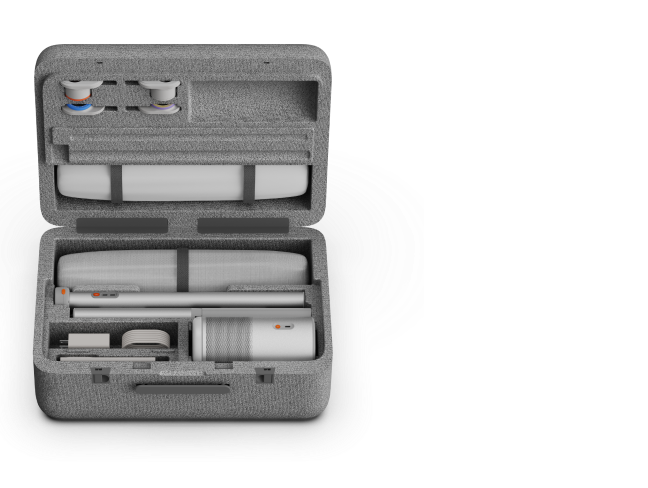
For buyers considering XGIMI specifically, the current XGIMI Portable Outdoor Screen provides a useful example of a screen designed around portability rather than maximum size.
article_product1
It provides:
- 70-inch projection area
- 1.5 kg / approximately 3.3 lb product weight
- 45 cm / approximately 17.7 in folded length
- 60-second claimed setup
- Aluminum-alloy frame
- Four ground stakes
- Wrinkle-resistant fabric
- Storage bags included
There are also important limitations.
The product page states that the screen is compatible with long-throw projectors only, and XGIMI advises against outdoor use when wind exceeds 3 m/s.
The live product page does not clearly publish a screen-gain specification in the information reviewed for this guide, so that value should not be invented or assumed.
Who is it most suitable for?
Someone prioritizing a compact screen for camping, picnics, small backyard gatherings or travel, particularly when carrying size matters more than producing a 100- or 120-inch image.
Who should look elsewhere?
Buyers who need:
a screen substantially larger than 70 inches,
a UST-compatible screen,
a permanent theater installation, or
a screen intended for use in stronger wind conditions.
That distinction matters more than calling any screen “best.”
Pair the Screen With the Way You Actually Use Your Projector
If you're building a complete mobile setup rather than replacing only the screen, explore XGIMI's portable projector collection.
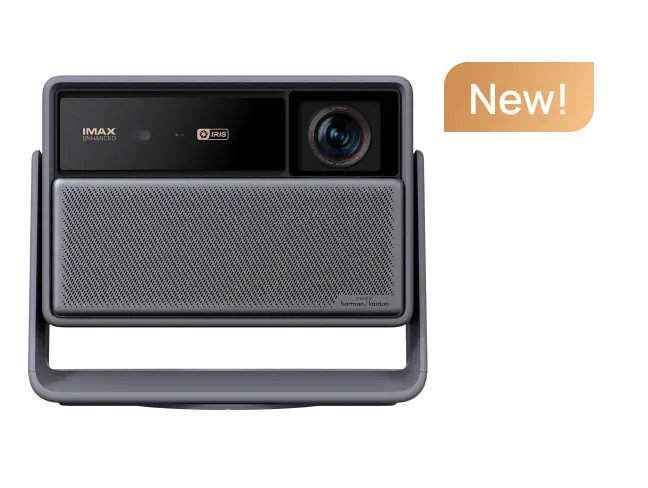
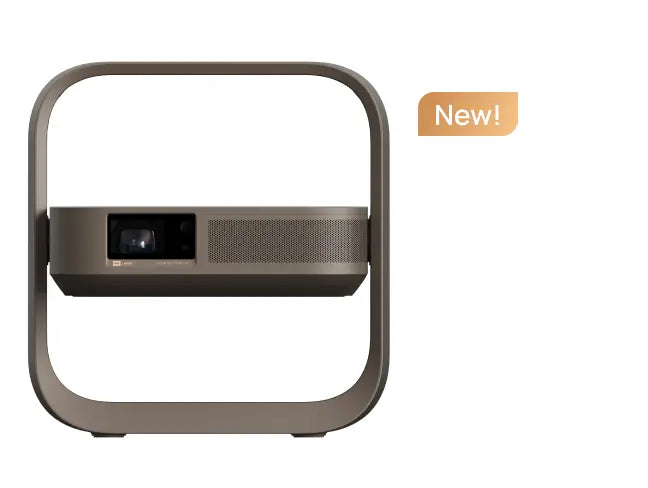
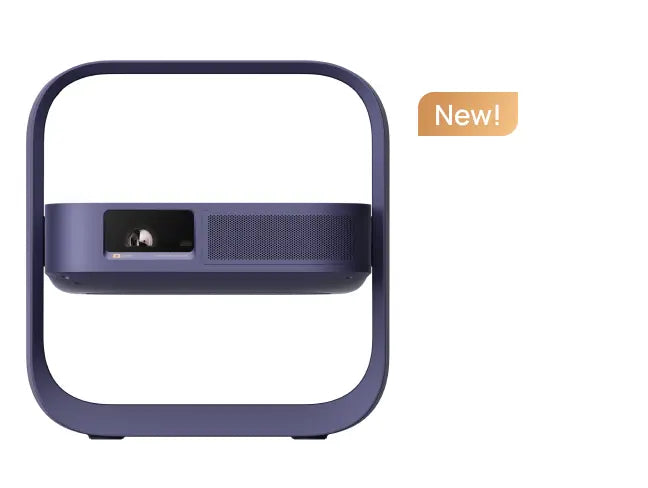
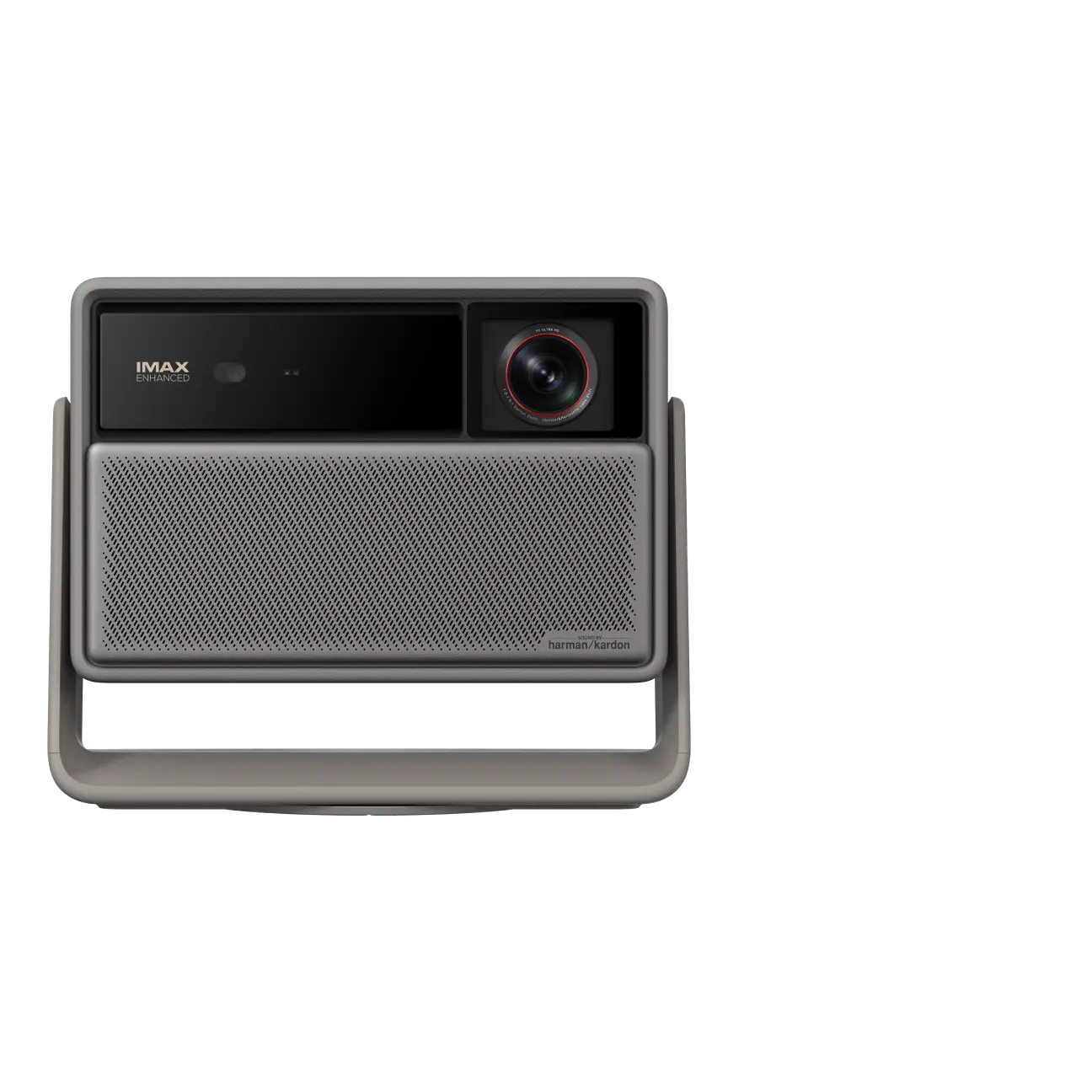
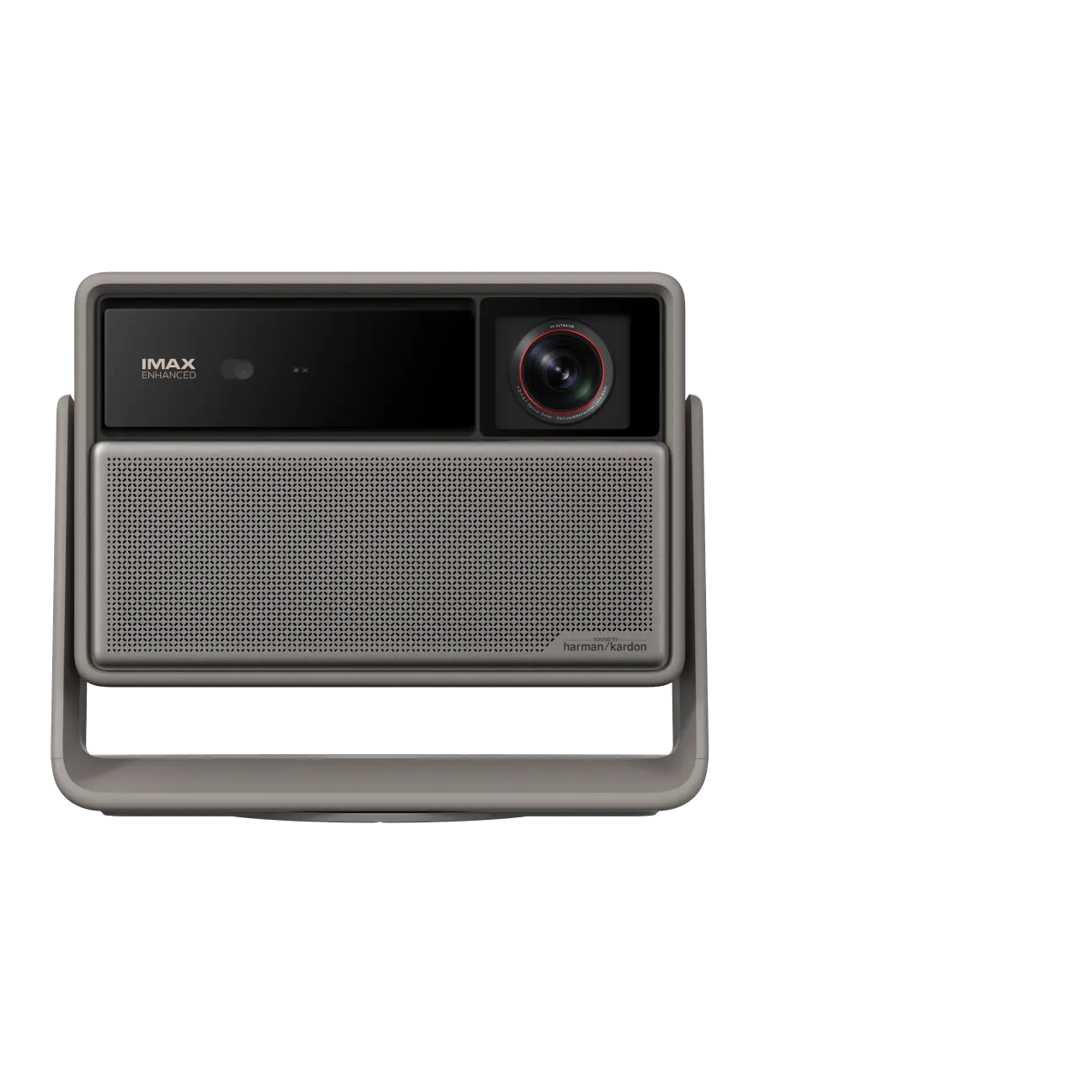
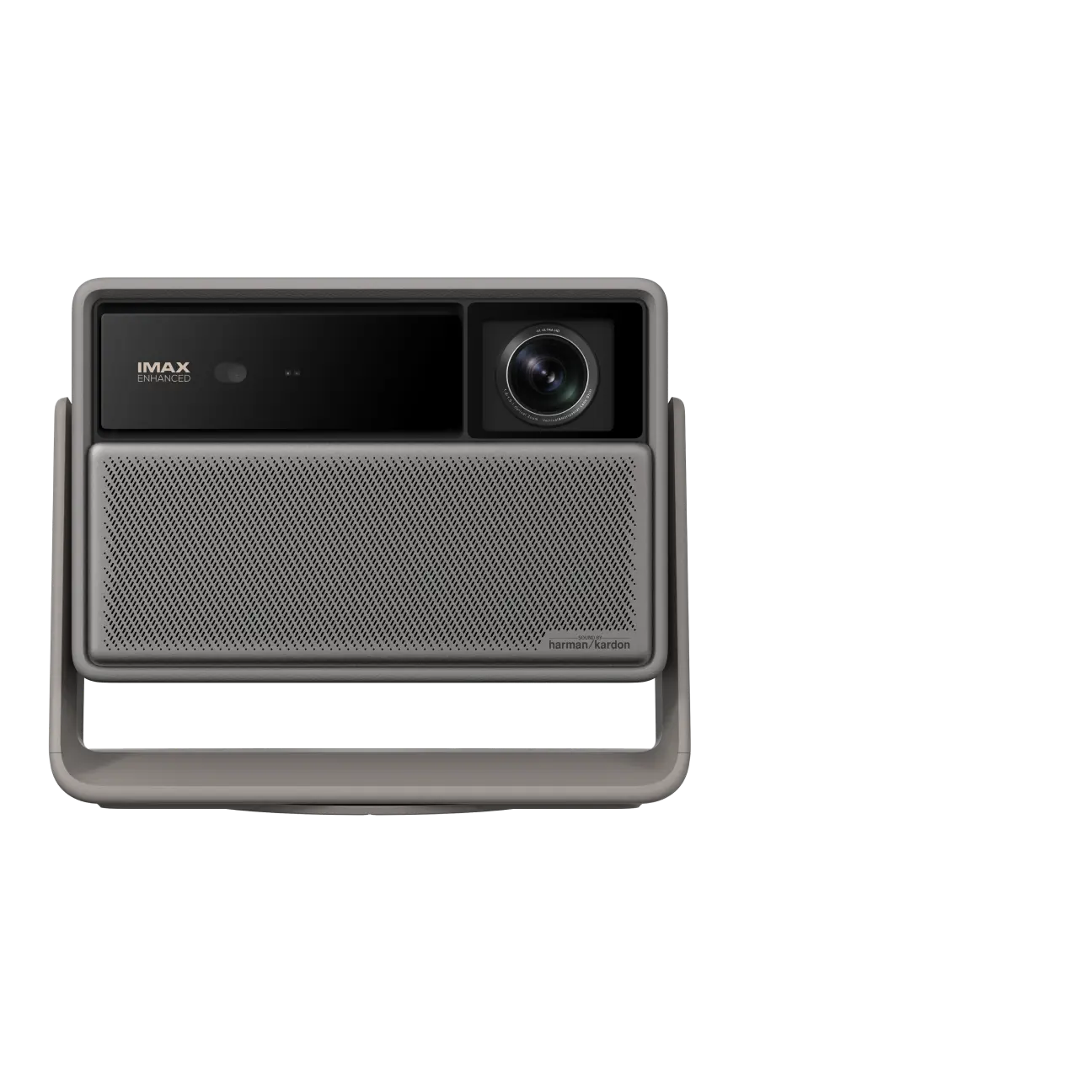
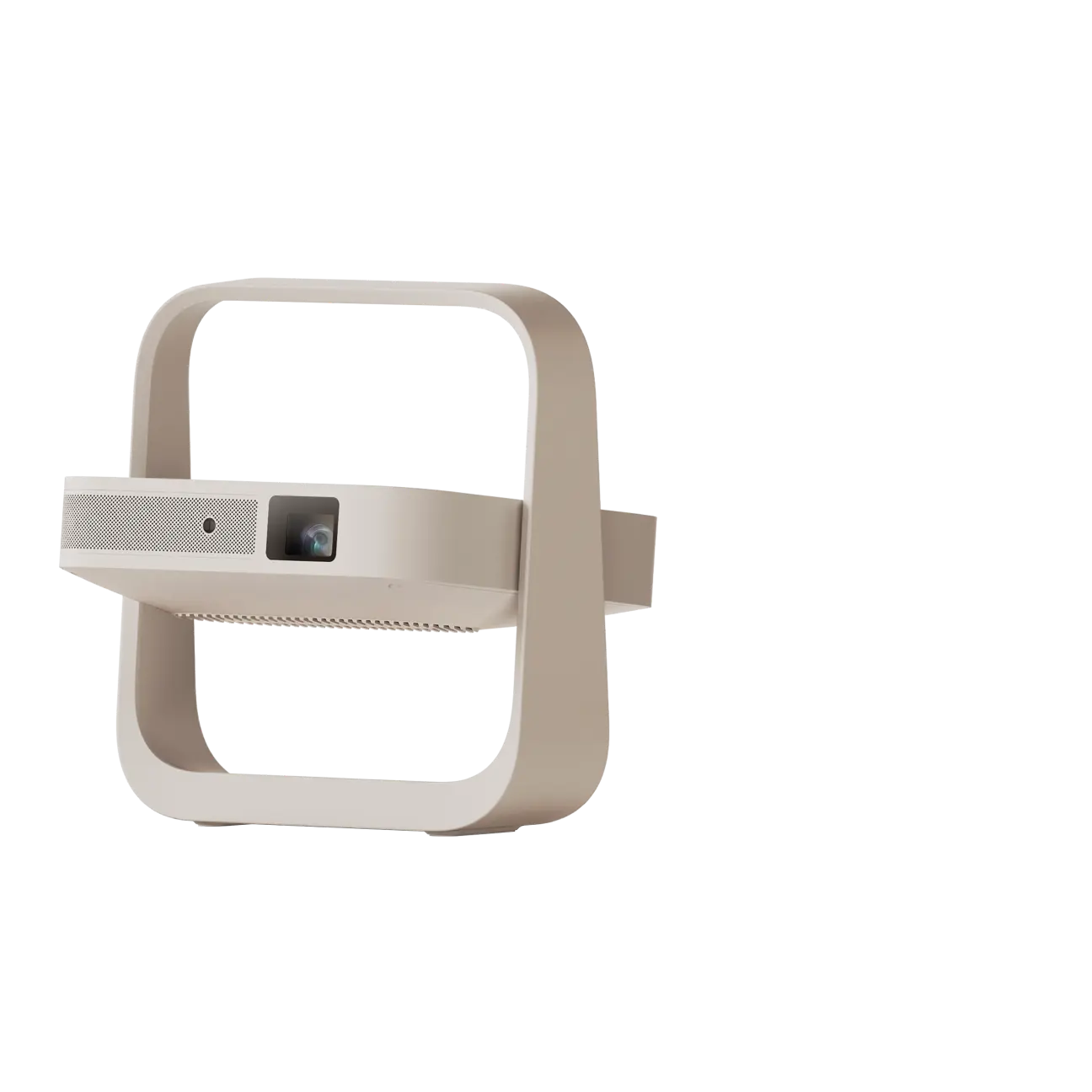
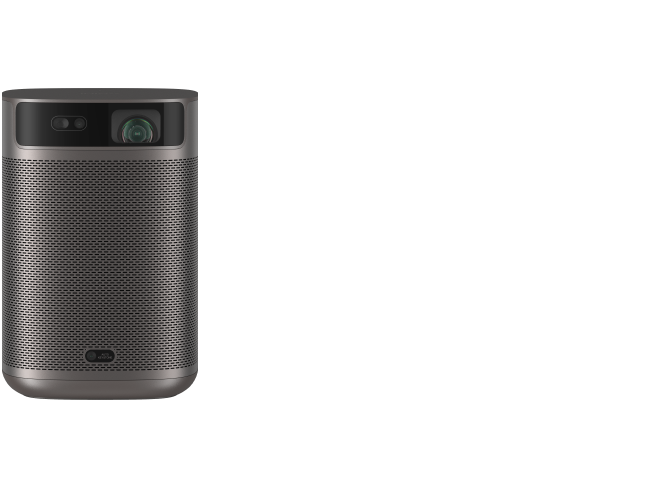
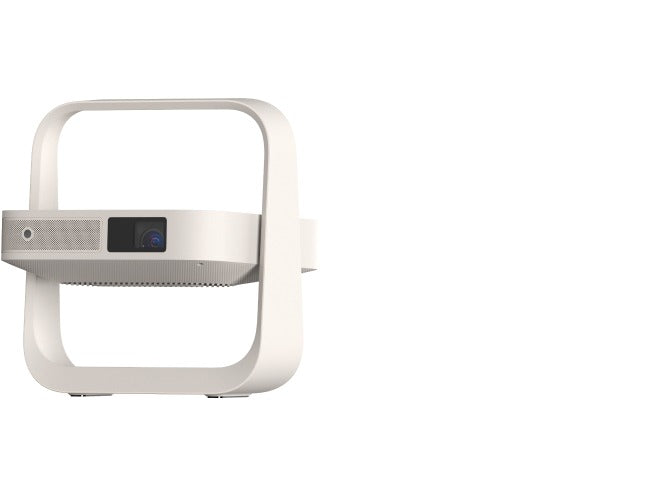
Models such as MoGo 4 are positioned around portability, built-in entertainment and temporary setups. The MoGo 4, for example, includes a built-in battery and 360-degree adjustable stand, making the projector side of a mobile setup easier to manage.
article_product2
For camping specifically, XGIMI's projector camping setup guide covers projector placement, screen positioning and off-grid considerations.
The goal is not to accumulate accessories.
It is to remove friction.
If your projector, screen and power setup take 25 minutes to assemble every time, you will probably use them less often than a slightly smaller system that is ready in five.
The Buying Decision I Would Make
If I were narrowing a portable projector screen shortlist, I would ignore the marketing adjectives for a moment.
I would put the packed dimensions and weight beside the screen size.
Then I would check throw distance, projector type, typical lighting and where people will sit.
For outdoor use, I would inspect the frame and anchoring system before worrying about exotic screen materials.
And only after those questions were answered would I compare price.
Because the most disappointing portable screen is rarely the one that is five inches too small.
It is the one you stop bringing with you.
Portable Projector Screen Buying Checklist
Before clicking Buy, make sure you can answer every one of these questions:
- Can I comfortably carry and store it?
- Will the assembled screen physically fit where I plan to use it?
- Can my projector produce the desired image size from the available throw distance?
- Does the aspect ratio match the content I usually watch?
- Is the screen material appropriate for my typical ambient light and seating positions?
- Is it explicitly compatible with my projector type—especially if I own a UST projector?
- Can one person realistically assemble it?
- How does the fabric stay tensioned and flat?
- How is the frame stabilized outdoors?
- Does the manufacturer publish wind or weather limitations?
- How should the screen be cleaned and stored?
- Am I paying for a larger screen that my projector or viewing environment cannot use effectively?
If you have solid answers to those questions, you are probably looking at a screen that belongs in your setup rather than one that merely looks good in the specifications.


