





Choosing the right screen gain for your projector's environment can mean the difference between a vibrant, high-contrast image and one that looks washed out or dim. Ambient light is one of the biggest variables affecting perceived picture quality, so matching screen gain specifications to your actual room conditions helps preserve contrast, brightness, and color accuracy without unnecessary compromises.
Ambient light can materially reduce perceived contrast, so screen selection should account for room lighting conditions. Rather than chasing the highest gain number available, the key is understanding how gain interacts with your specific setup, projector brightness, seating layout, and typical light levels. This guide translates technical screen specifications into practical decisions for living rooms, open-plan spaces, dedicated theaters, and ultra short throw (UST) installations. For more on this topic, see How to Choose the Right Projector Screen Material for Different Roo....
What Screen Gain Actually Means
Screen gain is a measure of how much a screen reflects projected light back toward the viewer compared to a perfect matte white reference surface (gain of 1.0). A gain of 1.3, for example, reflects 30% more light on-axis than a standard matte white screen. Higher gain numbers concentrate reflected light into a narrower viewing cone, while lower gain or specialized surfaces spread light more evenly or absorb stray ambient light.
Gain, half-gain angle, and viewing angle are separate screen specifications that should be interpreted together. The half-gain angle tells you how far off-center the brightness drops to half of its peak value. As this official InfoComm white paper on display specs explains, gain alone is not enough to predict real-world performance; you must also consider how the screen behaves across typical seating positions.
Higher-gain screens can make the image brighter on-axis, but brightness drops off more quickly off-axis. This tradeoff becomes especially noticeable in rooms where viewers sit at different angles or move around frequently.
How Ambient Light Affects Projected Images
Ambient light from windows, lamps, or overhead fixtures scatters across the screen and reduces the difference between bright and dark areas. The result is lower perceived contrast, muted colors, and a generally washed-out appearance. Screen characteristics should be matched to ambient-light performance, not just raw brightness or projector specs.

Lower reflection factor generally increases a screen’s tolerance to ambient room light. In practical terms, this means specialized surfaces that reject off-angle light (such as ALR materials) can maintain better black levels and contrast even when the room is not fully darkened.
For most homes, ambient light levels fall into three rough categories:
- Dark room: under 10 lux (controlled lighting or fully darkened theater)
- Mixed room: 50–200 lux (typical living room with some daylight or artificial light)
- Bright room: over 200 lux (daytime viewing with significant uncontrolled light)
These thresholds are heuristic and vary with screen size, projector output, and content type, but they provide a useful starting point for decision-making.
Screen Gain Guidelines by Room Type
There is no single perfect gain value; the right choice depends on room brightness, projector output, screen size, and seating angle. The following guidelines synthesize official standards and practical experience to help you narrow options.
In a dedicated dark room, a matte white screen with gain around 1.0 often delivers the most balanced result. With minimal ambient light, extra gain provides little benefit while potentially narrowing the comfortable viewing area. Uniformity and wide viewing angles become more important here.
For mixed-light rooms used for both daytime sports and evening movies, a gray screen with gain near 1.3 can help preserve contrast by absorbing some stray light. Gray screens can improve contrast by absorbing stray light and are commonly positioned for controlled-ambient-light use. This middle-ground option works well when you can partially control light but still want flexibility for multiple viewers. For more on this topic, see Bring EA SPORTS FC™ 26 to the Big Screen with XGIMI Projectors.
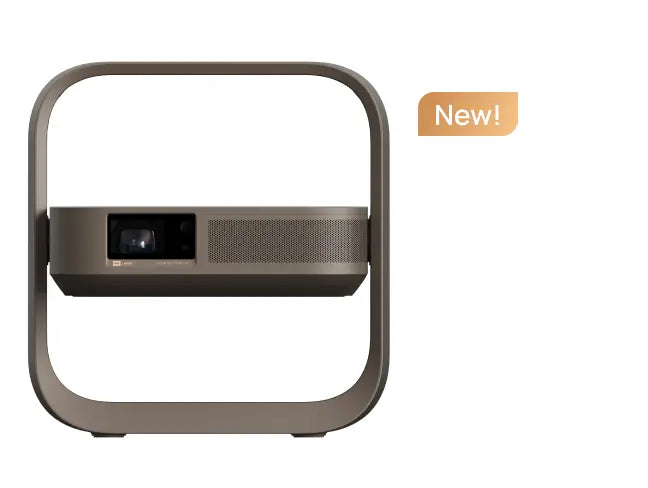
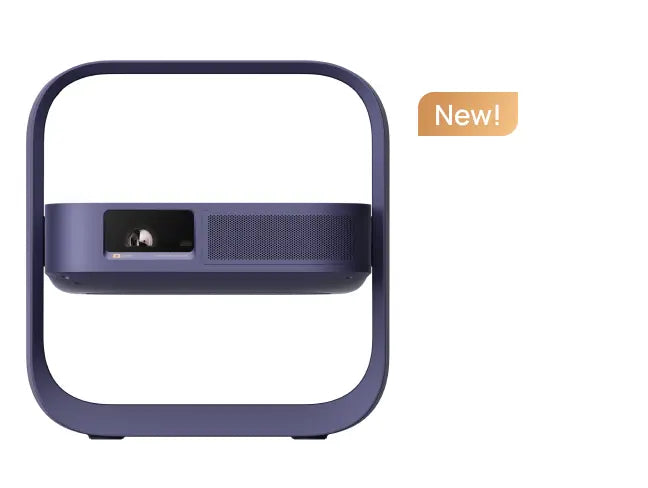
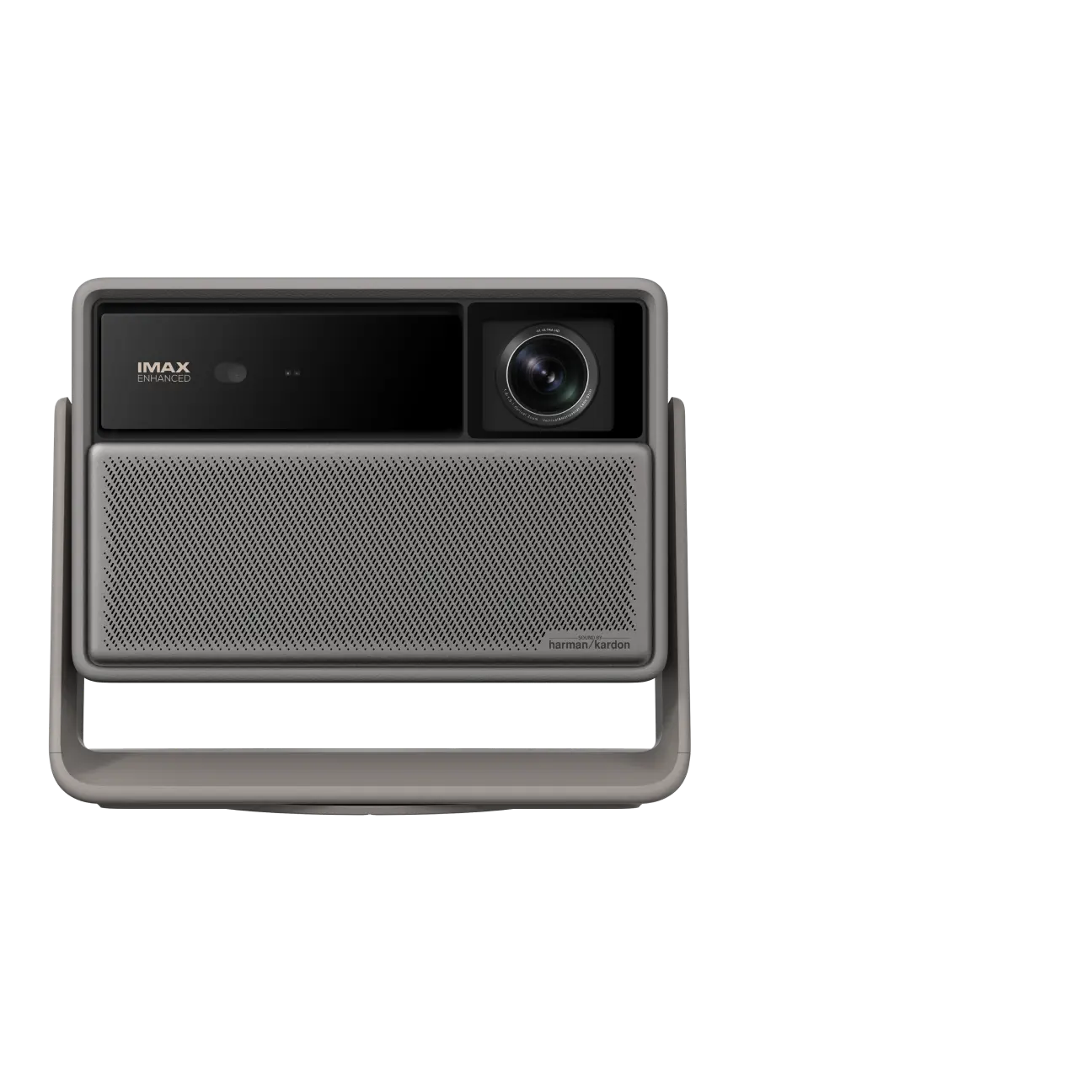
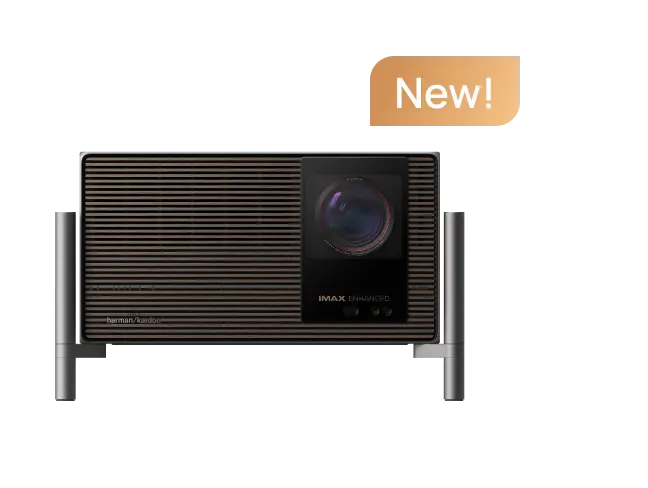
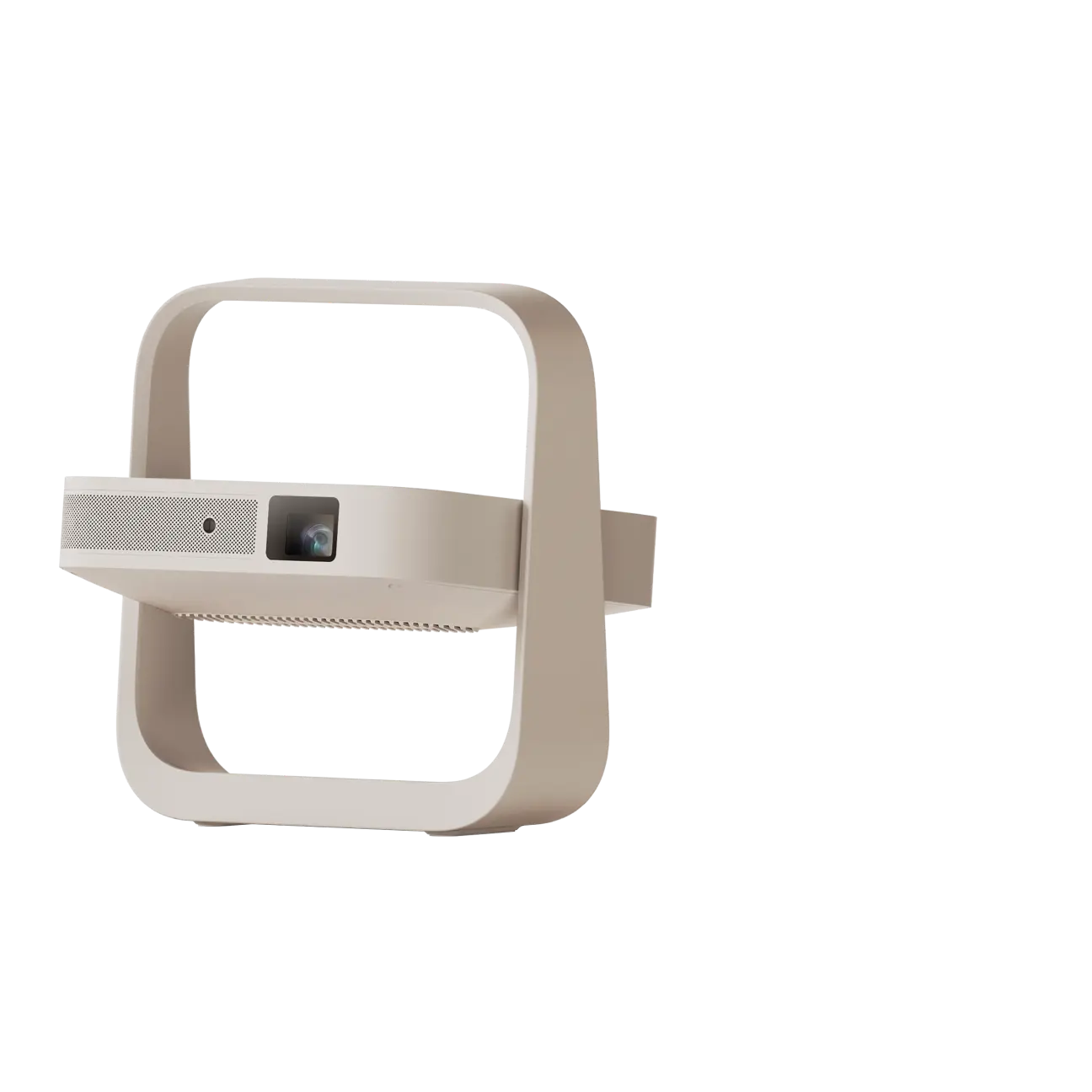
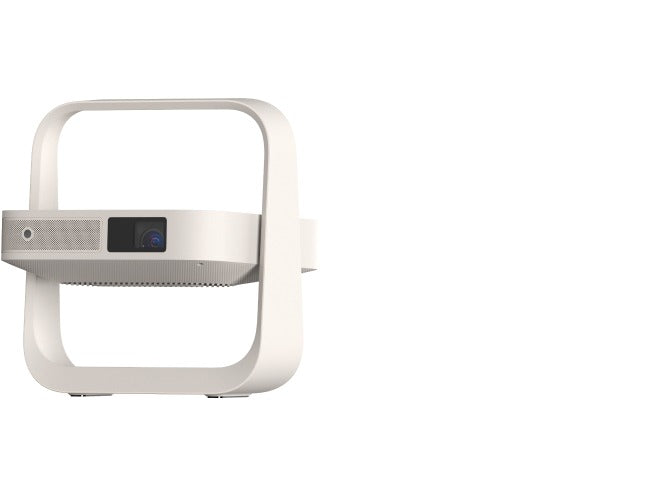
In bright living rooms or spaces with persistent daylight, ambient light rejecting (ALR) screens become the more relevant choice. These specialized surfaces are engineered to reject light coming from above or the sides while reflecting the projector's image forward. They are particularly valuable when pairing with high-brightness models such as the HORIZON Ultra or AURA 2 (New), which output 2300 lumens or more.
Illustrative Screen Choice by Ambient Light and Room Scenario
Use this as a decision aid, not a measured ranking.
View chart data
| Category | Matte white gain 1.0 | Gray screen gain ~1.3 | ALR / high-gain type | High gain 1.5+ | ALR preferred for UST |
|---|---|---|---|---|---|
| Dark room (<10 lux) | 5.0 | 0.0 | 0.0 | 0.0 | 0.0 |
| Mixed room (50-200 lux) | 2.0 | 4.0 | 0.0 | 0.0 | 0.0 |
| Bright room (>200 lux) | 0.0 | 0.0 | 5.0 | 3.0 | 4.0 |
| Bright room + centered seating | 0.0 | 0.0 | 0.0 | 5.0 | 0.0 |
| UST projector setup | 0.0 | 0.0 | 0.0 | 0.0 | 5.0 |
Illustrative heuristic mapping built from the provided threshold table and scenario matrices. It reflects relative fit only: dark rooms favor matte white around gain 1.0, mixed light favors gray around gain ~1.3, bright rooms shift toward ALR or specific high-gain types, high-gain options narrow viewing angle, and UST setups prefer ALR. No single gain is universally optimal.
This illustrative chart shows relative suitability across common scenarios. Higher bars indicate better practical fit based on ambient light tolerance, viewing angle needs, and projector type. The values are heuristic and meant to highlight trade-offs rather than precise measurements.

Ultra Short Throw Projectors and Screen Selection
Ultra short throw projectors present unique challenges because of their steep projection angle and close placement to the screen or wall. Standard matte screens often underperform in these setups, especially in rooms with ambient light. Ultra-short-throw projectors work best with screen materials designed for their throw geometry and room lighting.
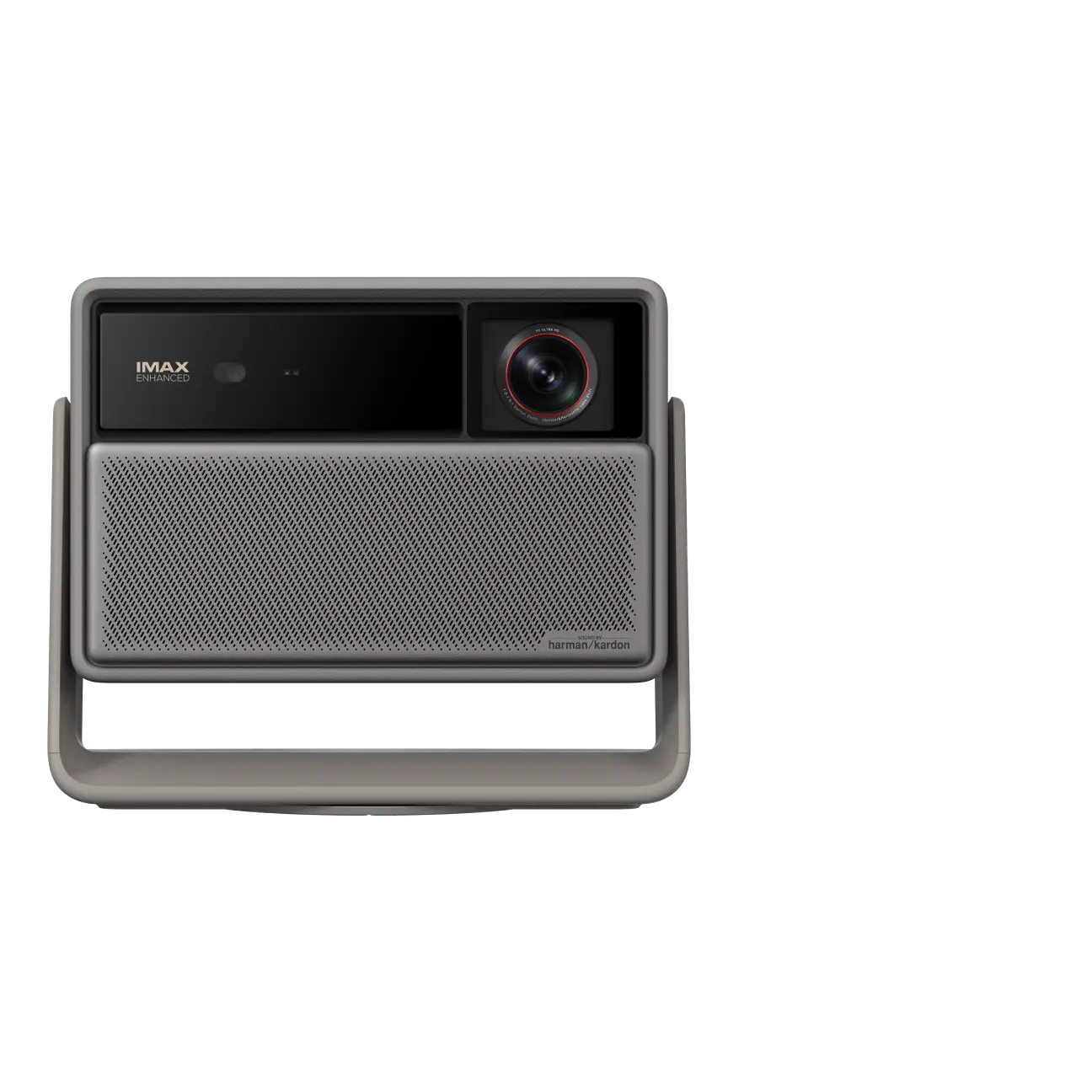
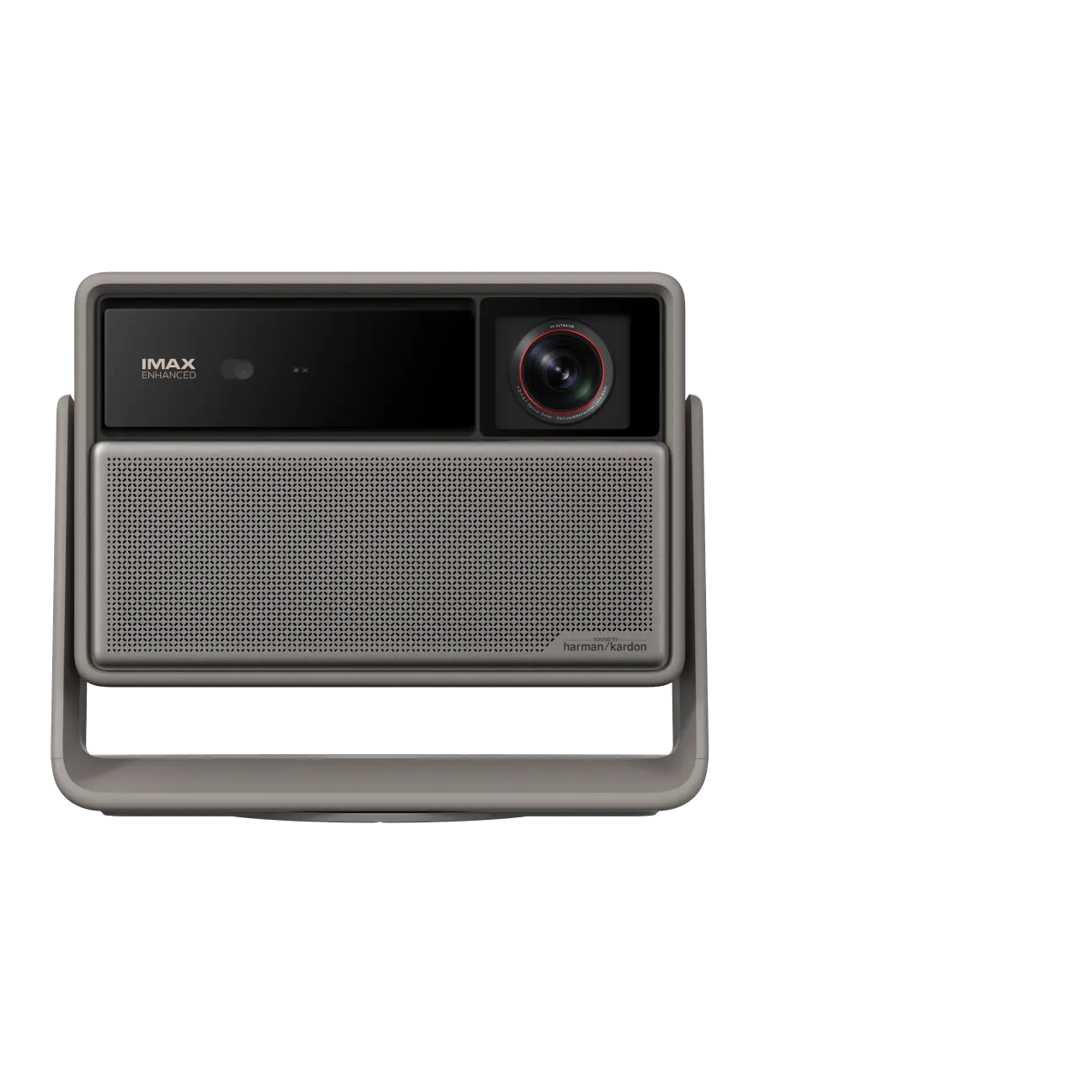
For UST models like the AURA 2, a dedicated UST ALR screen is frequently the most effective choice. These screens combine ambient light rejection with a surface optimized for the projector's low throw ratio, helping maintain contrast and minimize hotspotting. The XGIMI 100" UST ALR Screen is one example engineered specifically for this purpose.
If you are using a standard throw projector in a brighter room, the same ALR principles apply but with less geometric constraint. In either case, test the setup with your actual content and seating positions before finalizing the screen.
Common Mistakes and What to Avoid
Do not default to high gain if the room has wide seating, frequent off-axis viewing, or a setup where people move around. High gain can help a bright image look stronger straight on, but it becomes less attractive when the room asks for even brightness across a wider viewing cone.
If you raise gain to fight ambient light, you may trade away viewing angle and seating flexibility. Hotspotting—where the center of the screen appears significantly brighter than the edges—is another common side effect of very high-gain surfaces when viewed from the sides.
Gray screens can improve contrast by absorbing stray light and are commonly positioned for controlled-ambient-light use, but they may appear too dim in fully bright rooms without sufficient projector output. Conversely, pushing gain too high in a dark room can unnecessarily limit how many people can comfortably watch from different seats.
How to Choose the Right Screen for Your Setup
Follow this practical checklist before purchasing:
- Measure or estimate your typical ambient light level during viewing hours. Use a light meter app or simply observe how much light reaches the intended screen wall.
- Note your projector’s real-world brightness (preferably in ANSI or ISO lumens) and screen size. Higher output (2000+ lumens) gives more flexibility in brighter rooms.
- Map your seating positions. If viewers will sit more than 30–35 degrees off-center, prioritize wider viewing angle over peak gain.
- Decide whether you can control light sources. Curtains, shades, or dimmable lighting may allow a simpler screen than full ALR.
- For UST setups, confirm the screen is rated for ultra short throw geometry to avoid distortion or reduced performance.
- Consider your content mix. Movies with dark scenes benefit more from contrast-enhancing screens, while bright sports or TV content may tolerate higher ambient light better.
If your room often sits above 50 lux and you cannot reliably darken it, treat gain and projector lumens as a paired decision rather than separate specs. Pairing a high-brightness projector with an appropriate ALR screen usually delivers better results than relying on gain alone.
For more on optimizing projectors in brighter environments, see our guide to daytime projector setup. Users interested in high-performance 4K options may also explore the 4K Projectors collection.
Final Thoughts on Screen Gain and Ambient Light
The best screen gain depends heavily on your room’s ambient light conditions, seating layout, projector brightness, and whether you are using a standard or ultra short throw model. While higher gain can boost on-axis brightness, it often comes at the expense of viewing angle and uniformity. In many living rooms, ALR technology provides a more practical solution than simply increasing gain. For more on this topic, see How Many Lumens Do You Actually Need for Daylight Projector Viewing?.
By matching screen characteristics to actual lighting conditions rather than chasing peak specifications, you can avoid washed-out images, maintain better contrast, and get more consistent performance from your projector. The right combination helps your setup deliver a satisfying experience whether the room is fully darkened or used as a multi-purpose living space.
Remember that these guidelines are based on established optical principles and practical heuristics. Exact performance will vary with your specific equipment and environment. If you have persistent questions about your room setup, consider testing different screen samples or consulting detailed manufacturer guidance for your chosen projector.
This article discusses comfort and setup considerations only and does not constitute technical advice for every installation. Individual results depend on room variables, projector model, and content. For eye discomfort or vision concerns, consult a qualified professional.


