




Choosing the right outdoor projector for camping in 2026 means balancing true portability, off-grid power options, sufficient brightness for evening viewing, and hassle-free setup that keeps the focus on the movie rather than technical frustrations. The best models let you enjoy big-screen entertainment at campsites, RV stops, or backyard gatherings without relying on constant wall power or perfect conditions, but success depends heavily on matching the projector to your specific outdoor scenario and accepting real-world limits on battery life and ambient light tolerance.

Portable projectors have evolved significantly, with many now incorporating built-in batteries, smart streaming platforms like Google TV, and features that simplify alignment on uneven ground. However, they perform best after dusk or in low ambient light rather than bright daytime conditions. This guide consolidates key buying factors, setup advice, and scenario-specific recommendations to help you avoid common disappointments like short runtime, dim images, or unstable placement.
Why Outdoor and Camping Projectors Differ from Indoor Models
Outdoor viewing is more sensitive to ambient light than indoor use, so effective brightness becomes a critical factor even for evening sessions with residual dusk glow or nearby lights. Unlike controlled dark rooms, campsites and patios introduce variables like wind, dust, uneven surfaces, and limited power access that affect both performance and durability.
Most portable models are optimized for dusk-to-night use rather than full daylight. As this official brightness standards reference explains, real-world performance often differs from marketing lumens claims, making it essential to prioritize models with at least 300-500 effective lumens for comfortable outdoor group viewing after sunset.
Battery runtime claims should be treated as scenario-dependent rather than guaranteed for every outdoor session. Real-world runtime can be shorter than headline figures once you increase brightness, volume, or use wireless streaming in warmer temperatures typical of summer camping.
Key Buying Criteria for 2026 Portable Outdoor Projectors
Focus on these factors to match a projector to camping, RV, or backyard needs:

-
Brightness: Look for models delivering usable output in low-to-moderate ambient light. Portable projectors work best after sunset or in very low ambient light. Aim for higher effective lumens (often listed as LED lumens) if your setup includes some residual light from campfires or patio fixtures.
-
Battery Life and Power Options: Prioritize built-in batteries for true off-grid camping. Many 2026 models offer 2-5 hours in balanced modes, but expect trade-offs with brightness. Battery-powered projectors compatible with power banks or portable generators provide flexibility for longer sessions. Models like those with swappable or extended power bases excel for extended RV trips.
-
Portability and Durability: Weight under 5 lbs (about 2.3 kg) and compact designs ease packing. Look for rugged cases, dust resistance, and stable bases for uneven ground. Frequent travelers should favor models with quick-setup features like auto-focus and keystone correction.
-
Image Quality and Screen Size: 1080p resolution is standard for sharp outdoor viewing up to 100-120 inches. Pairing with a dedicated portable screen improves contrast in non-ideal conditions.
-
Connectivity and Streaming: Wireless options reduce cable clutter in outdoor setups. Google TV or similar smart platforms enable easy Netflix and streaming when Wi-Fi is available, while Bluetooth audio supports external speakers. Local casting from phones works well for offline content.
Wireless streaming and device casting can reduce cable clutter and make outdoor setups simpler, but reliability drops without a strong signal or when using power-saving modes on mobile devices.
Battery Runtime vs Brightness Trade-offs
Battery life depends heavily on brightness settings, audio volume, streaming method, and temperature, so real-world runtime can be shorter than a headline figure. The following chart illustrates this typical trade-off using modeled heuristic values from common 2026 portable projector specifications.
Portable Outdoor Projectors: Runtime vs Brightness by Usage Mode (Modeled Heuristic)
Illustrative trade-off chart showing that higher brightness usually reduces runtime, while eco mode extends battery life but lowers outdoor usability.
View chart data
| Category | Runtime (hours) | Effective brightness (lumens) |
|---|---|---|
| Eco mode | 5.0 | 200.0 |
| Balanced mode | 3.0 | 350.0 |
| High brightness mode | 1.5 | 600.0 |
Modeled heuristic from typical 2026 portable projector specs and viewpoint notes: battery runtime is scenario-dependent, real-world runtime is shorter at higher brightness, and outdoor use is most viable at dusk/night. Values are illustrative relative ranges, not measured product data.
This heuristic shows why eco modes extend playtime but may limit visibility in slightly lit outdoor environments, while high-brightness modes suit shorter sessions or better-controlled backyard setups.
Scenario-Based Recommendations: When the Best Choice Changes
The ideal projector flips based on your primary use. Here is a practical breakdown:
-
Off-grid camping (limited power): Prioritize long battery life, lightweight design, and durability. A model with 3+ hours runtime in balanced mode and quick auto-setup minimizes hassle on uneven terrain. Avoid heavy units or those requiring constant recharging.
-
RV or van-life trips: With access to inverters or shore power, favor higher image quality and brightness over maximum battery. Stable mounting options and strong audio integration enhance the experience during road stops.
-
Backyard movie nights: Brightness takes precedence if any ambient light remains at dusk. Image quality and easy wireless streaming matter more for family gatherings, with battery useful mainly to avoid extension cords.
-
Patio or park gatherings: Balance all factors with emphasis on setup convenience and noise control. Models with Harman Kardon or similar speakers reduce the need for extra audio gear.
Do not buy a battery-only portable projector if your main use is long backyard sessions or RV viewing near power, because you may be paying for battery hardware you rarely need while giving up brightness or image quality. Similarly, skip fragile ultra-compact models for frequent rough camping where dust and handling could cause regret.
Common Myths About Outdoor Projectors
Several misconceptions can lead to disappointment:
-
Myth: Any projector bright enough indoors will work outdoors during the day. Reality: Open daylight usually overwhelms portable models. Focus on dusk or night use, or ensure you can create shade.
-
Myth: Advertised battery life guarantees a full movie every time. Reality: Runtime drops with higher brightness, volume, or heat, making real-world testing important before relying on it for long camping nights.
-
Myth: Wireless always works flawlessly outside. Reality: Interference, distance from routers, or phone power-saving can disrupt streaming, so having offline content or wired fallback helps.
-
Myth: Portable means fully weatherproof. Reality: Most models need protection from moisture and extreme dust unless explicitly rated; use cases and covers for unpredictable camping conditions.
Fan noise, heat management, and placement can all affect outdoor viewing comfort, especially in quiet natural settings where projector hum becomes noticeable.
Setup Checklist for Camping and Outdoor Use
A stable, level surface is important for focusing and maintaining image alignment outdoors. Follow this actionable checklist:
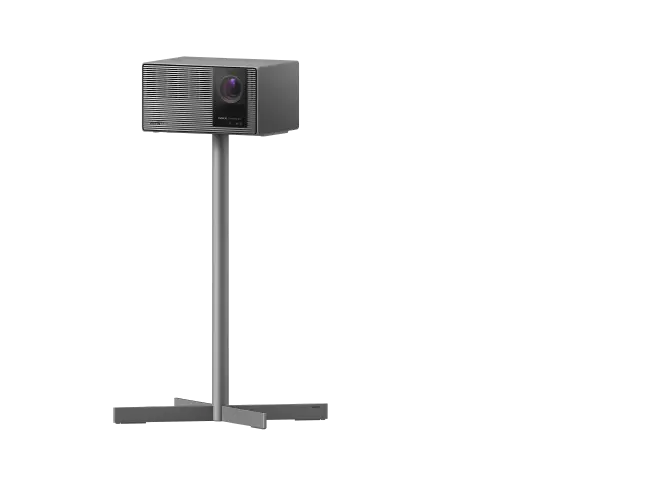
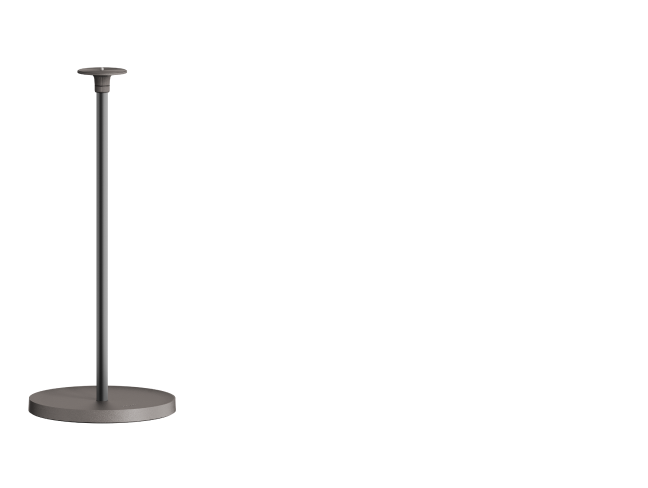
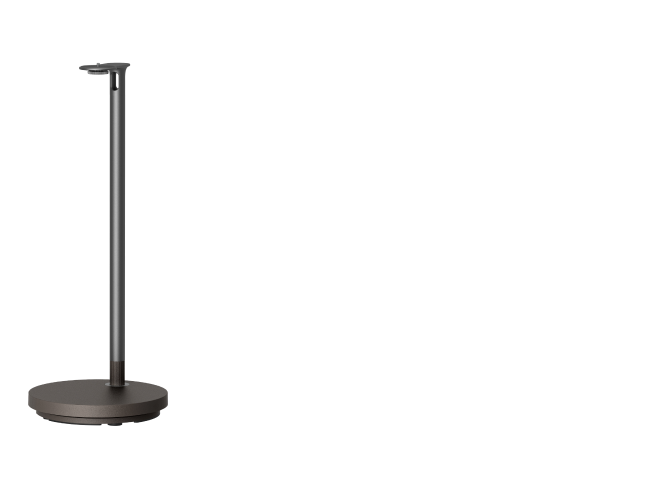
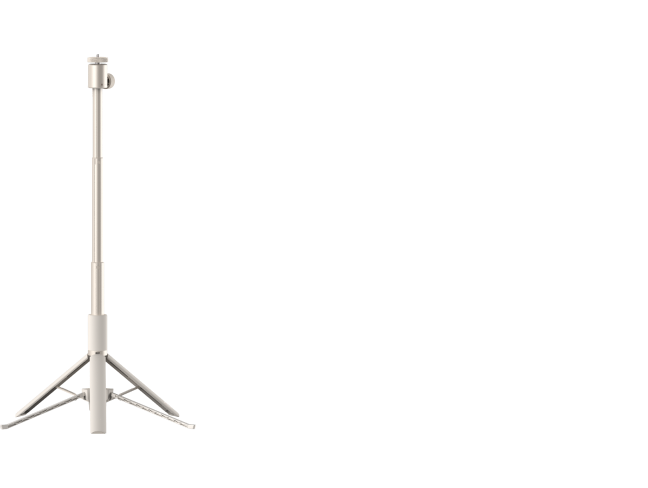
- Choose a flat spot or use a sturdy tripod/stand to prevent tilting on grass or dirt.
- Test battery charge and bring a power bank or generator as backup for longer viewings.
- Position the projector 8-15 feet from the screen or wall for optimal 100-inch images, adjusting focus and keystone immediately after placement.
- Use a portable outdoor screen for better contrast and to avoid uneven surfaces like tents or trees.
- Connect to Bluetooth speakers if built-in audio competes with campfire noise or wind.
- Download content offline or verify Wi-Fi/casting range before dark to avoid setup delays.
For RV setups, consult dedicated power and mounting guidance to integrate with vehicle systems safely.
Recommended Models and Collections for 2026
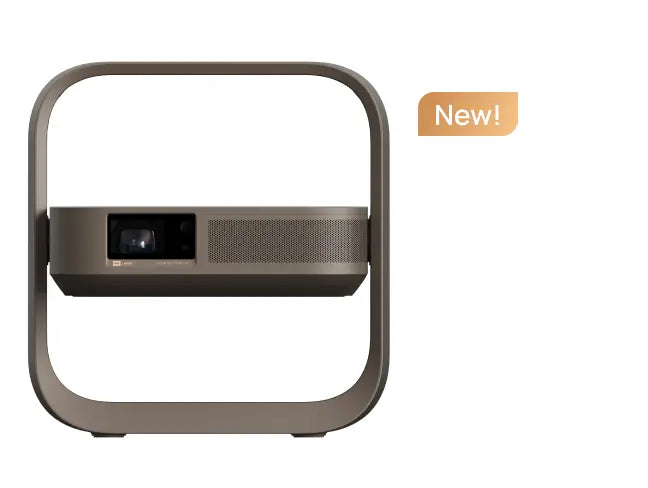
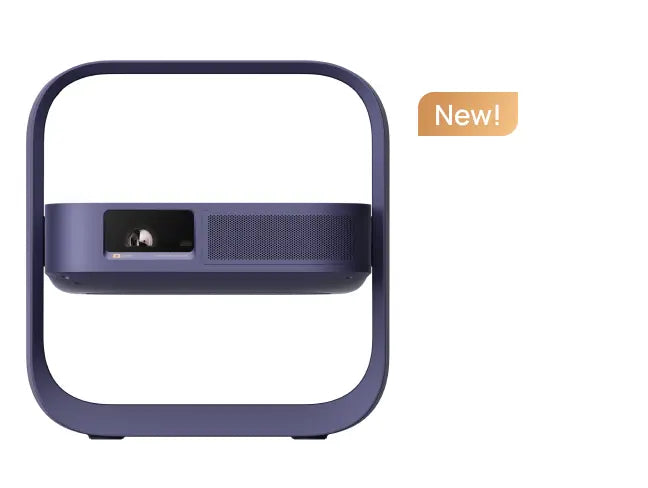
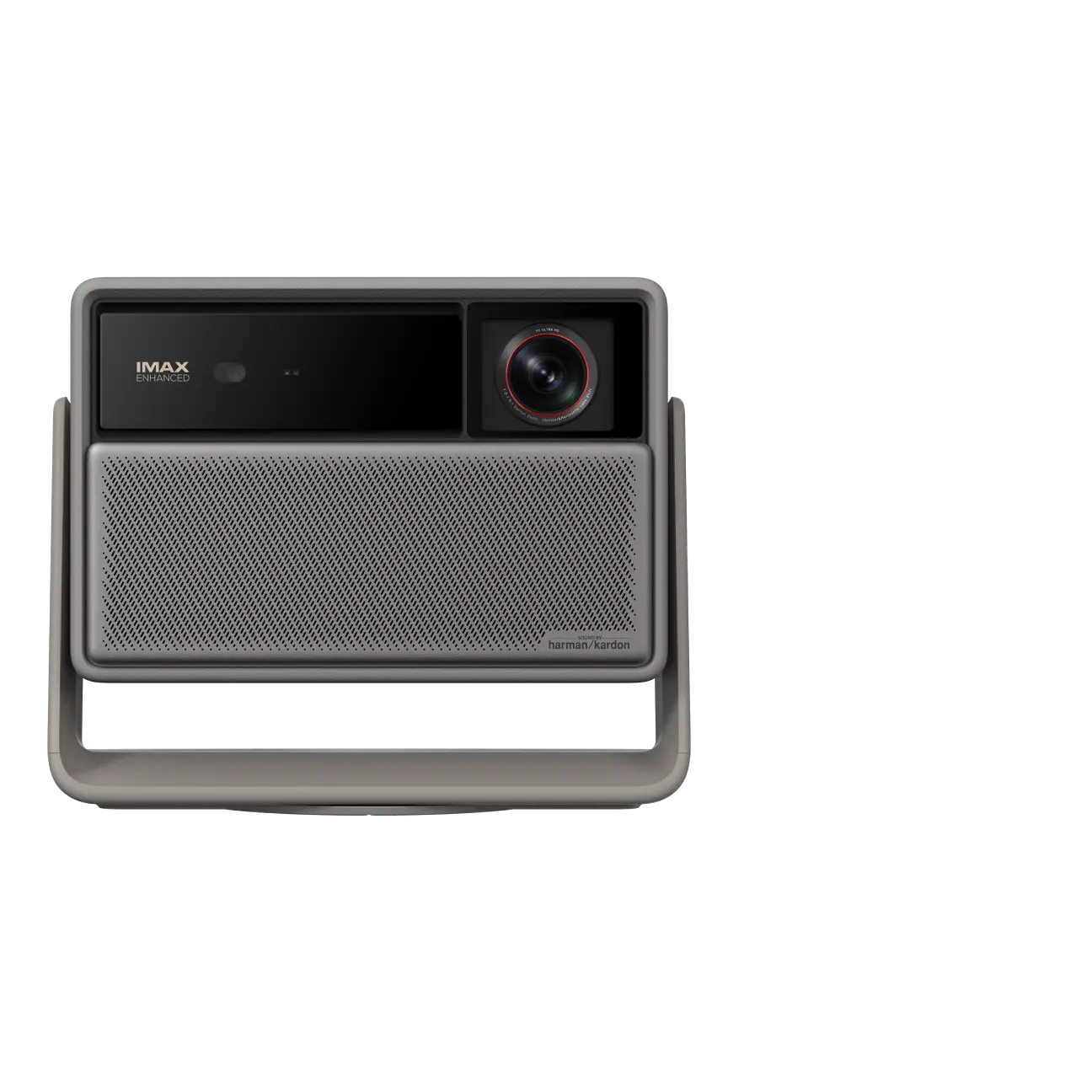
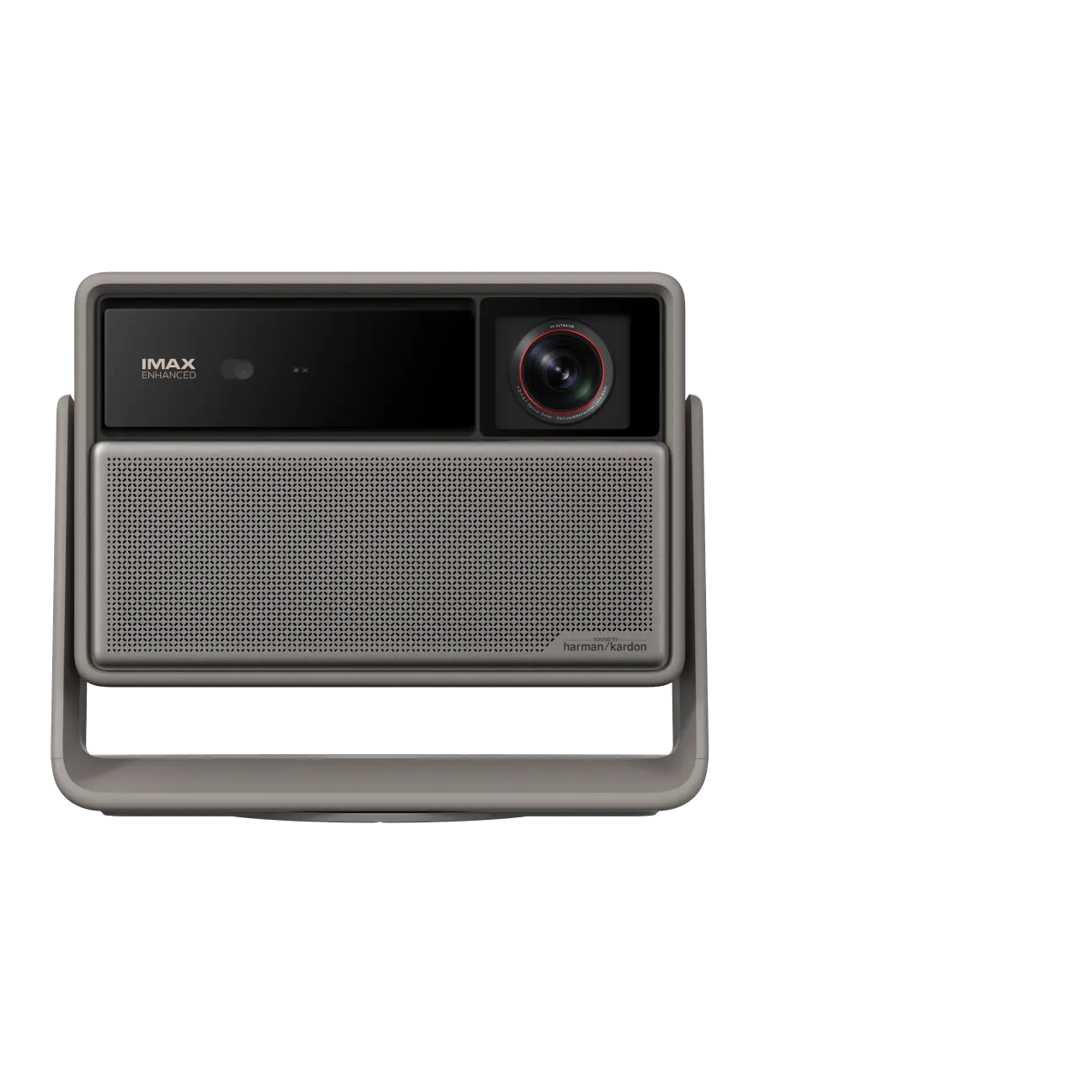
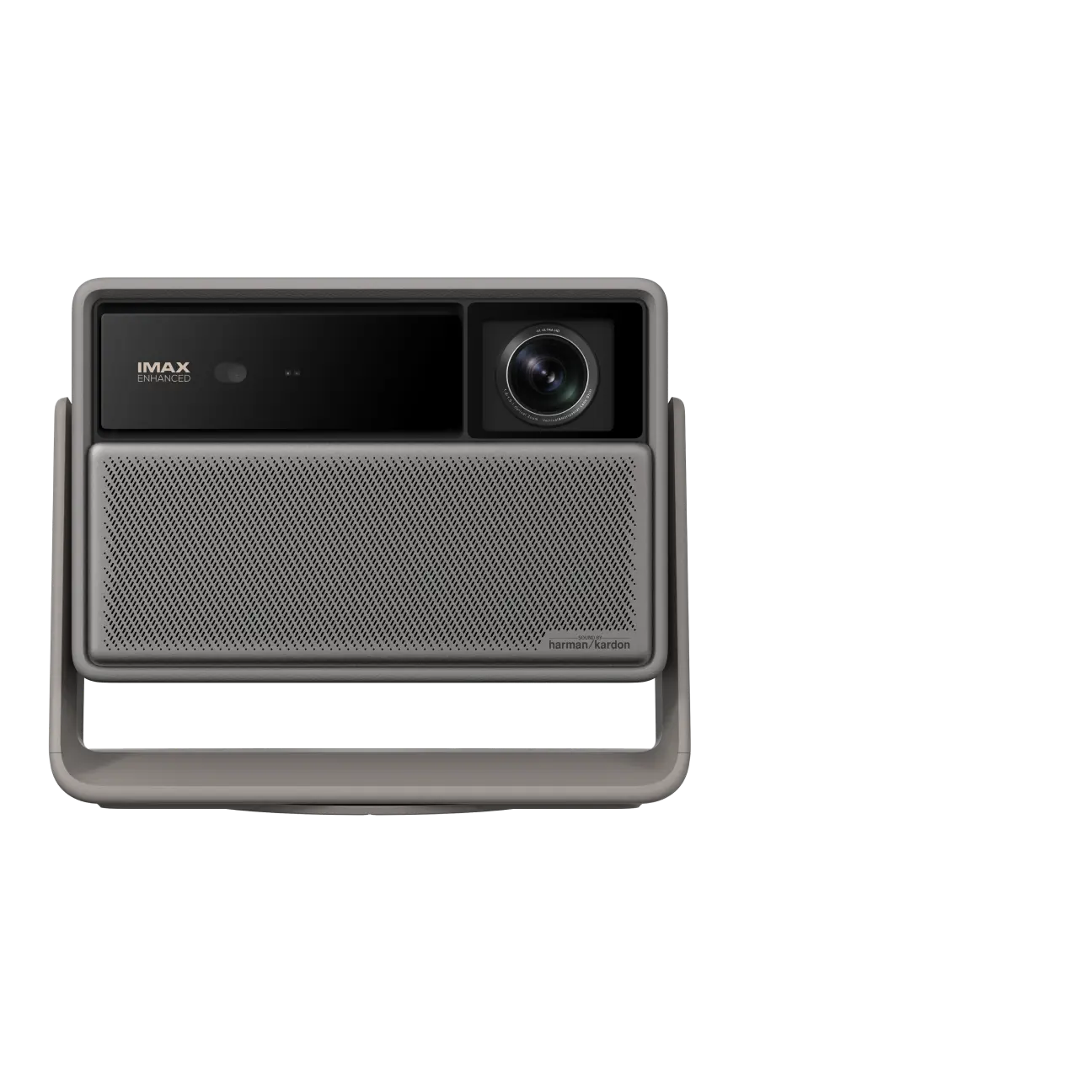
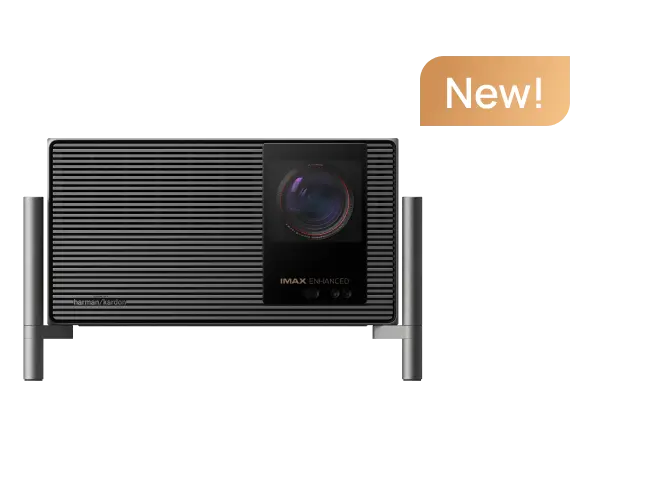
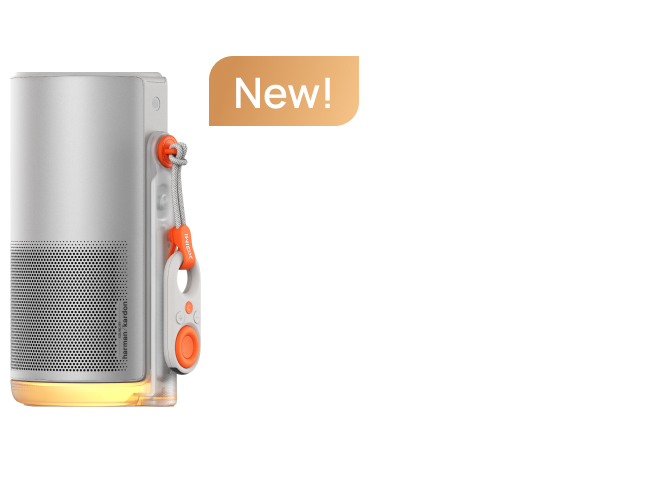
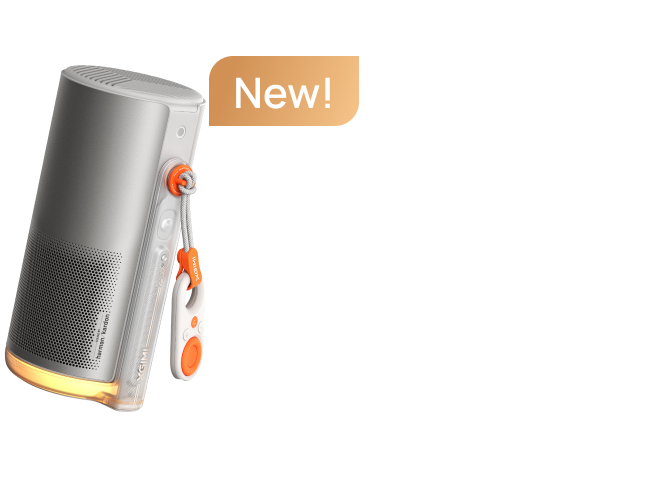
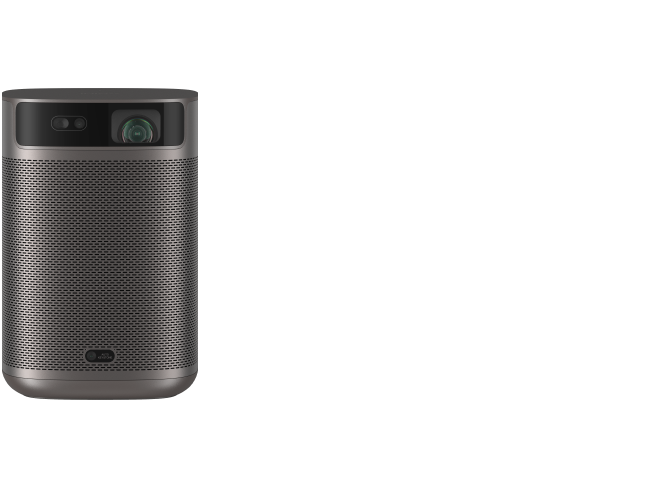
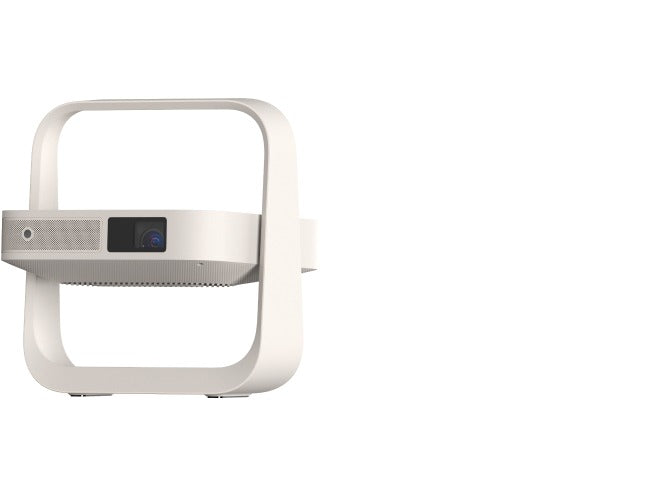
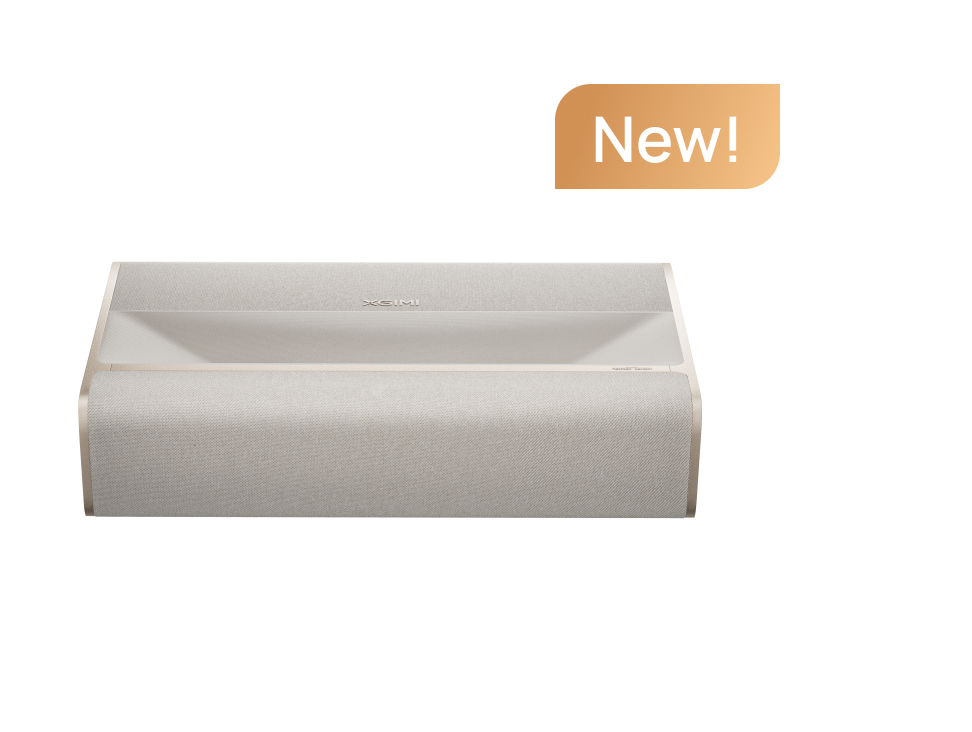
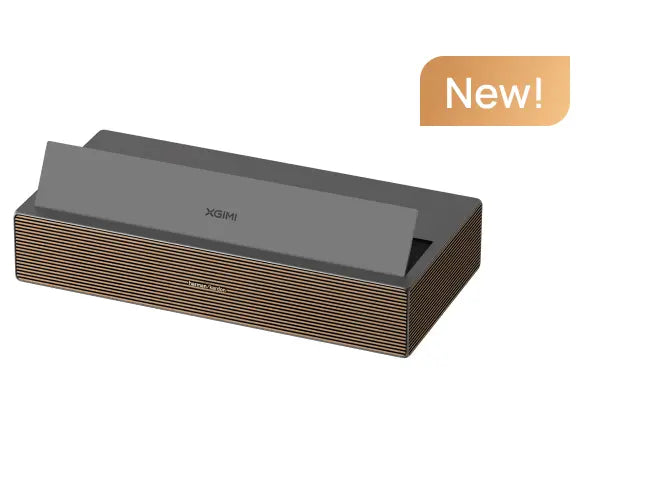
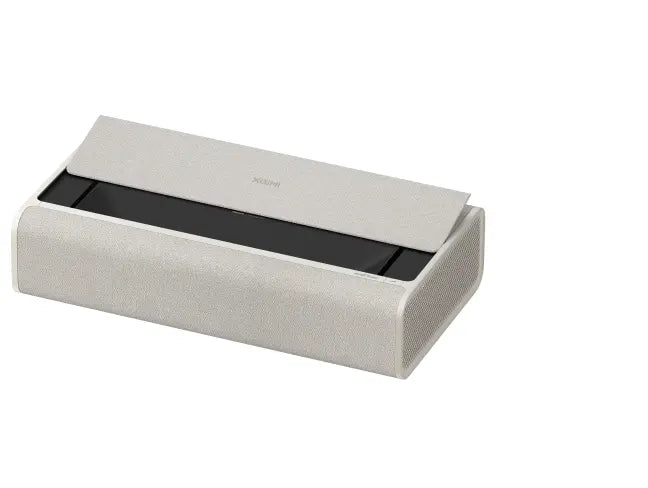
Popular options in the XGIMI lineup include the MoGo 4 Laser, which delivers strong laser brightness and battery life suitable for camping with its compact form and Google TV integration. The Halo+ (New) offers excellent portability with Harman Kardon sound, making it ideal for backyard and RV use where audio quality enhances the experience without extra gear.
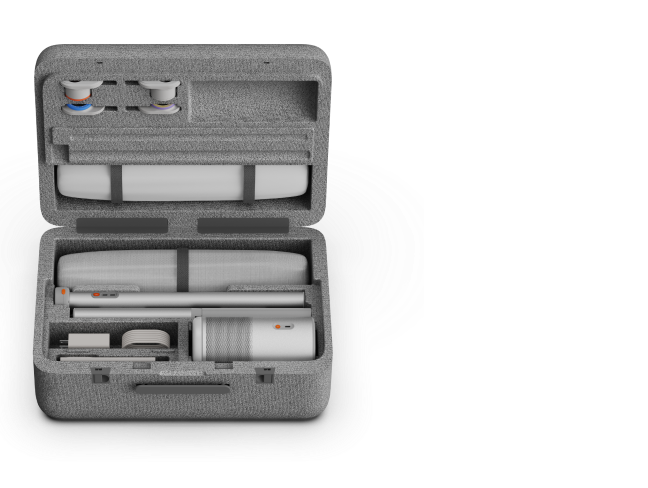
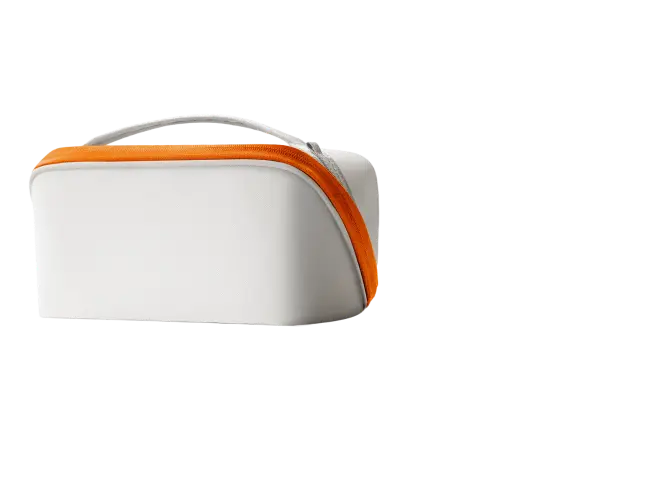
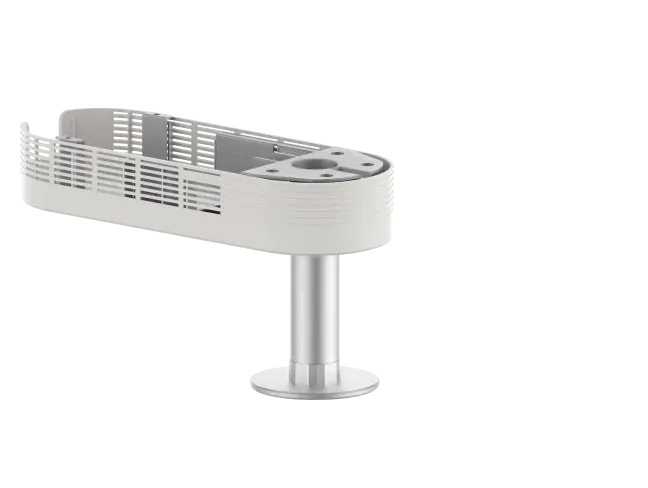
Consider bundles like the MoGo 4 Laser Outdoor Collection that include a power base, screen, and carrying case for complete camping readiness. For broader selection, browse the Portable Projectors collection.
These align well with the portable projector buying guide that covers additional factors for camping movies.
How to Choose and What to Check Before Buying
Before purchase, assess your primary scene: measure typical viewing distance, estimate ambient light at dusk, and test potential power solutions. Check real user feedback on noise in quiet outdoor settings and verify warranty coverage for travel use.
If your camping involves children or frequent moves, prioritize models with simple auto features and protective cases. For migraine-sensitive viewers or those concerned about eye strain, ensure good focus stability and avoid excessive brightness flicker, though these projectors generally offer comfortable viewing when properly set up.
Important Note on Comfort and Use: This article provides setup and buying guidance for portable projectors in outdoor environments. It does not constitute medical advice. Projector use may feel more comfortable in certain lighting conditions but depends heavily on individual sensitivity, room or outdoor setup, and device quality. If you experience persistent eye discomfort or have existing vision conditions, consult a qualified eye care professional.
Final Thoughts
A well-chosen portable outdoor projector can transform camping trips, RV adventures, and backyard nights into memorable shared experiences. By focusing on your specific power access, light control, and portability needs rather than chasing maximum specs, you can select a model that delivers reliable performance without overpromising. Prioritize real-world testing in conditions similar to your planned use, and pair the projector with quality accessories like screens and stable stands for the best results. For more on this topic, see Mastering Outdoor Movie Nights: The 2026 Portable Projector Handbook.
Success ultimately depends on realistic expectations around battery life, brightness in variable light, and simple setup routines that let everyone enjoy the movie instead of troubleshooting.


