
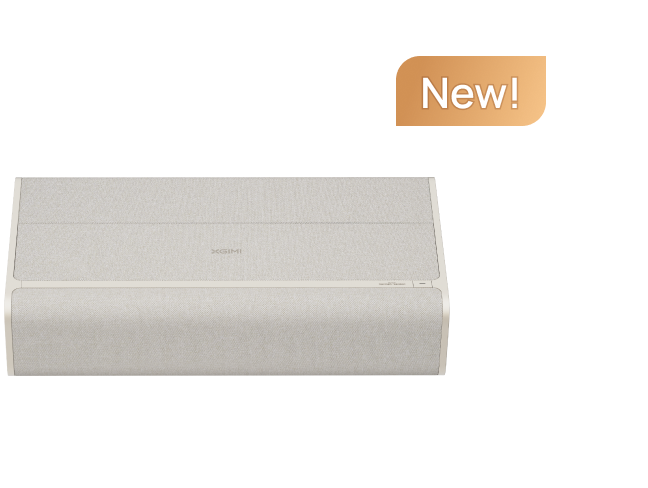



Picking the right home projector can feel overwhelming with so many options available. The key is matching your projector to your actual space and viewing habits. This guide breaks down what really matters when you shop for a projector. You'll learn how to evaluate brightness, resolution, and features that fit your room.
Before You Buy a Projector, Start With Your Room
The first step in your projector buying guide is often overlooked. Most people jump straight to specs and features. But your room's characteristics will determine whether any projector can deliver great results.
Why Your Environment Is the Most Important Factor
Your room determines which projector will work best. A dark basement needs different specs than a bright living room. The size of your space matters too. Wall color affects image quality. Light-colored walls reflect better than dark ones.
Many people make the mistake of choosing a projector based on specs alone. They forget about where they'll actually use it. A projector that works great in a store might disappoint at home if your environment doesn't match.
Key Questions to Ask About Your Viewing Space
How much ambient light enters your room during typical viewing hours? Can you control that light with curtains or blinds? Measure the distance from where you'll place the projector to your screen or wall. This measurement is critical.
Think about ceiling height, too. Will you mount the projector or place it on furniture? Room layout affects cable management and power outlet access. Write down these details before you start shopping.

How Much Brightness Do You Need for Your Room
Once you've assessed your space, brightness becomes your next critical decision. This single specification can make or break your viewing experience, regardless of how impressive other features might be.
ANSI Lumens: A Quick Definition
ANSI lumens, or ISO lumens (a similar international standard), measure projector brightness. Higher numbers mean brighter images. This rating tells you how much light the projector can output. Different lighting conditions require different brightness levels.
Don't assume more lumens always equals better. You need the right amount for your space. Too much brightness in a dark room can strain your eyes. Too little brightness in a bright room makes images washed out.
Recommended Brightness for Dark, Dim, and Bright Rooms
Dark rooms with complete light control work well with 1000-2000 lumens. These spaces are ideal for dedicated home theaters. You'll get deep blacks and vibrant colors.
Dim rooms with some ambient light need 2000-3000 lumens. Most living rooms fall into this category. You can watch during evening hours with the lamps off.
A projector for bright room environments requires 3000+ lumens. These spaces have windows without blackout curtains or daytime viewing needs. High brightness prevents washed-out images when lights are on.
Once you've identified your brightness needs, you can explore home projectors filtered by lumen output to find models that match your space.
Matching Throw Distance to Your Room Size
After determining brightness needs, you need to figure out where your projector will physically sit. Throw distance is the technical term for this placement puzzle, and getting it wrong means your image won't fit properly. You can use a projector calculator to determine the exact placement based on your desired screen size and room dimensions.
What Is the Throw Ratio and Why Does It Matter
Throw ratio describes the relationship between distance and image size. A ratio of 1.5:1 means you need 1.5 feet of distance for every foot of screen width. Short-throw projectors have ratios under 1.0:1. Standard-throw projectors typically range from 1.5:1 to 2.0:1. For related guidance, see How Does Aspect Ratio Mismatch Between Content and Projector Affect....
This specification determines where you can place your projector. Get this wrong, and you won't fit the image on your wall. Or you'll need to place the projector in an awkward spot.
Finding a Great Projector for a Small Room
A projector for small room setups needs short-throw capability. Look for ratios between 0.5:1 and 1.0:1. These models create large images from just a few feet away. You can place them on a coffee table or a low shelf. For related guidance, see What Refresh Rate and Response Time Should You Look for in a Gaming....
Ultra-short-throw projectors sit inches from the wall. They're perfect for tight spaces where you can't mount equipment far back. Some can project 100 inches from less than a foot away. For related guidance, see Why Do Some Projectors Show Rainbow Artifacts and How Can Display T....

Is a 4K Projector the Right Choice for You
With placement sorted out, resolution becomes the next major consideration. The question of whether to choose a projector with 4K capability depends on several factors beyond just wanting the sharpest image possible.
The Real Difference Between 1080p and 4K UHD
Resolution affects image sharpness and detail. 1080p displays 1920x1080 pixels. A 4K UHD projector shows 3840x2160 pixels. That's four times more detail.
The difference becomes obvious on larger screens. Below 100 inches, many viewers struggle to see improvement. Your viewing distance matters too. Sit closer, and you'll notice sharper text and finer textures.
Price gaps between resolutions have narrowed. A home theater projector 4K model costs less than it did a few years ago. Consider whether you watch 4K content regularly. Streaming services and gaming consoles now support this resolution.
When Higher Resolution Makes a Big Impact
Screen sizes over 120 inches benefit most from 4K. Sports fans appreciate the crispness during fast action. Gamers see more detail in textures and environments.
If you mainly watch older movies or TV shows, 1080p might suffice. Most broadcast television still transmits in 1080p or lower. Your content library should guide this decision.
Understanding Projector Light Source Technology
Beyond resolution, the type of light source affects both image quality and long-term costs. This technology choice impacts everything from maintenance schedules to color accuracy, making it worth careful consideration.
The Long-Term Benefits of a Home Laser Projector
A home laser projector uses laser diodes instead of traditional lamps. These light sources last 20,000-30,000 hours. That's roughly 10-15 years of typical use.
Laser technology maintains consistent brightness over time. Traditional lamps dim as they age. You won't need to replace expensive bulbs every few years. Laser projectors also reach full brightness instantly. No warm-up period required. For related guidance, see The Environmental Impact of Laser Projectors vs. Traditional Lamp M....
Why Modern LED Projectors Are a Popular Choice
A 4K LED projector combines long life with efficient power consumption. LED sources typically last 20,000+ hours. They run cooler than traditional lamps. This means quieter fans and less energy use.
LED projectors often come in compact, portable designs. They're lighter than lamp-based models. Color accuracy tends to be excellent with LED technology. Blues and reds look more natural.
Look for Features That Make Setup Easy
While core specifications matter most, convenience features can dramatically improve your daily experience. Setup frustrations disappear when projectors include smart automation that handles technical adjustments for you.
The Importance of Automatic Focus and Keystone Correction
Manual focus adjustment takes time and patience. Automatic focus locks in sharp images within seconds. You move the projector, and it refocuses automatically.
Keystone correction fixes image distortion when you can't position the projector perfectly perpendicular to the screen. Automatic keystone detects angles and adjusts the image. Digital correction helps but can reduce effective resolution slightly. Optical correction maintains full resolution.

Why an Adjustable Built-In Stand Is a Game Changer
Built-in height adjustment lets you fine-tune image position without stacking books under the projector. Tilt mechanisms help aim the image higher or lower. These features simplify temporary setups.
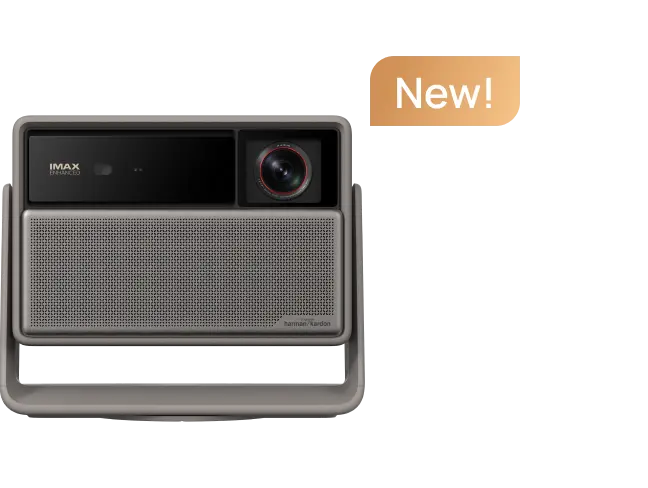
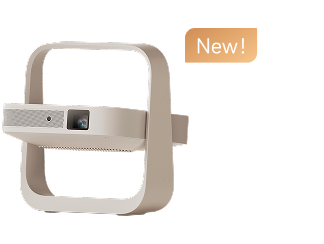
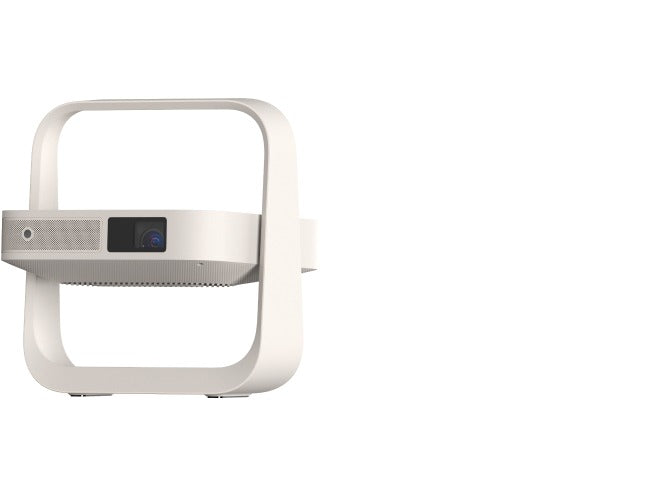
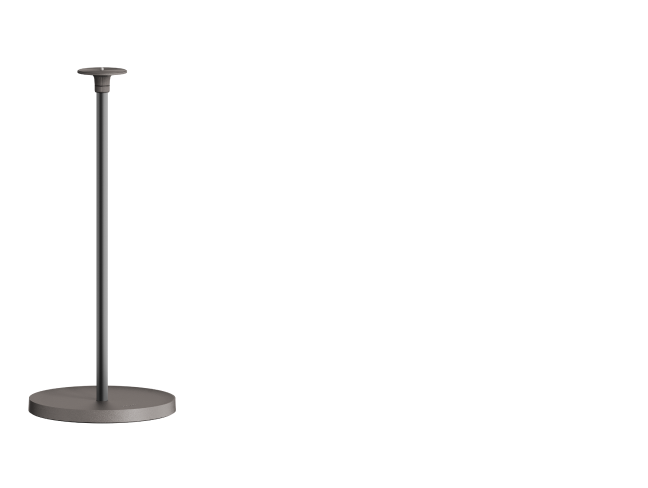
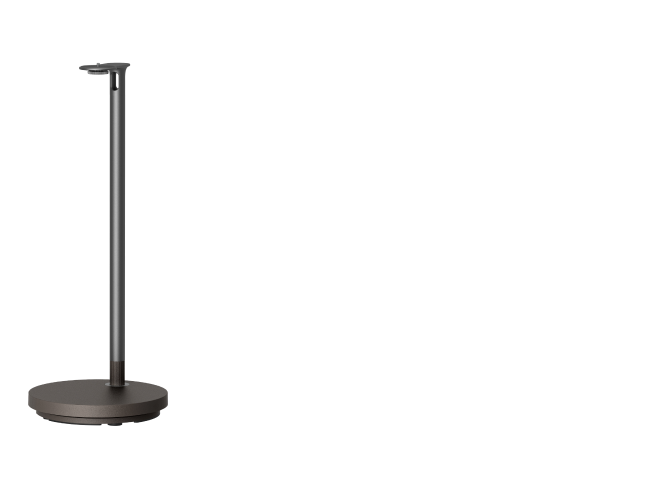
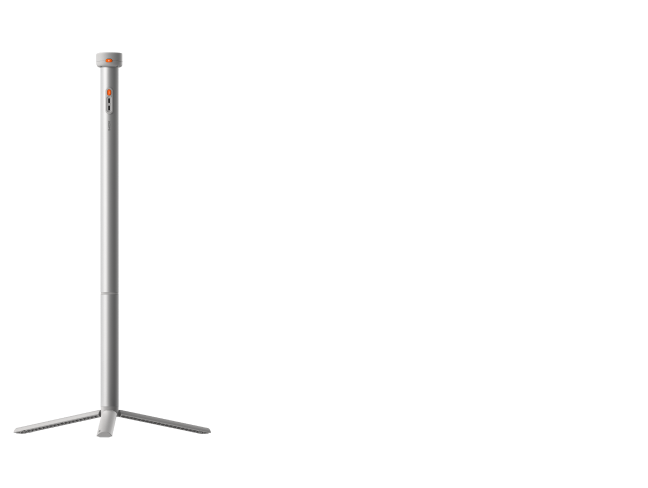
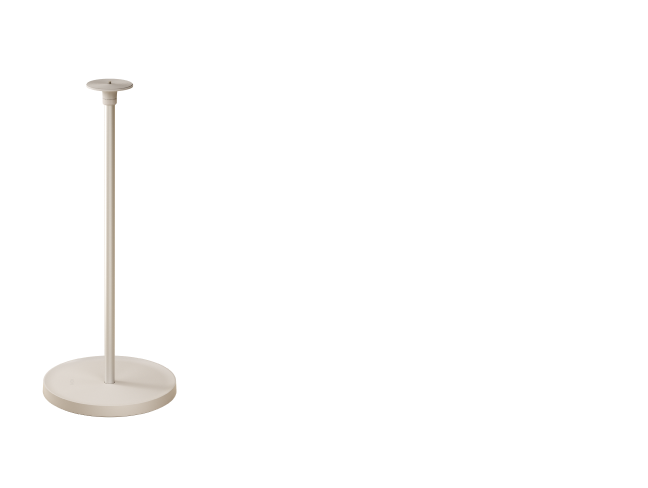
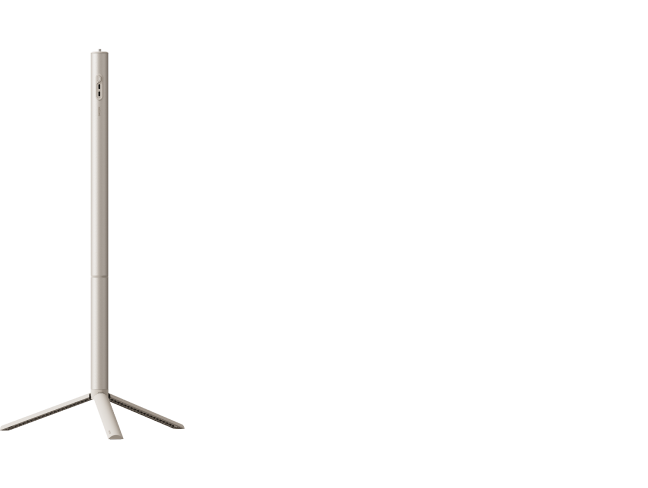
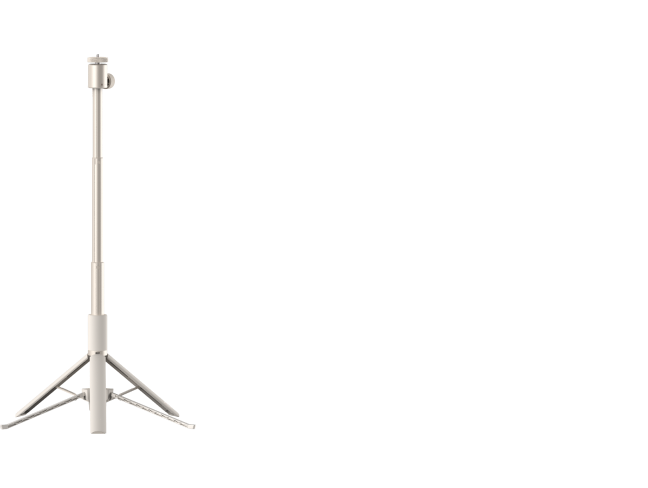
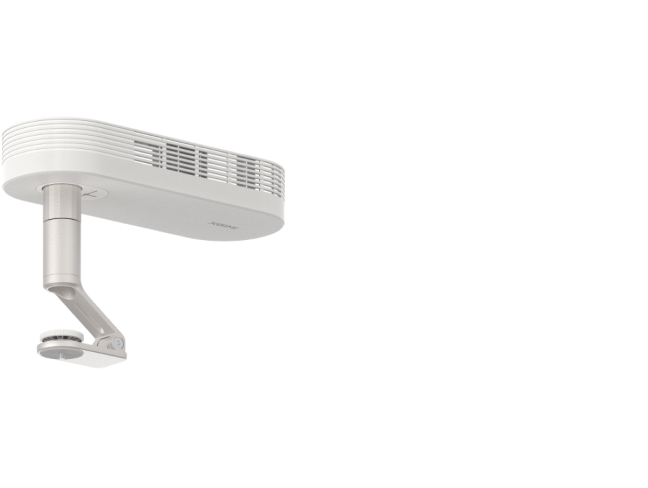
Portable models benefit most from adjustable stands. You can use the same projector in different rooms. Quick setup matters when you move equipment frequently. Models like the HORIZON 20 feature integrated adjustable stands that eliminate the need for external mounting hardware, making placement and angle adjustment straightforward right out of the box.
Don't Overlook the Importance of Audio
Visual quality often dominates projector discussions, but audio quality shapes your overall entertainment experience. The best projector for home theater setups requires sound that matches the impressive visuals on screen.
Evaluating the Quality of Built-In Speakers
Most projectors include speakers. Quality varies dramatically. Budget models often have tinny, weak audio. Premium projectors may feature 10-watt or higher speakers with decent bass.
Built-in speakers work fine for casual viewing in small rooms. They save space and eliminate extra cables.
When You Should Plan for an External Sound System
Large rooms need more powerful audio. Built-in speakers struggle to fill spaces over 200 square feet. The best projector for a home theater setup often pairs with a soundbar or surround system.
Action movies and sports benefit from external audio. Dialogue becomes clearer. Explosions and crowd noise gain impact. Budget for sound equipment when planning a dedicated theater room.
How Will You Use Your Home Projector
Your intended usage patterns should guide your final selection. Different viewing scenarios demand different projector characteristics, and an honest assessment of how you'll actually use the device prevents buyer's remorse.
Dedicated Home Theater vs Everyday Living Room Use
Dedicated theaters allow optimized setups. You can control lighting completely. Permanent mounting simplifies installation. Screen material and seating position matter more in these spaces.
Living room projectors need flexibility. You might watch during the day sometimes. The projector should look decent with the lights on. Consider models that blend with your decor.
Considering a Portable Projector for Versatility
Portable models weigh under 5 pounds. You can take them to different rooms or outdoors. Battery-powered options eliminate outlet hunting. Image quality has improved significantly in portable projectors.
Trade-offs include smaller maximum screen sizes and lower brightness. Portability matters if you want backyard movie nights or presentations in multiple locations. For related guidance, see The Ultimate Backyard Movie Night Setup: Power, Screens, and Portab....

Top Projector Recommendations for Every Space
Now that you've learned what to look for, specific recommendations can point you toward models that excel in different scenarios. These categories help narrow your search based on your primary use case.
Best Picks for Dedicated Home Theaters
For those building a dedicated cinema room, a home theater projector offers features tailored to this environment. Look for native 4K resolution with at least 2000 lumens. Laser or LED light sources provide longevity. HDR support enhances contrast and color. Lens shift and zoom give installation flexibility.
Models with low input lag matter for gaming. Aim for under 30ms response time. Multiple HDMI inputs let you connect various devices simultaneously.
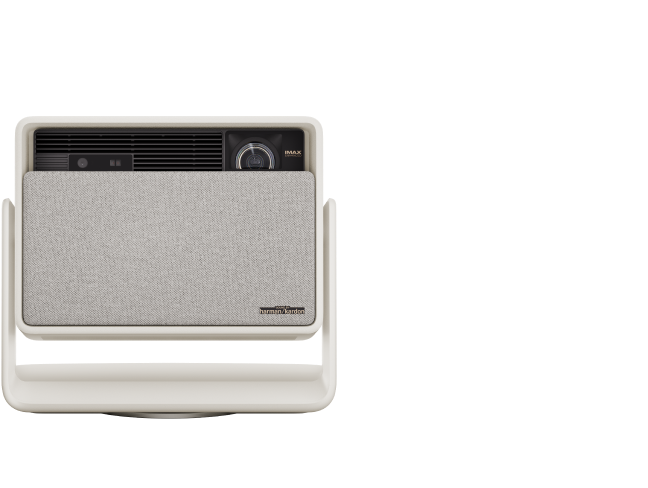
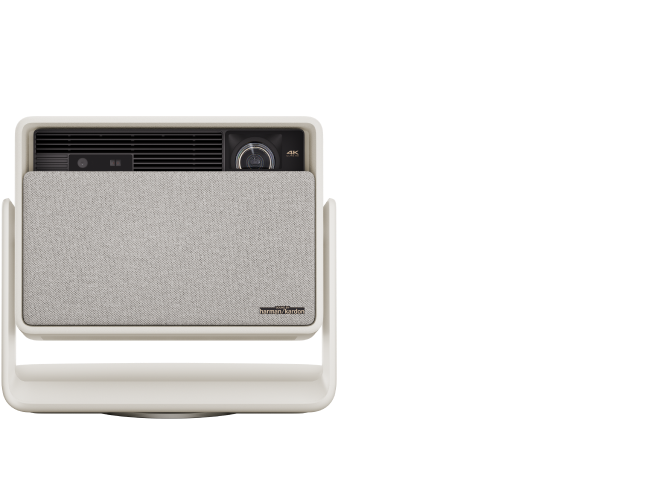
The XGIMI TITAN exemplifies these premium features with its advanced laser technology and true 4K resolution, designed specifically for serious home theater enthusiasts who demand cinema-quality performance.
Top Choices for Flexible Living Room Entertainment
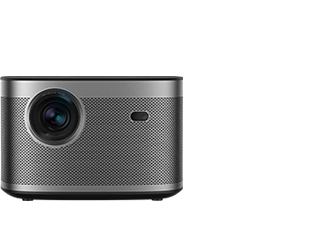
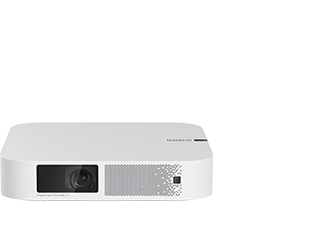
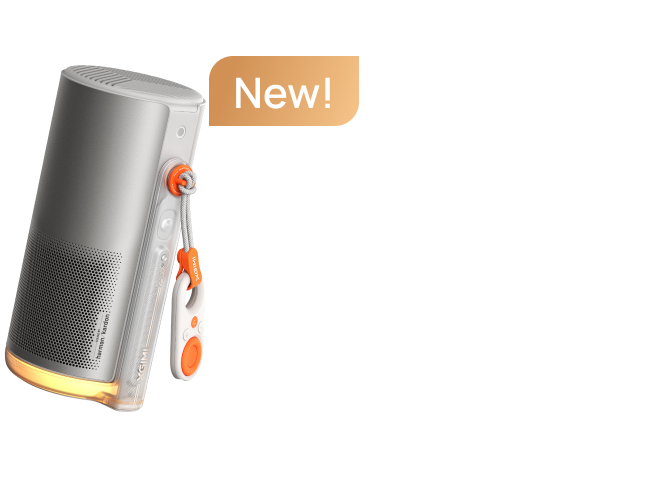
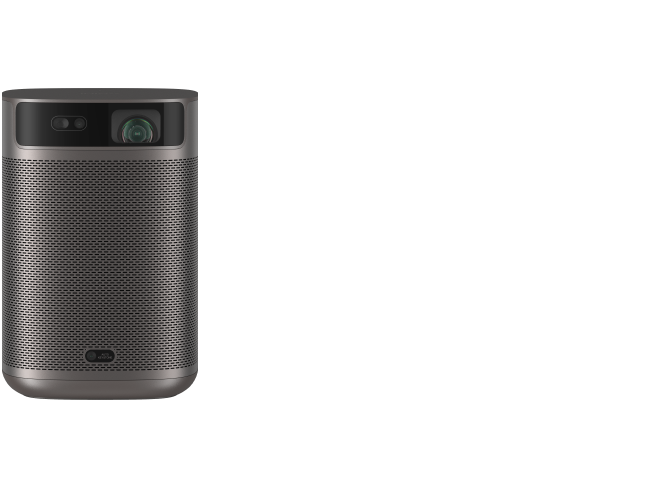
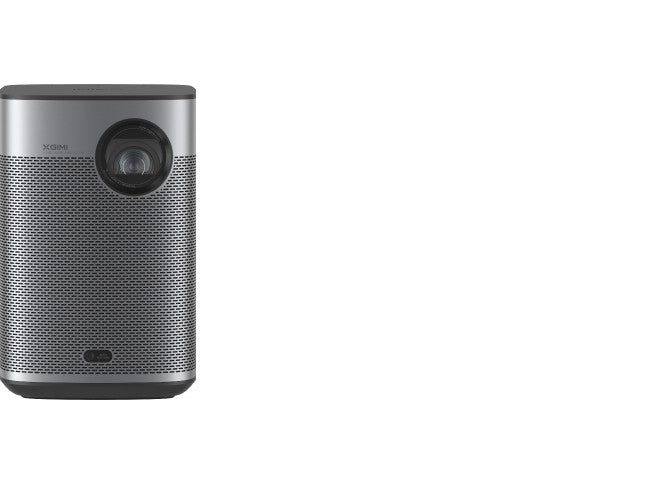
Choose projectors with 3000+ lumens for rooms with ambient light. Automatic setup features save time. Compact designs fit better in shared spaces. Models like the XGIMI HORIZON Pro deliver bright, clear images even with ambient light, while the HORIZON S Pro takes it further with enhanced brightness and automatic setup features that save time.
Compact designs fit better in shared spaces. Built-in streaming apps eliminate extra devices. Good speakers reduce equipment clutter. Look for models that double as Bluetooth speakers when not projecting.
Ready to Transform Your Viewing Experience
Selecting the right projector depends on an honest assessment of your space and needs. Measure your room carefully. Consider lighting conditions realistically. Match specifications to your actual viewing habits rather than chasing impressive numbers. The perfect projector balances brightness, resolution, and features with your budget and environment. Take time to compare options within your price range.
Frequently Asked Questions
Q1: How Many Lumens Do I Need for Daytime Viewing?
To view during the day, you will at least need 3000 lumens. If possible, you will want 3500+ lumens to maintain image quality in bright conditions. Think about how much sunlight is illuminating your screen. Windows with thin curtains still let in plenty of light. Rooms facing north are darker than rooms facing south.
Q2: Can I Use a Regular Wall Instead of a Projector Screen?
The walls can be smooth and light-colored. White or light gray is best. The texture reduces the sharpness of images. The shine and color of the paint also make a difference. Flat paint is better, as it reflects light. Screens with a separate monitor offer greater contrast and color clarity.
Q3: What Screen Size Should I Target for My Room?
One rule of thumb is to position the viewing distance 1.5 to 2.5 times the width of the screen. For a 100-inch diagonal display screen, the optimal distance from the viewer would be 10-16 feet. Assess the space where the projector resides.
Q4: Do I Need Special Cables for 4K Projectors?
The high-speed HDMI cable can handle a resolution of 4K at a refresh rate of 60Hz. HDMI 2.0 or higher-certified cables are also acceptable. The length of the cable is also an aspect to consider. Cables longer than 25 feet require active cables or fiber optic cables to avoid degrading the signal. Ensure all source components are capable of 4K output.
Q5: How Often Will I Need to Replace the Light Source?
These types of projectors, whether LED or lasers, will last 20,000 to 30,000 hours. Conventional projectors with lights need to be replaced every 2,000 to 5,000 hours. This calculation is based on a daily usage formula. Three hours a day, approximatly 1,000 hours a year.


