



Eco-conscious consumers often wonder whether switching to a laser projector truly reduces their environmental footprint compared to traditional lamp-based models. The short answer is that laser projectors generally offer advantages in reduced maintenance waste and simpler end-of-life disposal by avoiding mercury-containing lamps, but the overall benefit depends heavily on usage patterns, energy consumption during operation, and the full product lifecycle. For more on this topic, see Projector Throw Ratio Explained: Standard vs. Short Throw vs. Ultra....
Modern projectors have evolved significantly, with solid-state laser light sources becoming a popular alternative to older mercury-vapor or ultra-high-pressure (UHP) lamps. This comparison examines the key differences in energy efficiency, hazardous waste generation, replacement frequency, and broader sustainability factors to help buyers make more informed decisions. For more on this topic, see Projector vs TV: An Honest Comparison for Your Home.
Understanding the Two Light Source Technologies
Traditional lamp projectors rely on replaceable bulbs that typically contain small amounts of mercury. These lamps produce bright light by exciting gases under high pressure, but they have limited lifespans and require periodic replacement. In contrast, laser projectors use solid-state laser technology that combines multiple laser diodes or laser-phosphor systems to generate light without the same consumable components.
This fundamental difference affects everything from daily power draw to long-term ownership costs and waste. As this official EPA guidance on mercury-containing bulbs explains, mercury-added lamps need special recycling because breakage can release the toxic metal into the environment.

Laser models are often described as mercury-free, which simplifies disposal compared to lamp projectors. However, mercury-free status alone does not guarantee the lowest total environmental impact across manufacturing, use, and end-of-life phases.
Energy Efficiency and Electricity Consumption
One of the most discussed aspects is how much power each type consumes during operation. Lamp projectors often require more energy to achieve comparable brightness levels, especially as the lamp ages and efficiency drops. Laser projectors tend to maintain higher luminous efficacy over time, potentially leading to lower electricity use in long viewing sessions. For more on this topic, see Does Turning a Projector On and Off Frequently Damage the Lamp or L....
Luminous efficacy, measured in lumens per watt, provides a useful benchmark for comparing efficiency. Solid-state lighting technologies generally score higher in this metric than traditional lamps, contributing to lower operating costs and reduced carbon emissions from power generation.
That said, actual consumption varies by model, brightness setting, and content type. A high-output laser projector used in a large room may consume more power than a lower-lumen lamp model in a small, dark space. Buyers should check specific wattage ratings rather than assuming all laser units are automatically more efficient.
Hazardous Waste and Disposal Challenges
Mercury-containing projector lamps fall under special handling rules in many regions. These lamps are often classified as universal waste or hazardous waste, requiring dedicated recycling programs instead of regular trash disposal. Some states even prohibit sending them to landfills or incinerators.
This creates an additional burden for owners of traditional lamp projectors. When a lamp reaches the end of its life, proper recycling involves locating certified facilities and sometimes paying small fees. Improper disposal risks releasing mercury into soil and water, where it can enter the food chain.
Laser projectors avoid this specific issue because they do not use mercury-based light sources. Their solid-state design means fewer hazardous materials at disposal time, though electronic components in all projectors still require responsible e-waste recycling.
According to state environmental agencies, mercury-added lamps should always be recycled rather than discarded casually. This regulatory framework makes lamp-based models more complex from a compliance standpoint for environmentally conscious users.
Lamp Replacement Frequency and Long-Term Waste
Perhaps the clearest environmental advantage for laser projectors lies in their extended operational life. Traditional lamps typically last between 2,000 and 5,000 hours before needing replacement, while many laser light sources are rated for 20,000 to 30,000 hours or more.
This longevity translates to fewer replacement parts over a project's lifetime. Each lamp replacement generates packaging waste, manufacturing emissions for the new bulb, and the eventual disposal of the spent lamp. Frequent replacements also mean more maintenance trips or shipping if the projector is under warranty.
For heavy users who watch several hours of content daily, the waste reduction from choosing laser can be substantial. Light users who only fire up their projector occasionally may see less pronounced benefits, as the lamp might last many years regardless.
Manufacturing and Full Lifecycle Considerations
A complete picture must include the manufacturing phase. Laser projectors often involve more sophisticated semiconductor components and precision optics during production, which can carry a higher upfront environmental cost in terms of materials and energy.
Whether this initial impact is offset by lower operating waste depends on the usage scenario and how long the device is kept in service. Short ownership cycles could favor the model with simpler manufacturing, while long-term ownership tends to reward the longer-lasting technology.
There is no universal lifecycle assessment available that declares one category definitively greener across all models and use cases. A fair comparison should weigh manufacturing, electricity use during hundreds or thousands of hours of operation, replacement parts, and disposal impacts.
Common Myths About Eco-Friendly Projectors
Several misconceptions circulate in discussions about projector sustainability. One widespread belief is that any mercury-free projector is automatically the superior environmental choice. In reality, the mercury-free label primarily addresses one disposal concern but does not account for energy consumption or other lifecycle factors.
Another common claim suggests laser projectors are always lower-impact than lamp models. This oversimplification ignores variables like runtime hours and specific model efficiency. The advantage is real in many heavy-use cases but can be marginal or even reversed in light-use or short-ownership situations.
Treating the "laser" label as a complete sustainability verdict risks overlooking important details. Instead, view it as one data point within a broader evaluation framework that includes power ratings, expected lifespan, and local recycling options.
How to Evaluate Projectors as an Eco-Conscious Buyer
Smart buyers go beyond marketing language and examine several practical checkpoints before purchasing:
- Check the projector's rated power consumption in watts at typical brightness levels.
- Compare the expected light source lifespan—look for 20,000+ hours for meaningful waste reduction.
- Research local recycling programs for both electronic waste and any mercury-containing lamps.
- Consider your actual viewing habits: heavy daily use amplifies the benefits of longer-lasting sources.
- Review full product specifications rather than relying solely on "eco-friendly" or "mercury-free" claims.
- Factor in room size and required brightness, as overpowered models waste energy regardless of technology.
For those upgrading from an aging lamp projector, the switch to laser often reduces long-term maintenance and waste. However, if your current lamp still has significant life remaining, continuing to use it might be the lower-impact choice in the short term.
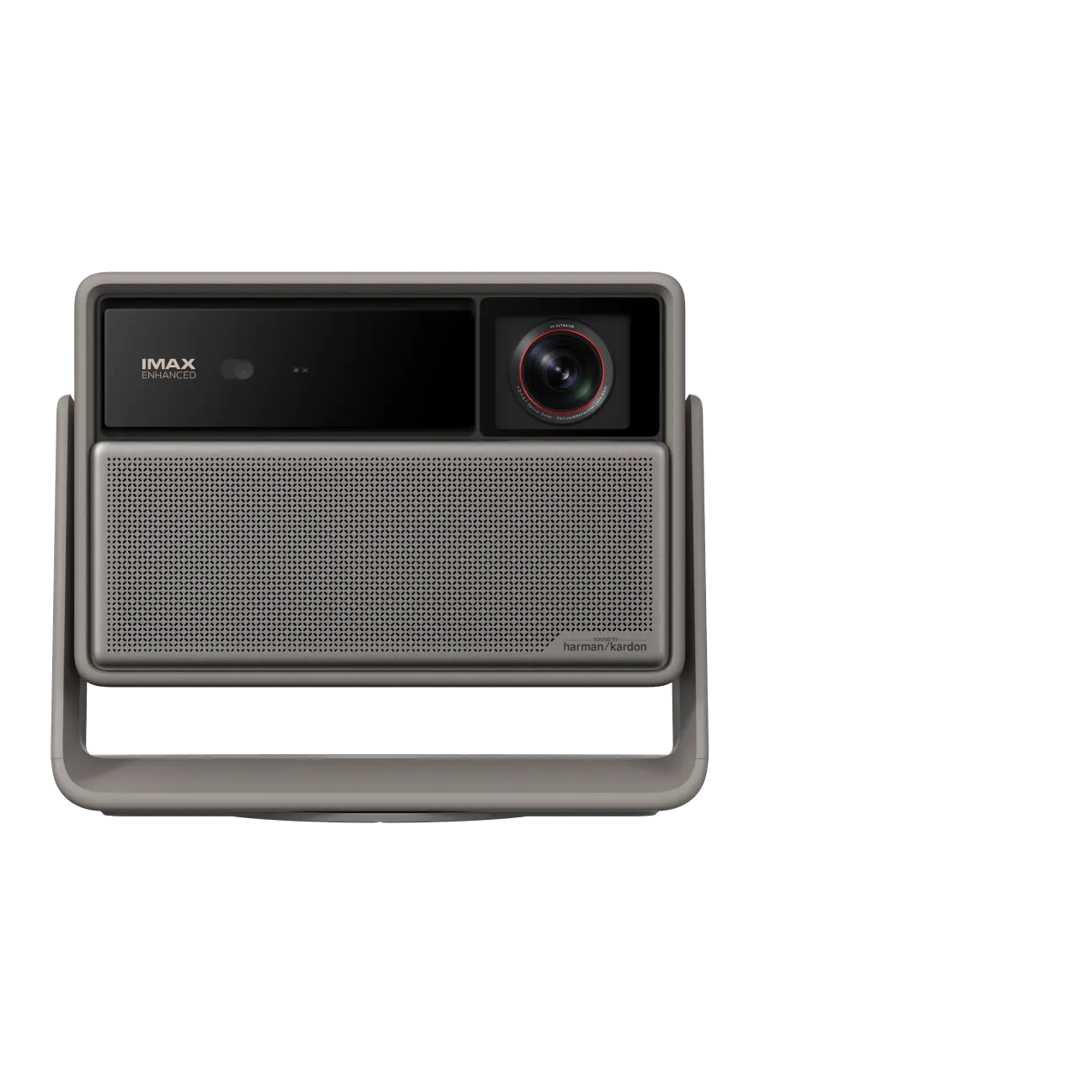
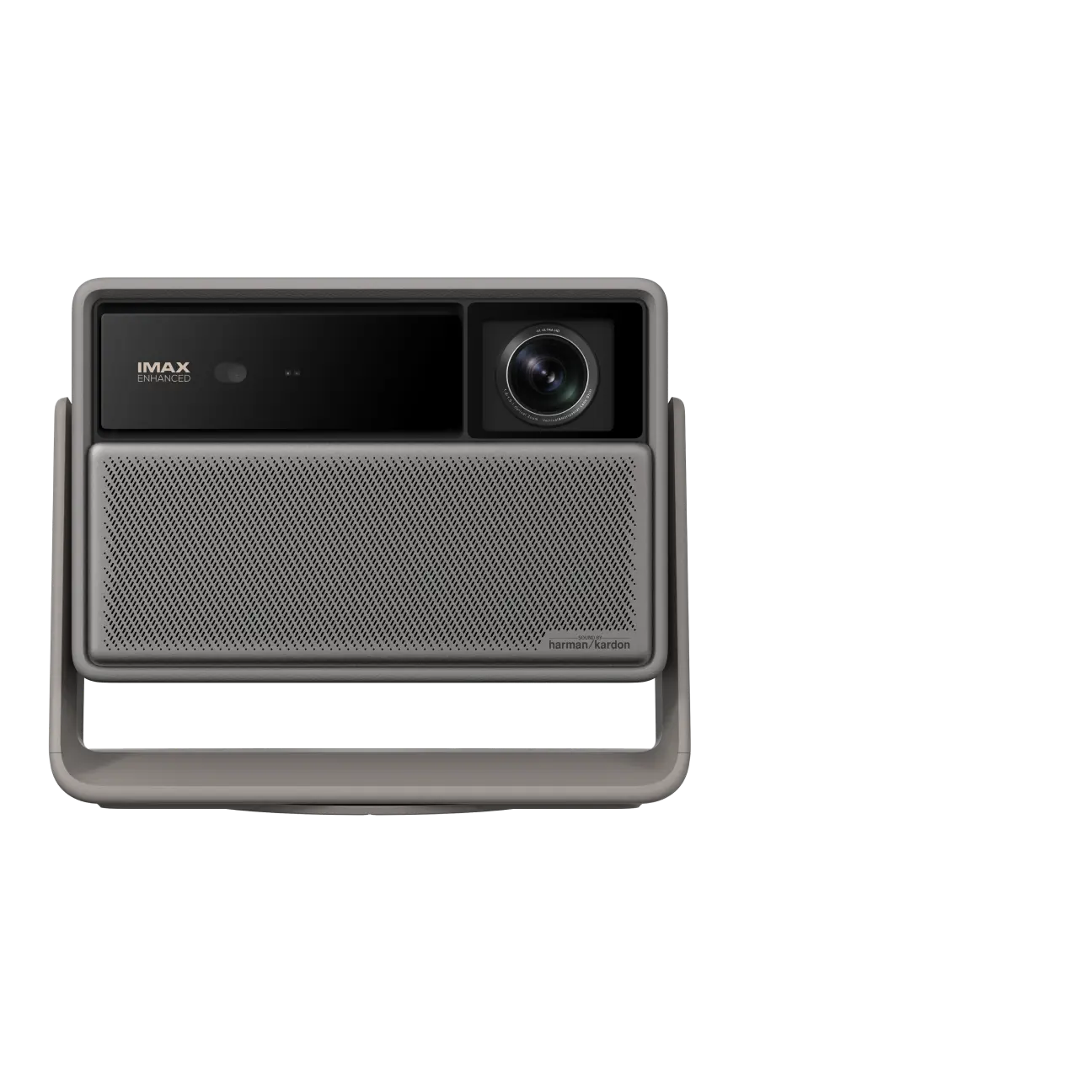
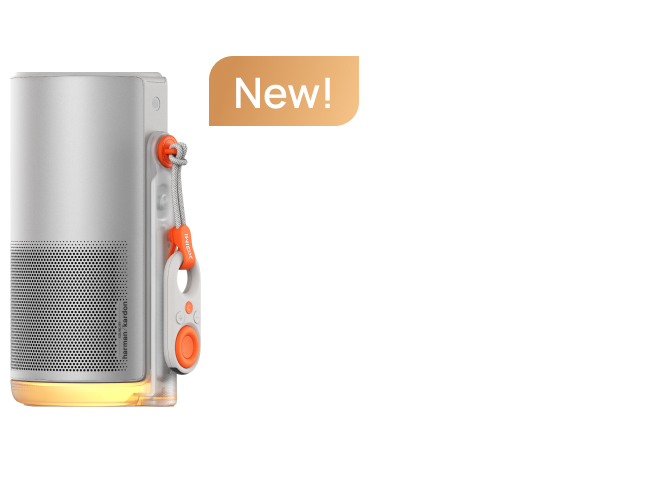
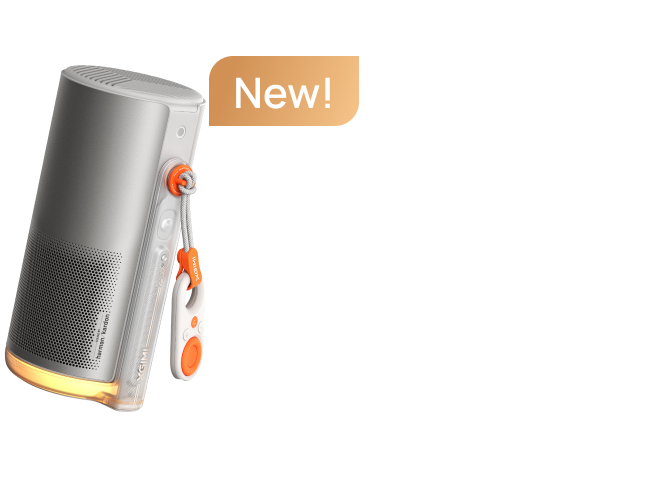
This guide to XGIMI projector Dual Light 2.0 technology offers insights into modern solid-state approaches that balance performance with efficiency considerations.

Visualizing the Environmental Trade-offs
Laser vs Lamp Projectors: Environmental Trade-offs
Illustrative comparison of environmental burden; values are normalized heuristics, not measured LCA results.
View chart data
| Category | Lamp projector | Laser projector |
|---|---|---|
| Energy use | 3.0 | 4.0 |
| Replacement frequency | 5.0 | 1.0 |
| Hazardous waste | 5.0 | 1.0 |
| Lifecycle impact | 4.0 | 2.0 |
Sourced anchors from writer_evidence and targeted web snippets: lamp projectors typically use UHP lamps rated around 2,000–5,000 hours, while laser light sources are commonly 20,000–30,000+ hours; lamp systems involve repeated bulb replacement and mercury disposal, while laser/solid-state systems avoid routine lamp waste. Environmental impact scores are illustrative, normalized on a 1–5 scale (5 = higher burden), built from qualitative evidence rather than measured lifecycle assessment.
The chart above uses illustrative values based on typical reported lifespans and waste patterns. Lamp models score higher (worse) on replacement frequency and hazardous waste, while energy use remains comparable or slightly better for laser in sustained operation. These are heuristics meant to highlight relative differences rather than precise measurements.
Making the Sustainable Choice for Your Setup
Laser projectors frequently emerge as the preferable option for buyers seeking lower long-term waste and simplified disposal, particularly those with moderate to heavy viewing habits. The elimination of routine mercury-lamp replacements provides a tangible reduction in recurring environmental burden.
However, the decision is not binary. In low-usage scenarios or when budget constraints limit options to efficient lamp models, the environmental gap narrows considerably. Always prioritize accurate specifications over broad category claims.
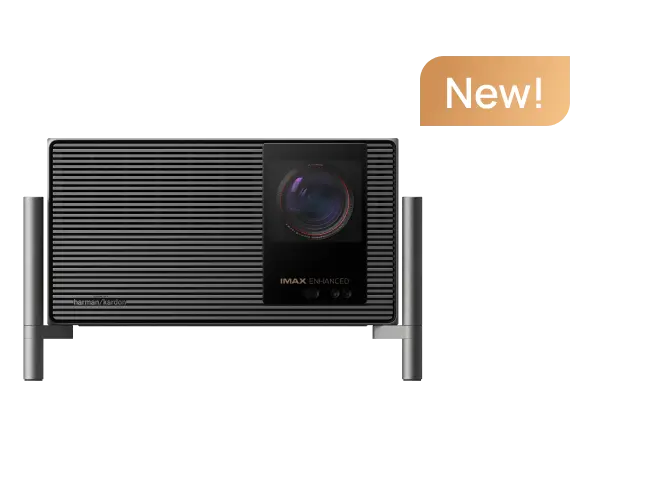
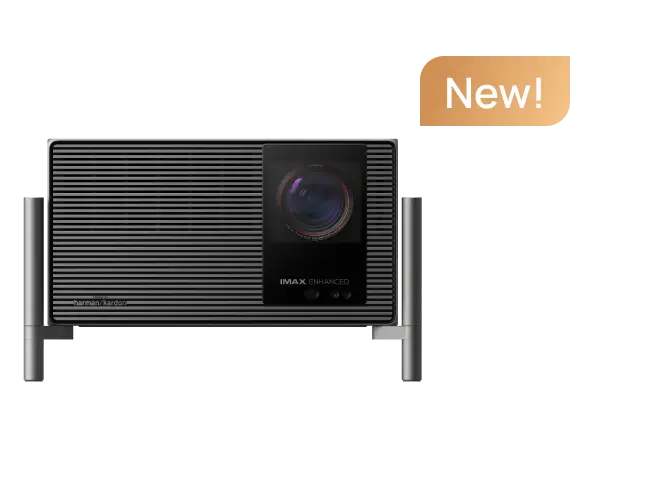
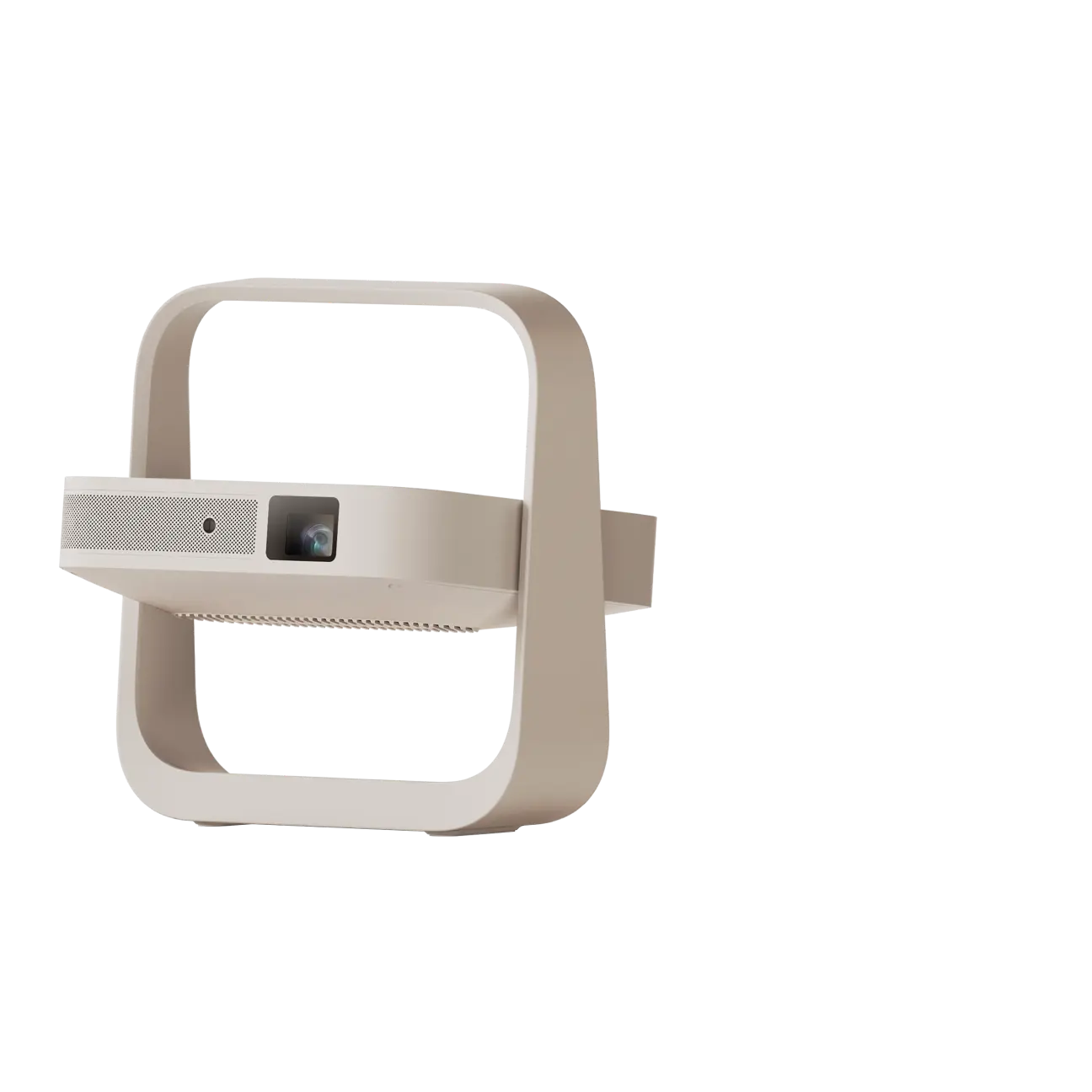
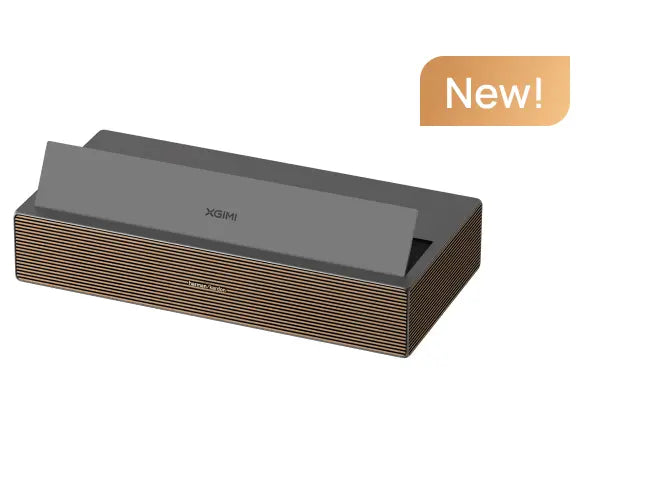
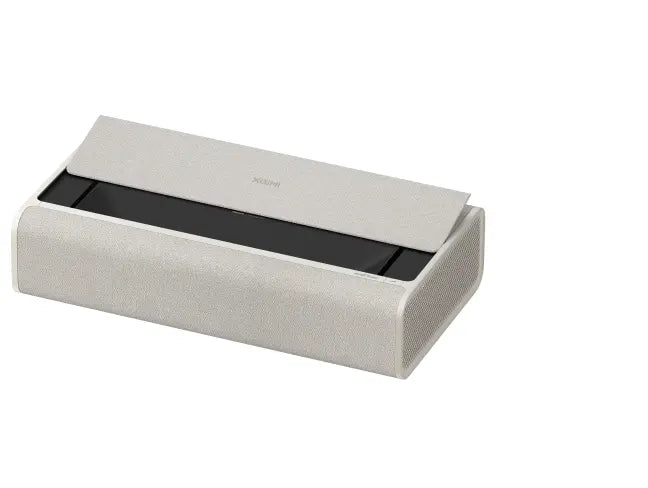
For those exploring portable or home theater solutions with modern light sources, consider reviewing collections of laser projectors that emphasize longevity. The Laser Projectors collection showcases options designed with extended operational life in mind.
Ultimately, the most sustainable projector is the one that matches your actual needs, gets used efficiently, and is kept in service for its full expected lifespan. Pairing technology choice with mindful usage habits delivers the greatest environmental benefit.
Important Note on Environmental Claims: This article discusses setup and technology considerations related to waste and energy use. It does not constitute scientific measurement or official environmental certification of any specific model. Individual results vary based on usage, local power sources, and proper recycling practices. For concerns about hazardous materials or persistent environmental issues, consult qualified professionals or local regulatory agencies.
When upgrading or replacing an existing projector, audit your current usage hours and review local recycling resources first. Small actions like choosing the right brightness setting and ensuring proper disposal can amplify the benefits of any technology choice.


