



Black bars on your projector screen during a movie are usually not a hardware defect or poor image quality—they're often the normal result of an aspect ratio mismatch between the content and the projector's native display. Understanding this difference helps you avoid unnecessary stretching or cropping that can distort shapes, soften details, or cut off important parts of the frame, so you can choose settings that preserve the intended viewing experience. For more on this topic, see How to Choose a Projector for Your Space: Room-by-Room Guide.

Most modern home projectors use a native 16:9 aspect ratio, which matches standard TV and streaming content. Cinematic movies, however, frequently use wider ratios like 2.35:1 or 1.85:1. When these don't align, the system adds black bars (letterboxing) to avoid warping the picture. This Wikipedia guide to image aspect ratios defines aspect ratio as the proportional relationship between width and height, a concept that directly explains why mismatch occurs.
What Aspect Ratio Actually Means for Projectors
Aspect ratio describes the shape of an image or screen as width compared to height. A 16:9 projector, for example, is about 1.78 times wider than it is tall. Content created in a different shape forces a decision: preserve the original proportions with unused screen space, or force a fit that changes the image.
According to audiovisual standards, letterboxing preserves the original widescreen composition by adding black bars when content is wider than the display. The vertical version, called pillarboxing, adds bars on the sides for narrower content. These are intentional formatting choices, not errors.
Common Mismatch Scenarios and Their Effects on Image Quality
When your content and projector don't share the same ratio, several outcomes are possible. The most common is letterboxing on wide movies, which reduces the effective image height but keeps every detail intact. Pillarboxing appears with older 4:3 shows on a 16:9 screen, leaving vertical black strips.
Stretching the image to fill the screen eliminates bars but distorts geometry—people look wider or taller than they should. Cropping removes edges to achieve full-screen fill, which can cut off subtitles, actor framing, or action at the borders. Both approaches reduce fidelity compared to the source material.
This Audiovisual Systems Performance Verification Guide treats aspect ratio mismatch as a standard setup condition to inspect, including letterboxing and pillarboxing, rather than an automatic defect.
Here is an approximate visualization of how common content ratios interact with a typical 16:9 projector:
Aspect Ratio Mismatch on a 16:9 Projector
Approximate visual impact of common content ratios on a 16:9 projector
View chart data
| Category | Approx. screen fill % | Approx. black bars / unused area % |
|---|---|---|
| 16:9 native | 100.0 | 0.0 |
| 1.85:1 content | 97.0 | 3.0 |
| 2.35:1 content | 76.0 | 24.0 |
| 4:3 content | 75.0 | 25.0 |
Illustrative approximation based on common aspect-ratio relationships for a 16:9 projector. 16:9 is the native reference; 1.85:1 is treated as a near-match with negligible bars; 2.35:1 uses letterboxing; 4:3 uses pillarboxing. Threshold note: under 5% mismatch is usually negligible; 10%+ is typically noticeable. Values are rounded and intended for relative comparison, not lab measurement.
These percentages are illustrative to show relative impact. A small mismatch under about 5% often feels negligible, while gaps of 10% or more produce noticeable bars or force visible tradeoffs.

Myth vs Reality: Common Misconceptions About Projector Aspect Ratio
Many users assume black bars signal a problem with the projector itself. In reality, they frequently result from preserving the source composition rather than stretching it unnaturally. As standards guidance notes, pillarboxing adds black bars on the sides when narrower content appears on a wider display.
Another myth is that a good projector must always deliver edge-to-edge fill. The truth is that forcing full-screen viewing can require cropping important details or introducing distortion, both of which lower overall image quality. Video metadata standards also treat letterboxed formats as normal, meaning the bars can originate in the streaming file or disc itself rather than the projector.
The biggest hidden tradeoff is convenience versus accuracy. Stretching might remove bars instantly, but it often makes faces and objects look unnatural. Cropping keeps proportions correct yet sacrifices frame edges. Accepting bars maintains the director's intended composition but leaves parts of your screen unused.
How to Fix Stretched, Cropped, or Barred Images
Start by checking your source device and projector settings. Many systems offer an "Auto" mode that attempts to scale input while maintaining the original aspect ratio, as described in various manufacturer guides. Set the projector to its native 16:9 mode for most content.
For streaming apps, verify the playback settings—some players apply their own scaling that overrides projector controls. When connecting a laptop or console, match the output resolution and ratio to 16:9 when possible. Use the projector's zoom or size adjustment rather than digital stretch to enlarge the image without distortion.
Place the projector squarely in front of the screen and limit keystone correction, which can introduce additional geometric issues. If bars appear on content that should fill the screen, cycle through aspect modes or restart the source to reset metadata.
The AV Systems Performance Verification Guide recommends treating these as normal setup verification steps rather than assuming hardware failure.
Choosing the Right Approach for Your Content and Setup
The best choice depends on what you watch most. For cinematic movies, preserving the original ratio with letterboxing usually delivers the highest fidelity. Gaming and standard TV content often benefit from a matched 16:9 setup that fills the screen cleanly.
When mixing content types, look for projectors with intelligent screen adaptation that automatically detect and handle different formats with minimal intervention. This reduces the need to manually switch modes between a blockbuster film and a streaming series.
Remember that not every source can fill the screen perfectly without tradeoffs. As the verification guide cautions, stretching or cropping can reduce image accuracy or compositional integrity.
When Aspect Ratio Mismatch Signals a Real Problem
Distinguish normal behavior from actual issues. If black bars appear inconsistently on the same title across devices, or if the image looks squashed even in "Auto" or native mode, check cable quality, source settings, or firmware updates.
Unexpected cropping on standard 16:9 content, or severe distortion regardless of mode, may point to incorrect input resolution or a misconfigured display setting. In shared living spaces with multiple users, consistent settings across apps prevent recurring frustration.
Smart Projector Solutions That Minimize Manual Adjustments
Premium projectors increasingly incorporate automatic adaptation features to detect content ratios and apply appropriate scaling without user input. These systems aim to deliver distortion-free viewing across movies, streaming, and games by intelligently managing letterboxing and fill options.
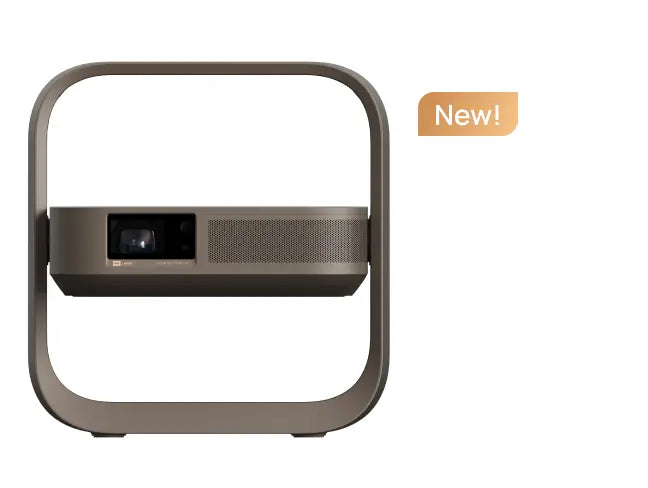
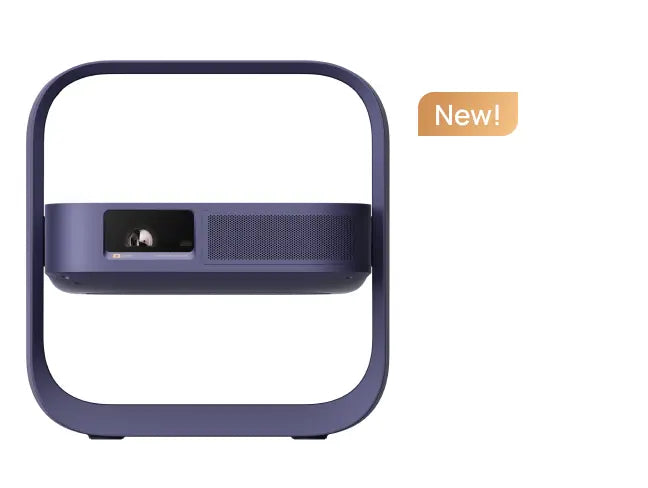
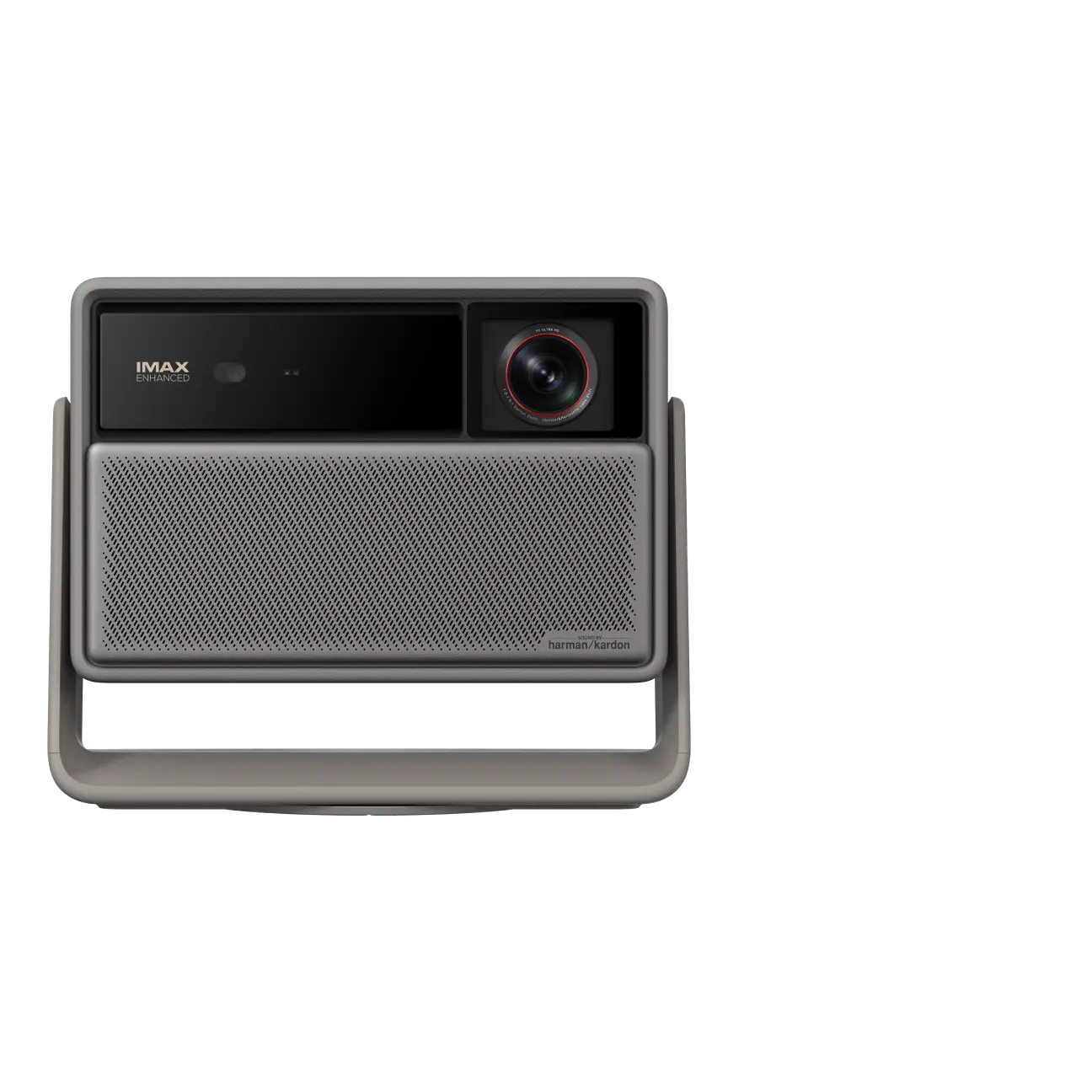
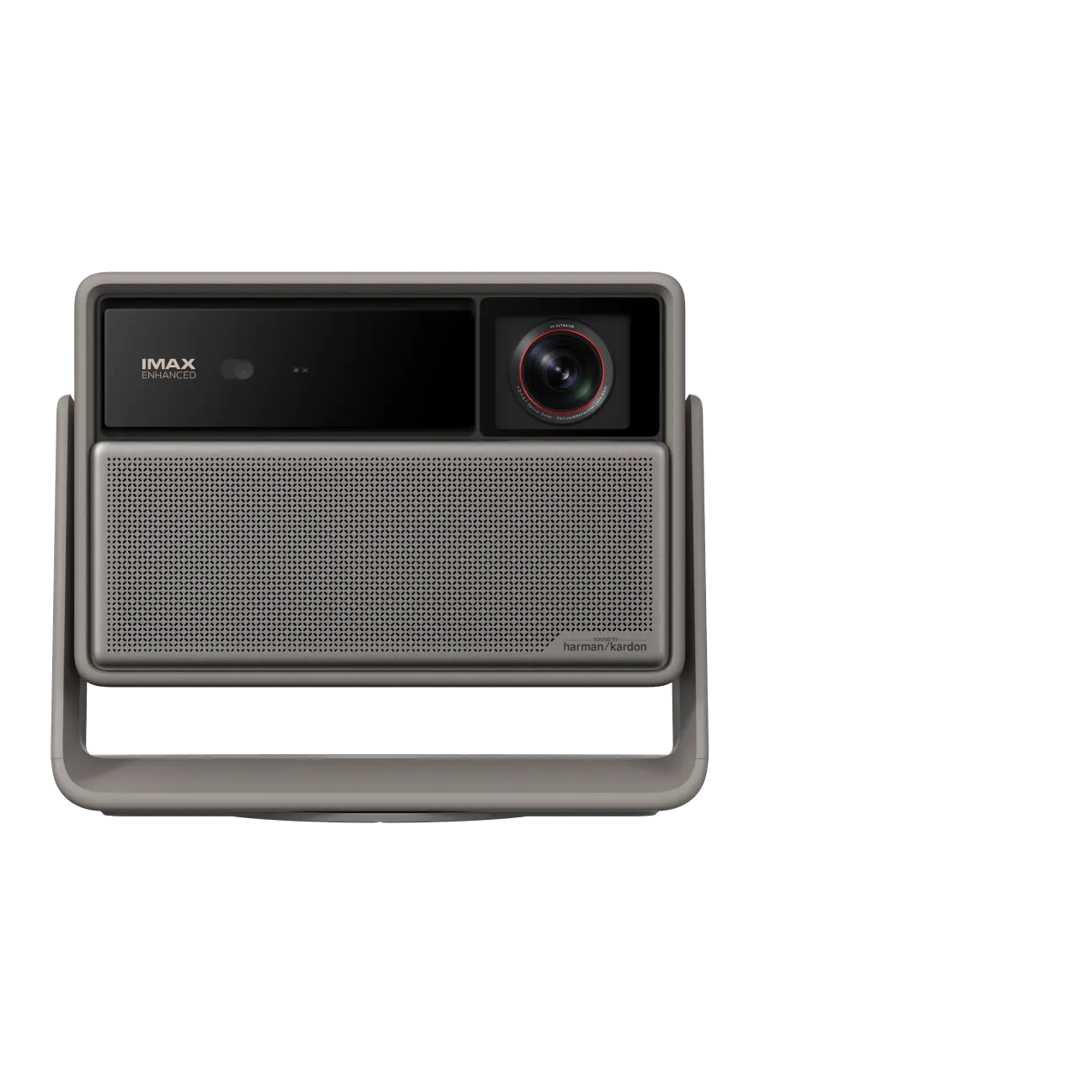
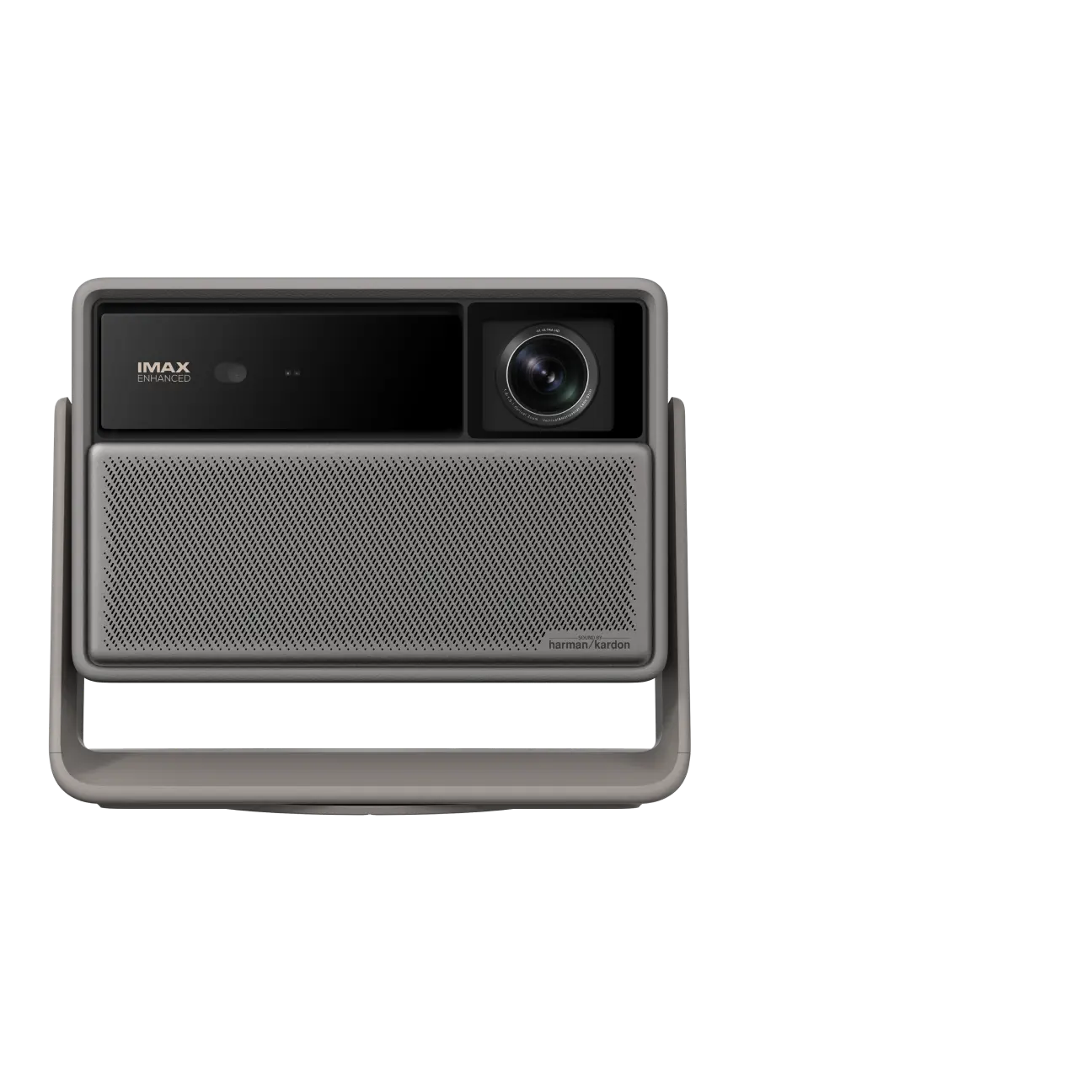
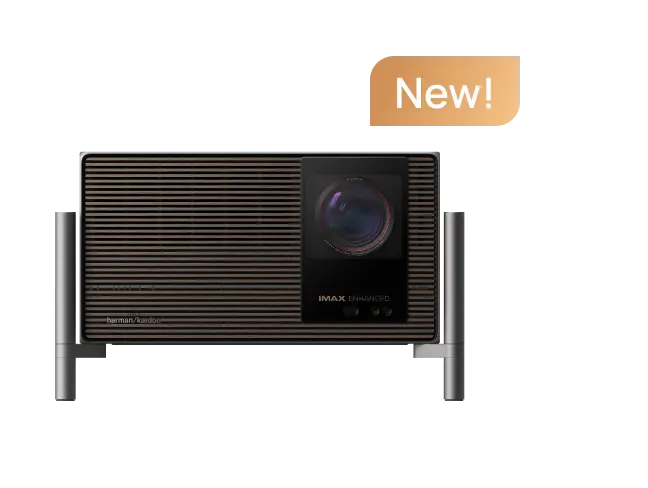
For example, models in the HORIZON series emphasize seamless setup for mixed content libraries. Similarly, 4K projectors often include advanced processing that reduces the friction of aspect ratio management.
If you're comparing options, read our companion guide on picking the ideal projector aspect ratio for your needs.
Important Note on Viewing Comfort: This article discusses display setup and image framing for optimal visual experience. It is not medical advice. Projector use, like any screen time, should follow general eye care guidelines such as taking regular breaks. If you experience persistent eye discomfort, headaches, or have existing vision conditions, consult a qualified eye care professional.
In summary, aspect ratio mismatch is a normal characteristic of diverse content formats rather than a projector flaw. By learning common ratios, recognizing when bars are intentional, and selecting appropriate modes or intelligent features, you can achieve the best possible image quality with far less frustration. Focus on preserving the source integrity for the most satisfying results across your favorite movies, shows, and games.


