
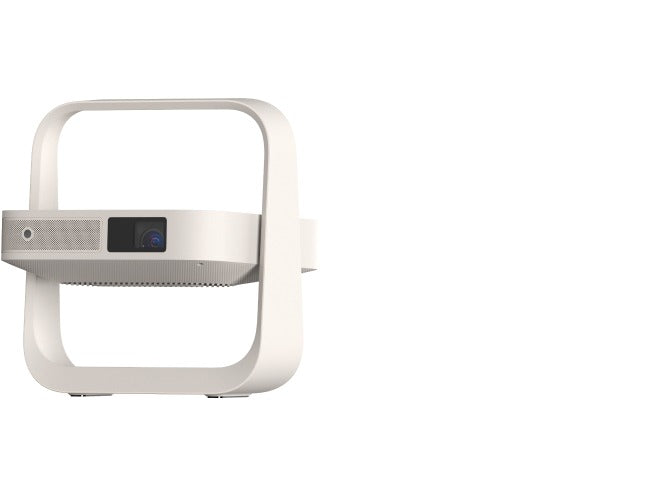
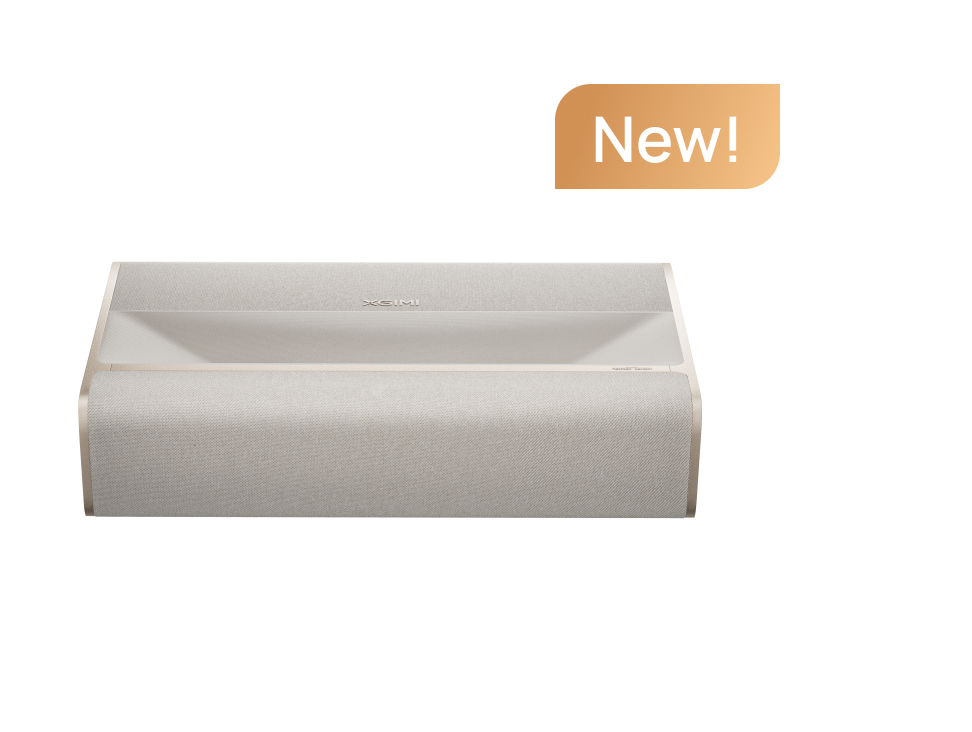
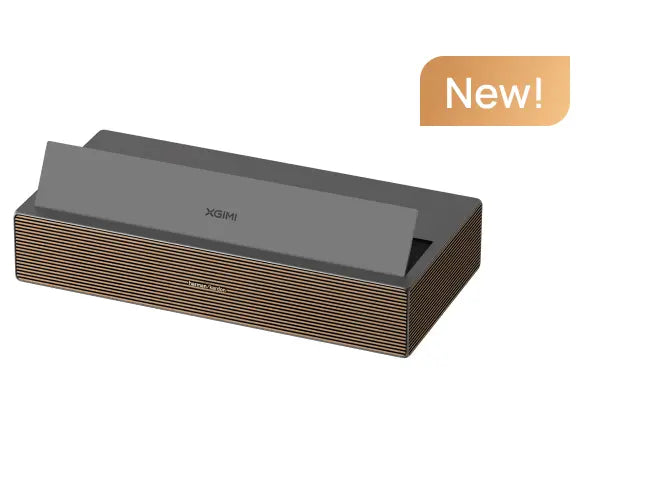



The right home projector screen can feel overwhelming to choose with so many options available. The screen you select directly affects picture quality, contrast, and your overall viewing experience. Getting this decision right means considering room size, lighting conditions, screen materials, and how you plan to use your home theater space. For related guidance, see Projector Gaming in a Dorm Room: Maximizing Space and Screen Size. For related guidance, see The Pros and Cons of Using a Curved Screen for Projector Gaming.

Why Your Screen Choice Matters for Home Theater
A projector screen does far more than provide a surface for images to land on.
Moving Beyond Just a Projector and a White Wall
Many people assume any flat white surface works fine for projection. This approach might seem budget-friendly at first. However, a blank wall or sheet reflects light unevenly and often creates a dull, washed-out image.
Dedicated screens feature engineered surfaces that control light reflection. They maintain color accuracy and prevent hotspots where certain areas appear brighter than others. The difference becomes obvious once you compare them side by side.
How a Good Screen Transforms Your Viewing Experience
A quality screen brings out the full potential of your projector. Colors appear more vibrant. Black levels deepen. Details become sharper across the entire image. For related guidance, see Do You Need a Screen for a 4K Projector? Wall vs. Screen Image Qual.... For related guidance, see Can You Project on a Painted Wall? Best Wall Colors for Home Projec....
The right screen also helps with viewing angles. Everyone in the room gets a clear picture, even when sitting off to the side. This makes movie nights more enjoyable for the whole family.
What Size Projector Screen Do I Need
Screen size affects everything from immersion to eye comfort in your viewing space.
Calculating the Best Screen Size for Your Room
Room dimensions determine your maximum screen size. Measure the width of your wall space first. Leave some breathing room on each side.
Industry guidelines provide helpful starting points for screen sizing. The Society of Motion Picture and Television Engineers (SMPTE) recommends a viewing distance of about 3 times the screen height, which translates to roughly 2 times the screen width for standard 16:9 screens. This creates a 30-degree viewing angle. THX suggests sitting closer for more immersion, recommending viewers multiply their viewing distance by 0.835 to determine the appropriate screen size. This formula produces roughly a 36 to 40-degree viewing angle for an immersive experience. So if you have a 100-inch screen with an 87-inch width, sitting 10 to 13 feet away creates a more cinematic feel, while 14 to 17 feet provides a more relaxed viewing position.
Ceiling height matters too. Make sure you can mount the screen at a comfortable eye level when seated. The bottom edge should sit slightly above furniture height.
The Relationship Between Viewing Distance and Immersion
Sitting too close strains your eyes and makes pixels visible. Sitting too far diminishes the theatrical feel you want from a home theater.
The sweet spot depends on content resolution. For 1080p content, sit about 1.5 to 2 times the screen width away. For 4K content, you can move closer to 1 to 1.5 times the width. This lets you appreciate the extra detail without seeing individual pixels.
Personal preference plays a role here. Some people love the front-row cinema experience. Others prefer a more relaxed viewing position.

A Projector Screen Material Guide
Different screen materials perform best under specific lighting conditions and room setups.
Matte White for Dark and Controlled Rooms
Matte white screens work well in dedicated theater rooms with excellent light control. They reflect light evenly across the surface and maintain accurate color reproduction. This material typically offers a gain close to 1.0, meaning it reflects about the same amount of light it receives.
These screens provide wide viewing angles. People sitting off-center still see a clear image without color shifts or brightness loss. The surface texture is fine enough to keep the image sharp while avoiding visible texture patterns.
Grey and Black Screens for Enhanced Contrast
Grey screens help when you cannot achieve complete darkness. The darker surface absorbs ambient light while still reflecting the projector's bright output. This improves black levels and overall contrast compared to white screens in the same conditions.
Black screens take this concept further. They work specifically with certain projector technologies to reject off-axis light. These excel in rooms with windows or other light sources you cannot eliminate.
Color accuracy can shift slightly with grey and black materials. Whites might appear less bright, and colors may need calibration. The improved contrast often makes this tradeoff worthwhile.

Projector Screen Gain Explained in Simple Terms
Screen gain affects how bright your image appears and who gets the best view.
What Is Screen Gain and How Does It Work
Screen gain measures how much light a surface reflects compared to a standard reference material. A gain of 1.0 means the screen reflects light equally in all directions. Higher gain concentrates reflected light toward viewers sitting directly in front.
High-gain screens (1.3 to 2.5) appear brighter from the center viewing position. They help in rooms with ambient light or when using lower-brightness projectors. However, viewers sitting at angles may notice brightness falloff and color shifting. For related guidance, see How to Match Screen Gain Specifications to Your Room's Ambient Ligh....
Low-gain screens (0.8 to 1.0) distribute light more evenly. They maintain consistent brightness across wider viewing angles. These work best with bright projectors in controlled lighting.
Matching Screen Gain to Your Projector's Brightness
Check your projector's lumens output before selecting screen gain. Bright projectors (2500+ lumens) pair well with standard gain screens. They produce enough light without amplification.
Dimmer projectors benefit from higher-gain screens. The extra reflection compensates for lower light output. This combination can match the brightness of more expensive projector setups.
Consider who sits where during viewing sessions. If everyone clusters in the center, higher gain might work. Spread-out seating arrangements call for standard or low gain to maintain consistent brightness.
Assessing Room Lighting and the Need for Ambient Light Rejecting Screens
Your room's lighting situation determines whether standard screens will suffice or if you need specialized technology.
The Impact of Ambient Light on Image Quality
Ambient light washes out projected images quickly. Windows, lamps, and even light-colored walls bounce stray light onto your screen. This reduces contrast and makes dark scenes appear grey.
Complete light control remains ideal for projection. Blackout curtains, dark wall colors, and avoiding white ceilings all help. Some rooms simply cannot achieve this level of control.
How ALR Screens Work in Bright Rooms
Ambient Light Rejecting (ALR) screens feature optical layers that reflect projected light while absorbing or redirecting ambient light. They work by exploiting the different angles at which light hits the surface.
Projector light comes from a specific direction and angle. Ceiling lights and windows send light from other directions. ALR screens are engineered to reject these off-axis light sources.
These screens cost more than standard materials. They deliver impressive results in challenging lighting situations. Living rooms, family rooms, and multi-purpose spaces benefit most from ALR technology. The investment makes sense if you cannot dedicate a room to complete light control.
Fixed vs Retractable: Which Screen Type Is Best
The installation type you choose affects both performance and how the screen fits into your lifestyle.
The Dedicated Performance of Fixed Frame Screens
Fixed frame screens stretch material across a rigid frame. They mount permanently on your wall like a large picture frame. The material stays perfectly flat at all times.
This design delivers the best optical performance. No waves, wrinkles, or sag to distort the image. Fixed screens also tend to use higher-quality materials since they do not need to roll up.
Installation requires wall space and commitment. Once mounted, the screen stays visible even when not in use. This works perfectly for dedicated home theaters. It may feel too prominent in shared living spaces.
The Versatility of Motorized and Manual Pull-Down Screens
Retractable screens hide when not needed. They roll into a housing mounted on the ceiling or wall. Motorized versions lower and raise with a button press or remote control.
Manual pull-down screens cost less. They work reliably but require physical effort to deploy and retract. Motorized options add convenience and can integrate with smart home systems.
The rolling action means the material may develop slight waves or curl at the edges. Tension systems help minimize this issue. Some higher-end retractable screens rival fixed frame flatness.
Do You Really Need a Special 4K Projector Screen
High-resolution content raises questions about whether your screen needs special features.
How Screen Texture Can Impact 4K Picture Quality
Standard screens sometimes show visible texture at higher resolutions. What looks smooth from 10 feet away with 1080p content might reveal a pattern with 4K sources.
Many projector screen materials marketed for 4K simply feature a finer texture. The weave or coating is manufactured to a tighter tolerance. This prevents the screen surface from becoming visible in high-resolution content.
Ensuring Your Screen Is Ready for High Resolution
Most modern screens handle 4K content well without special designation. Check the texture specifications if provided. A gain close to 1.0 with fine texture typically performs excellently with any resolution.
Viewing distance matters more than screen marketing. Sit far enough away, and any quality screen looks great with 4K. Moving closer to appreciate fine details and screen texture becomes more critical.
The projector's sharpness and focus capabilities often limit resolution more than the screen. A perfectly focused projector on a quality standard screen usually outperforms a poorly aligned projector on a premium 4K screen.
Choosing the Right Projector Screen for a Bedroom
Bedrooms present unique challenges that require thoughtful screen selection.
Balancing Screen Size and Space Constraints
Bedrooms typically offer less space than dedicated theater rooms. Measure carefully before selecting screen size. Consider furniture placement and door swing clearances.
An 80 to 100-inch screen often fits bedroom spaces well. This size provides an immersive experience without overwhelming the room. You can always go larger if wall space permits.
Mounting height requires extra attention in bedrooms. You might watch from bed or from chairs. Find a compromise position that works for both scenarios.
Portable and Pull-Down Options for Smaller Rooms
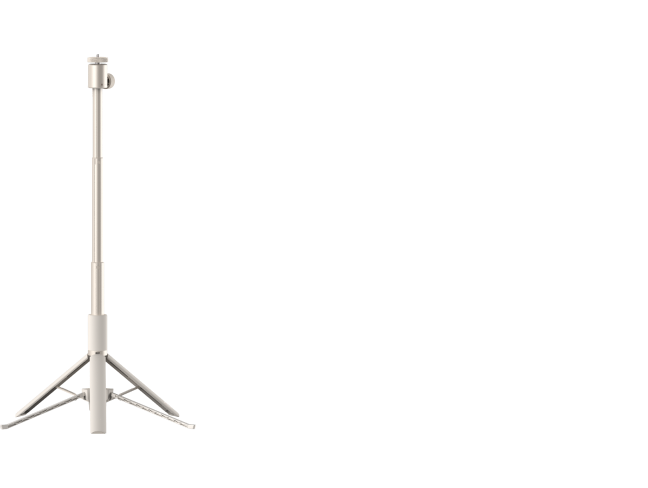
Portable screens with tripod stands work well for bedrooms serving multiple purposes. Set them up for movie nights and store them away afterward. They cost less than permanent installations. Options like the XGIMI Portable Outdoor Screen offer flexibility for both indoor bedroom use and outdoor entertainment, with quick setup and compact storage when not needed.
Pull-down screens save space while providing better image quality than portable options. Mount the housing above a window or on the ceiling. The screen disappears when retracted.
Manual pull-down screens suit bedrooms perfectly. You control deployment and retraction without relying on motors that might fail. The lower cost leaves budget for other home theater components.
Ready to Transform Your Viewing Experience
You'll need to balance multiple factors when selecting a home projector screen. Room size, lighting conditions, budget, and how you use the space all influence the best choice. Take time to measure your room and assess your typical viewing conditions. This preparation helps narrow options quickly and prevents buyer's remorse later.
Frequently Asked Questions
Q1: How Long Do Projector Screens Typically Last?
A quality screen will last 10-15 years with proper maintenance. A fixed frame screen will, on average, last longer than a retractable screen because, instead of being folded and creased, it is stationary. A screen should be maintained with a clean surface and should never be touched.
Q2: Can I Install a Projector Screen Myself?
Installation manuals usually come with screens. It would take about an hour with two people and some tools for a fixed frame screen. A motorized screen might include some electrical work, potentially requiring professional assistance.
Q3: Do Curved Screens Improve Image Quality?
Curved screens offer immersion with an image that curves around your area of focus. These screens perform very well in a dedicated home theater room with static viewing positions. Their advantage will be minimal compared to a flat screen with equal picture quality.
Q4: What Is the Best Screen Material for Gaming?
Screen technology with low lag and matte white screens is suited for gaming. Viewing angles should be considered if there will be several gamers seated side by side. A gray screen will be advantageous for gamers who cannot darken the room while gaming.
Q5: Should I Match Screen Shape to My Projector's Native Aspect Ratio?
Yes, equal aspect ratios eliminate black bars and optimize display usage. A 16:9 ratio is common among projectors. Ultra-wide screens with a 2.35:1 ratio are ideal for cinematic fanatics who can tolerate letterboxing on regular media or embrace anamorphic lenses.


