

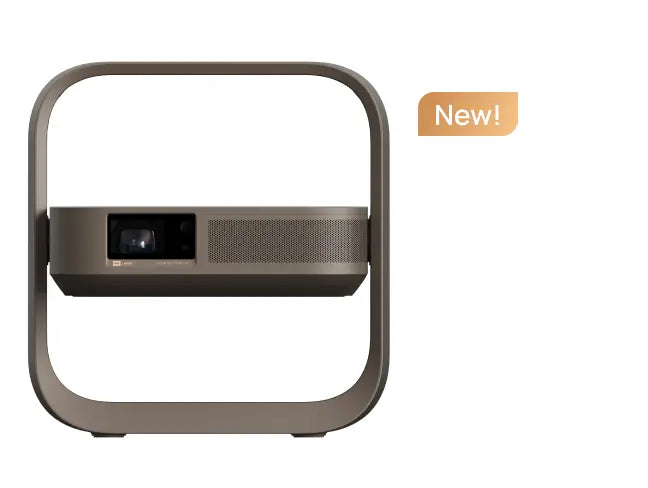
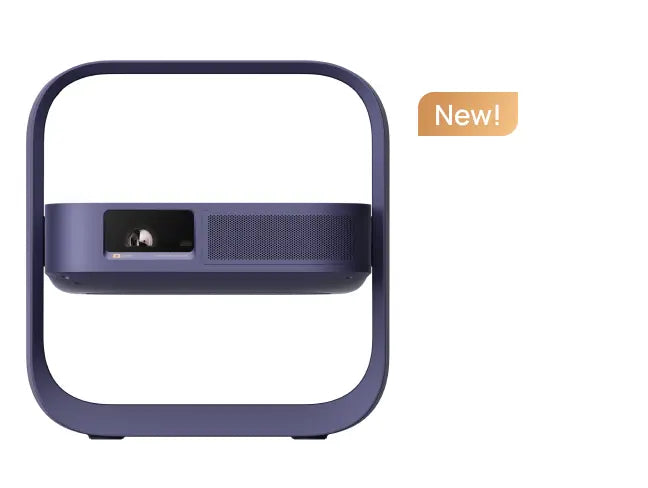
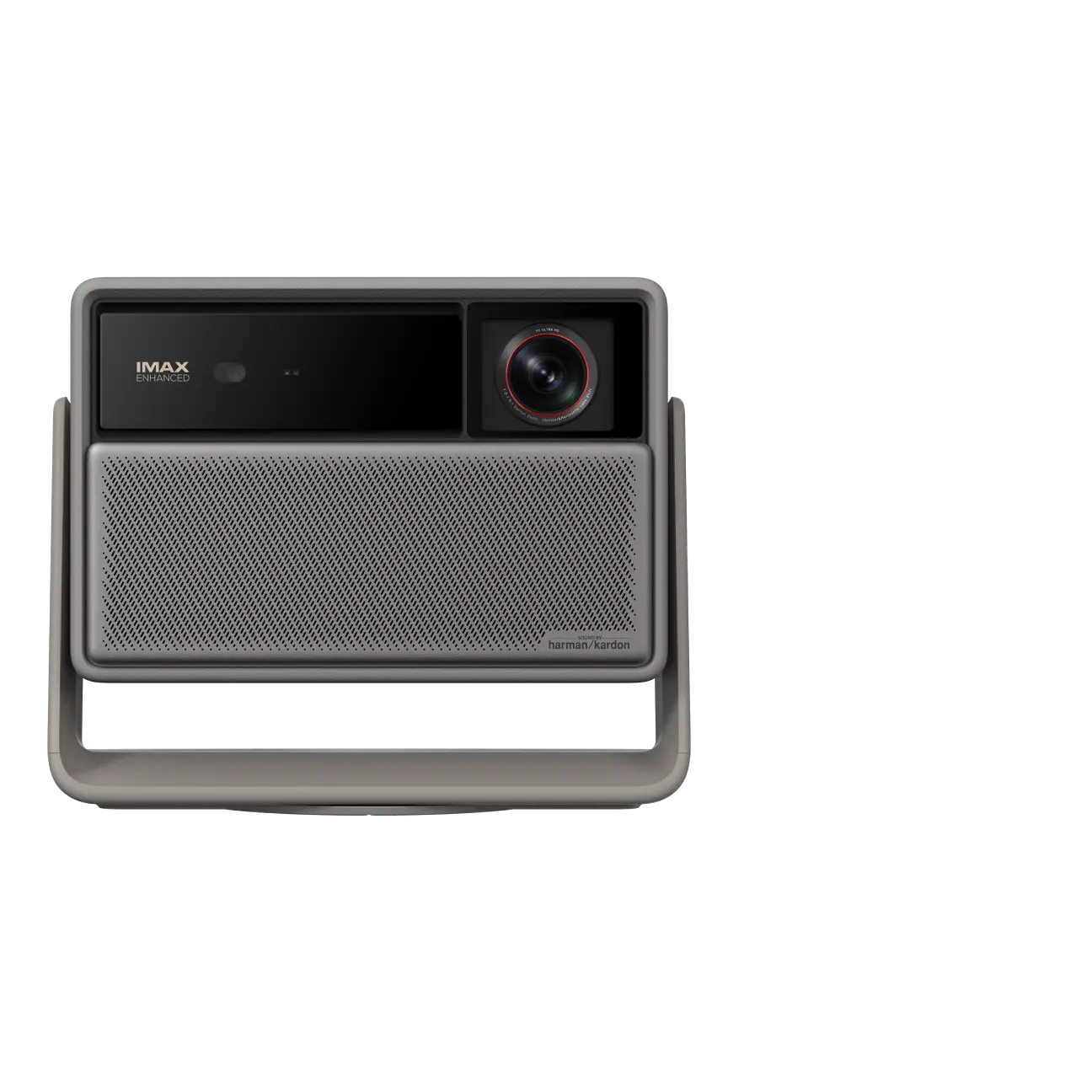
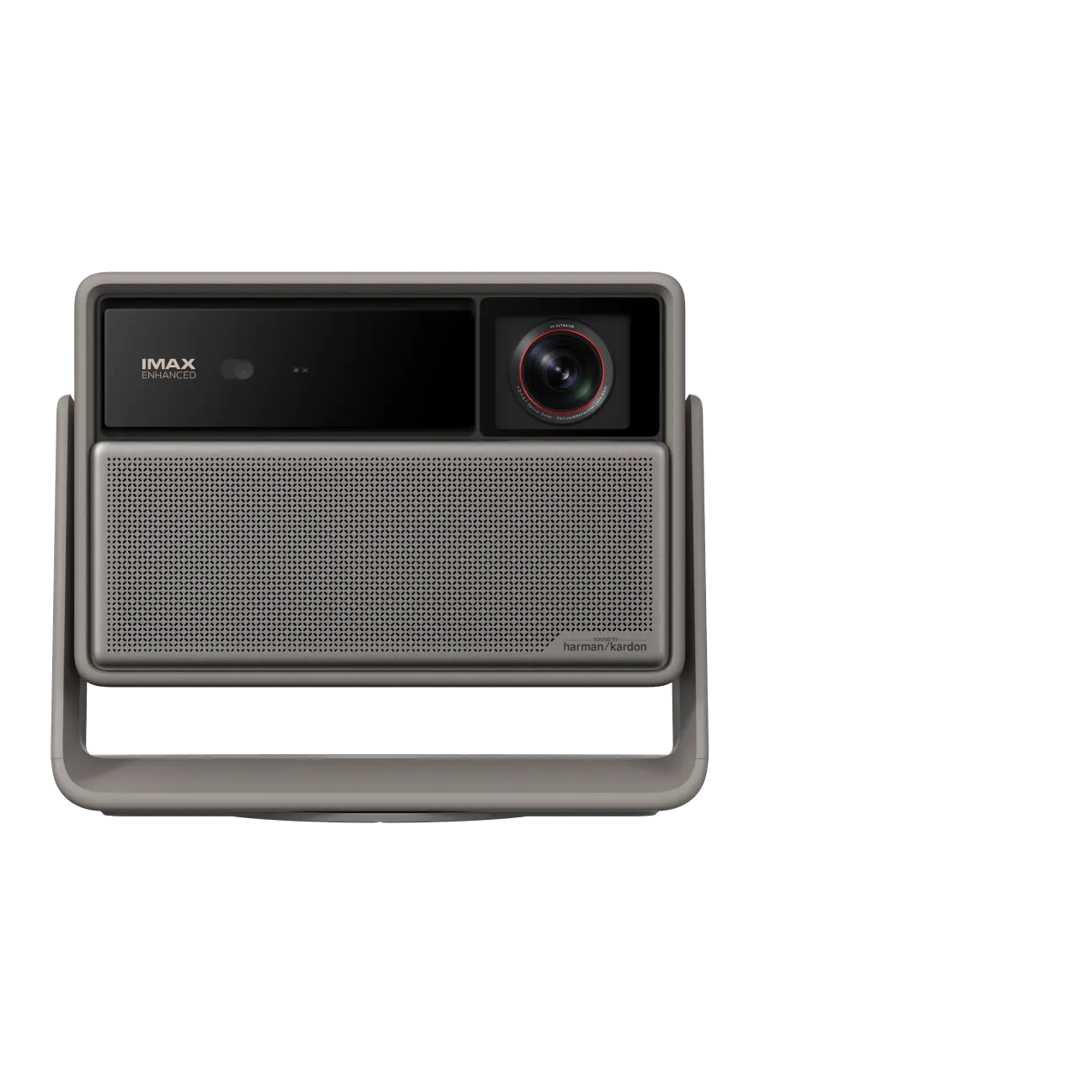
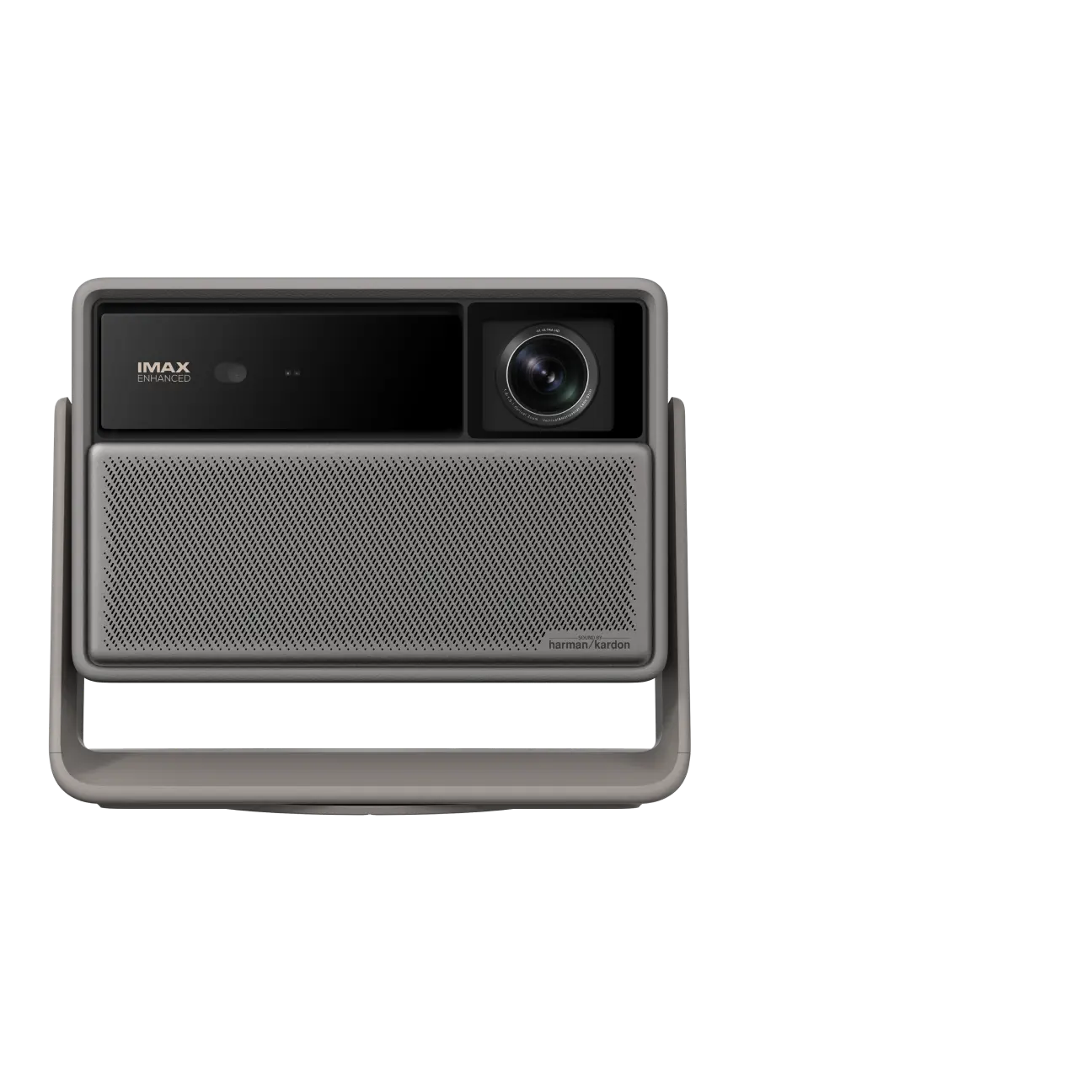
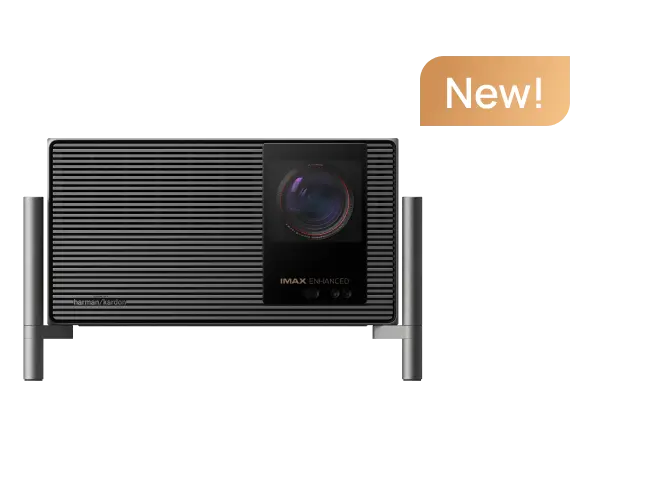
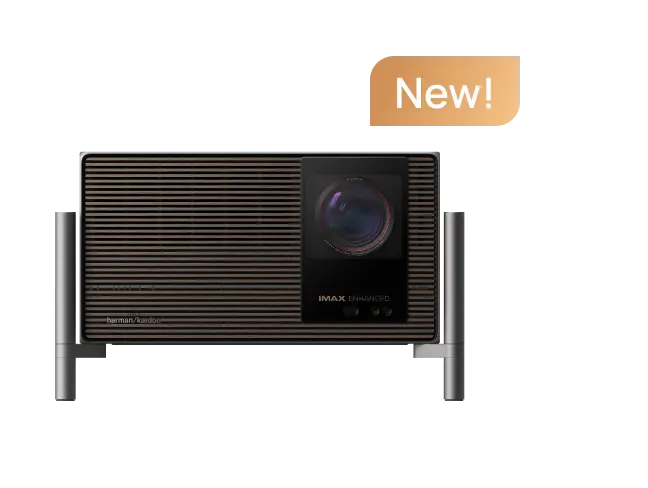
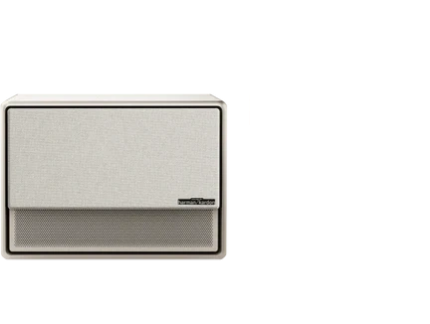
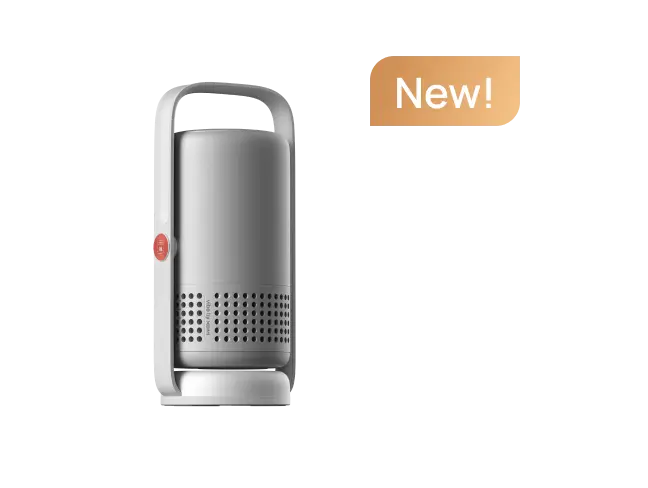
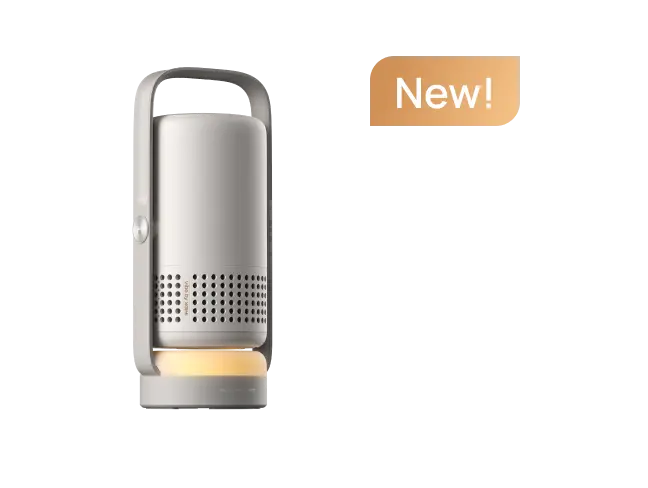
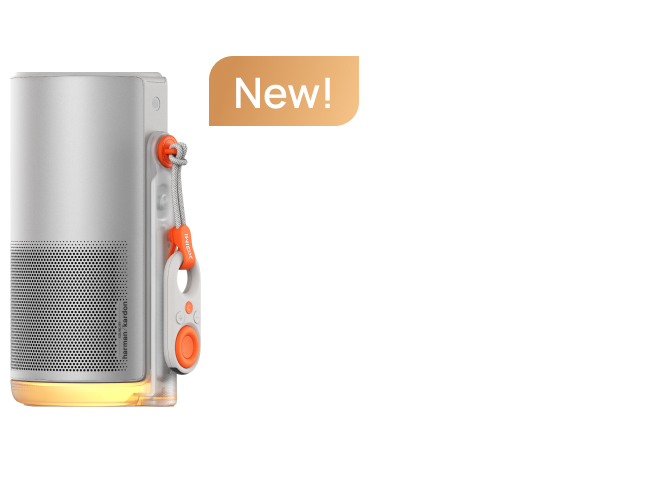
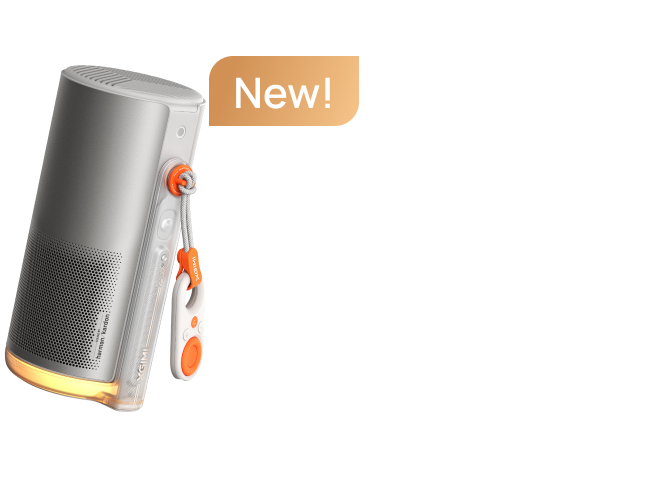
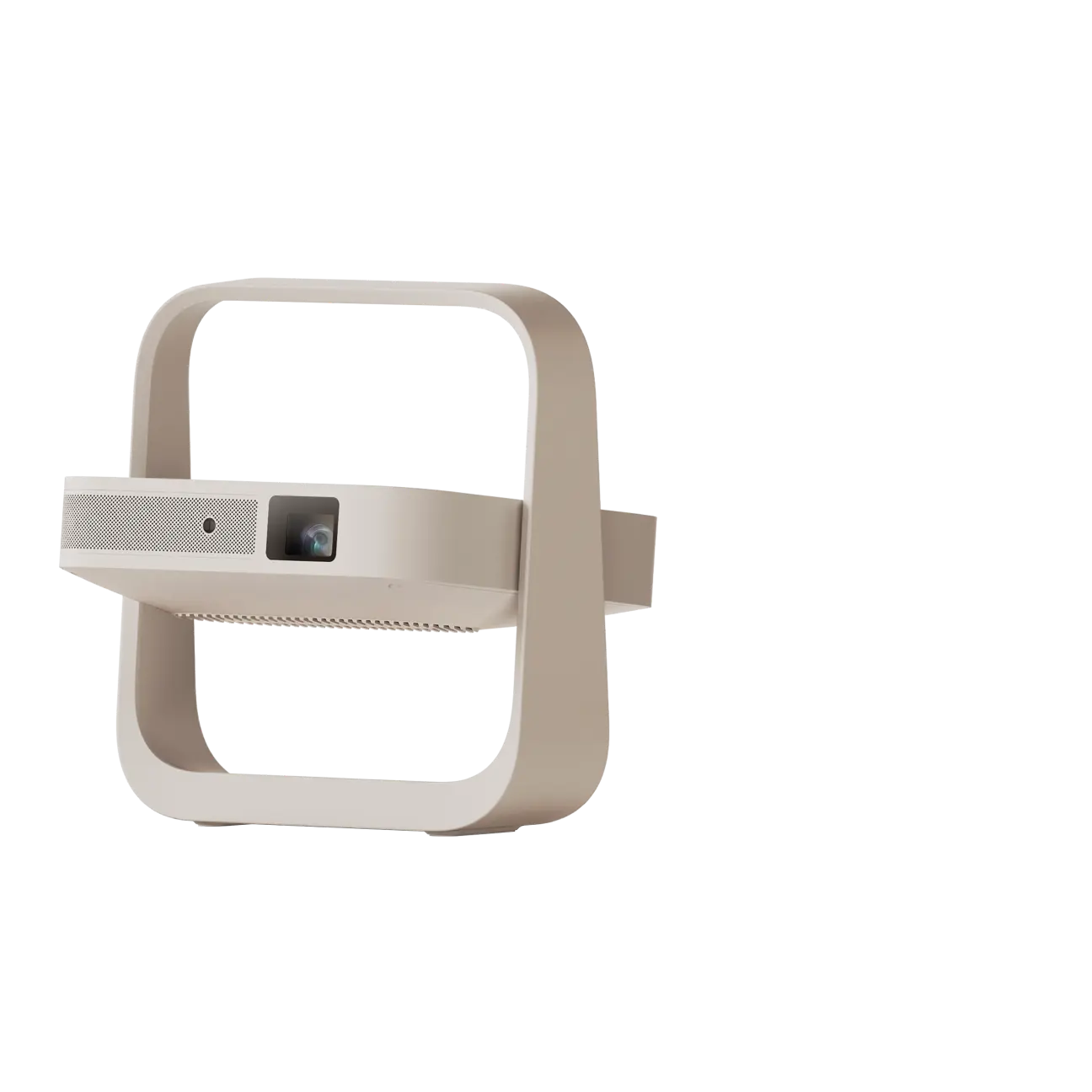
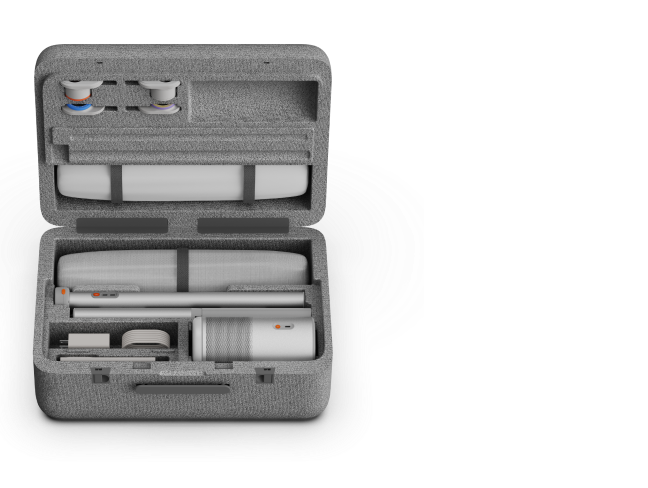
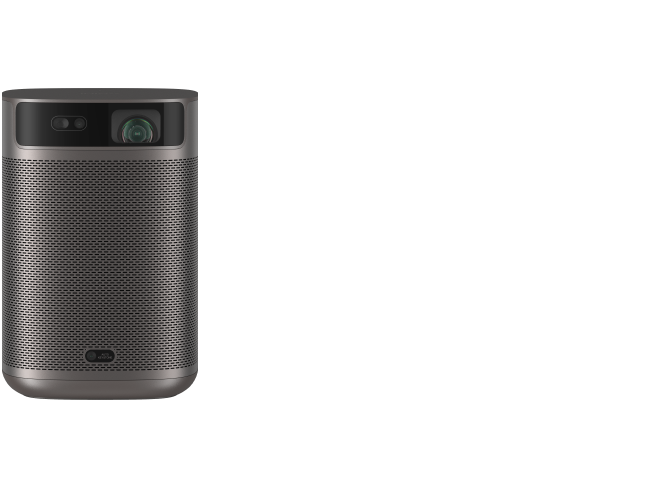
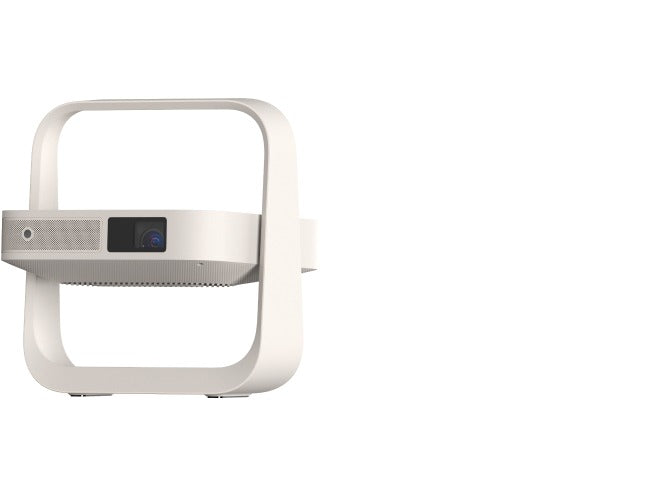
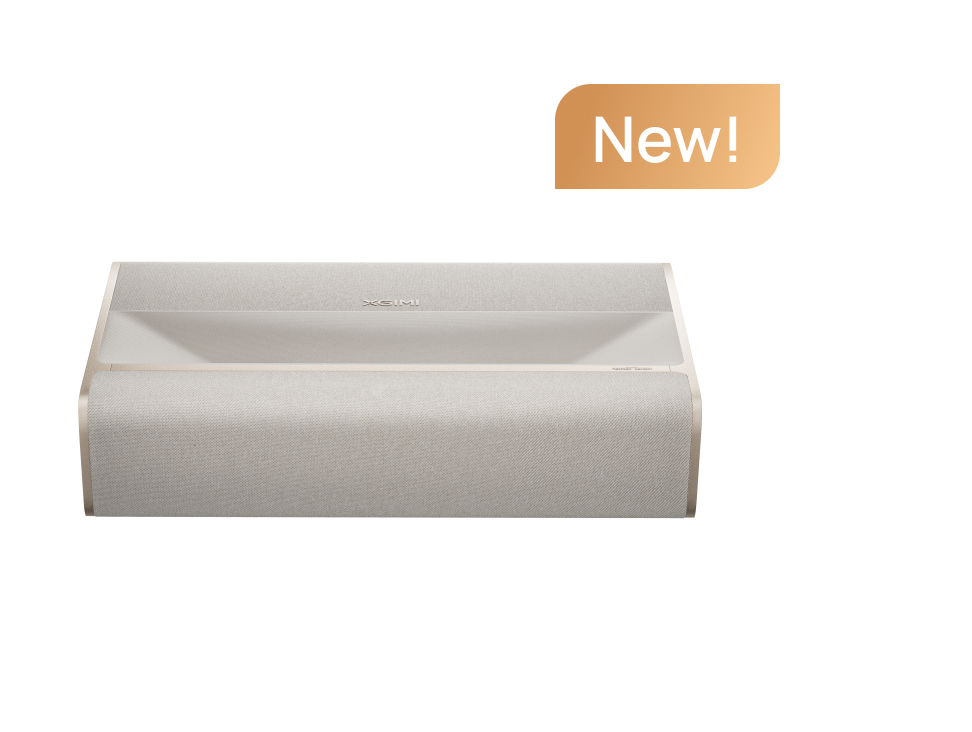
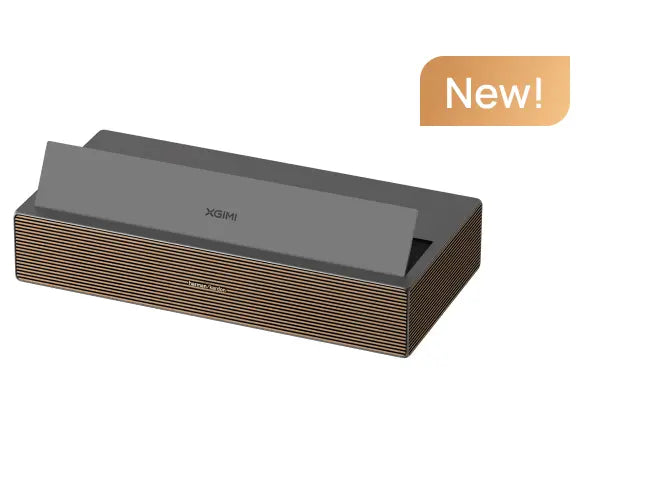
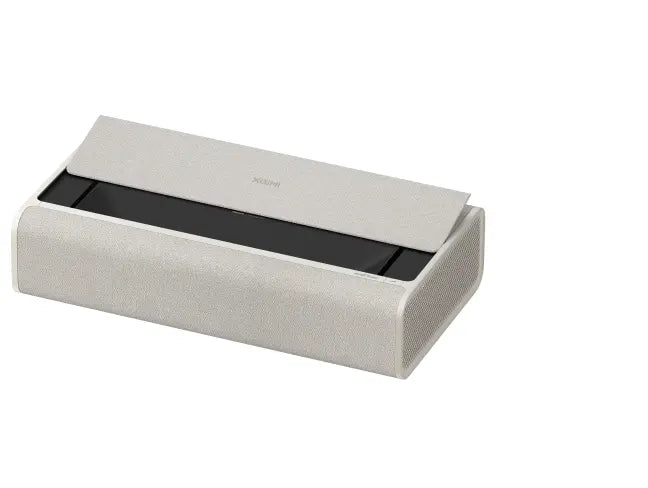
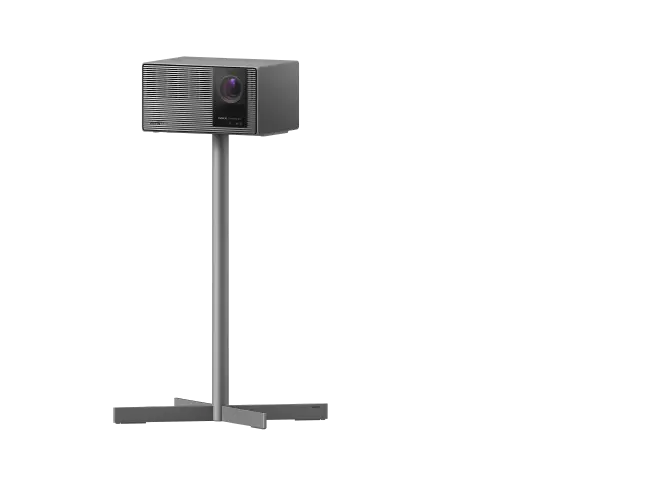
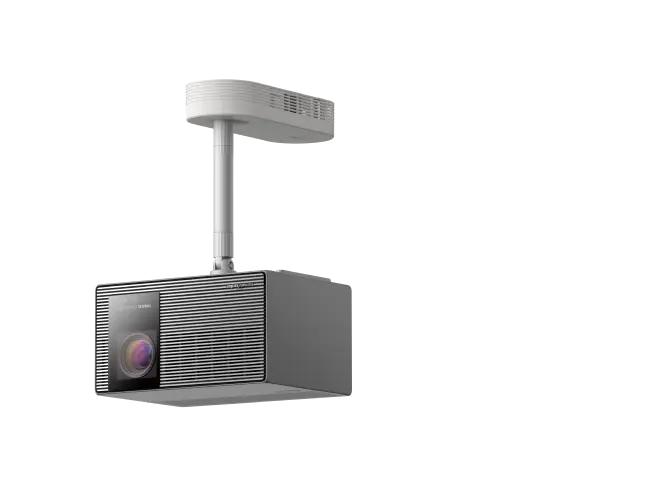





All-in-one smart projectors are winning in 2026 because they deliver a premium big-screen experience with dramatically less setup hassle and visual clutter than traditional home theater systems. For design-conscious homeowners and first-time buyers, these devices combine projection, streaming, speakers, and intelligent auto-adjustment features into one compact unit that can go from box to movie night in minutes. For more on this topic, see XGIMI Highlights Smart Projection Breakthroughs at MWC 2026. For more on this topic, see How to Use Your Smart Projector as a Hub for Your IoT Devices. For more on this topic, see What Is a Smart Projector? Features, Apps & Why It Matters.
The shift reflects a broader consumer preference for minimalist living rooms where wires, receivers, and complex calibration simply do not fit the lifestyle. Instead of spending hours researching components and running cables, users can now unbox a single smart projector, place it on a table or shelf, and enjoy streaming content with automatic image correction. For more on this topic, see Smart Projector Auto-Correction: How ISA Works.
The Clutter Problem Traditional Home Theaters Create
Traditional home theater setups typically involve multiple components: a projector or display, AV receiver, separate speakers, streaming devices, and extensive cabling. This complexity creates both physical clutter and mental friction. Many potential buyers delay or abandon the idea altogether because the installation process feels overwhelming.
In small to medium living rooms or apartments, visible wires and bulky gear disrupt the clean aesthetic that modern homeowners prioritize. Even after installation, daily use can feel cumbersome when switching inputs or adjusting settings for different content types.
As this guide to projector setup options explains, the traditional route often requires careful planning around mounting, wiring, and calibration that many users prefer to avoid.
How All-in-One Smart Projectors Solve the Setup Nightmare
Modern all-in-one smart projectors address these pain points through integrated design and intelligent features. Devices like XGIMI's models include built-in Google TV for seamless streaming, Harman Kardon speakers for immediate audio, and Intelligent Screen Adaption (ISA) technology that automatically handles keystone correction, focus, and screen alignment. For more on this topic, see The Benefits of Dual-Band Wi-Fi 6 in Modern Smart Projectors.
Setup becomes remarkably simple: plug in power, point toward a wall or screen, and the projector does most of the work. Many models complete alignment in under a minute, eliminating the need for manual adjustments that traditionally take significant time and technical know-how.
This convenience particularly appeals to busy families, apartment renters, and anyone seeking weekend entertainment without weekday installation projects. The result is a true plug-and-play home theater that fits minimalist living spaces without permanent modifications.

Key Features Driving the 2026 Trend
Several innovations make all-in-one smart projectors stand out in 2026:
- Built-in Streaming and Apps: Integrated Google TV provides access to Netflix, YouTube, and thousands of apps without additional devices or cables.
- Intelligent Auto-Adjustment: ISA technology uses sensors to detect the projection surface, correct distortion, and optimize the image even when the projector is placed off-center.
- Premium Integrated Audio: High-quality built-in speakers deliver clear sound for casual viewing, reducing the need for external audio systems in many scenarios.
- Portable and Flexible Design: Many models feature batteries and compact form factors, allowing easy movement between rooms or even outdoor use.
These features combine to create what many describe as an "instant gratification" home cinema experience. As detailed in this explanation of projectors with Google TV, the built-in smart platform transforms a projector from a display device into a complete entertainment hub.
Setup Complexity Comparison
The real advantage becomes clear when comparing the effort required for different approaches. Traditional systems often demand extensive planning and multiple steps, while all-in-one solutions compress the process dramatically.
Setup Complexity and Convenience: Traditional Home Theater vs All-in-One Smart Projector
Illustrative comparison of setup burden and convenience. Higher scores mean more burden for setup factors and more convenience for daily use.
View chart data
| Category | Traditional home theater | All-in-one smart projector |
|---|---|---|
| Setup steps | 5 | 2 |
| Setup time | 5 | 2 |
| Component count | 5 | 1 |
| Calibration burden | 5 | 1 |
| Daily convenience | 2 | 5 |
Illustrative/heuristic scoring based on provided evidence: traditional home theater typically needs more components, more manual alignment and calibration, and longer setup time; all-in-one smart projectors reduce steps with built-in streaming, speakers, and auto keystone/auto setup features. No false precision implied.
This illustrative comparison highlights how all-in-one smart projectors reduce setup burden across multiple dimensions while boosting everyday convenience. Note that these scores represent typical scenarios rather than universal measurements, as individual room conditions vary significantly.
Common Myths About All-in-One Smart Projectors
Despite their growing popularity, several misconceptions persist about these devices.
Myth: All-in-one smart projectors deliver identical image quality and sound to a fully built traditional home theater.
Reality: While they provide excellent performance for most users, image quality still depends on room lighting, projection surface quality, and placement. Built-in speakers work well for casual viewing but may not match the immersion of a dedicated audio system with multiple speakers and a subwoofer.
Myth: Intelligent features like ISA make calibration completely unnecessary.
Reality: Auto-adjustment technologies greatly simplify the process and handle most common issues, but optimal results still benefit from reasonable placement and basic attention to room conditions. These tools excel at making good setups great rather than fixing fundamentally poor positioning.
Myth: One device means zero clutter and perfect performance in any environment.
Reality: All-in-one projectors significantly reduce cables and components, but they still require a suitable projection surface and some light control for best results. Performance remains room-dependent, particularly regarding ambient light and screen choice.
This article on XGIMI's intelligent adaptation technology provides deeper insight into how these smart features actually work in practice.

When All-in-One Smart Projectors Make the Most Sense
The best choice often depends on your specific situation. All-in-one smart projectors typically excel in these scenarios:
- Small to medium living rooms or apartments where permanent installation isn't practical
- Multi-use spaces that need to maintain a clean, minimalist aesthetic
- Family movie nights where quick setup and streaming access matter more than reference-level calibration
- First-time buyers seeking an easy entry into big-screen entertainment
- Renters who cannot modify their living space with mounts or extensive wiring
Consider the following decision factors:
- Room Lighting: These projectors perform best in controlled or evening environments. Significant ambient light will limit performance regardless of technology.
- Usage Patterns: For frequent casual viewing and streaming, the convenience of built-in apps and speakers provides tremendous value.
- Space Constraints: In apartments or small homes, the compact footprint and reduced component count become major advantages.
- Setup Tolerance: If you prefer spending time watching content rather than configuring equipment, all-in-one solutions remove significant friction.
For guidance on apartment-specific considerations, review this practical guide for using projectors in small spaces.
When Traditional Home Theater Systems Might Still Be Better
Traditional setups retain advantages in certain situations. Dedicated home theater enthusiasts who can create a controlled environment often prefer separate components for several reasons:
- Higher-end audio performance with discrete speakers and amplifiers
- More precise calibration options for reference-level picture quality
- Greater flexibility to upgrade individual components over time
- Better performance in larger rooms or with specialized projection screens
If your space allows for a dedicated viewing area with excellent light control and you're willing to invest time in proper installation, a traditional system may deliver a more cinematic experience. The choice ultimately depends on whether convenience or absolute performance matters more in your daily life.
This buying guide for selecting a home theater projector offers additional perspective on matching equipment to specific viewing needs.
How to Choose the Right All-in-One Smart Projector
When shopping for an all-in-one solution, focus on these practical checkpoints:
- Verify built-in streaming platform compatibility with your preferred services
- Check brightness ratings appropriate for your room's typical lighting conditions
- Confirm the presence of intelligent auto-setup features like ISA or equivalent
- Evaluate integrated audio quality for your expected usage
- Consider portability needs if you want to move the projector between rooms
- Review connectivity options for any external devices you might occasionally use
Popular options include portable models for flexibility and higher-end 4K units for more demanding home cinema applications. Many current models strike an excellent balance between convenience and performance.
Creating Your Zero-Clutter Home Theater
The rise of all-in-one smart projectors represents more than just technological progress—it reflects changing consumer priorities around simplicity and lifestyle integration. In 2026, the most satisfying home entertainment experiences increasingly come from devices that disappear into the background rather than dominating the space.
By choosing a smart projector with built-in intelligence and streaming capabilities, you can enjoy cinematic entertainment without the traditional burdens of complex setup and visible clutter. The technology has matured to the point where premium big-screen viewing is now accessible to almost anyone with minimal technical expertise or home modification.
The key is matching the solution to your actual usage patterns and room conditions. For most modern households prioritizing convenience and clean aesthetics, all-in-one smart projectors deliver exactly the zero-clutter home theater experience they've been seeking.
Important Note on Visual Comfort: This article discusses setup convenience and home entertainment options. It does not constitute medical advice. Projected images may cause eye strain in some individuals depending on brightness, contrast, viewing distance, and personal sensitivity. If you experience persistent discomfort or have existing eye conditions, consult a qualified eye care professional. Performance characteristics like brightness and image quality depend heavily on room conditions, screen choice, and proper placement.
For more options, explore the Home Projectors collection or specific models like the HORIZON Ultra for premium home use.


