
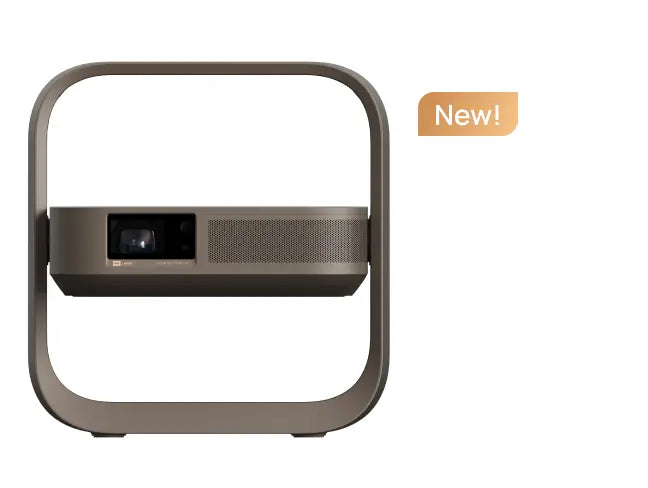
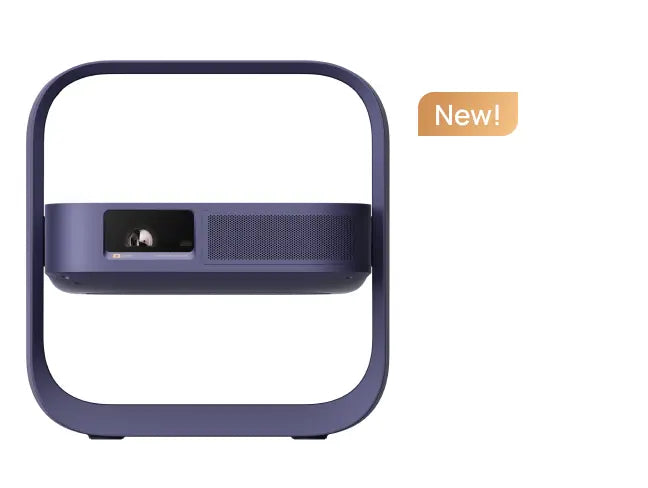
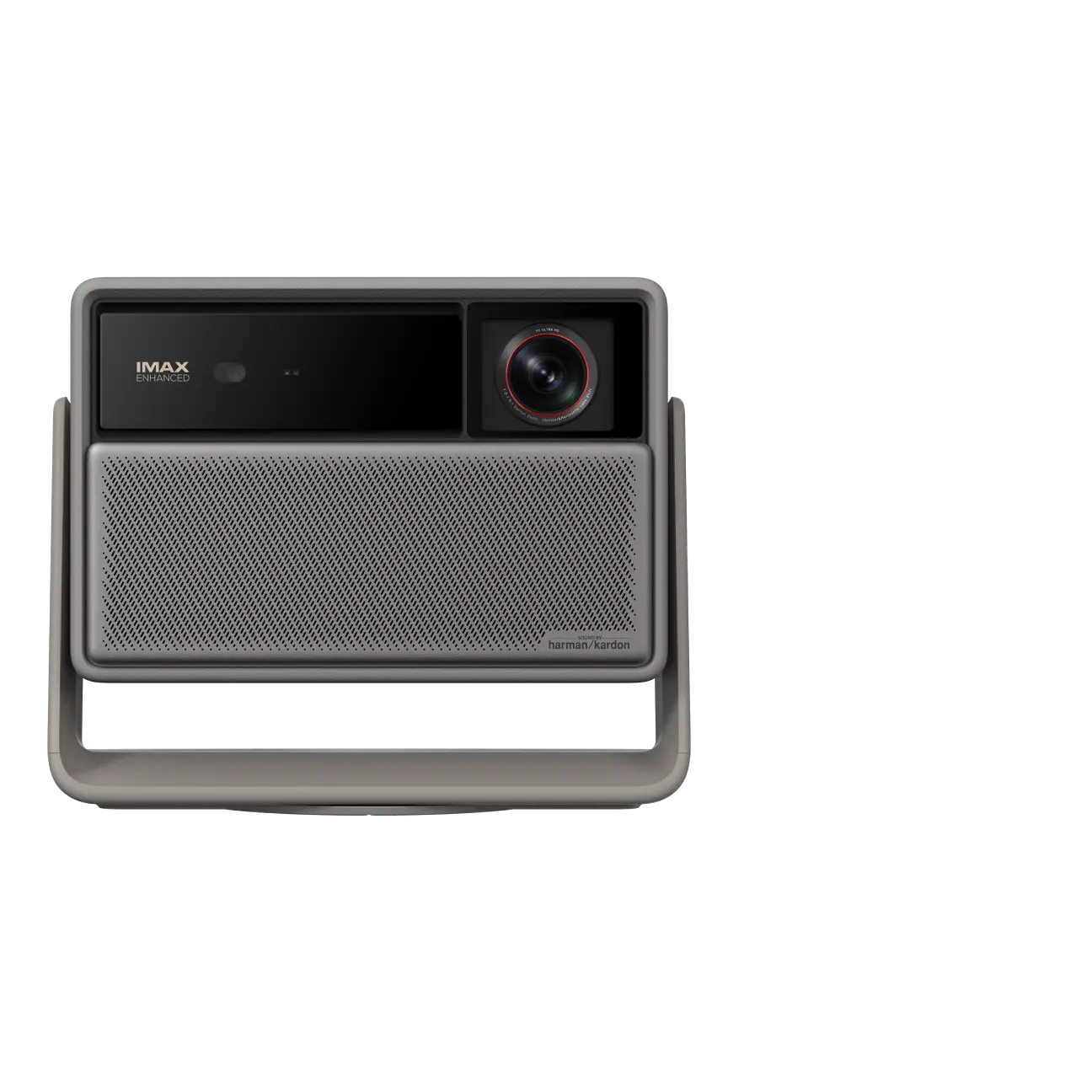
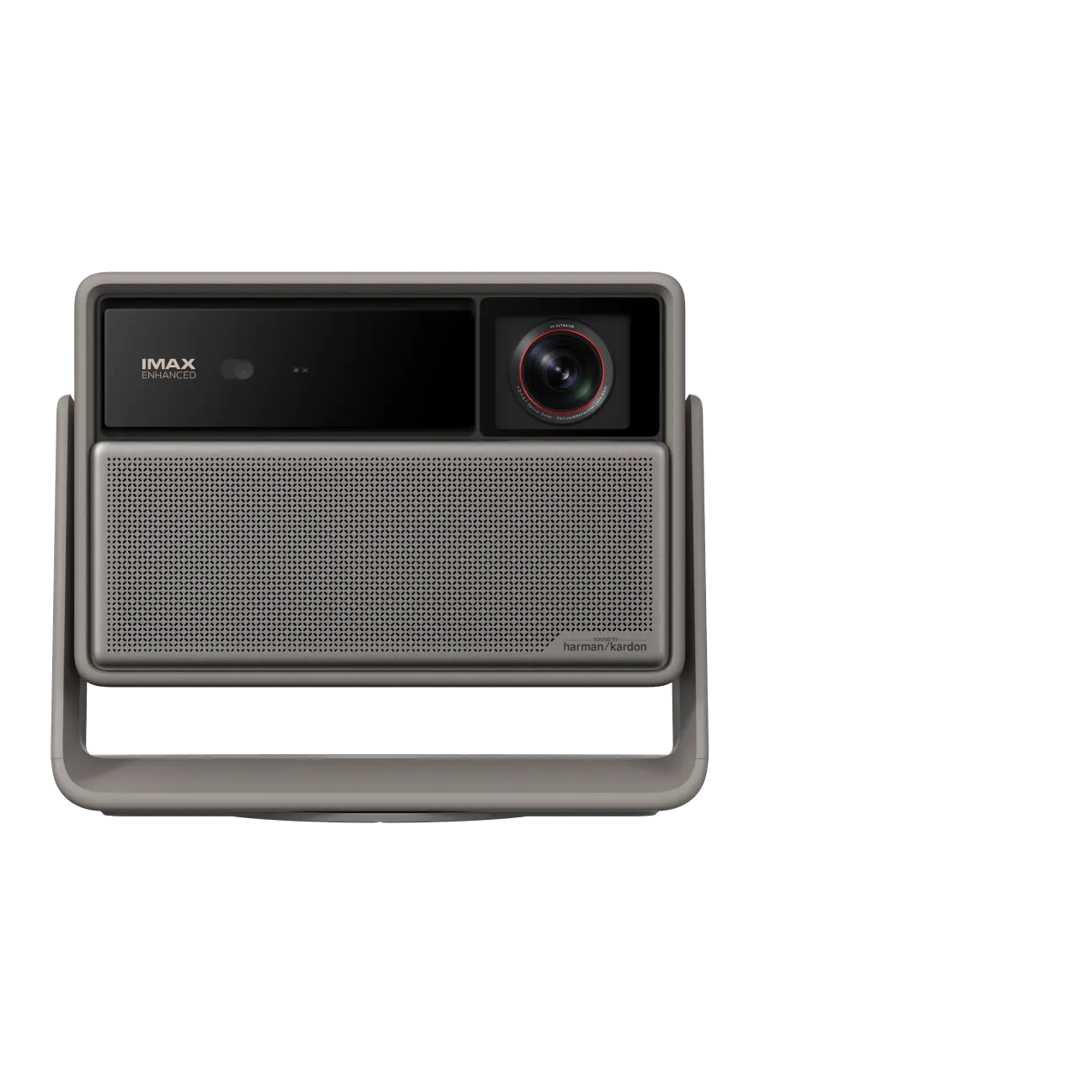
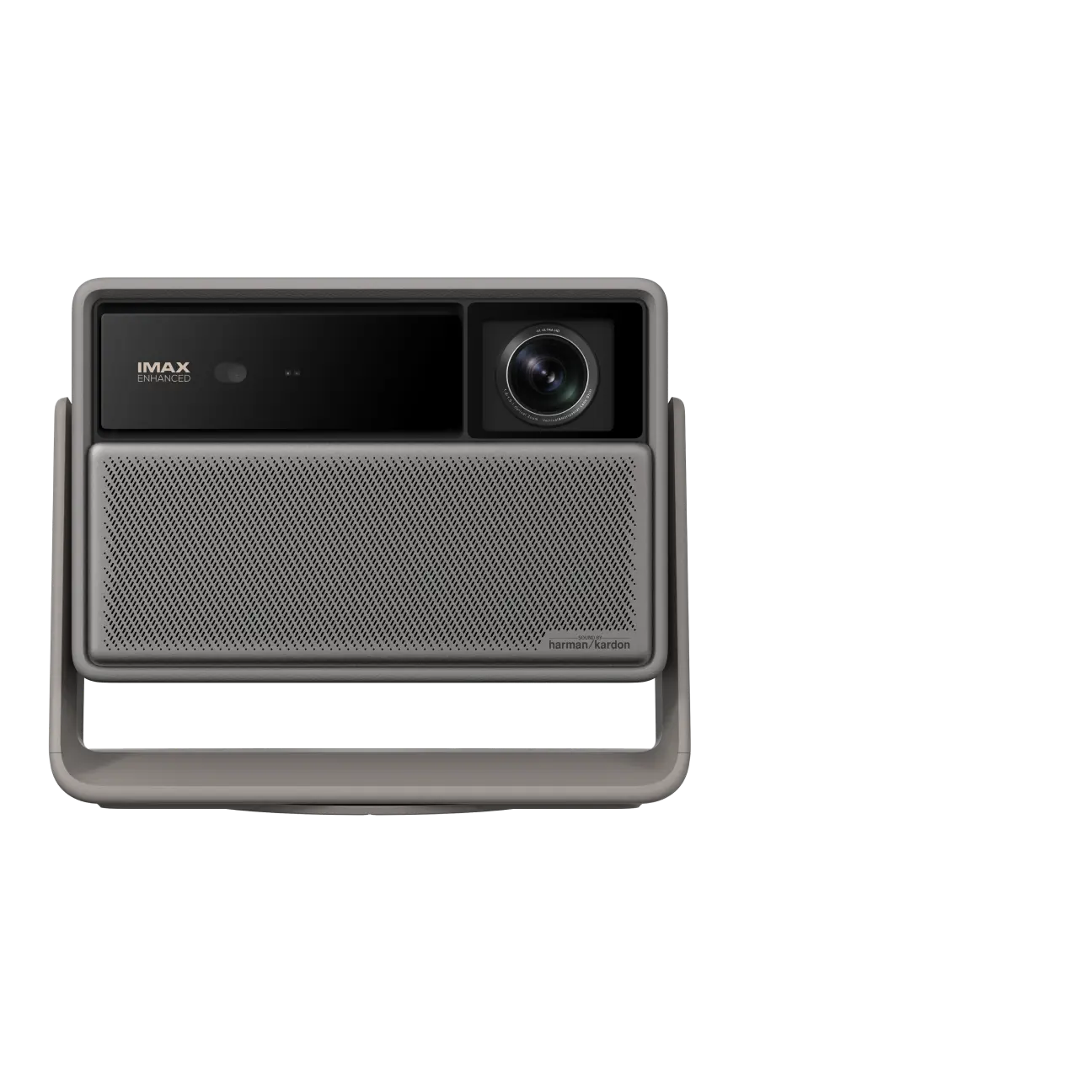
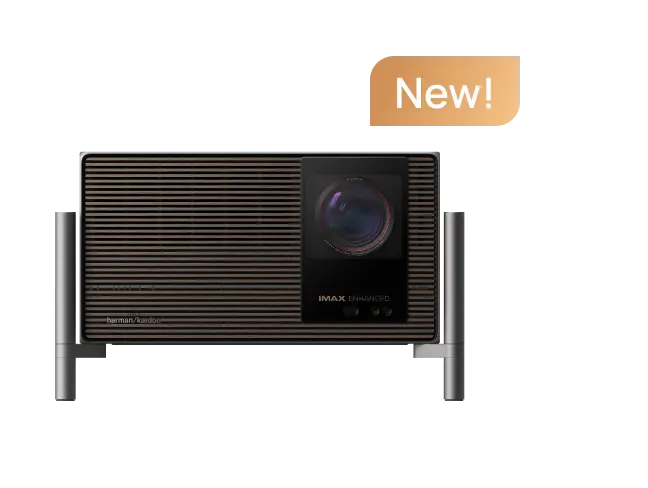
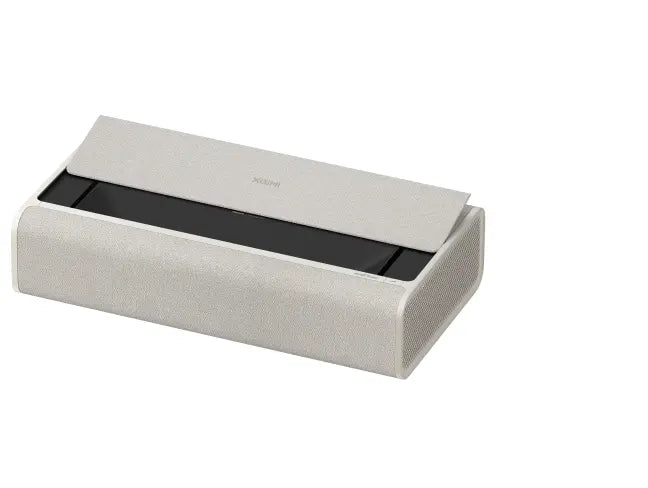
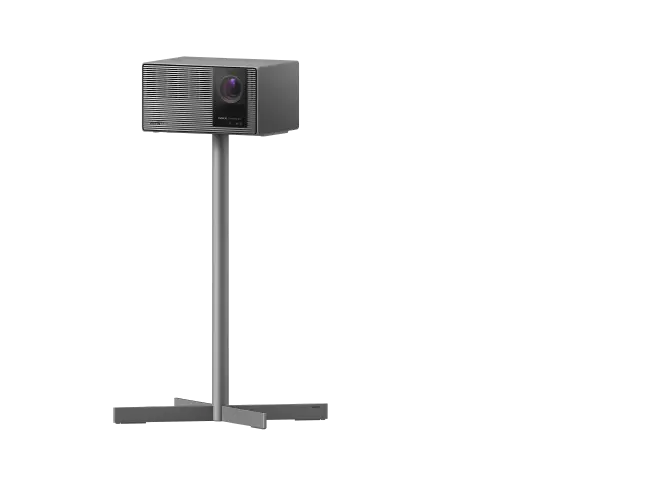
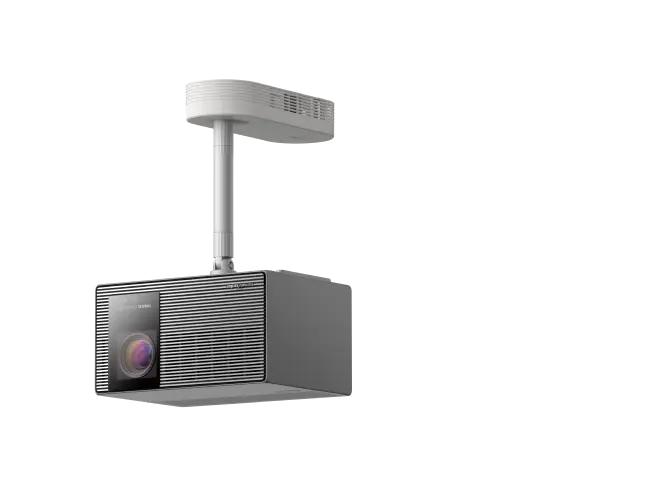





Your Google TV-enabled smart projector can serve as a convenient control surface for compatible IoT devices in your smart home when linked properly to the Google Home app and using Google Assistant. This setup may feel more natural in certain living room or home theater scenarios, though success depends heavily on your existing devices, network stability, and how you prefer to interact with controls during entertainment sessions. For more on this topic, see How to Set Up Parental Controls on Your Smart Projector.

Many users already own lights, thermostats, and other smart gadgets that work with Google Home. A projector with built-in Google TV and Assistant support lets you issue voice commands or navigate a simple interface without reaching for your phone every time. As this official guide to using Assistant on Chromecast and Google TV explains, the voice remote on these devices can help manage linked smart home features. For more on this topic, see How to Update Your Smart Projector's Firmware for Optimal Performance.
What Devices Can You Control from Your Projector
Google Home can control compatible smart-home devices such as lights, thermostats, plugs, switches, and more. Once devices are added to the Google Home app, you can use voice commands to control them. Google Assistant can control compatible smart-home devices, including lights, switches, outlets, and thermostats.
This means during a movie night you might say "Hey Google, dim the lights" or "set the thermostat to 72 degrees" using the projector's remote microphone. Google Home provides a central home panel for quick access to smart-home devices such as lights and cameras, which can appear on the large projector screen for tap control when available.
Google Home can set up and manage Matter-enabled devices, with control available when you are home or away. Compatibility still depends on the device, the ecosystem, and whether the device is properly linked in Google Home. Not every IoT product exposes full controls through the Google ecosystem, so checking manufacturer compatibility first prevents frustration.
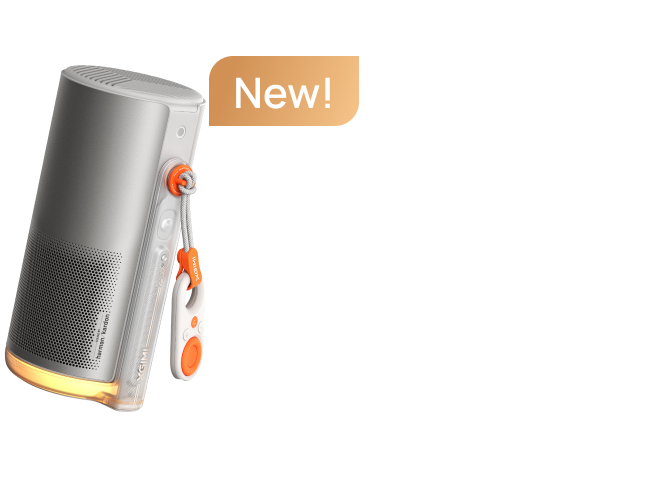
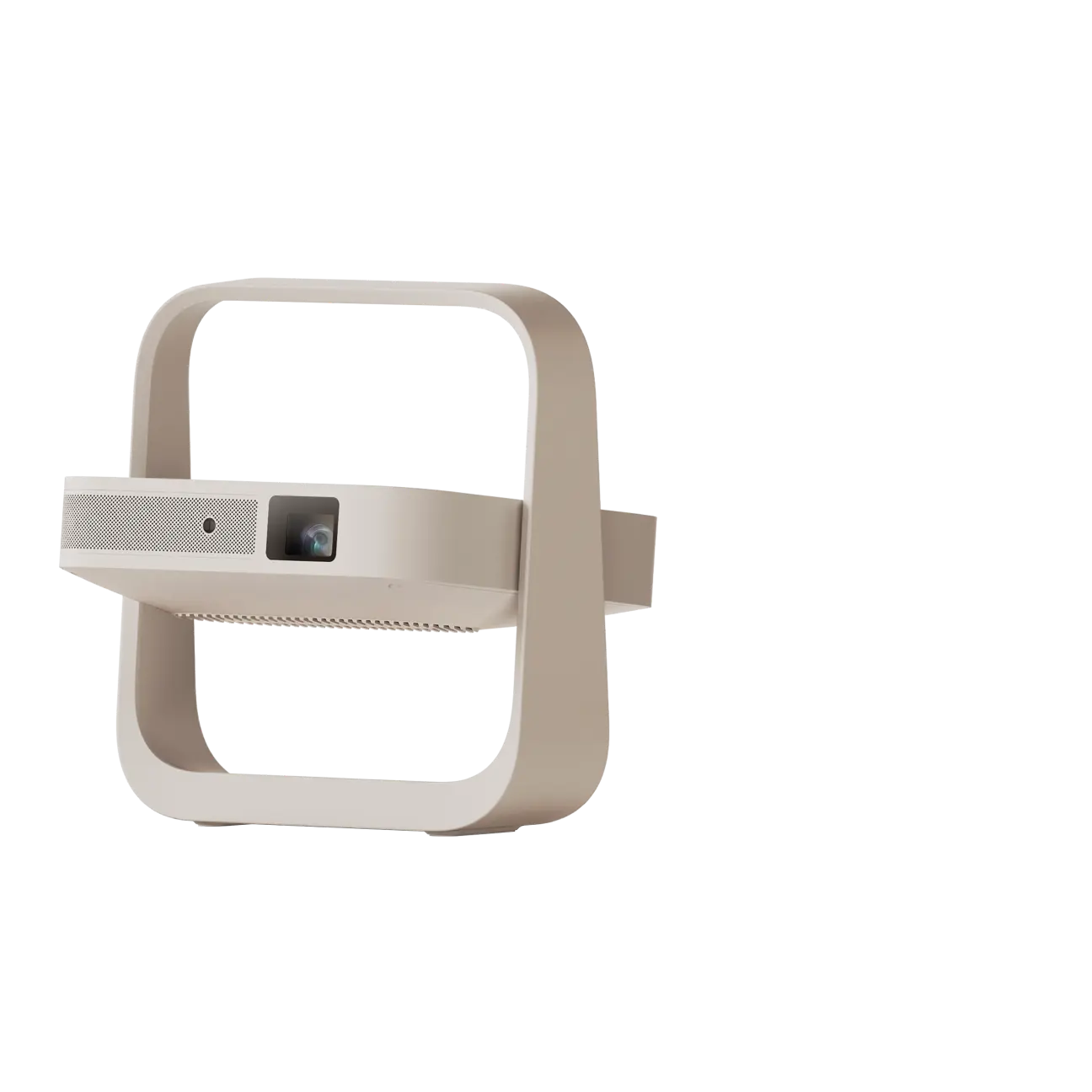
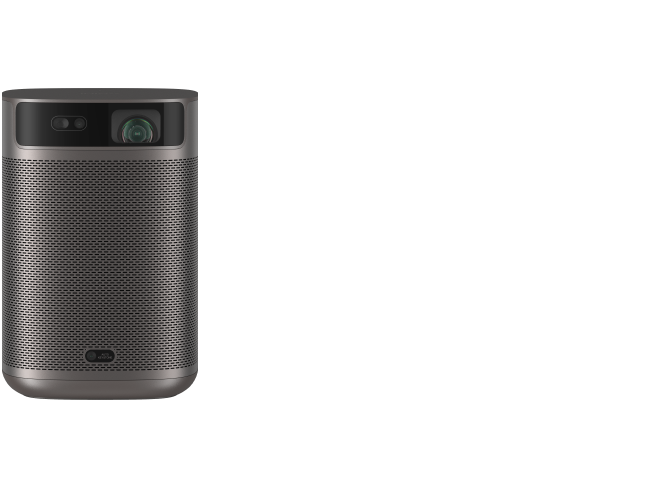
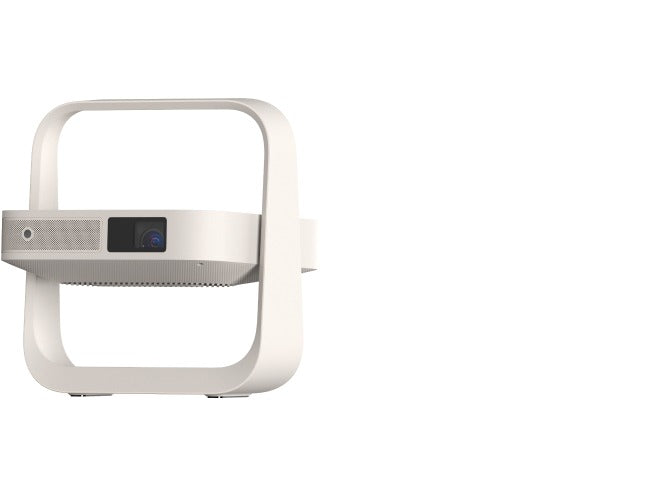
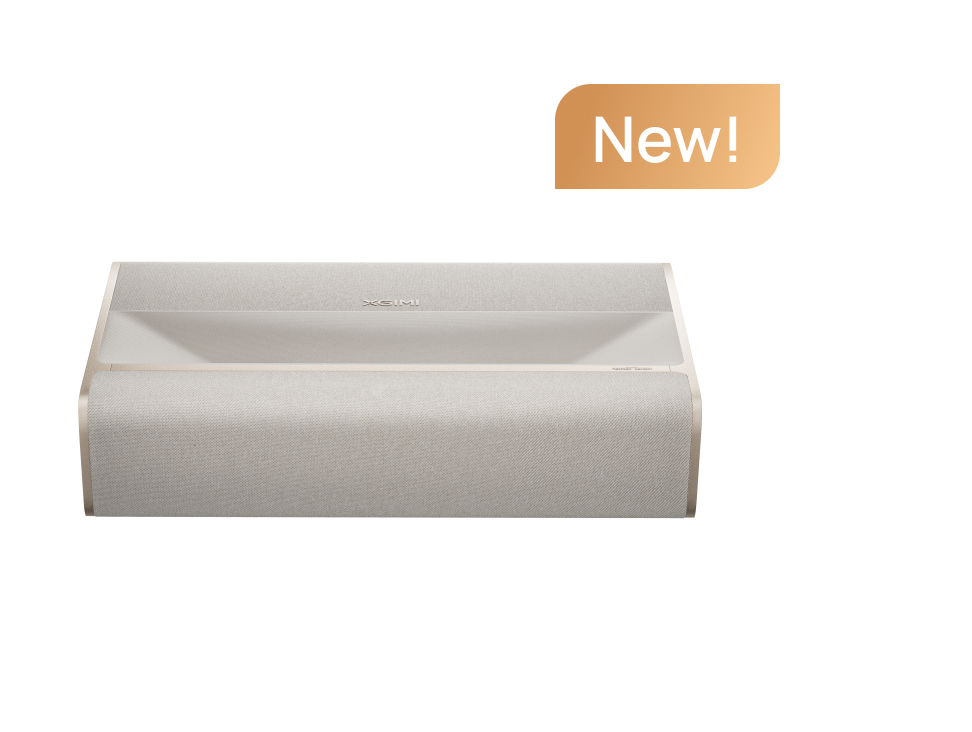
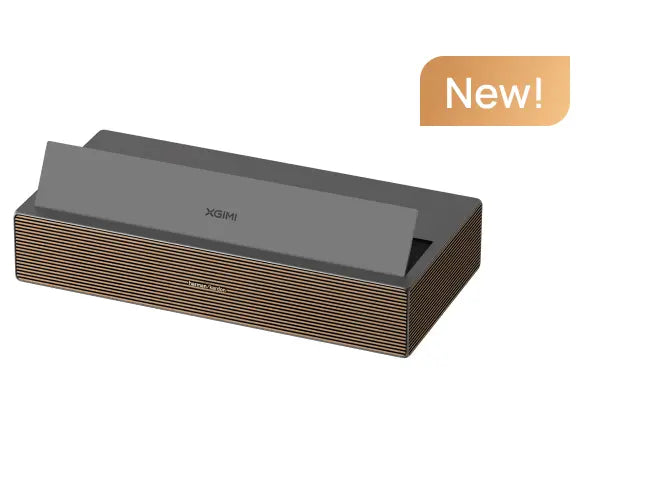
For XGIMI users, models in the Google TV Projectors collection offer this integration out of the box, making them suitable examples for an IoT home theater setup.
How to Set Up Your Projector as a Smart Home Hub
Begin by ensuring your projector and all IoT devices are on the same stable Wi-Fi network. Sign in to your Google account on the projector. Then use the Google Home app on your phone or tablet to add and link your smart devices.

- Open the Google Home app and select the plus icon to add devices.
- Follow prompts to connect lights, thermostats, plugs, or other gadgets. Many use Matter or direct Google compatibility for simpler pairing.
- Test basic commands using the projector's voice remote.
- Explore the home panel or device cards on the Google TV interface for visual control without voice.
Smart lights and other compatible devices can be set up and controlled through the Google Home app. This process typically takes 15-30 minutes for a few devices but can extend with multiple brands. As this official support page on connecting smart home devices notes, proper linking is essential for reliable operation.
If your projector model includes advanced features like those in the Smart Projector Setup Features guide, use them to quickly position the unit in your room before focusing on IoT pairing.
Using Voice Commands and the Projector Interface
Once linked, voice commands become the fastest way to interact. Say "Hey Google, turn off the living room lights" while the projector is on. The remote on Google TV devices picks up these requests during normal use.
You can also navigate to the Google Home section in the Google TV menu to see device controls and quick actions. This reduces friction from switching between entertainment and home control by keeping everything on one large screen.
For evening entertainment sessions, preset commands make it easy to adjust the room without pausing playback. This official resource on controlling devices by voice details the supported commands that work across linked Google TV devices.
Creating Scenes and Routines for Seamless Control
Google Home supports routines that combine multiple actions. Create a "Movie Night" scene that dims lights, adjusts the thermostat, and perhaps closes smart blinds with one command or tap.
Set these routines to trigger by voice or even by time of day. Google Home automations can include Assistant triggers and device actions like light and thermostat control. This turns your projector into a central command point during an IoT home theater setup.
Advanced users can explore scripted automations, but most daily needs are covered by the app's built-in routine builder. Test scenes thoroughly to ensure they activate reliably from the projector.
Common Issues and How to Avoid Them
Users often encounter setup complexity, voice latency during movies, inconsistent device discovery, and network sensitivity. Voice-control latency can feel slow or awkward in a movie session, especially if the projector is in the middle of playback.
Network sensitivity is another frequent pain point. Weak Wi-Fi or crowded networks can make both streaming and control unreliable. Privacy worries arise when a large display in the living room constantly listens via the Assistant.
Mode-switching friction occurs when the projector must shift between full entertainment and control dashboard views. To minimize these:
- Use a strong, dedicated 5 GHz Wi-Fi band for the projector and IoT devices.
- Keep firmware updated on both the projector and all smart devices.
- Start with only core devices (lights and one thermostat) before expanding.
- Have a phone backup ready for control if the projector is off or in use.
This guide on improving latency on projectors offers additional networking tips that also benefit smart home responsiveness.
Here is an illustrative visualization of scenario fit:
When a Google TV Projector Works Best as a Smart Home Hub
Relative fit for occasional control in a stable Google ecosystem versus dedicated controls.
View chart data
| Series | Movie-time lighting control | Arrival scene trigger | Living room dashboard | Quick evening control | Family shared-space fit | Latency sensitivity | Network dependence |
|---|---|---|---|---|---|---|---|
| Projector as hub (heuristic) | 4.0 | 4.0 | 3.0 | 4.0 | 3.0 | 2.0 | 2.0 |
| Dedicated controls (heuristic) | 5.0 | 5.0 | 5.0 | 5.0 | 5.0 | 5.0 | 5.0 |
Illustrative heuristic scoring based on the provided brief. Google Home can control lights, thermostats, and plugs after proper linking and may support Matter. Scores reflect relative suitability and friction only; they are not measured performance data. Higher scores indicate better fit, except for latency sensitivity and network dependence, where higher values indicate greater risk.
This radar chart uses heuristic values to highlight where the projector approach performs well for shared or occasional use and where dedicated controls or phone apps may reduce friction.
When the Projector Makes Sense as Your Hub (and When It Does Not)
The setup shines in apartment or small-space living rooms where one large screen serves both entertainment and control. It works well for home theater enthusiasts who want occasional adjustments during movies without multiple apps. Family shared spaces benefit from the single central display that everyone can see and use.
It may not be ideal if you have dozens of devices, unstable Wi-Fi, or need instant response during intense viewing. Hidden tradeoffs include higher power consumption if the projector stays ready, increased network dependence, and the possibility that voice latency interrupts immersion. A dedicated smart display or phone app can be simpler for heavy daily automation. For more on this topic, see Smart Projector Auto-Correction: How ISA Works.
Consider your current Google Home setup. If most devices already respond reliably to Assistant commands, adding the projector as an interface can feel convenient. Otherwise, start small and expand gradually.
The Magic Lamp Projector announcement highlights innovative IoT thinking in projector design, showing the direction smart home integration is heading.
Practical Checklist Before You Commit
Before relying on your projector as the main IoT hub, run through these checkpoints:
- Confirm your primary lights, thermostat, and plugs already work well in the Google Home app.
- Verify strong Wi-Fi coverage at the projector's permanent location.
- Test voice pickup from your typical seating distance.
- Prepare fallback controls (phone app or physical switches) for when the projector is off.
- Review privacy settings in Google Assistant to manage data collection.
- Start with 3-5 devices and simple routines before adding complex scenes.
These steps help match the solution to your actual room and habits rather than assuming universal compatibility.
Final Thoughts on Projector-Based Smart Home Control
A Google TV smart projector can reduce the need to juggle multiple apps by acting as a central command hub for your IoT devices in the living room. It offers a practical way to control lights and thermostats during movie nights or daily routines when your ecosystem is already Google-centric.
Results depend heavily on room conditions, device quality, and proper initial setup. It can be easier to tolerate in stable, Google-friendly environments but may require adjustments or fallback methods in more complex homes. Test compatibility with your specific gadgets before expecting seamless daily use.
This article provides general setup advice for using your projector with smart home features. It is not a replacement for manufacturer support or professional technical assistance. If you experience persistent connectivity or device issues, consult qualified experts or the product documentation for your specific models.
For more on choosing the right model, browse the Smart Projectors collection or explore options like the HORIZON Ultra for a balance of performance and smart capabilities.


