
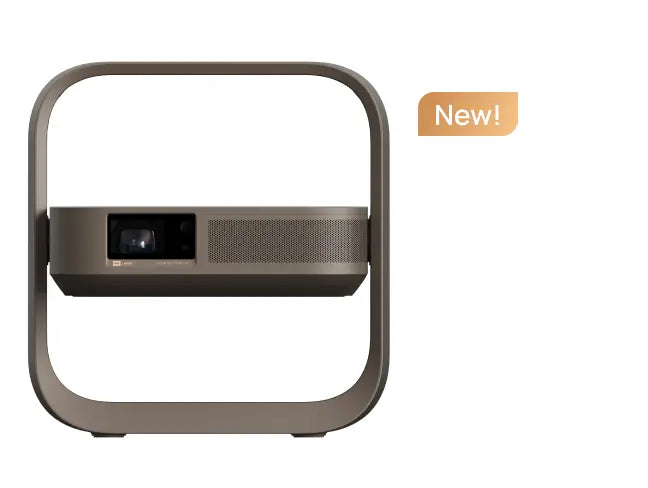
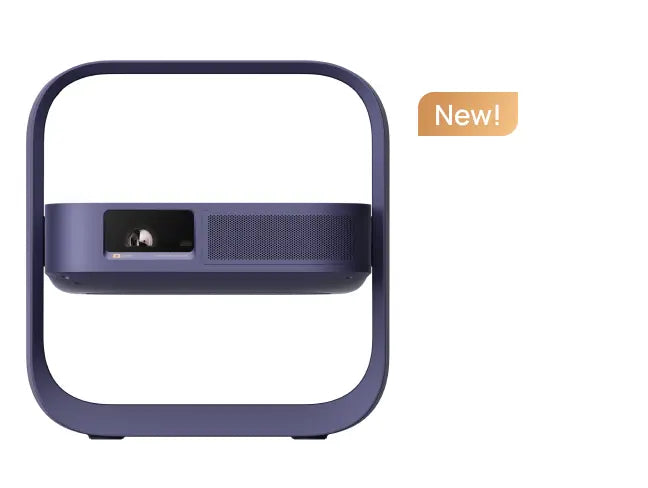
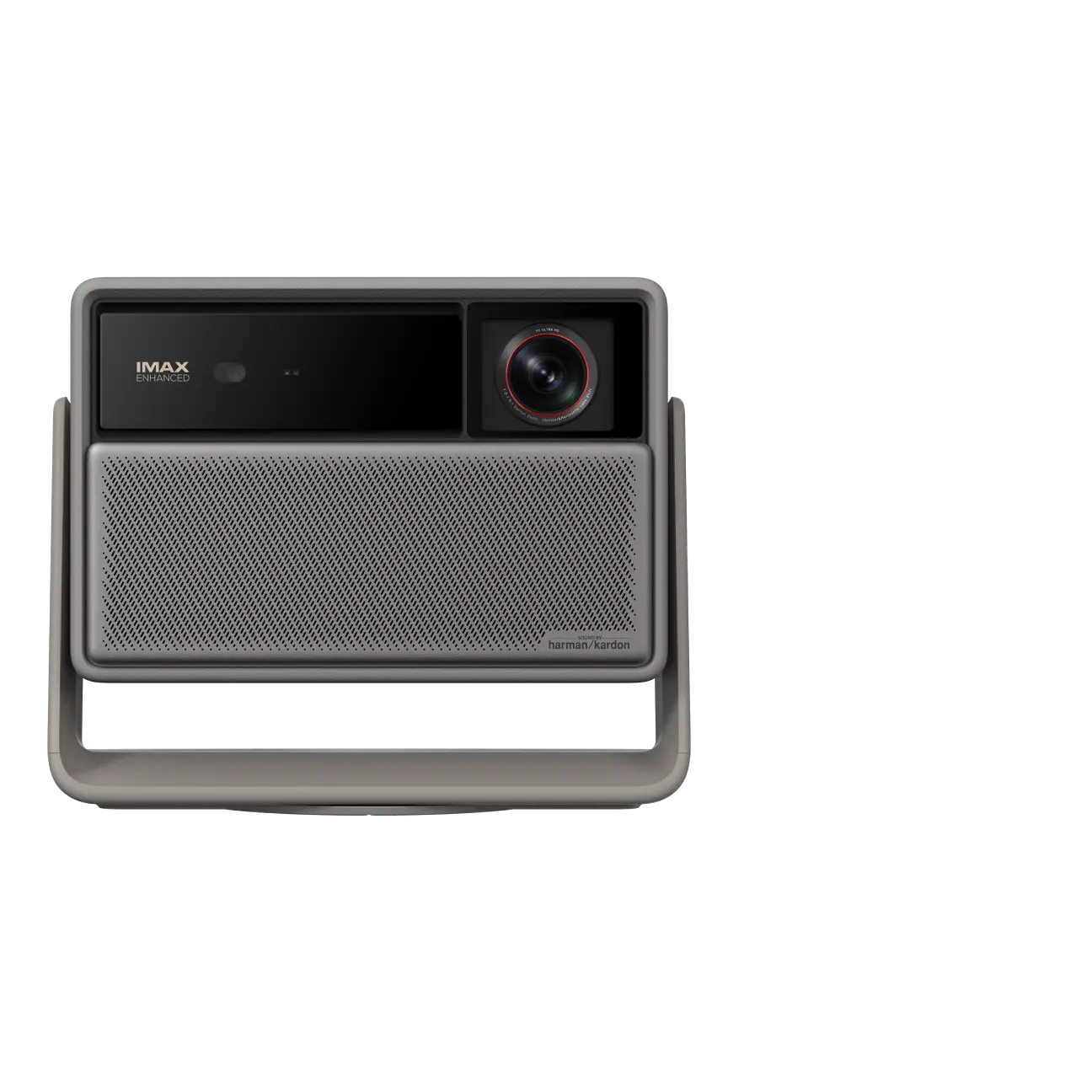
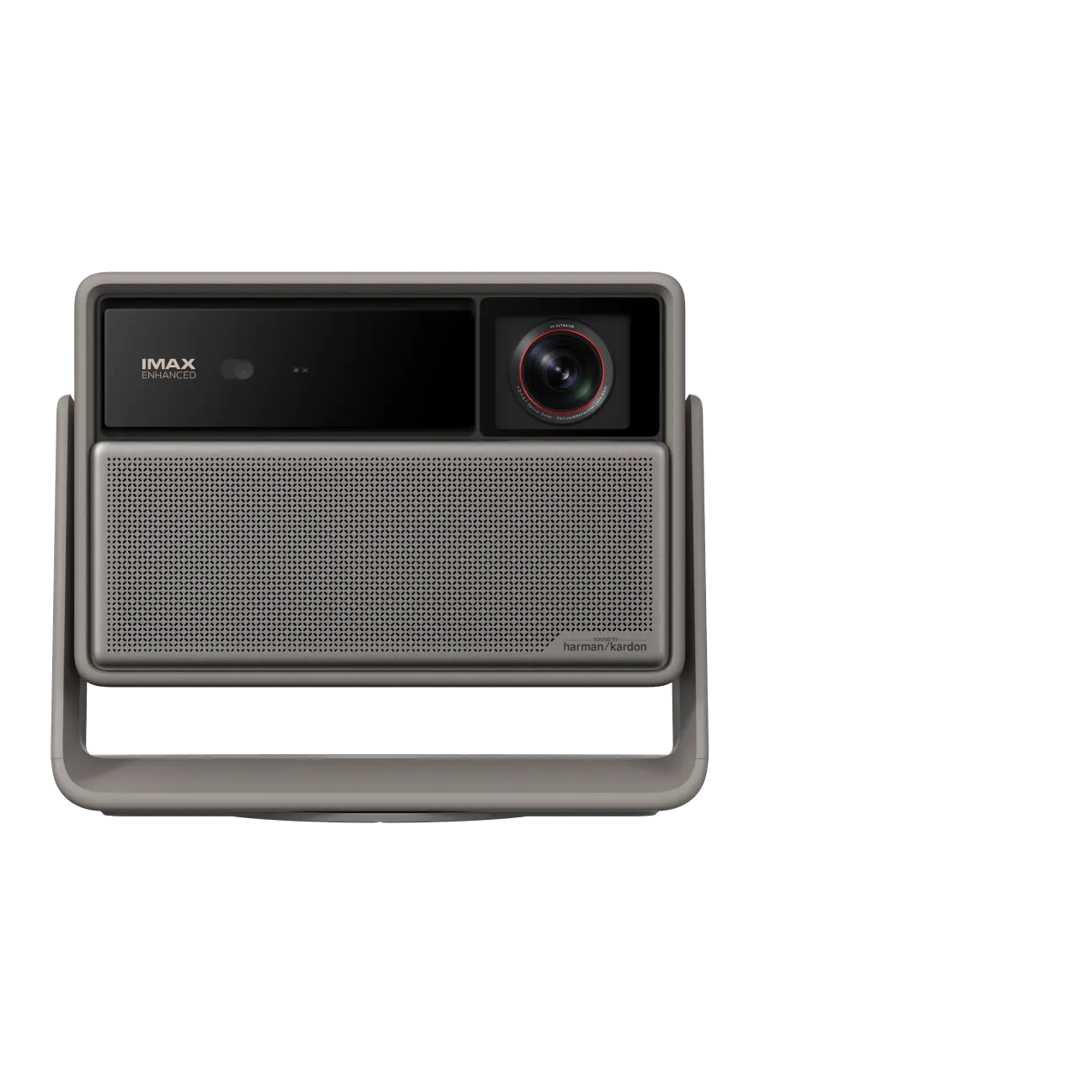
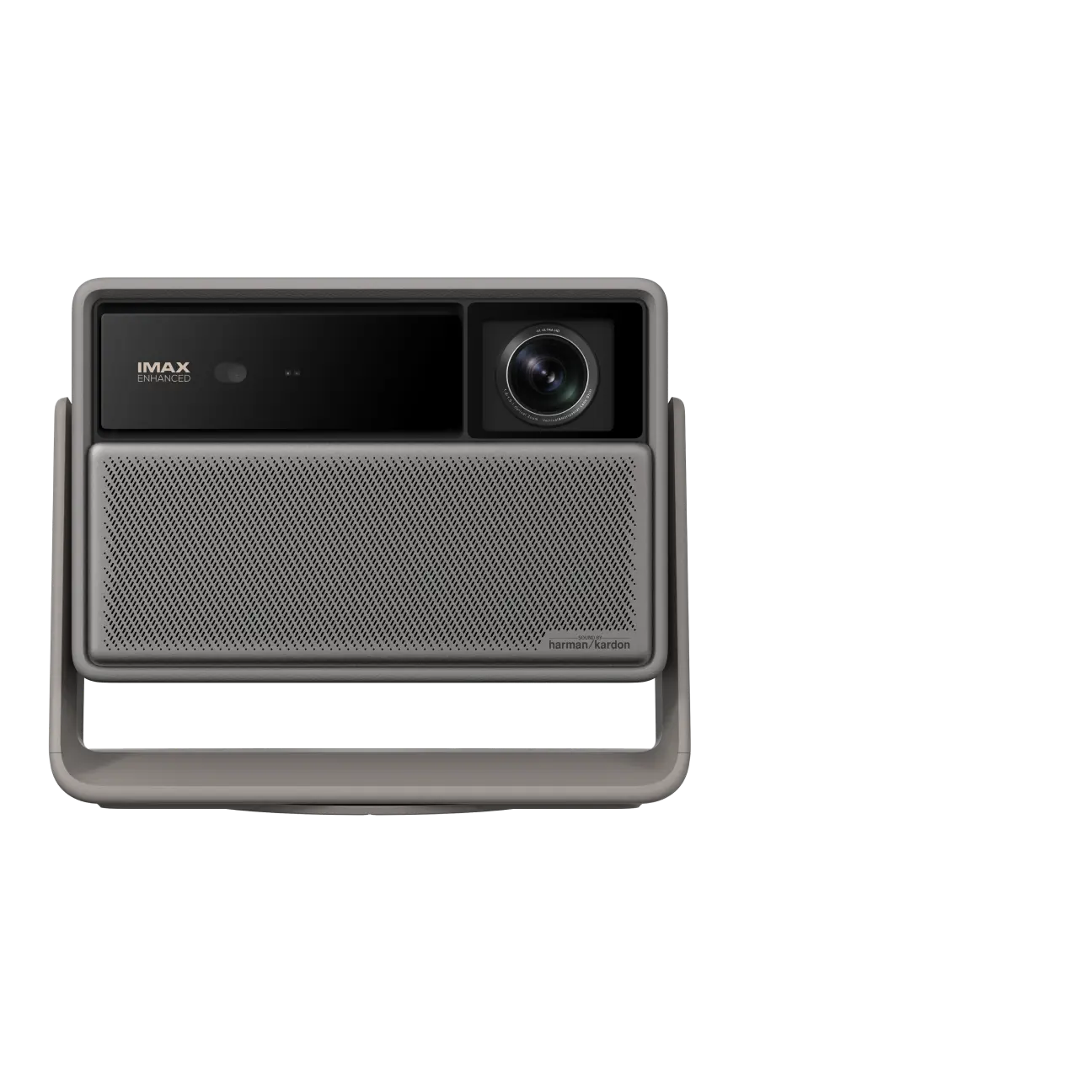
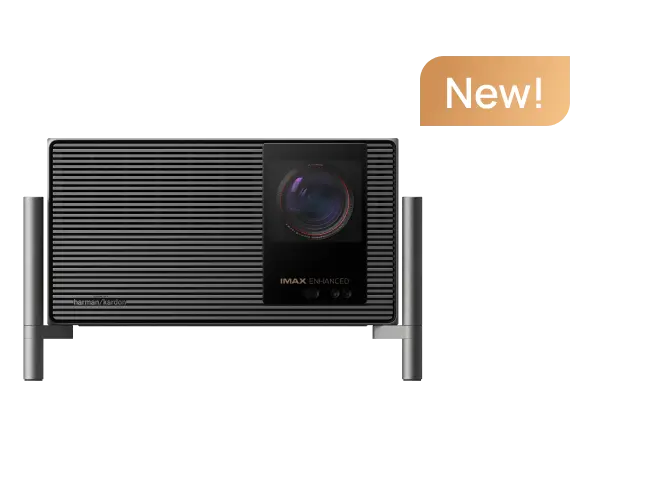
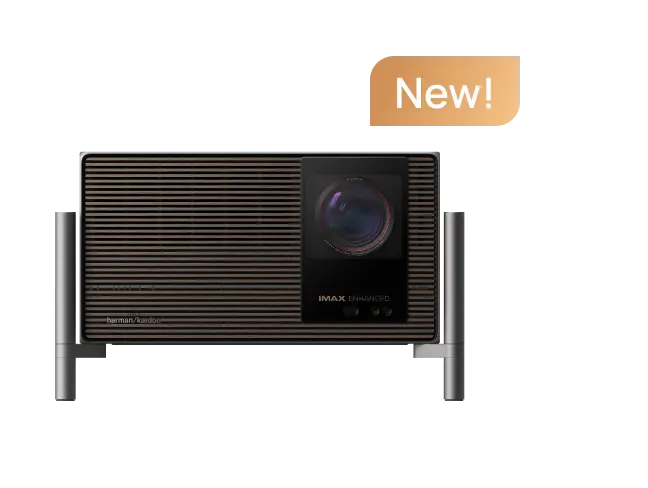
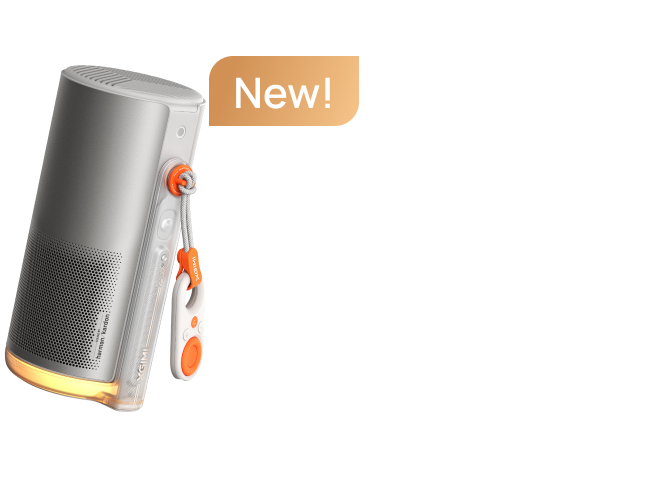
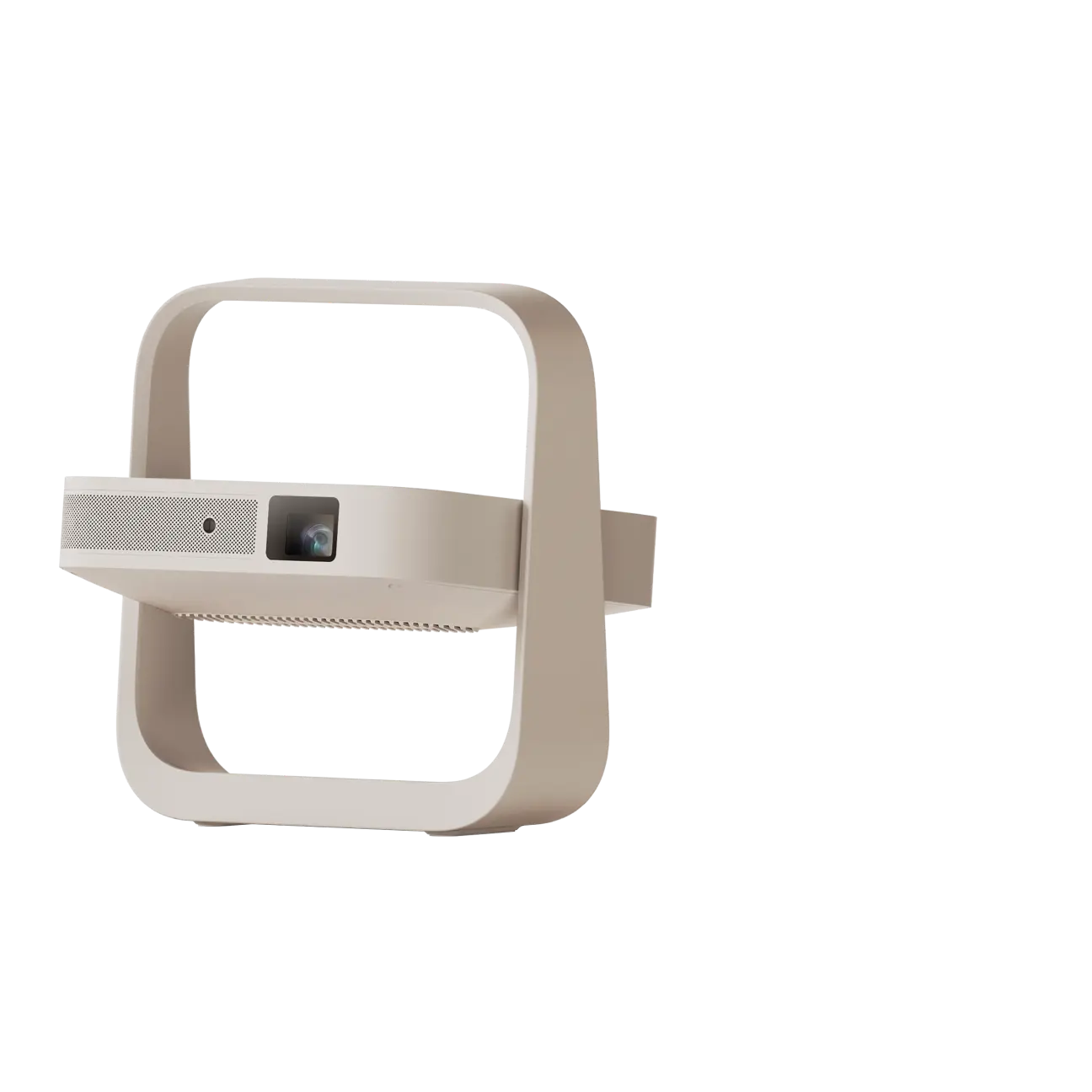
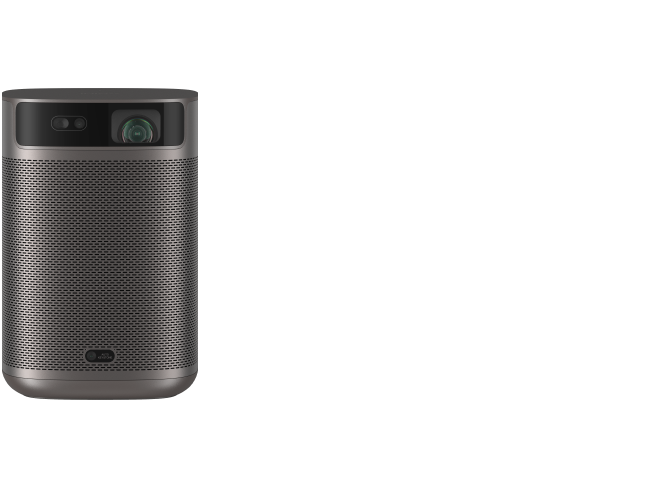
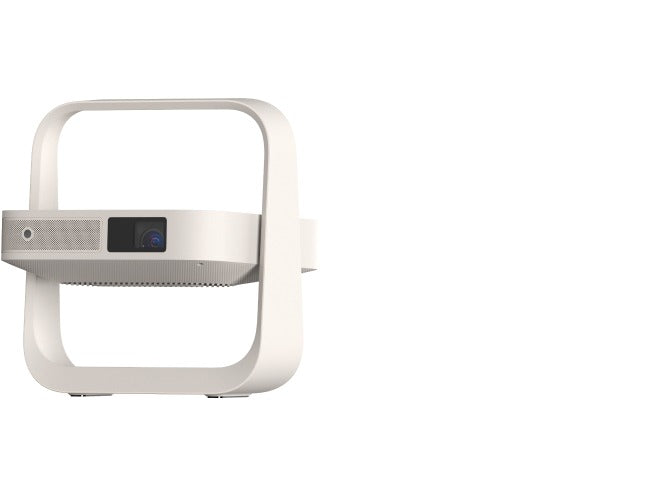
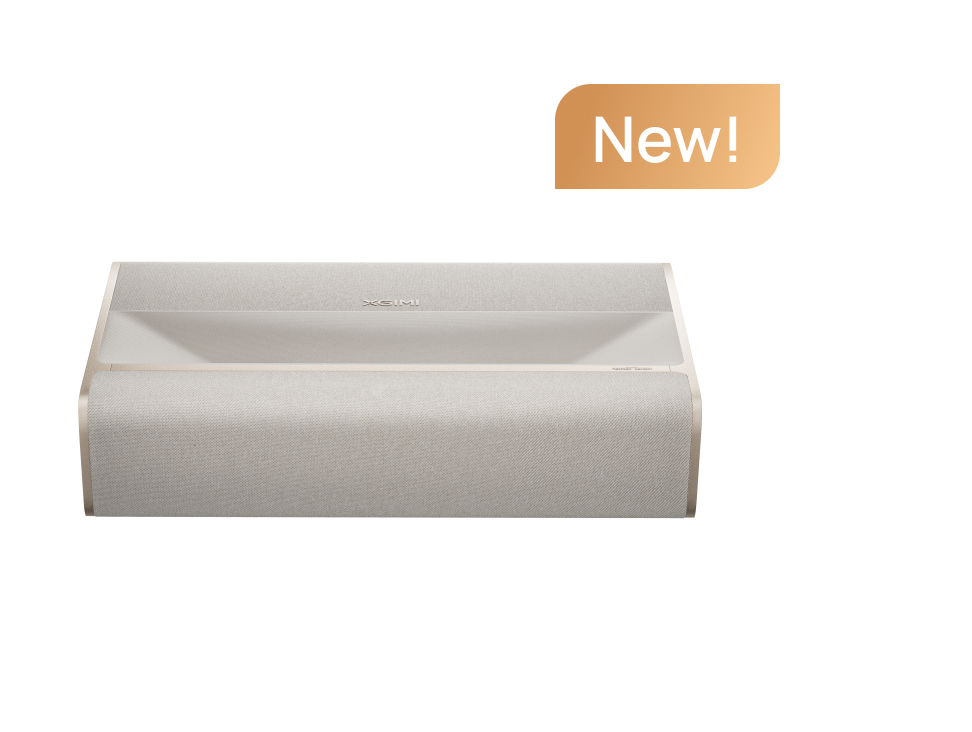
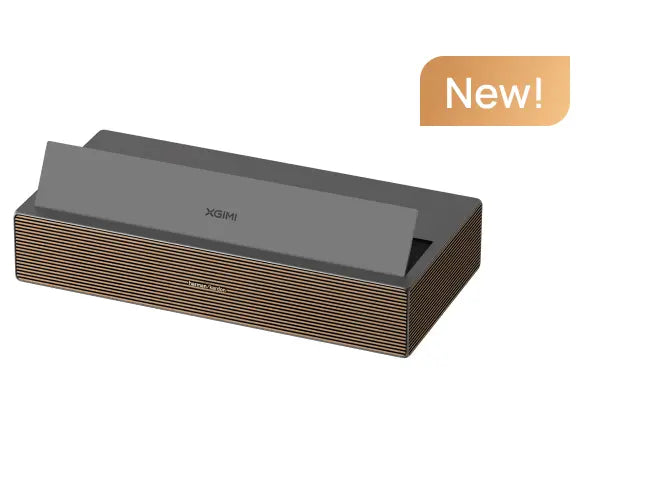
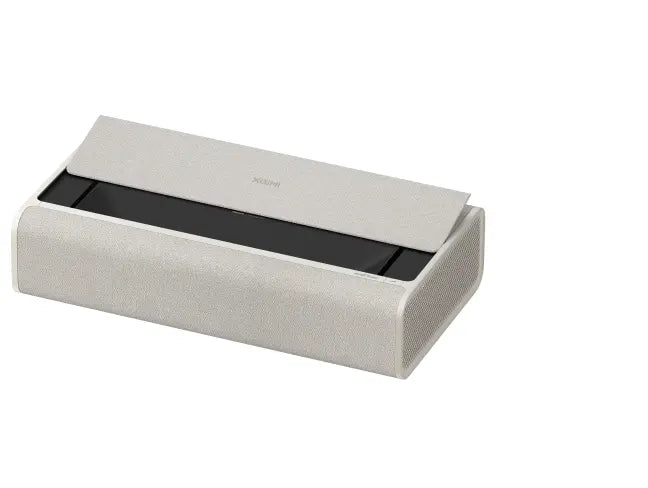
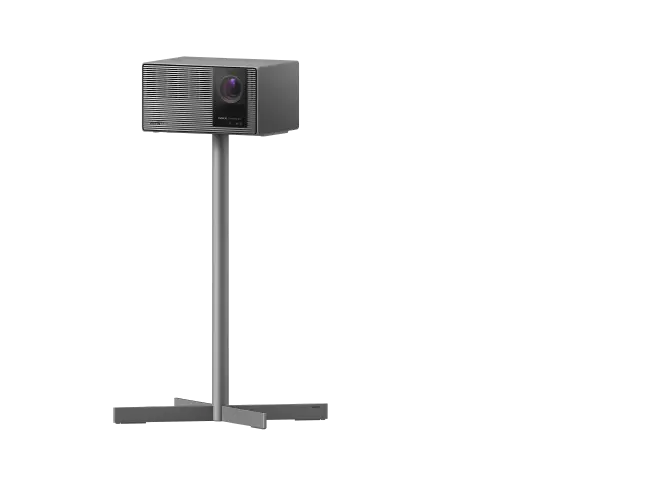
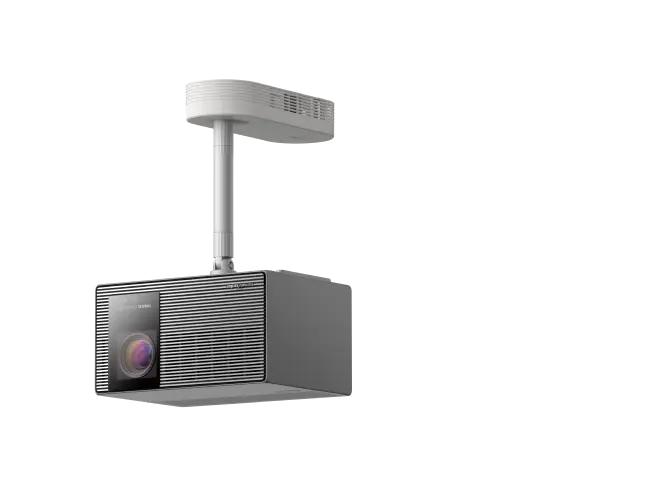





A smart projector combines high-quality projection hardware with a built-in smart TV platform, auto-setup features, and wireless connectivity. This all-in-one design eliminates the need for external streaming devices in many everyday setups, making it an appealing TV alternative for small spaces and minimalist homes in 2026. For more on this topic, see XGIMI Highlights Smart Projection Breakthroughs at MWC 2026.
Today's smart projectors deliver cinematic entertainment without the clutter of traditional setups. They integrate operating systems like Google TV, support native apps, and use intelligent automation to simplify placement and alignment. While they excel in convenience, their performance still depends on room conditions, content type, and specific model capabilities. For more on this topic, see The Zero-Clutter Home Theater: Why All-in-One Smart Projectors Are .... For more on this topic, see The End of the Dongle Era: Why Native App Support is Crucial for Pr....

What Makes a Projector "Smart"?
A smart projector goes beyond basic light and lens technology by incorporating a full computing platform. It typically includes an operating system that supports app installation, streaming services, voice control, and wireless casting. This turns the projector into a standalone entertainment hub rather than just a display that requires additional hardware.
According to Google's documentation, Android TV can be built directly into devices, which is why many smart projectors feel more like streaming appliances than traditional projectors. Built-in Wi-Fi, Bluetooth, and app stores are common markers of the category, allowing users to access content directly without dongles or set-top boxes in supported setups. For more on this topic, see Google TV vs. Android TV on Projectors: What's the Difference in 2026?.
Key defining elements usually include:
- An integrated smart platform (Google TV, Android TV, or similar)
- Native or sideloadable streaming apps
- Wireless screen mirroring and casting capabilities
- Automated image adjustment features
- Voice control and smart home integration
These features distinguish smart projectors from regular models that rely on external devices for content.
Smart Projector vs Regular Projector
The main difference lies in the user experience. A regular projector focuses primarily on image quality and requires separate streaming devices, sound systems, and manual adjustments. A smart projector packages these elements together for faster setup and fewer components.
Regular projectors often demand more technical know-how for wiring, focus, and keystone correction. Smart models automate much of this process. However, not all automation works perfectly in every environment. Evidence from projector manuals indicates that auto focus and auto keystone help speed initial setup but may still require manual tweaks in challenging placements.
Smart projectors also reduce cable clutter through wireless casting. As Google's quick start guide for casting explains, the process is designed to be simple once the device is connected to the same network.
Essential Features of Modern Smart Projectors
Built-in Operating System and Apps
Most smart projectors in 2026 run Google TV or a similar platform. This provides access to thousands of apps through an official store. Native support for popular services like Netflix varies by model and licensing agreements, so checking specific compatibility remains important. For more on this topic, see Why Is Netflix Not Working on My Projector or TV?.
Google TV devices support casting from compatible apps on the same Wi-Fi network, as detailed in the official casting support page. The Google TV app on your phone can also serve as a convenient remote control.
Intelligent Auto-Setup Technologies
Features like auto-focus, auto-keystone correction, obstacle avoidance, and screen alignment dramatically improve usability. XGIMI's Intelligent Screen Adaption (ISA) technology exemplifies this approach by handling focus, keystone, and alignment automatically.
These tools make projectors more approachable for non-technical users. However, results can vary. Some manuals note that auto features occasionally require manual intervention or resets.
Wireless Connectivity and Casting
Built-in Wi-Fi and Bluetooth enable seamless wireless screen sharing. This reduces dependence on cables and adapters, supporting quick transitions between different content sources.
Audio and Picture Enhancements
Many models include high-quality built-in speakers from brands like Harman Kardon, along with support for HDR formats and smooth motion processing. These contribute to an immersive experience without external soundbars in moderate setups.

Can a Smart Projector Replace a TV?
This is one of the most common questions in 2026. The answer depends heavily on your room, usage patterns, and expectations.
Smart projectors work best in controlled lighting environments. They deliver large screen sizes (100 inches or more) from compact devices, making them ideal for apartments and small spaces. Features like auto-setup and built-in apps support a minimalist lifestyle.
However, they generally perform less well in very bright rooms compared to modern TVs. Gaming can also present challenges due to potential input lag, although many premium models now offer low-latency game modes.
Illustrative Trade-off Comparison
Smart Projector vs Regular Projector vs TV: Trade-off Snapshot
Illustrative trade-off comparison across common purchase factors; scores reflect relative user experience under typical scenarios, not lab-tested performance.
View chart data
| Series | Ease of setup | Built-in apps / streaming | Bright-room suitability | Gaming performance (low lag) | Portability | Cost-effectiveness |
|---|---|---|---|---|---|---|
| Smart Projector | 8.0 | 9.0 | 4.0 | 5.0 | 9.0 | 7.0 |
| Regular Projector | 6.0 | 3.0 | 4.0 | 5.0 | 8.0 | 8.0 |
| Traditional TV | 7.0 | 7.0 | 9.0 | 9.0 | 2.0 | 6.0 |
Heuristic 1-10 score model based on common user scenarios and writer evidence about smart-projector convenience features and limitations in brightness, gaming, and app access. This is illustrative only, not measured data.
This radar chart offers a heuristic view of typical trade-offs. Smart projectors generally score higher on ease of setup, built-in streaming, and portability. Traditional TVs tend to perform better in bright rooms and gaming scenarios.
Best Use Cases for Smart Projectors
Smart projectors shine in these scenarios:
- Apartment or small-space living where a large TV would dominate the room
- Dedicated movie nights in light-controlled environments
- Portable or occasional outdoor use (with battery-powered models)
- Streaming-focused households that value minimalism
- Users seeking quick, hassle-free setup without technical expertise
They are less ideal for brightly lit living rooms used during daytime, competitive gaming requiring minimal latency, or situations where specific streaming apps must behave identically to dedicated TV platforms.
For apartment dwellers, our guide on whether to get a projector for an apartment explores these considerations in more detail.
Important Trade-offs to Consider
Brightness and Ambient Light
Projector brightness (measured in lumens) determines performance in lit rooms. While modern laser and LED models have improved significantly, they still generally require more light control than TVs.
Input Lag and Gaming
Gaming performance varies widely. Check manufacturer specifications for low-latency modes. Our article on projector input lag and gaming performance provides deeper insights into this topic.
App Availability and Updates
While platforms like Google TV offer broad app support, not every service is available natively on every device due to licensing. Some apps may require casting from a phone or tablet.
Long-term Ownership
Software updates, hardware reliability, and replacement part availability should factor into your decision. Premium models from established brands generally offer better long-term support.
How to Choose in Your Space
Before purchasing, perform this quick checklist:
- Measure your typical viewing distance and desired screen size
- Assess ambient light conditions in your room at different times of day
- List must-have streaming apps and verify compatibility
- Consider your primary content (movies, sports, gaming, casual streaming)
- Evaluate whether portability or fixed installation matters more
- Check available placement options and distance from the screen/wall
Why Smart Projectors Matter in 2026
Smart projectors represent a shift toward flexible, minimalist home entertainment. They remove barriers that once made projectors complicated and niche. With features like XGIMI's ISA technology and integrated Google TV support, they deliver near-instant cinematic experiences.
Understanding Google TV, Android TV, and Chromecast helps clarify the ecosystem benefits. For those seeking immersive visuals, technologies that provide crystal-clear viewing experiences continue to advance.
Comfort and Setup Note: This article discusses display technology, setup convenience, and entertainment options only. It does not provide medical advice regarding eye strain or vision health. If you experience persistent discomfort or have existing eye conditions, consult a qualified eye care professional.
Whether you're exploring your first projector or upgrading from a traditional TV, a smart projector can transform how you experience entertainment at home. Browse our home projectors or portable projectors collections to find models suited to your lifestyle.
The best choice ultimately depends on balancing convenience, image performance, and your specific room conditions. With the right model, a smart projector can deliver an engaging, flexible entertainment experience that feels truly modern.


