
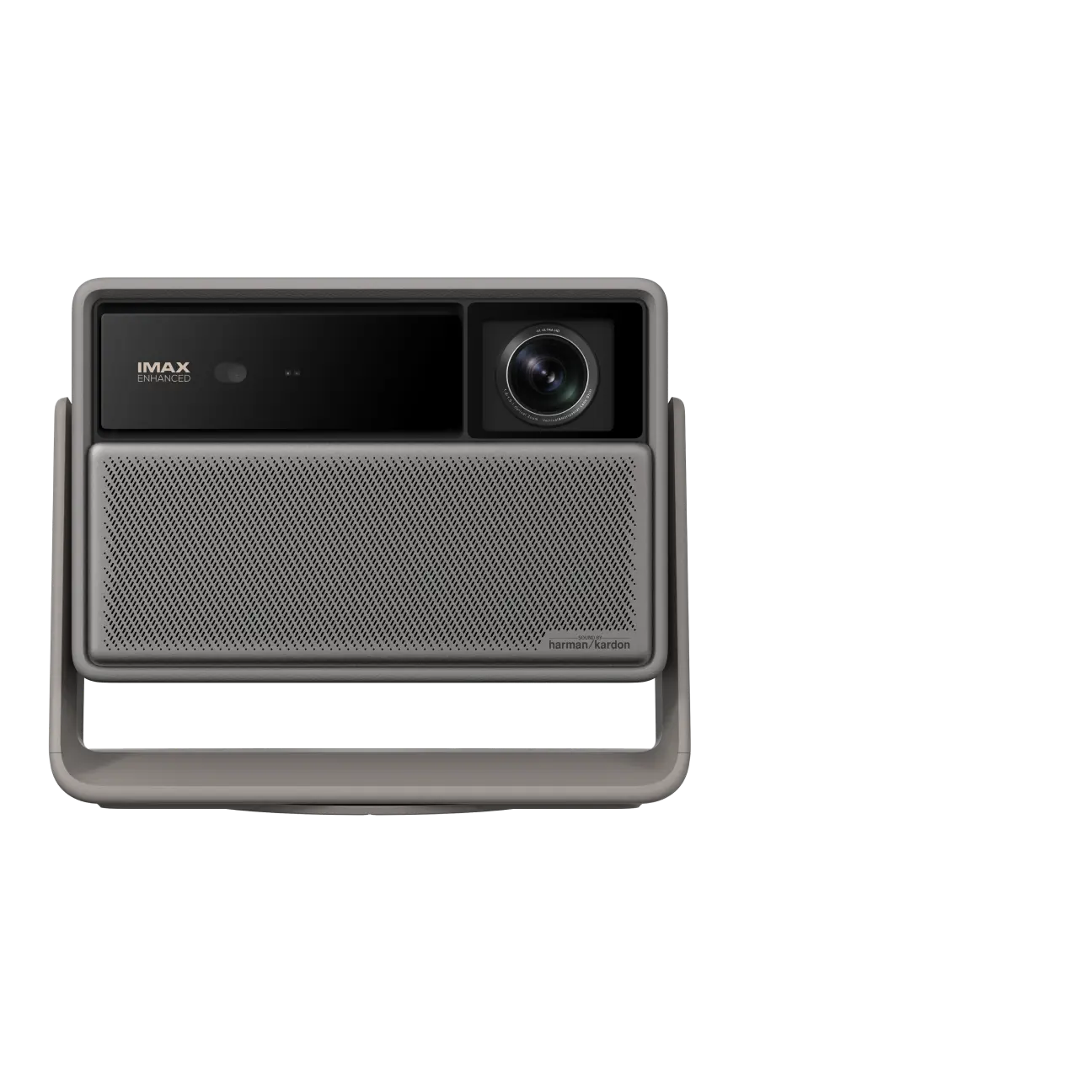





Yes, you can connect headphones to a projector if it supports Bluetooth audio output or has a compatible headphone output. The right method depends on where the movie is playing and which connections your exact projector provides. A Bluetooth logo alone does not confirm that the projector can send movie audio to headphones.
This guide explains how to identify the audio path, pair a wireless headset, use a wired connection or transmitter, and diagnose silence or lip-sync problems. It also covers the extra checks that make private listening practical at a campsite, including what happens when the headphones disconnect.
Choose the Audio Path Before You Pair
Start with the device actually playing the movie. Is it a projector app, a laptop connected by HDMI, or a streaming device? Your headphones need to receive the sound from that playback path. Pairing them with a phone will not necessarily give you audio from an app running on the projector.
| Your setup | Connection to check first | What to verify |
|---|---|---|
| Projector app and one wireless headset | Projector Bluetooth audio output | The manual explicitly supports Bluetooth headphones |
| Projector with a headphone socket | Wired headphones | The socket is an audio output, not an input |
| Laptop feeding the projector by HDMI | Laptop headphone output or Bluetooth | Video stays on HDMI while audio is assigned to the headset |
| No suitable built-in wireless output | Compatible audio output and a transmitter | Output type, transmitter input, power, and headphone compatibility |
| Two listeners with separate wireless headsets | A specifically supported dual-headphone system | Both headsets play together with acceptable sync |
Distinguish Headphone Output from Bluetooth Speaker Mode
In headphone mode, sound travels from the projector to your headset. In Bluetooth speaker mode, a phone sends music to the projector's speakers. These are opposite directions. A projector appearing in your phone's Bluetooth list proves neither headphone output nor wireless video support.
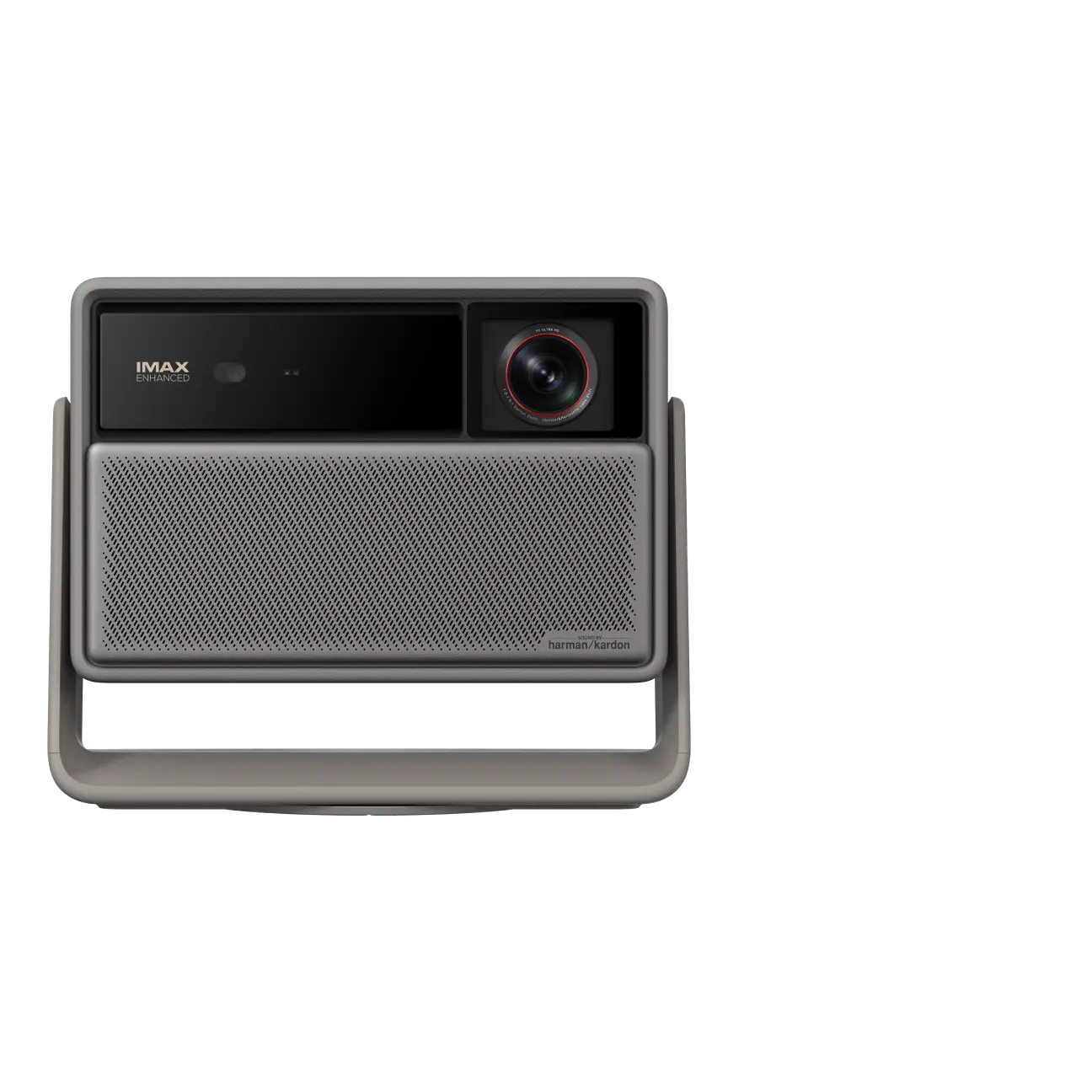
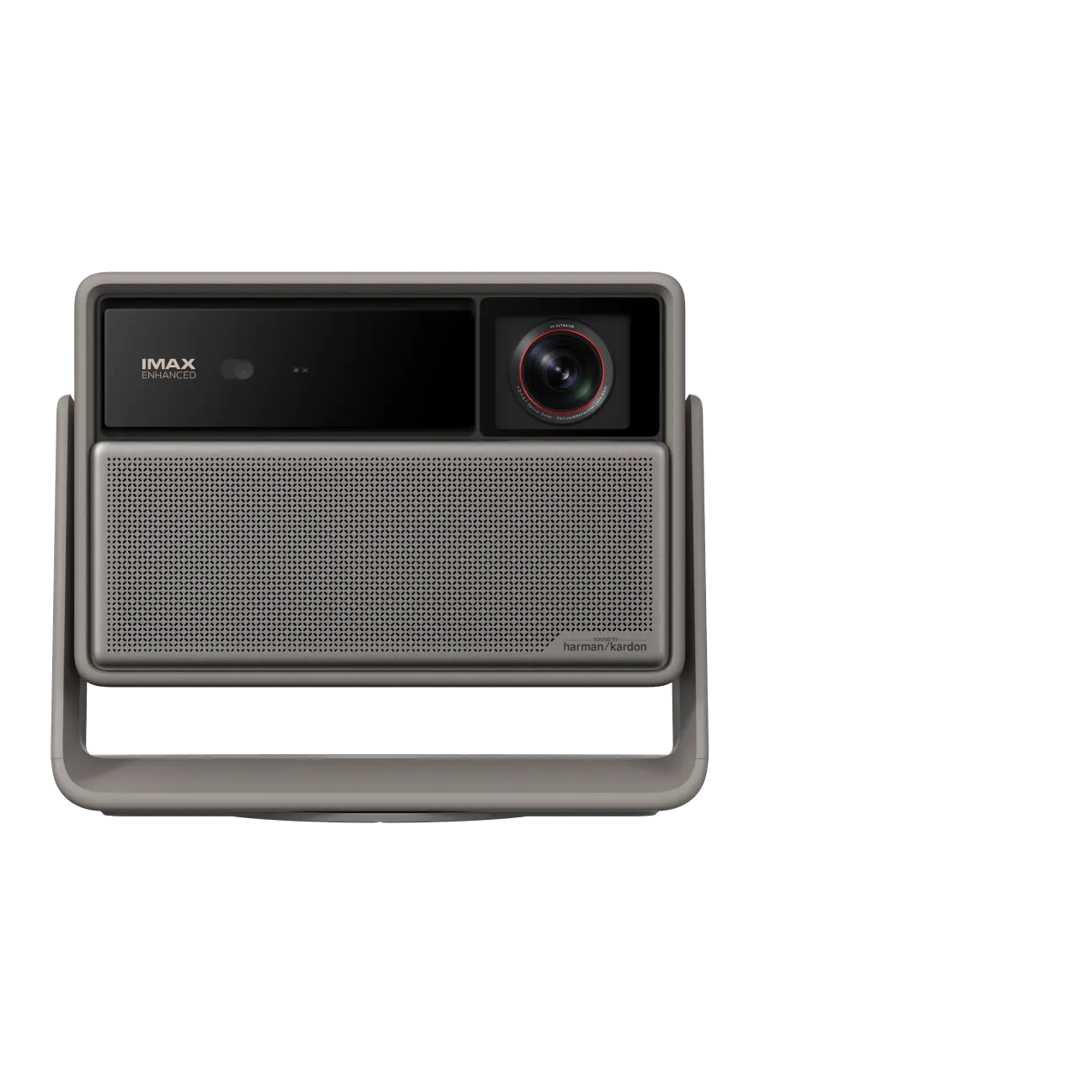
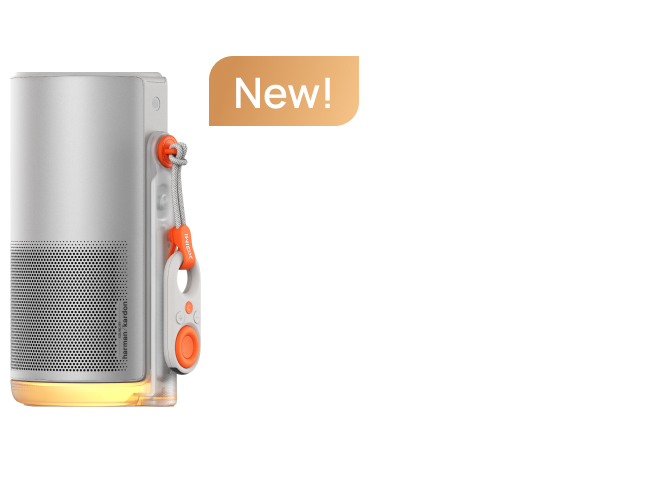
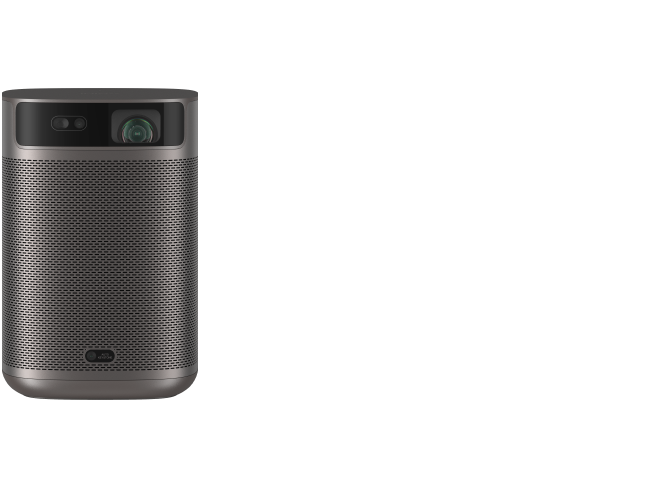
XGIMI documents MoGo 4 Bluetooth speaker mode separately from headphone pairing. For movie listening, return to the projector's normal interface and use its accessory-pairing controls rather than trying to send audio into its speaker mode.
Also distinguish a Bluetooth remote from an audio device. A paired remote can control a projector without establishing any route for headphone sound. Look for explicit headphone support in the model documentation, not simply a Bluetooth version number on a specifications sheet.
Check the Exact Model and the Actual Socket
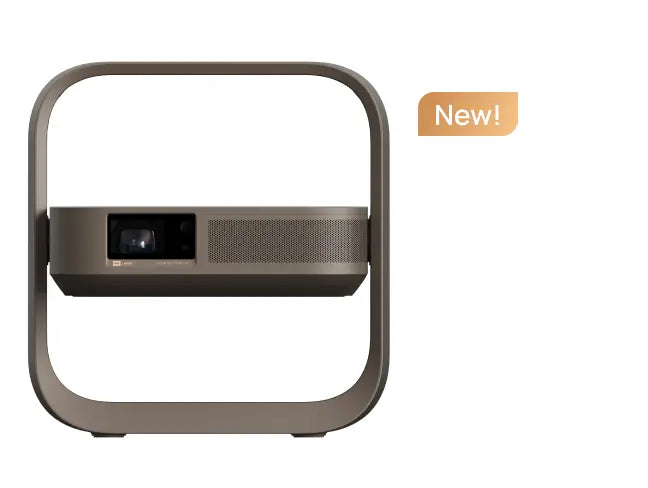
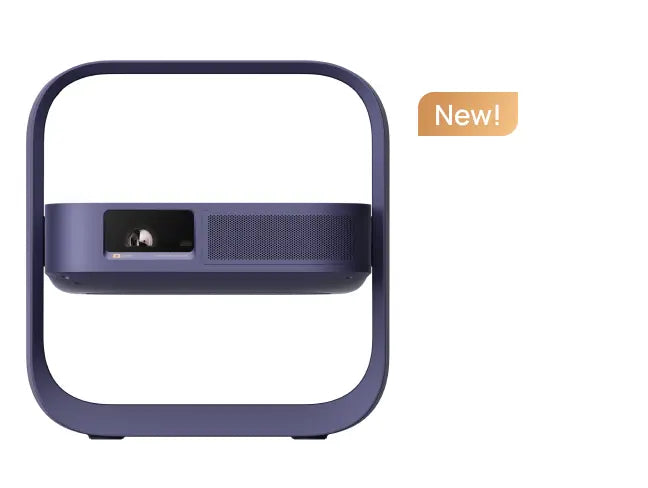
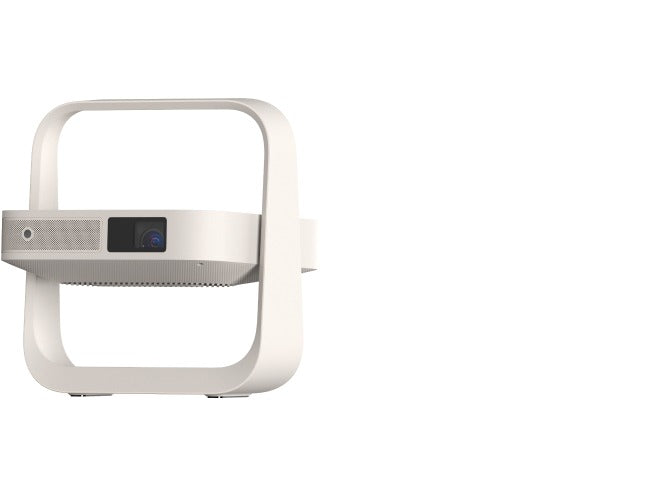
Do not transfer a connection method from one portable projector to another. For example, the published specifications for Halo+ (New) list a 3.5 mm headphone output. In contrast, XGIMI states that the MoGo 4 series does not support a 3.5 mm AUX connection. The wired option therefore depends on the model you own.
Read the port label before inserting a cable. HDMI usually brings a player's picture and sound into the projector. A USB port may serve storage, accessories, or power. Neither should be treated as a universal headphone output. If the only label you can find is "USB," consult the manual before buying a USB headset or adapter.

Connect and Confirm the Sound
Pair One Bluetooth Headset
For a supported Google TV projector, begin from the home screen with the remote available. Keep the headset beside the projector during setup, then test it from your intended seat.
- Charge the headset and activate its pairing mode using the headphone manufacturer's instructions. Merely switching it on may reconnect it to an old device instead.
- Disconnect it from a nearby phone or laptop if that device is taking the connection.
- Open the projector's Settings, then Remote & Accessories, and choose the option to pair an accessory. Menu wording can vary with the model and software.
- Select the headset name and accept the pairing prompt. If several similar names appear, verify the name in the headset's instructions rather than guessing.
- Play a short clip, begin with low volume, and confirm that the sound reaches the headphones.
For a model-specific reference, XGIMI's MoGo 4 headphone connection instructions identify the All Settings → Remote & Accessories → Pair accessory path. Use that procedure for the named series rather than assuming every older XGIMI interface is identical.
Test the App You Will Actually Watch
A connection label is only the first check. Open the intended app and play a scene with clear speech. Confirm that the dialogue comes through the headset, pause and resume, then try the projector remote and headset volume buttons to learn which controls affect the listening level.
Next, disconnect the headphones deliberately while the volume is low. Does sound return to the projector speakers, stop, or require another output selection? That behavior matters in a bedroom or quiet campground. Know how to mute the projector quickly before relying on private listening around other people.
Repeat the check if you switch from a built-in app to an HDMI source. Write down which device controls audio in each setup. This simple distinction prevents a common troubleshooting mistake: adjusting the phone's volume when the movie and its audio are now running somewhere else.
Use Wired Headphones When the Output Supports Them
On a projector with a documented headphone output, start with low volume, connect the headphones, and play the same test clip. Seat the plug fully without forcing it. If you hear only one side, check the connection and test the headphones with another compatible device before assuming the projector is faulty.
Arrange the cable along the seating area, away from walkways and the projector's support. Leave enough slack to turn your head without pulling the equipment. A wired connection can remove the Bluetooth portion of the audio delay, but it does not eliminate every delay elsewhere in a video system.
If your movie is playing on a laptop, you may be able to leave the picture on HDMI and select the laptop's headphone output as the audio destination. That route serves the laptop's playback, not unrelated apps running on the projector. Test it before the event instead of changing both audio and video connections mid-movie.
Add a Transmitter Only After Checking the Output
A Bluetooth transmitter takes sound from a supported audio output and sends it to wireless headphones. Select a unit whose input matches the output you actually have. If a device offers both transmitting and receiving modes, use its documented transmitting mode for this job.
Do not buy an HDMI accessory merely because the connector fits. HDMI ARC audio requires compatible equipment and the relevant settings; a normal HDMI input is not interchangeable with every transmitter input. Check the projector and accessory manuals together. Likewise, a USB-powered transmitter may use USB only for electricity while receiving sound through a separate cable.
Before committing to an accessory, list the entire chain in order: playback device, projector or other audio source, audio output, transmitter, headphones. For each join, identify a matching input and output. If one connection depends on an unverified feature, resolve that first. Adding more adapters does not establish a capability missing from the source device.
Fix the Symptom Without Changing Everything
The Headphones Do Not Appear
Check that the headphones are discoverable, not merely powered on. If they immediately reconnect to your phone, disconnect that existing connection and try again. Return to the projector's accessory search and wait for the correct device name.
If discovery still fails, restart the headset and try another known-compatible Bluetooth audio device. Keep a record of the result. If the second headset appears, focus on the first headset's pairing procedure or compatibility. If neither appears, check the projector's documented audio support and current software. Avoid a factory reset as the first troubleshooting step.
The Headphones Connect but There Is No Sound
Pause the movie and identify its source again. Check mute and volume on the playback device, projector, and headset as applicable. If the projector exposes an audio-output selector, confirm the intended output there. Then test a second clip or app with the same connection.
Change one item at a time. If another app plays normally, record which app or content fails. If no app works, disconnect and reconnect the headset before changing cables or adding a transmitter. For an HDMI source, confirm that it is sending audio through the selected route rather than to a separate speaker or headset.
Dialogue Arrives After the Mouth Moves
Use a close-up conversation scene and compare the visible speech with the sound. Retest the same moment after each change. If the equipment offers a lip-sync adjustment, change it in small steps and check the direction of correction. Adding audio delay cannot help when the sound is already too late unless the system offers a different corrective adjustment.
Bluetooth version alone does not guarantee a particular delay. Low-latency operation depends on compatible technology at both ends, as explained in Avantree's transmitter guidance. Buying a transmitter with a named codec does not make headphones without that codec use it.
Compare your current wireless route with a supported wired route if one is available. Replay the same scene without changing the app or video input. Treat this as a diagnostic comparison, not a promise that a particular accessory will produce zero delay. Note whether the mismatch is consistent or changes over the session.
Sound Drops Out When You Sit Down
Test at the projector first, then at the actual seat. If the connection works nearby but fails across the campsite, move the headset and transmitting device closer and reduce intervening obstacles. Retest before increasing volume or replacing equipment.
Avoid placing a transmitter behind large objects or crowding it against other wireless equipment. Keep the projector on a stable surface with its ventilation clear. There is no single reliable range for every campsite, headset, and projector combination; the meaningful test is uninterrupted playback in the arrangement you intend to use.
Prepare for Private Listening Outdoors
Prove the Full Setup Before Packing
Run a rehearsal with the actual projector, headset, app, and power arrangement. Include playback, a pause, a reconnection, and the speaker-disconnection check. If a phone supplies the picture, confirm that part separately with the phone-to-projector connection guide before adding headphones to the test.
Charge each powered device and plan for the full session, including setup time. Published battery figures depend on their stated conditions; do not assume the projector and headphones will last equally long. For a portable model such as MoGo 4, consult that model's power information rather than applying another projector's runtime.
If you intend to watch without internet access, verify that the chosen playback device and app actually support your offline plan. A downloaded title on a phone does not automatically become a playable file on a projector. Do not disable Wi-Fi to save power while relying on a connection or service that needs it.
Plan Separately for Two Listeners
Google TV supports one Bluetooth audio device at a time. Saving two headset pairings is therefore different from playing through both simultaneously. Do not promise a group headphone setup from the accessory list alone.
Some dedicated transmitters offer dual-headphone operation, but confirm the exact model, both headsets, and any changes in latency when the second listener connects. Rehearse together. Check that both listeners can hear, both can use a comfortable volume, and reconnecting one headset does not interrupt the other.
Follow campsite quiet-hour rules even when using headphones. Keep control sounds and unexpected speaker playback in mind, route cables away from foot traffic, and pause the movie before moving equipment. The setup is ready when it works from the seats, stays in sync, and can be muted immediately.

Frequently Asked Questions
Can I Connect AirPods to a Projector
Often, yes, if the projector supports compatible Bluetooth headphone output. Put the AirPods into pairing mode using the instructions for that model, then pair them from the projector. Test playback and sync rather than assuming that pairing guarantees the best movie experience.
Does Bluetooth Send the Movie Picture Too
Not through the headphone audio connection described here. Video needs its own supported route, such as an HDMI connection, a compatible casting method, or playback in a projector app.
Can Two Bluetooth Headphones Play at Once
Do not assume so. Check simultaneous audio support, not the number of accessories a device remembers. A dedicated dual-headphone transmitter can be an option only when its input and both headsets are compatible.
Can I Use a USB Headset
Only if the projector explicitly supports that kind of USB audio device. A USB socket used for storage or power does not establish headset compatibility. Check the exact model's documentation before buying an adapter.
Will Headphones Always Mute the Projector Speakers
Do not rely on that without testing. Confirm what happens during playback, after disconnection, and after switching apps or inputs. Keep the remote available so that you can mute unexpected speaker sound quickly.


