







The Benefits of Dual-Band Wi-Fi 6 in Modern Smart Projectors
Streaming 4K HDR content on a smart projector can quickly reveal the limitations of older wireless connections. Buffering, stuttering, and lag often disrupt the cinematic experience just as a movie reaches its climax. Dual-band Wi-Fi 6 addresses these pain points by combining improved network efficiency with the flexibility of both 2.4 GHz and 5 GHz bands, making it a practical standard for modern home theaters in 2026. While it isn't a "magic fix" for poor ISP speeds, it significantly optimizes how data moves within your home when paired with a compatible router. For more on this topic, see The Zero-Clutter Home Theater: Why All-in-One Smart Projectors Are .... For more on this topic, see How to Stream PC Games to Your Smart Projector Wirelessly. For more on this topic, see Smart Projector Auto-Correction: How ISA Works.

The core advantage lies in how Wi-Fi 6 manages busy home networks. As this IEEE performance evaluation explains, Wi‑Fi 6 is designed to improve network efficiency and capacity, especially when several devices are active at once. Features like OFDMA (Orthogonal Frequency Division Multiple Access) and MU-MIMO allow the network to handle multiple streams more effectively, reducing the "data traffic jams" that cause buffering during 4K playback.
What Dual-Band Wi-Fi 6 Actually Means for Projectors
Dual-band support allows a projector to connect via either the 2.4 GHz or 5 GHz spectrum.
- 2.4 GHz: Offers better range and penetrates walls more effectively. This is useful if your projector is in a different room from the router.
- 5 GHz: Delivers higher throughput and lower latency. This is the "fast lane" required for demanding 4K HDR streams, provided the projector has a clear line of sight or is in close proximity to the router.
This FCC spectrum document provides context on how modern Wi‑Fi ecosystems utilize these bands. Wi‑Fi 6 certification covers both, giving projectors the flexibility to maintain stable connections even as other household devices (like smartphones or smart speakers) compete for airtime. For users mirroring content from a phone, this dual-band flexibility often results in fewer dropped frames and smoother synchronization. For more on this topic, see How to Screen Mirror to Projector When Your Device and Projector Ar....
How Wi-Fi 6 Reduces Buffering and Lag
Wi-Fi 6 helps mitigate buffering through targeted technical improvements rather than just raw speed increases.
- OFDMA: Think of this as "carpooling" for data. Instead of sending one large packet to one device at a time, the router can pack data for multiple devices into a single transmission. This is crucial when you are streaming a movie while someone else in the house is gaming or on a video call.
- Improved MU-MIMO: This allows the router to communicate with multiple devices simultaneously rather than in a sequence, further reducing the "wait time" for your projector to receive its next chunk of video data.
This IEEE explainer on Wi-Fi 6 notes that these features are what truly define the standard's performance in busy environments. For gamers using a projector or those casting high-resolution mobile content, the reduced contention translates to lower perceived latency.

Real-World Scenarios: When It Makes the Biggest Difference
The value of Wi-Fi 6 is most apparent in "high-density" environments.
- The Multi-Device Household: If you have 10+ connected devices (phones, tablets, smart bulbs, cameras), a Wi-Fi 5 router can struggle to prioritize the heavy data load of a 4K projector. Wi-Fi 6 manages this congestion more gracefully.
- High-Bitrate Streaming: Services delivering 4K HDR at high bitrates typically require a consistent local throughput of 25–50 Mbps. While Wi-Fi 5 can hit these speeds, Wi-Fi 6 is better at maintaining them without the dips that cause the "spinning circle" of buffering.
- Screen Mirroring: Casting a 4K video from your laptop to a projector requires low latency. The efficiency of Wi-Fi 6 reduces the stuttering often seen in older single-band setups.
Pro Tip: To check if your Wi-Fi is the bottleneck, most smart projectors have a built-in "Network Diagnostics" or "Speed Test" tool in the settings menu. If your "Link Speed" is significantly higher than your "Internet Download Speed," the issue may be your ISP. If the "Link Speed" is low or fluctuating, your Wi-Fi signal is likely the culprit.
Comparison: Dual-Band Wi-Fi 6 vs. Wi-Fi 5
| Feature | Wi-Fi 5 (802.11ac) | Wi-Fi 6 (802.11ax) |
|---|---|---|
| Efficiency | Lower (Serial communication) | Higher (Parallel communication via OFDMA) |
| Congestion Handling | Struggles in busy homes | Optimized for multi-device environments |
| Battery Life (Casting) | Standard | Better (via Target Wake Time) |
| 2.4 GHz Performance | Limited improvements | Significant speed and efficiency boost |
Older Wi-Fi 5 projectors rely heavily on the 5 GHz band for speed but lack the sophisticated traffic management of Wi-Fi 6. In a vacuum, a Wi-Fi 5 connection might feel fast, but in a real-world home with constant background data usage, Wi-Fi 6 provides a more stable "floor" for performance.
Setup Tips to Maximize Wireless Performance
To ensure your Wi-Fi 6 projector performs as intended, consider these practical steps:
- Match Your Hardware: A Wi-Fi 6 projector requires a Wi-Fi 6 (AX) router to unlock its full potential. Using an older router will limit the projector to Wi-Fi 5 or 4 speeds.
- Optimize Placement: For 4K streaming, try to keep the projector within 15-20 feet of the router with as few walls in between as possible to stay on the high-speed 5 GHz band.
- Manual Band Selection: If your router supports "Smart Connect" (merging 2.4 and 5 GHz into one name), and you notice the projector frequently switching and lagging, try separating the bands and forcing the projector onto the 5 GHz SSID.
- Check for Interference: Keep the projector away from large metal objects or other 2.4 GHz transmitters (like older cordless phones or microwaves) which can disrupt the signal.
- Use Wired for Critical Viewing: If you are building a permanent home theater and the router is nearby, a wired Ethernet connection (via an adapter if necessary) remains the gold standard for zero-latency 4K playback.
Is Wi-Fi 6 Worth the Premium in 2026?
For users who prioritize 4K HDR streaming and live in households with multiple active users, dual-band Wi-Fi 6 is a highly recommended feature. It offers the future-proofing needed as streaming bitrates continue to climb and home networks become more crowded.
However, if you primarily watch 1080p content or live alone with minimal connected devices, a well-implemented Wi-Fi 5 projector may still serve you well. The decision should be based on your specific environment: the more devices you have and the higher the resolution you crave, the more you will benefit from the efficiency of Wi-Fi 6.
Important Note on Setup and Performance: This article discusses wireless connectivity features for home entertainment. It does not address medical or health conditions. Wireless performance varies based on individual environments, router quality, and device configuration. If you experience persistent connection issues, consult your router documentation or a networking professional. Results are setup-dependent and not guaranteed in every home.
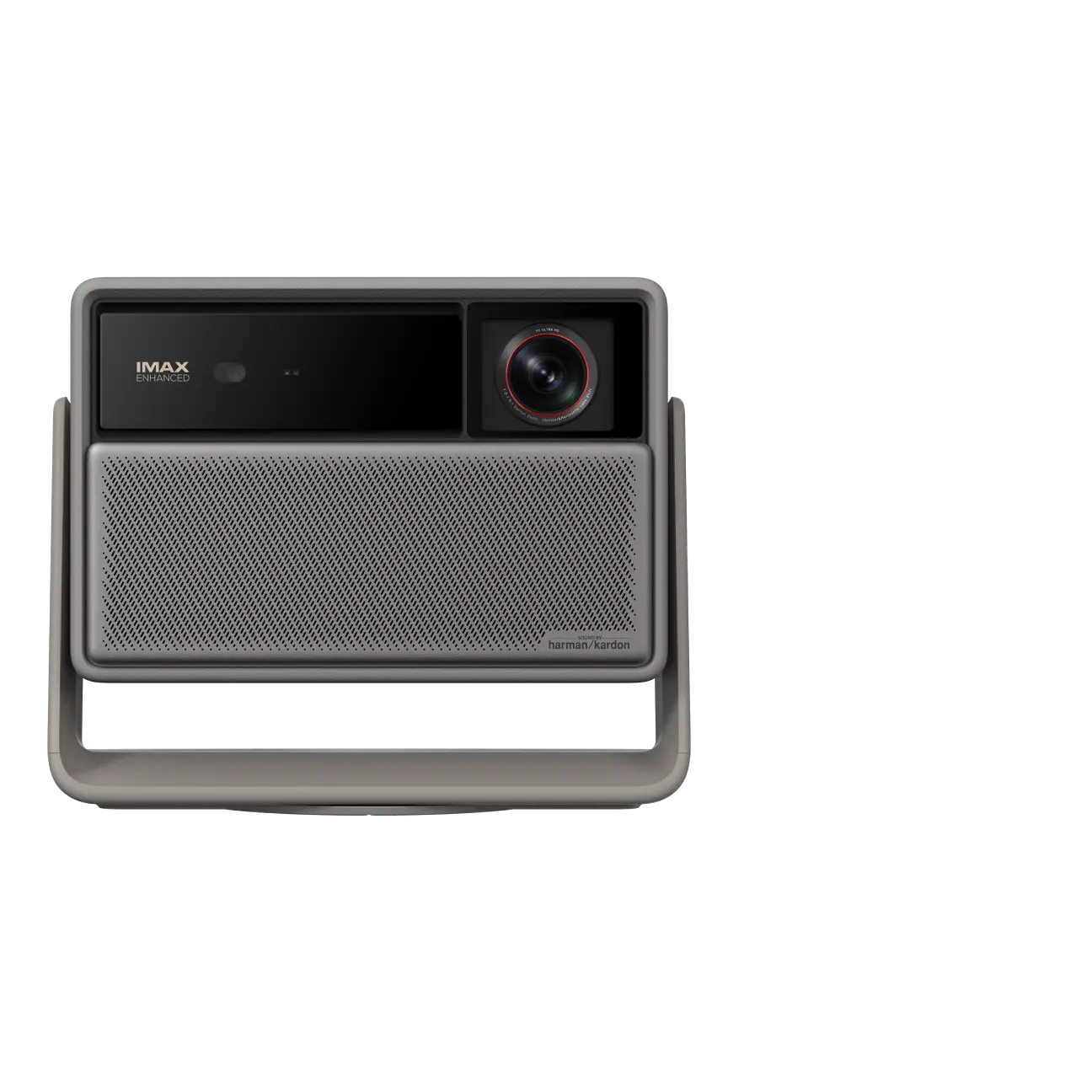
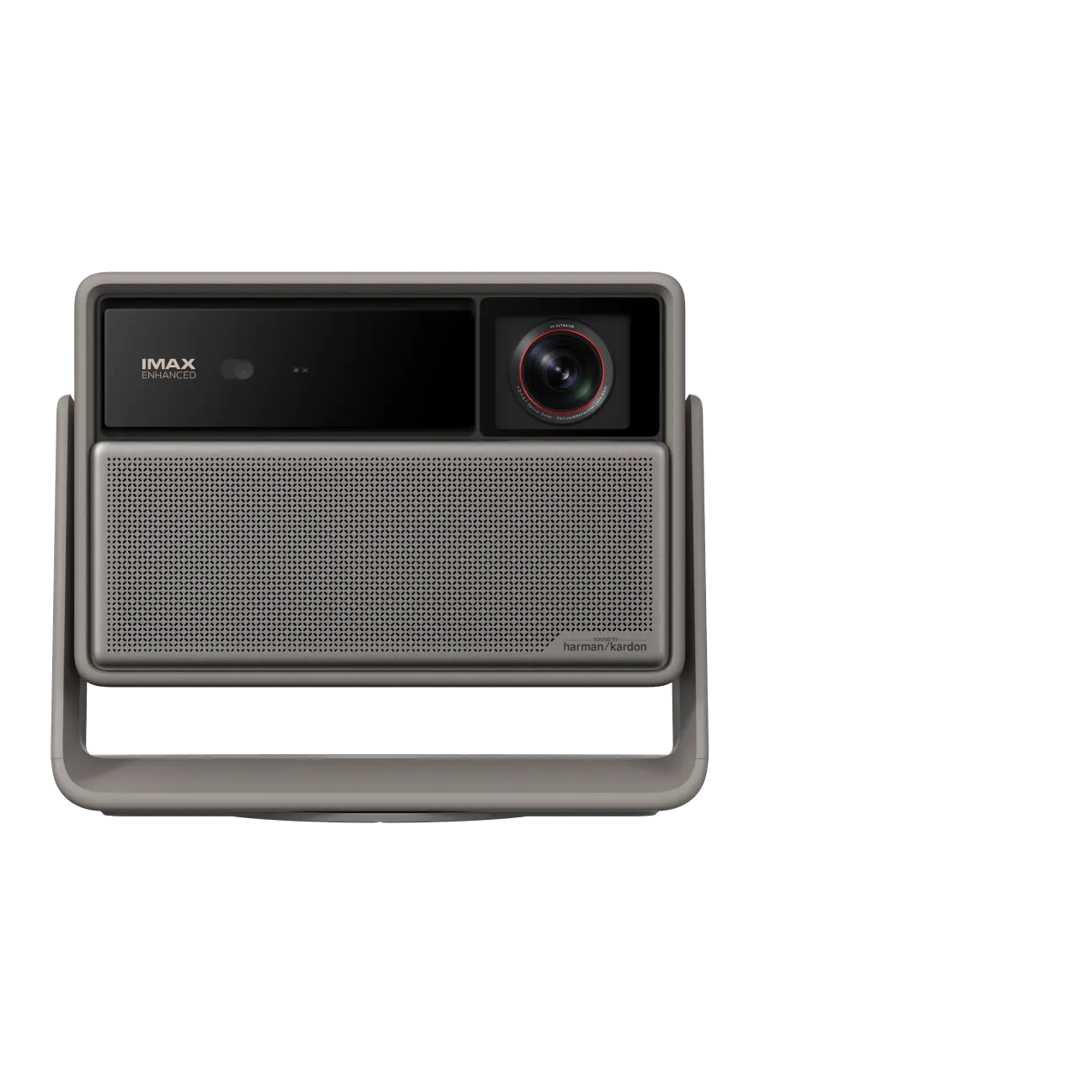
For more guidance on getting the most from your smart projector, see our guide to Casting Media Sources To Your XGIMI Projector. Those interested in current models with advanced wireless features may want to explore the HORIZON Ultra or the full range of 4K Projectors.


