



Smart Projector Auto-Correction Delivers Hassle-Free Setup in Most Living Rooms
Intelligent Screen Adaption (ISA) combines auto-keystone correction, autofocus, and intelligent obstacle avoidance to help smart projectors quickly produce a rectangular, sharp image even when placement is imperfect. For non-technical buyers and families who move their projector between rooms or share spaces, these features reduce the most common setup frustrations—though they work best when you start with reasonable positioning rather than expecting perfection from any angle.

What Is Intelligent Screen Adaption (ISA)?
ISA is XGIMI’s implementation of automated image adjustment technology designed specifically for home use. It bundles three core capabilities that address the primary pain points of traditional projectors: aligning a distorted image, achieving sharp focus, and working around objects that block the projection path. For more on this topic, see Why Is Netflix Not Working on My Projector or TV?.
At its foundation, auto-keystone correction digitally compensates for trapezoidal image distortion caused by off-axis placement, as explained in standard projector image position adjustment guides. When the projector is not perfectly perpendicular to the screen or wall, the projected rectangle becomes a trapezoid. ISA detects this and applies real-time digital correction to restore proper geometry.
This process works together with autofocus, which uses sensors to measure distance and adjust the lens so the image remains crisp without manual dialing. Intelligent obstacle avoidance adds a layer that detects items such as furniture, lamps, or people in the light path and attempts to shift or reshape the projection area to maintain usability.
Together these functions aim to deliver what many call “zero-friction immersion”—a projector you can place, power on, and start watching with minimal intervention. However, as with any digital correction, the technology has practical boundaries that depend on your room and usage habits.
How ISA Auto-Correction Actually Works Step by Step
When you turn on a compatible XGIMI smart projector, ISA typically activates in sequence:
-
Environment Scanning: Sensors and cameras map the room, detect the projection surface, and identify the current angle and distance.
-
Auto-Keystone Correction: The system calculates the degree of trapezoidal distortion and applies digital transformation. This is the same principle described in official configuration guides, where auto-keystone adjusts the image through software rather than physically moving the projector.
-
Autofocus Activation: Distance sensors refine the lens position until the image reaches maximum sharpness. This step usually happens simultaneously with keystone correction for speed.
-
Obstacle Avoidance: If the system detects significant objects in the projection path, it can crop or reposition the image area to avoid them, though the result depends on how much of the surface remains usable.
The entire process is designed to complete in seconds in typical home environments. Many smart projectors also keep manual horizontal and vertical correction options available in the settings menu, showing that ISA augments rather than completely replaces user control.
When ISA Delivers the Most Real Value
ISA shines in scenarios where repeated setup would otherwise become annoying. According to practical buying considerations, the technology provides the biggest convenience gains when you frequently reposition the projector, use it in shared living spaces, or lack technical confidence in manual adjustments.
Consider these common situations from the target scenes:
- Moving the projector between living room and bedroom for different nights
- Setting up quickly in an apartment without ceiling mounts
- Family movie nights where furniture or people occasionally cross the beam
- First-time buyers who want plug-and-play simplicity
In these cases, the combination of auto-keystone, autofocus, and obstacle avoidance can eliminate minutes of fiddling each time you use the device.
Heuristic Comparison: When ISA Auto-Correction Delivers More Value
Heuristic comparison of convenience value versus image quality tradeoff
View chart data
| Category | Convenience value | Image quality tradeoff risk |
|---|---|---|
| Frequent repositioning | 5.0 | 1.0 |
| Occasional repositioning | 3.0 | 2.0 |
| Fixed placement | 1.0 | 4.0 |
| Non-technical users | 5.0 | 2.0 |
| Technical users | 2.0 | 2.0 |
| Shared spaces | 5.0 | 3.0 |
| Apartments | 4.0 | 3.0 |
| Image quality priority | 1.0 | 5.0 |
Heuristic comparison based on scenario matrix and placement friction notes. High convenience value reflects repeated setup, non-technical use, and shared/compact spaces; higher image quality tradeoff risk reflects keystone-style digital correction that can reduce sharpness. This is illustrative, not measured data.
This heuristic chart illustrates that convenience value peaks in frequent-repositioning and shared-space scenarios, while image quality tradeoff risk rises when perfect sharpness is the top priority or placement is fixed. The numbers represent directional guidance only.

Important Limitations and Tradeoffs of Auto-Correction
While ISA makes setup dramatically easier, it is not magic. Keystone correction—auto or manual—addresses an optical geometry problem through digital processing. As noted in detailed projector analysis, this approach can reduce effective resolution and perceived sharpness compared with perfect physical alignment (CNET on keystone correction).
Key practical boundaries include:
- Image Quality Impact: Heavy keystone correction may soften fine detail. For the best results, still try to position the projector as squarely as possible even when using ISA.
- Room Dependency: Extremely angled placements, unusual wall textures, very dark rooms, or highly reflective surfaces can reduce accuracy.
- Obstacle Avoidance Constraints: The system may crop the image or fail to find an acceptable projection area if obstacles are too large or numerous.
- Not Fully Hands-Free: Most models retain manual adjustment options because real-world conditions sometimes require fine-tuning.
These tradeoffs explain why ISA is best viewed as a powerful convenience tool rather than a complete replacement for careful setup.
Common Myths About Smart Projector Auto-Correction
Several misconceptions circulate about features like ISA:
-
Myth: You can place the projector anywhere and still get a perfect image. Reality: Auto-keystone helps, but digital correction cannot fully compensate for extreme angles without some quality loss.
-
Myth: Autofocus guarantees the picture will always stay perfectly sharp. Reality: It performs well for initial setup and most movements, yet vibration, heat, or unusual surfaces may still require occasional touch-up.
-
Myth: Intelligent obstacle avoidance works with any object in any room. Reality: The feature is helpful but limited; it may result in a smaller usable image area rather than magically working around every obstacle.
-
Myth: ISA makes projectors completely hands-free in every environment. Reality: The technology significantly reduces friction but still performs best within reasonable room conditions and initial placement guidelines.
How to Choose and Check ISA Performance in Your Space
Before purchasing, run this practical checklist:
-
Assess Your Setup Frequency — Will you move the projector often? If yes, ISA value increases.
-
Evaluate Room Geometry — Measure your typical throw distance and angle. Use manufacturer throw ratio guidance to ensure the projector can reach your desired screen size without extreme correction.
-
Test Image Quality Priority — If you watch critically and notice every detail, prioritize models that allow minimal keystone use.
-
Consider Shared Use — In family or apartment settings with variable furniture placement, obstacle avoidance adds meaningful convenience.
-
Check Compatibility — Confirm the model supports your preferred screen type (wall, fixed screen, or ALR screen) and lighting conditions.
-
Review Real-World Reports — Look for user feedback on how quickly and reliably the auto features work after the projector has been moved multiple times.
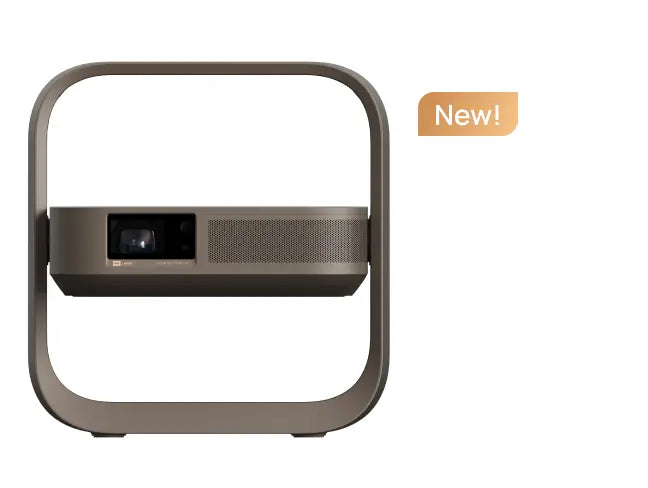
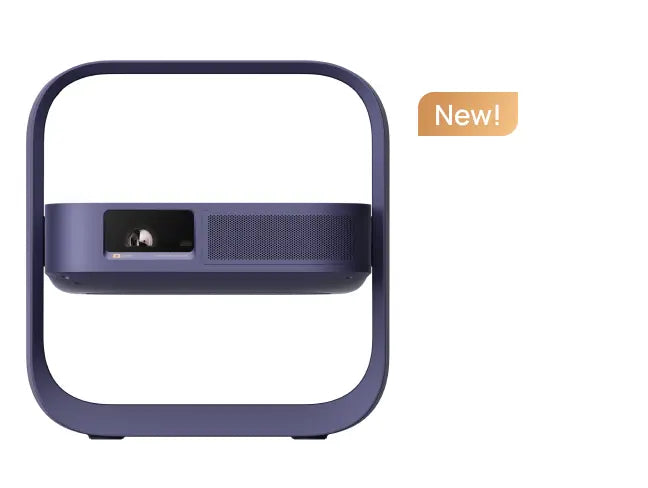
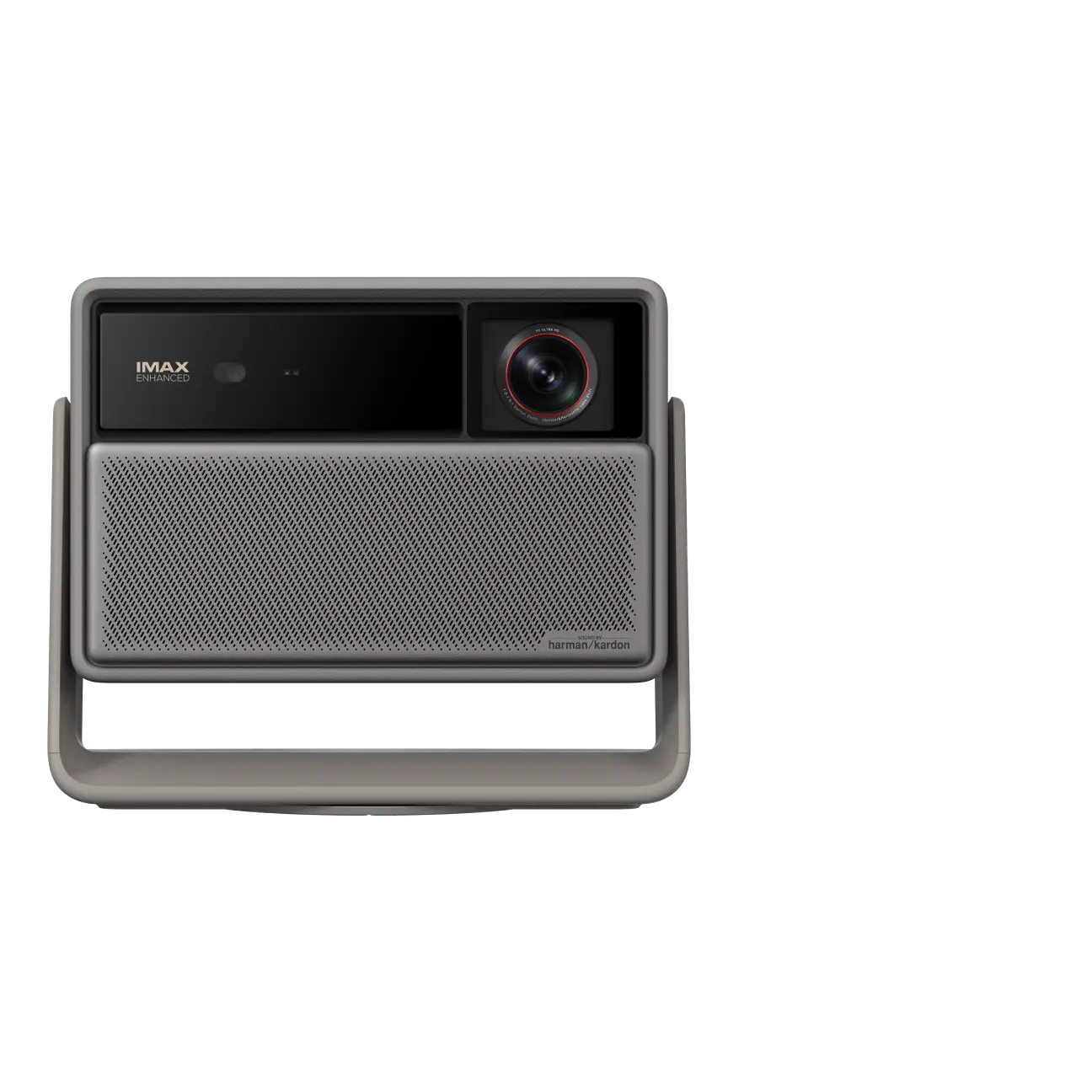
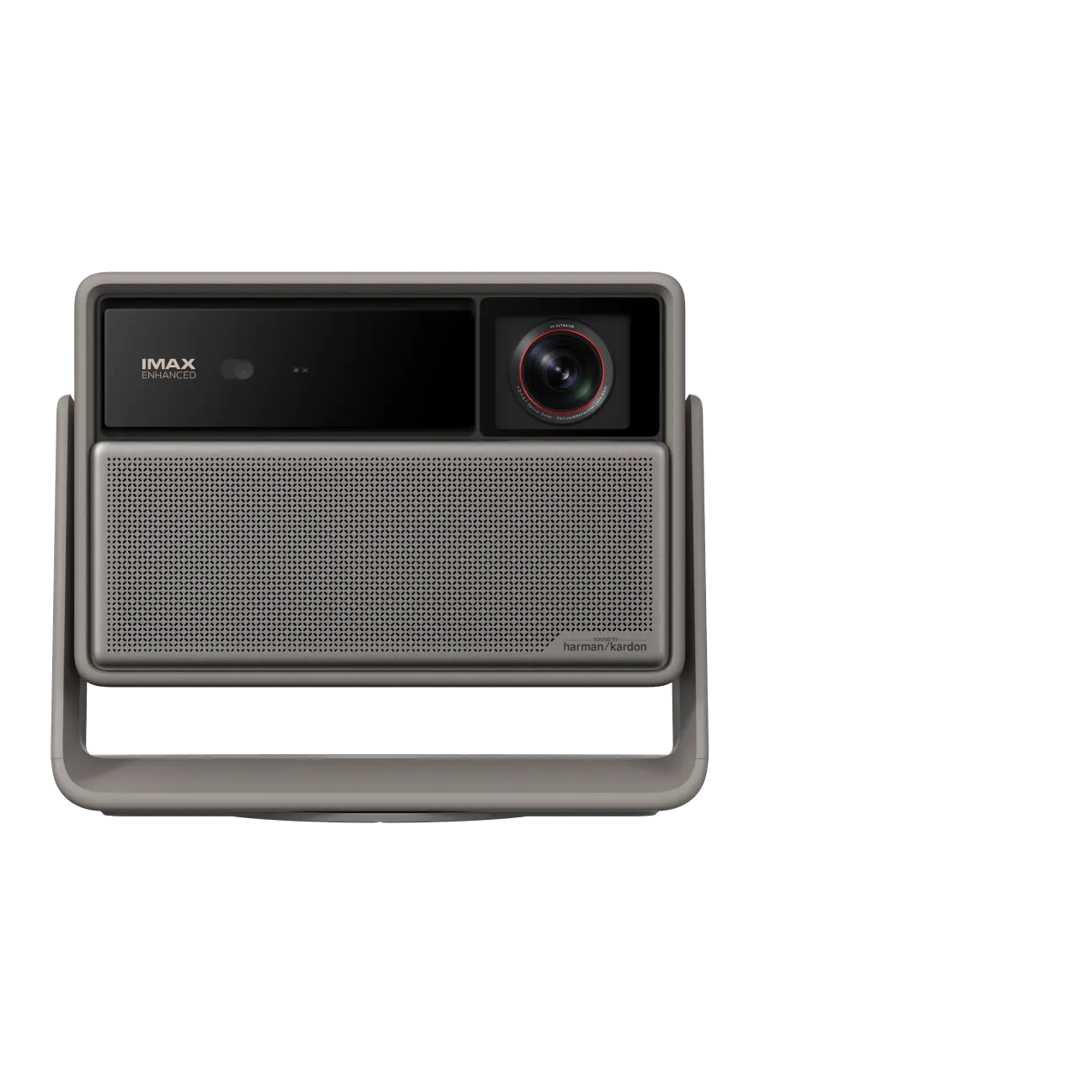
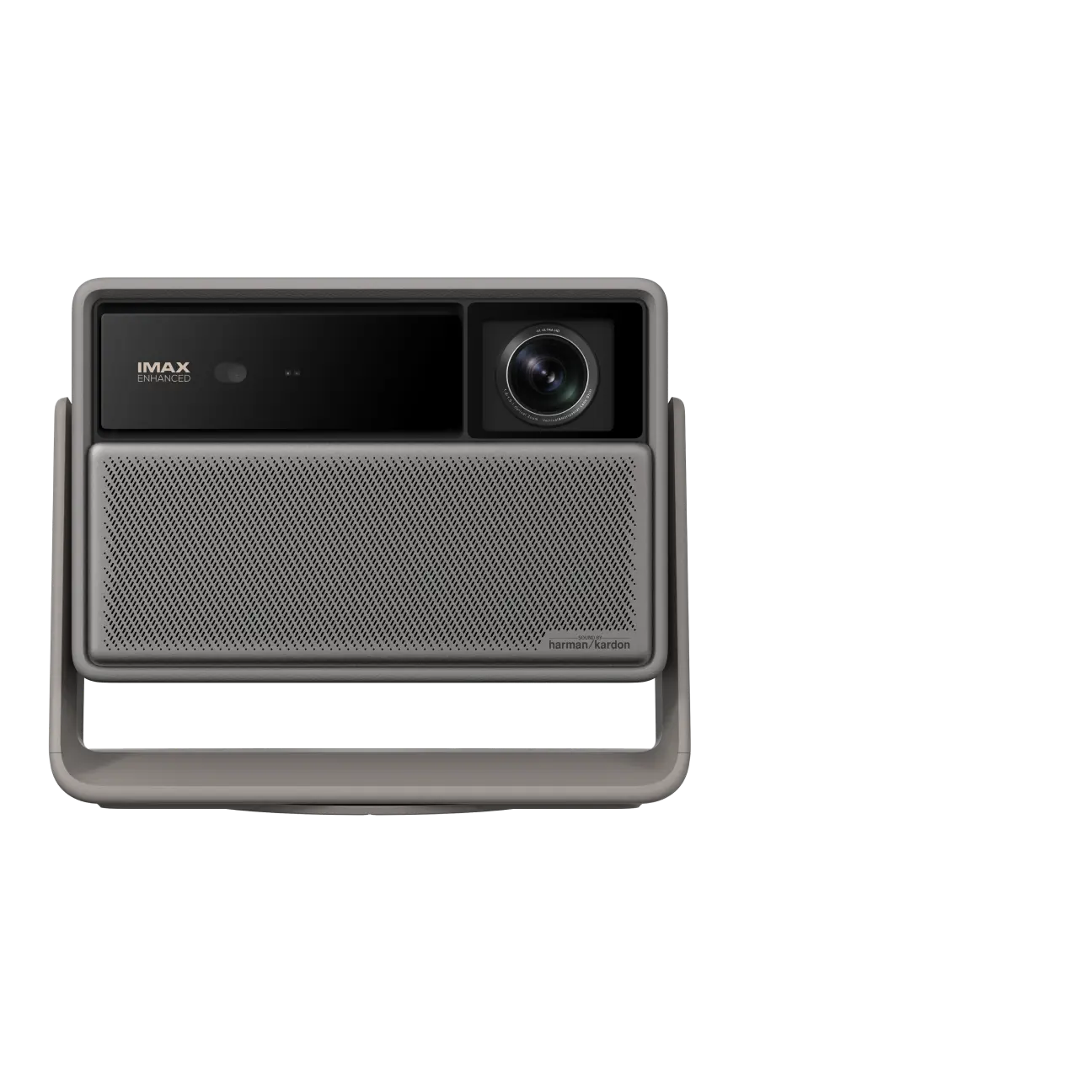
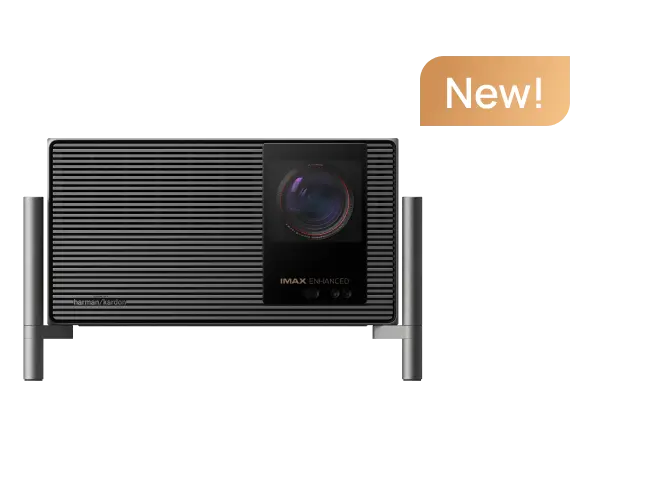
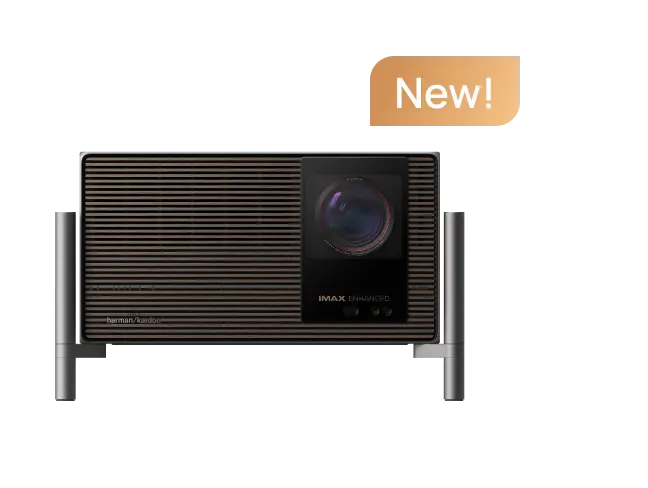
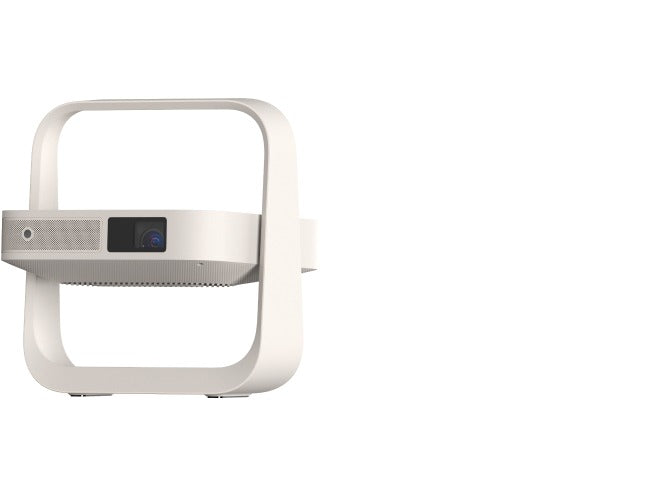
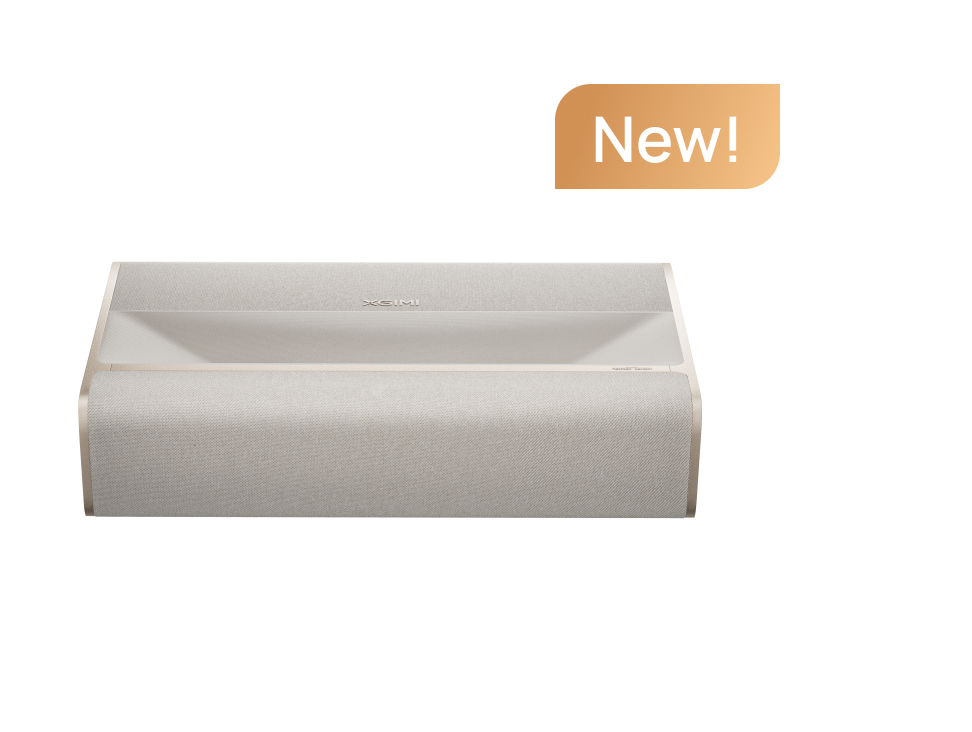
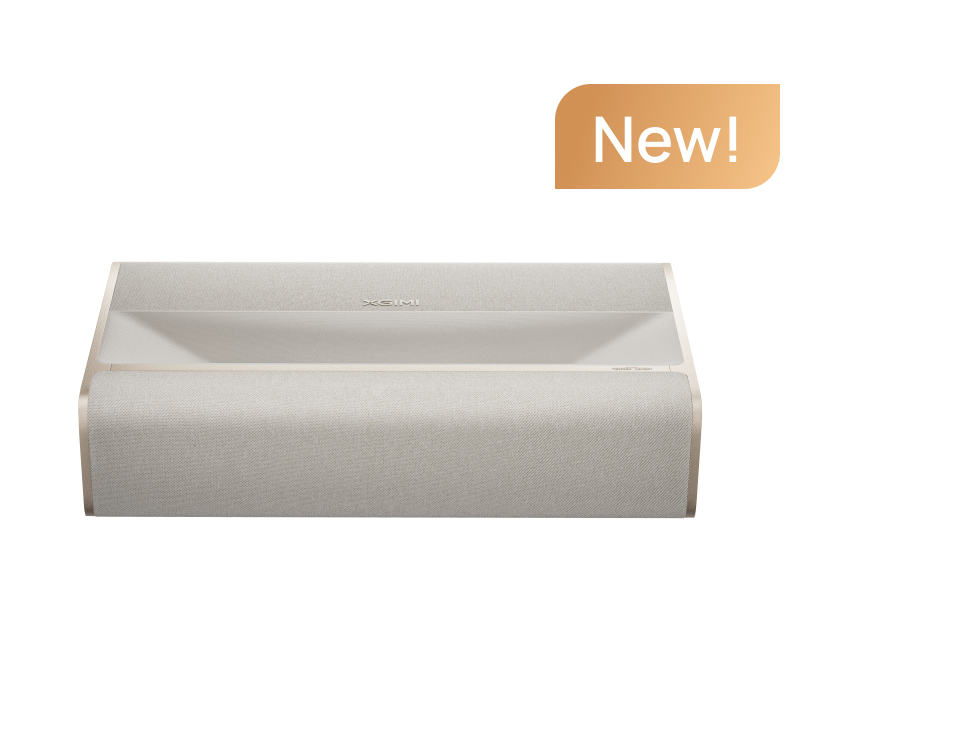
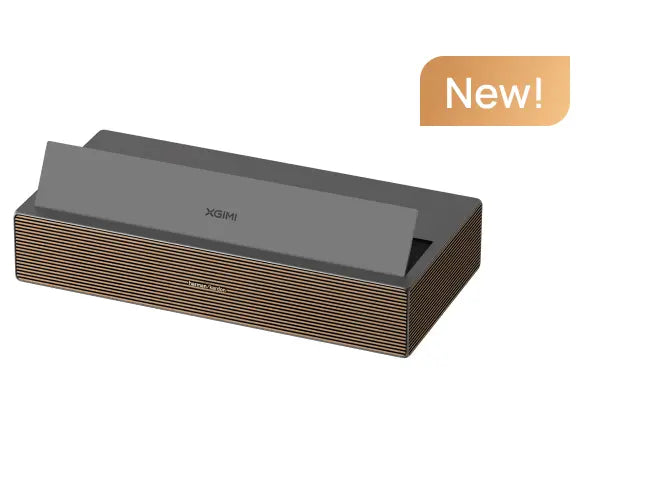
For most premium home theater shoppers, models featuring the latest ISA versions strike a strong balance. Popular options include the HORIZON S Max and HORIZON S Pro, both equipped with advanced ISA for fast calibration.
You can learn more about matching projectors to your room in our guide on how to choose a home projector for your space.
Final Takeaway: ISA Simplifies Setup Without Eliminating All Planning
Smart projector auto-correction through ISA technology meaningfully reduces the hassle of keystone correction, focusing, and obstacle management for everyday home use. It delivers the most noticeable benefit in dynamic living spaces where the projector gets moved regularly or used by multiple people.
That said, the best image quality still comes from reasonable initial placement combined with these smart features. ISA excels at removing repeated friction rather than making every possible position perfect. For non-technical users and busy households, this convenience often justifies the premium, provided you understand the practical limits around image sharpness and room conditions.
This article provides general guidance on auto-correction technology and setup convenience. It is not a substitute for your specific model’s user manual or professional installation advice. If you experience persistent setup issues, consult the manufacturer’s support resources or a qualified AV specialist.
For additional reading on selecting the right projector, explore our ultimate guide for beginners or browse the full home projector collection.


