
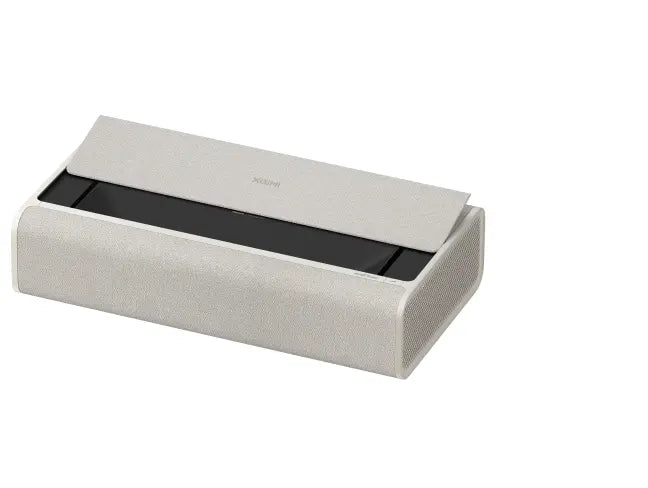
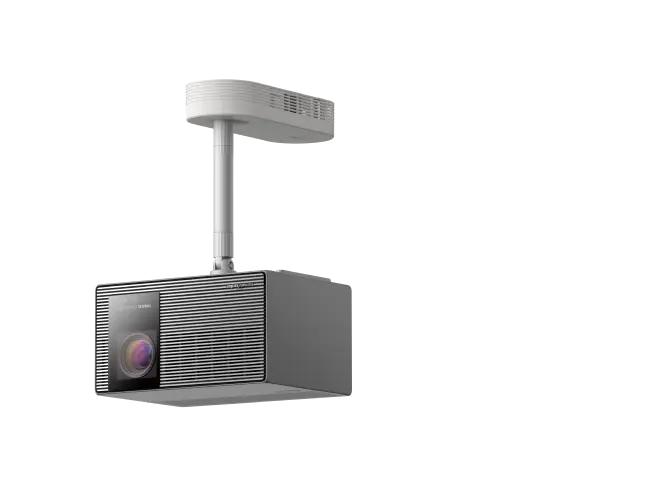



Open-concept living rooms often force compromises between everyday traffic flow and a great home theater experience. For ultra-short-throw (UST) projectors, the best viewing angles come from treating the room as a shared multi-zone space rather than a dedicated theater. The key is aligning the main seating with the screen center, keeping side seats within roughly 25–35 degrees off-axis, and maintaining seating distances of about 8–12.5 feet from a 100-inch image so the view feels immersive without causing neck strain or forcing awkward head turns. For more on this topic, see Projector Throw Ratio Explained: Standard vs. Short Throw vs. Ultra.... For more on this topic, see How to Choose the Right Furniture Height for Your Ultra-Short Throw....

This approach lets families enjoy movies while preserving walkways to the kitchen or dining area. It also minimizes common UST issues such as geometric distortion from imperfect alignment or brightness and color shifts for viewers seated far to the side. With careful planning, an open-concept layout can deliver a comfortable, distortion-free picture for the whole household.
Why Viewing Angles Matter More in Open-Concept Rooms
Unlike traditional theaters with fixed tiered seating, open-concept living rooms combine living, dining, and sometimes kitchen zones. This creates wide seating spreads, frequent pathways, and the need for furniture that serves multiple purposes. A UST projector, which sits just inches from the wall, ties the screen location tightly to the projector cabinet position. Any misalignment or off-center seating can quickly introduce visible problems.
The core principle is to use a viewing-angle framework rather than a single seat-to-screen distance. Standards organizations such as SMPTE and THX have long recommended planning around the field of view the screen subtends for the viewer. In practice, this means choosing where to place the sofa first, then confirming the UST projector and screen can be positioned without blocking movement or creating extreme side angles.
Off-axis viewers often notice reduced brightness, color shifts, or uneven uniformity depending on the screen material. High-gain or directional ambient-light-rejecting (ALR) screens can narrow the usable viewing cone, while more neutral surfaces tend to tolerate moderate side seating better. For this reason, screen choice matters as much as projector placement in open rooms.
Recommended Seating Distances for a 100-Inch Screen
A 100-inch image is popular for UST setups because it balances impact and room fit. However, there is no single perfect distance. Treat seating as a planning range that depends on how immersive you want the experience and how the room is used.
For most mixed-use open-concept living rooms, aim for 8 to 12.5 feet from the screen. This range typically delivers a horizontal field of view of roughly 25–40 degrees, which many viewers find comfortable for both movies and casual TV. Closer to 7.5–10 feet increases immersion for those who prefer a more cinematic feel, while distances beyond 13–14 feet can make the 100-inch upgrade feel less worthwhile.
Sitting closer than about 7 feet often forces excessive head and eye movement, especially when the screen occupies a large part of the visual field. In open rooms, this can also make the projector cabinet feel intrusive. The following chart illustrates these heuristic ranges.
100-inch Screen Seating Distance Guide
Illustrative planning ranges, not official measurements
View chart data
| Category | Approx. FOV (deg) | Comfort zone lower bound | Comfort zone upper bound |
|---|---|---|---|
| 7 ft | 43.0 | 0.0 | 0.0 |
| 7.5 ft | 40.0 | 0.0 | 0.0 |
| 8 ft | 38.0 | 25.0 | 40.0 |
| 10 ft | 31.0 | 25.0 | 40.0 |
| 12.5 ft | 25.0 | 25.0 | 40.0 |
| 13.5 ft | 24.0 | 0.0 | 0.0 |
| 14 ft | 23.0 | 0.0 | 0.0 |
Illustrative planning chart based on supplied heuristic thresholds for a 100-inch screen (approx. 87-inch width). Distances are shown against approximate field-of-view bands derived from the provided range guidance; THX/SMPTE are background heuristics only.
These values are conservative heuristics drawn from general viewing-geometry guidance. Actual comfort varies with content type, viewer height, and how much of the room the screen occupies visually.
UST Projector Placement and Alignment Rules
UST projectors must sit on a stable, level surface very close to the wall—typically 8–20 inches away depending on the model. Any tilt, height mismatch, or uneven floor introduces keystone distortion or trapezoidal geometry that is hard to correct fully. Place the projector on a low media console or dedicated cabinet that matches the required throw height for your screen size.
Keep the projection surface flat and perpendicular to the main viewing axis. Many experts recommend pairing UST models with a compatible ALR screen to control ambient light and improve contrast. As this XGIMI UST projector furniture and room layout guide explains, cabinet height, screen placement, and seating all need to work together for a clean 100-inch setup.
Avoid positioning the projector where it can be bumped or where cables create trip hazards in high-traffic open-concept areas.

Managing Off-Axis Viewing and Side Seats
In open-concept rooms, not everyone can sit directly in front of the screen. Moderate off-axis seating (up to about 25–30 degrees) is usually acceptable on forgiving screen materials. Beyond that, viewers may notice brightness drop, color shifts, or reduced uniformity.
The solution is often a combination of screen choice and layout. An ALR screen designed for UST can help maintain contrast from wider angles, but very directional models may actually worsen side-seat performance. Test your seating spread before finalizing furniture placement. If side seats are primary positions, prioritize a screen with a wider viewing cone or accept that the best image quality will be reserved for the center.
Room Layout Scenarios and Decision Framework
The best layout depends heavily on how your open-concept space is used. Here are common scenarios where recommendations shift:
-
Family room with one main sofa facing the screen: This offers the highest chance of success. Center the sofa on the projection axis, treat side positions as secondary, and focus on protecting the main viewing triangle.
-
Wide room with seating spread across the width: Side seats become more important. Choose a screen material that tolerates wider angles and consider slightly increasing the distance to reduce the perceived off-axis effect.
-
High-traffic path between kitchen, dining, and living zones: Circulation takes priority. Keep the projector and screen clear of walkways even if it means a less-than-ideal viewing angle for some seats.
-
Narrow room or pathway-adjacent setup: Off-axis issues are harder to avoid. Center the primary seating carefully and minimize secondary positions that force extreme angles.
-
Solo or couple viewing: Easier to optimize. Align one ideal seat perfectly and worry less about peripheral coverage.
Use this quick self-check before rearranging furniture:
- Can the main sofa face the screen head-on without blocking pathways?
- Are side seats primary or occasional overflow?
- Does the chosen screen material support the expected seating spread?
- Is the UST projector on a stable, level surface at the correct height?
If you answer “no” to more than one, the room may need adjustments or a different screen to deliver consistent quality.
Practical Checklist for Planning Your Layout
Before buying furniture or mounting a screen, run through these checkpoints:
- Measure the intended screen wall and confirm at least 100–120 inches of clear width for a 100-inch image plus border.
- Mark the projector cabinet position first, then determine the exact screen height needed for proper geometry.
- Place the main sofa so the center seat lands 8–12 feet from the screen.
- Ensure at least 3–4 feet of clear walkway behind and beside the primary seating.
- Test potential side-seat angles by sitting in proposed positions with a laser measure or string to estimate the off-axis degree.
- Consider lighting: position the screen away from windows that would cause direct glare during daytime viewing.
This checklist translates abstract angle concepts into concrete actions you can perform while planning your space.
Health and Comfort Boundaries
This article discusses comfort and setup guidance for projectors in open living rooms. It does not constitute medical advice, diagnosis, or treatment. Prolonged screen viewing can contribute to eye strain or neck discomfort regardless of technology. If you experience persistent eye fatigue, headaches, or discomfort, consult a qualified eye-care professional. Comfort depends heavily on individual factors, room lighting, content brightness, and personal viewing habits.
Final Thoughts on Creating a Projector-Friendly Open-Concept Space
A well-planned UST projector setup can transform an open-concept living room into a flexible entertainment area without sacrificing daily livability. Focus on preserving one strong center viewing position, staying within comfortable distance ranges, and choosing a screen that supports your actual seating spread. By prioritizing traffic flow alongside image quality, you can create a layout that works for movies, sports, and everyday life.
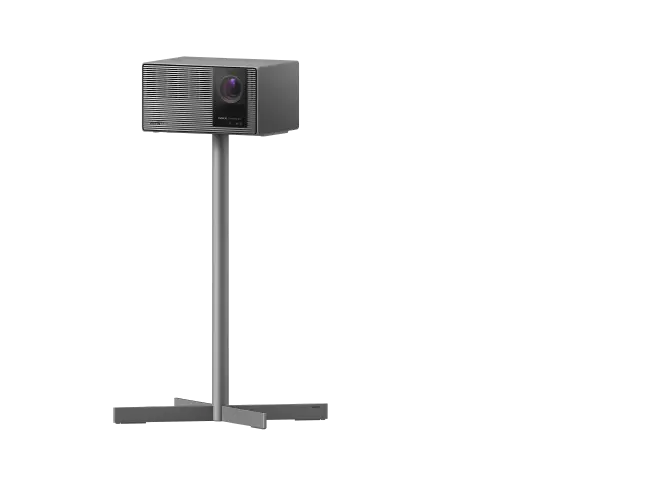
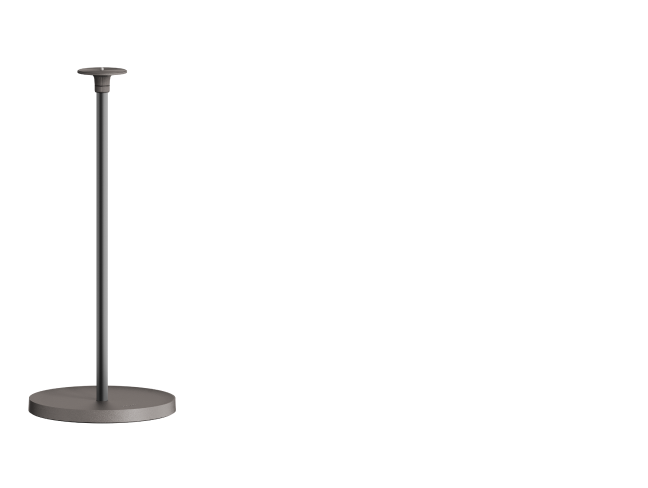
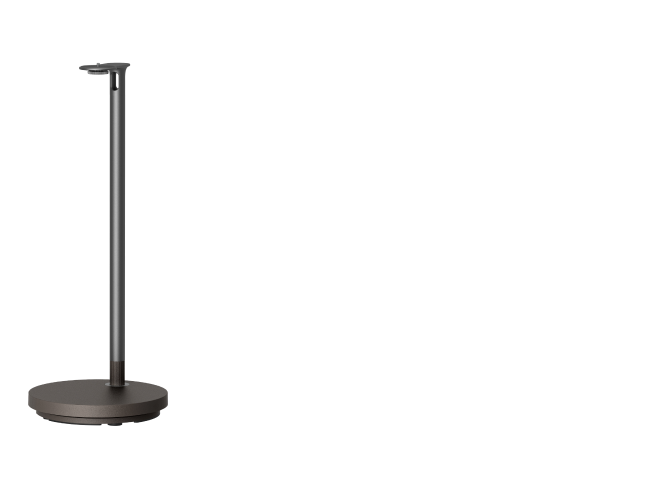
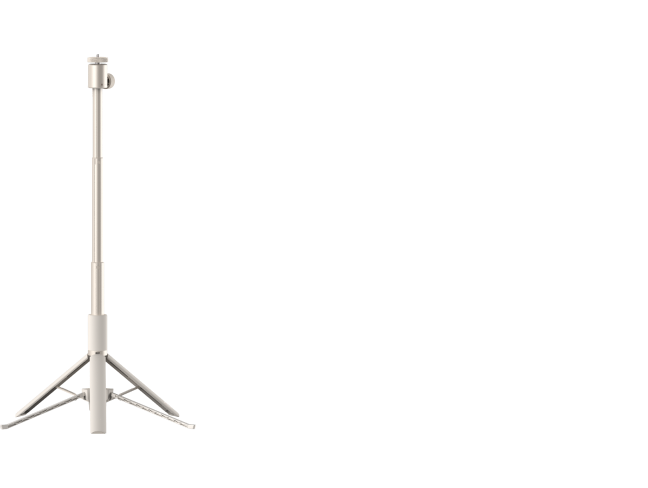
Explore more practical advice in our UST Projector Furniture and Room Layout Guide 2026 or the broader guide to choosing a projector for your living room. For flexible placement options, consider XGIMI floor stands that let you fine-tune positioning as your room evolves.
The right combination of projector, screen, and thoughtful seating turns viewing-angle challenges into a genuinely enjoyable shared experience.


