



Understanding the Core Tradeoffs Between Projectors and TVs
The shift from TV to projector centers on image size versus everyday convenience. A projector can deliver a 100-inch or larger display from a compact device, creating a more cinematic feel in the living room. Yet traditional TVs offer instant-on performance with consistent brightness regardless of room lighting.
In brighter rooms, projectors need substantially more brightness, and ambient light can reduce perceived image quality. As this official introduction to display factors explains, visibility in ambient light depends heavily on room light level. Higher-lumen projectors are generally the safer choice for bright living rooms.
As a rule of thumb, higher-lumen projectors are better suited to rooms with ambient light, while lower-lumen models work best in darker spaces, according to educational material on display technologies.
Brightness Requirements for Daylight and Mixed-Light Viewing
Daylight visibility remains one of the biggest hurdles for projector-as-TV setups. Most living rooms receive some ambient light during the day, which washes out the projected image unless the projector is bright enough or the room can be controlled with curtains.
Higher-lumen models (typically 2000 ISO lumens or more) perform noticeably better in mixed light. For bright living rooms, higher-lumen projectors are generally the safer choice. Pairing the projector with an ambient-light-rejecting (ALR) screen further improves contrast and color in daylight conditions.
Heuristic Brightness Thresholds for Living-Room Projector Use
Illustrative threshold guide only: higher ambient light pushes the minimum brightness upward, while darkened conditions lower the requirement.
View chart data
| Category | Min brightness (ISO lumens, heuristic) |
|---|---|
| Bright living room | 3000.0 |
| Mixed daylight living room | 2500.0 |
| Evening use | 1800.0 |
| Controlled open-plan | 2200.0 |
| Darkened room | 1200.0 |
Heuristic guidance derived from the provided evidence: ~2000 lumens is a rough visibility guide for ambient light; brighter rooms generally need more lumens or light control; ambient light reduces image quality; UST placement can help in living-room setups. Values are illustrative, not official measurements.
How to Use These Reference Thresholds
This chart provides heuristic thresholds only. Actual performance is not a fixed number but a result of three variables:
- Screen Type: Using an ALR screen can make a 2000-lumen projector look better in daylight than a 3000-lumen model on a plain white wall.
- Target Size: A 120-inch image spreads light thinner than an 80-inch image; larger screens require higher brightness to maintain "TV-like" punch.
- Light Control: If you cannot use blackout curtains, prioritize the highest lumen count your budget allows.
Decision Logic: If your primary viewing is during the day in a room with windows, you should prioritize a high-lumen model (2500+ ISO lumens) paired with an ALR screen. For guidance on choosing brightness, see our article on Choosing the Best Brightness For Your Projector.

How Ultra-Short-Throw Projectors Improve Living Room Placement
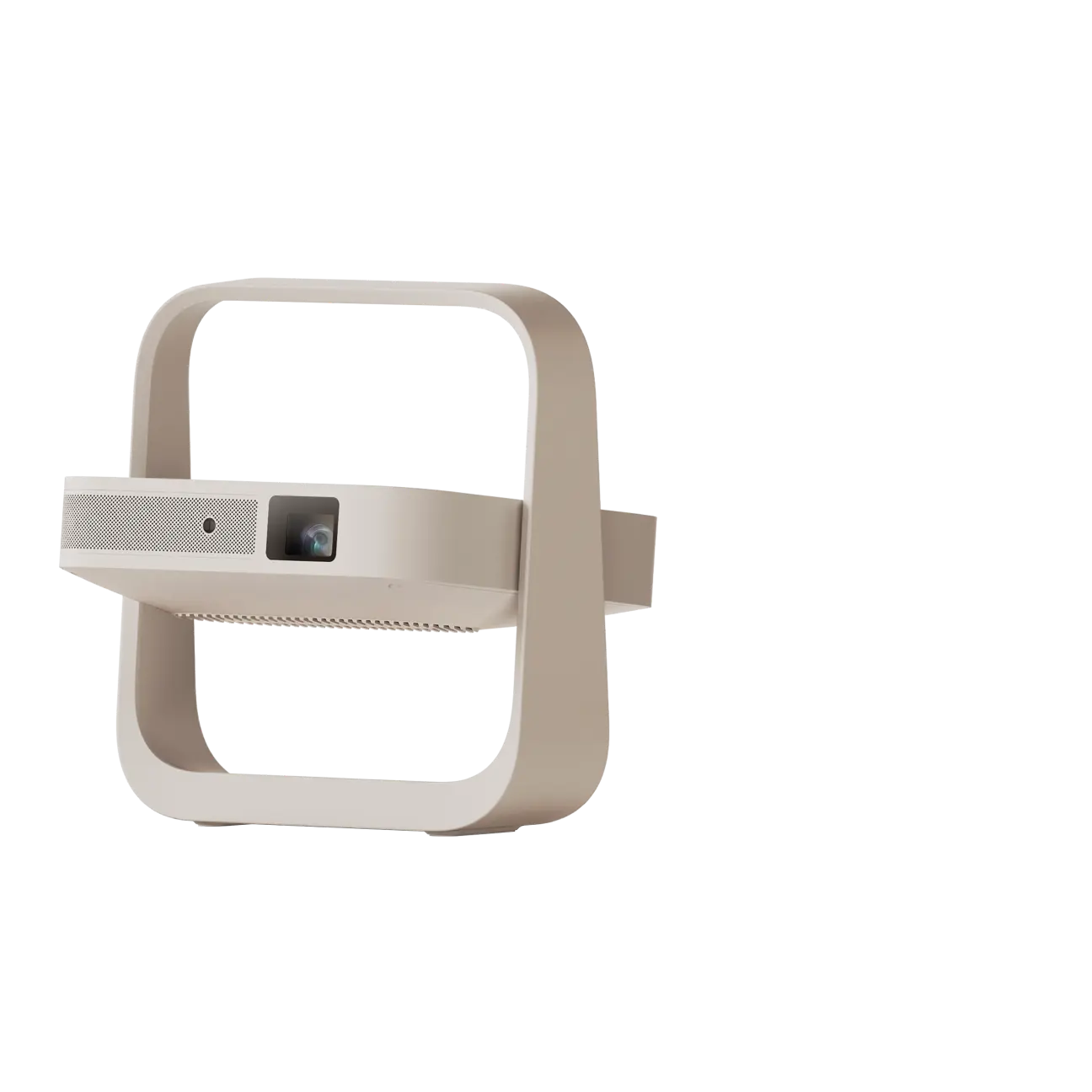
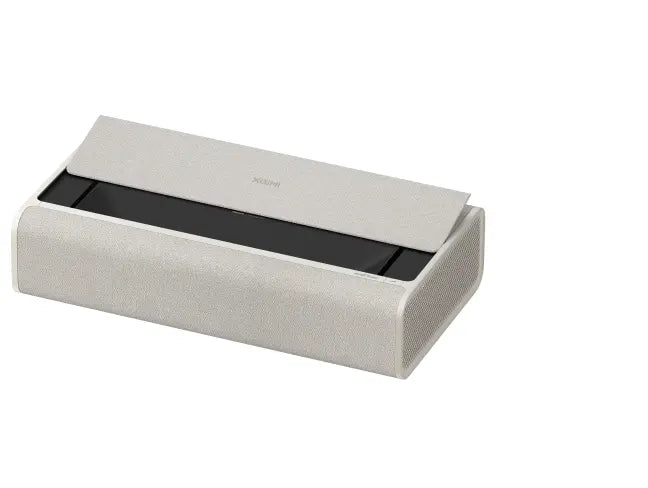
Ultra-short-throw (UST) projectors can sit on a console or low surface close to the wall, which makes them feel closer to a TV-style setup. This eliminates the need for ceiling mounts or long throw distances that traditional projectors often require.
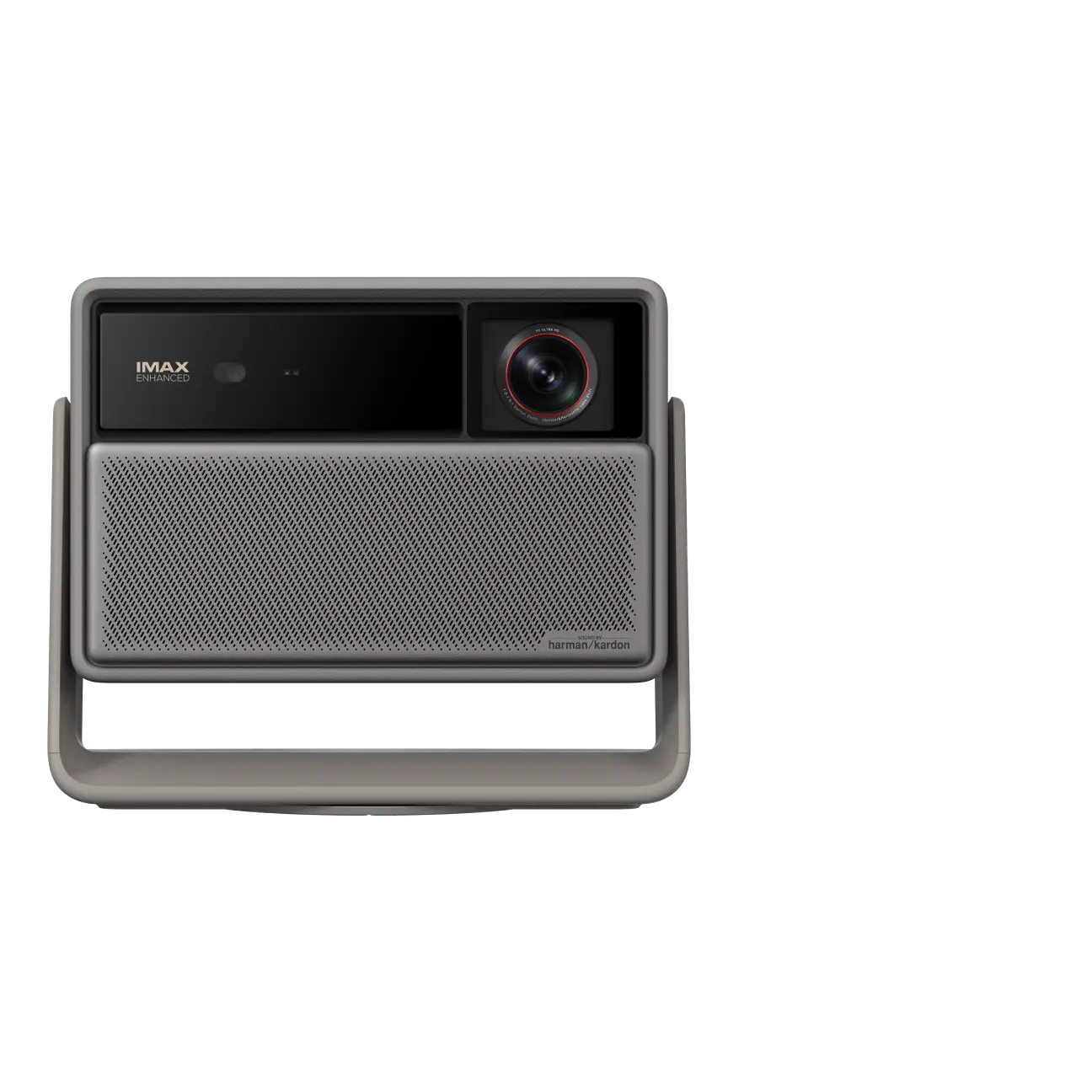
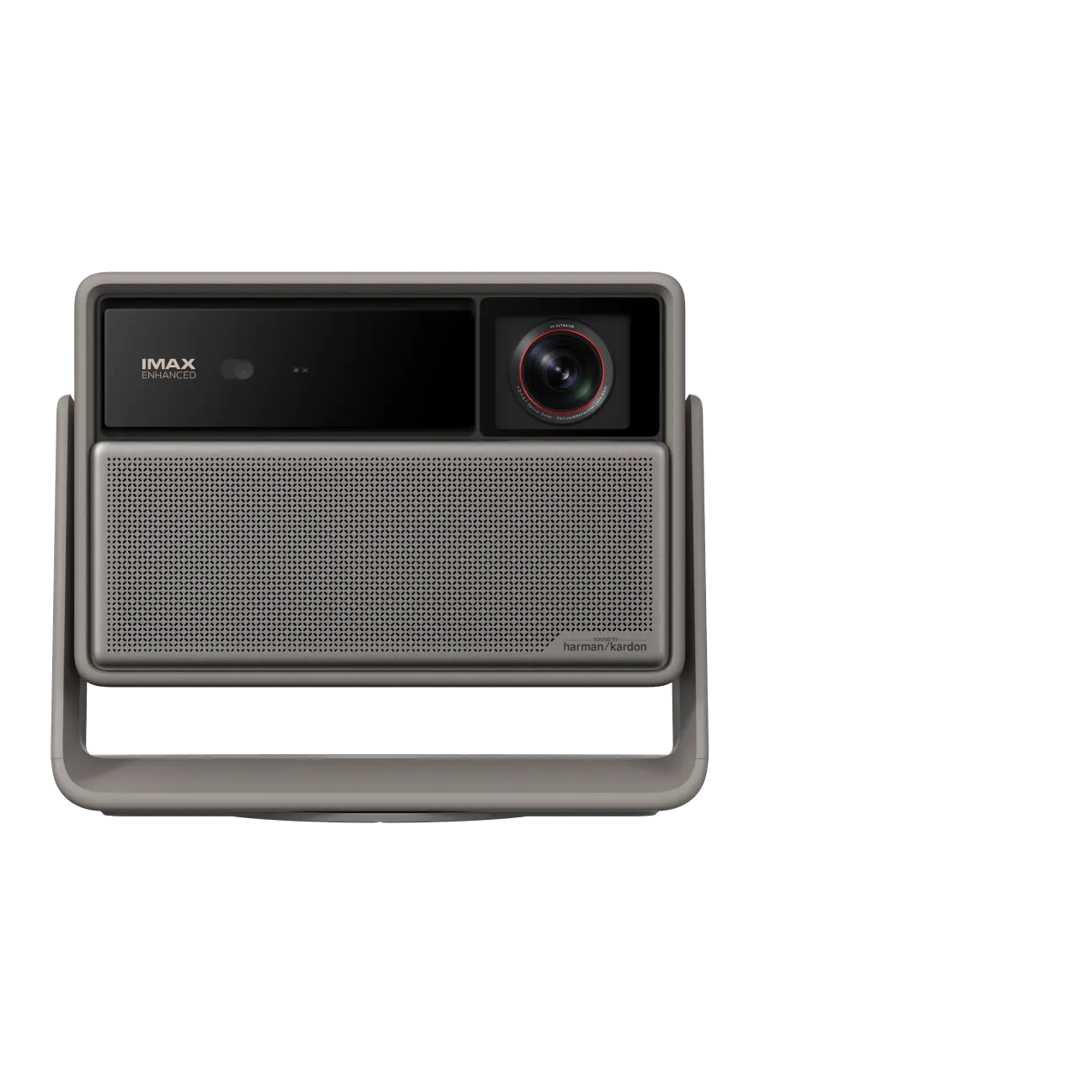
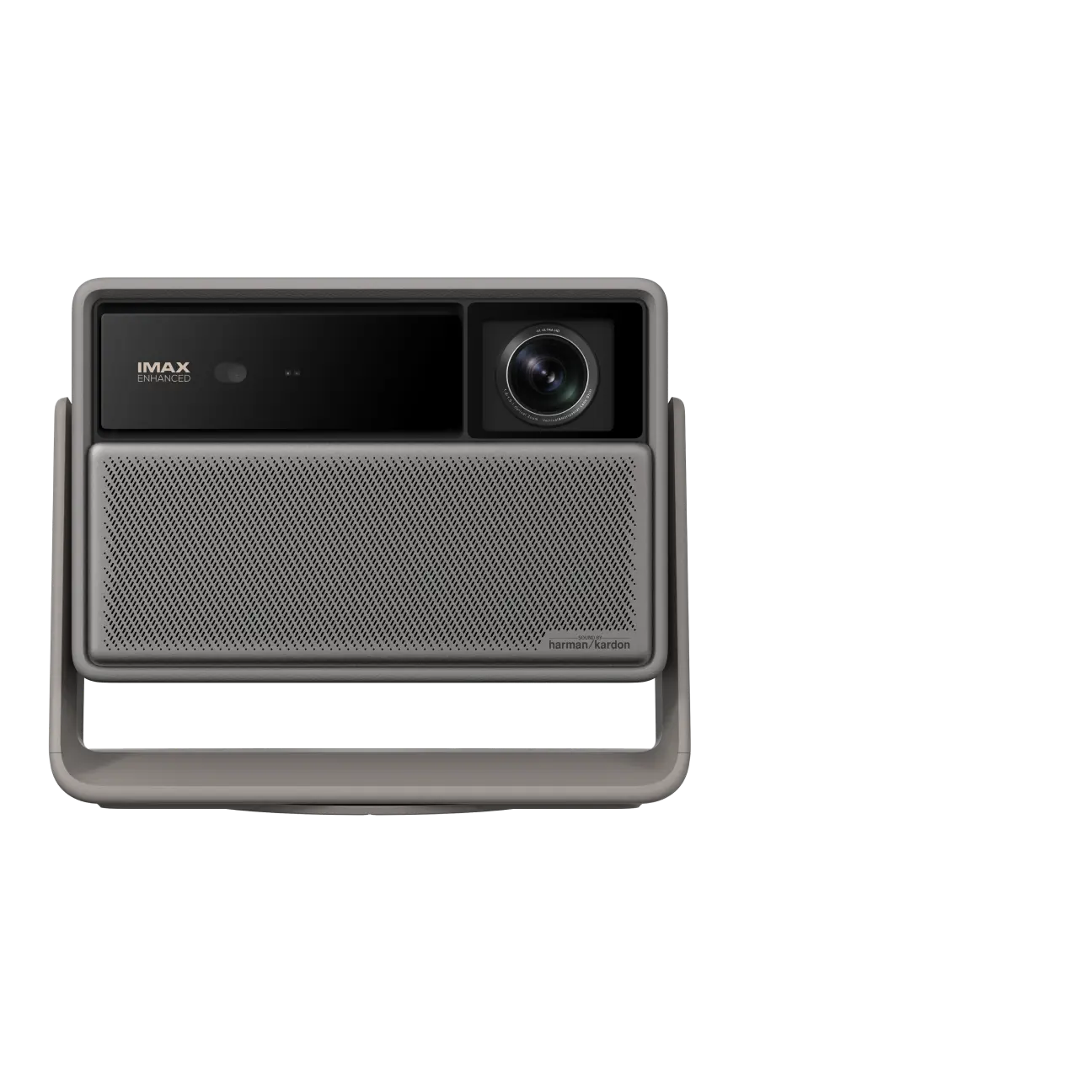
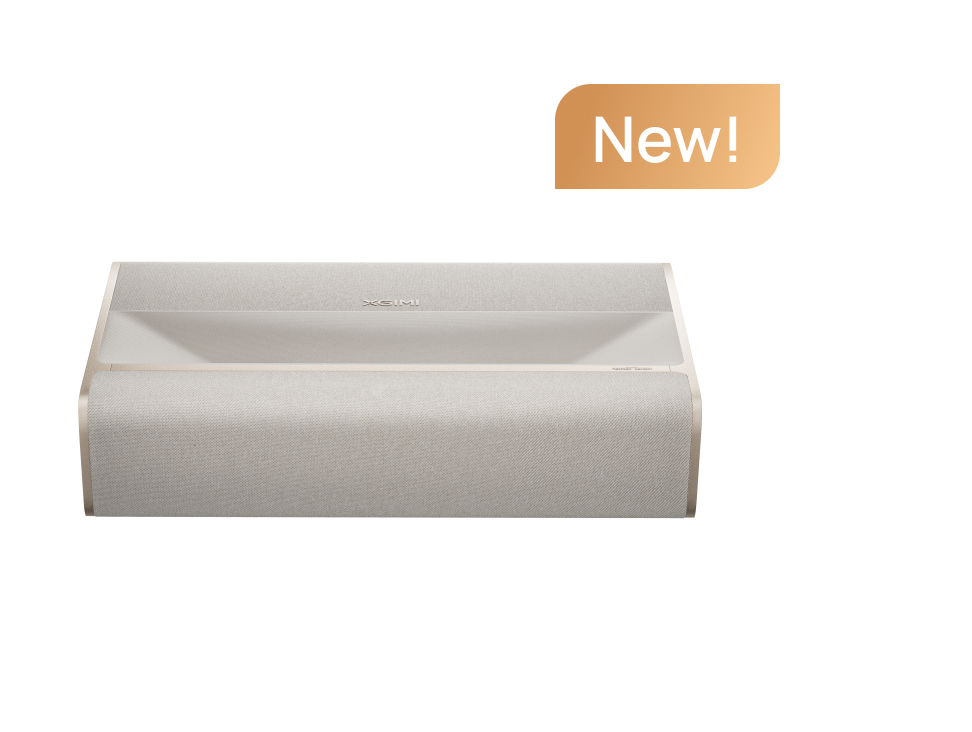
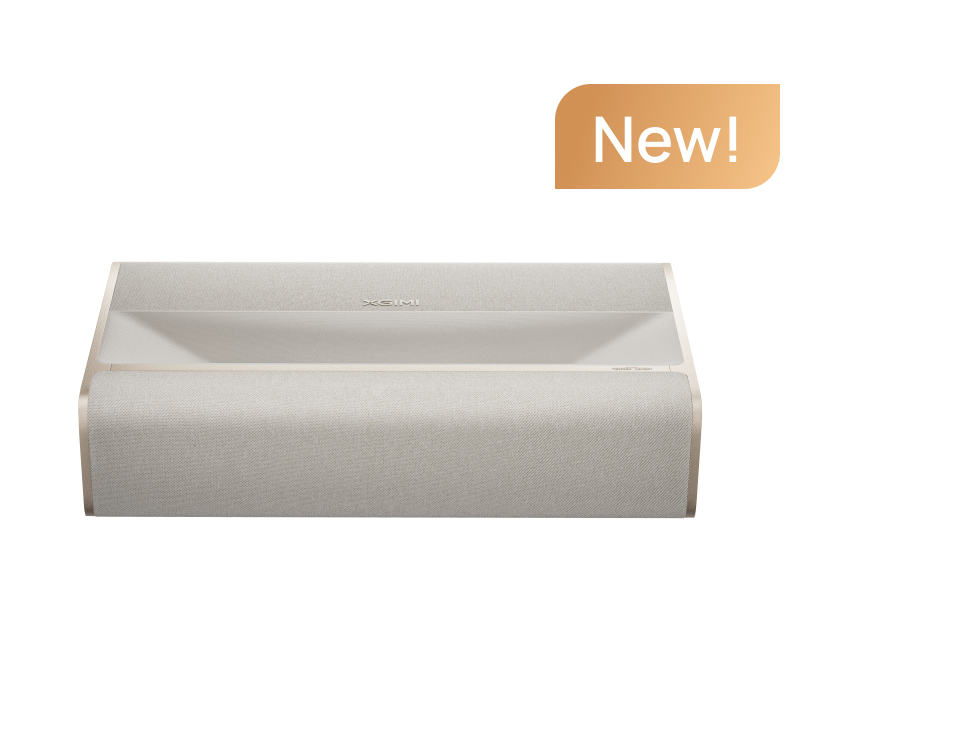
As this consumer guide on TV projector pros and cons notes, ultra-short-throw projectors can be placed very close to the wall or screen, making them more TV-like in living-room placement. Models like the XGIMI AURA 2 deliver 2300 ISO lumens and a 100-inch image from just inches away, supporting clean, minimalist installations.
However, experience shows that projector setup still depends on precise throw distance, room layout, and screen alignment. Placement is rarely as "plug-and-play" as a TV, so measure your console height and wall space carefully before purchasing.
Setup Complexity, Calibration, and Screen Choice
Setting up a projector as a daily TV replacement involves more steps than plugging in a television. You must consider screen type, focus, keystone correction, and often audio integration.
In mixed-light living rooms, screen choice and reflected light matter more than they do in a dark home-theater setup. An ALR screen significantly improves contrast in ambient light but adds to the total cost. XGIMI offers a dedicated 100" UST ALR Screen designed specifically for ultra-short-throw models.
Calibration improves picture quality dramatically. Our guide on How to Calibrate Your Projector for Better Picture Quality walks through essential settings without professional tools.
Image Quality for Streaming, Sports, Gaming, and Family Use
Modern smart projectors with Google TV, 4K resolution, Dolby Vision, and low input lag handle streaming and sports well. For gaming, while many models offer dedicated "Game Modes" with low latency, competitive players should check specific millisecond ratings to ensure they meet their performance standards. For more on this topic, see Built-In Streaming: Why Your Next Projector Needs a Native Smart OS.
Built-in Harman Kardon speakers on many XGIMI models provide a solid, integrated audio solution that is typically sufficient for smaller rooms or apartments. However, in larger open-plan living areas, the experience usually benefits from an external soundbar or surround system to match the scale of the 100-inch image.
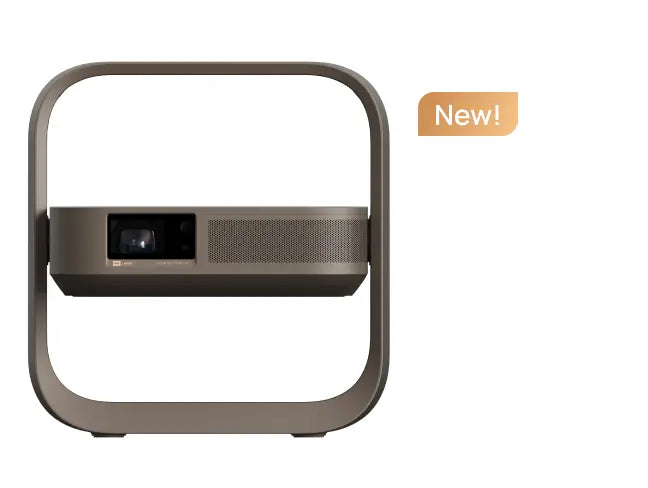
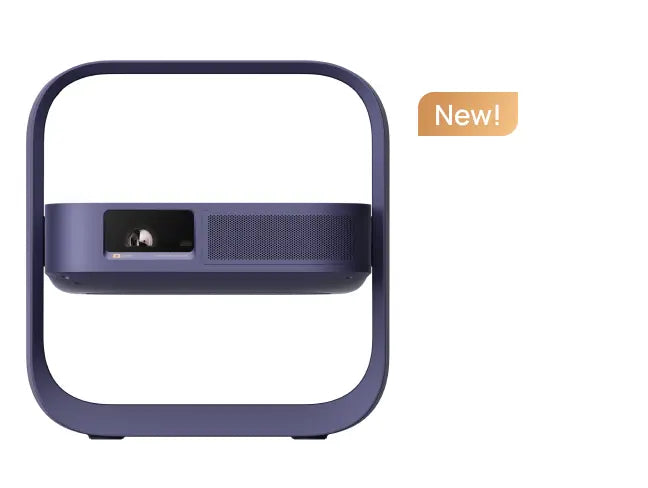
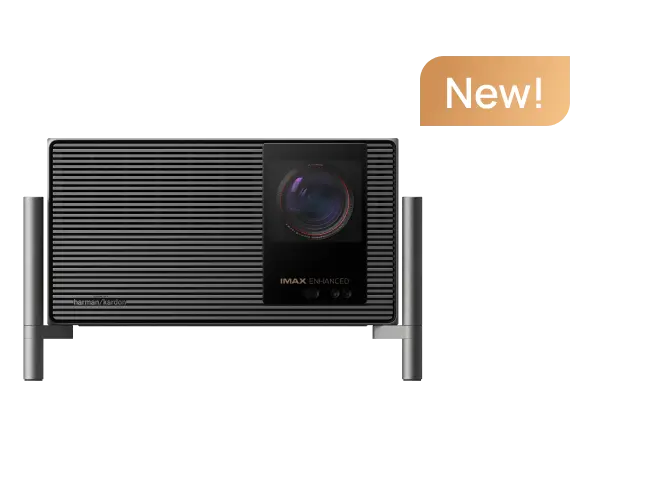
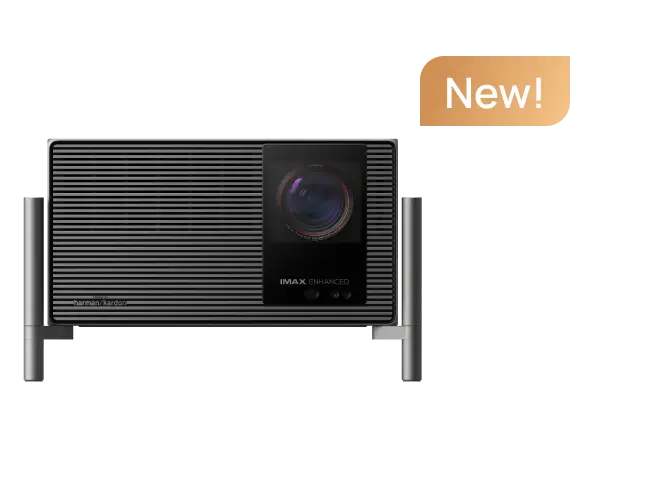
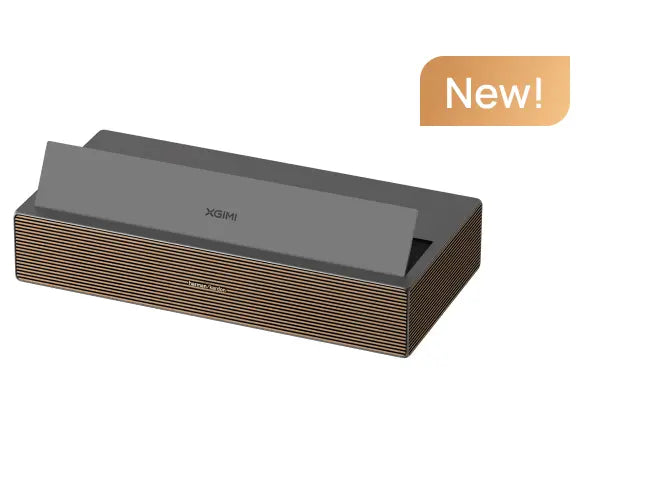
High-brightness options like the HORIZON 20 Max with 5700 ISO lumens or the HORIZON 20 Pro offer strong performance for brighter environments. Check our collection of Laser Projectors for advanced options.
Total Cost: Projector, ALR Screen, Audio, and Accessories
A smart projector is not automatically a full TV substitute in every room; daytime viewing, installation effort, and accessories can change the value equation. Compare the full system cost rather than the projector price alone.
Hidden costs often include an ALR screen, soundbar or speakers, mounting accessories, and potential professional installation. Projectors can deliver a large-screen, minimalist living-room look, but the tradeoff is usually more setup and tuning than a TV requires.
For renters or apartment dwellers, the smaller physical footprint and portability can offset some costs. Families in stable homes may find the immersive size worth the investment.
When a Smart Projector Makes Sense (and When It Doesn’t)
30-Second Decision Checklist
- Environment: Can you dim the lights or use curtains during the day?
- Usage: Is at least 50% of your viewing done in the evening or night?
- Space: Do you have a clear wall or console space for a 100"+ display?
- Budget: Does your budget cover the projector plus an ALR screen and audio?
- Maintenance: Are you willing to spend 30 minutes on initial calibration and alignment?
- Aesthetics: Do you prefer a "hidden" screen or minimalist look over a large black glass rectangle?
It is usually not the best choice if:
- You watch extensively during the day in an open-plan room with uncontrolled light.
- You require "instant-on" access with zero setup or adjustment effort.
- You plan to move the display between rooms frequently (unless choosing a portable model).
This consumer report on home theater setups reinforces that a smart projector can replace a TV for some households, but it is not a drop-in replacement in every lighting condition.
Important Note on Comfort and Use: This article discusses comfort and setup considerations for home entertainment displays. It does not constitute medical advice, diagnosis, or treatment. Projectors and TVs can both cause eye strain with prolonged use in improper conditions. If you experience persistent eye discomfort, consult a qualified eye care professional. Viewing in well-lit rooms and taking regular breaks is recommended for any display type.
How to Decide for Your Specific Room and Lifestyle
Before buying, perform this quick total cost and setup audit:
- Projector Unit: Base cost of the 4K or UST model.
- ALR Screen: Essential for living rooms; often costs $600–$1,000+.
- Audio: Budget for a soundbar if the room is larger than 200 sq ft.
- Furniture: Ensure your media console is deep enough for a UST projector's throw requirements.
- Installation: Will you DIY the screen mounting or pay for professional help?
If your answers lean toward stable placement, controllable light, and enthusiasm for a large screen, a high-brightness UST smart projector paired with an ALR screen can deliver a compelling TV alternative.
Explore our full range of Home Projectors and 4K Projectors to find models suited to your needs. The HORIZON Ultra and AURA series are popular choices for living room upgrades.


