
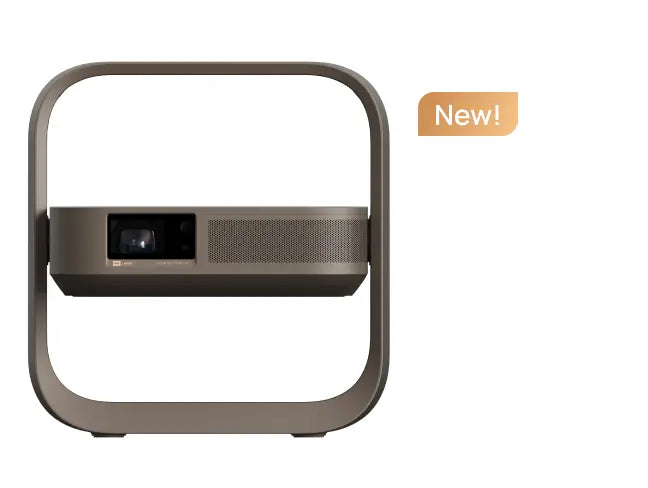
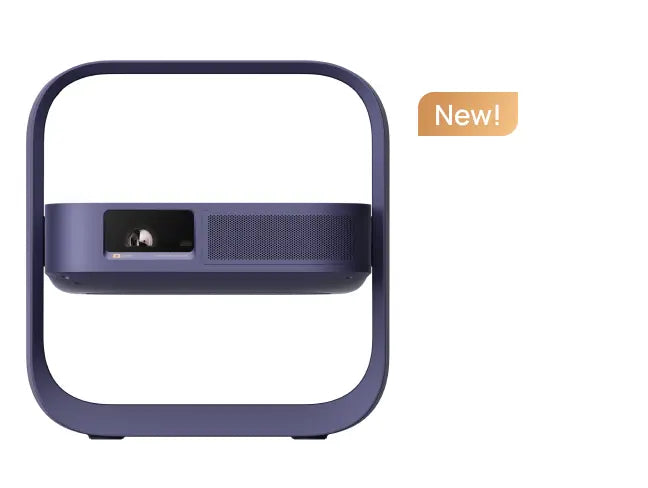
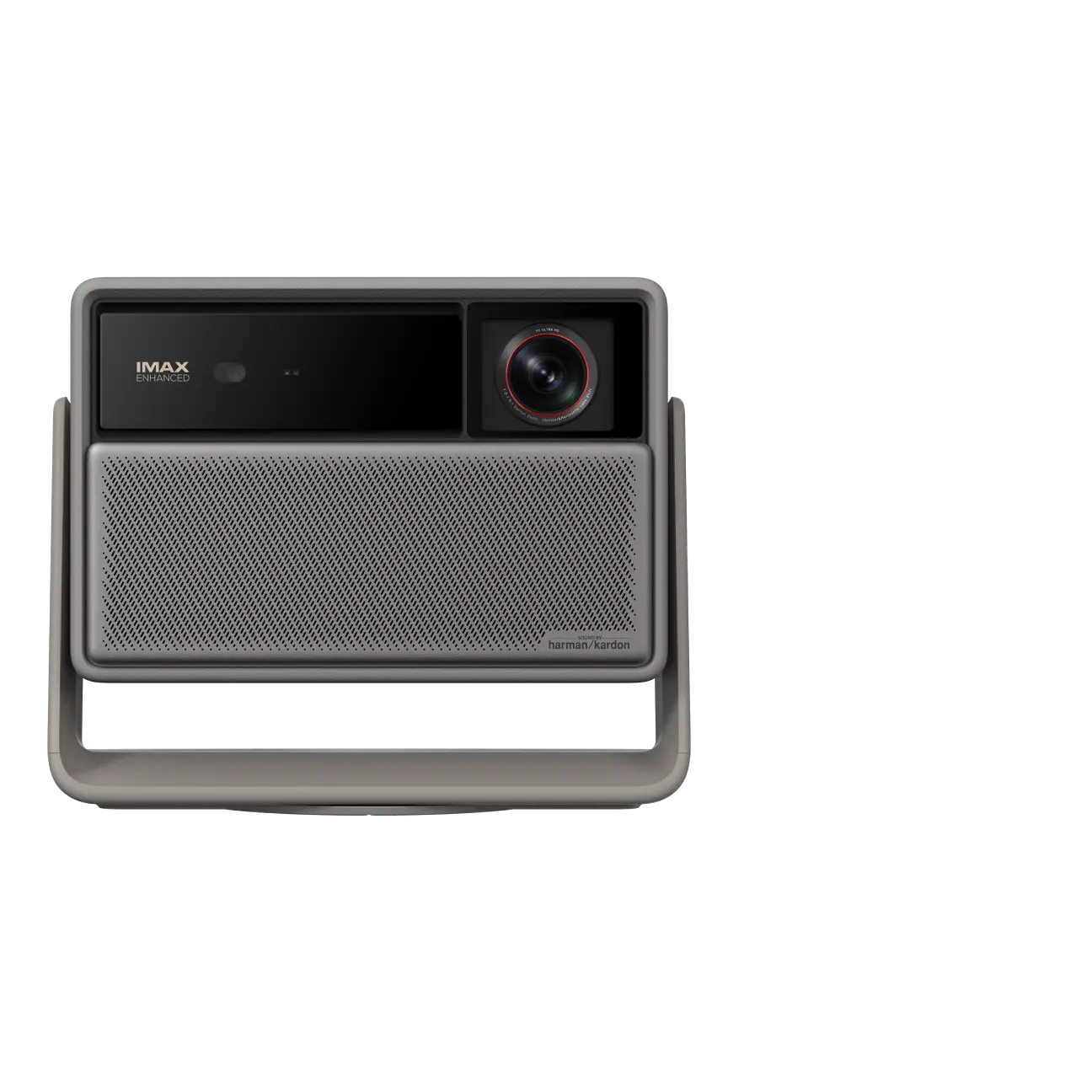
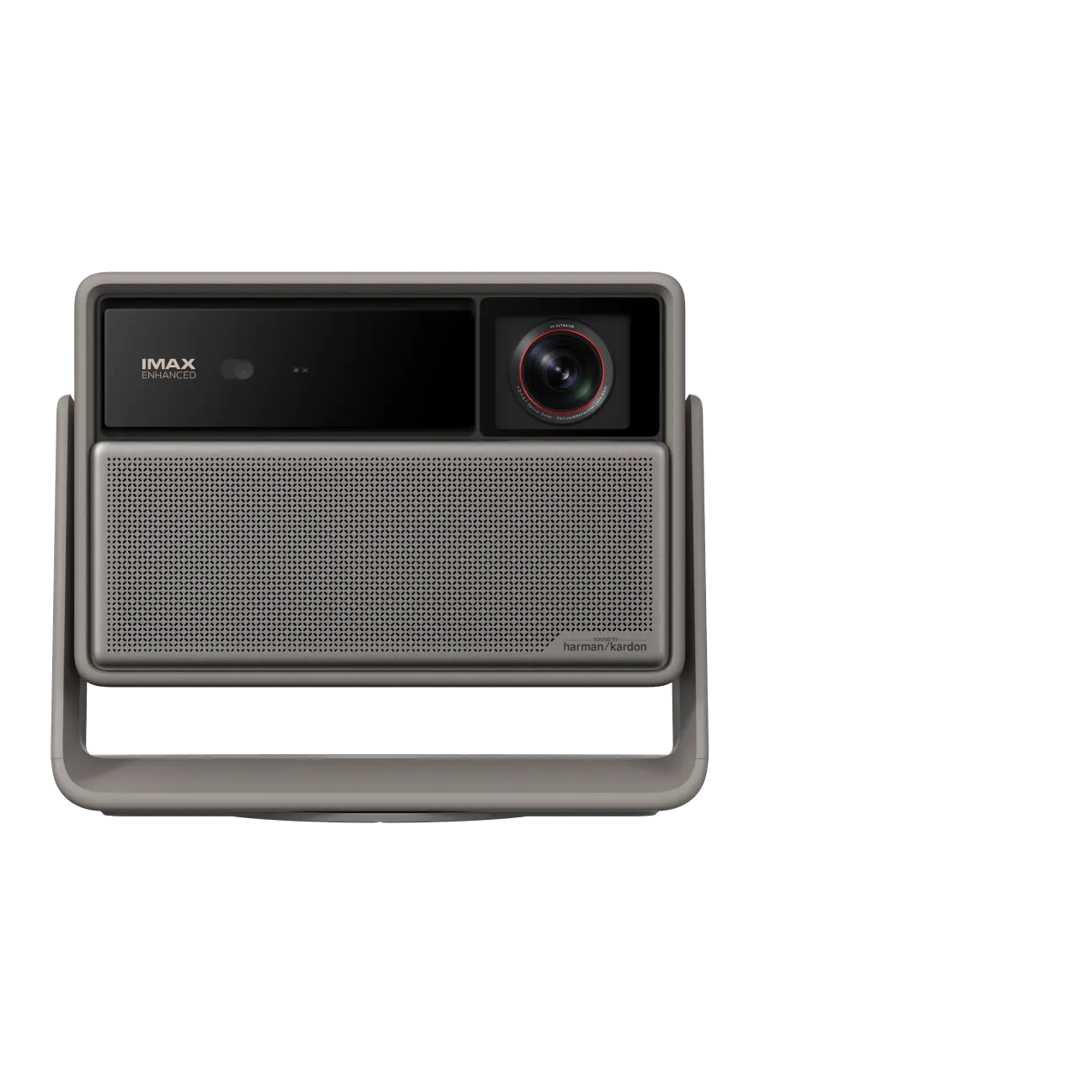
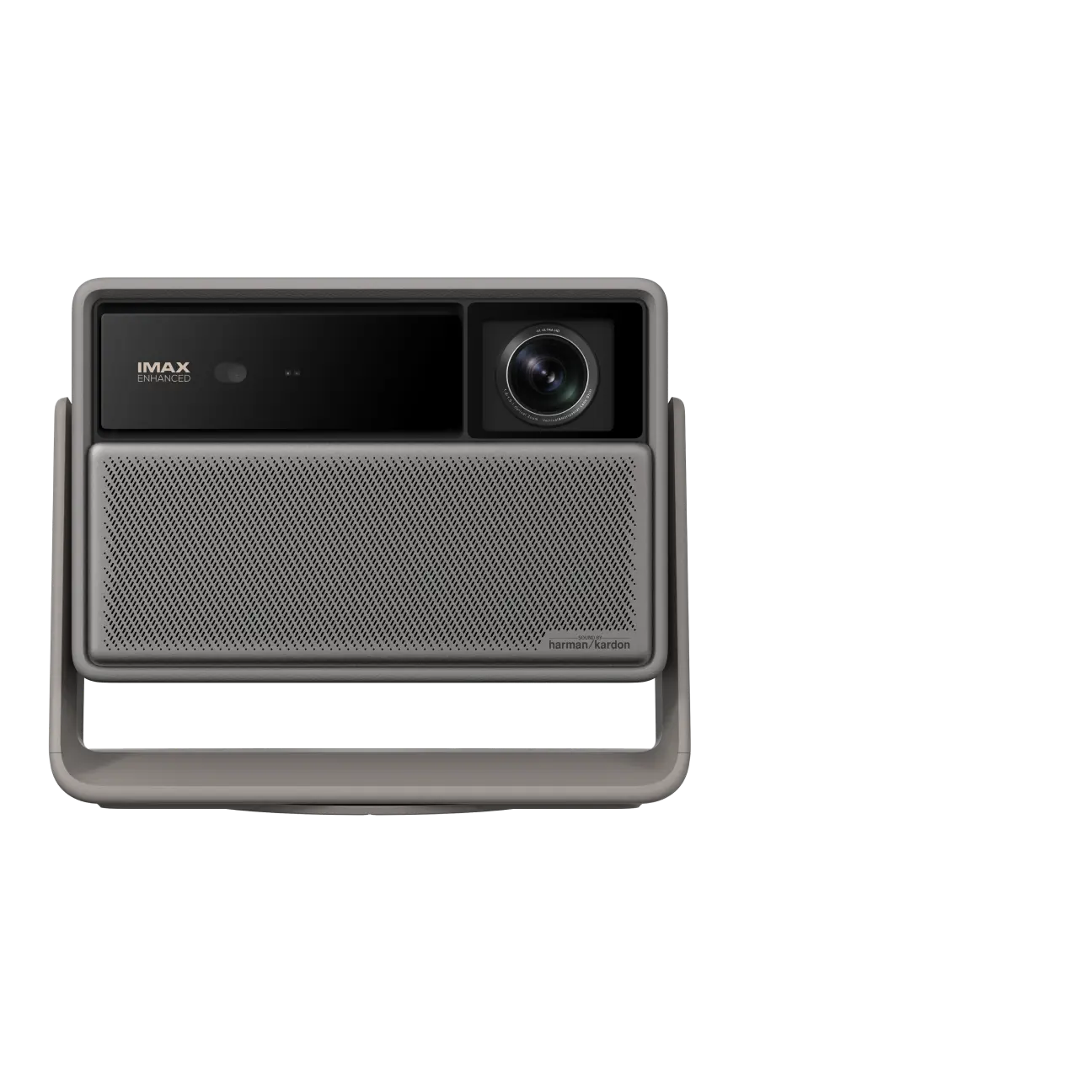
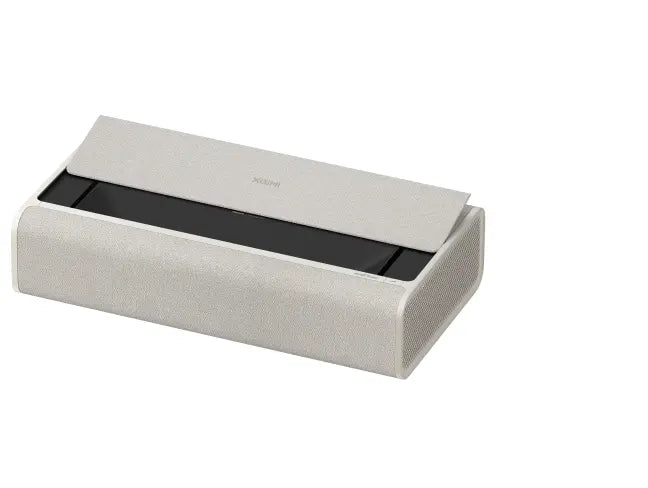
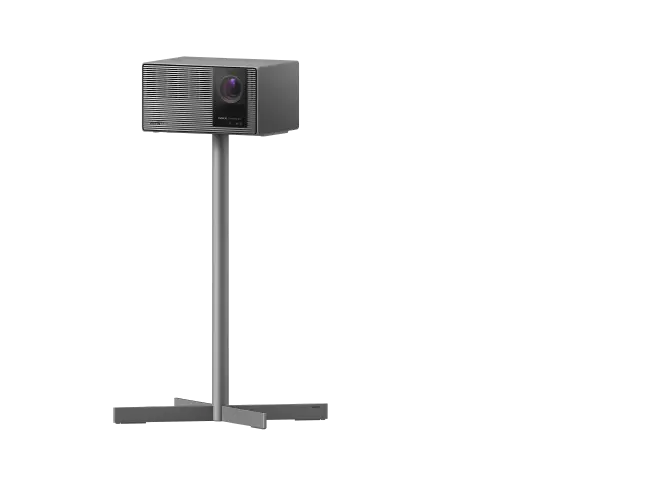





A premium UST projector can deliver an impressive big-screen experience right from your living room media console, but visible power cords, HDMI cables, and audio wires quickly undermine that sleek, minimalist look. The good news is that with the right cable management strategies, you can achieve a nearly invisible setup that keeps your space looking polished while maintaining easy access for upgrades or maintenance.
Effective cable hiding for ultra short throw projectors focuses on routing wires discreetly along baseboards, behind furniture, or through low-profile channels without requiring major renovations. These approaches work particularly well in rental apartments or owned homes where preserving walls and floors is important, turning a common pain point into a clean home theater feature that blends with modern interior design. For more on this topic, see The Invisible Home Theater: Integrating Projectors into Minimalist .... For more on this topic, see Projector Throw Ratio Explained: Standard vs. Short Throw vs. Ultra....
Why Cable Management Matters for UST Projector Setups
Ultra short throw projectors sit close to the wall or screen, typically on a low media console or credenza. This placement makes cables more noticeable than with traditional ceiling-mounted projectors, as power, HDMI, and audio lines often run across floors or along visible surfaces. Poor management not only detracts from aesthetics but can create tripping hazards, collect dust, and complicate room cleaning.
For design-conscious users comparing projector versus TV options, a tidy installation helps the UST system compete with the seamless appearance of flat-panel displays. Many homeowners and renters prioritize the "invisible tech" aesthetic, where technology enhances rather than disrupts the living room environment. Proper cable concealment also protects wires from pets, children, or accidental damage while preserving flexibility for future device changes. For more on this topic, see How to Protect Your UST Projector from Pets and Children in the Liv....
As this guide to living room projectors explains, thoughtful setup details like cable routing contribute significantly to long-term satisfaction with your home entertainment system. For more on this topic, see Projector Maintenance and Longevity: Keeping Your Setup Running Lik....
Common Cable Types in a UST Projector System
A typical ultra short throw or laser TV setup involves several cable types that need careful handling:
- Power cord: The thickest and least flexible, requiring a direct path to an outlet.
- HDMI cable: Carries video and audio signals from streaming devices, Blu-ray players, or sound systems.
- Audio cables: Optical, RCA, or speaker wires if using external audio equipment.
- Other connections: USB, Ethernet, or control cables for smart features.
These wires often converge at the media console, creating clutter at floor level where they are most visible in open-concept living rooms. Planning routes early helps minimize length and exposure.
Practical Methods to Hide Projector Cables
Several renter-friendly and permanent solutions exist to conceal cables while matching minimalist aesthetics. Choose based on your room layout, willingness to modify surfaces, and need for future access.
Baseboard and Wall-Mounted Cable Raceways
Low-profile plastic or paintable raceways mounted along baseboards offer an effective way to route cables from the console to outlets or other devices. These channels sit flush against the wall and can be painted to match your trim, making them nearly invisible.
Installation typically involves adhesive backing or screws, with snap-on covers for easy wire insertion. This method works well for HDMI and audio cables, keeping them off the floor and out of sight. For a seamless look, run the raceway behind the media console and continue it to the nearest outlet.
Many solutions come in kits with corners and connectors to navigate around doorways or furniture. This approach balances concealment with accessibility, allowing you to add or remove cables without wall repairs.
Under-Furniture and Floor Cord Covers
Routing cables beneath rugs, along furniture legs, or using flat floor cord covers provides a quick, no-drill solution. Cord covers with a low profile can be secured to the floor and painted or carpeted over for better blending.
For UST setups on a credenza, consider channeling wires behind the unit and then under a nearby sofa or console. Weighted or adhesive clips keep everything tidy and prevent shifting. This method is ideal for apartments since it avoids permanent changes, though it may not achieve the same level of invisibility as raceways.
In-Wall or In-Floor Concealment
For a truly clean look in owned homes, running cables through walls or under flooring offers maximum concealment. This usually requires cutting small access points, fishing wires with rods or magnets, and patching afterward. While more involved, the result eliminates visible wires entirely.
Professional installation is recommended if you're uncomfortable with drywall work. This option suits dedicated home theater builds where aesthetics take priority and future access points can be planned with wall plates.
Furniture-Integrated Cable Management
Many modern media consoles and credenzas include built-in channels, grommets, or rear compartments designed for cable routing. Selecting furniture with these features simplifies hiding power strips and connections behind closed doors.
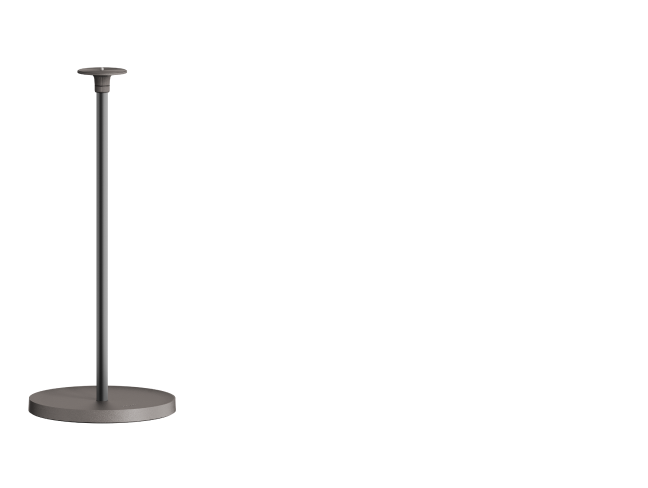
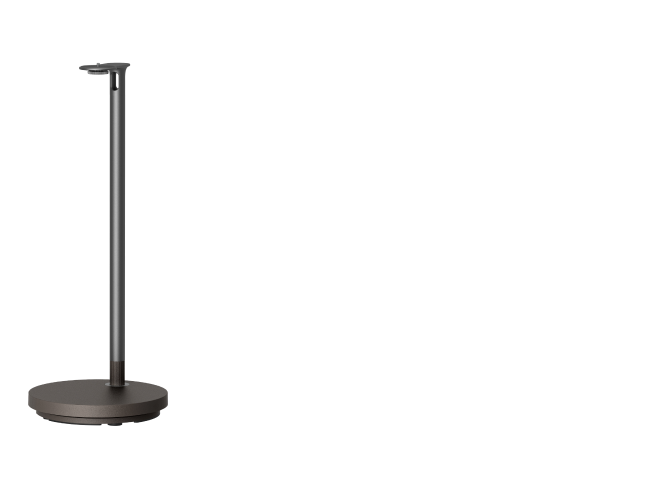
If your current console lacks this, aftermarket solutions like adhesive cable clips or under-shelf trays can be added. XGIMI's Floor Stand Ultra and other stands in the Stands collection often incorporate hidden cable paths for cleaner installations.
Wireless Alternatives and Their Limits
Wireless HDMI transmitters can reduce cable needs by sending video signals without physical connections. However, they introduce potential latency, require their own power sources, and may not support all resolutions or features like Dolby Vision on premium UST models.
They work best as a partial solution combined with hidden power cords rather than a complete replacement. For most users seeking reliable performance, a mix of wired connections with smart management remains preferable.
Choosing the Right Method for Your Living Room
The best cable hiding approach depends on your specific scenario, such as whether you're in a rental, the room's traffic patterns, and how often you update equipment.

Consider these factors:
- Renters: Prioritize adhesive raceways, floor covers, or furniture routing to avoid deposits for wall damage.
- Owned homes: In-wall options provide the cleanest results for long-term setups.
- High traffic areas: Floor covers or raceways reduce tripping risks compared to loose cables.
- Aesthetic focus: Paintable solutions that match your decor maintain the minimalist vibe.
Here is an illustrative comparison to help visualize trade-offs across common methods:
Which Cable Hiding Method Fits Your Setup?
Illustrative relative comparison for UST projector cable-hiding options; scores are heuristic, not measured data.
View chart data
| Series | Low Damage | Easy Access | Low Visibility | Rental-Friendly | Low Effort |
|---|---|---|---|---|---|
| In-wall | 1.0 | 1.0 | 5.0 | 1.0 | 1.0 |
| Baseboard channels | 4.0 | 4.0 | 3.0 | 4.0 | 3.0 |
| Floor cord covers | 3.0 | 3.0 | 2.0 | 4.0 | 5.0 |
| Furniture raceways | 5.0 | 4.0 | 4.0 | 5.0 | 5.0 |
| Wireless HDMI | 2.0 | 5.0 | 4.0 | 5.0 | 4.0 |
Heuristic, illustrative scoring based on the provided article context: UST projector on a media console in a living room; options include in-wall, baseboard channels, floor cord covers, furniture raceways, and wireless HDMI. Dimensions reflect relative damage tolerance, future access, visibility, rental-friendliness, and effort, not measured performance.
This radar chart illustrates relative strengths across key decision factors like damage, visibility, and effort. Scores are heuristic to guide thinking rather than absolute measurements. Furniture raceways and baseboard channels often score well for balanced living room use, while in-wall excels for maximum concealment in permanent installations.
Step-by-Step Cable Hiding Checklist
Follow this practical sequence to achieve a clean UST projector setup:
- Audit your cables: List all required connections and measure necessary lengths to avoid excess.
- Plan routes: Identify the shortest, least visible paths from the projector console to power and devices.
- Gather supplies: Select raceways, covers, clips, or cable ties that match your decor and floor type.
- Secure power first: Hide the power cord using baseboard channels or furniture paths, as it is often the bulkiest.
- Route signal cables: Use HDMI and audio wires with plenty of slack for easy disconnection.
- Test and adjust: Power on the system, check for signal issues, and refine routing as needed.
- Maintain access: Avoid fully sealing paths that may require future changes.
For additional setup guidance, review this simple guide to smart projector setup features.

Maintaining Your Clean Setup Long-Term
Once installed, periodic checks prevent new clutter from accumulating. Use Velcro ties for bundled cables inside furniture and consider a central power strip with surge protection hidden behind the console. If expanding your system with more devices, plan additional capacity in your chosen concealment method.
Users upgrading from basic projectors to premium UST models like the XGIMI AURA series will appreciate how integrated stands and accessories support tidy installations. Explore the Laser Projectors collection for models designed with modern living rooms in mind.
Common Mistakes to Avoid
- Using overly tight cable ties that strain connectors.
- Ignoring heat buildup in enclosed cable paths.
- Choosing visible covers that don't match your flooring or trim color.
- Skipping strain relief at connection points.
- Overlooking future needs when permanently concealing wires.
Taking time to match solutions to your room conditions delivers the polished aesthetic that makes UST projectors a compelling alternative to traditional TVs.
This article offers general guidance on achieving a clean living room with your ultra short throw projector setup and does not address electrical safety modifications. Always follow local building codes and consult a qualified electrician for any wiring that involves outlets, power distribution, or structural changes. If you experience persistent issues with your installation or have existing home electrical concerns, seek professional advice from a licensed expert. For more on this topic, see How to Build a Budget Golf Simulator Using a Short-Throw Projector.
For more on budgeting a complete UST system, see our guide to budgeting for a laser TV. Proper planning from the start helps create a home theater that looks as good as it performs.


