



Why a Short-Throw Projector is Essential for Garage Simulators
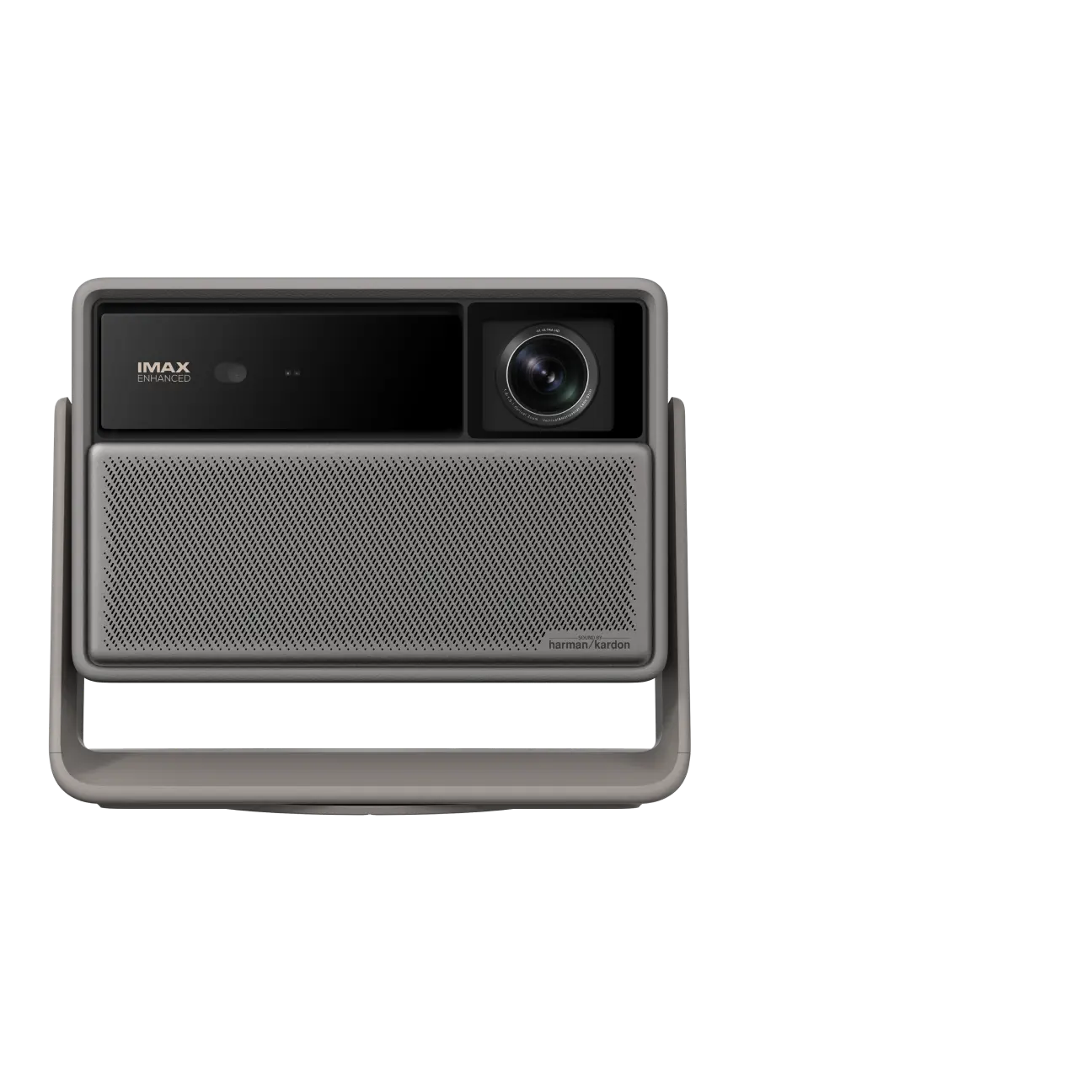
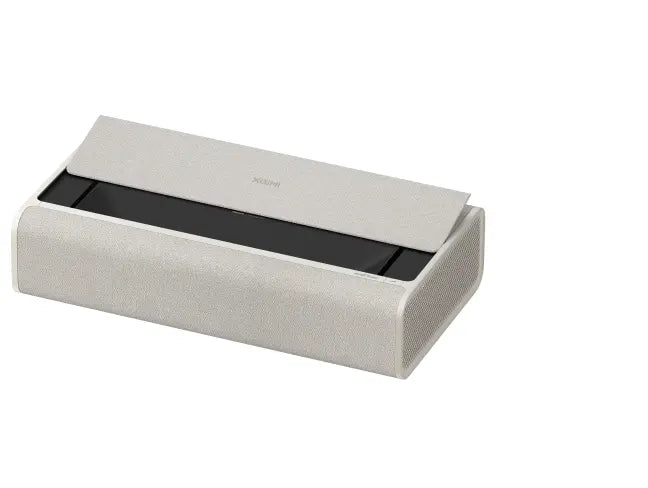
Building a home golf simulator is a significant project, and the projector is often the most misunderstood component. In a typical garage or spare room, space is the primary constraint. A short-throw projector is designed to solve this by creating a large, immersive image from a very short distance.

Unlike standard projectors that require 12–15 feet of "throw" to fill a 10-foot screen, short-throw models typically achieve this from 4–8 feet away. This placement is critical for two reasons:
- Shadow Prevention: By mounting the projector in front of the golfer, you ensure your body and club don't cast shadows on the impact screen.
- Safety: Keeping the hardware closer to the screen moves it out of the "danger zone" of your backswing and follow-through.
For most DIY builds, a throw ratio between 0.4 and 0.8 is the "sweet spot." This allows for a 100–120 inch image from a distance that fits comfortably within a standard garage bay. As this throw ratio distance guide explains, matching the throw ratio to your specific room depth is the first step in avoiding a setup where the image is either too small or physically impossible to focus.
Key Technical Specifications for Golf Simulation
When shopping for a budget-friendly unit, don't just look at the price tag. Focus on these four performance metrics to ensure the simulator feels realistic:
1. Brightness (Lumens)
Garages are rarely "blacked out" like a dedicated home theater. To combat ambient light from windows or open garage doors, target a projector with at least 2,000 to 3,000 ANSI lumens. For more on this topic, see Projector Brightness Standards and Measurement: A Comprehensive Ref.... For more on this topic, see Renter-Friendly Home Theater: How to Set Up a Projector Without Dri....
- Note on Standards: Be wary of "marketing lumens." Always look for ANSI or ISO-rated brightness. If your garage has significant natural light, you may need 3,500+ lumens or high-quality blackout curtains to prevent the image from looking "washed out."
2. Input Lag
Input lag is the delay between the ball hitting the screen and the software showing the flight path. For a seamless experience, aim for under 30 ms. High lag (above 50 ms) creates a jarring disconnect that can ruin the immersion of the simulation.
3. Resolution
While 4K is the gold standard for crisp course textures, 1080p (Full HD) remains the best value for budget builds. It provides enough detail to see ball spin data and green contours without requiring an expensive high-end graphics card in your PC.
4. Connectivity
Ensure the projector has at least one HDMI 2.0 port and a USB power outlet. This simplifies the connection to your launch monitor or laptop. This projector throw distance calculation guide provides the exact formulas to ensure your hardware placement matches your digital output.
Step-by-Step: Calculating Placement and Screen Size
Before drilling holes in your ceiling, follow this logical calibration sequence to ensure a perfect fit:
- Measure the Screen Width: Most budget impact screens are 10–12 feet wide.
- Calculate Throw Distance: Use the formula: Throw Distance = Throw Ratio × Image Width. For example, a 0.5 throw ratio projector needs to be 5 feet away from a 10-foot wide screen.
- Verify the Swing Path: Stand at your hitting mat and take a slow-motion full swing with your driver. Have a friend observe or use a camera to ensure your club head stays at least 2 feet away from the intended projector mounting point.
- Initial Alignment: Mount the projector and project a "grid" pattern. Use physical adjustments (moving the mount) before relying on digital keystone correction.
Projector Buying Thresholds for a Budget Golf Simulator
Use this to frame trade-offs, not as a precise spec chart.
View chart data
| Category | Brightness need | Throw-distance need | Performance tier |
|---|---|---|---|
| Low ambient light | 2.0 | 0.0 | 0.0 |
| Moderate ambient light | 3.0 | 0.0 | 0.0 |
| High ambient light | 4.0 | 0.0 | 0.0 |
| 8 ft screen | 0.0 | 2.0 | 0.0 |
| 10 ft screen | 0.0 | 3.0 | 0.0 |
| 12 ft screen | 0.0 | 4.0 | 0.0 |
| Entry budget | 0.0 | 0.0 | 1.0 |
| Mid budget | 0.0 | 0.0 | 2.0 |
| Stretch budget | 0.0 | 0.0 | 3.0 |
Illustrative, heuristic chart for a buying guide. Brightness need is shown as a relative 1-5 scale by ambient light; throw-distance need is a relative 1-5 scale by larger screen size; performance tier is a relative 1-5 scale by budget. No official measurements are implied.
Budgeting for Your DIY Build (Estimated Costs)
A functional simulator requires more than just a projector. Based on current market trends for 2025-2026, here is a realistic breakdown for an entry-level "Budget" vs. "Mid-Range" DIY setup:
| Component | Budget Estimate | Mid-Range Estimate |
|---|---|---|
| Short-Throw Projector | $600 – $900 | $1,000 – $1,800 |
| Impact Screen & Frame | $300 – $500 | $600 – $1,200 |
| Launch Monitor | $500 – $1,000 | $1,500 – $2,500 |
| Hitting Mat & Turf | $150 – $300 | $400 – $800 |
| Total | ~$1,550 – $2,700 | ~$3,500 – $6,300 |
Note: Prices are estimates and vary based on brand and regional availability.
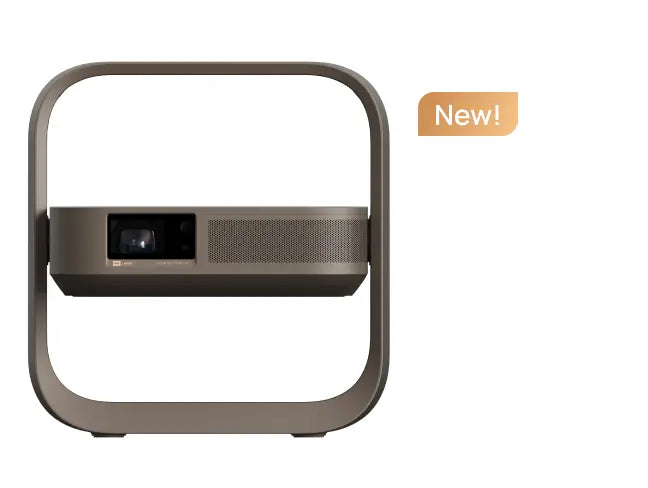
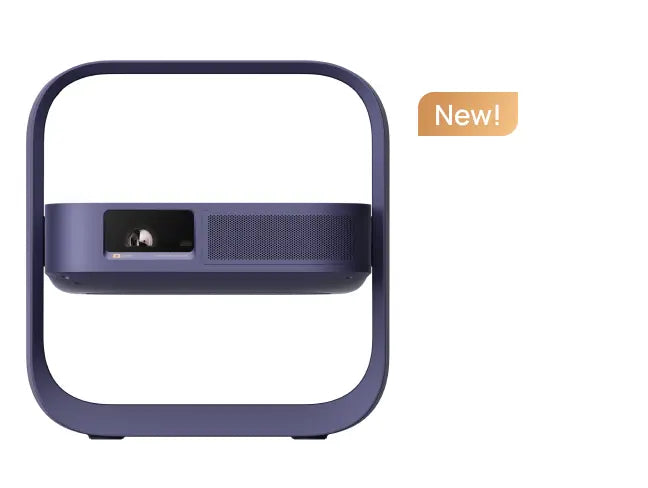
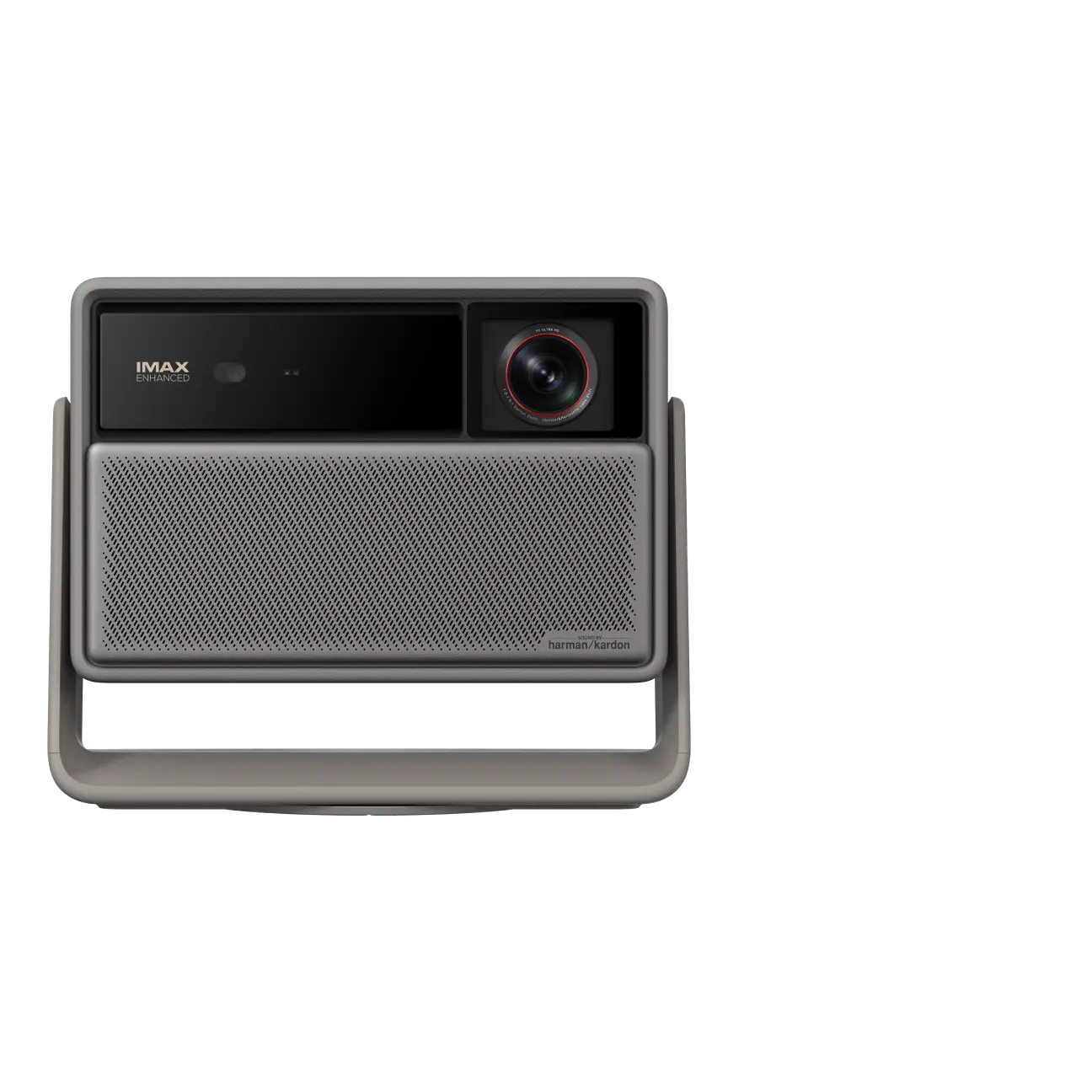
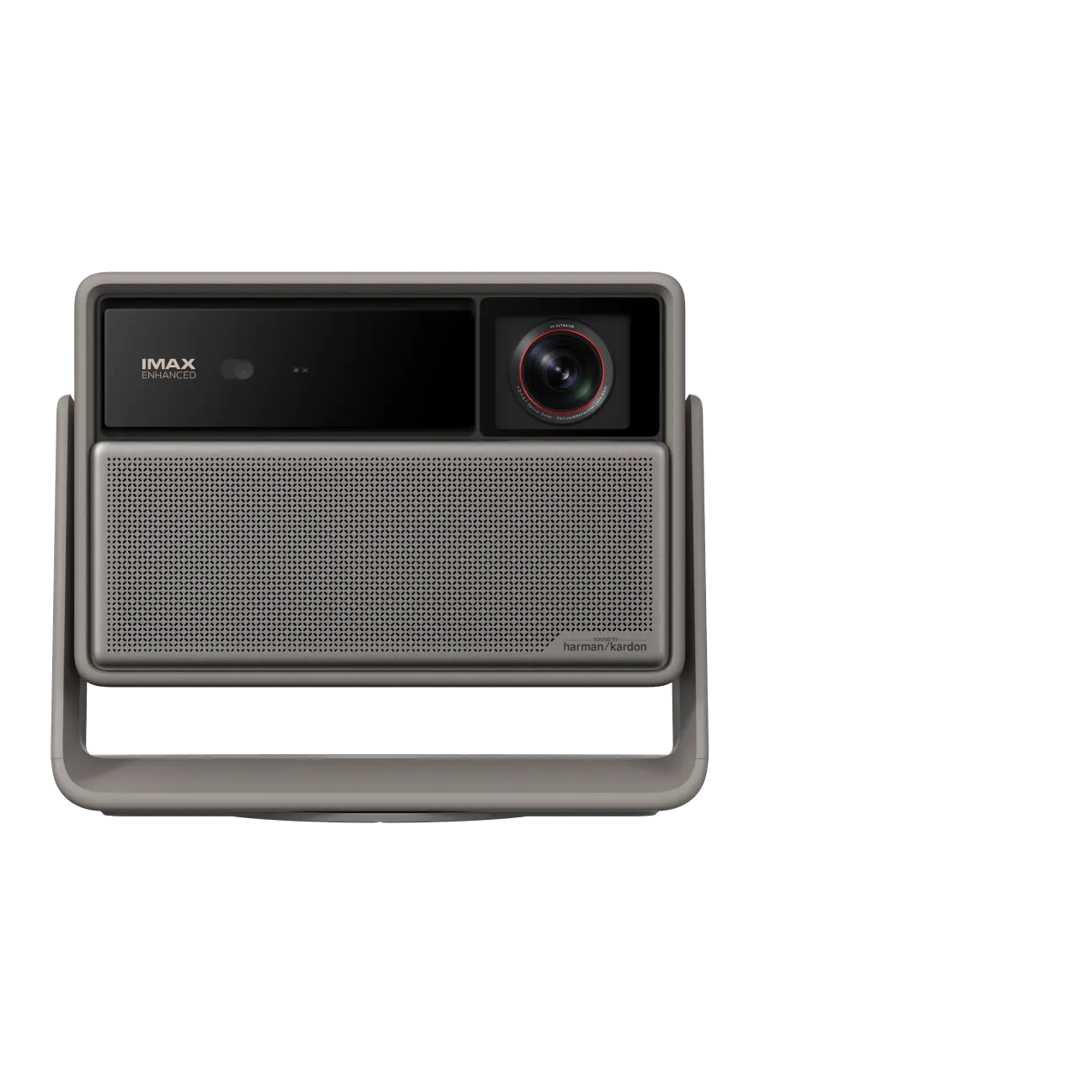
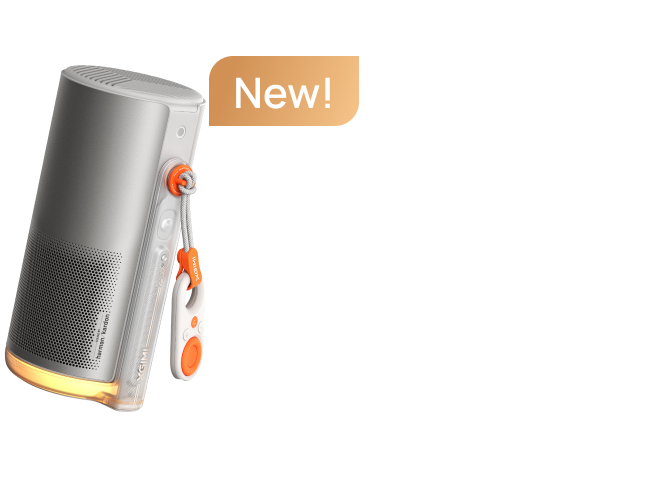
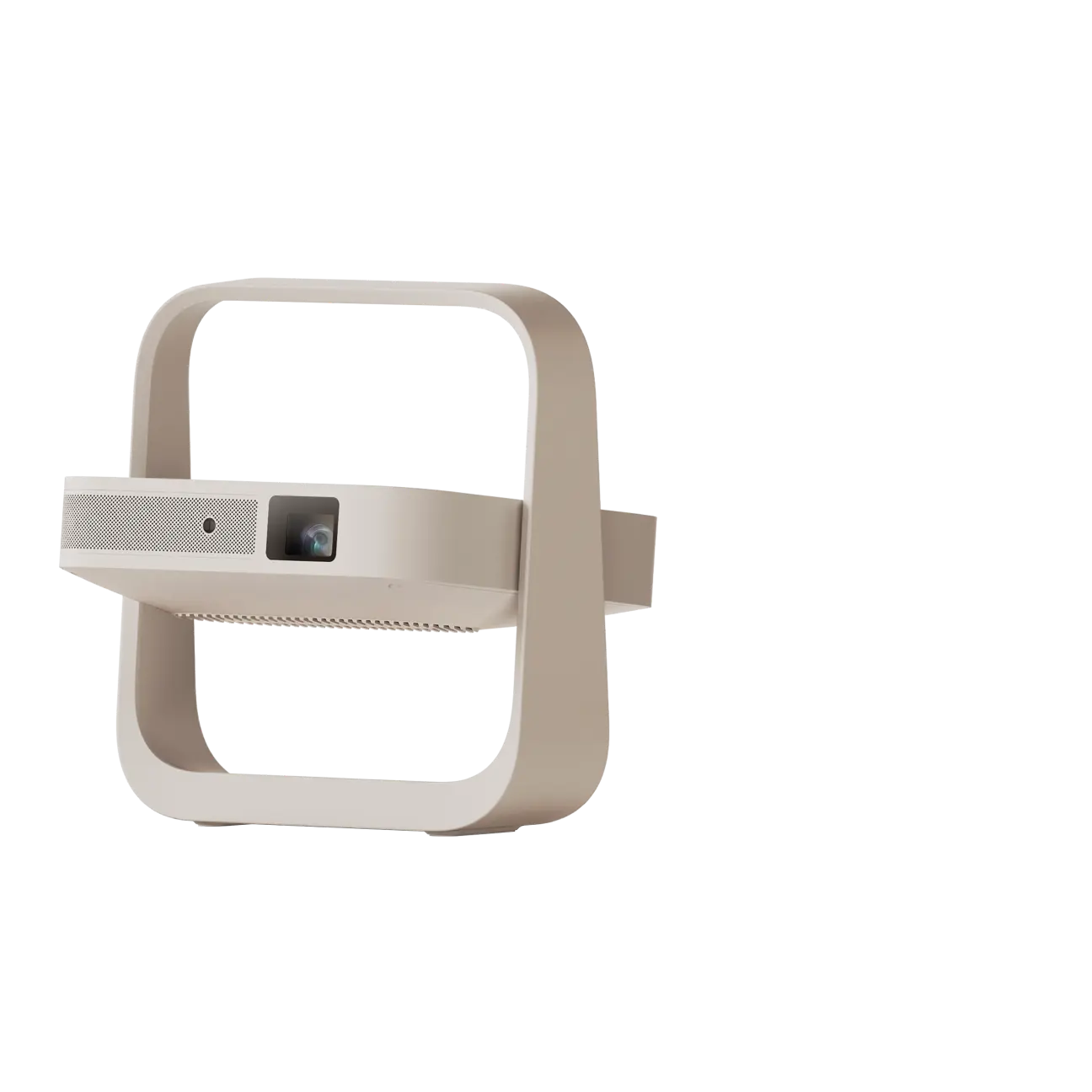
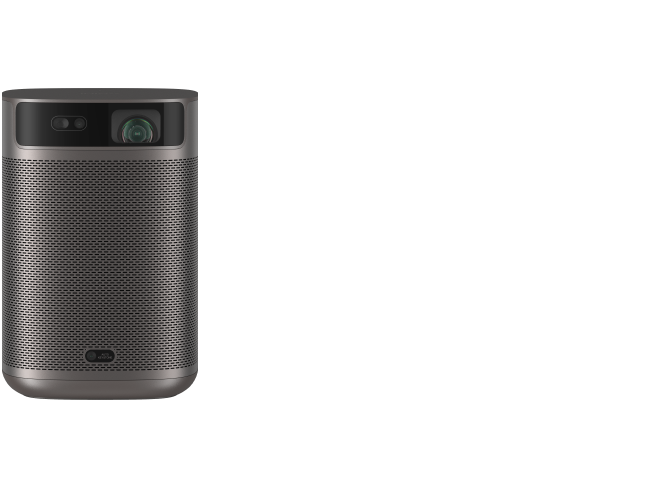
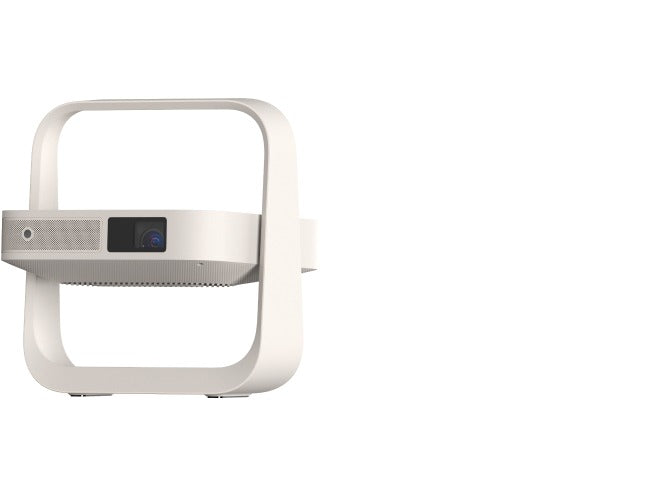
For those looking for specific hardware recommendations, XGIMI's short-throw projector collection offers several models that balance brightness and low latency, which are often cited as top choices for small-room gaming and simulation.
Avoiding Common Setup Pitfalls
Even with the right specs, small errors can degrade the experience. Watch out for these common mistakes:
- Over-Reliance on Keystone: Digital keystone correction "shrinks" pixels to square the image. Excessive use (more than 15-20%) will noticeably soften the image and reduce brightness. Always try to center the projector physically first.
- Focus Uniformity: Ultra-short-throw (UST) projectors (ratio <0.3) often struggle to keep the entire 10-foot impact screen in focus because the screen material isn't perfectly flat. A standard short-throw (0.5–0.7) is usually more forgiving.
- Washout from Overhead Lights: If you have shop lights in your garage, ensure they are on a separate circuit or use "barn door" covers to keep light off the screen.

For more on optimizing small spaces, this short-throw gaming projector guide for small rooms provides additional context on how throw ratios interact with room dimensions.
Final Checklist Before You Buy
- Check the "Game Mode": Does the projector maintain its low input lag when 1080p/60Hz is active?
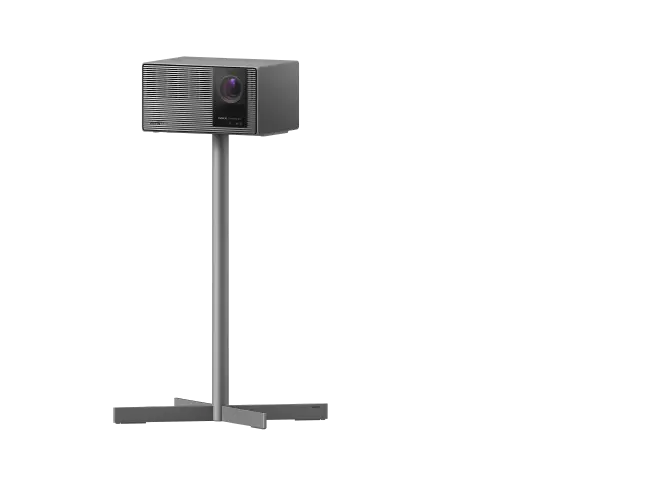
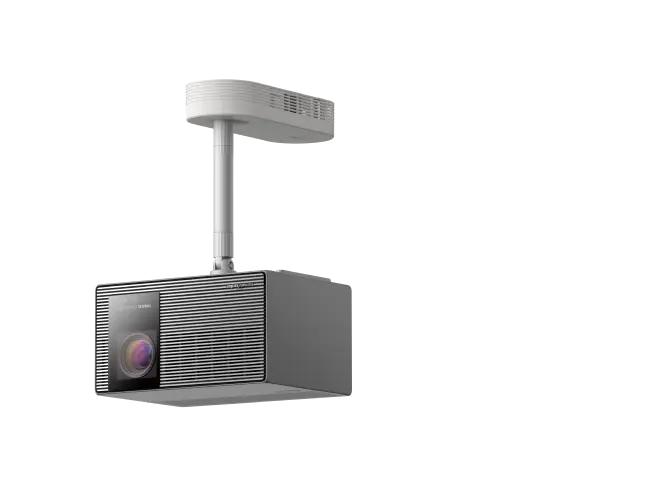
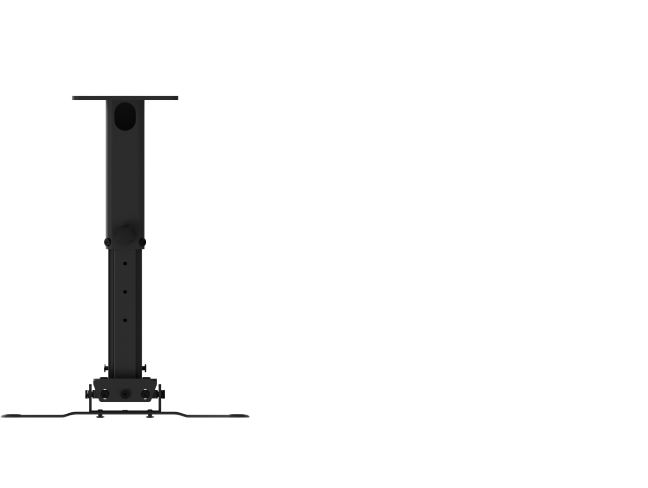
- Mounting Versatility: Does the unit support "Ceiling Flip" mode? Most garage setups require ceiling mounting to stay clear of the golfer.
- Fan Noise: In a small garage, a loud projector fan can be distracting. Look for models rated under 30dB in "Eco" or "Standard" mode.
- Software Compatibility: Ensure your chosen launch monitor (e.g., SkyTrak, Garmin Approach R10) supports the aspect ratio (usually 16:9 or 4:3) your projector will output.
Disclaimer: This guide is for informational purposes regarding home theater and simulation setup. It does not constitute professional safety advice. Always ensure your hitting net and impact screen are rated for real golf ball speeds to prevent injury or property damage.
With a well-chosen short-throw projector and a bit of spatial planning, you can transform a standard garage into a high-performance training facility that makes year-round practice both affordable and effective.


