
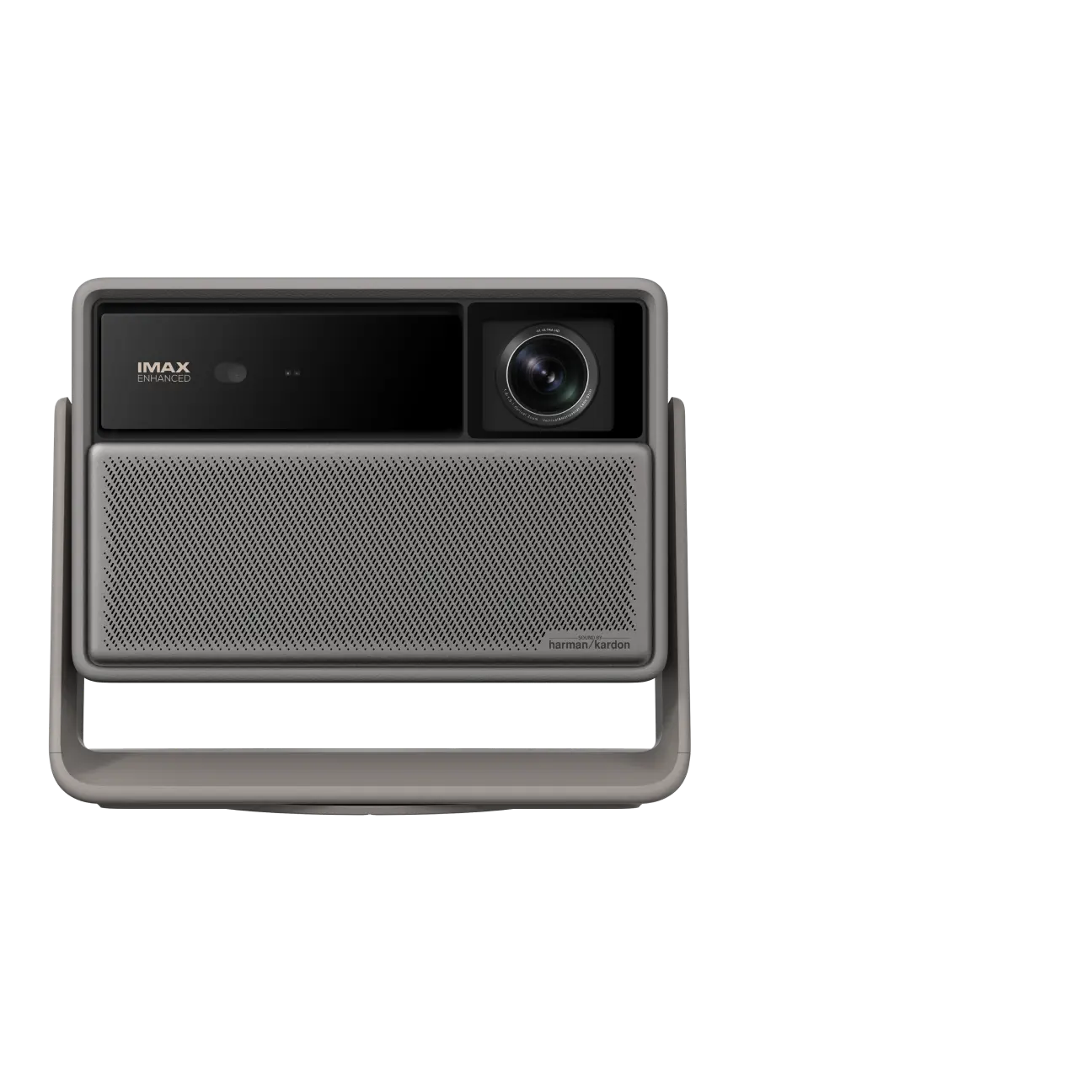
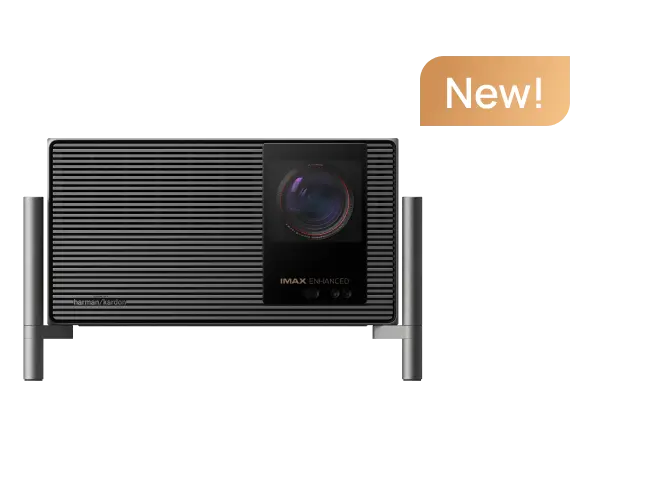








In the pursuit of reference-grade image quality, RGB (tri-chromatic) laser projection has become a standout technology. By using highly pure red, green, and blue laser primaries, it achieves ultra-wide color gamut coverage (up to BT.2020), high peak brightness, and exceptional contrast—delivering a truly cinematic experience.
However, this performance comes with an inherent optical challenge: laser speckle.
1. What Is Laser Speckle?
When viewing an RGB laser projector, you may notice a fine layer of shimmering, grain-like patterns across the image—similar to frosted glass. These tiny, dancing colored dots are known as speckle.
Speckle is not a hardware defect, but a fundamental optical phenomenon. It occurs when highly coherent, monochromatic laser light reflects off surfaces that appear smooth but are microscopically rough (such as walls or projection screens).
At a microscopic level:
- Each tiny surface irregularity scatters light in different directions
- The scattered waves interfere with each other
- Constructive interference creates bright spots
- Destructive interference creates dark spots
The result is a random pattern of bright and dark grains perceived as speckle.
Visually, this can resemble:
- A fine “noise” layer
- A shimmering or flickering texture
- Reduced image clarity and uniformity
Speckle is especially noticeable in large uniform areas (e.g., white or gray backgrounds).

Impact on Viewing Comfort
For users with normal vision, speckle may appear as mild image noise. However, for nearsighted users—particularly those wearing glasses—the effect can be more pronounced:
- Lens refraction can amplify speckle visibility
- Different wavelengths refract differently, potentially introducing color fringing (rainbow-like edges)
- This may increase visual fatigue during extended viewing
In short:
- Laser = high coherence
- High coherence + rough surface = interference
- Interference = visible speckle
While speckle is a byproduct of laser purity, it can significantly impact perceived image quality and comfort. Managing it effectively is a key benchmark for high-end laser display systems.
2. Why Is Speckle More Noticeable with RGB Laser?
Compared to LED or lamp-based light sources, RGB laser systems use highly coherent, narrowband light for each primary color. This leads to:
- Stronger interference effects
- Higher speckle contrast
- Greater visibility to the human eye
Put simply:
The purer the light, the more visible the speckle.

3. How Is Speckle Reduced: Core Engineering Approaches
Reducing speckle fundamentally means disrupting coherence or interference conditions. The industry typically applies four key strategies:
3.1 Spectral Broadening
Expanding the wavelength range so interference patterns cancel each other out.
3.2 Polarization Control
Altering polarization states to reduce stable interference formation.
3.3 Spatial Scattering
Randomizing light paths using diffusive optical structures.
3.4 Temporal Averaging
Rapidly varying speckle patterns so the human eye averages them into a smooth image.
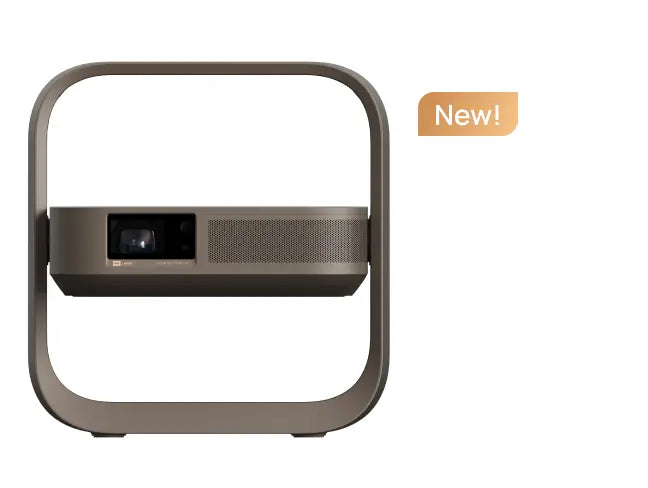
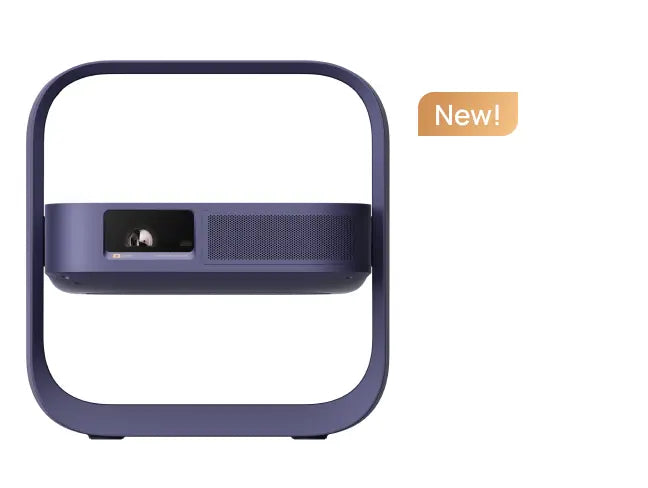
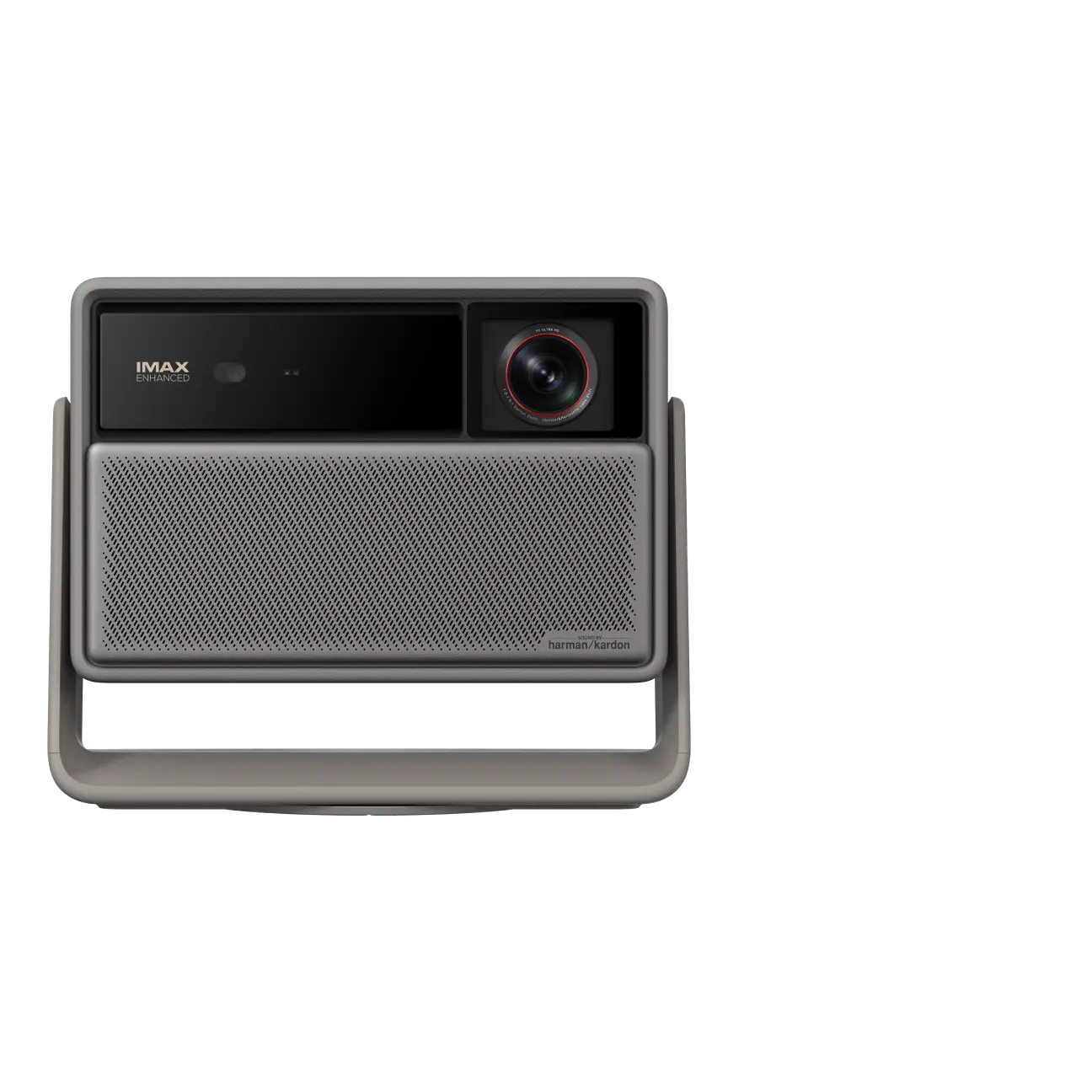
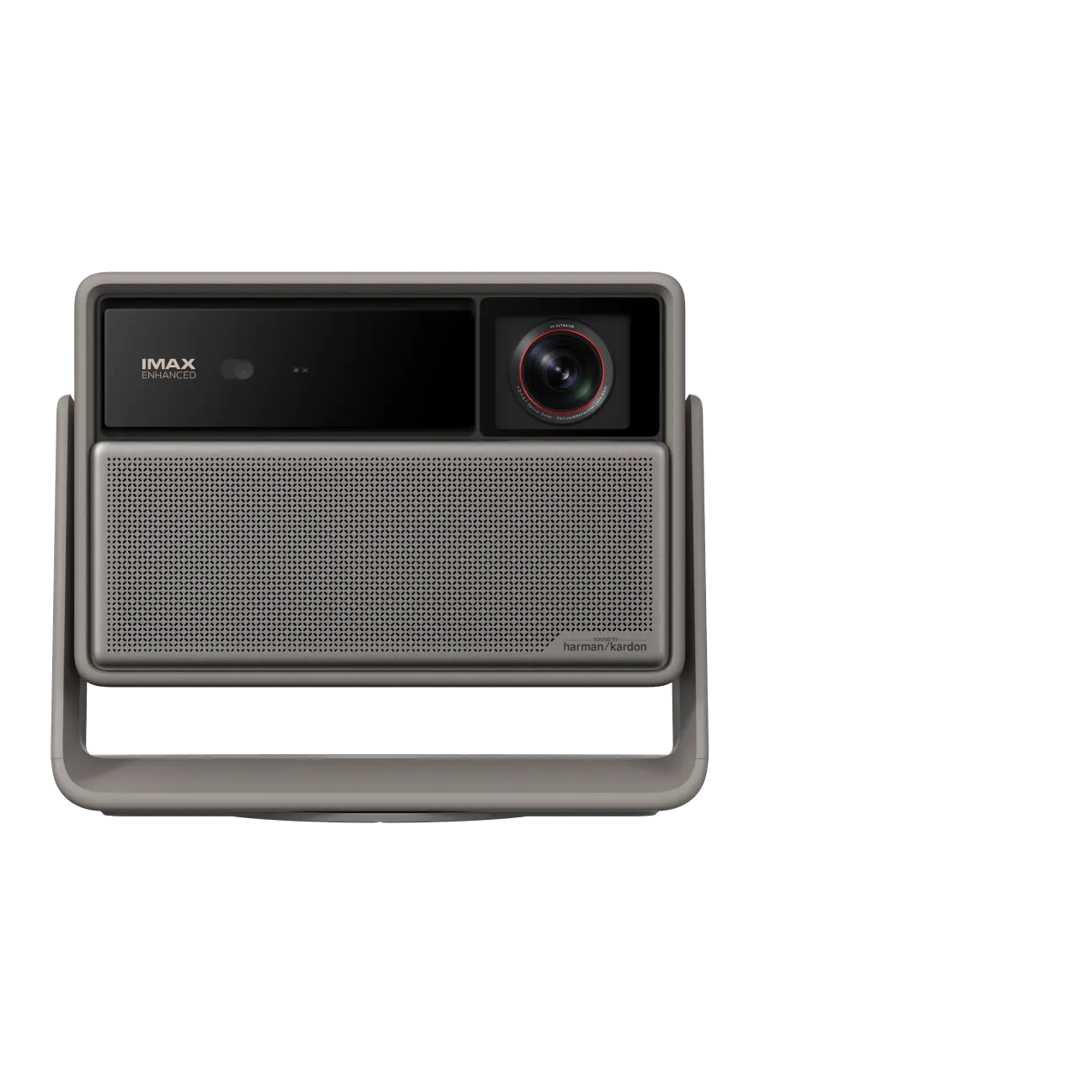
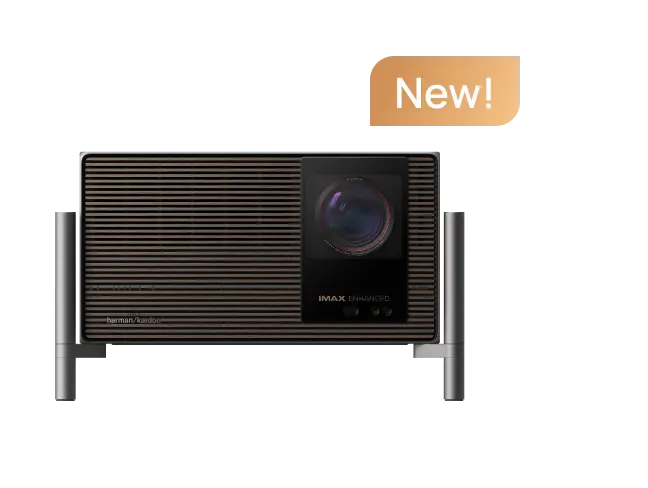
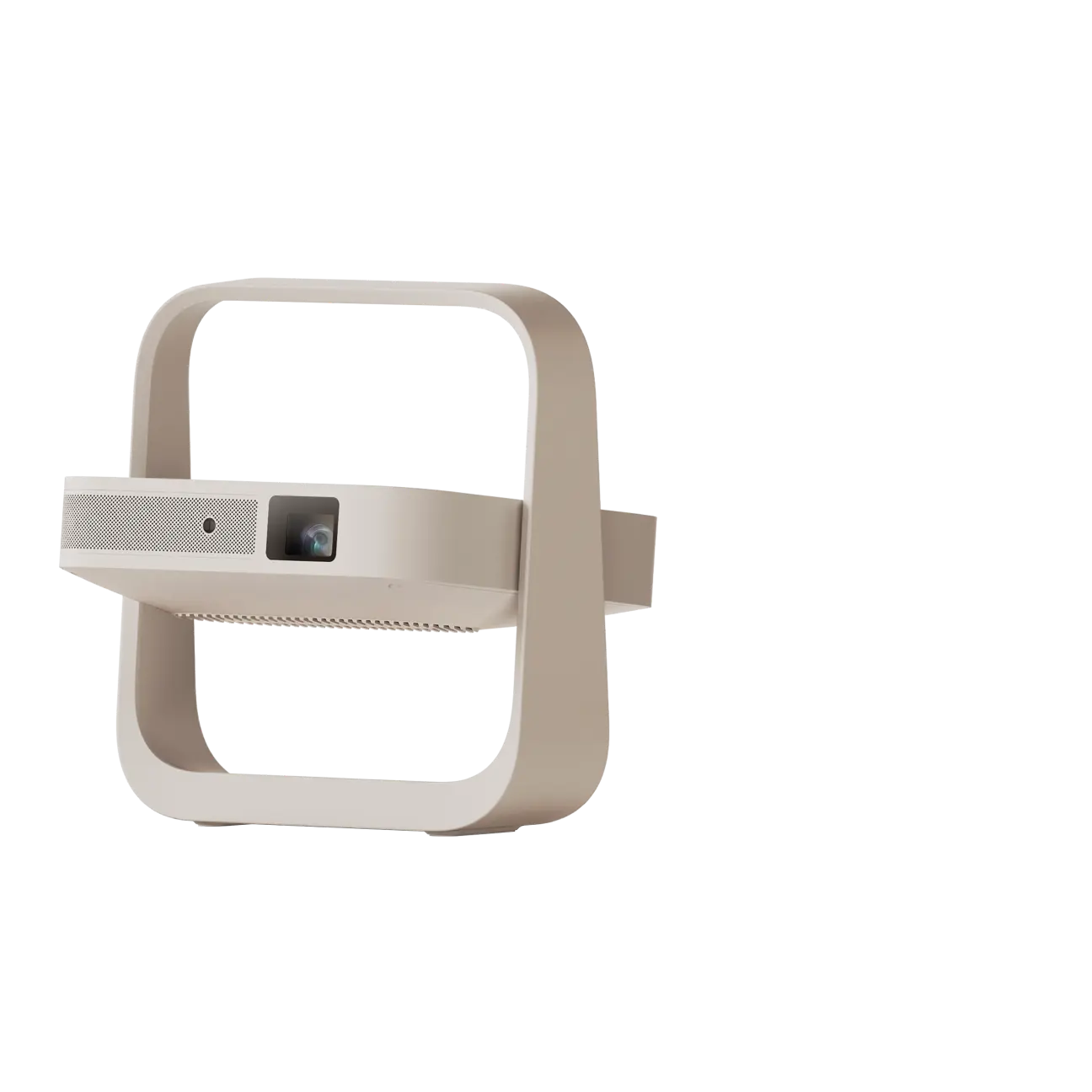
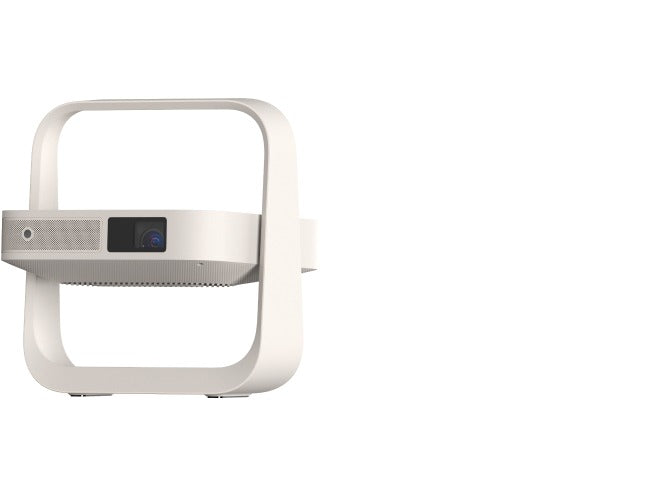
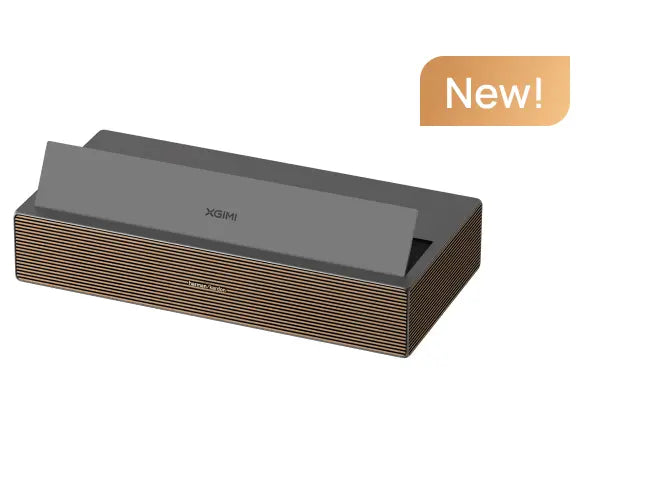
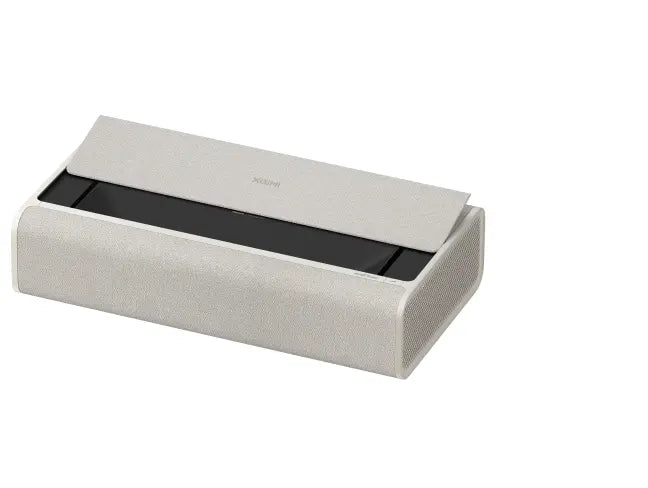
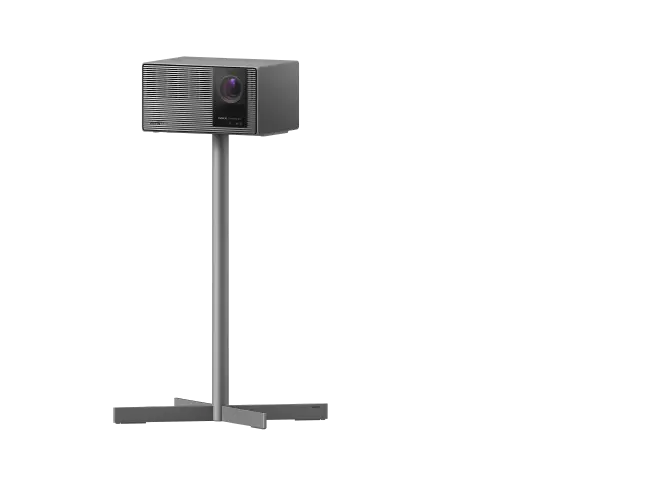
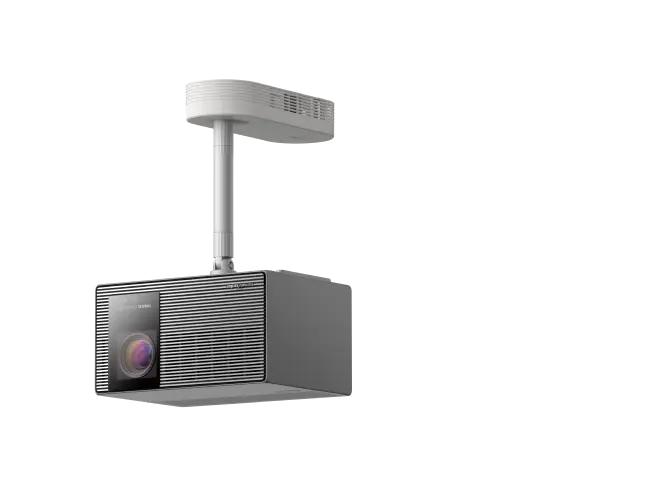
4. Case Study: TITAN Noir Series Speckle Reduction System
article_product1
The TITAN Noir Series implements a multi-dimensional, system-level approach to speckle control. Rather than relying on a single method, it combines four coordinated mechanisms:
Multi-wavelength Laser Array (Light Source Level)
Traditional RGB lasers use extremely narrow wavelengths with high coherence.
The TITAN Noir Series introduces slight wavelength variations within each primary color.
- Effect: Reduces coherence at the source
- Result: Softer, less defined interference patterns
- Corresponds to: Spectral Broadening
Half-Wave Plate (Polarization Management)
Light has polarization properties. A half-wave plate allows precise control of polarization states.
- Converts a single polarization into multiple mixed states
- Disrupts stable interference conditions
- Reduces polarization-related speckle contrast
- Corresponds to: Polarization Control
Static Diffuser (Pre-Scattering Stage)
A specially engineered static diffuser introduces controlled scattering before projection.
- Randomizes propagation direction and phase relationships
- Reduces spatial coherence before reaching the screen
- Corresponds to: Static Scattering
Dynamic Diffuser (LSR – Laser Speckle Reducer)
This is the critical component in advanced speckle reduction systems.
- Operates via high-frequency micro-vibration or rotation
- Continuously changes the speckle pattern at imperceptible speeds
- The human visual system integrates these changes over time
Result:
- Speckle is effectively “averaged out”
- The perceived image becomes smooth and uniform
- Corresponds to: Temporal Averaging (Dynamic Scattering)
System-Level Synergy
These mechanisms work in combination, not isolation:
- Spectral (wavelength diversity)
- Polarization (wave orientation control)
- Spatial (diffusion)
- Temporal (dynamic averaging)
Together, they form a comprehensive speckle suppression system that reduces visibility across the entire optical path—from source to screen.

5. Certification and Real-World Performance
This system has achieved SGS A+ certification for both:
- Low Speckle (A+)
→ Speckle is virtually imperceptible to the naked eye; images appear smooth and refined
- Low Color Fringing (A+)
→ Minimizes chromatic artifacts around text and high-contrast edges
These results validate not only technical effectiveness but also improved visual comfort—ensuring that the benefits of RGB laser projection are delivered without compromise.
Conclusion: It’s Not About Eliminating Speckle. It’s About Controlling It
Speckle is an inherent physical characteristic of laser-based imaging. It cannot be completely eliminated, but it can be significantly reduced through advanced engineering.
- Single-method solutions → Limited effectiveness
- Multi-dimensional system design → Industry direction
Systems like the TITAN Noir Series represent a more mature approach:
- Not simply suppressing speckle, but reducing it to the point where it is no longer perceptible—without sacrificing image quality.
This is the balance that defines next-generation laser projection.


