
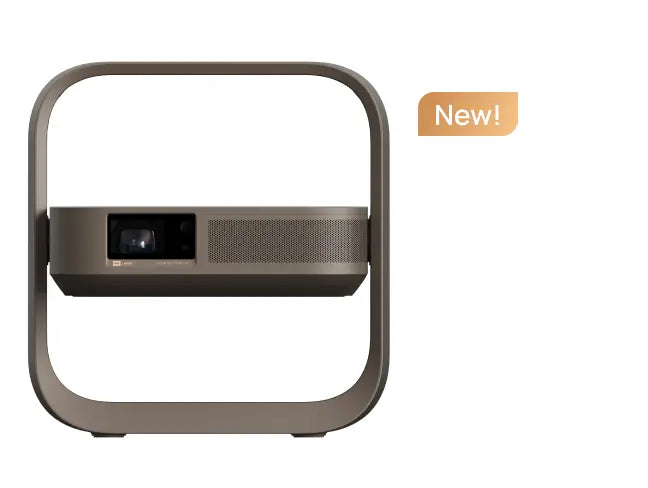
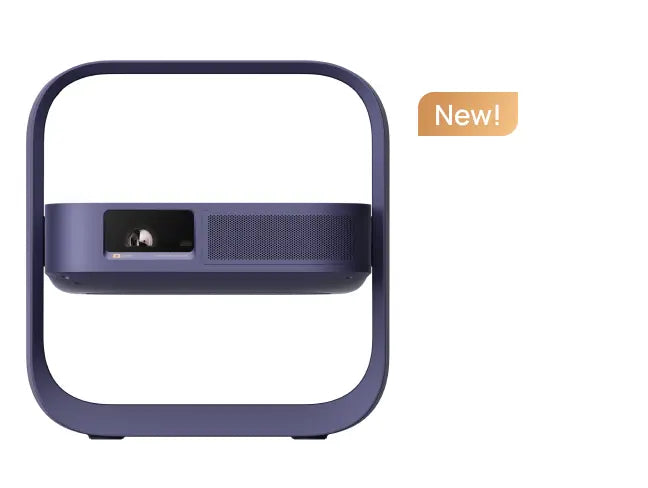
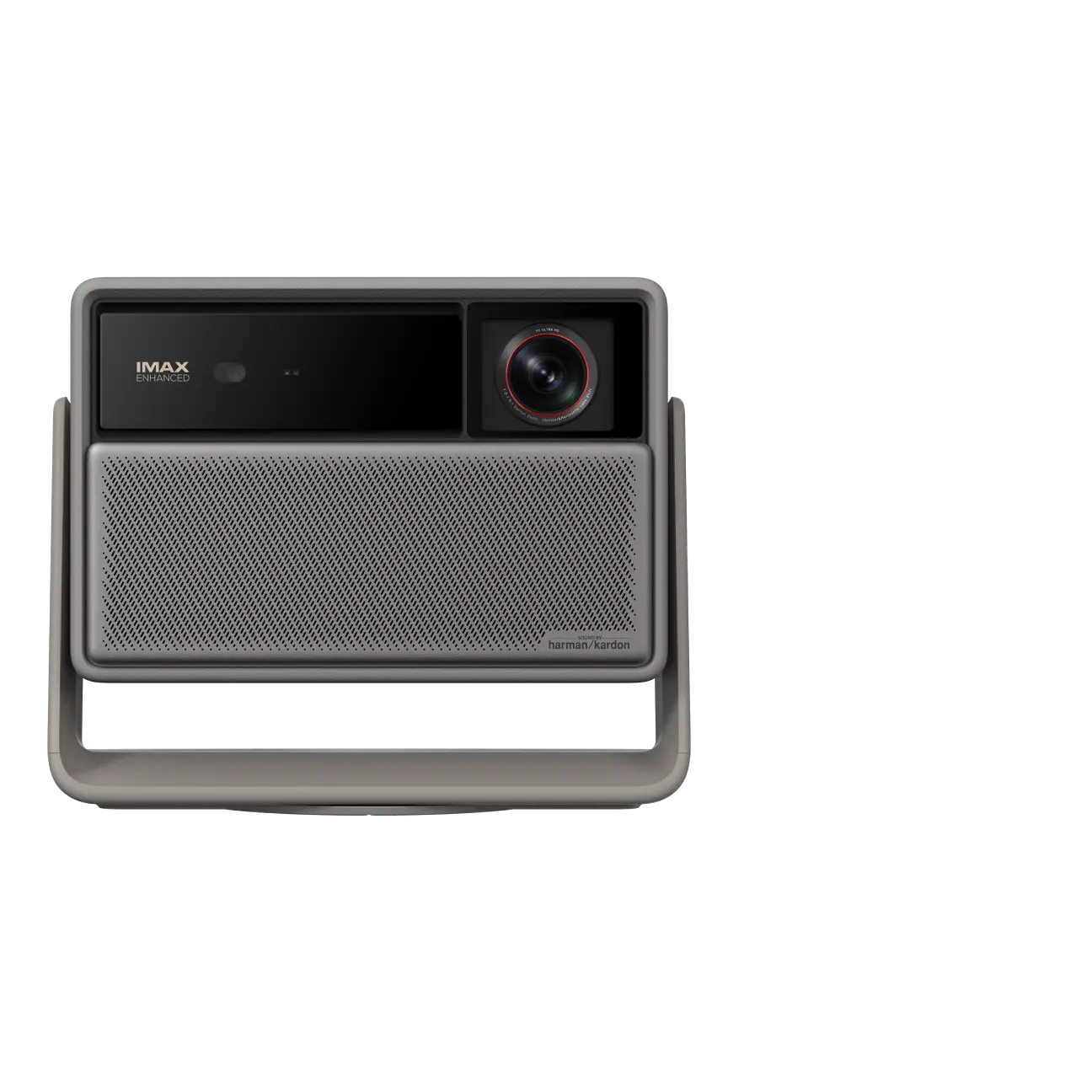
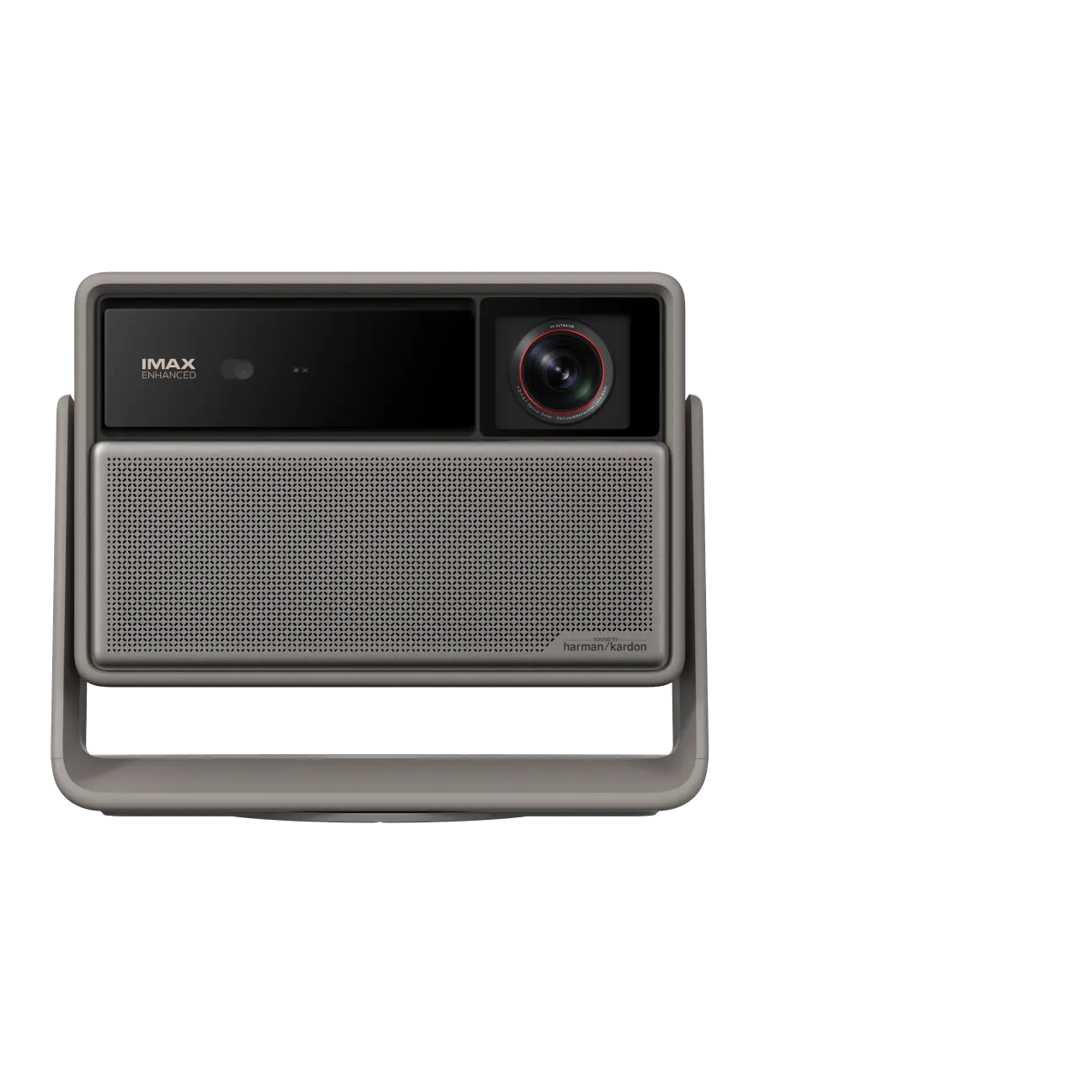
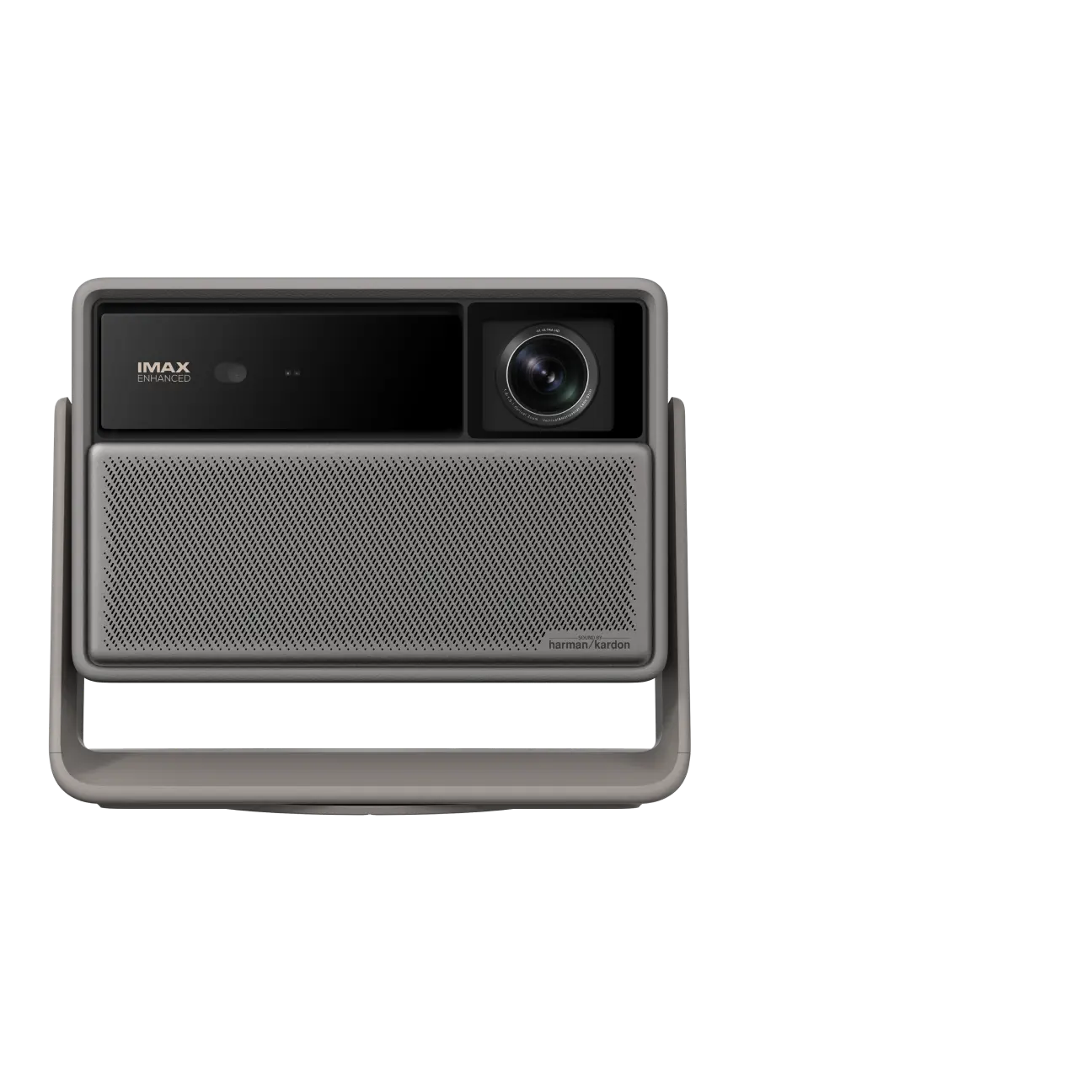
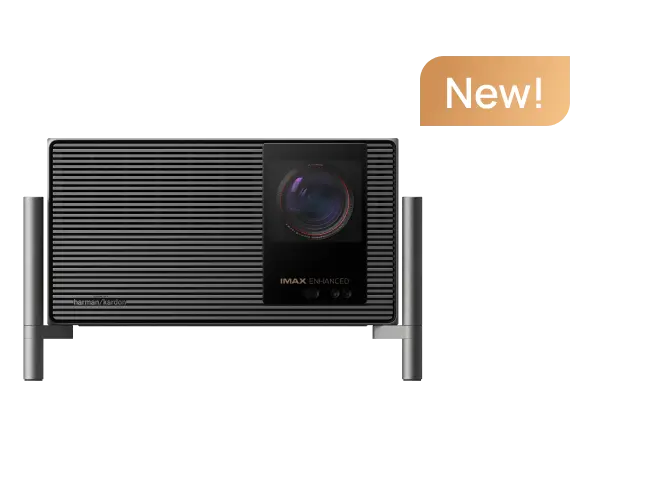
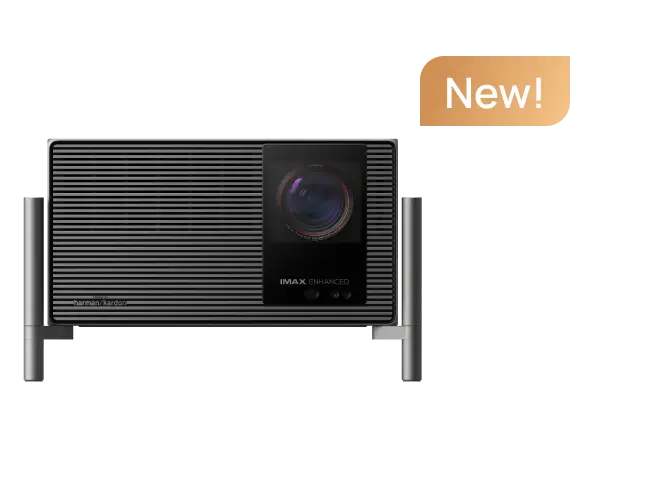
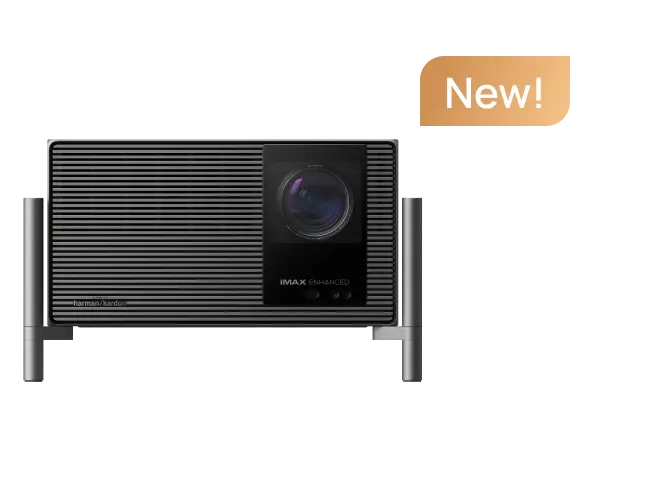
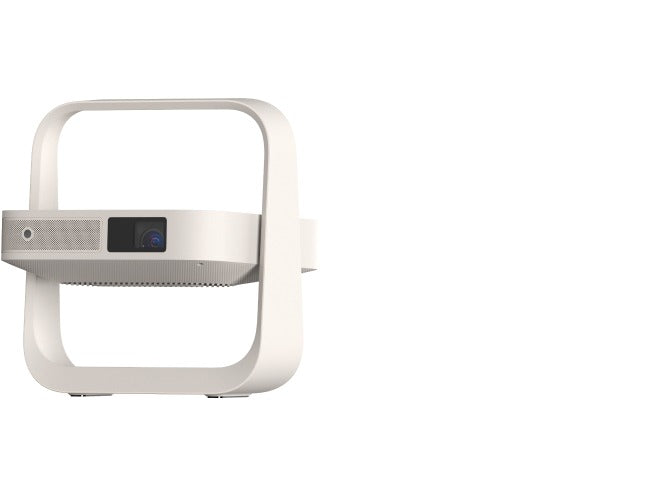
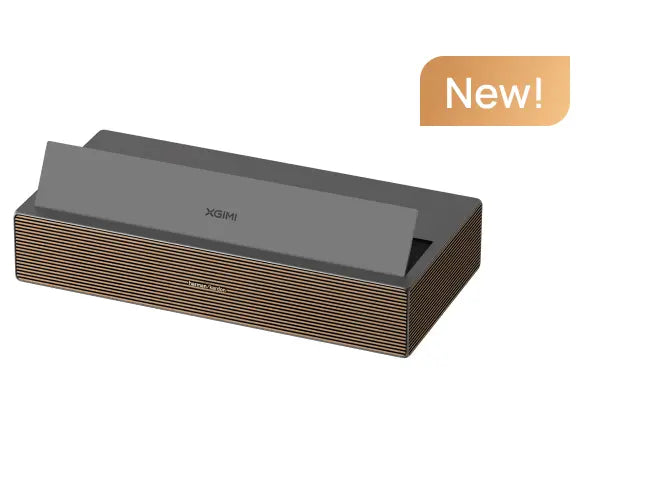
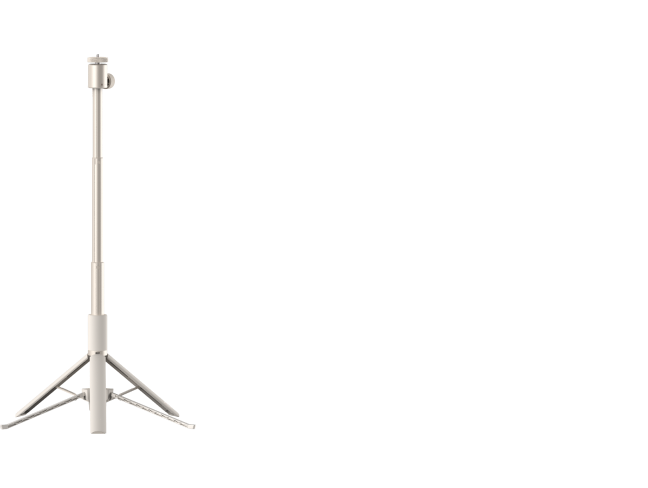
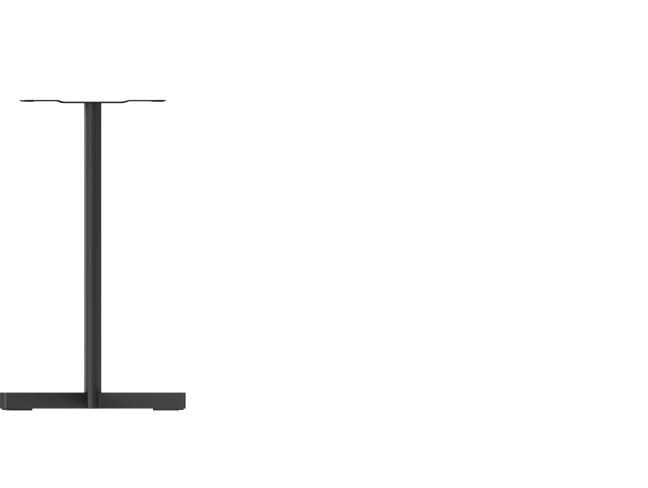
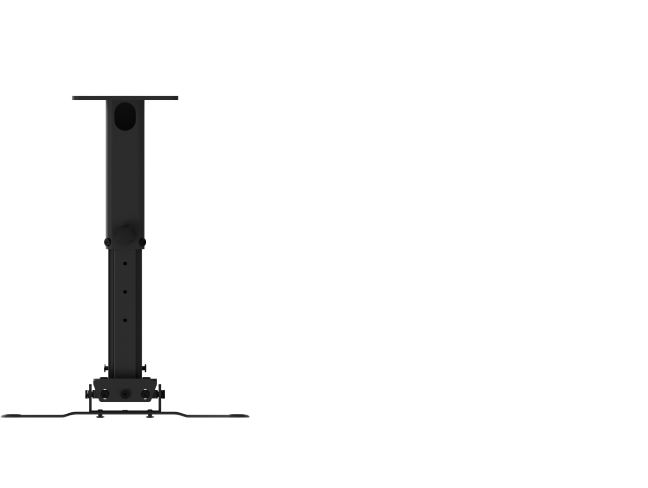



An appropriate projector will turn your living room into an entertainment zone. There appear to be innumerable models, each of which guarantees remarkable capabilities. An overview of the most basic principles of a home projector purchasing process will allow you to familiarize yourself with brightness, resolution, positioning, as well as some other capabilities that will really benefit your home entertainment.

Why a Projector Is the Ultimate Living Room Upgrade
A projector brings cinema-quality entertainment into your home. The massive screen size creates an immersive experience that traditional televisions simply cannot match.
You get flexibility, too. Many models work well in various lighting conditions and room sizes. The days of needing a dedicated dark theater room are over.
From Movie Nights to Big-Screen Gaming
Modern projectors handle everything from streaming movies to competitive gaming. Picture quality has improved dramatically in recent years. Response times are faster. Colors are more vibrant.
You can watch sports with friends on a 100-inch screen or game with minimal input lag. The large format makes any content more engaging. Kids love it for educational videos. Adults appreciate it for immersive storytelling.
The versatility extends beyond entertainment. Some people use projectors for presentations, video calls, or displaying artwork. A single device serves multiple purposes.
What to Consider Before You Buy
Room size plays a crucial role in your decision. A small living room needs different specifications from a large space.
Ambient light is another key factor. Some rooms have large windows that let in natural light throughout the day. Others are darker and more controlled. Your lighting situation will determine how many lumens you need.
Your budget matters, of course. Prices vary widely based on features and performance. Start by determining your must-have features. Then find options within your price range that meet those needs.
How Much Brightness Do You Really Need
Brightness refers to the projector's capability of being seen clearly in different lighting conditions. Lumens measure brightness. Higher lumens mean that the image will remain clear despite the lighting being on.
Brightness is important. Too often, there isn't enough brightness, causing the image to appear washed out. Too much brightness, however, is wasteful if you do not really use that much.
Lumens You Need for a Bright Room
Let's break down brightness by viewing environment:
Complete darkness: With a lighting level of 500 lumens, the image quality is good. It provides rich colors with a strong contrast. It is a good choice for home cinema.
Nighttime with minimal ambient light: You would require lighting of approximately 1000 lumens. This applies if you use desk lamps or low lighting in the room. Most of your nighttime viewing will fall within this category. The image remains sharp.
Dusk or semi-lit areas: Require 2000 lumens. This will address issues with natural lighting in the early evening hours or multiple lighting sources in the room. Having a bright room projector with this intensity will allow you flexibility all day.
Bright environments: Need 3,000+ lumens. These high-powered projectors combat direct sunlight or fully lit rooms. They're ideal if you can't control ambient light or have large windows facing south.
Balancing Brightness with Your Room's Lighting
Think about your typical viewing schedule. Do you mostly watch at night? The 1,000 to 2,000 lumen range likely works fine.
Do you want the flexibility to watch anytime? Invest in higher lumens. Some projectors include brightness modes that adjust automatically based on room conditions.
Window placement affects your needs, too. East-facing windows flood morning light. South-facing ones get intense afternoon sun. Consider when you'll use the projector most. You can always add blackout curtains if needed, which might let you save money on a lower-lumen model.

Finding the Right Fit with Throw Distance
Throw distance is the space between your projector and the screen. This measurement determines how large your image appears.
Getting it right ensures proper placement in your living room. Measure wrong, and you might end up with an image that's too small or won't fit your wall.
Calculating the Perfect Placement for Your Space
Here's how to figure out what you need:
Measure your room before shopping. Note the distance from where you'd place the projector to your screen or wall. Most manufacturers provide throw ratio calculators on their websites.
Input your desired screen size and available space. The calculator tells you whether a model works for your setup. This simple step saves you from buying the wrong projector.
Standard throw projectors need more distance. They typically require 8 to 12 feet for a 100-inch image. Long-throw models need even more space. These suit larger living rooms or dedicated theater spaces. You can use the XGIMI projector calculator to estimate the ideal throw distance and screen size for your setup.
What Is a Short-Throw Projector for a Small Living Room
Short-throw projectors create large images from minimal distances. They work beautifully in compact spaces.
Some can project a 100-inch image from just a few feet away. This design eliminates shadows when people walk in front of the projector. No more interrupting the movie every time someone gets up for snacks.
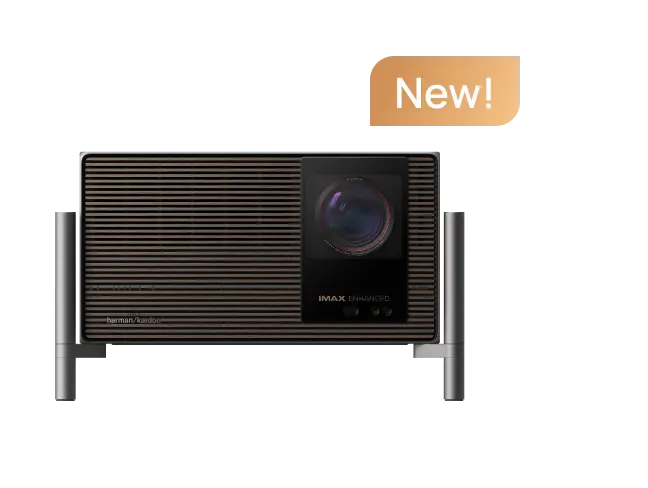
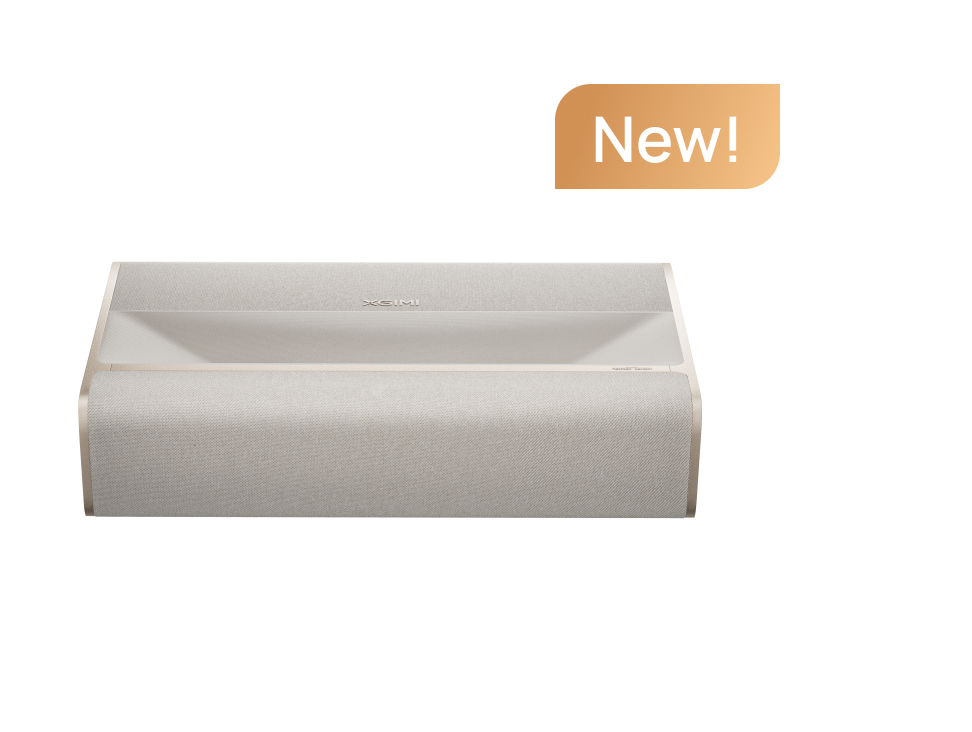
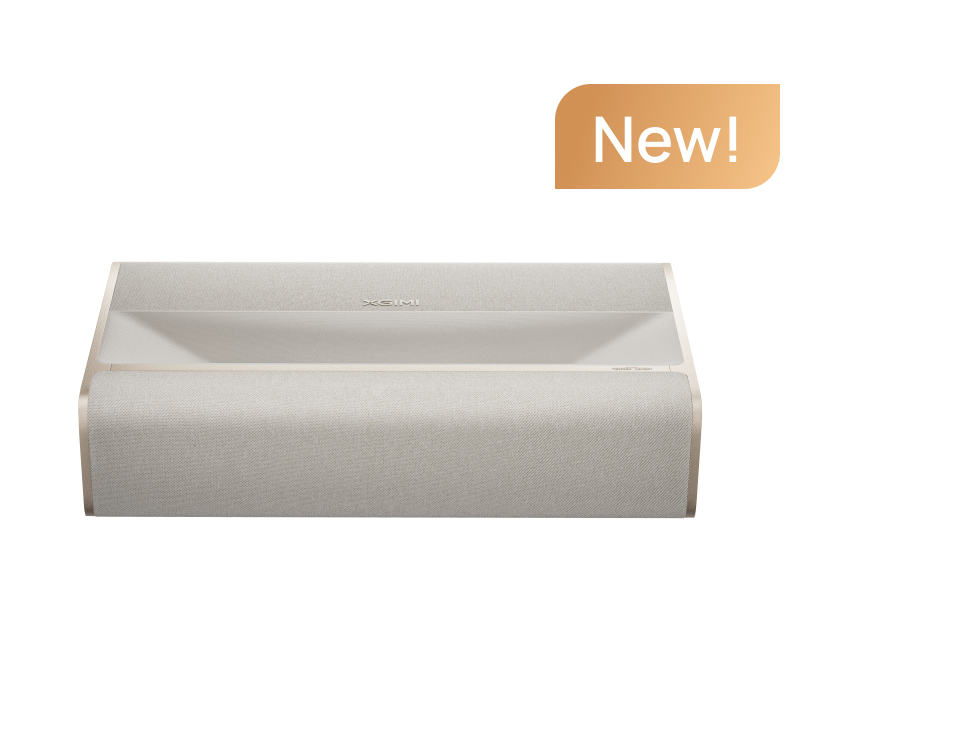
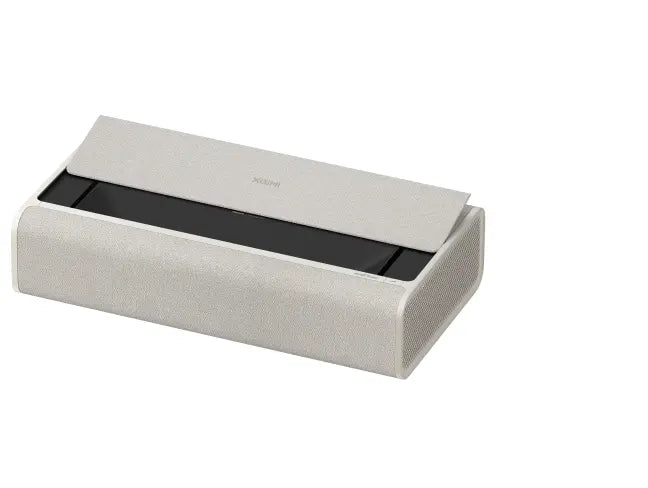
Ultra-short-throw models sit extremely close to the wall, like the XGIMI AURA 2 (New) UST laser projector. They're perfect for apartments or rooms where mounting options are limited. You can place them on a TV stand or a low table. The image quality remains sharp despite its proximity.

Why a 4K Projector for Your Living Room Is Worth It
Resolution affects how sharp and detailed your image appears. Higher resolution means more pixels packed into the same space.
The difference becomes obvious on larger screens. Since you're likely projecting an image much bigger than a typical TV, resolution matters more than you might think.
The Difference Between 1080p and 4K Resolution
Full HD (1080p) projectors deliver solid performance for most content. They work well for screens up to 100 inches. The image looks good from typical viewing distances.
They're also more affordable than 4K options. If you're budget-conscious and your screen stays under 100 inches, 1080p might suffice.
4K resolution quadruples the pixel count. You get 3840 x 2160 pixels instead of 1920 x 1080. Fine details pop. Text appears crisp.
The improvement is especially noticeable on screens larger than 100 inches. It's the better choice if you sit close to your screen or want the sharpest possible image.
Maximizing Picture Detail on a Large Screen
Streaming services increasingly offer 4K content. Gaming consoles support 4K output. Your projector should match these sources to display them properly.
A 4K projector for your living room future-proofs your investment. You won't need to upgrade when 4K becomes the standard everywhere.
Upscaling technology helps too. Many 4K projectors can enhance lower-resolution content. The image won't match native 4K, but it looks better than on a 1080p display. This matters if you watch varied content sources.
The Most Important Features for an Easy Setup
Setup complexity frustrates many first-time projector owners. You don't want to spend hours adjusting settings when you could be watching movies.
Modern features simplify the process significantly. Look for automation that handles technical adjustments for you.
Why Automatic Keystone Correction Is a Lifesaver
Keystone correction fixes image distortion. When a projector sits at an angle, the picture becomes trapezoidal instead of rectangular.
Manual correction takes time and patience. You adjust sliders while squinting at the screen. Automatic correction detects the distortion and fixes it instantly.
This feature proves invaluable if you move your projector frequently. Place it down, turn it on, and the image squares itself. Some models even adjust as you shift the projector. No more frustrating alignment sessions.

The Convenience of Autofocus and Smart Obstacle Avoidance
Autofocus ensures sharp images without manual adjustments. The projector analyzes the screen and focuses automatically. Turn it on and start watching immediately.
Obstacles like furniture or decor sometimes block part of your projected image. Smart obstacle avoidance detects these objects and adjusts the image around them. The picture automatically reshapes to fit the available wall space.
These features save substantial setup time. You can focus on enjoying your content rather than tweaking settings. The technology has become quite reliable in recent models.
Don't Forget About Immersive Sound
Picture quality grabs attention, but sound completes the experience. Audio performance varies significantly between projector models.
Many people focus solely on video specs and regret it later. Evaluate your sound needs carefully from the start.
Evaluating Built-in Speaker Quality
Built-in speakers offer convenience. You don't need extra equipment or wiring. Some projectors include surprisingly good speakers with decent bass and clear dialogue.
They work well for casual viewing. News, YouTube videos, and light entertainment sound fine through built-in speakers.
However, built-in speakers rarely match dedicated audio systems. Physics limits how much sound quality you can pack into a compact projector chassis. Volume might not satisfy larger rooms. Bass response typically feels weak compared to external speakers.
When You Should Connect an External Sound System
Serious movie enthusiasts should invest in external audio. A soundbar provides noticeable improvement over built-in speakers.
A full surround sound system creates theater-quality immersion. Explosions rumble. Dialogue centers clearly. Music fills the room.
Your projector for the living room needs audio outputs to support external speakers. Check for HDMI ARC, optical audio, or Bluetooth connectivity. These options let you route audio to better speakers.
Some people use existing home audio systems. The projector becomes part of a larger entertainment setup. This approach maximizes your investment in quality sound equipment.
Smart Features and Connectivity Options to Look For
Modern projectors function like smart TVs. They stream content directly without external devices.
Connectivity options determine how you use your projector. More options mean more flexibility.
The Benefits of an Integrated Smart TV OS
Built-in streaming apps simplify your setup. Access popular services directly through the projector. No need for streaming sticks or media players cluttering your setup.
The interface often mirrors what you'd find on a smart TV. You already know how to navigate it.
Updates keep apps current. New services become available over time. Voice control adds convenience. You can search content or adjust settings without a remote.
Some systems integrate with smart home platforms. Control your projector alongside lights and other devices.

Essential Ports and Wireless Connections
HDMI ports are essential. Multiple HDMI inputs let you connect gaming consoles, cable boxes, and other devices simultaneously. No more swapping cables when you want to switch devices.
USB ports support storage drives for offline content. Ethernet jacks provide stable internet connections for streaming without buffering.
Wireless connectivity matters too. Wi-Fi enables streaming without cables. Bluetooth connects wireless headphones or speakers.
Screen mirroring lets you display content from phones or tablets. Show photos from your vacation or share videos with the family. More connection options mean greater flexibility for different uses.
Projector vs TV: Which Is Best for Your Living Room
This debate continues among home entertainment enthusiasts. Each option has distinct advantages.
Your priorities determine the better choice. There's no universal answer.
Comparing Screen Size and Viewing Experience
Projectors deliver dramatically larger images. A 100-inch display dwarfs even premium large-screen TVs. The cinematic scale enhances immersion.
Sports events feel like you're at the stadium. Movies replicate the theater experience. That massive screen creates an emotional impact that smaller displays can't match.
TVs excel in bright environments. Their screens remain visible regardless of ambient light. No darkness required.
Colors often appear more vibrant on TV panels. High-end TVs offer exceptional contrast and black levels. The picture stays consistent in any lighting condition.
Pros and Cons for Everyday Use
Projectors require more planning:
- You need a blank wall or screen.
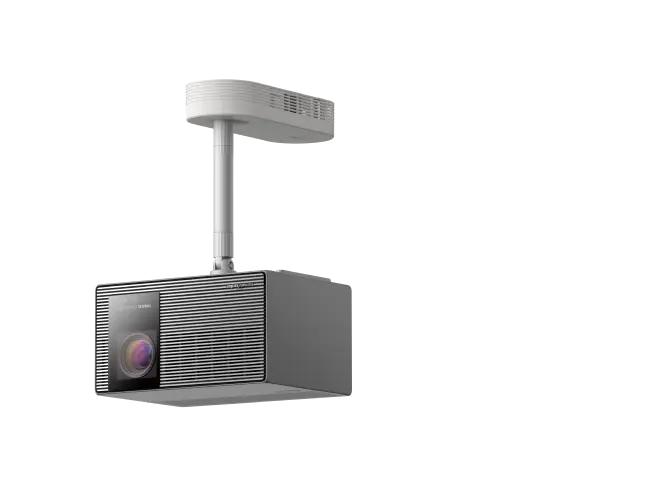
- You have to think about placement or ceiling mounting.
- Lamp life means eventual bulb replacements, although modern LED light sources last much longer.
- For the best image, you often need to manage room lighting.
TVs, by contrast, offer simplicity:
- You switch them on and start watching. No alignment or focus is needed.
- They behave the same way every time.
- Modern, space-saving all-in-one designs appeal to minimalists.
- Many TVs are thin enough to hang on the wall and forget about.
Which fits you better?
- If you enjoy tinkering with technology and fine-tuning your setup, a projector may suit you better.
- If you want something that works with minimal effort, a TV is usually the better choice.

Your Final Checklist for Choosing a Living Room Projector
Now that you understand the key factors, here's how to make your decision:
Start with your room: Measure dimensions and note lighting conditions. These factors narrow your options significantly. Measure throw distance to ensure proper fit.
Decide on resolution: Determine your minimum acceptable resolution based on screen size and viewing distance. Remember, 4K matters more on larger screens.
Calculate brightness needs: Match lumens to your viewing environment. Complete darkness needs less. Bright rooms need more.
List must-have features: Prioritize what matters most to your viewing habits. Gaming needs differ from movie watching. Family use differs from solo entertainment.
Read real reviews: User reviews reveal real-world performance issues that specifications don't show. Look for reviews from people with similar room setups.
Set a complete budget: Include necessary accessories. You might need a screen, mount, or audio system. Factor in these costs early to avoid surprises.
See before you buy: Visit stores to see projectors in action if possible. Pictures don't always convey the actual viewing experience. Seeing is believing.
Bring the Cinema Experience Home
Selecting the perfect projector for living room entertainment requires careful consideration of multiple factors. Brightness levels, throw distance, resolution, and smart features all play crucial roles in your satisfaction. Match the specifications to your room conditions and viewing habits. Don't rush the decision. A well-chosen projector transforms ordinary evenings into extraordinary experiences. The investment pays off through years of immersive entertainment. Your living room deserves the upgrade. Start exploring your options today and discover how a quality projector elevates every moment you spend watching content at home.
Frequently Asked Questions
Q1: Can I Use a Projector in a Room With Windows?
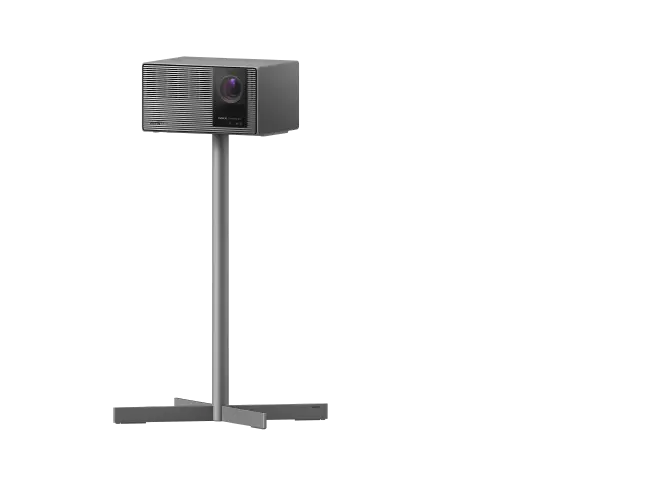
Yes, you can use a projector in rooms with windows. Choose a bright room projector with 2,000 lumens for dusk or semi-lit areas. For rooms with significant natural light, models with 3,000+ lumens work best. The XGIMI HORIZON 20 Series 4K projectors, offering a high brightness output of 3200 to 5700 ISO lumens, are excellent options to consider.
Consider blackout curtains or shades for optimal picture quality during daytime viewing. The combination gives you the flexibility to watch anytime.
Q2: How Far Should a Projector Be From the Wall?
Distance ranges depend on the throw ratio of the projector as well as the size required. In a short-throw projector, a distance of 3 to 6 feet is required for projecting a 100-inch image. A standard projector requires a distance of 8 to 12 feet.
Q3: Is a 4K Projector Necessary for a Living Room?
Having a 4K projector may not be necessary, but it provides many advantages. This additional resolution will greatly benefit any display that measures more than 100 inches. Future-proof your investment as more content goes live in 4K. But if your budget isn't that flexible, then a 1080p projector will still serve you well.
Q4: Do I Need a Special Screen or Can I Use a Wall?
White walls work adequately for casual viewing. Dedicated screens significantly improve image quality through better reflectivity and color accuracy. Screens also provide defined viewing areas and eliminate wall texture issues. For serious home theater experiences, invest in a quality screen. Budget options exist that still outperform plain walls noticeably.
Q5: How Long Do Projector Bulbs Last?
LED and laser light sources last 20,000 to 30,000 hours. Traditional lamp-based projectors run 3,000 to 6,000 hours. Newer LED projectors rarely need bulb replacements during their usable lifetime. Operating in eco mode extends bulb life further. Most casual users get many years before needing replacements, making maintenance minimal.


