




Why Regular Maintenance is Essential for Projector Longevity
Proper projector maintenance ensures your device delivers consistent brightness, sharp images, and reliable cooling for years. While modern laser and LED light sources are engineered for long-term durability, performance drops are often caused by external factors: dust accumulation, improper cleaning techniques, and poor storage habits. For more on this topic, see Projector Brightness Standards and Measurement: A Comprehensive Ref.... For more on this topic, see Projector Dust & Filter: When and How to Clean.
Dust buildup on vents and filters restricts airflow, forcing the internal cooling system to work harder. This increased thermal stress can accelerate wear on fans and sensitive internal electronics. By following a safe routine tailored to your specific environment, you can significantly reduce overheating risks, preserve delicate lens coatings, and distinguish between normal aging and issues requiring professional service.

Determining Your Cleaning Schedule Based on Environment
There is no universal calendar for maintenance; the "right" frequency depends on your room conditions. In our experience, a "check-and-clean" approach based on the following environmental tiers works best:
- Low-Dust Environments (Dedicated Media Rooms): Perform a monthly exterior inspection. Clean the lens only if a "haze" or visible spots appear in the image.
- Typical Living Spaces: Inspect vents and the lens every two weeks. A full exterior cleaning once a month is usually sufficient to prevent buildup.
- High-Activity Areas (Pets, Carpets, or Open Windows): Check vents weekly. Dust can accumulate rapidly in these settings, potentially triggering "High Temp" warnings if ignored.
- Post-Event Maintenance: Always perform an immediate inspection after home renovations, moving the unit, or bringing it out of long-term storage.
Pro Tip: Use a small flashlight to peer into the intake vents. If you see a "carpet" of gray lint forming over the mesh, it is time for an immediate cleaning to restore airflow.

Safe Lens Cleaning: The "Dry-First" Rule
Projector lens coatings are highly specialized and easily damaged by abrasive materials or harsh chemicals. To maintain optical clarity without risking permanent scratches, follow this sequence:
- Cool Down: Power off and unplug the projector. Allow it to cool for at least 30 minutes to prevent thermal shock to the glass.
- Air First: Use a manual air blower (bulb style) to remove loose particles. Never use your breath, as moisture can trap oils on the surface.
- Dry Microfiber: Gently wipe the lens in a single direction using a clean, high-quality microfiber cloth designed for optics. Avoid circular motions, which can ground grit into the coating.
- Minimal Fluid: If stubborn spots remain, apply a drop of specialized lens cleaner to the cloth, never directly to the lens.
Avoid paper towels, tissues, or household glass cleaners. This official projector maintenance guidance highlights why gentle, dry-first techniques are the industry standard for avoiding common lens damage.
Practical Maintenance Frequency by Environment
Practical guideline based on environment. Use this as a relative maintenance cadence, not a measured benchmark.
View chart data
| Category | Inspection frequency (times/month) | Deep clean frequency (times/month) |
|---|---|---|
| Low Dust | 1.0 | 1.0 |
| Typical Home | 2.0 | 1.0 |
| High Dust / Pets | 4.0 | 1.0 |
Practical guideline based on environment; synthesized from threshold_table and execution_heuristics. Low dust: monthly checks. Typical home: bi-weekly dust check plus monthly clean. High dust / pets: weekly to biweekly inspection and monthly deep clean. After storage or renovation, do an immediate check. Relative guideline only; no experimental data.
Maintaining Airflow: Vents and Filters
Restricted airflow is the primary cause of fan noise and premature hardware failure. To keep your cooling system efficient:
- Clear the Path: Ensure at least 10–20cm of clearance around all intake and exhaust vents.
- Vacuuming vs. Blowing: Use a soft brush attachment on a low-power vacuum to pull dust out of the vents. Avoid using high-pressure compressed air cans, as these can inadvertently force dust deeper into the sealed optical engine.
- Filter Care: If your model features a removable filter, extract it according to the manual. Tap off loose debris. If the manual allows washing, ensure the filter is 100% dry before reinstallation to prevent moisture from entering the electronics.
Understanding Light Source Lifespan: Laser vs. LED
A common question is how long a projector will stay "bright." Most premium laser and LED projectors are rated for 20,000 to 30,000 hours of use. However, it is important to understand that these figures are estimates based on standard operating conditions (typically 25°C ambient temperature in "Standard" or "Eco" power modes). For more on this topic, see Using Optical Filters to Enhance Your Projector's Ambient Art Mode.
- Normal Aging: You should expect a very gradual, nearly imperceptible decline in brightness over several years. This is a characteristic of all solid-state lighting.
- Abnormal Signs: Sudden dimming, significant color shifts (e.g., the image turning noticeably yellow or blue), or "hot spots" are not part of the normal aging process and usually indicate a hardware fault.
Storage and Protection Accessories
When not in use, protecting your projector from the elements is the easiest way to reduce maintenance frequency.
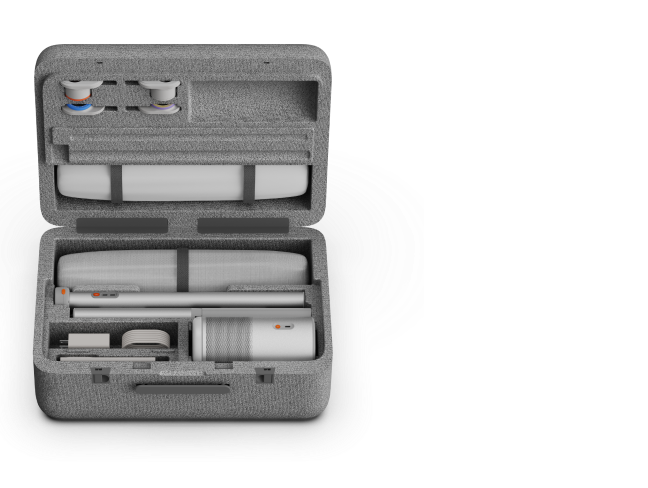
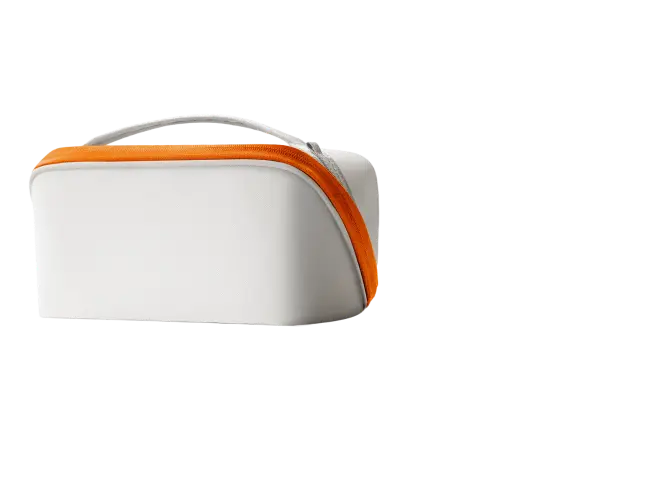
- Portable Protection: For those who move their setup, the Halo/ HORIZON Series Carrying Case or MoGo Series Carrying Case provides a dust-sealed environment that cushions against impact.
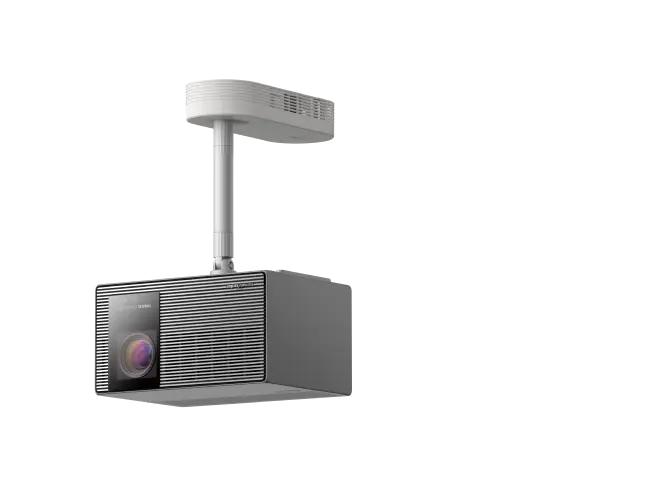
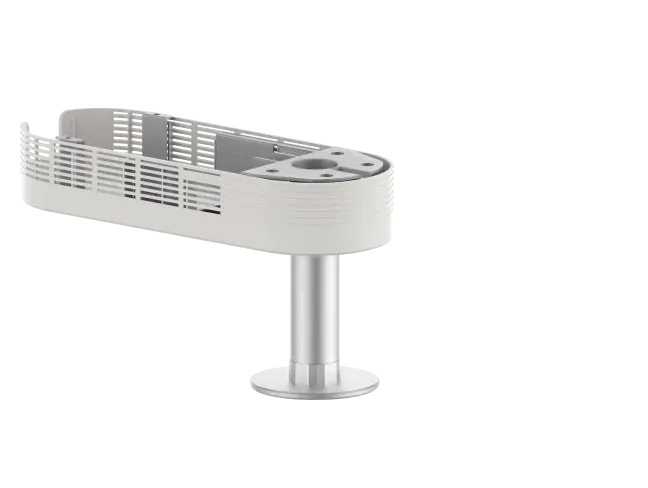
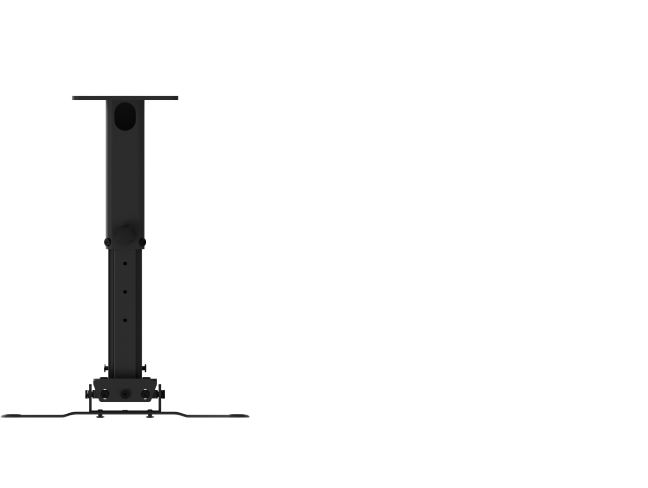
- Fixed Installations: Ceiling-mounted units, such as those using the XGIMI Ceiling Mount, stay away from floor-level dust and pet hair, naturally extending the time between vent cleanings.
Routine Maintenance Checklist
Keep this checklist handy for your monthly "tune-up":
- [ ] Power Off: Unplug and allow the unit to cool completely.
- [ ] Visual Inspection: Check vents for lint and the lens for smudges.
- [ ] Dust Removal: Use an air blower on the lens and a soft brush on vents.
- [ ] Lens Wipe: Use a dedicated microfiber cloth if smudges are visible.
- [ ] Environment Check: Ensure no new objects (books, decor) are blocking the airflow path.
- [ ] Firmware Update: Check for system updates, which often include optimizations for fan speed and thermal management.
For genuine replacement parts or specialized cleaning tools, browse the Accessories or After-sale Accessories collections.
When to Seek Professional Service
Self-maintenance should be limited to the exterior of the device. You should stop using the projector and contact authorized support if you encounter:
- Internal Dust: "Dust blobs" appearing as blurry circles on the screen that cannot be cleaned from the outside.
- Persistent Error Lights: Warning LEDs that remain on even after cleaning the vents.
- Unusual Noise: Grinding or rattling sounds from the fans.
- Odors: Any smell of burning or ozone.
Attempting to open sealed compartments can void your warranty and risk exposure to high-voltage components or sensitive laser hardware.
Safety Note: This guide provides general maintenance advice to help users preserve image quality. It does not constitute medical advice. Projector use may involve eye strain depending on brightness and room conditions. If you experience persistent headaches or eye discomfort, consult an eye care professional. Always refer to your specific model’s user manual for safety-critical instructions.
By matching your cleaning cadence to your environment and using the right tools, you can ensure your projector remains the centerpiece of your home theater for years to come. For more technical insights, see our guides on Why Projectors Need Cool-Down Time and How Temperature Affects Color Accuracy.


