
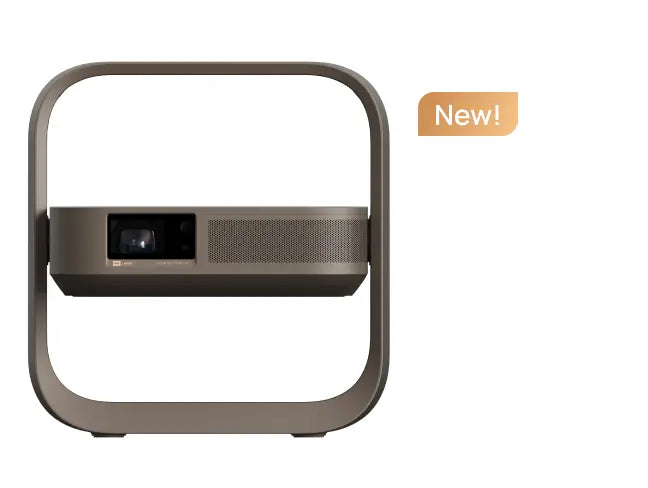
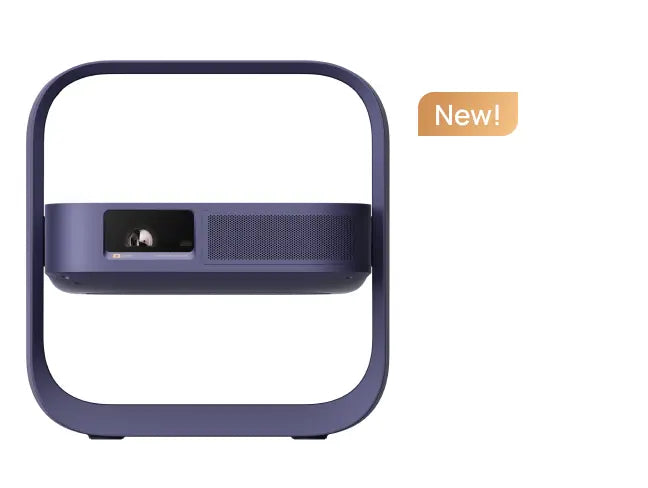
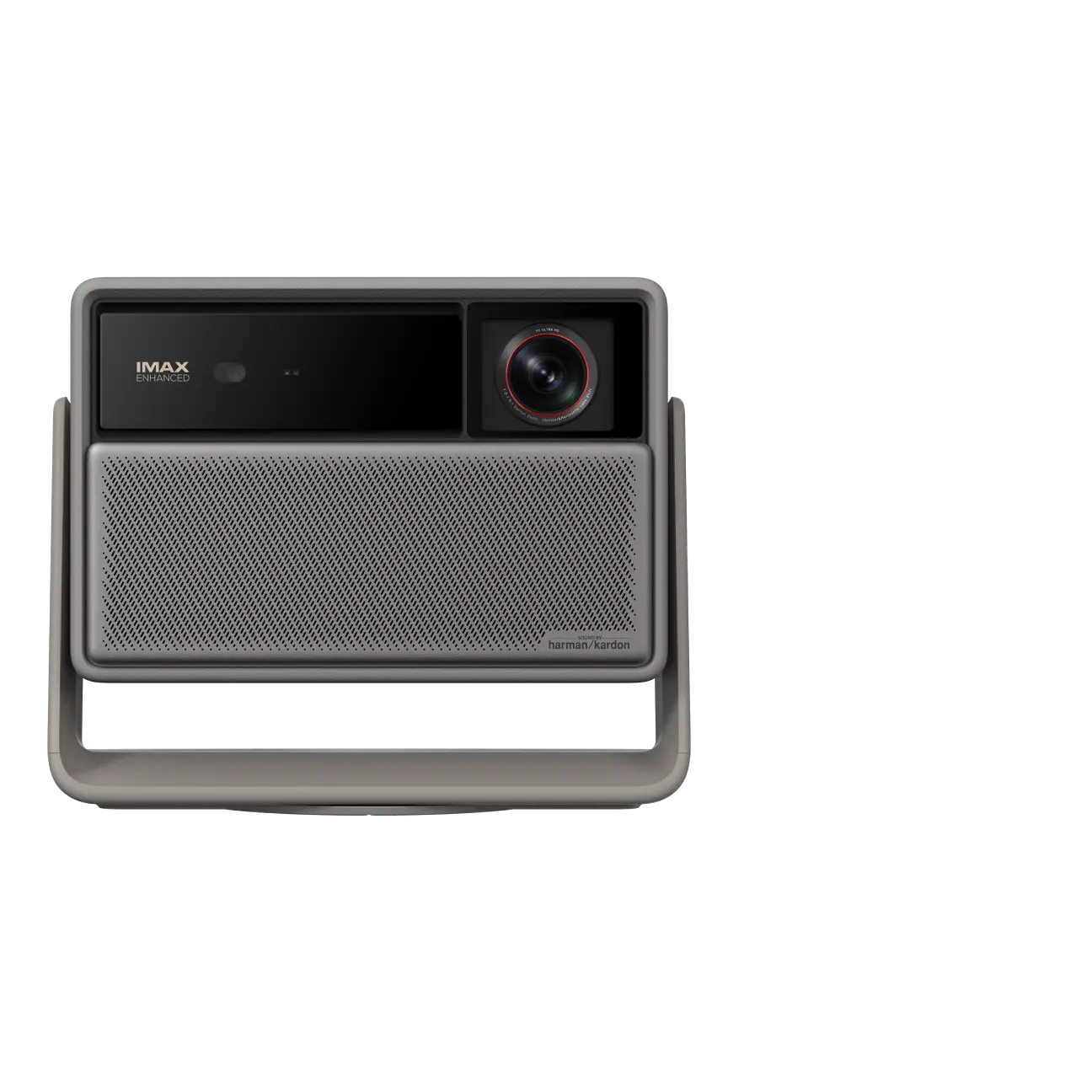
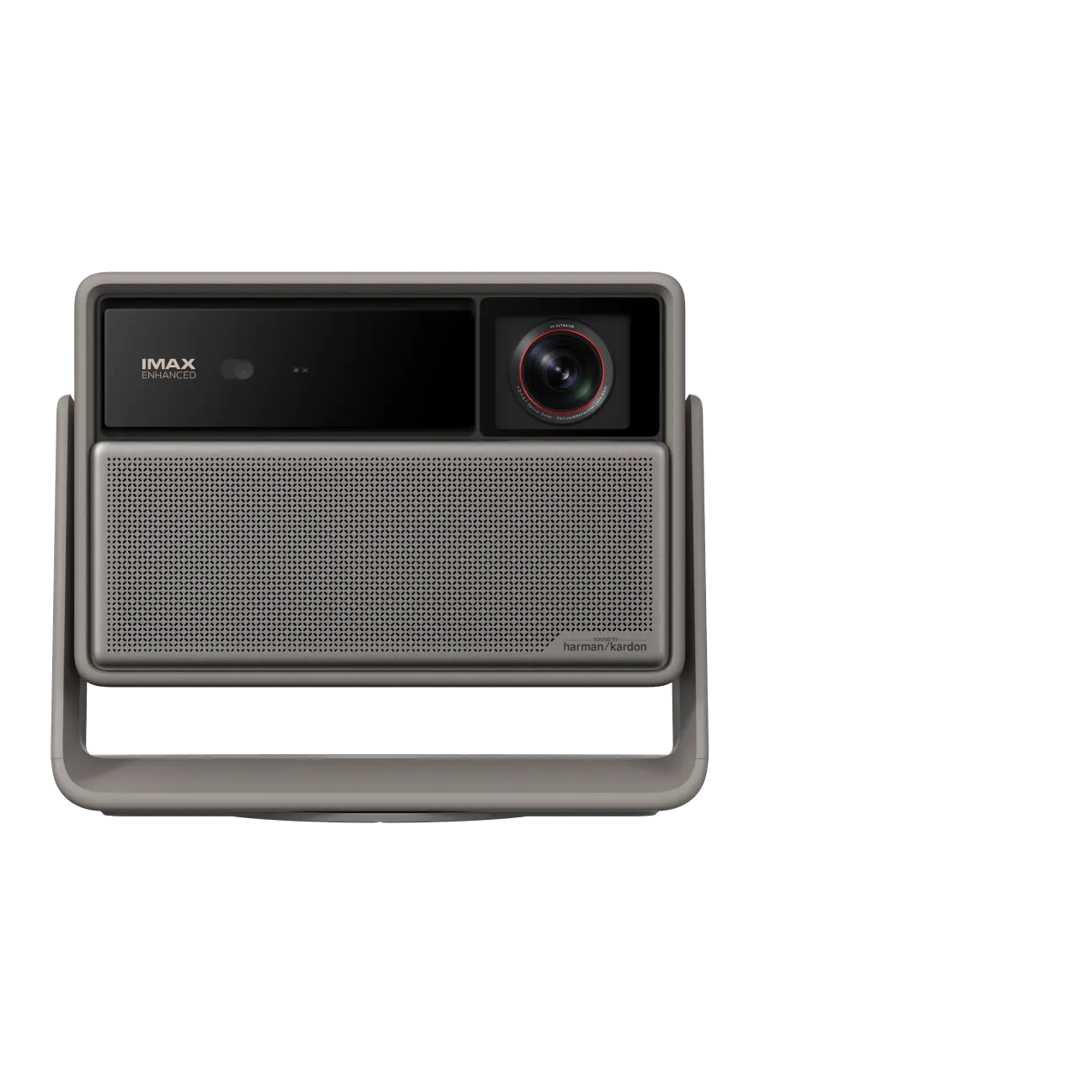
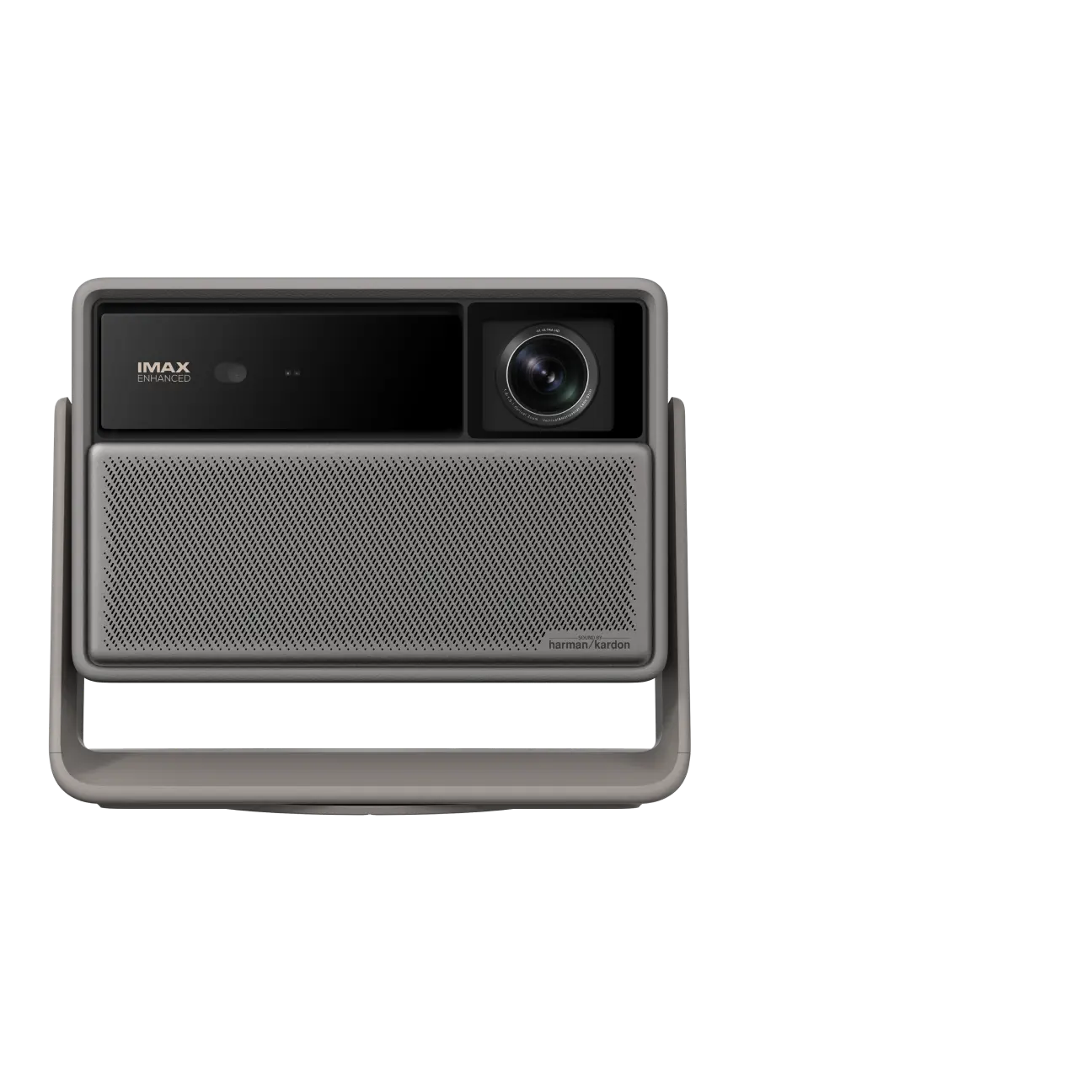



Planning a laser TV or ultra-short-throw (UST) projector setup in 2026 means looking well beyond the projector price tag. A premium UST system can deliver a stunning 100- to 120-inch cinematic experience, but the projector itself often represents only 50 to 70 percent of the total investment once you add an ambient-light-rejecting (ALR) screen, audio upgrades, mounting or furniture adjustments, cables, and installation. Understanding these layered costs upfront helps budget-conscious buyers avoid surprises and choose the right tier for their room and viewing habits. For more on this topic, see How to Build a Budget Golf Simulator Using a Short-Throw Projector. For more on this topic, see Can You Use a UST Projector on a Regular Wall? The Pros and Cons. For more on this topic, see How to Choose the Right Furniture Height for Your Ultra-Short Throw....

Most first-time buyers focus on the headline projector price, yet real-world setups frequently double or more than double that figure when everything needed for reliable performance is included. This guide breaks down realistic 2026 cost ranges, explains when an ALR screen adds genuine value, identifies hidden expenses, and provides a practical framework for comparing entry-level, mid-range, and premium configurations.
Why the Projector Price Is Only the Starting Point
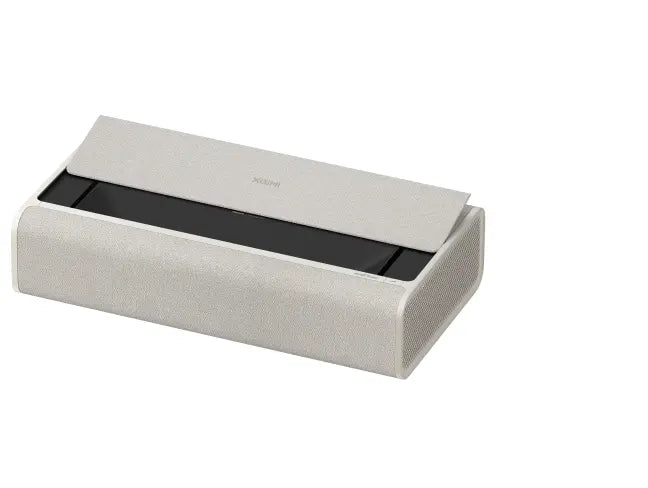
Ultra-short-throw laser projectors sit just inches from the wall and can create huge images without the long throw distance of traditional models. That convenience comes with specific requirements. The projector must be placed at a precise height and distance, the wall or screen surface must handle high brightness without hot-spotting, and ambient light can quickly wash out the picture unless controlled or countered with an ALR screen.
These constraints mean many rooms need additional components before the system performs as expected. Buyers who budget only for the projector often discover later that achieving consistent, TV-like usability requires spending on a matched screen, better sound, and proper placement solutions. Treating the purchase as a complete system rather than an isolated device leads to more realistic expectations and fewer regrets.
2026 Cost Breakdown by Component
Current market patterns show clear pricing bands for UST laser systems. These figures are conservative estimates based on typical street pricing and should be treated as planning guidance rather than fixed quotes, as promotions, regional differences, and new model releases can shift numbers.
-
UST Projector: Entry-level models suitable for basic large-screen viewing generally range from $1,500 to $3,000. Mid-range options offering stronger brightness, better color accuracy, and advanced features like Dolby Vision typically fall between $3,000 and $6,000. Premium flagships with the highest lumen output, refined laser engines, and premium certifications can start at $6,000 and reach $12,000 or more.
-
ALR Screen (100-120 inch): A fixed-frame or tab-tension UST-compatible ALR screen usually adds $500 to $1,500 for solid entry-to-mid options and $1,800 to $4,000+ for higher-gain or larger premium versions. These screens reject off-axis light to preserve contrast in living rooms, but they represent one of the largest potential add-on expenses.
-
Audio System: Built-in speakers on many UST models provide decent casual sound, yet most buyers upgrade for cinematic impact. A basic soundbar runs $200 to $800, while a quality soundbar with subwoofer or a full AV receiver plus speakers can add $1,000 to $5,000 depending on the desired immersion level.
-
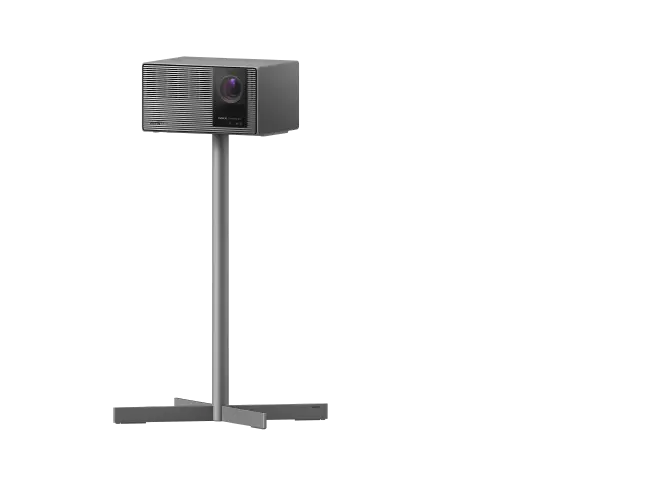
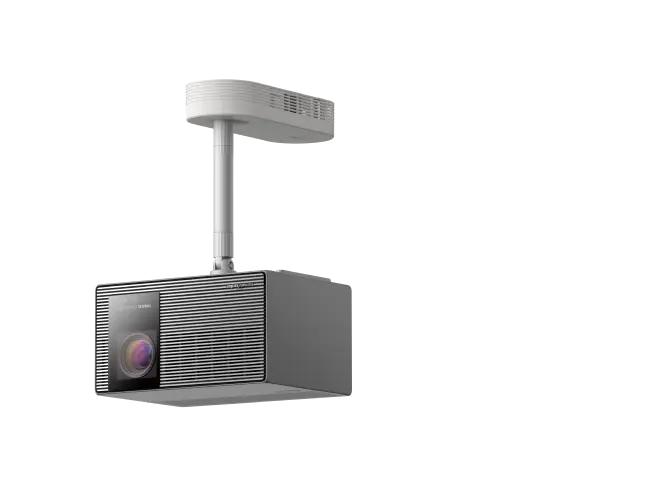
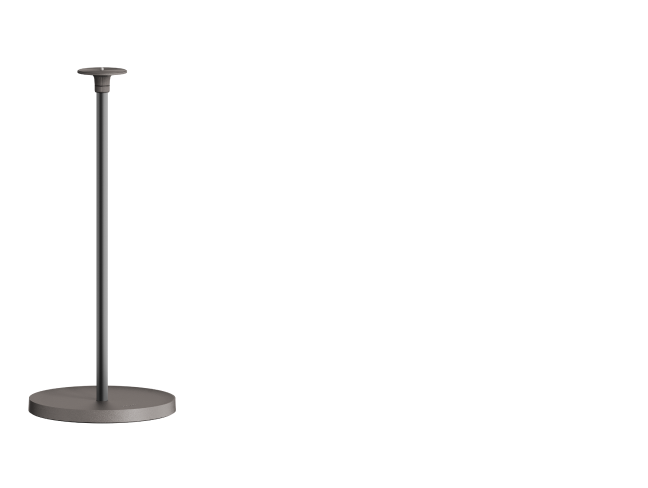
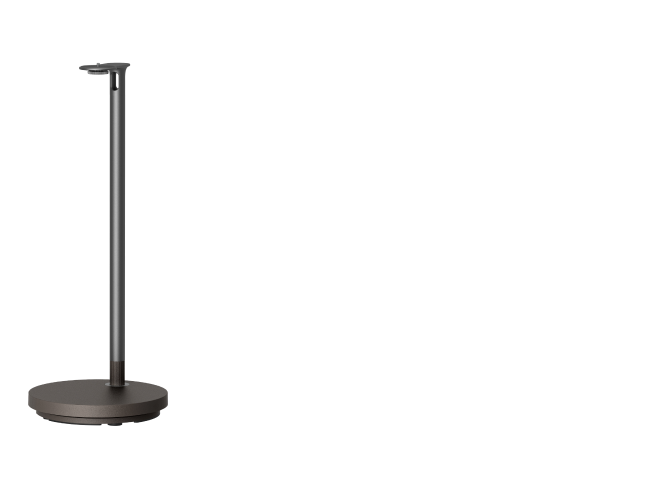
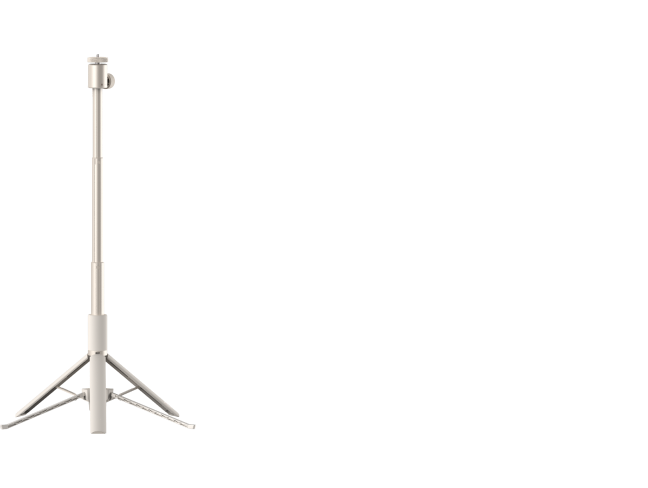
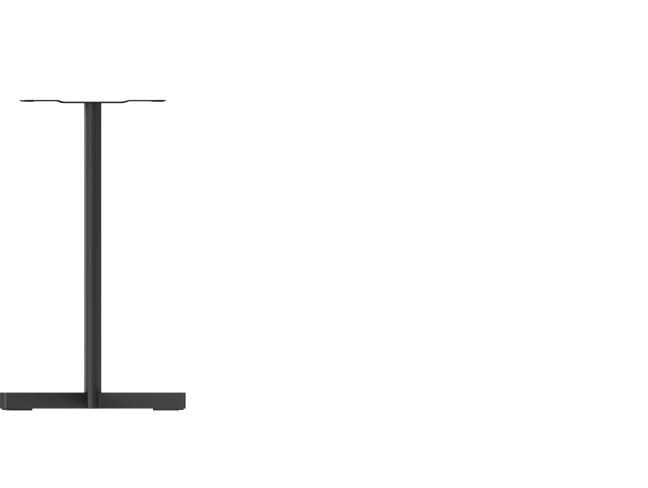
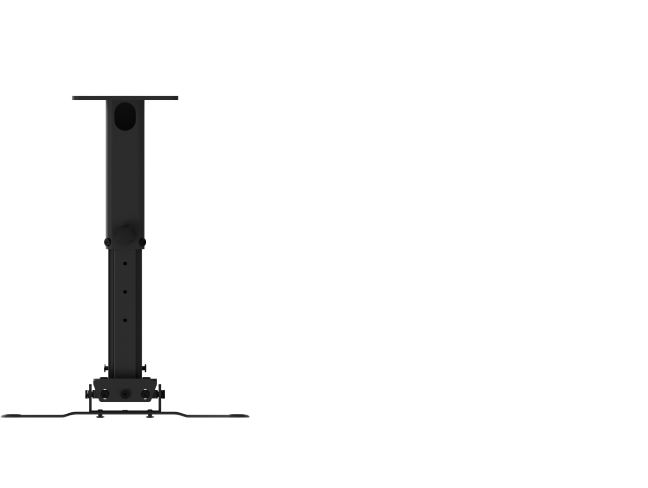
Mounting, Installation, and Misc: Floor stands or low cabinets designed for the exact throw height of UST models cost $100 to $500. Ceiling mounts are less common for UST but may apply in some setups. Professional installation, HDMI cables, power management, calibration, and minor room adjustments can add another $300 to $2,000. This guide to choosing the ideal projector screen offers helpful context on how screen choice affects overall setup needs. For more on this topic, see Overcoming Glare: Setting Up a UST Projector in a Room with Floor-t....

Illustrative Cost Comparison Across Tiers
To visualize how these components accumulate, consider the following breakdown using representative midpoints within the estimated ranges. These illustrative figures demonstrate how moving up tiers increases not only the projector cost but also the supporting elements needed for a polished result.
2026 Estimated Ranges (USD): UST Laser TV Setup Cost Breakdown
Illustrative midpoint-based stacked bars showing how projector, ALR screen, audio, and misc/installation costs accumulate across three UST setup tiers.
View chart data
| Category | Projector | ALR Screen | Audio | Misc / Installation |
|---|---|---|---|---|
| Entry | 2250.0 | 1000.0 | 500.0 | 350.0 |
| Mid-range | 4500.0 | 1750.0 | 1000.0 | 650.0 |
| Premium | 9000.0 | 2900.0 | 3000.0 | 1250.0 |
Illustrative modeled estimates based on the provided 2026 cost ranges. Values shown are representative midpoints, not exact market quotes. Entry: projector $1,500-$3,000, ALR screen $500-$1,500, audio $200-$800, misc $0-$700. Mid-range: projector $3,000-$6,000, ALR screen $1,000-$2,500, audio $500-$1,500, misc $300-$1,000. Premium: projector $6,000-$12,000, ALR screen $1,800-$4,000, audio $1,000-$5,000, misc $500-$2,000.
The chart highlights that total costs rise sharply with premium expectations, particularly in audio and screen quality. Entry-level totals often land between $2,200 and $6,000 for a complete usable setup, mid-range between $4,800 and $11,000, and premium configurations can reach $9,300 to $23,000 or higher when full-featured components are selected.
Is an ALR Screen Worth the Extra Cost?
One of the most common questions is whether a dedicated ALR screen justifies its price. The answer depends heavily on your room conditions and usage patterns.
An ALR screen is generally worth considering when the space receives daylight, functions as a daily TV replacement, or cannot be fully darkened during viewing times. These screens maintain contrast and color by rejecting light from windows or lamps, making the image appear more like a television. In bright living rooms, skipping an ALR screen often results in a washed-out picture that fails to deliver the premium experience buyers expect.
However, if your room is already light-controlled, used primarily at night, or you are comfortable with some trade-offs in contrast, a properly prepared wall or a basic screen can suffice at the entry level. The practical trade-off is clear: an ALR screen can add $1,000 or more to the budget, but it frequently prevents disappointment in mixed-light environments. For detailed guidance on screen selection, review what to look for when buying a projector screen.
Hidden Costs That Can Surprise Buyers
Beyond the major components, several smaller expenses often push totals higher than anticipated:
-
Cables and Connectivity: High-quality HDMI cables rated for 4K/8K and longer runs can add $50–$200. Routing cables cleanly through walls or furniture may require professional help.
-
Furniture or Placement Adjustments: UST projectors need a stable surface at the exact right height. Many buyers end up purchasing a dedicated credenza, floor stand, or custom cabinet. XGIMI offers options like the Floor Stand Ultra that simplify placement while managing cables.
-
Calibration and Room Preparation: Professional calibration can improve picture quality noticeably and typically costs a few hundred dollars. Minor room changes such as painting a wall, adding blackout curtains, or improving ventilation also factor in.
-
Ongoing Maintenance: Laser light sources last many years, but screens can show wear, and dust or pet hair may require occasional cleaning or filter replacement.
These items rarely appear in initial shopping lists yet can easily add 10–20 percent to the project total.
How to Choose the Right Tier for Your Needs
Matching your budget tier to actual usage avoids both overspending and under-delivering.
Entry-level setups work well for night-time movie viewing in controlled-light rooms where expectations are for a big, enjoyable picture rather than reference-level performance. This tier keeps totals manageable but may require compromises on daylight performance or audio impact.
Mid-range configurations represent the sweet spot for many families. The added brightness and better ALR compatibility make the system more versatile in living rooms, while the total cost remains reasonable for a 100- to 120-inch experience. This is often where buyers feel the upgrade from a traditional TV without entering five-figure territory.
Premium setups suit dedicated home theaters, bright rooms demanding maximum contrast, or enthusiasts who want the best available laser technology and immersive sound. The higher investment shows in everyday usability and future-proofing but only delivers proportional value when the room and viewing habits justify it.
A helpful self-check is to evaluate your room first. If daytime viewing or high ambient light is common, plan for at least a mid-range projector paired with an ALR screen. If audio will come from an existing home theater system, you can allocate more budget to the projector and screen.
Checklist: Building Your Realistic Budget
Before purchasing, run through these practical steps:
- Measure your intended screen size and confirm the exact projector placement distance required by the model.
- Assess room lighting at different times of day and decide whether an ALR screen is necessary.
- Decide on audio goals—will built-in speakers suffice, or do you need a soundbar or full system?
- Factor in placement hardware: do you already have suitable furniture, or will a stand or mount be required?
- Add 15–20 percent buffer for cables, calibration, and unexpected adjustments.
- Compare complete-system totals rather than individual prices to see which tier truly fits your budget.
For models that combine strong built-in audio with laser performance, explore the AURA 2 or similar laser projectors that can reduce the need for immediate audio upgrades. Pairing with an XGIMI 100" UST ALR Screen creates a streamlined bundle for many buyers.
Final Thoughts on Laser TV Budgeting
A premium UST laser TV delivers an impressive home cinema experience, yet the real cost extends far beyond the projector. By budgeting for the full system—screen, audio, mounting, and setup—buyers can make informed choices that match both their room and their wallet. In 2026, a realistic total for a satisfying 100- to 120-inch setup often lands between $5,000 and $12,000 for most households, with entry options starting lower and premium builds scaling higher depending on expectations. For more on this topic, see Why Custom Mounting Points Matter for High-End Projector Stability.
The key is to treat the purchase as a complete home entertainment upgrade rather than a single device. Assess your lighting, audio needs, and placement constraints early, then select components that work together. This approach minimizes regret and maximizes enjoyment from day one. Whether you opt for an entry-level configuration or invest in a flagship setup, understanding the full picture ensures your laser TV delivers the cinematic results you envision.
Important Note on Comfort and Setup: This article discusses setup advice and estimated costs for home entertainment systems. It does not constitute technical, medical, or installation advice. Projector brightness, screen performance, and viewing comfort depend heavily on room conditions, device quality, and individual preferences. For persistent eye strain or specific health concerns, consult qualified professionals. Always follow manufacturer guidelines for installation and ventilation.


