




Finding the Perfect Spot for Your Projector
Getting a projector to deliver a sharp, well-sized image in your actual room often comes down to placement more than the model itself. The right choice between a ceiling mount, floor stand, or UST setup depends on your room dimensions, how often you rearrange furniture, and whether you can commit to permanent installation. This guide walks through practical decision steps, room planning rules, and installation heuristics so you can avoid common mistakes like keystone distortion, shadows in the image, or cable hazards before you drill or buy hardware.
Projector Setup Resources

Why Proper Projector Placement Matters More Than You Think
Many first-time buyers focus on brightness or resolution specs and discover too late that their room cannot support the required throw distance or centered alignment. Incorrect placement leads to off-center images, reduced effective brightness from angle losses, or constant readjustment. In small apartments or shared living rooms, the wrong setup can also create trip hazards or block airflow around the projector. For more on this topic, see Projector Brightness Standards and Measurement: A Comprehensive Ref.... For more on this topic, see Projector Throw Ratio Explained: Standard vs. Short Throw vs. Ultra....
The good news is that a few screening questions and simple measurements can filter out unworkable options early. Start by asking whether the projector can stay in one fixed spot, whether the room can be consistently darkened, and whether cables can be routed without crossing the projection beam.
Choosing the Right Installation Method: Ceiling Mount vs Floor Stand vs UST Setup
The core decision usually boils down to fixed versus movable placement. Ceiling mounts provide the cleanest, most stable result when your layout is permanent. Floor stands or portable mounts offer the most flexibility for users who rent or frequently change their room layout. UST projectors on a dedicated stand or low cabinet become attractive when throw distance is limited.
Here is a practical comparison framework built around real-world trade-offs:
- Stability: Ceiling mounts usually rank highest because the projector is bolted in place. Quality floor stands can be stable but remain vulnerable to bumps. UST stands need a heavy, low center of gravity for best results.
- Aesthetics: Ceiling mounts disappear into the ceiling for the tidiest look. Floor stands are more visible but can blend when chosen carefully. UST setups often integrate with existing media furniture.
- Flexibility: Floor stands win easily because you can move or store them. Ceiling mounts lock you into one position. UST setups offer medium flexibility within the room but require the screen wall to stay fixed.
- Ease of adjustment: Floor stands allow quick repositioning and leveling. Ceiling mounts are harder to tweak after installation. UST alignment can be picky but is usually easier than ceiling work.
- Cost: Basic ceiling mounts tend to be the lowest hardware cost, though professional installation adds expense. Sturdy floor stands and purpose-built UST cabinets often cost more.
- Room suitability: Ceiling mounts suit dedicated theaters. Floor stands fit multipurpose rooms and rentals. UST stands shine in living rooms under about 12 feet deep.
An illustrative radar chart helps visualize these trade-offs at a glance. Scores are relative heuristics based on typical user scenarios, not laboratory measurements.
Illustrative Comparison of Projector Setup Options
Illustrative only: relative heuristic scores (1-10), not measured data.
View chart data
| Series | Stability | Aesthetics | Flexibility | Ease of adjustment | Cost | Room suitability |
|---|---|---|---|---|---|---|
| Ceiling mount | 9.0 | 8.0 | 3.0 | 4.0 | 4.0 | 6.0 |
| Floor stand | 6.0 | 5.0 | 9.0 | 8.0 | 7.0 | 7.0 |
| UST stand/setup | 7.0 | 7.0 | 6.0 | 6.0 | 5.0 | 8.0 |
Heuristic based on typical user scenarios from projector setup guides; relative scores only, not measured data. Stability tends to be highest for ceiling mount, flexibility highest for floor stand, and UST setup is often better suited to small rooms.
When the room layout is stable and you want the cleanest result, a ceiling mount often becomes the long-term winner. When you need to move the projector or avoid drilling, a floor stand or portable option usually feels more practical. For rooms shorter than about 12 feet from screen to seating, consider UST models paired with a low-profile stand or cabinet.
Room Layout Planning: Avoiding Shadows, Glare, and Cable Problems
Begin with the projection surface. Choose a wall or screen that allows the projector to sit roughly centered on the image area. Off-center placement forces keystone correction, which reduces resolution and brightness uniformity.
Key room planning checkpoints include:
- Measure the available throw distance from your chosen screen wall to the farthest practical projector position.
- Ensure the projector lens height can match the screen center line or stay within the manufacturer's recommended offset range.
- Keep the projection beam clear of walking paths, lamps, plants, or furniture that could cast shadows.
- Plan cable routes along baseboards or inside walls before final placement.
- As a general rule of thumb for most consumer projectors, leave at least 6–12 inches of clearance around vents for proper airflow, especially with brighter or laser models.
In small apartments or bedrooms, the small-room projector considerations often favor UST or short-throw options placed close to the wall. This reduces the beam path crossing the room and minimizes shadow risk from people moving around. For dedicated home theaters, a fixed ceiling mount paired with a proper screen usually delivers the most consistent results. For more on this topic, see How to Safely Mount and Stabilize a Projector Inside a Moving Vehicle.

Throw Distance and Screen Size Basics
Throw distance is the gap between the projector lens and the screen. Each model has a specific throw ratio that determines what image size it can produce at a given distance. Before buying mounts or drilling, verify that your room can support the combination of desired screen size and projector type.
Use an online throw calculator specific to your model or consult the manufacturer's specs. In our experience, a common mistake is assuming any projector will fill a 100–120 inch image in a typical living room. While specific distances vary by model, standard throw projectors often need 10–15 feet or more, while UST models can create large images from just a few inches away.
If your room is too shallow for a standard throw projector, switching to a UST model or downsizing the screen usually solves the geometry problem. Conversely, in larger rooms a long-throw model on a ceiling mount often provides better uniformity and brightness across the image.
How to Set Up a Projector in a Small Room
Small rooms and apartments introduce extra constraints. Prioritize setups that minimize permanent changes and keep the beam path short.
Practical steps include:
- Select a light-colored, flat wall or a portable roll-up screen that can be positioned precisely.
- Place the projector as close to the optical center line as possible to limit keystone use.
- Use a low or adjustable stand that fits under or beside furniture without blocking doors.
- Route HDMI and power cables along the baseboard or through cable covers to avoid floor hazards.
- Add blackout curtains or shades because ambient light hurts contrast more in small spaces.
Portable or multi-angle stands work well here because you can test multiple positions quickly before committing. For renters, avoid ceiling mounts entirely and rely on floor or table stands that leave no marks.
Ceiling Mount Installation Guide
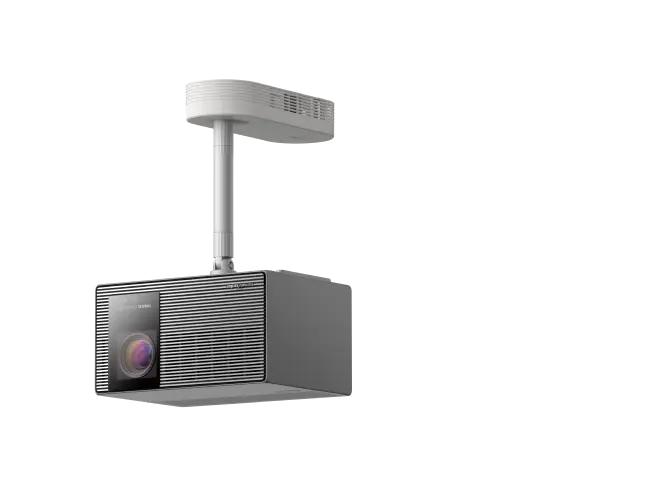
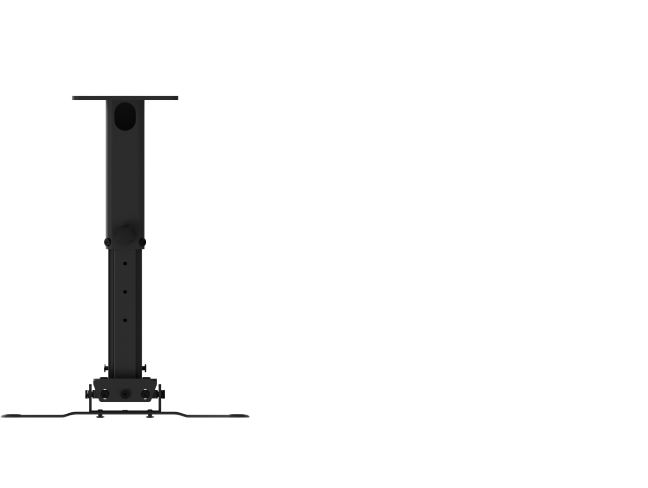
Ceiling mounts suit rooms where the projector position will not change. Choose a mount rated for at least twice the projector's weight and check that your ceiling joists can support it safely.
Typical workflow:
- Determine the exact projector position using throw distance and height calculations.
- Locate ceiling joists with a stud finder.
- Install the mount bracket securely into the joists.
- Attach the projector and make initial tilt and swivel adjustments before tightening everything.
- Route cables through the mount's channel or along the ceiling for a clean look.
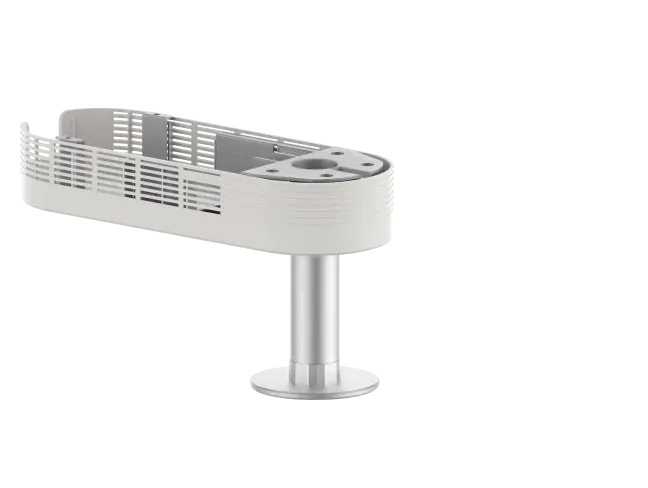
Once installed, fine adjustments become difficult, so double-check alignment with a test pattern or grid image. The XGIMI Ceiling Mount offers hidden cable management and works with multiple XGIMI models.
Floor Stand and Portable Setup Tips
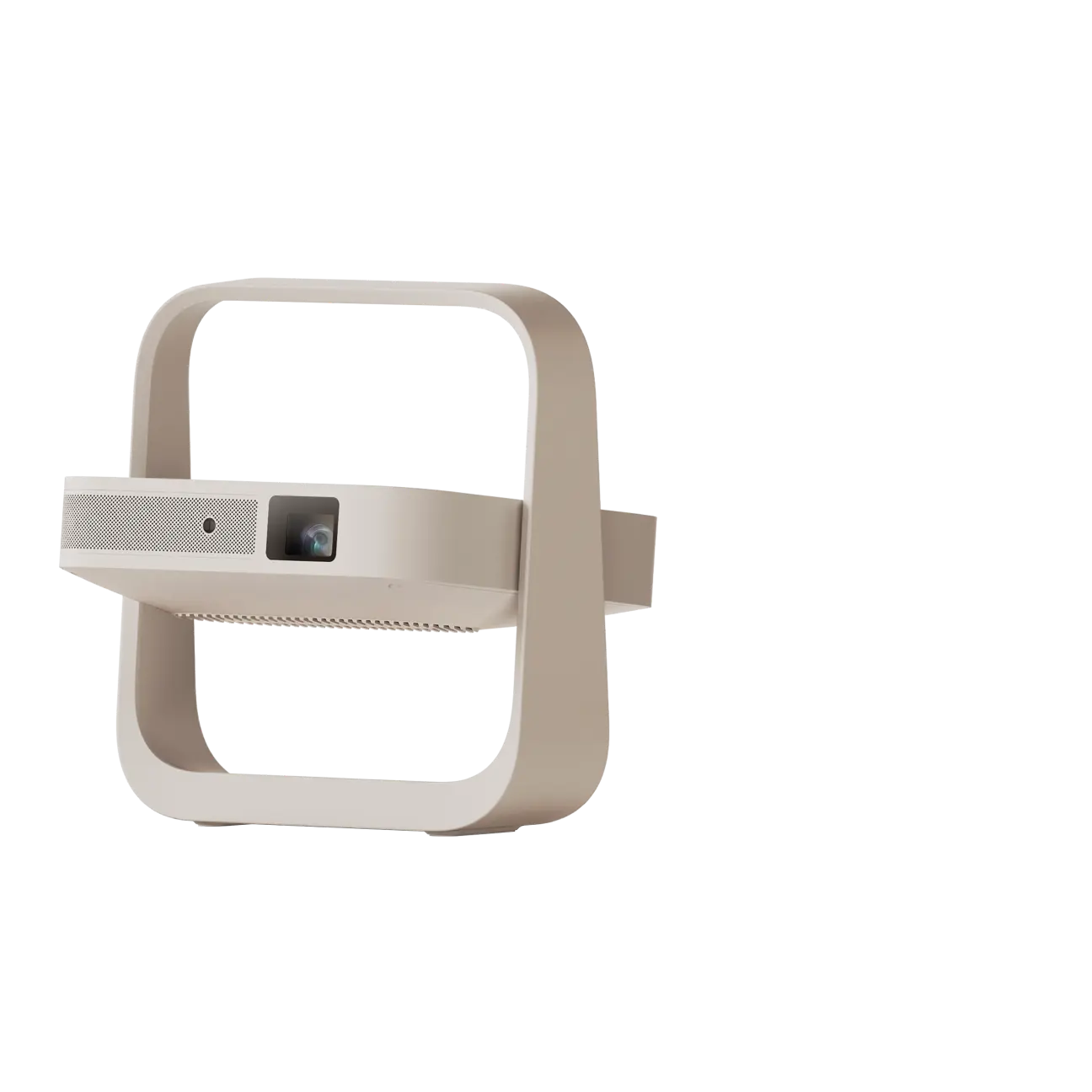
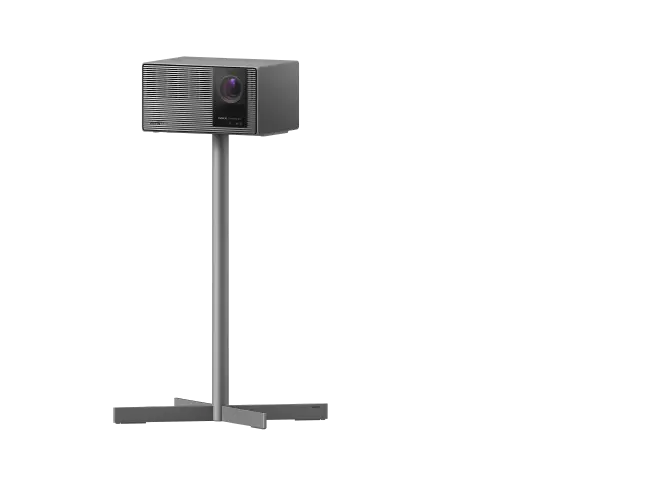
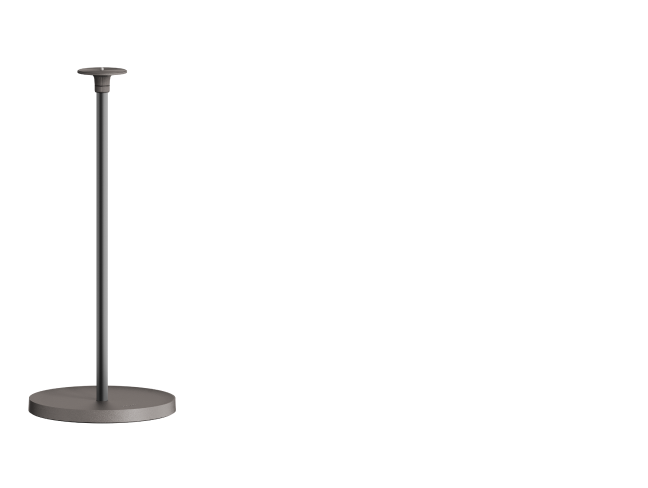
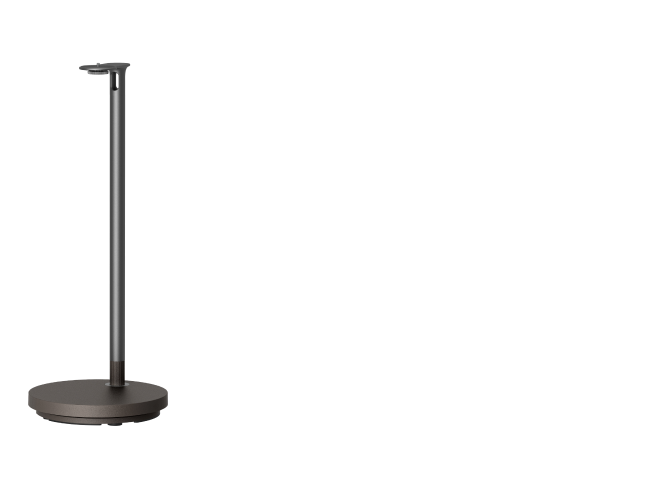
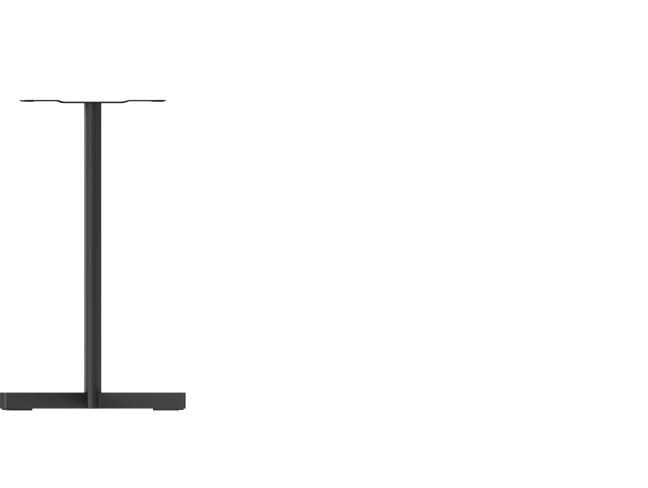
Floor stands give you the freedom to move the projector between rooms or store it when not in use. Look for models with adjustable height, 360-degree rotation, and a stable base that resists tipping.
Best practices include:
- Position the stand so the projector lens sits at the correct height for your screen.
- Use the stand's leveling feet or bubble level to keep the projector square to the screen.
- Keep the stand away from high-traffic areas to prevent accidental bumps.
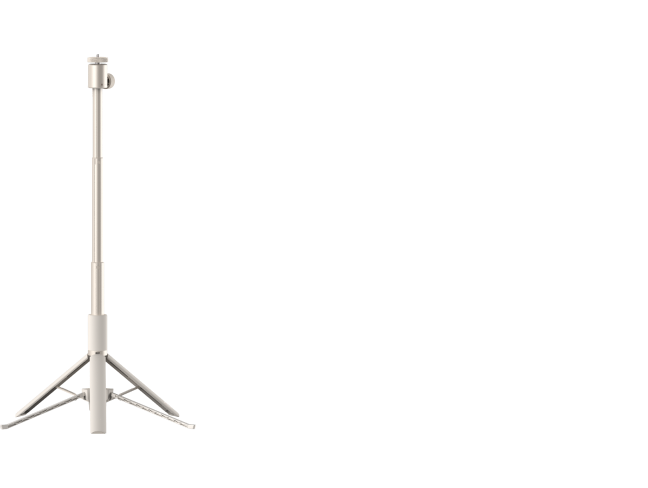
- For outdoor or camping use, choose a portable tripod-style stand that folds compactly.
XGIMI offers several options including the Floor Stand Ultra for larger home projectors and lighter X-Floor Stand or Portable Stand for flexible use. These stands often include cable channels to keep things tidy.
UST Projector Stand Recommendations and Placement Rules
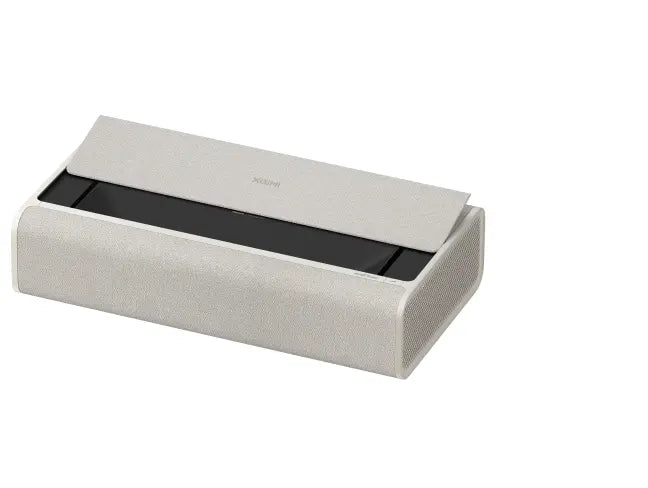
Ultra-short-throw projectors must sit very close to the screen, usually on a media console, low cabinet, or dedicated stand. The stand or furniture must be perfectly level and at the exact height required by the model.
Key rules:
- The screen or wall must be perfectly flat and vertical; even small bows create geometric distortion.
- Leave a few inches of clearance behind the projector for heat exhaust.
- Choose a stand or cabinet that matches the projector's width and weight rating.
- Test the image with the exact furniture arrangement you plan to keep.
Because UST models are sensitive to height and angle, many users prefer a fixed cabinet over a movable stand. When a stand is needed, look for low-profile designs with adjustable feet.
Common Setup Mistakes and How to Avoid Them
Several errors repeatedly cause frustration:
- Placing the projector too far off-center and relying on digital keystone instead of physical adjustment.
- Ignoring airflow clearance, which leads to overheating and fan noise.
- Running cables across the floor where they become trip hazards or get stepped on.
- Choosing a screen size too large for the room and throw distance, resulting in a dim or blurry image.
- Mounting too high or low, forcing the projector to tilt sharply and introduce distortion.
A reliable decision sequence is: choose the screen wall, confirm throw distance and centering, plan cable paths, then mount or place the projector. Test the full setup from your main seating position rather than from the projector location.
Quick Room-Fit Checklist Before You Buy or Install
Use this checklist to evaluate your space:
- Can the projector sit centered on the intended screen area?
- Does the available distance match the projector's throw ratio for your desired image size?
- Is there a clear beam path without furniture or people crossing it?
- Can cables be hidden or routed safely?
- Will the chosen mount or stand support the projector's weight and allow proper leveling?
- Does the room allow enough clearance for ventilation?
- For rentals or frequent moves, is a non-permanent stand sufficient?
If you answer no to more than one or two items, reconsider the projector type or screen size rather than forcing the setup.
Final Thoughts on Creating Your Ideal Projector Setup
A successful projector installation rarely comes from picking the most expensive mount. It comes from matching the installation method to your room's actual constraints and your tolerance for permanent changes. Ceiling mounts usually deliver the cleanest long-term result in fixed spaces, while floor stands and UST setups provide easier flexibility for apartments, bedrooms, and multipurpose rooms.
Take measurements and test possible positions with a temporary placement before buying hardware. This simple step prevents most alignment problems and rework. For XGIMI users, explore the full range of stands and accessories or home projectors designed with straightforward setup in mind.
Remember that this article discusses comfort, image quality, and practical setup advice only. It does not constitute professional installation guidance or safety certification. If you are unsure about ceiling structural support, electrical work, or any persistent alignment issues, consult qualified professionals. Proper planning and realistic expectations will help you enjoy a sharp, immersive viewing experience without ongoing frustration.


