


When building a large-screen gaming setup, the key is matching visual immersion with actual responsiveness. For most gamers in 2026, a projector with support for 120Hz output and input lag under 30ms in game mode can deliver a smooth, playable experience for casual console and story-driven titles, while competitive players should target the lowest achievable lag and confirm 120Hz compatibility across their full chain. The difference between feeling responsive and frustrating often comes down to input lag more than headline refresh rate or pixel response time alone.

Modern smart projectors have improved enough to serve as viable big-screen alternatives for many gaming scenarios, but expectations must stay realistic. Projectors are not identical to dedicated gaming monitors or TVs, especially in competitive play where every millisecond counts. Understanding the distinct roles of refresh rate, response time, and input lag helps you choose hardware and configure your setup to minimize blur and delay without overpaying for specs that may not translate to real-world feel.
Understanding the Core Metrics: Refresh Rate, Response Time, and Input Lag
Refresh rate, response time, and input lag describe different parts of the display chain, and confusing them leads to mismatched expectations. As this university display guide explains, refresh rate describes how often the image updates (measured in Hertz), response time describes how quickly pixels change color, and input lag is the delay between your controller or mouse action and the picture appearing on screen.
For gaming, input lag is usually the most important responsiveness metric because it measures the delay between your action and what appears on screen. Total gaming latency is affected by the whole chain, including the controller or mouse, the GPU/CPU, and the display refresh rate. A projector with an impressive refresh-rate number can still feel laggy if its processing adds delay or if game mode is not enabled.
Pixel response time helps reduce motion blur and ghosting, but for projectors the more important buying question is whether the model offers low input lag and the refresh-rate mode you need. Some display guidance uses 16 ms or lower gray-to-gray response time as a rough purchase target, but that is a general display guideline rather than a projector-specific rule.
60Hz vs 120Hz: Which Refresh Rate Matters for Your Gaming Style?
60Hz remains a workable baseline for casual console gaming, while higher refresh modes are better for fast-paced or competitive play if your projector and console or PC both support them. In practice, 60Hz is usually sufficient for story-driven games, sports titles, and relaxed couch sessions where perfect motion clarity is not critical. 120Hz becomes noticeably smoother for racing games, fast camera movement in action titles, and any content running at higher frame rates.
The benefit of 120Hz only appears when the full chain (console, PC, game, cable, and projector) can actually deliver and display 120 frames per second. Many modern projectors advertise 120Hz support through HDMI 2.1 or similar, but real-world results depend on resolution and whether the device stays in low-latency mode.
Gaming displays are best judged by refresh rate and latency together, not by a single spec in isolation. A high refresh rate alone does not eliminate lag; the full setup, including the source device, connection, and display processing, has to be optimized.

Practical Thresholds for Gaming Projectors in 2026
Readers need clear numerical boundaries to judge whether a projector is suitable. The following heuristic thresholds, derived from display research and common gaming guidance, help separate acceptable from optimal performance:
- Refresh rate: 60Hz serves as an acceptable floor for casual gaming and mixed movie-plus-gaming use. 120Hz is preferred for visibly smoother motion in supported fast-action titles.
- Input lag: Under 16ms feels highly responsive and is safer for competitive-leaning play. 17–30ms is practical for most casual and single-player gamers. Above 30–40ms, delay becomes noticeable in twitch-sensitive genres.
- Response time: Values around 1–5ms look strong on paper, though projector measurement methods vary. Anything under 10ms is generally fine for gaming use.
For casual couch gaming, 60Hz plus under 30ms input lag is usually enough. Fast action or competitive play benefits from 120Hz and sub-20ms lag. Fighting, rhythm, or precision FPS titles reward chasing the lowest input lag available.
These numbers are practical rules of thumb rather than strict lab standards. Actual feel also depends on room conditions, content frame rate, and whether the projector is using heavy image processing.
Gaming Projector Thresholds by Use Case (Heuristic)
Illustrative threshold comparison for gaming projector use cases. Refresh rate is shown as a target fit (Hz); input lag is shown as a practical target ceiling (ms).
View chart data
| Category | Refresh rate fit | Input lag fit |
|---|---|---|
| Casual couch | 60.0 | 24.0 |
| Party gaming | 60.0 | 20.0 |
| Competitive FPS/racing | 120.0 | 8.0 |
Heuristic comparison derived from the provided threshold table: 60Hz baseline for casual play, 120Hz preferred for fast action, input lag <=16ms ideal, 17-30ms practical for most, >30ms noticeable. Values are illustrative targets, not measured product data.
Common Myths That Can Lead to Buyer Regret
Several misleading claims circulate in projector gaming discussions. One common myth is that a high refresh rate alone means low-latency gaming. In practice, treat refresh rate as only one part of the chain; low input lag and a usable game mode matter more.
Another myth is that the response time spec tells you exactly how responsive the projector will feel. Response time is not the same as overall control feel; check measured or reported input lag if gaming responsiveness matters.
A third misconception is that 120Hz projector support is equivalent to a 120Hz monitor or TV experience. Assume equivalence only after confirming the projector handles your target resolution, refresh rate, and low-lag mode without heavy processing.
Older projector-style setups can introduce substantial visual latency, which is why modern low-latency features matter for gaming use cases. Many projectors include a game or low-latency mode that reduces processing delay, so it is worth enabling when gaming.
How to Choose and Set Up a Low-Latency Gaming Projector
Match the projector to your primary gaming style and room. Console gamers seeking a cinematic big-screen experience can often succeed with 60Hz models that offer solid game mode performance. Competitive PC or console players should prioritize units with verified low input lag and full 120Hz support at their preferred resolution.
Use this practical checklist before buying or setting up:
- Confirm the projector supports your console or PC’s output resolution and refresh rate (e.g., 4K@60Hz or 1080p@120Hz).
- Look for a dedicated game or low-latency mode and test it with your games.
- Use a high-quality HDMI 2.1 cable when possible to ensure full bandwidth.
- Disable unnecessary image processing features such as motion interpolation or noise reduction when gaming.
- Position the projector to minimize keystone correction, which can add processing delay.
- Check community measurements or manufacturer specs for actual input lag numbers rather than relying solely on refresh-rate claims.
If you care about fast reaction times, configure the projector setup to minimize processing and scaling, because every extra step can add delay. Display settings that reduce processing can shorten the time to show the input image, which is why gaming modes are relevant in projector setup guides.
For shared living rooms or media rooms, many users find that a modern smart projector provides an enjoyable balance of size and responsiveness for casual and party gaming. Dedicated competitive players may still prefer a high-refresh gaming TV or monitor for the absolute lowest lag.
When a Projector Might Not Be the Best Gaming Choice
Projectors are not ideal for everyone. Avoid relying on a projector as your primary competitive gaming display if you play fast-paced FPS, fighting, or rhythm games at the highest skill levels and cannot tolerate any perceptible delay. In very bright rooms where the projector must run at maximum brightness or with aggressive processing, the practical feel can worsen.
If your setup cannot achieve 120Hz output from the source device, paying extra for a 120Hz-capable projector delivers limited benefit. Older or budget projectors without proper game modes often introduce noticeable lag even when specs look promising.
XGIMI Projectors for Gaming Setups
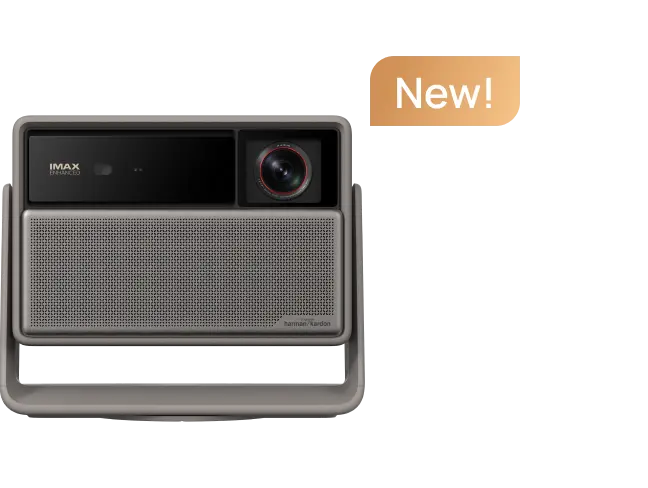
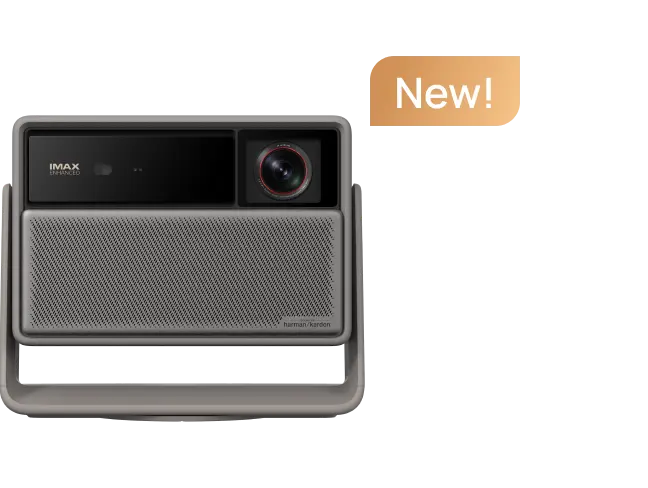
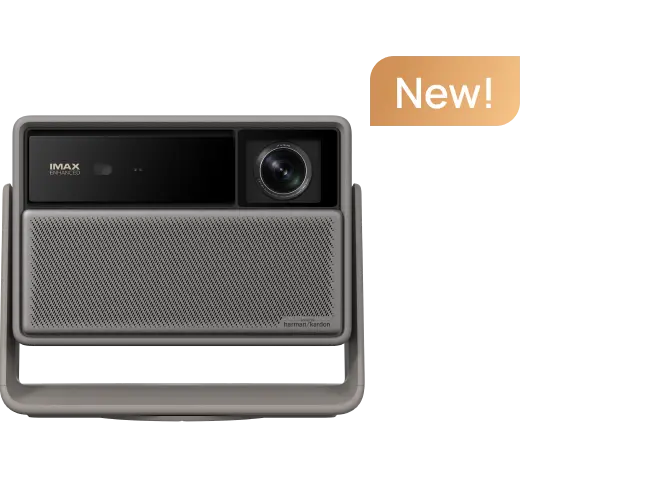
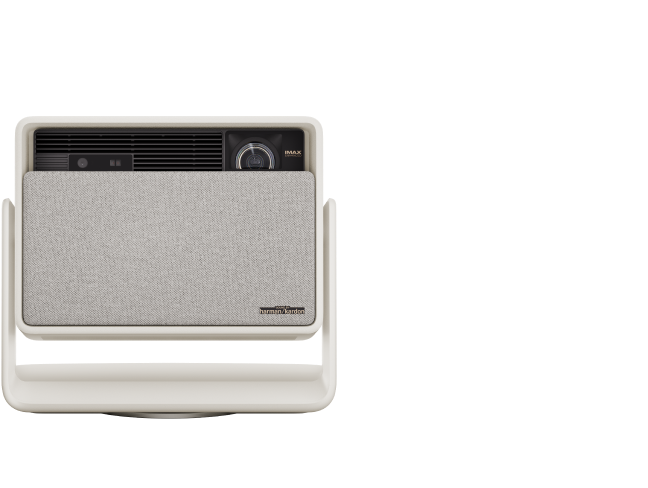
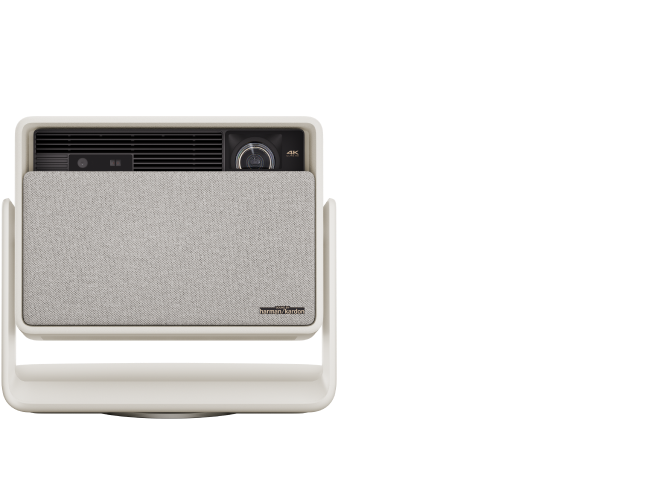
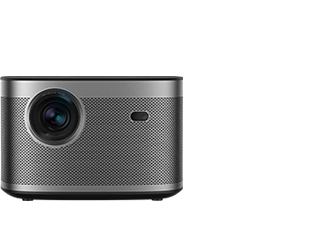
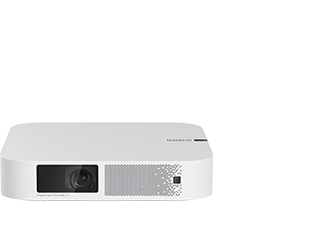
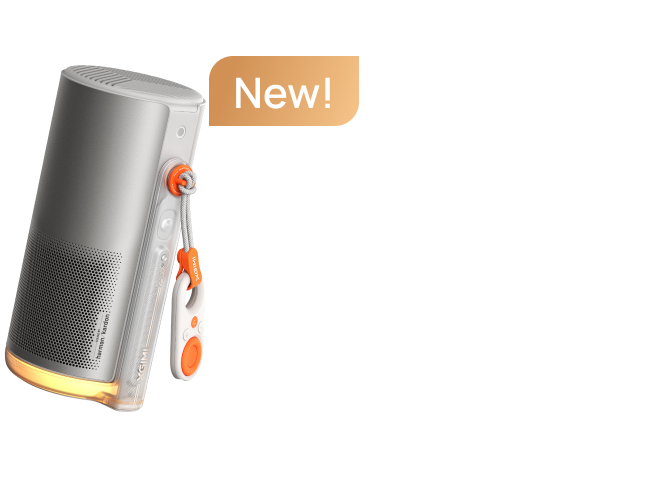
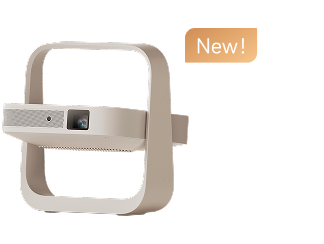
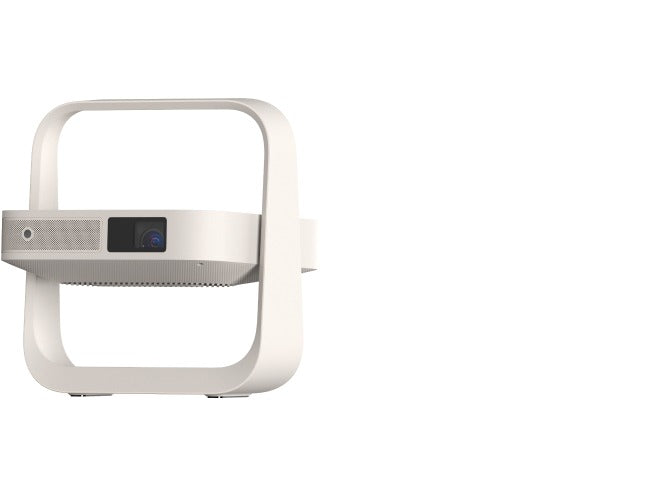
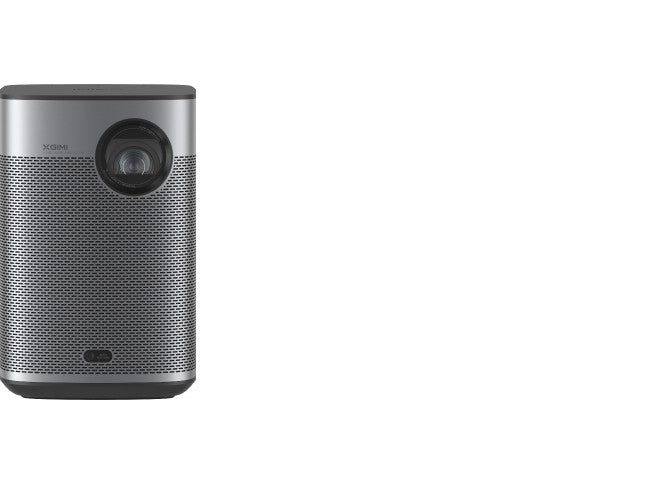
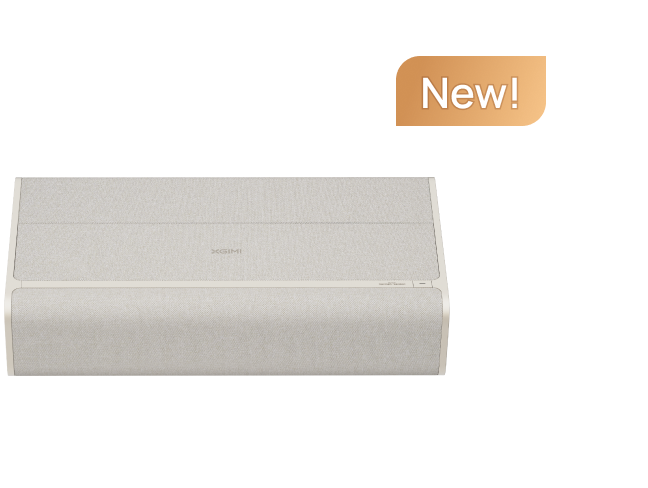
Several current XGIMI models incorporate features that support gaming use. The HORIZON 20 Pro delivers 4K resolution with reported 1ms low input lag in gaming scenarios, making it a strong candidate for responsive big-screen play. The AURA 2 (New) offers 20ms gaming performance alongside premium home cinema capabilities, suitable for mixed movie and casual gaming rooms.
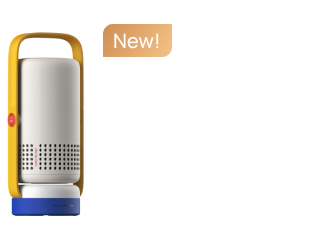
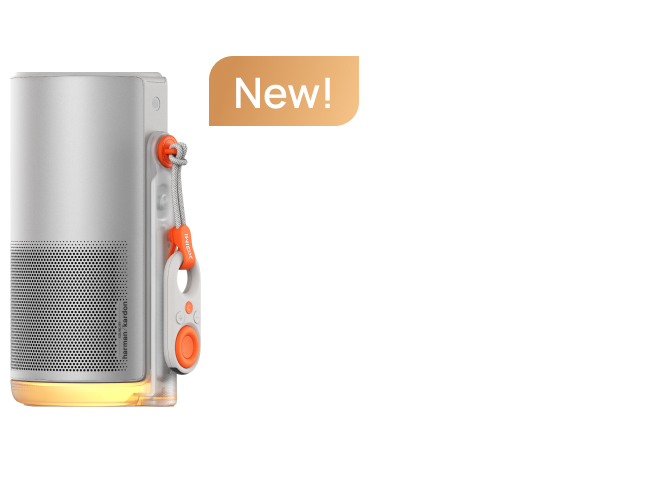
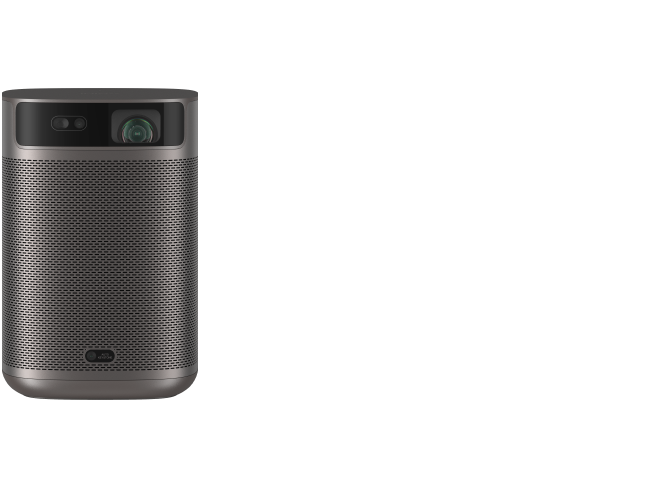
For portable or flexible setups, models like the MoGo 4 Laser provide convenient gaming options without sacrificing too much responsiveness. Explore the full Home Projectors or 4K Projectors collections to match brightness, throw distance, and smart features to your space.
Check our guide on how to connect a computer to a projector or utilizing projector ports for optimal setup. If you encounter connection issues with consoles, see the projector HDMI no signal troubleshooting guide.
Final Decision Framework
Choose a gaming projector that meets your specific latency tolerance and content mix rather than chasing the highest numbers. For most living-room and casual gamers, a modern low-latency projector with 60–120Hz support and game mode can create an immersive experience that monitors or TVs cannot match in screen size. Competitive players should verify real-world input lag reports and test in their exact configuration before committing.
This article only discusses comfort and setup advice for gaming projectors. It does not constitute technical measurement, diagnosis, or a universal recommendation. Perceived responsiveness depends heavily on your source device, game, room conditions, and individual sensitivity. If you experience persistent discomfort or have specific performance requirements, consult professional reviews or test equipment in person.
The right projector can transform your gaming into a cinematic event when chosen with realistic expectations about refresh rate, response time, and input lag. Focus on low input lag and proper configuration first, then enjoy the massive screen advantage that projectors uniquely provide.


