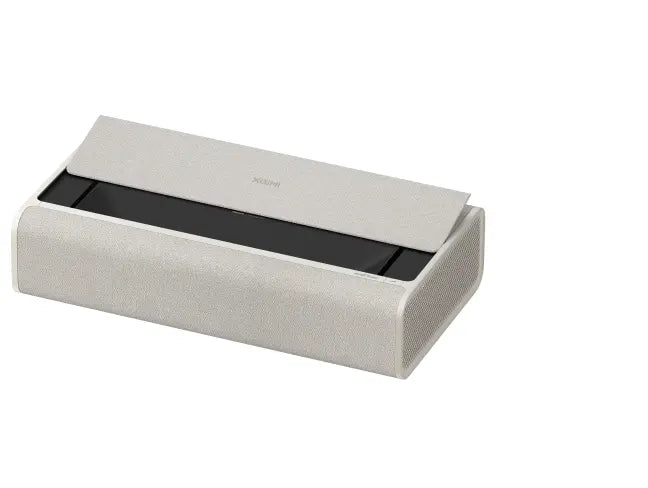
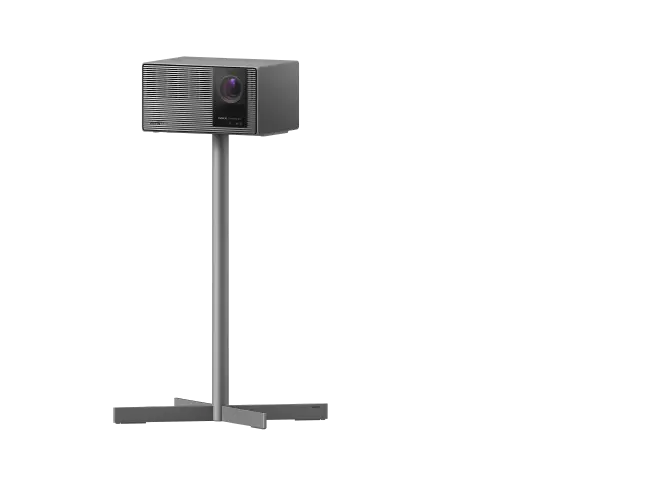
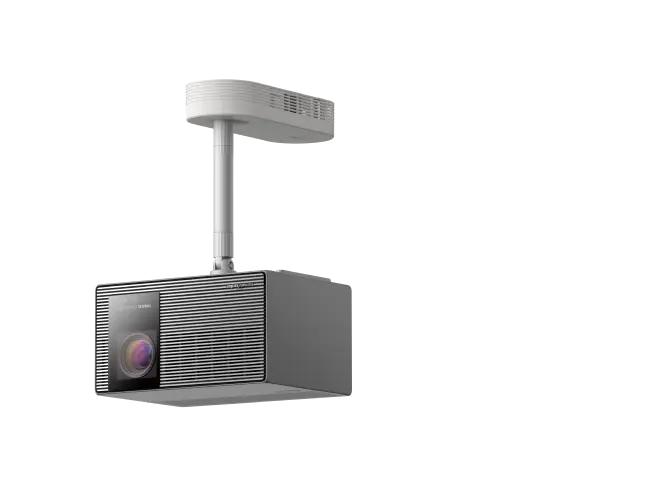





Creating surround sound with multiple Bluetooth speakers paired to your projector is an appealing way to enhance your home theater or outdoor movie nights without adding cables or a full AV receiver. However, most projectors—including many Android TV and Google TV models—only support one Bluetooth audio device by default. This means true simultaneous multi-speaker output often requires specific workarounds, compatible hardware, or accepting some trade-offs in synchronization. For more on this topic, see Projector Audio Guide: Speakers, Soundbars & Surround Sound.

The good news is that several practical methods exist, ranging from built-in OS features and speaker brand pairing modes to simple Bluetooth splitters. Success depends heavily on your projector model, the speakers you own, and your tolerance for potential audio lag. In this guide, we walk through the most reliable approaches, when each works best, and how to troubleshoot common issues like desynchronization so you can decide what fits your setup. For more on this topic, see How to Upgrade Your Projector's Built-in Audio with a Wireless Subw....
Understanding the Limitations of Bluetooth on Projectors
Bluetooth audio on projectors is convenient for wireless playback, but it has inherent constraints when trying to drive multiple speakers at once. Many projectors route audio to only a single Bluetooth sink, meaning you cannot simply pair two independent speakers directly from the projector's settings.
This limitation stems from the projector's operating system and Bluetooth stack. Android TV and Google TV devices may support Bluetooth audio output, but multi-speaker output is not guaranteed across all projectors or speaker combinations. Newer standards like Bluetooth LE Audio aim to improve multi-stream capabilities in compatible devices, yet adoption remains device-specific and not universal on current projectors.
Bluetooth audio can also introduce noticeable delay, so you may need to manage lip-sync when using wireless speakers with a projector. Wireless speaker systems often need explicit synchronization to avoid audible delay between outputs. These realities mean that expecting perfect surround sound from generic Bluetooth pairing is often unrealistic without additional tools or compatible ecosystems.
Common Myths About Multi-Speaker Bluetooth Setups
Several misconceptions can lead to frustration when attempting surround sound with projectors:
-
Myth: Any projector with Bluetooth can easily connect to two or more speakers simultaneously for true surround.
-
Reality: Multi-speaker support is highly device-dependent. Many projectors only support one audio sink, and even when dual output is possible, it often requires specific firmware, apps, or external hardware.
-
Myth: Bluetooth LE Audio automatically solves multi-speaker and lag issues.
-
Reality: LE Audio improves multi-stream audio in compatible devices, but both the projector and speakers must support it. Most existing setups still rely on older Bluetooth versions with variable performance.
-
Myth: Adding more Bluetooth speakers always creates better surround sound.
-
Reality: Extra speakers can introduce more latency, uneven volume, or drift. Synchronization and channel mapping matter more than speaker count.
These myths highlight why checking your specific projector model and speaker capabilities is essential before investing time or money.
Scenario-Based Decision Guide: When Each Method Works Best
The optimal way to achieve multi-speaker audio flips depending on your environment and priorities:
-
Outdoor or portable setups (backyard movies, camping, parties): Prioritize convenience. Speaker brand pairing modes or a quality Bluetooth splitter often win here because they minimize setup time and cables. Casual viewing tolerates minor lag better than dialogue-heavy films.
-
Indoor living room theater: If lip-sync is critical, consider wired options or a dedicated AV receiver for reliability. Native support or brand-specific pairing works if your ecosystem aligns perfectly.
-
Android TV/Google TV projectors: These may offer better integration with apps or developer options for audio routing, but still often need workarounds.
-
Budget-conscious or minimalist users: Start with speaker pairing or a low-cost splitter before adding complexity.
-
Lag-sensitive viewing (movies, gaming): Avoid pure Bluetooth chains if possible; test thoroughly or opt for wired distribution.
A practical rule: Choose the path with the fewest layers between source and speakers to minimize delay.
Method 1: Check for Native Dual Audio or Developer Options on Your Projector
Some modern smart projectors, especially those running updated Android TV or Google TV, may support dual Bluetooth audio through hidden settings or firmware updates.
- Go to your projector's Bluetooth settings and pair the first speaker as usual.
- Check for a "Dual Audio," "Multi-Point," or "Party Mode" option in sound settings.
- For Android-based systems, enable Developer Options (tap Build Number 7 times in About section) and look for Bluetooth audio codecs or multi-device toggles.
Test playback immediately. If audio only routes to one speaker, this method won't suffice alone. Always confirm the exact projector model’s Bluetooth audio options in its manual or support pages before assuming dual-speaker support.
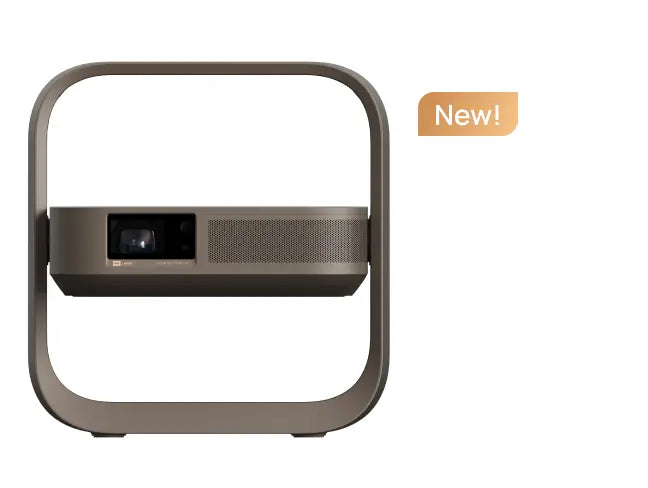
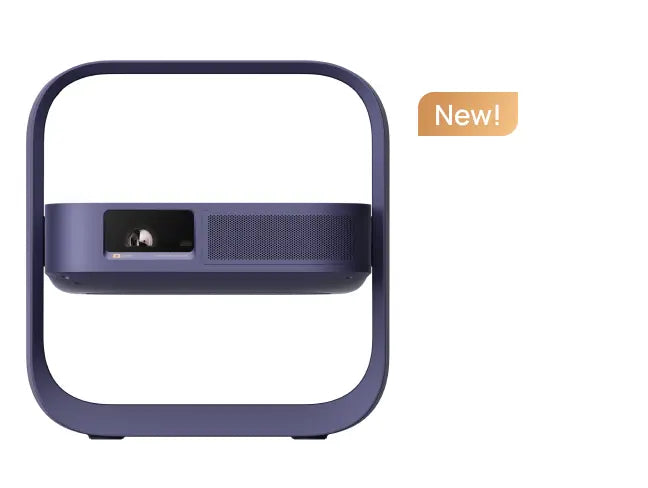
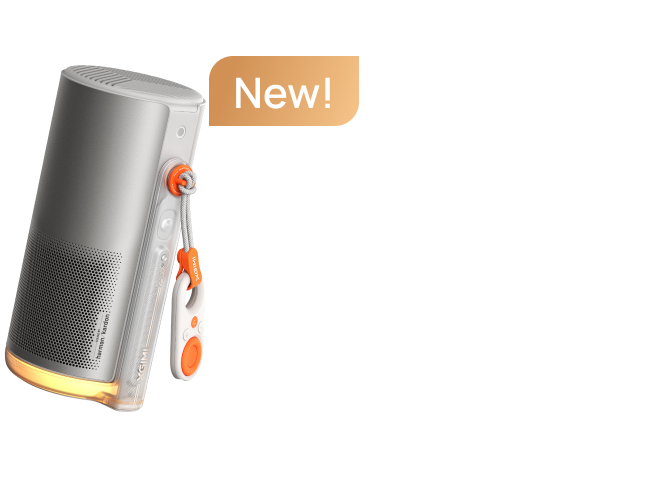
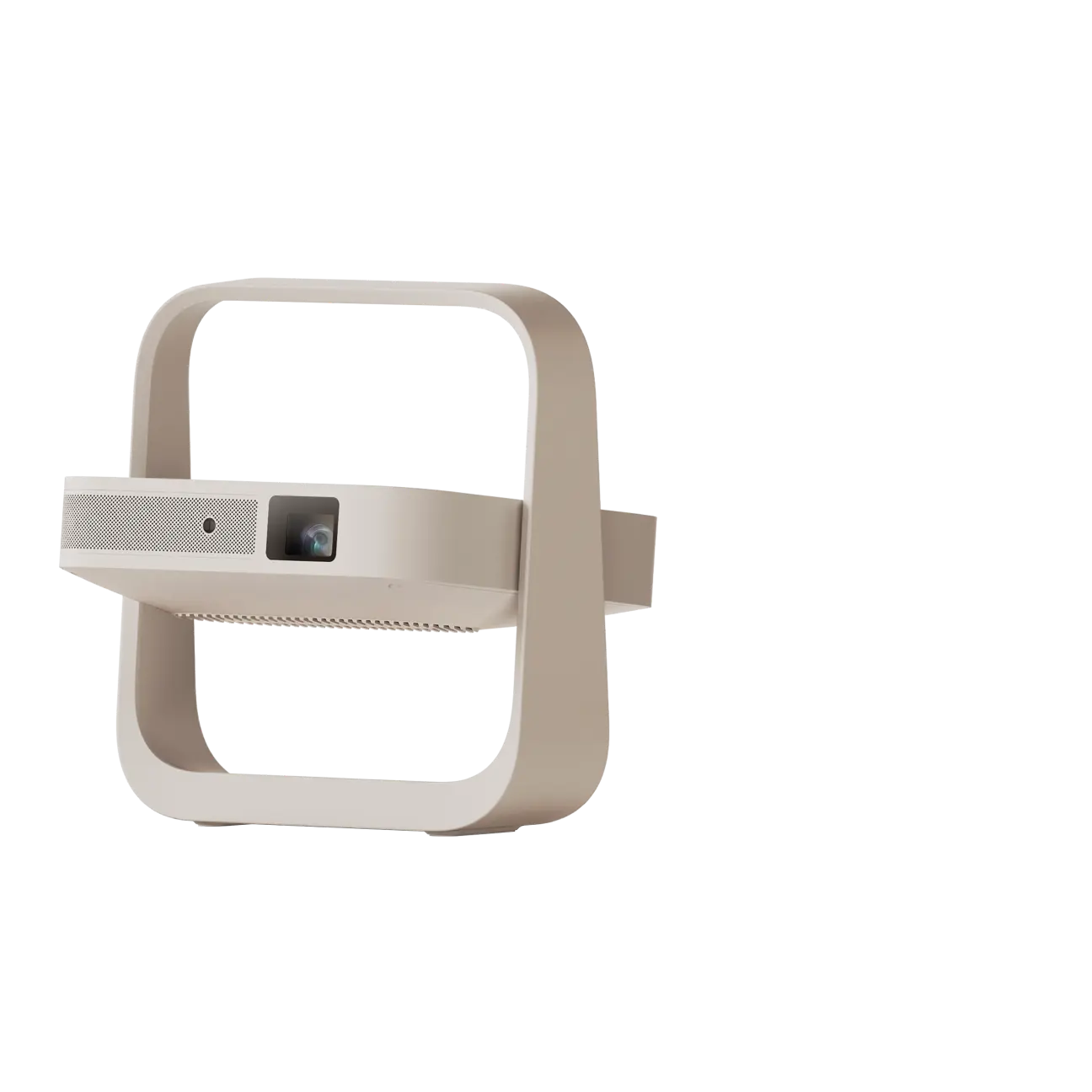
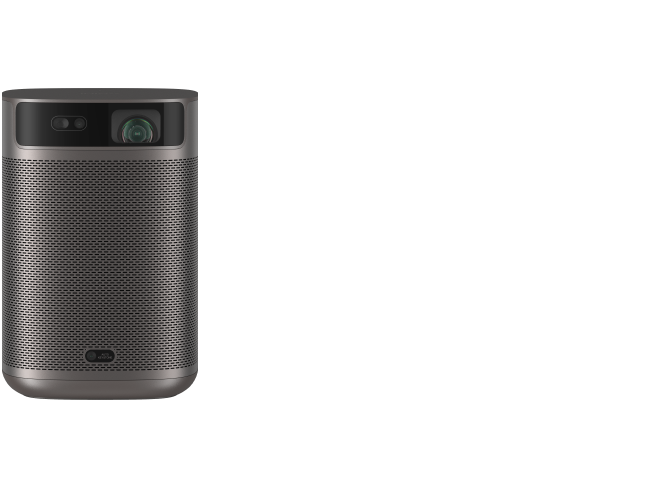
Many XGIMI projectors excel at wireless audio. For portable options ideal for these setups, explore the MoGo Series or portable projectors that pair easily with Bluetooth devices.
Method 2: Use a Bluetooth Transmitter/Splitter for Dual Output
A dedicated Bluetooth transmitter that supports dual pairing is one of the most reliable workarounds. These small devices plug into the projector's 3.5mm headphone jack or optical output and broadcast to two speakers simultaneously.
Steps:
- Connect the transmitter to your projector's audio output port.
- Put both speakers in pairing mode.
- Pair the first speaker to the transmitter, then the second (many support automatic dual pairing).
- Adjust volume on the projector and speakers for balance.
Choose a transmitter that supports aptX Low Latency or similar codecs to reduce delay. This method works across most projectors but may still show some lag in fast-paced content. Independent testing shows Bluetooth performance varies by implementation, including latency and range.
Method 3: Leverage Speaker Brand Pairing Modes (TWS or Party Mode)
Many Bluetooth speakers from brands like Bose, Sony, or JBL offer built-in stereo or multi-speaker pairing that bypasses the projector's limitations.
Typical steps:
- Pair the two speakers together using their manufacturer app or button combination to create a stereo pair (one left, one right).
- Then pair only the "primary" speaker to your projector via Bluetooth.
- Audio should route to both speakers through their internal link.
This approach often provides better synchronization because the speakers handle the stereo split themselves. If your speakers support a manufacturer pairing mode, you can sometimes link two speakers together through the speaker brand’s own ecosystem instead of the projector.
Test for lag and adjust projector audio delay settings if available. This is particularly effective for outdoor projector use where portability matters.
Method 4: Wired Alternatives or AV Receiver for True Reliability
For the most stable surround sound, especially in fixed indoor setups, consider wired connections or a compact AV receiver:
- Use a 3.5mm or optical audio splitter to feed multiple powered speakers.
- Connect via HDMI ARC to a soundbar or receiver that supports wireless rear speakers.
While less portable, these eliminate Bluetooth latency entirely. They suit users who want dependable left/right separation instead of looser wireless effects.
For XGIMI users, check our guide on how to connect a soundbar to a projector for hybrid wired/wireless options.
Illustrative Trade-Offs for Multi-Speaker Methods
Illustrative Trade-Offs for Connecting Multiple Bluetooth Speakers to a Projector
Heuristic 1–10 scores (higher is better). This is an illustrative decision aid, not measured test data.
View chart data
| Series | Ease of setup | Sync reliability | Lower cost | Indoor fit | Outdoor fit |
|---|---|---|---|---|---|
| Native dual Bluetooth | 8.0 | 3.0 | 9.0 | 6.0 | 5.0 |
| Bluetooth splitter | 7.0 | 5.0 | 6.0 | 5.0 | 6.0 |
| Speaker brand pairing mode | 6.0 | 8.0 | 7.0 | 8.0 | 7.0 |
| Wired / AV receiver | 4.0 | 9.0 | 3.0 | 9.0 | 8.0 |
Illustrative heuristic scoring only, based on common audio-setup trade-offs and targeted evidence that: multi-device Bluetooth can introduce latency/sync issues; Bluetooth transmitters/splitters can simplify dual output but still vary in latency; brand pairing modes are designed for synchronized paired speakers and often suit indoor/outdoor portable use; wired/AV receiver setups are typically the most reliable for sync but cost more and are less portable. Data table: Native dual Bluetooth = setup 8, sync 3, cost 9, indoor 6, outdoor 5; Bluetooth splitter = 7,5,6,5,6; Brand pairing mode = 6,8,7,8,7; Wired / AV receiver = 4,9,3,9,8.
These scores are heuristic illustrations to highlight trade-offs, not lab measurements. Sync reliability is often the deciding factor for enjoyable viewing.

Troubleshooting Common Issues: Lag, Dropouts, and Imbalance
- Audio lag or lip-sync problems: Lower the projector's audio delay setting if available, use low-latency codecs, or position speakers closer to the projector. Bluetooth audio can introduce noticeable delay, especially in multi-device chains.
- Only one speaker plays: Confirm the second speaker is paired correctly or that your method (splitter/pairing mode) supports dual output.
- Dropouts during playback: Reduce interference by keeping devices within 30 feet, avoiding Wi-Fi congestion, and ensuring firmware is updated.
- Volume imbalance: Adjust individual speaker volumes or use the projector's equalizer.
For XGIMI owners, our Bluetooth with a projector guide covers basic pairing and troubleshooting in more detail.
Quick Setup Checklist Before You Begin
- Verify your projector model supports Bluetooth audio output.
- Confirm speakers are compatible (same Bluetooth version preferred).
- Test in your actual environment—outdoor spaces may have more interference.
- Have a backup wired option ready for important viewings.
- Update all device firmware for best performance.
When to Skip Multi-Bluetooth and Choose Something Else
Do not pursue a multi-Bluetooth-speaker setup if you need tight lip sync, consistent stereo imaging, or a hands-off experience across different devices. The more your use case depends on precise timing, the less suitable pure wireless Bluetooth becomes. In these cases, a soundbar, AV receiver, or speakers with strong native multi-room features deliver better results.
This article only discusses comfort and setup advice for audio enhancement; it does not constitute technical guarantees or replace your device manuals. If you experience persistent connection issues, consult the manufacturer support for your specific projector and speakers.
Whether you're setting up a minimalist living room cinema or a portable outdoor movie night, the right combination of compatibility checks and method selection can deliver an immersive wireless soundstage. Start simple, test thoroughly, and scale up based on what your equipment actually supports. For more on enhancing your XGIMI projector experience, browse our home projectors or accessories to complement your setup.


