





Screen mirroring from your phone or laptop to a projector often fails when the devices are connected to different Wi-Fi networks or when no shared network is available. Standard casting protocols like Chromecast and AirPlay typically require both the source device and the projector to be on the same local network for discovery and streaming to work reliably. The good news is that practical workarounds exist, including using a mobile hotspot to create a shared network, Wi-Fi Direct on supported devices, built-in features on smart projectors, or a simple wired HDMI connection as a dependable fallback. For more on this topic, see Why Does Wireless Screen Mirroring to Projector Have 2-3 Second Lag.... For more on this topic, see How to Choose the Right Projector Screen Material for Different Roo....

These solutions are particularly useful for students in dorms with restricted campus Wi-Fi, professionals in office environments with guest networks, or outdoor enthusiasts camping without reliable internet. Choosing the right method depends on your device type, the projector's capabilities, and the specific environment.
Why Standard Screen Mirroring Fails Across Different Networks
Most wireless casting technologies are designed around local network communication. For standard Google Cast or Chromecast mirroring, the sending device and display need to be on the same Wi-Fi network, as explained in Google's local network guidance for casting. Similarly, for typical AirPlay screen mirroring, the iPhone or iPad should be on the same Wi-Fi network as the receiver, per Apple's official support documentation. For more on this topic, see How to Cast Your iPhone to a Google TV Projector Without Apple TV.
When devices are on separate networks—such as a phone on cellular data and a projector on guest Wi-Fi, or in segmented office or dorm setups—device discovery protocols like mDNS or Bonjour are blocked. This results in the projector not appearing in your casting list, failed connections, or unstable streaming with lag and audio sync issues. Restricted public, enterprise, or campus networks often disable peer-to-peer traffic for security reasons, making standard mirroring unreliable.
In some managed Apple environments, AirPlay can function across networks thanks to specialized discovery configurations, but this is not the typical consumer experience and rarely applies to portable projectors in dorms, hotels, or outdoor settings.

Practical Decision Framework: Choosing the Right Method
The best approach flips based on your scenario, device ecosystem, and whether you can quickly get both devices on one network. Here's a practical overview presented as an illustrative heuristic to guide your choice:
Practical Guidance: Best Screen Mirroring Method When Networks Differ
Practical guidance only: higher scores indicate a better fit for the scenario, not a measured benchmark.
View chart data
| Category | Hotspot | WiFi Direct | Chromecast Guest | AirPlay | Wired HDMI | |
|---|---|---|---|---|---|---|
| iPhone - Office/Dorm | 3.0 | 1.0 | 2.0 | 2.0 | 1.0 | 4.0 |
| iPhone - Outdoor/Camping | 4.0 | 4.0 | 1.0 | 4.0 | 4.0 | 1.0 |
| iPhone - Home Guest Network | 3.0 | 2.0 | 4.0 | 3.0 | 2.0 | 2.0 |
| Android - Office/Dorm | 3.0 | 2.0 | 1.0 | 1.0 | 1.0 | 1.0 |
| Android - Outdoor/Camping | 4.0 | 4.0 | 1.0 | 4.0 | 4.0 | 1.0 |
| Android - Home Guest Network | 3.0 | 2.0 | 3.0 | 3.0 | 2.0 | 4.0 |
Illustrative heuristic matrix based on same-network requirement guidance and scenario fit. Scores reflect practical suitability only (1=low, 5=high), not measured performance. Assumptions: when devices are on different Wi-Fi networks, methods that avoid shared LAN dependency rank higher; wired HDMI is favored where a physical connection is acceptable; guest-network and outdoor/camping scenarios prioritize methods that can function without joining the same Wi-Fi.
This chart uses heuristic scores (higher is better fit) derived from official same-network requirements and common usage scenarios. It is illustrative only and not based on lab measurements. If you cannot establish a shared network quickly, wired options often provide the most stable results.
Solution 1: Use a Mobile Hotspot to Create a Shared Network
The simplest and most universal workaround is to turn your phone into a mobile hotspot, allowing both your casting device and the projector to connect to the same network you control.
For Android users:
- Open Settings and enable Mobile Hotspot (usually under Network & Internet > Hotspot & Tethering).
- Connect your XGIMI projector to this hotspot network via its Wi-Fi settings.
- On the same phone or a second device on the hotspot, open your casting app or use built-in screen mirroring.
For iPhone users:
- Go to Settings > Personal Hotspot and toggle it on.
- Join the projector to the iPhone's hotspot (look for the network name in the projector's Wi-Fi menu).
- Use AirPlay or a compatible mirroring app from a device connected to the hotspot.
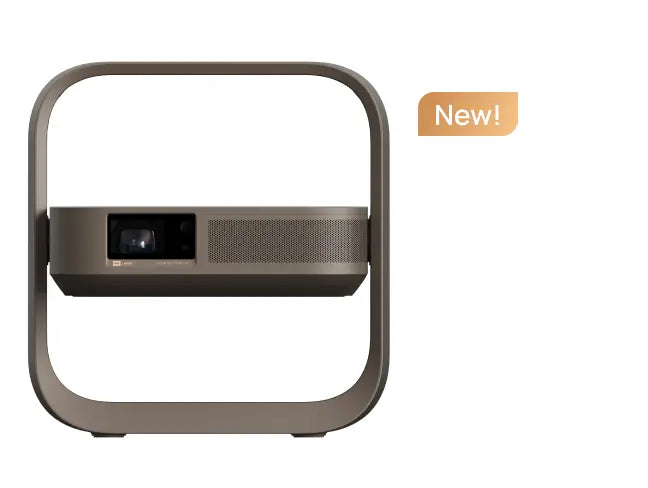
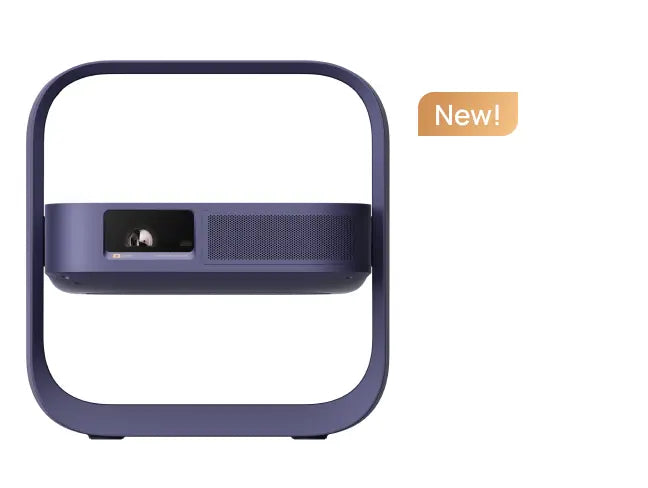
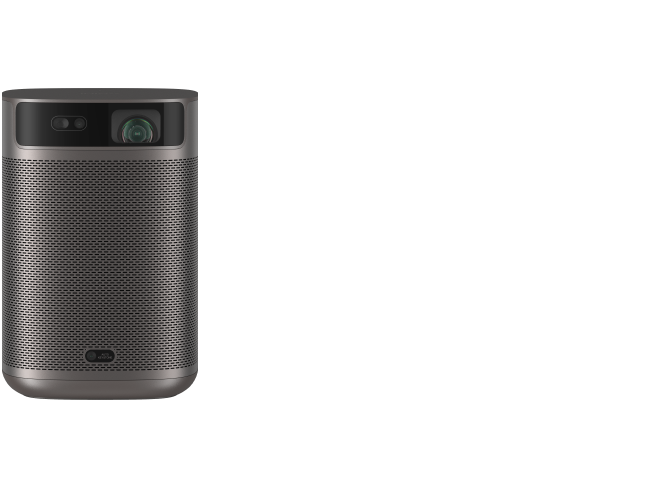
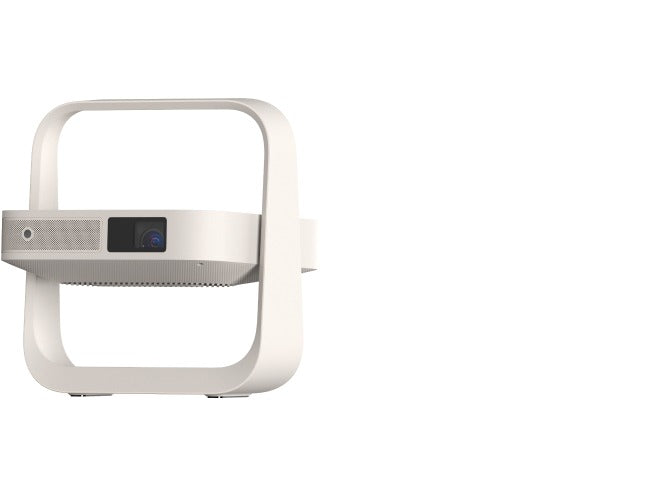
This method works well for outdoor movie nights or travel because it doesn't rely on venue Wi-Fi. Note that data usage can be high for video streaming, and some projectors may experience slight latency. Many XGIMI portable models like the MoGo 4 or Halo+ connect quickly to hotspots thanks to their Google TV or Android TV systems.
Solution 2: Wi-Fi Direct and Peer-to-Peer Casting
Wi-Fi Direct allows devices to connect directly without a traditional router or shared Wi-Fi network. Some smart projectors and phones support this for screen mirroring.
- On supported Android devices, enable Wi-Fi Direct or use the built-in Smart View/Cast feature.
- Check if your XGIMI projector has a Wi-Fi Direct or direct casting mode in its settings menu.
- For XGIMI models with Google TV, such as the MoGo 2 Pro, you may need to use Chromecast-compatible apps that support guest mode or direct casting where available.
Success varies by model and OS version. Test this in your specific setup, as it may not be available or stable on all devices. If the projector does not appear, fall back to the hotspot method.
Solution 3: Leveraging Built-in Projector Features like Chromecast
XGIMI smart projectors often include Google Cast or Chromecast built-in, which can simplify mirroring when configured properly. For best results, connect both devices to the same network when possible. In guest network situations, enable any guest mode features if supported by the projector.
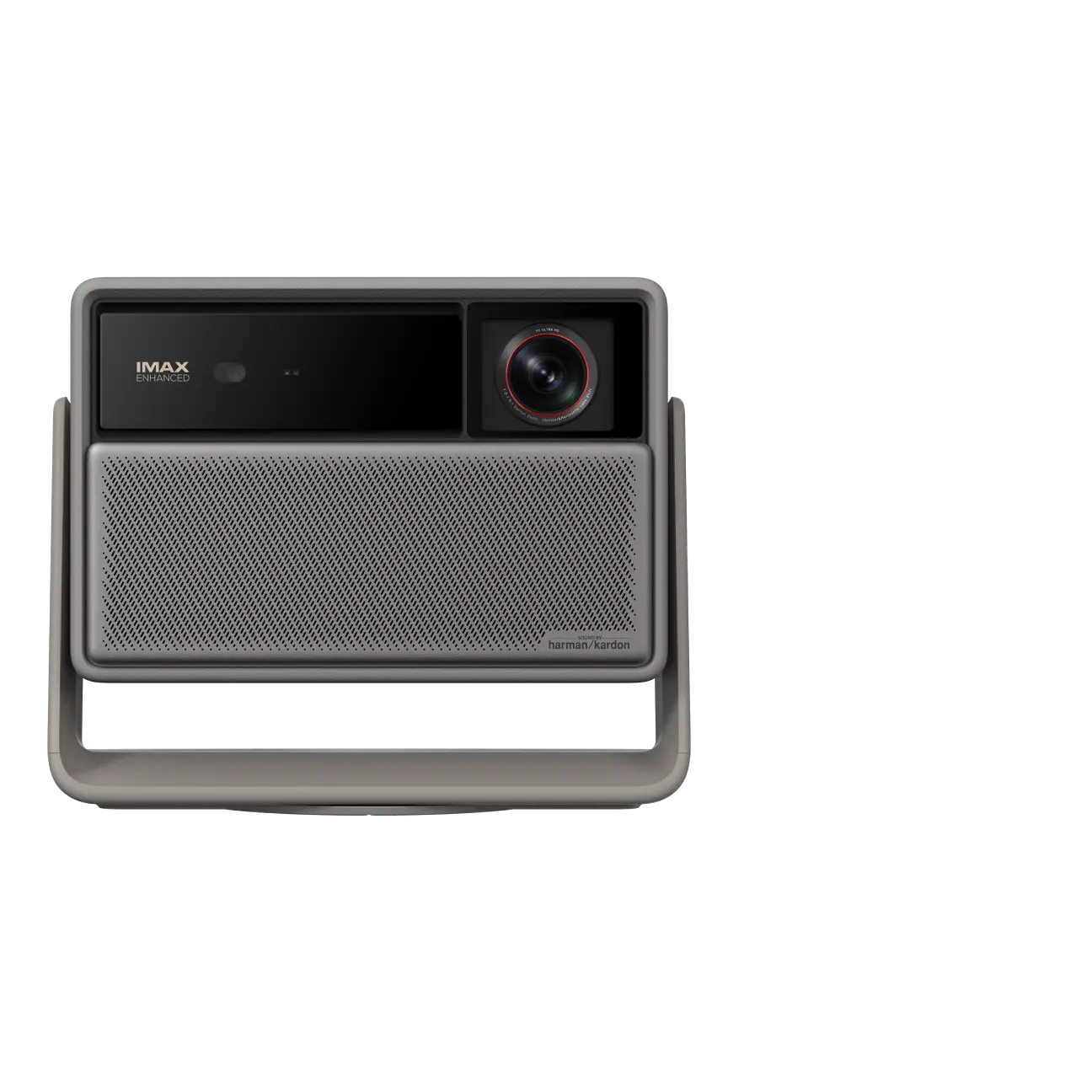
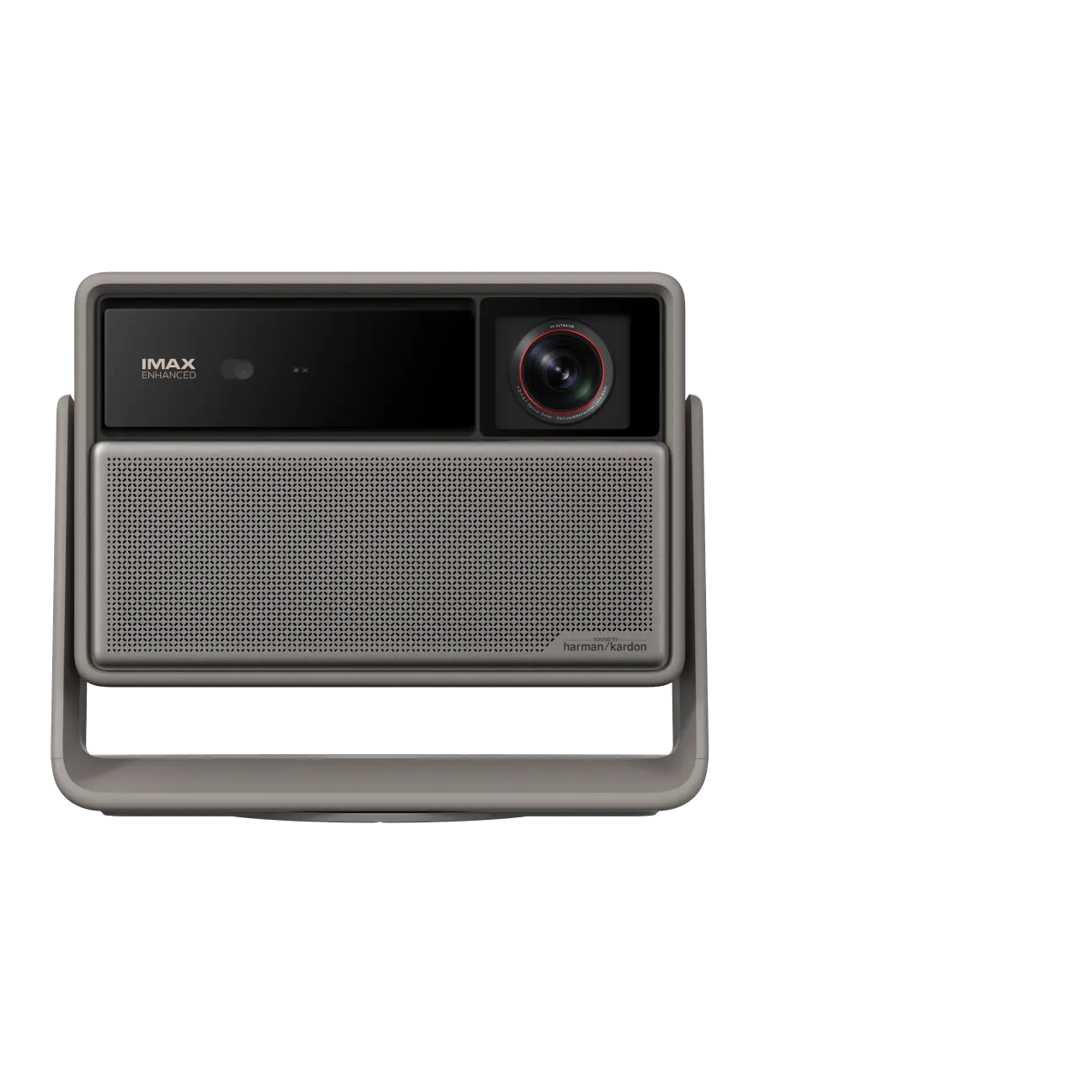
Refer to our guide on Google TV, Android TV, Google Play, and Chromecast in projectors for detailed setup instructions on compatible models like the HORIZON Ultra.
For iPhone users, our dedicated article explains how to connect iPhone to projector wirelessly or with cables, including AirPlay alternatives when networks differ.
Solution 4: Wired Fallbacks for Reliability
When wireless options prove unreliable, a direct cable connection eliminates network issues entirely. If wireless mirroring fails, a cable-based connection is the most reliable fallback.
- Use an HDMI cable from a laptop or compatible phone adapter (such as USB-C to HDMI for many Android devices or Lightning/USB-C adapters for iPhones).
- XGIMI portable projectors typically include HDMI ports, making this straightforward for presentations in offices or quick setups.
This is especially recommended for important meetings or when you need zero lag. Check our guide on how to connect MacBook Air to projector for laptop-specific wired tips.
How to Choose the Right Method for Your Situation
Before attempting wireless mirroring, perform this quick checklist:
- Can both your source device and projector join the same Wi-Fi network (via hotspot if needed)? If yes, try hotspot or standard casting first.
- Does your projector support Wi-Fi Direct or have Chromecast built-in? Test these before cables.
- Are you in a high-restriction environment like an office or dorm? Prioritize wired HDMI to avoid discovery blocks.
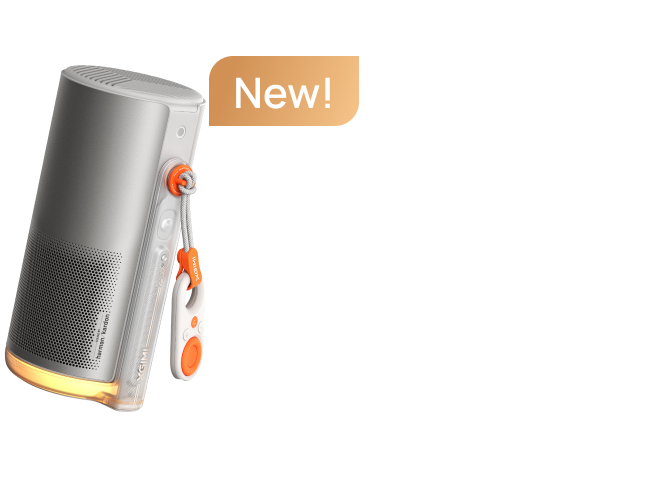
- For outdoor use with no power outlets, choose battery-powered portable models like those in the MoGo Series that handle hotspot connections well.
- Check for firmware updates on your XGIMI projector, as connectivity improvements are often included.
If you experience persistent issues, verify that your projector model supports the chosen protocol. Not all features are available on every device.
Common Pitfalls and Tips for Stable Performance
- Avoid mixing cellular data with projector Wi-Fi without a hotspot, as this creates separate networks.
- Streaming video over hotspots can consume significant mobile data—monitor usage or use downloaded content.
- Audio sync problems are common in cross-network attempts; wired connections usually resolve them.
- For best results with XGIMI projectors, explore the full range of portable projectors designed for flexible connectivity.
Many users regret depending solely on wireless in unpredictable environments. Having an HDMI cable handy is a smart backup strategy.
Important Note on Comfort and Setup: This article discusses connectivity setup and comfort in viewing experiences only. It does not constitute technical support, diagnosis, or advice for specific hardware issues. If you encounter ongoing connection problems or have existing device limitations, consult the product manual or a qualified technician. Results depend heavily on room conditions, device models, and network configurations.
By understanding these workarounds, you can enjoy seamless big-screen content whether in a dorm, office, or out under the stars. For more on using your projector in different scenarios, see our guide on projector setup and installation options.


