


Nothing ruins a movie night faster than a projector that displays 'No Signal' even though the HDMI cable looks perfectly seated. In most cases the root cause is not a broken projector or cable but a simple mismatch in input selection, source output state, resolution compatibility, or HDMI handshake negotiation. Following a structured diagnostic order usually restores the picture in minutes without replacing hardware.

The good news is that modern smart projectors with built-in Google TV reduce reliance on external HDMI sources altogether, but when you do connect a streaming device, console, or laptop, the same troubleshooting steps apply across brands.
Why Your Projector Shows 'No Signal' Even When Cables Are Connected
A 'No Signal' message means the projector is not receiving or cannot lock onto a valid video signal from the connected source. According to university AV support documentation, this commonly happens when the projector is set to the wrong input or the source device is not actively outputting video, even though the physical cable connection looks correct. For more on this topic, see Why Your Projector's Wi-Fi Connection Keeps Dropping and How to Fix It.
HDMI handshake failures add another layer of complexity. These occur when the source and projector cannot properly negotiate video format, EDID data, or timing information, often due to cable quality, adapters, or firmware conflicts, as explained in professional AV association guidance on troubleshooting HDMI handshake failures.
Resolution or refresh rate incompatibility is another frequent culprit. If the source device sends a signal the projector cannot display, the screen may stay blank. Official projector troubleshooting guides consistently recommend matching the source output to a supported resolution and 60 Hz refresh rate for best results.
Quick Diagnostic Checklist: Start Here Before Replacing Anything
Follow this order to isolate the issue quickly:
- Confirm the projector is set to the correct HDMI input source.
- Make sure the source device (laptop, console, streaming stick) is powered on, awake, and actively outputting video.
- Verify that the source resolution and refresh rate match what the projector supports.
- Test with a different HDMI cable, port, or source device to rule out handshake or cable problems.
This sequence aligns with the heuristic priority derived from common AV troubleshooting patterns: input selection is the most frequent fix, followed by source output state, resolution compatibility, and finally cable or handshake issues.
Most Likely Causes of Projector No Signal
Shows the most common first checks for a projector no signal issue. Use as a heuristic priority guide, not as frequency data.
View chart data
| Category | Relative likelihood (%) |
|---|---|
| Wrong input selected | 40.0 |
| Source not outputting | 25.0 |
| Resolution / refresh mismatch | 20.0 |
| HDMI handshake / cable issue | 15.0 |
Heuristic, illustrative weighting based on common AV troubleshooting order from viewpoint-insighter modules: wrong input first (UMich), then source awake/output (SIU/UMich), then resolution/refresh mismatch (UC Davis), then HDMI handshake/EDID/cable/firmware issues (CEDIA). Values are not measured statistics.
Step-by-Step Troubleshooting for Common 'No Signal' Scenarios
Check and Select the Correct Input Source
Many projectors default to a specific HDMI port or require manual selection. Navigate to the projector's input or source menu and cycle through available HDMI options. University classroom support resources emphasize that simply having the cable connected is not enough if the projector is not tuned to the right input.
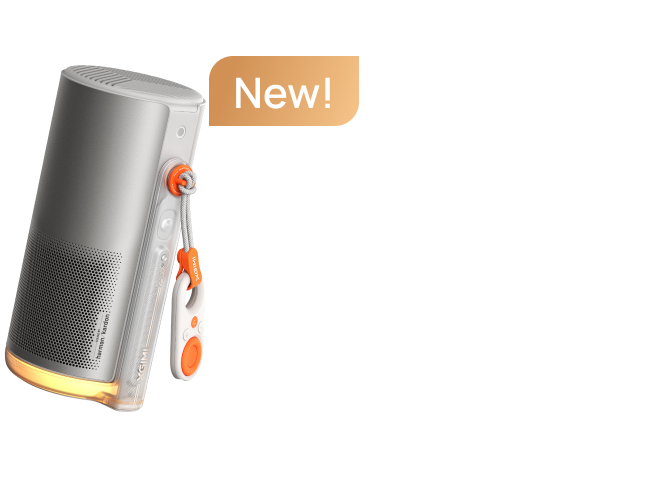
For XGIMI models and similar smart projectors, the on-screen menu often shows limited options until a valid signal is detected. If the menu feels restricted, this is a clue that no active input is recognized.
Wake the Source Device and Verify Output
A sleeping laptop, console in rest mode, or streaming device that has timed out will not send a signal. Press a key, move the mouse, or power cycle the source device. Official troubleshooting notes from academic IT departments confirm that a source device that is powered off or asleep will trigger 'No Signal' even with a perfect cable connection.
For gaming consoles or PCs, ensure the device is set to output video through the HDMI port you are using. Some devices disable external outputs when the internal screen is active or when in certain power-saving modes.
Match Resolution and Refresh Rate
Resolution mismatch remains one of the most common hidden causes. Set your source device to a resolution the projector supports, typically 1080p or 4K at 60 Hz. Multiple university and manufacturer guides advise lowering the source output to a compatible setting when the projector fails to lock the signal.
On Windows laptops, use the Display Settings to select a lower resolution or refresh rate. On macOS, hold Option while clicking Scaled in Display preferences to reveal additional modes. For gaming consoles, check the video output settings in the system menu.

Address HDMI Handshake and Cable Issues
When the basics are correct but the signal still fails, HDMI handshake problems are often responsible. These can stem from marginal cables, long cable runs, adapters, or EDID mismatches. Professional AV troubleshooting resources highlight that swapping the cable, trying a different HDMI port on the projector, or power-cycling both devices in a specific order (source first, then projector) frequently resolves stubborn cases.
Use a high-quality, certified HDMI cable rated for the resolution you need. For 4K setups, ensure the cable supports HDMI 2.0 or 2.1. Avoid cheap or very long cables, especially in setups with multiple devices or switches.
Update Firmware and Check Advanced Settings
Outdated firmware can cause persistent input recognition problems. Many projectors, including smart models, benefit from regular updates that improve HDMI compatibility. One helpful internal resource covers updating projector firmware and switching HDMI versions, which can resolve handshake quirks on newer devices.
In the projector's picture or signal menu, look for options to adjust HDMI mode, EDID settings, or input type. Some models require selecting a specific HDMI standard for certain sources.
Scenario-Based Guidance: When the Fix Changes
Troubleshooting steps shift depending on your source device:
- Laptops and PCs: Prioritize resolution and refresh rate adjustments after confirming the device is awake.
- Gaming consoles: Ensure the console is fully powered on and not in rest mode; check output settings for HDR or resolution limits.
- Streaming sticks or set-top boxes: Reboot the device and confirm the correct projector input is selected.
- Setups with AV receivers or switches: Test by connecting the source directly to the projector to isolate where the signal is dropping.
Smart projectors with built-in Google TV often simplify daily use by letting you stream without external devices, reducing 'No Signal' occurrences for many users. When external connections are still needed, the same diagnostic order applies.
When to Consider Hardware Replacement or Professional Help
If the problem persists after testing multiple cables, ports, sources, and resolutions, the issue may lie with a faulty HDMI port on the projector or source device. At that point, consider professional diagnosis rather than assuming the projector itself is defective.
Avoid building setups that require complex startup sequences or frequent source switching if you want one-touch reliability. Long cable runs, multiple adapters, or devices that auto-switch resolutions tend to produce recurring handshake issues.
Preventing Future 'No Signal' Frustrations
- Use short, high-quality HDMI cables rated for your resolution.
- Power on the source device first, wait a few seconds, then power on the projector.
- Keep firmware updated on both projector and source devices.
- For frequent use, consider a smart projector that minimizes external cable dependencies.
Our collection of cables and adapters includes options that meet modern HDMI standards and can reduce compatibility headaches. For gaming setups, see guides on how to connect Xbox to projector or how to connect PS4 to projector.
Important Note on Comfort and Setup: This article provides general troubleshooting advice for projector connectivity and is not medical or safety guidance. Projector use should follow manufacturer instructions. If you experience persistent eye discomfort or have existing vision conditions, consult a qualified eye care professional. Connectivity issues themselves do not directly affect eye health, but proper setup and viewing distance contribute to comfortable use.
By methodically working through input selection, source output, resolution matching, and handshake checks, most 'No Signal' problems resolve without new hardware. When the fundamentals are covered, modern smart projectors deliver the reliable, cable-light experience many users are seeking for their home theater or gaming setups.


